Hatzidakis Winery, Santorini: Plan a Pyrgos Cellar Visit
Plan a visit to Hatzidakis Winery in Pyrgos, Santorini: what the cave cellar is, how to book by phone or email, and how to reach it from Fira or the port.
On this page
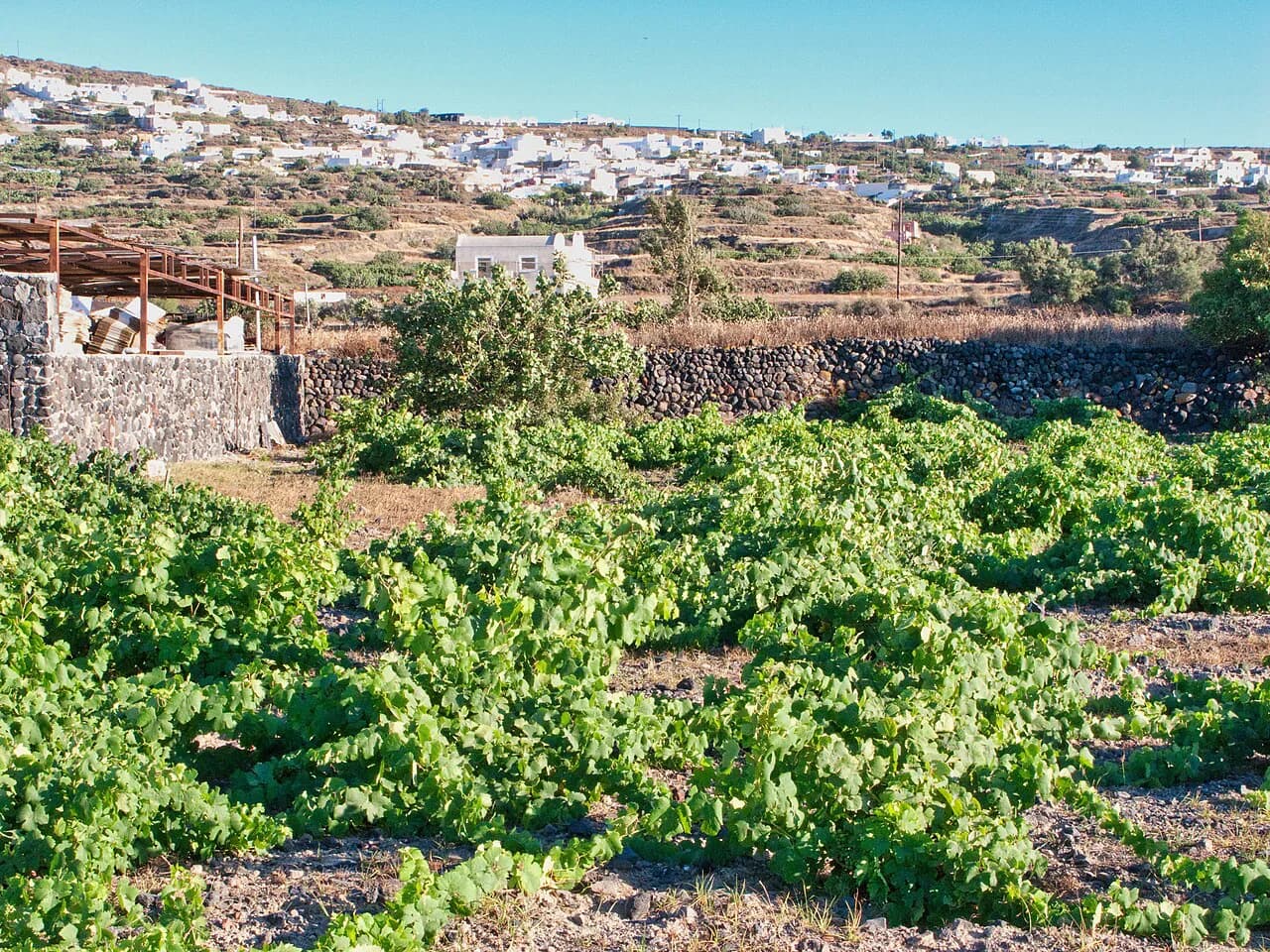
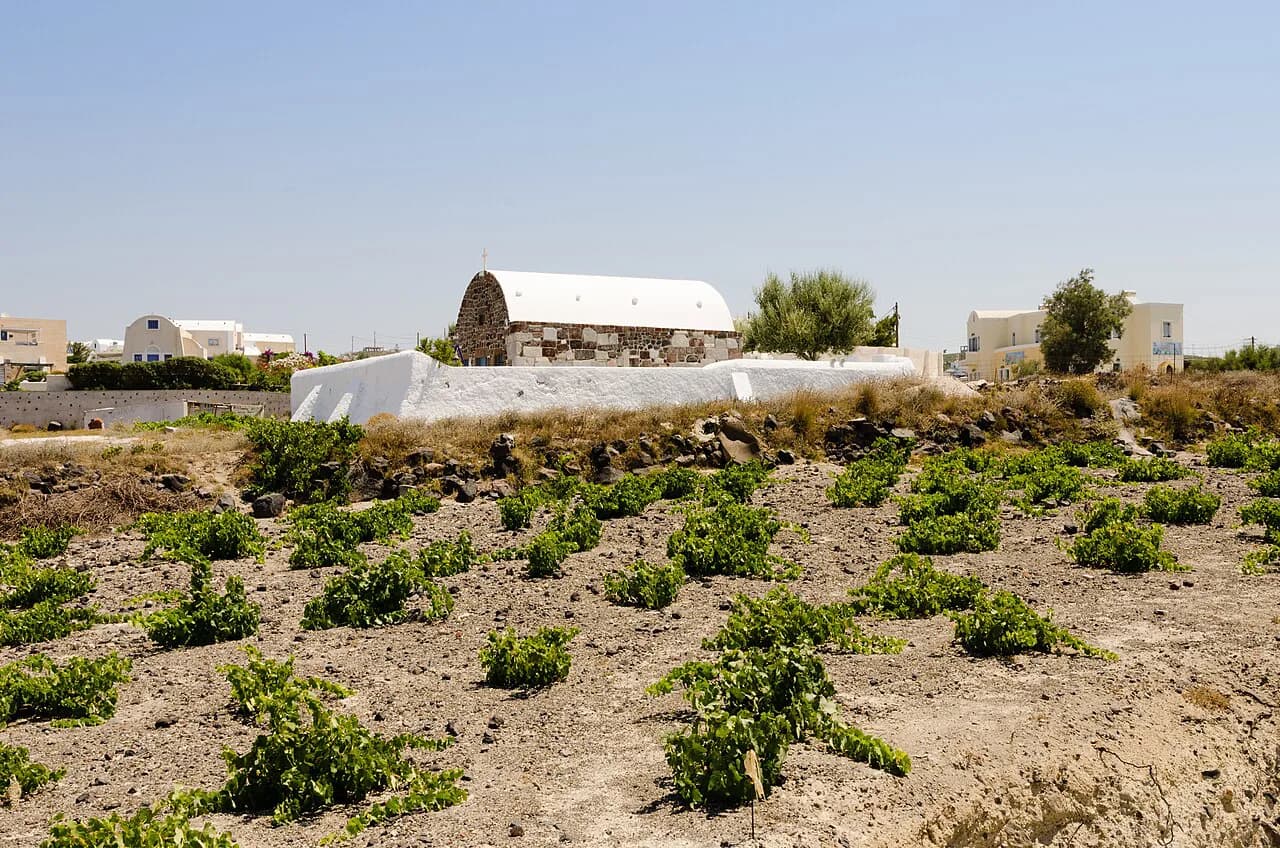
Hatzidakis comes up early in most conversations about Santorini wine, and the reason is the vineyard rather than the view. The family works a site at Pyrgos Kallistis in the island's inland village belt, and the winery itself grew out of a cave cut beside those vines. A visit here is a cellar appointment in a village, not a sunset terrace with a caldera backdrop.
That distinction shapes the planning. You are choosing between an inland anchor for a tasting day and the caldera-side estates that draw the crowds, and Pyrgos rewards anyone who wants to understand how Santorini's vines are farmed before tasting the results. Use this guide to fix the location, learn what the family produces, and settle the booking and transport questions before you commit a day of the trip.
Where Hatzidakis Sits in Santorini's Village Belt
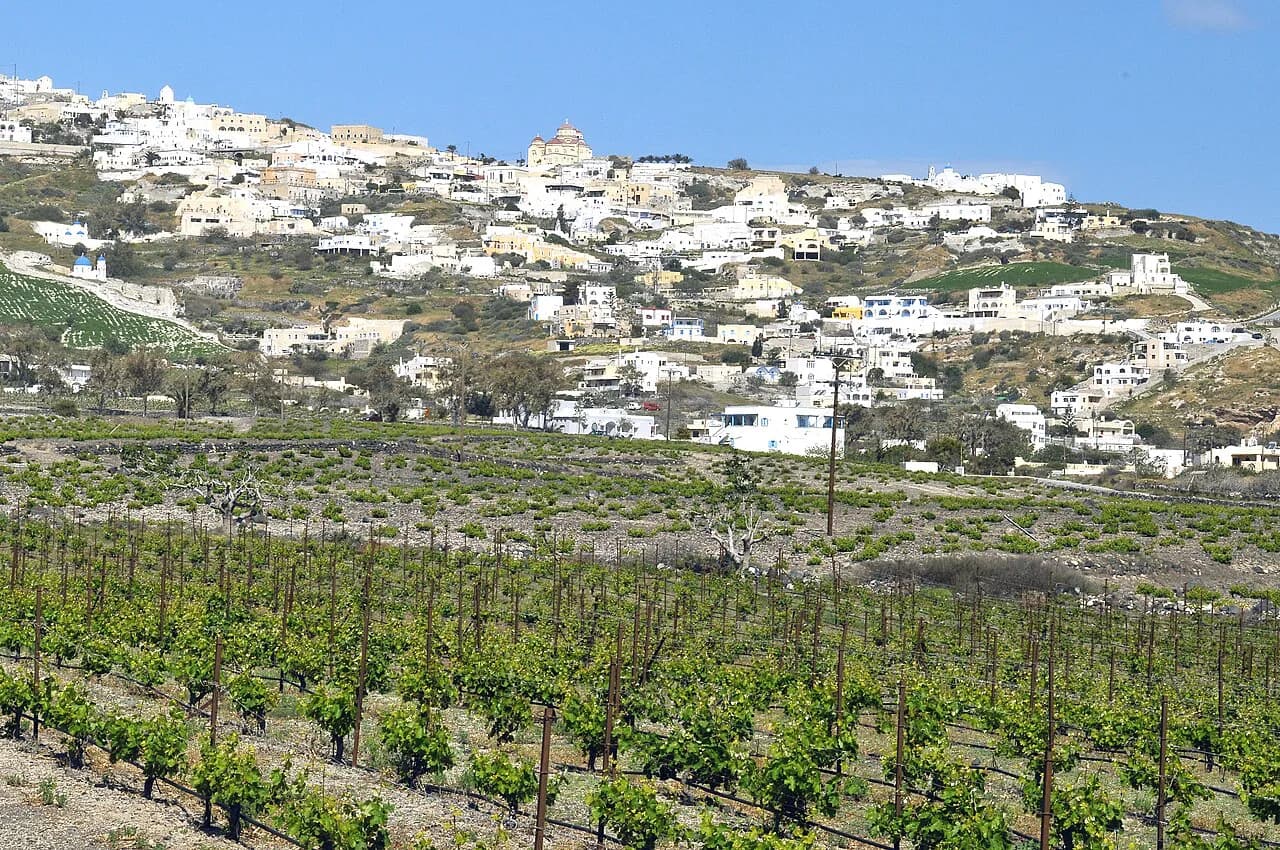
Pyrgos Kallistis lies inland, roughly midway between Fira and the south of the island, on the slope below the Profitis Ilias ridge. Hatzidakis is identified with this village, and the winery's published postal address is simply 84700 Santorini, Greece, with no street number to feed into a navigation app. Treat the village as your target and use the winery's own directions when you confirm the booking.
From Fira the drive is short in distance but slow in practice during cruise-ship mornings, when the road through the villages thickens with coaches. From Athinios port the climb up to Pyrgos is steeper and best handled by taxi or a pre-booked transfer rather than a hopeful walk. The airport sits on the eastern side of the island, so a Pyrgos appointment slots naturally into an arrival or departure day only if you keep the tasting light.
Maps and rental-car paperwork often render the name several ways, and Santorini has more than one inland village with a similar profile. Confirm you are heading to Pyrgos Kallistis, not the caldera village of Imerovigli or the beach resorts on the east coast, before you set out. The winery's published contact channels are the quickest way to resolve any doubt about the exact turn.
What Kind of Winery You Are Visiting
Hatzidakis was founded in 1997 by Haridimos Hatzidakis and Constantina Chryssou, and the story begins a year earlier. Chryssou showed her family's uncultivated vineyard at Pyrgos Kallistis to Hatzidakis, who took on its revival; spotting a cave at the end of the plot, he proposed carving a kanavaki, the local word for a small winery, into it. The first wines, from the 1997 vintage, were released in 1998.
That cave form matters when you arrive, because a kanavi is part of Santorini's building tradition rather than a decorative tasting room. Island growers historically worked in cool, dark underground spaces cut into the soft volcanic soil, and Hatzidakis followed the pattern with a small cellar built beside its own vines. Expect an intimate scale and a working winery atmosphere rather than a visitor center with a large shop floor.
After Haridimos Hatzidakis died in 2017, his family and a team of young wine professionals carried the project forward, keeping production limited and focused on the island's terroir. That continuity is part of why the estate is worth an appointment: you are visiting a small family operation with a defined vineyard, not a brand with a hospitality department. Budget your time accordingly and arrive with questions rather than expectations of a polished show.
The Wines to Look For
Assyrtiko is the white grape that made Santorini's reputation, and it is the core of the Hatzidakis range. The estate also bottles Mavrotragano, a red variety native to the island, and Aidani, the grape that covered the original family vineyard at Pyrgos Kallistis. When you book, ask which of the current releases will be open, since a small cellar pours from what is on hand rather than a fixed flight.
The vineyard-designated wines, Assyrtiko de Mylos and Assyrtiko de Louros, are the labels to watch for if you want to compare sites within the appellation. Cuvée 15 belongs to the same estate line. These are the names to ask about in a shop or on a list, and the names to mention when you email about a visit, because they tell the winery which part of the range interests you.
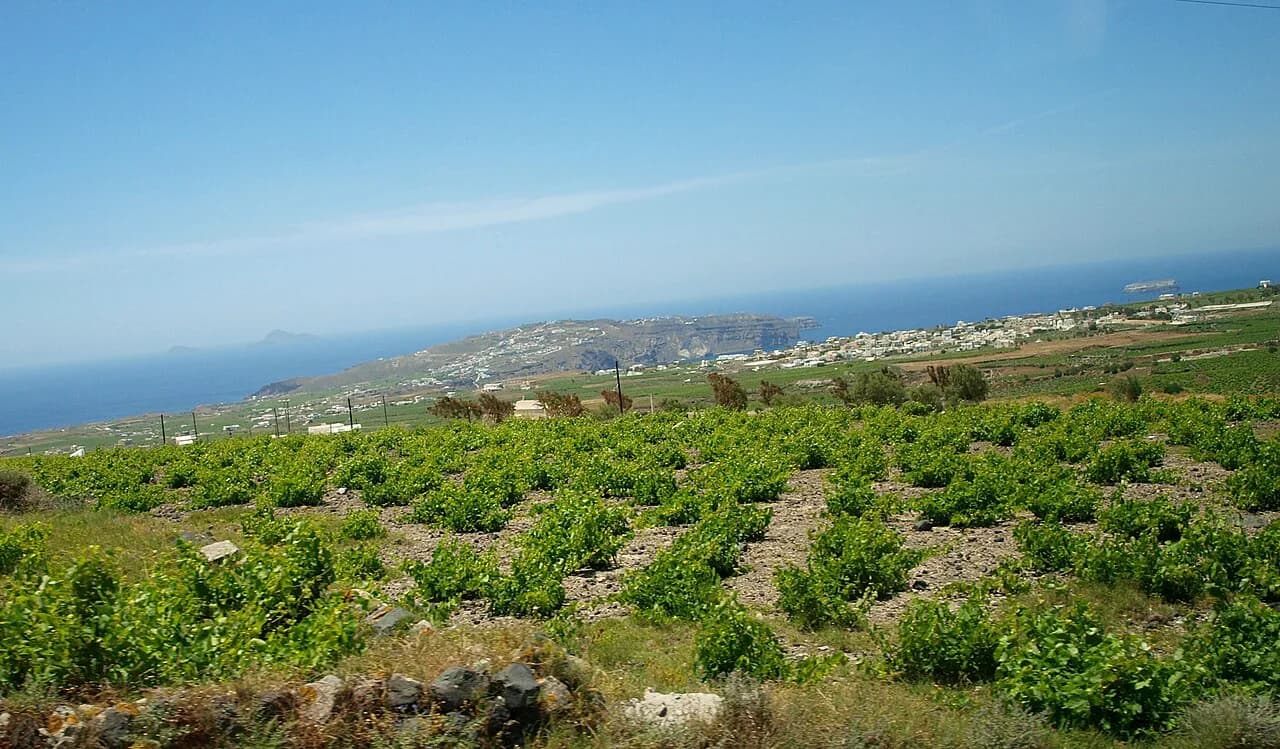
Reading up on Santorini's appellation rules before you go makes the tasting sharper, particularly the island's basket-trained vines and the volcanic soils that sit under them. The broader picture of who pours what, and where, is covered in our guide to wine tasting in Santorini, which is worth skimming before you finalize an itinerary. That context turns a short cellar stop into a comparison between sites rather than a single impression.
Booking: The Published Channels
The winery publishes two phone numbers, +306981107180 and +306976771711, plus two email addresses, hatzidakishospitality@gmail.com and hatzidakisvisitors@gmail.com. Having separate hospitality and visitor contacts is a useful signal: route visit enquiries to the visitors address and leave the hospitality line for groups or trade. Give your date, party size and preferred time in the first message.
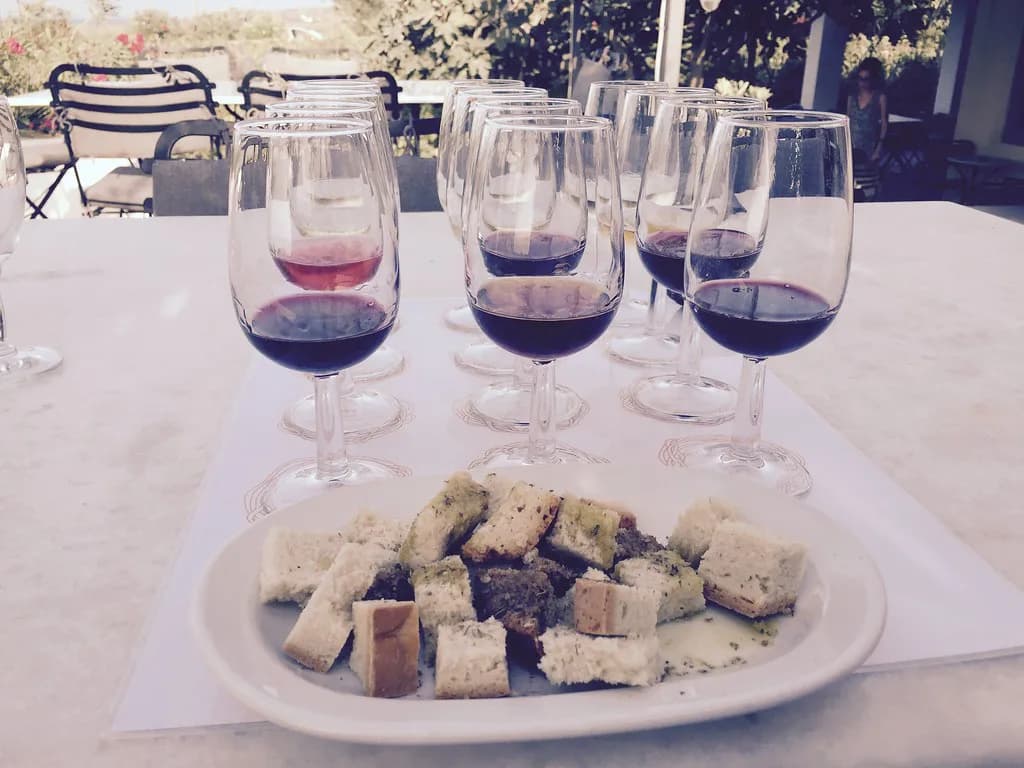
What the estate has not published is a fixed schedule of tasting prices, flight sizes, durations or opening days. Do not plan around a number you saw in a forum; ask directly in your email whether the visit is by appointment only, how many wines are poured, whether the cave cellar is part of the walk-through, and whether any food is served. Those four answers determine whether you allot forty minutes or two hours.
Appointment culture on Santorini is real, and small cellars fill around cruise arrivals and harvest. Write several days ahead in peak season, name a backup time, and confirm by phone if you have not heard back within a couple of days. If you are traveling with a group larger than four, say so at the outset, because small tasting rooms handle numbers by staggering slots.
Harvest on the island is early and labor-intensive, with picking typically falling in the warmer weeks of late summer, and the winery's attention turns to the cellar during that window. Visits may still be possible, but responses slow down and flexibility matters more than usual. Confirm your slot once the date is firm, and treat the published contacts as the only reliable source for current visitor arrangements.
Getting There Without Driving
Santorini's bus network runs from Fira to the villages, and Pyrgos is served from the main terminal, though timetables thin out in the evening and on quieter days. The bus drops you in the village, and the final approach to the winery is on foot, so ask at booking how far the walk is and whether the path suits your group. Taxis are limited in number, so a pre-booked return matters more than a pre-booked outward journey.
A guided wine tour solves the transport problem in one move, usually bundling two or three estates with a driver who knows the village lanes. The trade-off is control: you taste what the itinerary offers, on the tour's timing, rather than settling into one cellar. Independent travelers get depth at Hatzidakis but carry the logistics; tour passengers see more of the island with less planning. If you are weighing this same choice elsewhere, wine tasting in Hvar covers how its own small cellars handle appointments and tours.
If you want to compare guided formats before choosing, our roundup of Santorini wine tours sets out how the routes differ, including where they stop on the caldera versus inland. Reserve your place at least a day ahead in high season, when the small-group departures fill. Whichever option you pick, the driver should not taste; use the spittoons, appoint a designated driver, or let the bus or tour do the work.
Cyclists should be realistic about the climb to Pyrgos and the heat, and should not combine a serious ride with a tasting. A taxi from Fira for the outward leg and a bus back is a practical compromise if you want to keep costs down while avoiding the village road on foot in the dark. Ask the winery which exit point the buses serve before you rely on the return.
Building a Pyrgos Tasting Day
Pyrgos works best as an anchor rather than a detour, because it sits between the caldera villages and the southern half of the island. Pair an inland appointment with a stop at a caldera-side estate to see the contrast between vineyard sites and visitor styles, and keep the number of tastings to two or three so that the day stays legible. Our Santorini wineries map of the island's estates helps you cluster them by road.
If you want a second village-scale visit, Domaine Sigalas is a familiar name for Assyrtiko and sits in the island's northern wine country, which makes it a natural partner for a day that begins or ends near Oia. Pairing it with Hatzidakis means a longer drive but a broader picture of the appellation. Read our Domaine Sigalas visit notes before you book both, since each house runs its own appointment system.
For travelers interested in the island's winemaking past, the Santorini wine museum adds a different register to a tasting day, with underground cellars and historic equipment. It is a good wet-weather or late-afternoon option when a cellar appointment falls through. Slot it into the same inland loop rather than treating it as a separate excursion.
Buying the Wine and Taking It Home
Buying at the cellar or in an island shop is the simplest route, and it avoids the shipping question entirely. Hatzidakis bottlings appear on Greek retail lists, and the winery is the place to ask which labels are available to carry out on the day of your visit. Leave room in your luggage and check your airline's rules on alcohol in checked baggage before you commit to a case.
Shipping wine to the United States is constrained by state and federal rules, and one Santorini retailer notes plainly that sending wine to the US is generally not allowed, with limited exceptions by state and quantity. If you buy from a Greek merchant, ask in writing what they will and will not ship. For most travelers the realistic answer is to carry bottles home or buy the same labels from a US importer later.
Prices vary by wine, vintage and merchant, so treat any figure you see online as a single data point rather than the cellar's own rate. If you want a rough sense of what a specific bottling trades for internationally, a wine price aggregator is useful context, but ask the winery for its current list. That way you are comparing like with like before you decide how many bottles fit in your bag.
Plan Your Visit
Hatzidakis suits a traveler who wants one unhurried cellar visit with a real sense of place rather than a circuit of terraces. Fix Pyrgos Kallistis as the destination, email the visitor address with your date and party size, ask what the tasting includes, and arrange your return transport before you leave Fira. Everything else on the island can be built around that anchor.
The rest is local knowledge you already have: book early in season, keep the driver sober, and buy your bottles where you taste them. For the wider island picture, start with our guide to wine tasting in Santorini and work outward from there.
Frequently Asked Questions
Where is Hatzidakis Winery in Santorini?
The winery is associated with Pyrgos Kallistis, an inland village between Fira and the south of the island, and its published postal address is 84700 Santorini, Greece. There is no street number published, so use the winery's own directions once your booking is confirmed rather than relying on a navigation app.
Do you need a reservation for Hatzidakis Winery?
The winery publishes separate visitor and hospitality email addresses and two phone numbers, which points to arranged visits rather than drop-in traffic. Ask directly whether your date can be accommodated and what the visit includes before you build a day around it, especially in high season.
How do I contact Hatzidakis Winery to book a tasting?
Use the visitor email address for individual and small-group visit enquiries, and the hospitality address for larger parties or trade. The winery lists the phone numbers +306981107180 and +306976771711. Include your date, party size, preferred time and which wines interest you in the first message.
What wines does Hatzidakis make?
The estate is known for Assyrtiko, the island's signature white, alongside the red Mavrotragano and the Aidani grape that covered the original family vineyard. The vineyard-designated labels Assyrtiko de Mylos and Assyrtiko de Louros, plus Cuvée 15, are the names to look for on a list or in a shop.
Can you visit Hatzidakis Winery without a car?
Yes, with planning: buses run from Fira to the villages, and Pyrgos is served from the main terminal, though evening services are thin. Taxis are limited, so arrange your return in advance, or take a guided wine tour that includes transport and a driver who does not drink.
How far is Hatzidakis Winery from Fira?
Pyrgos sits inland roughly midway between Fira and the south of the island, a short drive that slows noticeably when cruise traffic fills the village roads. Rather than relying on a minute figure, allow extra time on port days and confirm the meeting point and walking distance with the winery when you book.
Is Santorini wine good?
Santorini's volcanic soils and basket-trained vines produce distinctive Assyrtiko, and the island's appellation rules govern how it is labeled. Judge for yourself across two or three estates rather than from a single pour, and compare inland sites like Pyrgos with caldera-side wineries to see how position changes the wine.
What are the best wine tours in Santorini?
That depends on whether you want inland cellar depth or a caldera circuit, since tours differ in which estates they visit and how long they allow at each. Check the itinerary for named wineries and group size, book ahead in high season, and confirm that transport and a sober driver are included.
Sources
Notes for your next wine trip
Optional updates to our winery and wine-town guides.
You might also like
Continue reading
More guides you'll find useful