Wine Tasting in Reims: Champagne Houses, Tours and Prices
Plan wine tasting in Reims with the big Champagne houses on the chalk cellars circuit, day tours that include tastings and lunch, and train hops to Épernay and Aÿ.
On this page
Reims is the rare wine city where you can walk from a cathedral to a working Champagne cellar in ten minutes. The big houses sit inside the city, several of them in chalk quarries dug beneath the streets, so a tasting day here needs no car at all. The vineyards that supply them begin twenty to forty minutes out, which is where a tour or a short train ride earns its place.
What follows separates the city-center cellar circuit from vineyard-village visits, so you do not spend a day crossing the region twice. Prices and timings come from what houses and operators publish, and they shift by season, so treat every figure as a starting point rather than a guarantee.
Why Reims Works as a Champagne Base
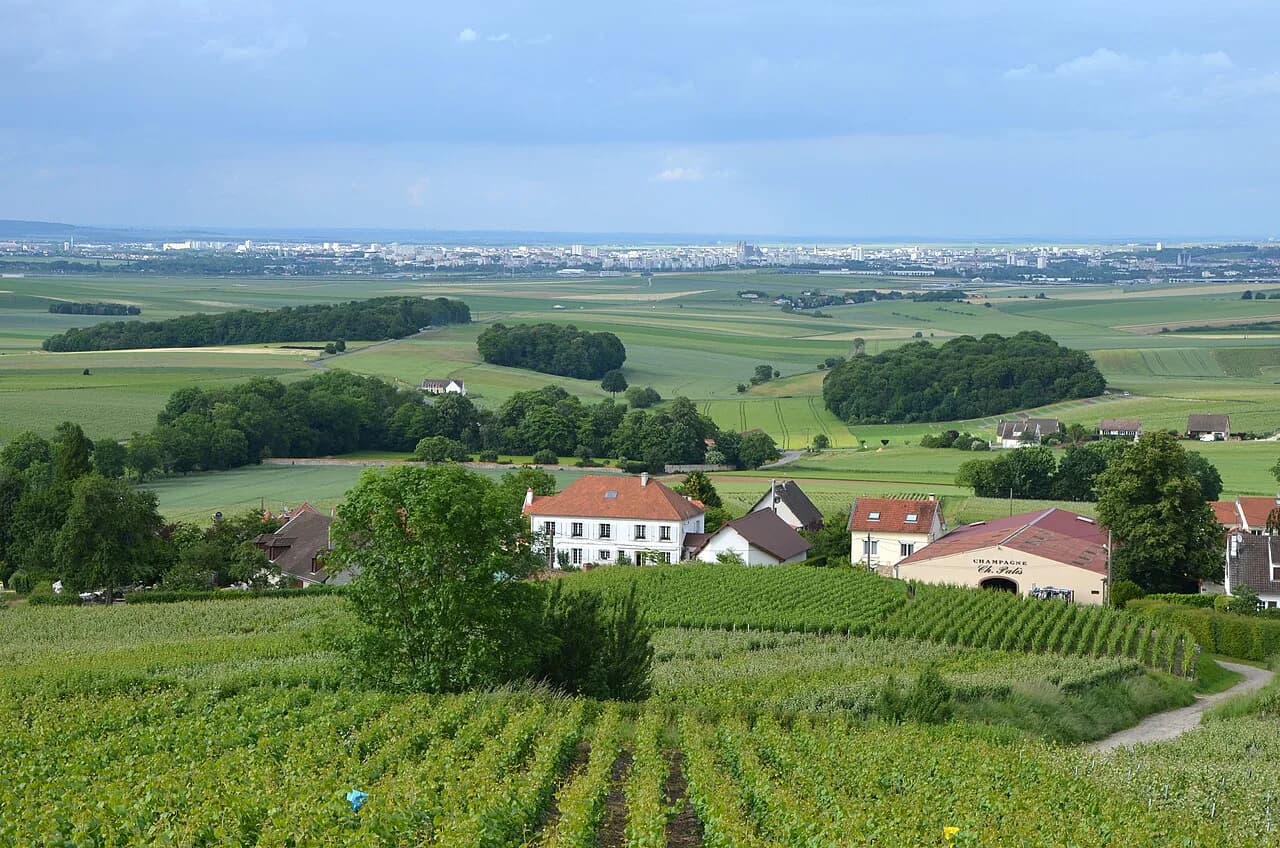
The Champagne region splits into five sub-regions: Montagne de Reims, Côte des Blancs, Côte de Sézanne, Vallée de la Marne and Aube. Reims sits at the northern edge of the Montagne de Reims and is the main city for the major houses, while Épernay anchors the Avenue de Champagne and the southern vineyard villages. Choosing Reims means cellar visits without transport logistics; choosing Épernay means vineyards at the edge of town.
Distances are short enough to combine both. Épernay and Aÿ are reachable by train from Reims, and guided itineraries routinely loop the Montagne de Reims villages of Verzy, Verzenay and Mailly in a single day. You get more Champagne per hour by picking one half of the region per day rather than trying to reach both ends.
Reims is roughly two hours from Paris by train, which makes it viable as a day trip or a one-night stay. The tourist office for the wider region is based in Épernay rather than Reims, so use each town's own information point for local maps and cellar lists.
What You Are Tasting: Grapes and Styles in Brief
Champagne is a blended sparkling wine, usually from three grapes. Pinot Noir gives structure and red-fruit weight and dominates the Montagne de Reims, the hills south of the city. Chardonnay brings lift and is the specialty of the Côte des Blancs, while Pinot Meunier ripens early and fills out the Vallée de la Marne.
A blanc de blancs is Chardonnay only, a blanc de noirs is white wine from dark grapes, and a rosé is either blended or made by brief skin contact. Houses also differ in whether they ferment in stainless steel or oak: Bollinger is known for fermenting in old barrels, which shapes the style you will meet on a visit. Knowing this helps you pick a house whose wines you actually want to drink.
The Reims House Circuit: What Each Cellar Gives You
The tourist office lists four Reims houses as the core circuit. Veuve Clicquot occupies historic cellars in the city associated with the widow who took over the firm in 1805, and its range leans on Pinot Noir. Taittinger works from cellars cut into Gallo-Roman chalk pits beneath the former Saint-Nicaire abbey, with Chardonnay-led wines. Pommery adds an Elizabethan-style château above 116 steps down into chalk galleries used as an art space. Ruinart, founded in 1729 and based on rue des Crayères, runs guided tastings of two cuvées in white chalk pits forty meters below ground.
Visits at these houses follow a similar shape: a guided walk through the crayères or cellars explaining how the wine is made, then a seated tasting. The number of cuvées poured, whether a food pairing is included and total duration vary by house and by the tier you book, so ask when reserving. Cellars stay cool and damp year-round, which argues for flat shoes and a layer you can add.
Ruinart's published format of a guided tour plus two cuvées is a useful benchmark for what a mid-tier house visit looks like. If a listing offers only one glass, it is usually a shorter introduction rather than a full cellar tour.
Booking Culture: Appointment, Group Size and Language
The large houses sell timed slots and fill up in spring and summer, so book ahead for weekend visits and for anything in the run-up to Christmas. Smaller growers more often work by appointment with a minimum party, sometimes two people. A phone call or an email through the house's own site is the reliable route; third-party resale pages help with comparison but confirm the slot with the house itself.
Language matters more than many visitors expect. Operator listings for Reims tours are typically English-language, while individual houses may run tours in French, English or both at different times of day. If you are joining a small-group format, expect to share the van: one published full-day tour caps the group at eight guests.
Costs: House Tickets Versus a Guided Day
Buying cellar visits individually gives you control but exposes you to each house's separate ticket price, plus taxis or trains between them. A packaged day bundles entry, transport and usually lunch into one figure. One published small-group day from Reims starts at €295 per person, with an option including hotel pickup in central Reims priced at €310.
Winedering's tour runs about nine hours, meets at 09:20 on the forecourt outside Reims station facing the park, and includes a Veuve Clicquot visit with four glasses, a guided walk around Reims Cathedral, lunch with a glass of Champagne, and a second tasting at a family estate in the vineyards. It operates Tuesday to Sunday, requires booking at least three days ahead, and allows free cancellation up to three days before. Winedering notes that Veuve Clicquot may be replaced by another house such as Mumm if circumstances require, so do not book around one brand alone.
Shorter formats exist for tighter budgets: a morning two-winery tour from Reims and an afternoon Hautvillers route with two family growers are both listed at lower starting figures than the full day. Those prices are per adult and change with season and availability, so read the current listing before you commit. Small-grower tastings bought direct are usually the cheapest way to taste several wines, though you arrange the travel yourself.
If you want to see what is on in the city beyond cellar tours, the local tasting scene covers wine bars and shop tastings, which suit a late afternoon better than a two-hour house visit.
A Full Guided Day From Reims, Hour by Hour
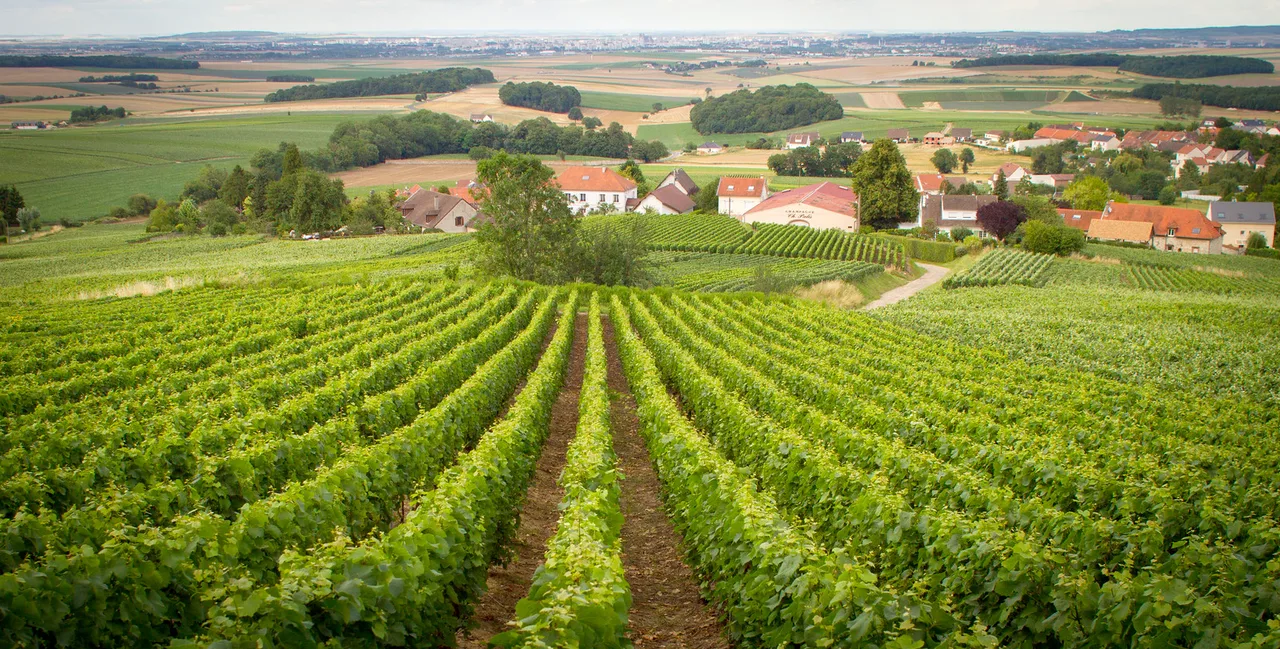
A typical full day begins at the station forecourt, where the guide meets the group in a marked minivan. The morning usually belongs to a prestige house in the city, then a stop at Reims Cathedral, whose UNESCO-listed Gothic nave is worth the walk even on a wine day. Lunch follows at a local restaurant, and the afternoon moves into the vineyards along the Route de Champagne.
The second visit is generally to a family estate, where the scale is smaller and the conversation more direct. The day usually wraps up around 17:30 back at the station or at a central hotel. Expect cold cellars, a lot of standing, and a generous lunch, so keep the evening free rather than stacking a dinner reservation on top.
Going Independent: Train Hops to Aÿ and Épernay
Aÿ, home to Bollinger and its large barrel cellar, is about a thirty-minute train ride from Reims according to one travel guide covering the area. Épernay is a straightforward rail hop in the same direction and puts you on the Avenue de Champagne, where Moët & Chandon's cellars hold 28 kilometers of underground galleries thirty meters below the street.
The trade-off is real. Independent travel costs less and lets you linger, but you will fit fewer prestige houses into a day, and small village estates away from the rail line become hard to reach without a taxi. A tour trades flexibility for three or four stops and a driver who knows the back roads.
In Aÿ, Pressoria is a sensory museum devoted to Champagne with a short cellar-style tour and a glass at the end, useful if you want context before a house visit. It sits in the village center and is easy to combine with a Bollinger appointment on the same afternoon.
Épernay as a Half-Day Add-On
Épernay's Avenue de Champagne concentrates grand houses along one street, which makes it efficient for a half day. Moët & Chandon is the headline address, but the avenue also holds smaller maisons and tasting rooms where you can drop in without a full tour. Pair a bookable cellar visit with an unhurried walk along the avenue rather than trying to tick off four houses.
Bollinger sits in Aÿ rather than Épernay, surrounded by its own vineyards and holding the region's largest collection of barrels. If you want both Moët and Bollinger, plan them on the same day and use the train between Épernay and Aÿ rather than doubling back to Reims.
Grouping Your Stops So You Do Not Cross the Region Twice
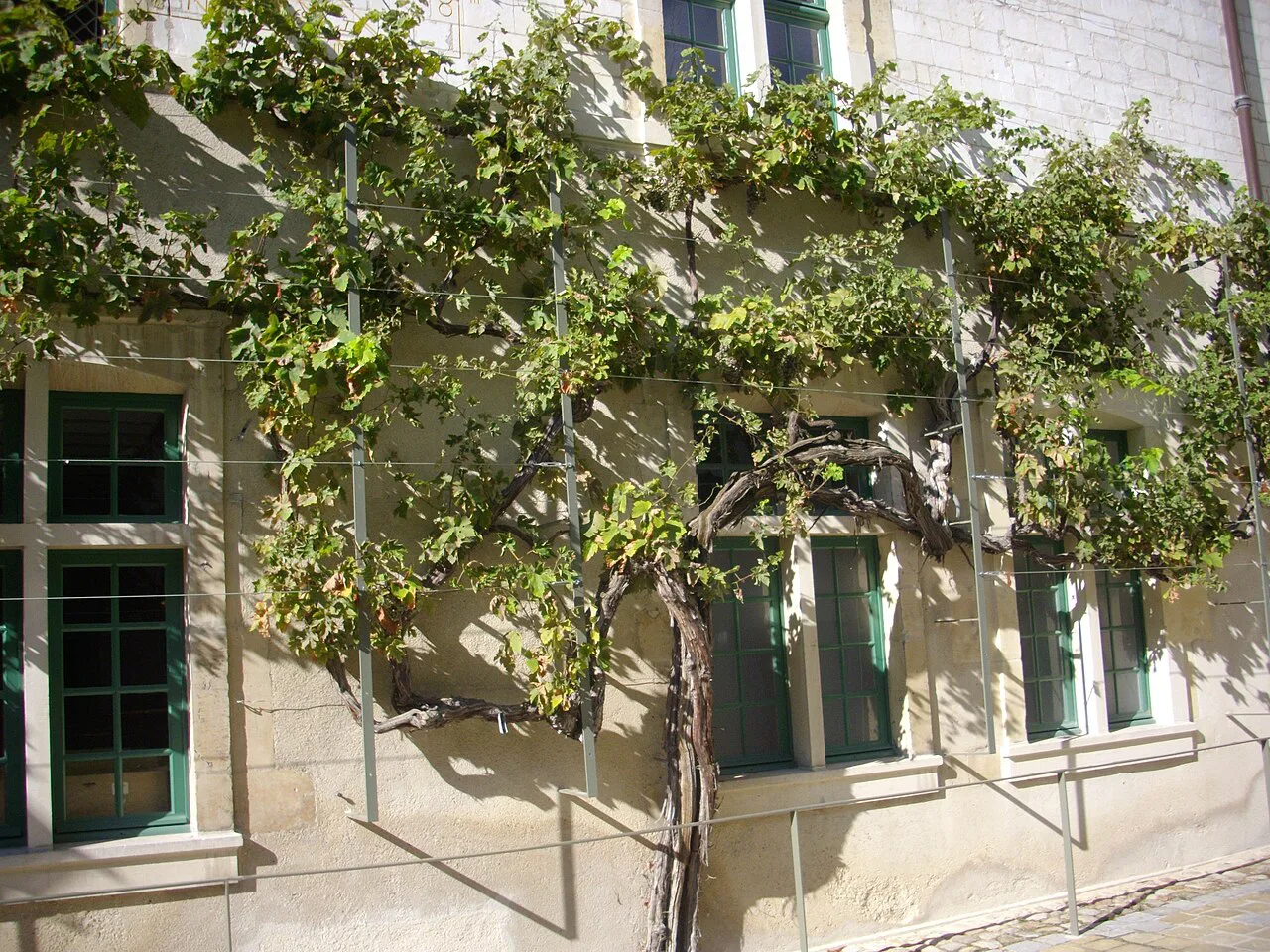
Build each day around one geography. A city day covers Reims houses on foot plus the cathedral. A Montagne de Reims day covers Verzy, Verzenay and Mailly by vehicle. An Épernay day covers the avenue, Moët and a short train to Aÿ. Mixing a Reims morning with an Épernay afternoon is possible but eats two hours in transit.
If you have three days, the natural split is Reims houses first, then a full-day tour into the vineyards, then a solo train day to Épernay and Aÿ. That progression also helps you learn the house styles before you commit to a longer tasting. If your plans later pull you south, the same house-by-house versus guided-day choice comes up in wine tasting in avignon, where the Rhône Valley cellars sit outside the city walls.
Harvest, Winter and What to Wear Underground
Champagne can be visited year-round, but winter brings thinner tour inventories and quieter cellars. Harvest generally falls between August and September and shifts each year, so avoid fixing your dates around it. During picking, growers are busy in the vines and some small estates reduce their visitor hours.
Cellars sit at ten to forty meters below ground and stay cold and damp even in July. Bring a sweater, wear shoes with grip on the chalk floors, and skip anything you would not want brushed against a wet wall. A scarf or light jacket is enough; heavy coats become a nuisance on a walking tour.
Drivers, Non-Drinkers and Getting Home
Anyone driving should not taste, and Champagne houses are used to it: ask for a spittoon and pour the rest away. Public transport covers Reims to Épernay and Aÿ by train, and a guided tour removes the question entirely since someone else drives. Taxis in the villages are limited, so book a return rather than hoping to flag one down.
Non-drinkers are welcome on most tours, though operators rarely discount for them, so ask before booking whether a reduced rate applies. The Reims Cathedral stop and the vineyard scenery stand on their own if you are along for the ride.
Plan Your First Cellar
Start with one city house in Reims to learn how Champagne is made, then use a guided day or the train to Épernay and Aÿ to see vineyard scale and small-grower style. Book the prestige house first because its slots go fastest, and build the rest of the day around that fixed time.
Confirm the current slot, price and what is poured directly with the house before you travel, since formats and published figures change by season. Then leave room for lunch and one unbooked walk along the avenue or through the vineyards.
More wine guides from Reims
- A Taittinger Tour in Reims
- Champagne Houses in Reims
- Champagne Tasting in Reims
- Champagne Tours From Paris
- Champagne Tours from Reims
- Charles Heidsieck, Reims
- Hautvillers
- Pol Roger in Épernay
- The Moët & Chandon Tour in Épernay
- Veuve Clicquot Tour in Reims
- Épernay Champagne Houses from Reims
- Champagne de Castellane
- Perrier-Jouët Épernay
- Pommery in Reims
- The Mercier Champagne Tour
- The Ruinart Tour in Reims
- Champagne Lanson in Reims
- Royal Champagne Hotel & Spa
- Champagne Palmer & Co, Reims
- Champagne Henriot
- Mumm Champagne Tour in Reims
Frequently Asked Questions
Is it better to taste Champagne in Reims or Épernay?
Reims is better if you want to walk between major houses and see the chalk cellars without arranging transport. Épernay is better for vineyard proximity and the Avenue de Champagne, and it pairs well with Aÿ. Many visitors base in Reims and take a train day to Épernay rather than choosing one over the other.
Can you taste Champagne in Reims without a car?
Yes. The main Reims houses are in the city and reachable on foot or by short taxi ride, and guided day tours pick up at the station forecourt. Trains link Reims with Épernay and Aÿ for village visits. Rural growers away from the rail line are the one case where you need a tour or a booked taxi.
How much does a Champagne tasting in Reims cost?
Individual house visits are priced separately by each house, and the figure depends on the number of cuvées and whether a cellar tour is included. Packaged small-group days from Reims carry a published per-person starting rate that bundles transport, tastings and usually lunch. Check the current operator listing and the house's own booking page for exact figures.
Do you need to book Champagne house visits in advance?
For the large Reims houses, yes, especially on weekends and in spring and summer. Smaller growers often work strictly by appointment with a minimum party size. One published full-day tour requires booking at least three days ahead, which is a reasonable rule of thumb for anything involving a specific brand.
Which Reims Champagne house should you visit first?
Pick a house whose grape emphasis matches what you like: Chardonnay-led Taittinger, Pinot Noir-led Veuve Clicquot, or Ruinart's chalk-pit cellars with a two-cuvée tasting. Pommery suits anyone who wants the art and architecture of the cellars as much as the wine. Save a prestige house for the morning when you are freshest.
How long does a Reims Champagne day tour take?
A full-day small-group tour from Reims runs about nine hours, starting mid-morning at the station forecourt and finishing in the late afternoon. Half-day options of roughly four hours cover two wineries without lunch. Choose the full day if you want a prestige house plus a family estate and a vineyard drive.
Can you visit Champagne houses on a Sunday?
Some houses and operators run on Sundays and some do not, and the published full-day tour from Reims lists Tuesday to Sunday as its operating days. Sunday can also mean reduced hours at restaurants and shops in smaller villages. Check your specific house's Sunday schedule when you book; the city is not fully open.
Sources
Notes for your next wine trip
Optional updates to our winery and wine-town guides.
You might also like
Continue reading
More guides you'll find useful