Taittinger Tour in Reims: Cellars, Booking and Prices
Plan a Taittinger tour in Reims with this guide to the guided cellar visit, tasting options, official prices, booking, and arriving without a car.
On this page
Taittinger offers something the bigger corporate houses in Reims struggle to match: a guided walk through chalk galleries carved in the Gallo-Roman era and later folded into the medieval Saint-Nicaise Abbey. The visit is compact, usually an hour in the cellars before the tasting, and it runs as a guided tour only. That makes it a good anchor for a first day in Champagne, especially if you want the story told to you rather than read from a wall panel.
This guide covers the layout of the visit, the tasting tiers, what the lowest-cost ticket has included, how to reserve, and how to reach the house from the TGV station or Reims-Centre on foot and by tram. It also sets Taittinger against Pommery, the other Reims house most often booked on the same trip, because the two visits suit different temperaments.
Why Taittinger Sits on So Many Reims Itineraries
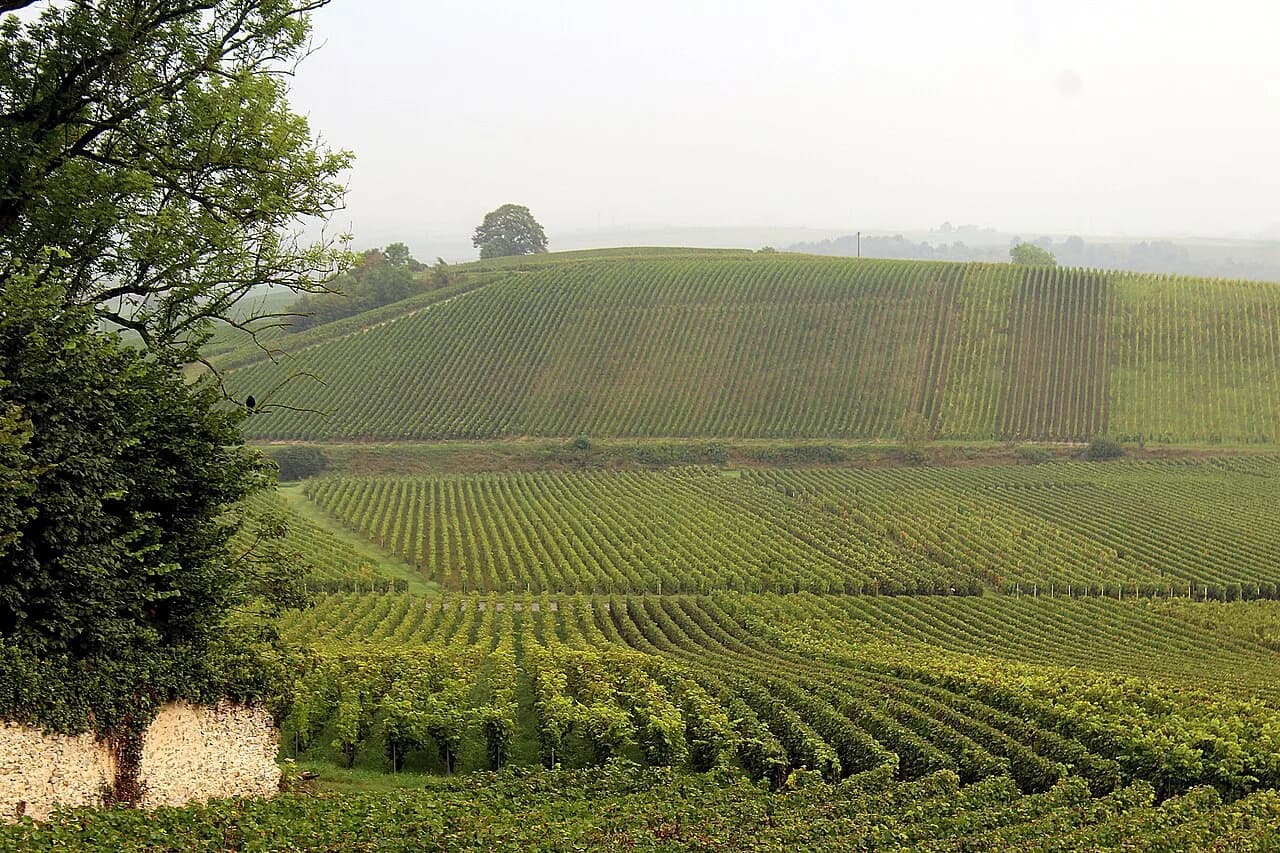
Taittinger remains one of the few large Champagne houses still controlled by the founding family, now run by the Taittinger generation that followed Pierre Taittinger's post-war build-up of the brand. Its vineyard holdings rank among the three largest in Champagne, spread across the Côte des Blancs, the Vallée de la Marne and the Montagne de Reims. For a visitor, that breadth explains why the house style leans on Chardonnay: the Côte des Blancs fruit gives the blends their edge and structure.
The flagship is Comtes de Champagne, a blanc de blancs made only in the years the house considers strong enough, and aged in the cellars for around a decade before release. Knowing that shapes which tasting tier you pick: the entry ticket is about the cellars and the house story, while the higher tiers are where the older and rarer cuvées appear. Decide whether you want the architecture or the wine list to be the point of the visit.
Where the House Is and How the Visit Is Laid Out
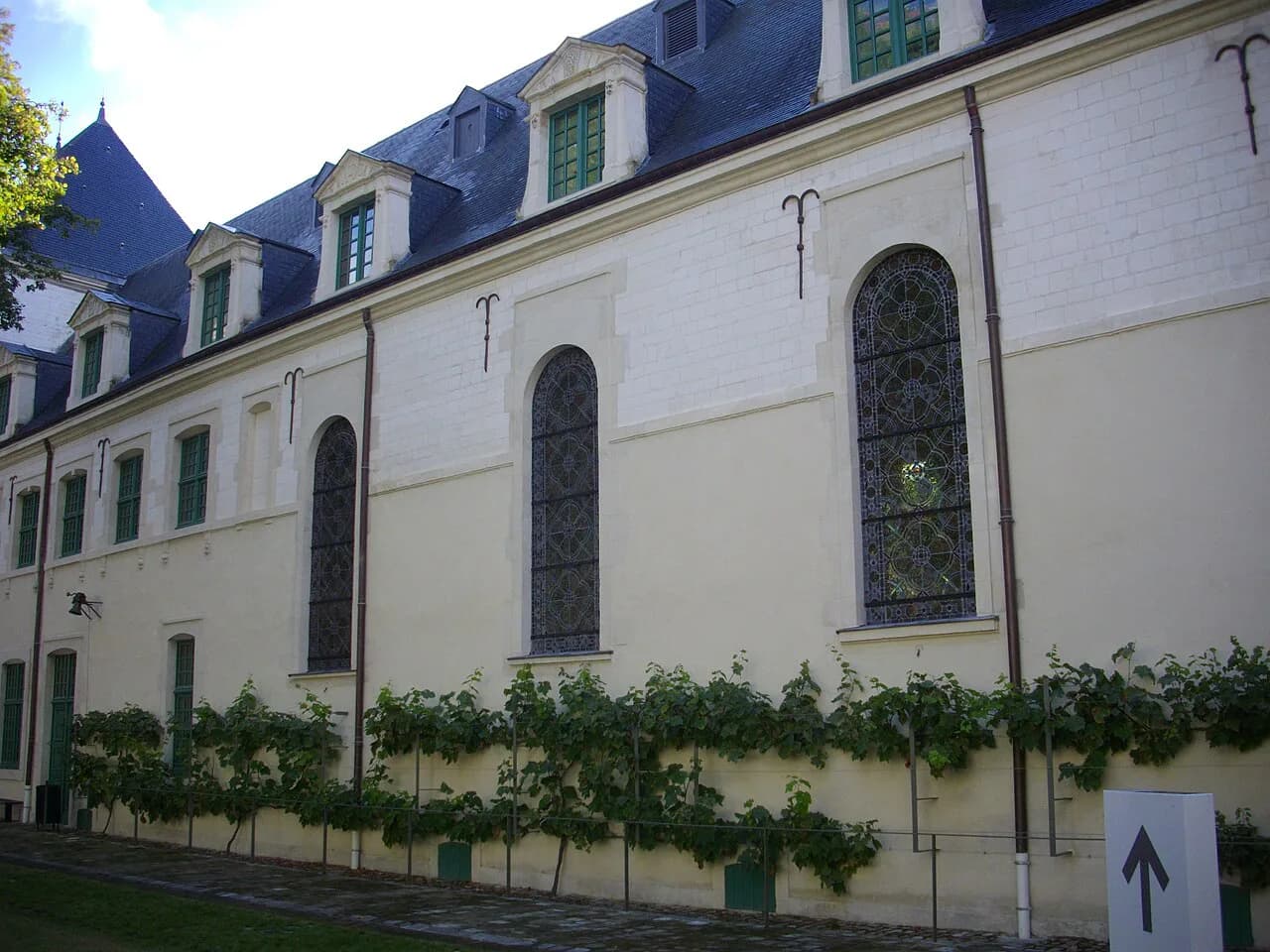
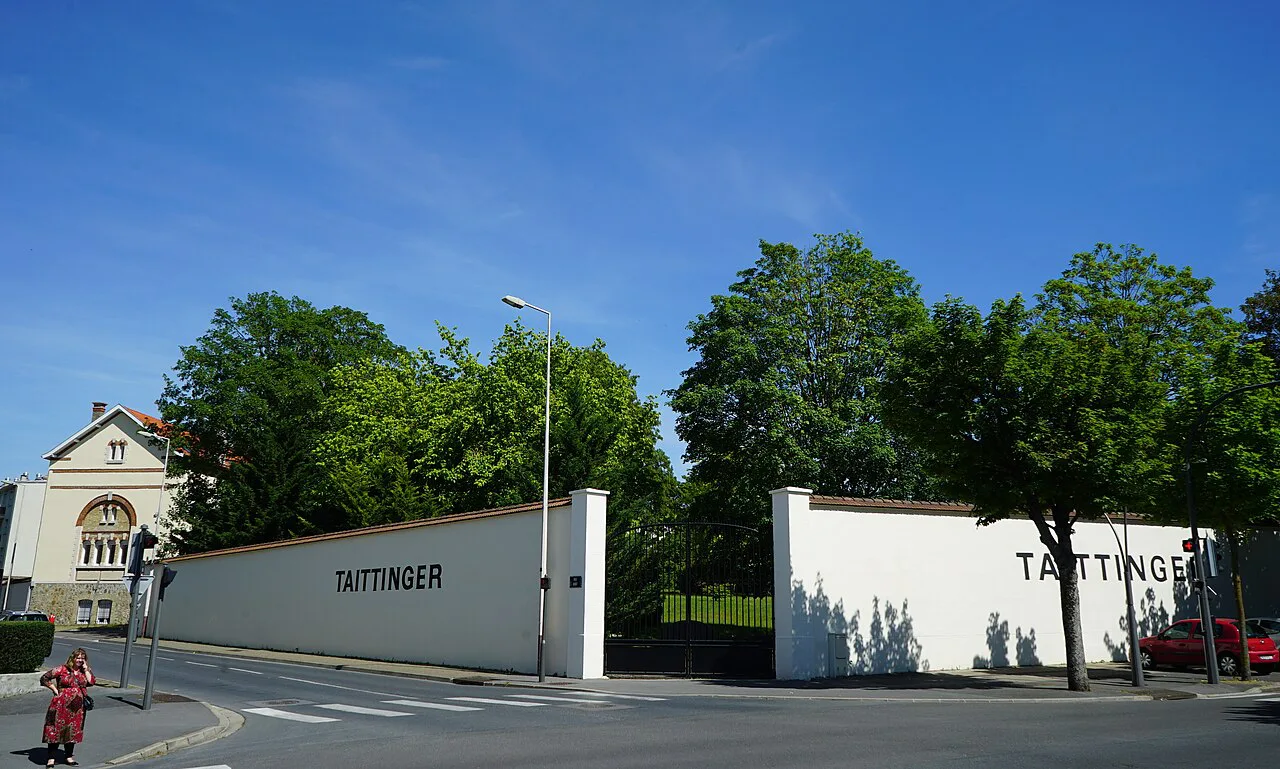
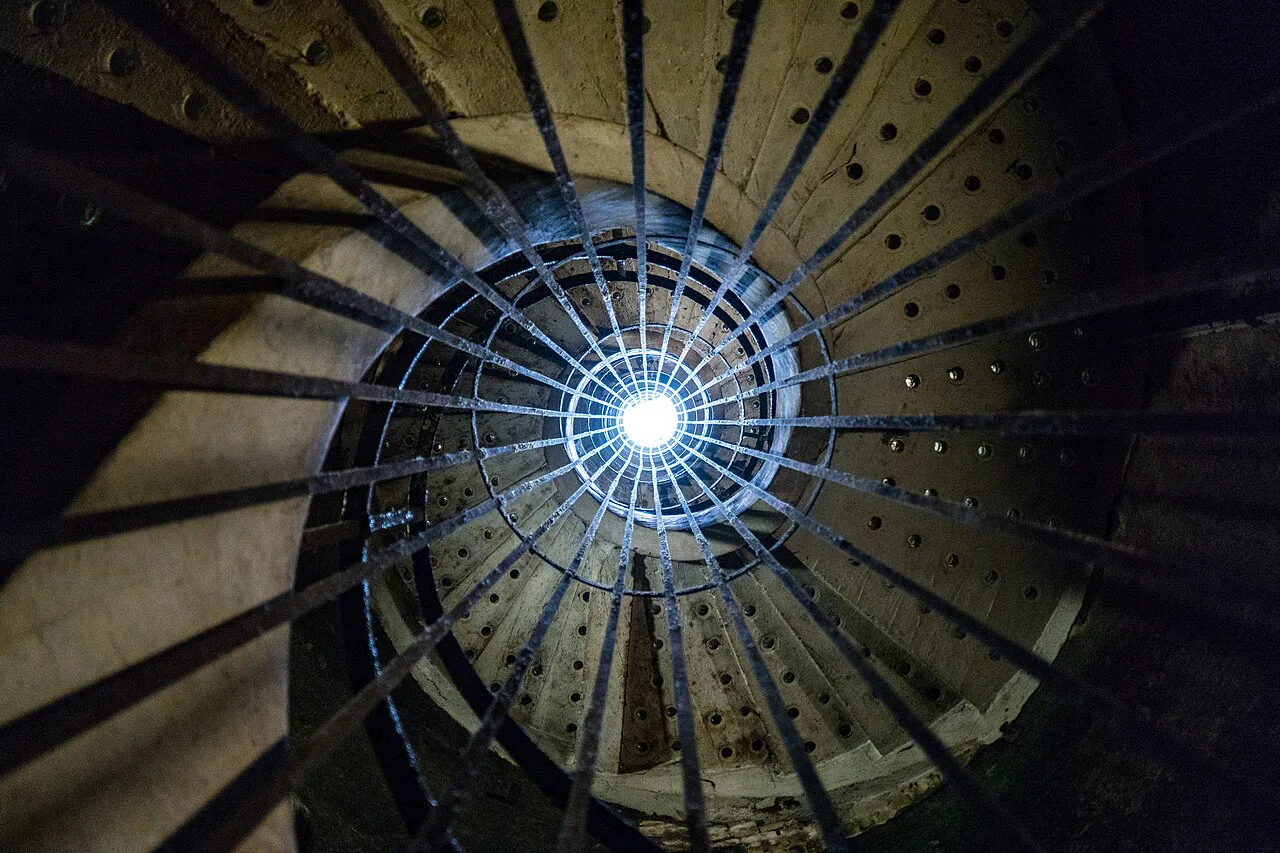
The Taittinger site sits in Reims itself, on the Place Saint-Nicaise side of the city within easy walking distance of the cathedral quarter, and the cellars below are the reason to come. They occupy ancient chalk quarries that later served the Abbey of Saint-Nicaise; the abbey itself was demolished in the nineteenth century, but its vaults and the quarry galleries survived and now hold part of the house's production. You are walking through working storage, not a museum reconstruction.
Because the cellars are the centrepiece, the visit follows a fixed route: an introductory film on the house, a descent into the crayères with an explanation of how Champagne is made here, and the tasting at the end. The chalk keeps the cellars at a steady, cool temperature year-round, so bring a layer even in summer. Tours are led in groups, so the pace is set by the guide rather than by you.
The Guided Tour Format, Step by Step
Taittinger runs a guided tour only, with no self-guided option, and the whole visit typically takes about an hour before any extended tasting. Booking ahead online is the normal route, and it matters in high season when the day's departures fill. The format is formal and informative rather than theatrical, closer to a heritage tour than an entertainment attraction.
The Saint-Nicaise setting is the part most visitors remember: the scale of the galleries, the light on the chalk, and the sense of age in the vaults. If you have already toured a modern winery, this is the contrast worth paying for. If you want art installations and a self-paced route, that is a different house, covered below.
Tasting Options and What the Entry-Level Ticket Includes
The standard entry-level tour finishes with a glass of Taittinger's non-vintage Brut, and several higher tasting options sit above it with older and rarer wines. The lowest-cost tour has been reported at 27 euros including a glass of Brut Réserve, and that figure is useful as a benchmark rather than a promise of what you will pay today. Tasting-tier prices change and are not published consistently, so the booking page is where you confirm what each option pours before you commit.
One practical point about the famous cuvée: Comtes de Champagne is an occasional wine, made only in selected vintages, so it does not appear on every tasting option and is not part of the basic ticket. If a particular wine is the reason for your visit, ask Taittinger which tier pours it at the time you book. Guests have reported allowing roughly two hours for the whole experience, which is a sensible block to reserve in your day.
What the Tour Costs and How It Compares with Pommery
Against Pommery, Taittinger sits at a similar entry price for a rather different product. Pommery's self-guided circuit with a glass of Brut Royal has been reported at 27 euros per ticket and lasts around two hours, with 18 kilometres of galleries, art displays and a grand staircase to work through at your own pace. Taittinger's entry-level ticket, including a glass of Brut Réserve, has also been reported at 27 euros and buys a shorter, guided, more intimate visit in older chalk. Neither is better value in absolute terms; they buy different things.
A workable plan for a two-house day is to book the guided Taittinger tour in the morning while your attention is fresh, then take the self-guided Pommery circuit in the afternoon when you can linger over the art and the shop. Both houses are in Reims, so the transfer is a short walk or taxi rather than a drive between villages. If your budget only stretches to one ticket, choose the guided visit for a first trip and the self-guided circuit if you already know Champagne well. If you would rather build the same day around guided cellar visits in another city altogether, wine tasting in Dijon makes a comparable anchor for a Burgundy itinerary.
Booking, Duration and the Renovation Caveat
Reserve online in advance, especially for weekend departures and the harvest period, and arrive with time to spare because the tour leaves on a fixed schedule. Tours are guided and group-based, with no self-guided alternative, so a missed slot usually means rebooking rather than joining late. Booking directly also lets you choose the tasting tier in one step instead of upgrading on site.
Published accounts from April 2023 describe the caves and production facility as undergoing renovation, with completion planned for the following year, and during that period at least one visitor experienced the tasting in central Reims rather than underground. Whether the full cellar route is running now is a detail to confirm on the house's own booking page or by email before you travel, since visitor routes and timings change with building work.
Taittinger or Pommery: Choosing by Temperament
Pick Taittinger if you want a guide, a tight one-hour structure and the oldest surviving fabric in Reims' chalk underbelly. Pick Pommery if you want to wander, look at contemporary art in the galleries and combine the cellars with the Villa Demoiselle, another of the houses in the group's portfolio. Families and mixed-interest groups often prefer Pommery's flexibility; wine-focused travelers usually prefer Taittinger's explanation of the method and the house's Chardonnay-led style.
If you are building a longer Champagne itinerary around Reims rather than a single cellar, the wider wine tasting picture in Reims covers the grower and cooperative side of the region as well as the grandes marques. That contrast, between a guided tour at a famous house and a tasting in a village cellar, is what makes a two- or three-day stay worthwhile.
Getting to Reims and to the Cellar Door Without Driving
The fast train from Paris lands at Champagne-Ardenne TGV station at Bezannes, about 45 minutes from the capital, and a tram connects the station with central Reims; Reims-Centre station puts you in the city itself. From the centre, Taittinger and the cathedral quarter are walkable, and taxis are easy to pick up at the stations. Trains from Paris leave from the Gare de l'Est, which is the usual starting point for day trips.
If you are comparing options for the day, organized champagne tours from Reims solve the transport and booking problem in one go and often pair two houses, which suits anyone who would rather not navigate tram tickets after a tasting. Doing it independently is cheaper and more flexible, and Reims is compact enough that you do not need a car. A driver in your group should skip the tastings and use the spittoons, or let the group take the tram and train instead.
Pairing the Visit with the Rest of a Reims Day
Build the day around the cathedral, which is larger than its Paris namesake and hosted the coronations of French kings; the Palais du Tau next door and the Saint-Remi basilica and museum complete a UNESCO-listed set within walking distance of each other. The Hill of Sainte-Nicaise, where the chalk pits sit, also gives you a view back over the city and the cathedral towers. Book the cellar tour between two of these rather than trying to fit everything into one block.
For a second day, head into the Montagne de Reims regional park, where around 65 wine villages and several hundred kilometres of marked walking and cycling routes spread through vineyards and forest. Village tastings there need appointments more often than the big Reims houses do, so plan a route of two or three addresses and email ahead. Finish back in Reims with a glass at a champagne bar rather than adding a third cellar.
Plan Your Taittinger Visit
Treat the Taittinger tour as the structured, guided half of a Reims day and pair it with a self-guided house or a village tasting for contrast. Book online in advance, choose the tasting tier deliberately, and block about two hours door to door. If cellar access is the whole point of your trip, confirm the current visitor route directly with the house before you fix your travel dates.
Frequently Asked Questions
How much does a Taittinger tour cost?
The house sells several tour and tasting tiers, and the entry-level ticket includes a glass of Brut Réserve while higher options pour older cuvées. Prices differ by option and are revised periodically, so Taittinger's own booking page is the place to see what each tier includes and what it costs on your dates; treat any figure you read elsewhere as an indication only.
Do you need to book a Taittinger tour in advance?
Yes. Taittinger runs guided tours on fixed departures with no self-guided option, so reserving online ahead of your visit is the normal route, and it matters most at weekends and during harvest. Booking early also lets you pick the tasting tier in a single step rather than upgrading on the day.
How long does the Taittinger cellar tour take?
The guided visit itself usually runs about an hour, covering the introductory film, the chalk cellars and the winemaking explanation, with the tasting at the end. Visitors have reported allowing roughly two hours for the whole experience, so leave that much space in your schedule before the next stop.
Is the Taittinger tour guided or self-guided?
It is guided only. A guide leads the group through the Saint-Nicaise crayères and the abbey remains and explains the méthode champenoise before the tasting. That is the main contrast with Pommery, where the cellars and art displays are explored on a self-guided route with an app and paper guide.
What champagnes are poured on the Taittinger tour?
The entry-level tour finishes with a glass of the non-vintage Brut, and higher tasting options add older and rarer wines. Comtes de Champagne, the house's blanc de blancs, is made only in selected vintages, so it is not part of every tasting tier; if it is the wine you want, ask which option includes it when you book.
How do you get to Taittinger in Reims without a car?
Take the fast train from Paris to Champagne-Ardenne TGV at Bezannes, roughly 45 minutes, then the tram into central Reims, or use Reims-Centre station. From there the house sits within walking distance of the cathedral quarter, and taxis are available at both stations. Anyone driving should not taste.
Is Taittinger or Pommery better for a first cellar visit?
Choose Taittinger for a formal guided hour in the oldest chalk under Reims, with the house's Chardonnay-led style explained as you go. Choose Pommery for a longer self-guided circuit with art, a grand staircase and the Villa Demoiselle nearby. Both charge a comparable entry rate, so pick by format rather than by cost.
Sources
Notes for your next wine trip
Optional updates to our winery and wine-town guides.
You might also like
Continue reading
More guides you'll find useful