Champagne Lanson Reims: House Visits, Bookings & Tastings
Plan a visit around Champagne Lanson at 66 rue de Courlancy in Reims, from the house style and cuvées to booking questions and reaching it without a car.
On this page
Champagne Lanson is one of the oldest houses still operating in Reims, founded in 1760, and its address on rue de Courlancy puts it within easy reach of the city center. For travelers building a Champagne day around Reims rather than Épernay, it is a logical name to weigh against the bigger houses on the tourist circuit. The catch is that visitor arrangements at Lanson are not published in the sources consulted here, so the planning work sits with you and the house directly.
This guide covers what is solidly known: the address, the founding date, the winemaking choice that defines the house style, and the range of cuvées a visitor is likely to encounter. It also sets out how to reach rue de Courlancy without a car and the questions worth putting to the house before you commit to a slot. For the wider picture of what is on offer in the city, start with the Reims wine tasting overview.
Why Champagne Lanson Belongs on a Reims Itinerary
Lanson's claim on a Reims itinerary is history as much as wine: the house has been producing Champagne since 1760, which places it among the oldest continuously operating names in the region. For a traveler choosing between houses, that lineage matters because it signals a long-established blending tradition rather than a recent brand launch. A Reims day that mixes one or two historic houses with a smaller producer gives a more rounded picture than stacking four big names back to back.
The practical appeal is location. Lanson sits at 66 rue de Courlancy, 51100 Reims, with a published telephone number and email for the house, which makes direct inquiries straightforward even before you know whether tours run. Reims is compact enough that a well-planned day can combine a house visit with a walk through the city center and a meal, rather than spending hours in transit. If you are still deciding which houses to prioritize, the guide to Champagne Houses in Reims sets out how big and small operations differ in tour format and booking culture.
Where Lanson Sits and How It Fits a Day of Tasting
The house is based at 66 rue de Courlancy in Reims, and the contact details published with the address include a direct phone line and an info email, both of which are the right channels for a visit inquiry. That address is the anchor for everything else: plan your transport around it first, then fit other houses and a meal into the remaining hours. Rushing between three or four houses in one afternoon usually means short tastings and no time to talk with staff, so two houses plus a relaxed lunch is a more realistic shape for most visitors.
Because the sources consulted do not describe a visitor center, tour route or walk-in policy at Lanson, treat any itinerary as provisional until the house confirms it can receive you on your dates. Build flexibility into the day: if Lanson cannot accommodate you, Reims has enough houses that a substitute is usually possible with a day or two of notice. The wider Champagne houses guide is useful for lining up alternatives with published tour formats.
The Lanson Style in Two Minutes
Lanson's defining technical choice is to block malolactic fermentation, the secondary conversion of crisper malic acid into softer lactic acid that most Champagne houses allow. The house states that it is the only major Champagne House that chooses not to allow its wines to undergo malolactic fermentation, and that the aim is to retain freshness and structure rather than roundness. In practice, that means styles built on citrus and green apple impressions with a firm backbone, which is a useful thing to know before you decide whether the house suits your taste.
The house also notes that its wines age for a minimum of three years before release, which gives the blends time to settle without softening the acidic edge the house is protecting. If you generally prefer richer, creamier Champagnes with noticeable brioche and butter character, Lanson may read as lean; if you like aperitif-style Champagne with cut and lift, it is squarely in your lane. Knowing this in advance helps you choose between a Lanson visit and a house with a softer house style, and if your travels take you to Burgundy, wine tasting in Dijon offers a similarly useful contrast between styles.
One caveat for readers who have seen Lanson described as crisp, vibrant and full of green apple: retailer tasting language is marketing copy, not a substitute for your own judgment. Taste the wines and decide for yourself, ideally comparing a non-vintage brut against a vintage release in the same sitting so the house signature is easier to isolate.
The Cuvées You Are Likely to Meet
Lanson's range spans roughly twenty different wines with more than a hundred vintages recorded, from the Black Label non-vintage brut that anchors the lineup to rosé, blanc de blancs and demi-sec expressions. Above those sit vintage releases and the top cuvées, including Noble Cuvée and the single-vineyard Clos Lanson, which are the wines most likely to appear on a premium tasting flight if the house offers tiers. A tasting that includes one non-vintage and one older or higher-tier wine tells you far more about the house than three versions of the same blend.
The historical vintages on record stretch back across decades, including a 1959 vintage that appears among the house's most highly rated releases, which is a reminder of how deep Lanson's cellar history runs. You will not taste those bottles on a standard visit, but the existence of a long library explains why the house leans on tradition in its presentation. Ask when booking whether any older or limited cuvées are poured in the top tasting tier, since availability shifts with stock.
For a sense of what a specific bottling costs on the retail market, note that listed prices vary widely by country, format and retailer, and US store prices tell you little about what you will pay in France. Check current French retail and tasting-room pricing when you book rather than budgeting from overseas listings.
How Visits and Tastings Work
Lanson has not published a visitor program in the sources consulted, so there is no confirmed walk-in policy, tour length, tasting menu or price to quote here. What is confirmed is the booking channel: the house lists a direct telephone number and an info email alongside its rue de Courlancy address, and those are the right places to start. Send a short inquiry with your dates, party size and whether you want a cellar tour or a seated tasting, and ask for the current visit options in writing.
Champagne houses in Reims commonly work by appointment, especially for groups, and many run a limited number of English-language tours per day, so early contact matters more than any single detail of the format. If your trip is built around a specific date, ask Champagne Lanson whether that day is available before reserving trains or hotels around it. The Reims wine tasting overview is a sensible next read for comparing how the city's houses structure their visits.
When you do choose a tour format, weigh cellar time against tasting time: a cellar walk explains how the wine is made, while a longer seated flight lets you compare vintages. For a house defined by a technical choice like non-malolactic fermentation, a tour that covers the winemaking is worth more than a quick pour at a bar. Ask which option includes the winery itself, not just the tasting room.
Getting to Lanson Without a Car
Reims is a walkable city with a tram and bus network, and rue de Courlancy is close enough to the center that a taxi or a longer walk is realistic for most visitors; check the current route on the city transport network's own site rather than relying on an old map. If you plan to taste at more than one house, public transport and taxis remove the driving problem entirely. Anyone driving should not taste: use the spittoons, nominate a designated driver, or take a tour or public transport instead.
Reims also has a direct rail link from Paris, which makes a day trip technically possible, though a single day leaves little room for more than one house and a meal. Staying overnight in Reims is the more comfortable option if you want two houses and a proper dinner, because appointments tend to cluster in the morning and early afternoon.
Independent Visit or Guided Champagne Day
Booking directly with Lanson gives you control over timing and lets you tailor questions to your interests, but it puts the logistics on you: confirming the slot, arranging transport between houses and building in slack for a tour that runs long. A guided day shifts that work to an operator and often bundles two or three houses with transport, at the cost of a fixed schedule and less say over which houses you see.
The decision usually comes down to group size and appetite for planning. Solo travelers and couples comfortable with taxis often do better independently, while larger groups and anyone who wants to taste without thinking about transport get more value from a tour. Compare what each operator includes before you commit, because a package that lists three houses may allow only a brief stop at each.
Pairing Lanson With the Rest of Reims
A realistic Reims day holds two houses comfortably and three only if appointments line up tightly and you skip a long lunch. Sequence a morning tour first, when cellars are quieter and staff have more time, then leave the afternoon for a second house or a relaxed tasting at a bar in the center. If you want to extend beyond Reims itself, Champagne de Castellane in Épernay is a workable add-on for another day rather than the same one.
Evenings in Reims are well served by Champagne bars where you can taste widely by the glass without an appointment, which is a useful fallback if a house visit does not come together. That approach also lets you compare Lanson against other houses side by side before deciding where to spend a full tour.
Questions to Put to the House Before You Commit
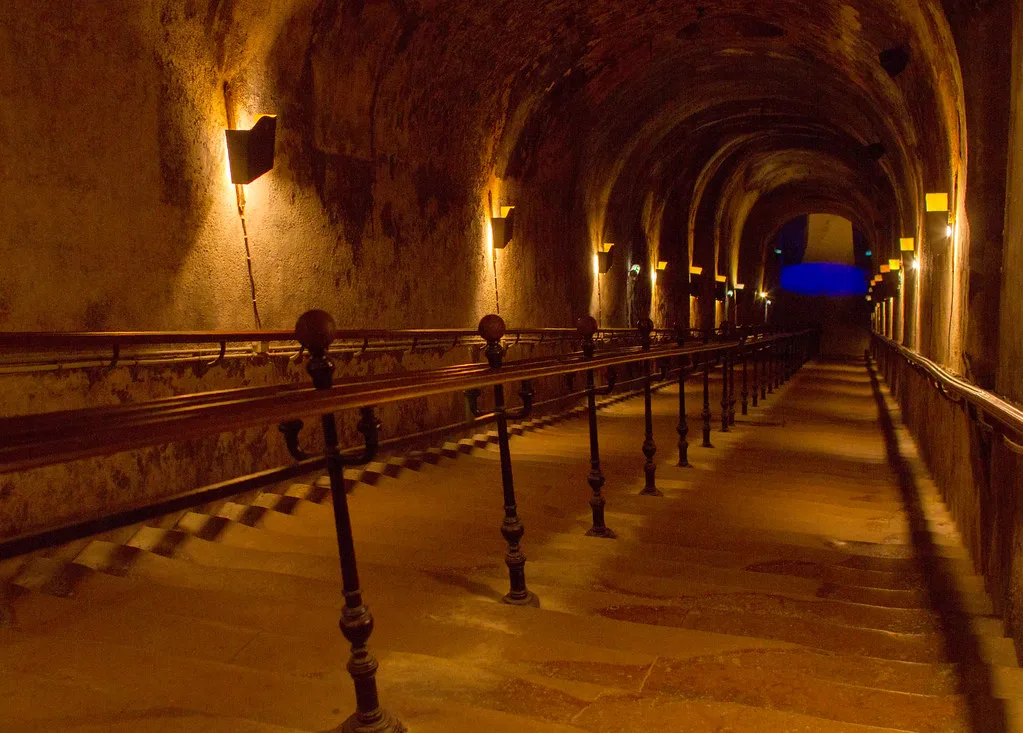
Ask four things in your first email: whether visits run on your dates, how long the tour and tasting last, which languages are offered, and whether the tasting includes a cellar walk. Add a fifth question about access if anyone in your party has mobility limitations, since historic cellars often involve stairs. Keep the reply in writing so you can compare it with other houses you are considering.
On cancellation, ask about the notice period and whether a deposit applies, particularly for groups. These are the terms most likely to cost you money if plans change, and they are rarely front and center on a house's public pages. A short, specific email to the address the house publishes gets clearer answers faster than a general inquiry form.
If a House Visit Does Not Work Out
Lanson is a widely distributed brand, so a visit is not the only way to taste the wines: Reims wine shops and Champagne bars carry the range, and buying a bottle to drink at home is a legitimate substitute when appointments are full. Retail listings show the range extends from non-vintage brut to rosé and older vintages, which is enough to put together a small comparative tasting of your own.
Keep in mind that prices vary by market, retailer and bottle format, so treat any overseas listing as a rough indication at best and check local French pricing in person. A shop in Reims will usually let you compare a non-vintage against a vintage bottling, which covers much of what a basic house tour would show you.
Plan Your Reims Champagne Day
Lanson is a sound choice for travelers who want a historic Reims house with a distinct, freshness-driven style, provided you accept that visitor details have to come from the house itself. Confirm dates, format and pricing directly, then build the rest of the day around a second house and a proper meal rather than squeezing in too much.
Keep the driving question settled early: a designated driver, public transport or a booked tour means everyone else can taste properly, and spittoons are there for anyone who wants to pace themselves. For the broader planning context, the Reims wine tasting guide pulls the pieces together.
Frequently Asked Questions
Where is Champagne Lanson located in Reims?
Champagne Lanson is based at 66 rue de Courlancy, 51100 Reims, in France. The house publishes a telephone number and an info email alongside the address, which are the right channels for a visit inquiry. Rue de Courlancy is close enough to central Reims that a taxi or a longer walk is realistic for most visitors.
Is Champagne Lanson open to visitors?
Lanson has not published a confirmed visitor program, tour format or walk-in policy in the information available here, so there is no reliable answer to give in advance. Contact the house directly with your dates and party size and ask what visits or tastings it can currently offer. Champagne houses in Reims commonly work by appointment, so early contact is sensible.
How do you book a visit or tasting at Champagne Lanson?
Use the direct telephone number or info email the house publishes with its rue de Courlancy address. In your first message, state your dates, party size, preferred language and whether you want a cellar tour or a seated tasting. Ask for confirmation in writing, including any deposit or cancellation terms.
What makes Lanson champagne different from other houses?
Lanson blocks malolactic fermentation, the secondary conversion that softens acidity in most Champagnes, and states that it is the only major house to do so. The house also ages its wines for a minimum of three years before release. The result is a style built around freshness and structure rather than creamy roundness, which suits some palates better than others.
What should I ask when booking a Champagne house visit in Reims?
Ask about availability on your dates, the length of the tour and tasting, the languages offered, and whether the format includes a walk through the cellars. Add a question about access if anyone has mobility limitations, because historic cellars often have stairs. Also confirm the cancellation notice period and whether a deposit applies.
Can you visit Champagne Lanson without a car?
Yes, Reims is served by trams, buses and taxis, and rue de Courlancy is close to the center, so a taxi or a longer walk is workable for most visitors. Anyone who plans to drive should not taste, and should instead use spittoons or rely on a designated driver, a tour or public transport.
Sources
Notes for your next wine trip
Optional updates to our winery and wine-town guides.
You might also like
Continue reading
More guides you'll find useful