Wine Tasting in Avignon: Châteauneuf-du-Pape & Tavel Guide
Plan wine tasting in Avignon with a district-by-district guide to Châteauneuf-du-Pape, Tavel and Gigondas, plus booking, buses and tour options.
On this page
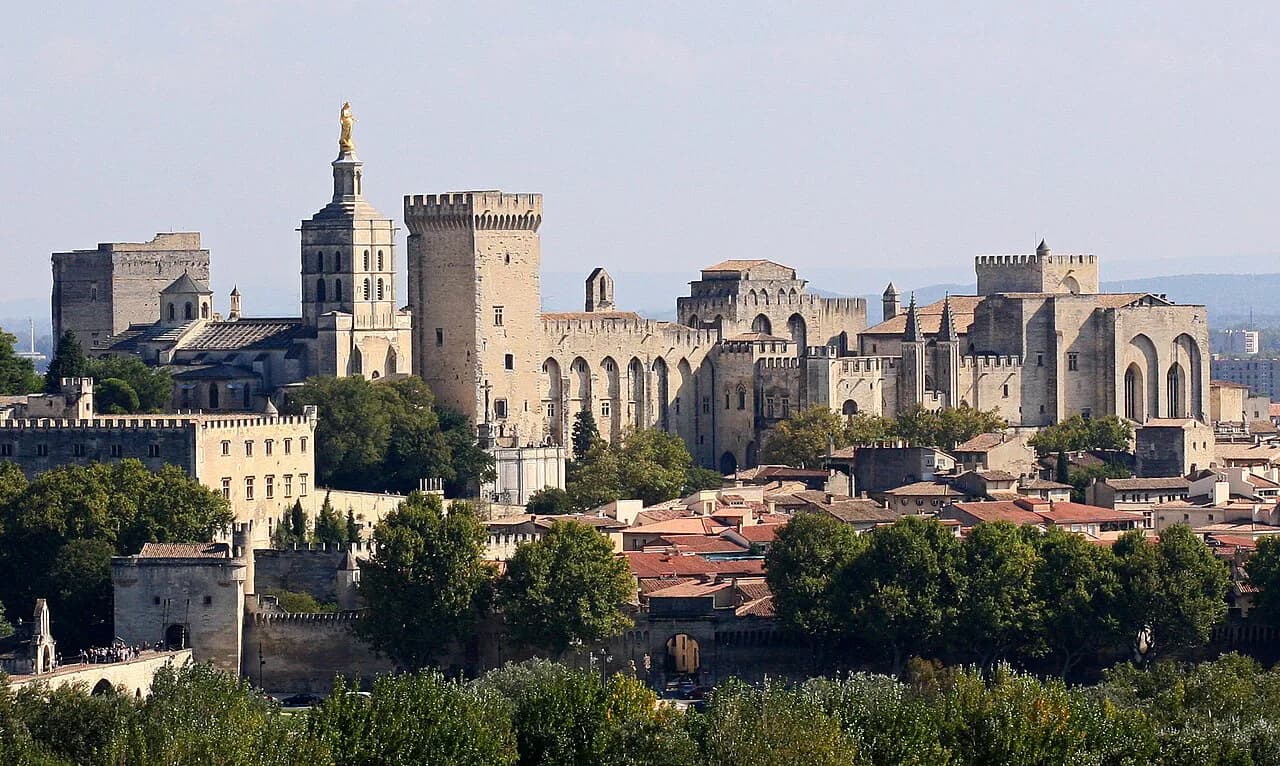
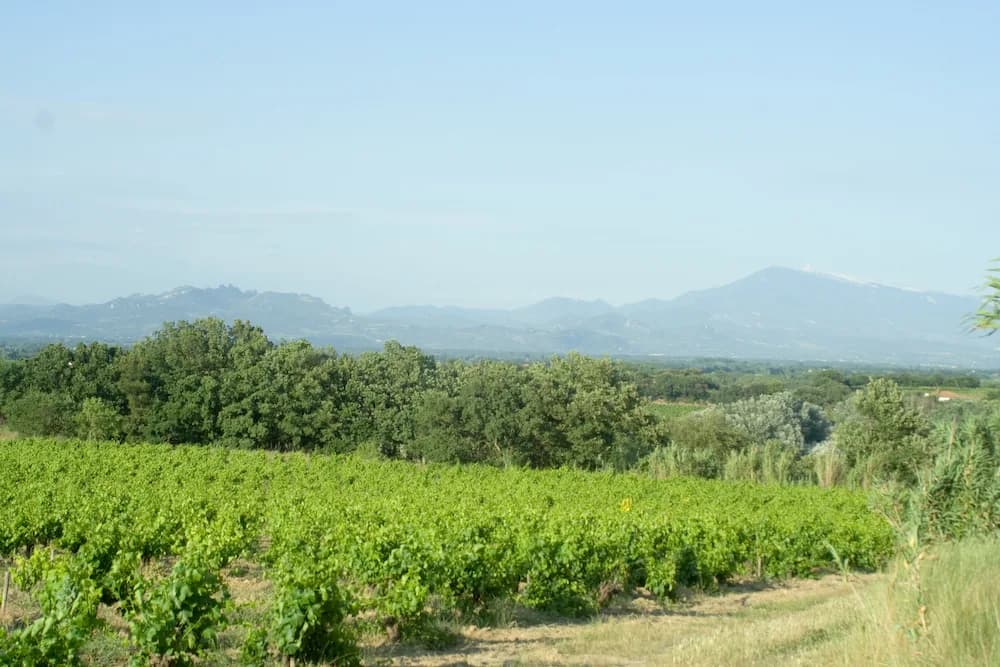
Avignon is the most convenient base for the southern Rhône, because the appellations fan out from town in different directions: Châteauneuf-du-Pape to the north toward Orange, Tavel and Lirac across the river to the northwest, Gigondas and Vacqueyras climbing into the Dentelles de Montmirail to the northeast, and Ventoux and Luberon further east. Treating the region by district rather than by a winery checklist is the single decision that makes a wine day work.
The practical rhythm is one district per day, two or three estates maximum, with a cellar visit in the morning and seated tastings in the afternoon. Visitors who try to pair a Châteauneuf estate, a Gigondas climb and a Luberon village in one day mostly spend the hours in the car.
Below you will find how tasting actually runs here, which published visits show pricing and what they include, how the bus and train lines plus bike routes work, and where a booked tour is the better trade-off. A driver should not taste, so plan on spittoons, a designated driver, or public transport and a tour.
Why Avignon Works as a Southern Rhône Base
From Avignon, Châteauneuf-du-Pape is the natural first day: the village is close enough that a private guide can organize transport, estate visits and tastings in a single outing, according to tour descriptions near Avignon. That makes it the district to lock in first if you have only one wine day.
The second ring is Tavel and Lirac, lower-key and suited to a half-day or a relaxed full day, and Gigondas with Vacqueyras for a hill-village day with a tighter booking rhythm. Save Ventoux and Luberon for trips where wine shares time with villages and scenery, since the drives are longer.
Grouping by direction matters more than grouping by reputation. A morning in Châteauneuf-du-Pape, an afternoon across the river in Tavel, and nothing else is a coherent day; three famous names in three directions is not.
The Wines in Brief: Blends, Whites and Rosé
Châteauneuf-du-Pape is best known for reds, which the appellation describes as deep and structured with black fruit, spices, garrigue or licorice depending on estate and vintage. Whites are made in much smaller quantities and often come as a pleasant surprise, with floral, citrus or mineral notes.
What distinguishes the appellation is blending rather than a single grape. Wines are shaped by the balance among several varieties, the soils, the climate and each winemaker's choices, so tasting across two or three estates teaches more than the labels alone.
Tavel is the specialist stop for rosé, and Gigondas and Vacqueyras are red country at the foot of the Dentelles. Knowing which style you are chasing tells you which district to book first, and it shapes the questions you put in a reservation email.
How Tasting Works: Appointments, Caveaux and Visit Length
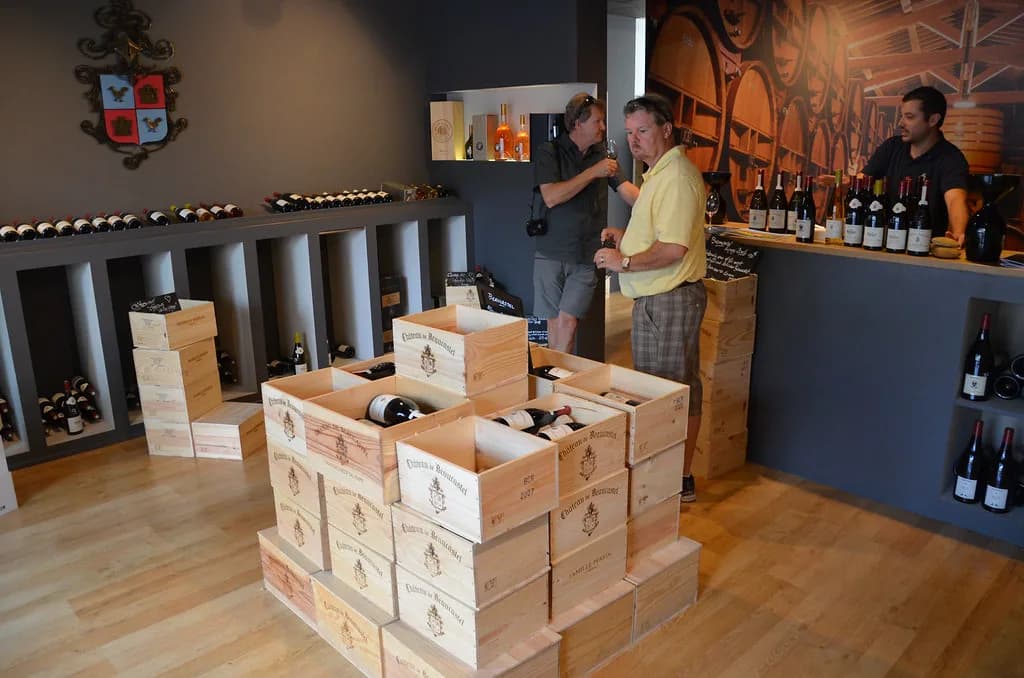
Appointment culture is the rule at serious estates: you email or call ahead with dates, party size and preferred languages, and you get a time slot rather than a drop-in welcome. Village caveaux and shops are the practical walk-in exceptions, which is why a driving day should include at least one village stop as a flexible anchor.
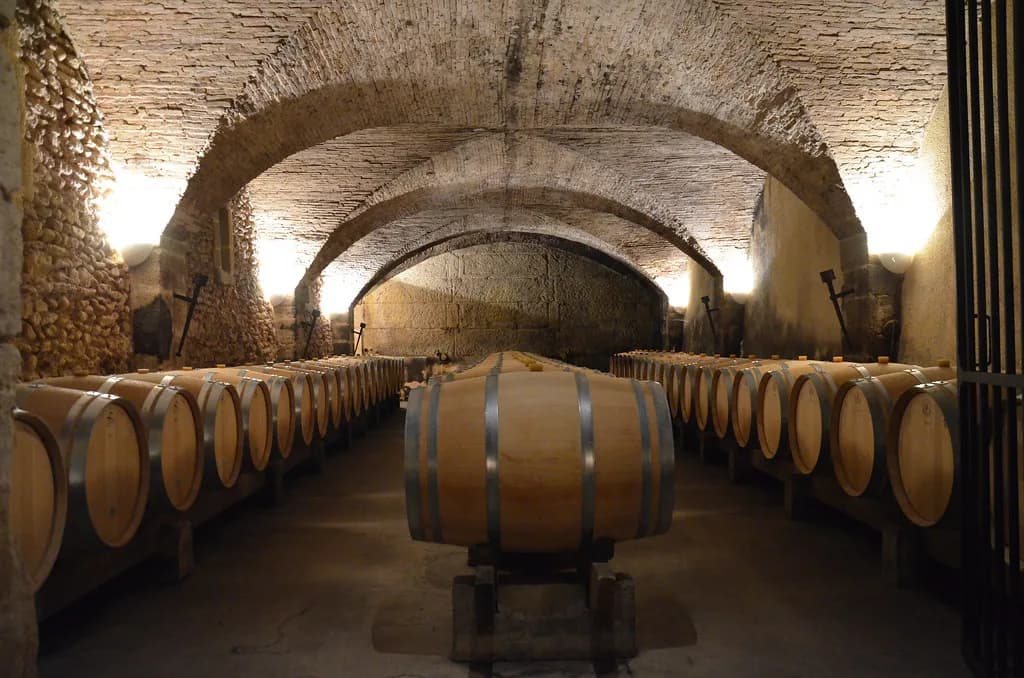
Published formats give a sense of what a visit can include. At Château Pesquié in Mormoiron, below Mont Ventoux, a commented tour of the vats, winemaking cellar and bottling line comes with a tasting of five of the château's wines, its olive oil and regional products, priced at EUR20 per person.
The same listing shows other price points that help you budget: a sensory tasting workshop at Château Pesquié at EUR55 per person, and an oeno-gastronomic day with Les Convives de Lafleur from EUR80 per person. Elsewhere, fees and what they cover vary by estate, so ask about duration, number of wines and whether a fee is credited against a purchase.
Châteauneuf-du-Pape from Avignon: Layout and Grouping
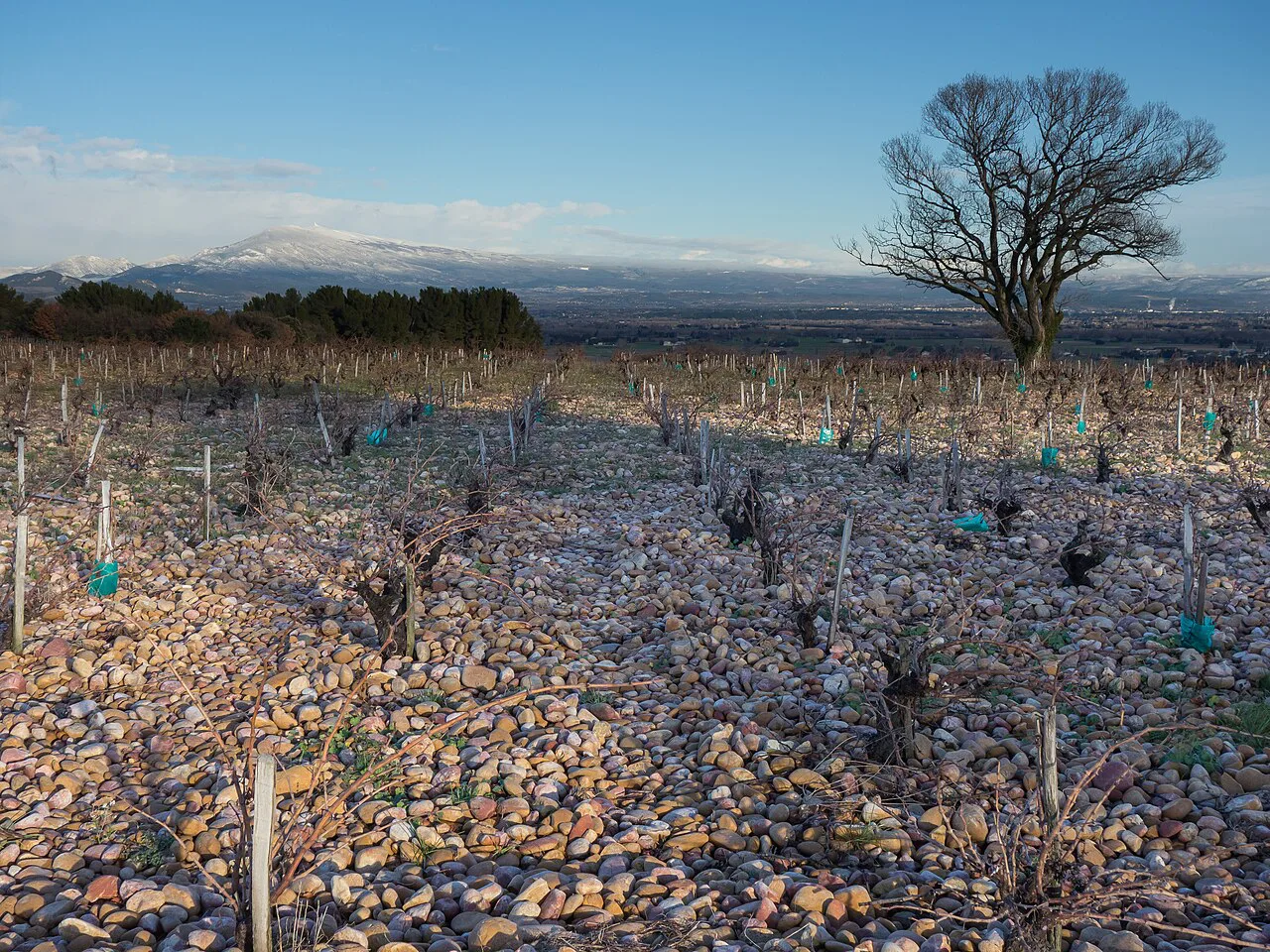
The village itself is compact, but the appellation spreads over varied soils, and that is the reason to visit two estates rather than one. Ask each estate which soil types its parcels sit on and how that shapes the blend, and you will taste the difference between galets, sand and clay without needing a map.
Domaine Grand Veneur – Alain Jaume, with a 145-hectare vineyard in Châteauneuf-du-Pape, offers tours of the vineyard and cellars, tasting meals, and activities with the winemaker. That range of formats makes it a sensible anchor booking for a group that wants more than a counter tasting.
Vignoble Simian, based in Piolenc, makes wines across three appellations including Châteauneuf-du-Pape and has been certified organic and biodynamic since 2008, which suits travelers wanting to compare farming approaches within the same district. Booking formats vary, so ask which visit and which appellations are covered.
For a fuller set of estates with visitor programs, see our guide to Châteauneuf-du-Pape wineries and use it to shortlist two names before you email. If your plans stretch north, the cellars of Burgundy work on the same appointment-first logic, as our guide to wine tasting in Beaune explains.
Tavel and Lirac: The Rosé Day
Tavel is the shortest-travel wine district from Avignon and the one that suits a looser plan: a village stop, one booked estate and a slow lunch. Rosé is the reason to come, and the comparison worth making is between estates rather than between colors.
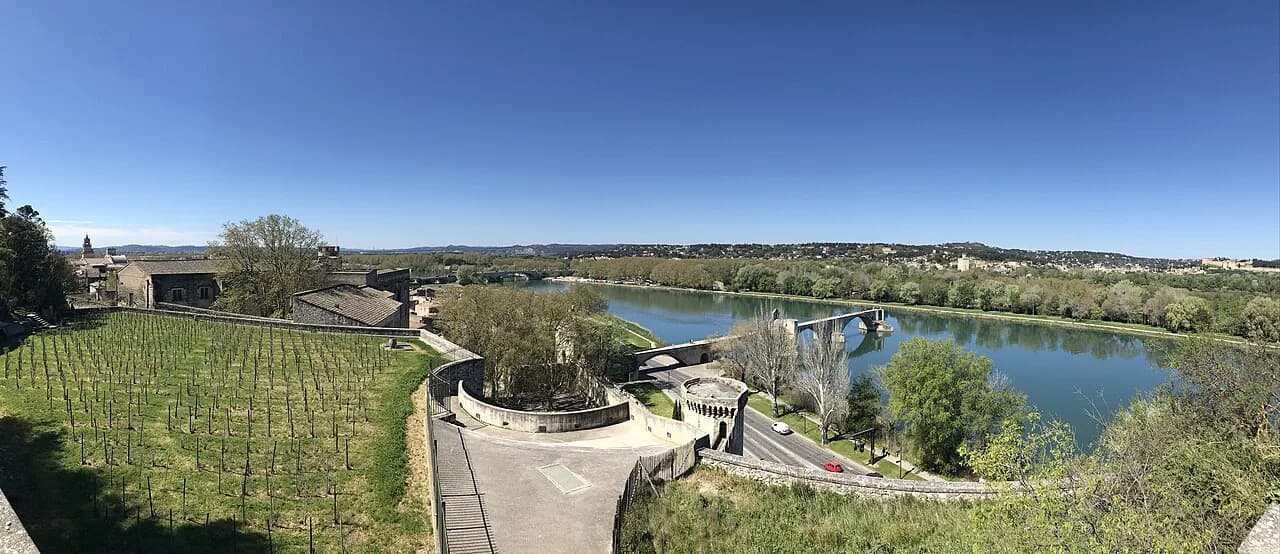
Because Tavel works as a half-day, it pairs well with Avignon itself. Travelers who want to split wine and city time can spend the morning in the vineyards and the afternoon walking the walls, which keeps the day from becoming a long drive.
Gigondas and Vacqueyras: Hill Villages and Tight Schedules
Gigondas and Vacqueyras sit against the Dentelles de Montmirail, where the roads climb and the estates are smaller and more appointment-bound than in Châteauneuf-du-Pape. Book these visits earlier than you would for a village caveau, and plan fewer stops than you think you need.
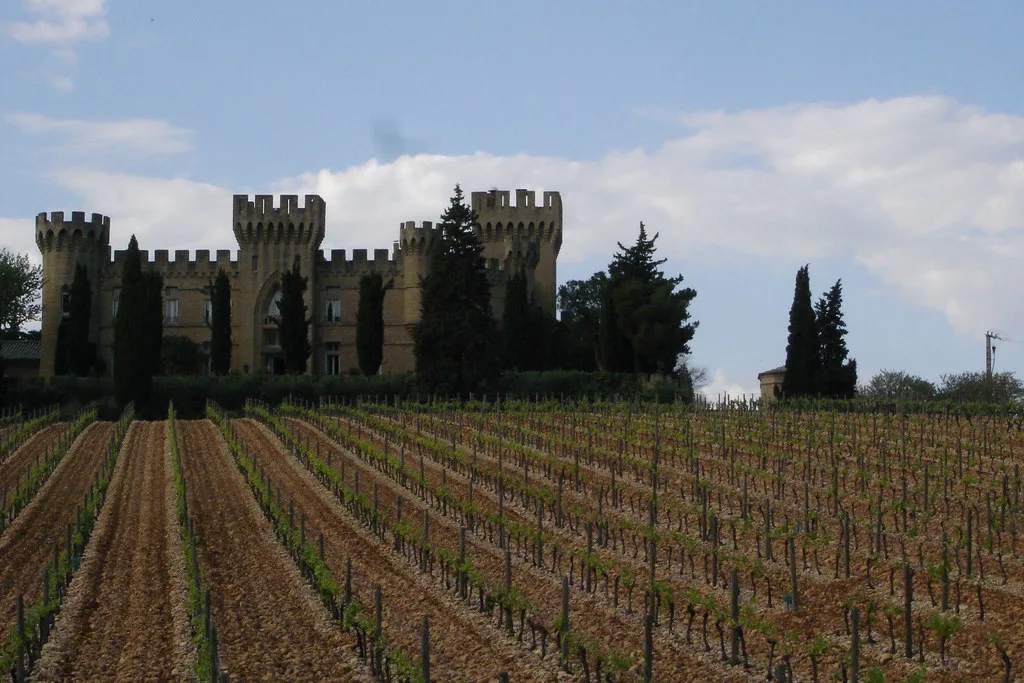
Domaine Saint-Amant in Suzette, in the heart of the Dentelles massif, is a family-run estate on a listed site at the foot of Mont Ventoux, and the listing shows it receives visitors. It is the kind of stop that fits a hill day better than a valley itinerary, because the drive itself is part of the route.
Pairing Gigondas with a Ventoux estate such as Château Pesquié in Mormoiron makes a long but coherent northeastern loop. If that feels tight, drop one estate rather than the cellar tour.
Ventoux and Luberon Estates for Village Days
Ventoux and Luberon reward travelers who want wine alongside villages, markets and scenery rather than a pure tasting day. In the Luberon, Domaine de La Citadelle at Ménerbes offers a corkscrew museum, cellars and a botanical garden alongside its reception areas, which gives non-tasters in the party something to do.
Domaine des Peyre near Robion farms 32 hectares below Gordes and hosts tastings, jazz and wine evenings and an art trail, which makes it a natural evening stop if you are staying in the Luberon rather than returning to Avignon.
These estates work best as part of a two-day plan with an overnight in the Luberon, not as a day trip squeezed onto a Châteauneuf morning.
Published Visits That Show What You Are Paying For
Use published listings to calibrate expectations rather than to fix a budget. Château Pesquié's numbers show that a cellar tour plus a five-wine tasting with olive oil and regional products can sit at a modest per-person fee, while a workshop or a full gastronomic day costs considerably more.
Château Pesquié's boutique sells the full range of its wines alongside regional products, glassware and wine accessories according to the listing, which is the pattern to look for when you want a low-commitment first stop before a booked visit. Ask when you reserve whether a tasting fee is waived against a purchase, since policies differ by estate.
Browse Avignon wineries to build a shortlist organized by district, then confirm formats and any current fees directly by email.
Getting There Without Driving
The train and bus network radiates from Avignon toward Orange and Carpentras, which are the practical rail and bus gateways for the northern districts, but the villages themselves sit off those lines. A realistic no-car day combines a train or bus to the nearest town with a short taxi transfer, or joins a tour that handles the estate-to-estate legs.
Bicycles suit Tavel and the flatter riverside roads far better than the climbs into the Dentelles. If you plan to ride, keep the loop short, start early in summer, and remember that heat and the mistral both shape how long a day is comfortable.
Booked tours are the simplest solution when you want three estates and no logistics. Compare private and small-group options through avignon wine tours, where the formats differ mainly in flexibility, group size and how many stops fit in a day.
Private Tours Versus Independent Travel
A private tour buys flexibility and a smoother day: the guide organizes transport and estate visits, and you avoid negotiating village roads and parking. The trade-off is cost per person, which is highest for couples and falls for larger parties.
Independent travel buys time and spontaneity at the cost of reach: you will likely manage two estates instead of three, and you will lean on village caveaux for walk-in tastings. Tour operators based in and around Avignon, including Elora Tours Provence and Avignon Gourmet Tours, appear in regional listings alongside estate visits, so you can compare formats before booking.
Wine Safari, based in Carpentras, is another Rhône-focused guide option listed for the region, useful if your plan centers on the Dentelles and Ventoux rather than Châteauneuf-du-Pape. For broader itinerary ideas across the valley, see Rhône Valley Wine Tours.
Booking Logistics: What to Put in the Email
State your date, preferred time, party size and whether anyone is driving and will not taste. Ask for the visit format, the number of wines, the duration and whether the tasting includes a cellar tour, then request the language of the visit.
Ask about minimum party size and payment method in the same message, and mention if you are combining two estates in one day so the winery can advise on timing. A short, specific email gets a faster and more useful reply than a general inquiry.
Small-group tours can be booked through aggregators such as Winerist, which lists Avignon wine tours with online booking, while private guides are usually arranged directly by email or phone.
Costs to Budget
Budget separately for tasting fees and for transport. Estate fees in the southern Rhône range from complimentary boutique pours to paid cellar tours and workshops, and the published examples above show the spread; tour prices bundle transport and guiding and are quoted per person or per group.
If you plan to buy wine, ask whether the tasting fee is credited against a purchase, since some estates do this and others do not. Bottles bought at the cellar door also travel better than bottles carried through a long multi-stop day in a hot car.
Season, Harvest and the Mistral
Harvest activity, summer heat and the mistral all affect how a wine day feels. Château Pesquié, for example, runs a harvest-morning experience at EUR40 per person during the season, which shows how estates open specific windows to visitors around picking.
Off-season visits can be quieter and more personal, but appointment availability narrows as estates focus on the cellar. Build in one flexible village stop each day so a cancellation or a closed door does not derail the plan.
A One-Day and Two-Day Plan from Avignon
For one day, pick Châteauneuf-du-Pape: a morning cellar visit, a village caveau stop and one afternoon tasting, with a booked tour if you want three stops. For two days, add Tavel as a relaxed half-day, then use the second afternoon for Avignon itself. If you are weighing a hill-town alternative for a single wine day, our wine tasting in Ronda guide covers the same one-district-per-day decision.
A three-day version adds Gigondas and Vacqueyras with a Ventoux estate on the way back, or a Luberon day built around Ménerbes and an evening at Domaine des Peyre.
Plan Your Visit
The workable approach is to choose one district per day, book your anchor estate by email, and leave room for a village caveau as a fallback. Châteauneuf-du-Pape first, Tavel for a lighter day, and Gigondas when you want hills and a tighter schedule.
If you would rather hand off the driving and the bookings, compare formats through wine tours before you commit, and confirm current details directly with each estate before you travel.
More wine guides from Avignon
- Château de Beaucastel
- Château Mont-Redon
- Châteauneuf-du-Pape Wineries
- Tavel Rosé From Avignon
- Visiting Château La Nerthe from Avignon
- Avignon Wine Tours
- Château de Vaudieu
- Château des Fines Roches
- Domaine du Pégau
- Rhône Valley Wine Tours
- Wineries Near Avignon
- Château de la Gardine
- Visiting Clos des Papes from Avignon
- Château Fortia
Frequently Asked Questions
Can you visit Châteauneuf-du-Pape as a day trip from Avignon?
Yes. It is the closest major appellation and suits a full day with two or three stops. A private guide can organize transport, estate visits and tastings in a single outing, which is the simplest way to fit three estates without driving yourself.
Do you need to book winery visits in advance?
At most estates, yes: email or call with your date, party size and preferred language, since appointment culture dominates in Châteauneuf-du-Pape, Gigondas and Vacqueyras. Village caveaux and shops are the usual walk-in options and make a good flexible stop each day.
How much does wine tasting cost in the southern Rhône?
It varies widely, from complimentary pours in a producer's boutique to paid cellar tours, tasting workshops and full gastronomic days. Ask each estate what the fee covers, how many wines are poured, and whether it is credited against a purchase.
Can you visit Châteauneuf-du-Pape without a car?
It is possible but slower. Train and bus lines from Avignon toward Orange and Carpentras get you to the gateways, and a short taxi transfer covers the last stretch to the village; a tour removes that friction entirely. Bicycles work better in flatter Tavel than on the climbs into the Dentelles.
What is the difference between Châteauneuf-du-Pape, Gigondas and Tavel?
Châteauneuf-du-Pape is known for structured red blends and a small quantity of whites, Gigondas and Vacqueyras are red country in the Dentelles foothills, and Tavel specializes in rosé. That difference is the main reason to give each district its own day.
How many wineries should you visit in one day?
Two is comfortable and three is the realistic maximum with a booked tour. Anything more means you spend the day in the car and rush the visits; better to drop a stop than to shorten the cellar tour.
When is harvest in the southern Rhône?
Harvest falls in late summer into early autumn, and estates open specific harvest experiences during that window, so dates depend on the year and the estate. Ask directly about harvest visits and how they affect tasting availability.
Sources
Notes for your next wine trip
Optional updates to our winery and wine-town guides.
You might also like
Continue reading
More guides you'll find useful