Avignon Wine Tours: Choosing a Rhône Valley Day Trip
Compare Avignon wine tours by destination, group size, and guide credentials, and learn which Rhône villages fit a half-day or full-day tasting trip.
On this page
Avignon is one of the few European cities where a serious wine day needs no car: the southern Rhône vineyard belt begins just north and east of the old walls, and several operators run small-group tours straight from town. The choice that matters is not whether to tour but which corridor you commit to, because Châteauneuf-du-Pape and the Dentelles-based crus reward different kinds of attention.
This guide sets out what each tour format covers, how guides describe their credentials, and where an independent train or bus plan gets awkward. For a broader overview of cellars, appellations and tasting rooms in the city and its surroundings, start with our companion guide to wine tasting in Avignon.
Why Avignon Works as a Wine-Tasting Base
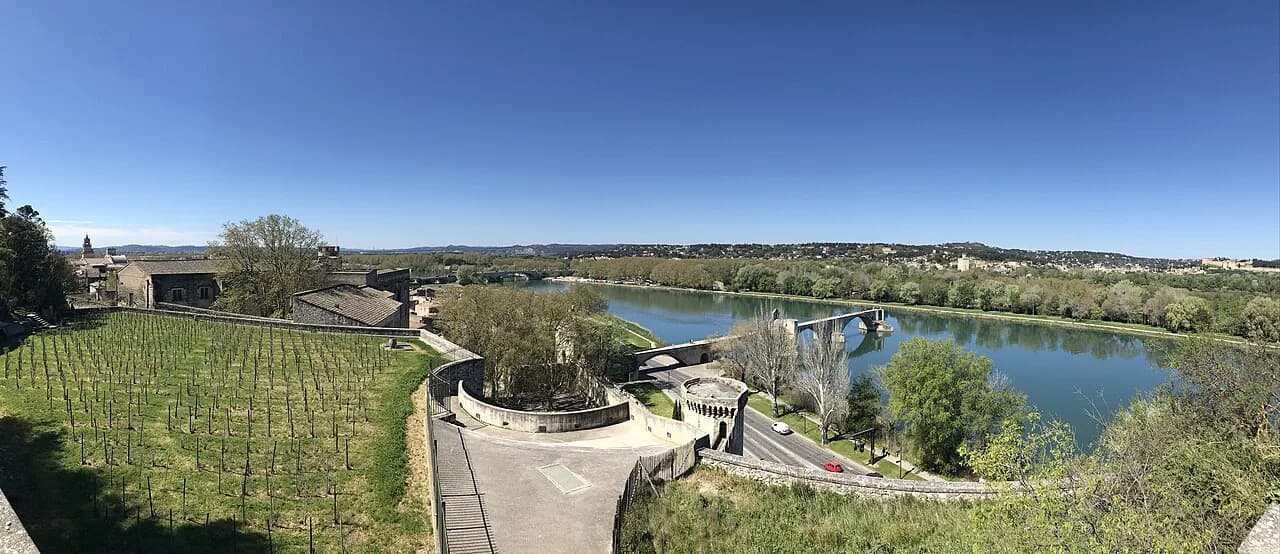
The city sits on the left bank of the Rhône, and the vineyards of the southern Côtes du Rhône begin within a short drive of the ring road. That geography means a half day is enough for one appellation, while a full day can pair a morning cellar with an afternoon in a second village. Staying inside the walls or near the Rhône quays also puts you within walking distance of most tour pickup points.
Distances are modest but not walkable: the famous crus sit in the Gard and Vaucluse countryside, connected by country roads rather than a dense rail network. Tours solve this by bundling transport, appointments and a guide, and operator listings on platforms such as Tripadvisor show how many half-day and full-day products depart from Avignon.
If you prefer to build your own itinerary around named domaines, our map-driven guide to Avignon wineries explains how estates cluster by village and how appointment culture works in the region.
The Two Main Tour Corridors from Avignon
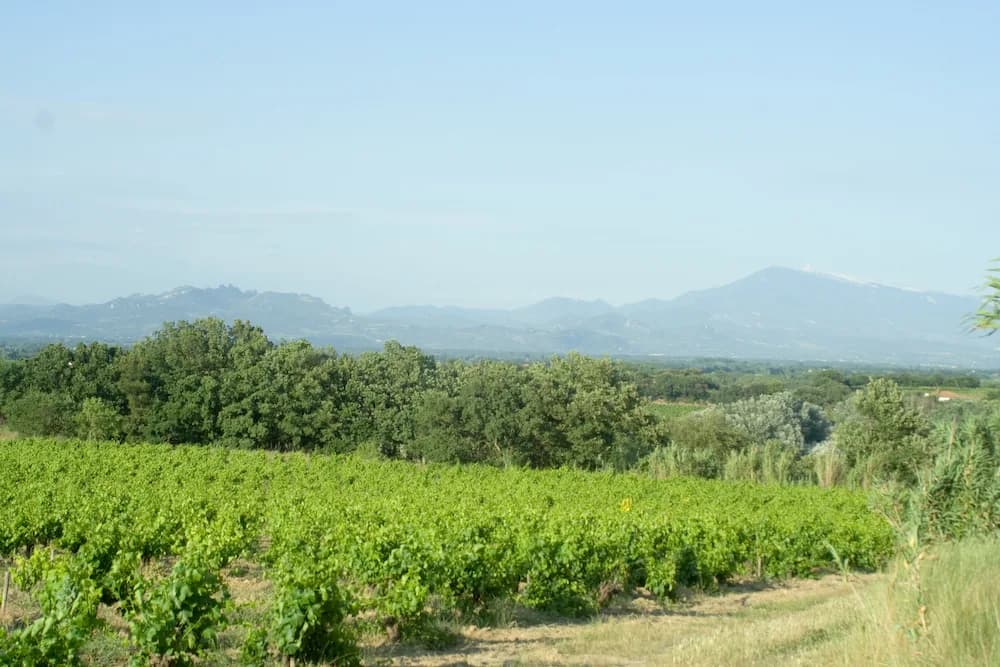
Almost every tour from Avignon runs one of two routes. The northern corridor heads to Châteauneuf-du-Pape, whose galet-strewn plateau produces the region's most famous Grenache-based reds and a small share of white. The eastern corridor climbs toward the Dentelles de Montmirail and the village crus of Gigondas, Vacqueyras and Beaumes-de-Venise, where Syrah and Grenache give firmer, more structured wines and Muscat produces the region's sweet fortified style.
Provence and Wine, a small Avignon-based operator, frames its Côtes du Rhône tours around exactly this second set of villages, naming Châteauneuf-du-Pape, Gigondas, Vacqueyras and Beaumes-de-Venise together as the southern Rhône's best-known names. Reading an operator's own village list before booking tells you more about the day than the generic phrase 'Rhône Valley tour' ever will.
A third, lighter option is the Luberon and Ventoux side to the east, where cooler sites and limestone soils give fresher reds and whites; fewer Avignon tours go there, so ask specifically if that is your interest.
Châteauneuf-du-Pape Tours: Full Day Versus Half Day
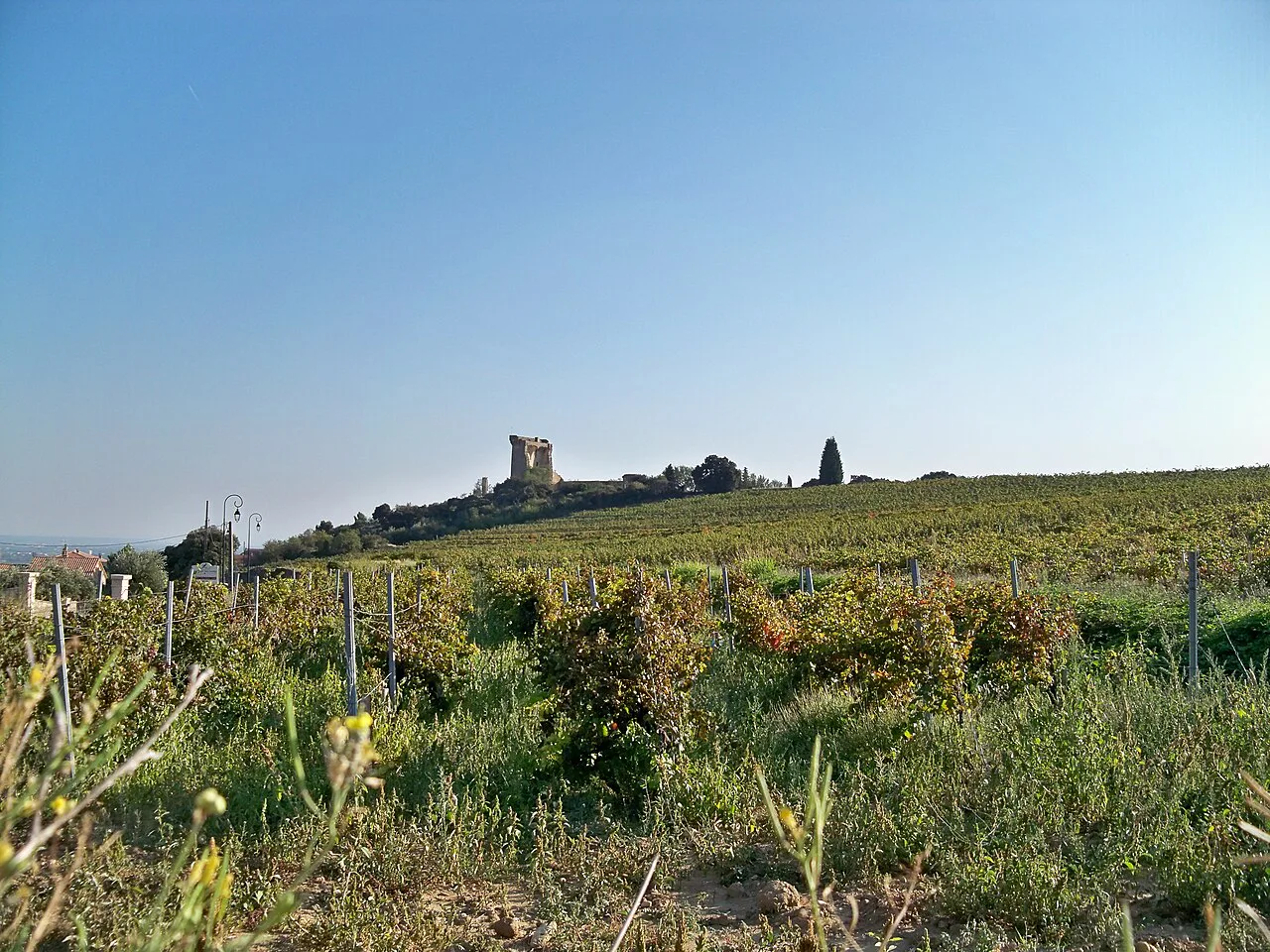
A half day in Châteauneuf-du-Pape typically means two estate visits with tastings, or one visit plus a stop at the village and its ruined papal castle. A full day allows three stops, a longer cellar walk-through and often a food pairing or a seated lunch, which is where the premium products differ. Provence and Wine describes a full-day Châteauneuf itinerary that includes wine-making explanation, food and wine pairing at a château in the vineyards, and a visit to the appellation's oldest castle.
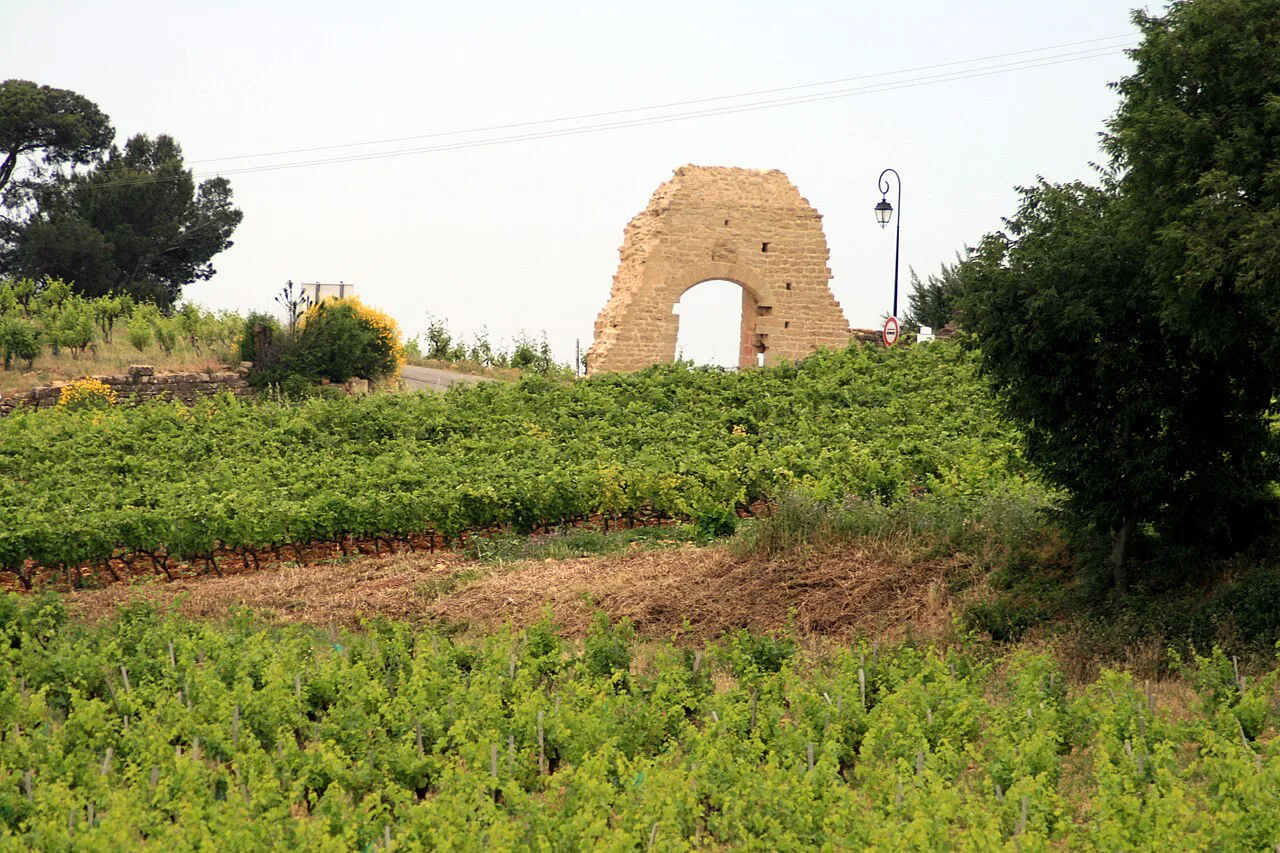
For travellers who want to choose estates rather than accept a fixed route, our guide to Châteauneuf-du-Pape wineries covers which domaines receive visitors and how their styles differ; the best-known houses such as Château de Beaucastel are covered separately.
Half-day tours usually depart in the morning or early afternoon four to five hours later, so check the return time before you commit to an evening plan in Avignon. Group size matters as much as duration: eight-seat minivans move faster between estates than a coach, which translates into more time in the cellar.
Côtes du Rhône Village Tours: Famous Names or Quieter Crus
Gigondas and Vacqueyras sit a few kilometres apart beneath the Dentelles, and a well-planned day can visit one estate in each plus a stop in Beaumes-de-Venise for Muscat. Because these villages are smaller and less commercialised than Châteauneuf-du-Pape, you are more likely to taste with the grower, but fewer estates keep walk-in hours and appointments are the norm.
The trade-off is recognition versus access. Châteauneuf tours deliver the names you already know; Dentelles tours deliver quieter cellars and steeper, more varied vineyard landscapes. If your group has mixed experience levels, a combined route that includes one Châteauneuf estate and one Dentelles village often satisfies both camps.
Guided Options in Avignon: Operators and What They Emphasize
Avignon's tour market ranges from single-guide microbusinesses to larger booking platforms. Avignon Wine Tour, run by François Marcou, advertises five different circuits through the Rhône valley with a driver-guide-interpreter format, drawing on his background in hospitality and wine; the number and spread of circuits suits travellers who want to compare routes before choosing.
Provence and Wine, led by Romain Gouvernet, emphasises guide credentials, describing a WSET Level 4 Diploma and small-group tours conducted in English from Avignon and neighbouring cities. It also sells a food-and-wine day that pairs a morning market food tour in Avignon with an afternoon in Châteauneuf-du-Pape, a sensible structure if you want the city and the vineyard in one booking.
Book direct with small operators where you can: you get clearer answers about group size, pickup point and what happens if a cellar cancels. Platform listings remain useful for comparing formats and reading recent reviews, but confirm the final itinerary in writing.
What a Rhône Tasting Typically Includes
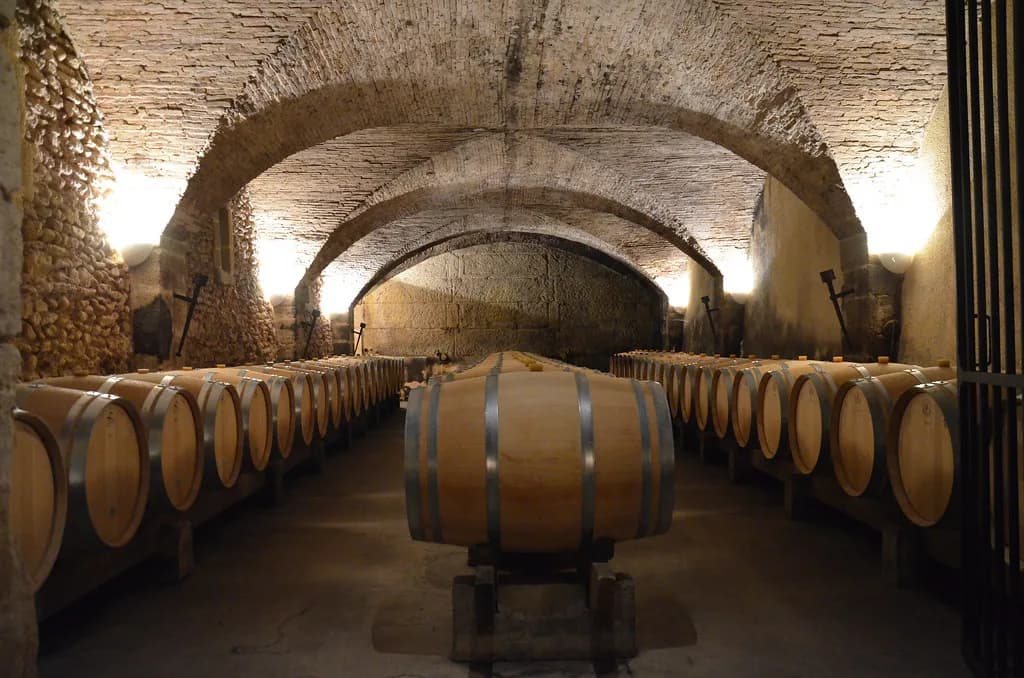
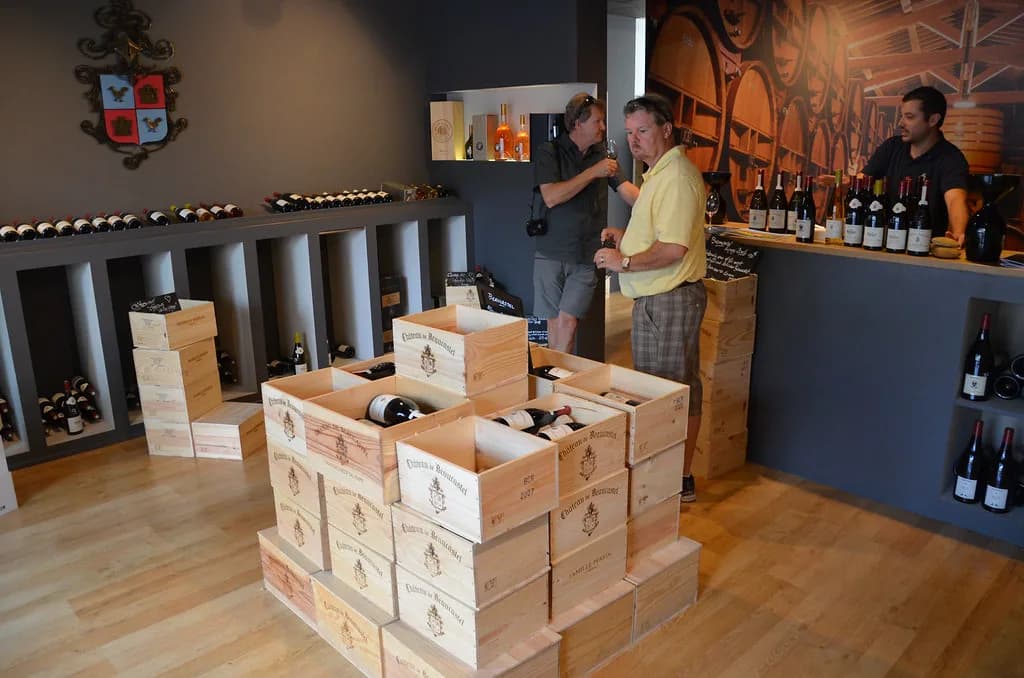
Expect tastings of roughly four to eight wines per estate, depending on the producer, with a mix of reds and, at some domaines, a white or a Vin Doux Naturel. Cellar walks are common but not universal, and cooperatives generally offer shorter, more structured visits than family estates. Ask whether tasting fees are deducted from a purchase, since policies vary by house.
A typical half-day tour runs around four to five hours with two stops; full days extend to seven or eight hours with a lunch break, often at a village restaurant rather than at a winery. Food pairings are more common on premium products, while standard tours concentrate on the wines. Provence and Wine's food-and-wine day builds lunch and market time into the structure rather than leaving it to chance.
Request a quote for your dates and party size and ask what the figure covers: tasting fees, transport, guide, lunch and any cellar entry. Taxi transfers between estates as a backup can be expensive in this countryside, so a tour that includes all transport is usually easier to budget.
Booking and Pricing: How to Read the Rates
Tour prices in the Rhône vary with duration, group size and inclusions, and they change by season, so no fixed figure belongs in a planning article. Ask for a per-person quote for your exact date, the minimum party size for a private departure, and whether the tour runs with a minimum number of participants on shared dates.
Read the cancellation terms before paying a deposit, and confirm whether a cancelled estate visit is replaced with another or refunded. If you are booking for a group, ask whether the guide can tailor the level of technical detail to your knowledge, which is the main reason to pay for a private rather than shared day.
Independent Versus Guided: Trains, Buses, Taxis and Bikes
Independent travel to Châteauneuf-du-Pape is possible: the village has a station on the Avignon–Carpentras line, and the ride is short, but services are infrequent and the station sits below the village with estates spread across the plateau beyond comfortable walking distance. Buses cover some Rhône villages, yet timetables rarely align with tasting appointments, which is why many visitors choose a tour or a pre-booked taxi.
Bicycles suit the flatter approach roads and the Luberon lanes, but a tasting day by bike means spitting carefully and carrying water; the Dentelles climbs are steep. For a comparison of how guided days are structured elsewhere in France, see our Rhône Valley wine tours overview and, for a Burgundy contrast, beaune wine tours.
If you drive yourself, choose one of you as the non-tasting driver rather than splitting tastings across the day; the region's roads are rural and winding. Tours remove that problem entirely and let everyone in the group taste.
Matching the Tour to Your Wine Knowledge
First-timers do best on a mixed half day that combines a village walk with one or two cellar visits, giving context before the technical detail. Tasters who already know Grenache and Syrah should look for a full day in the Dentelles or a premium Châteauneuf product with a seated tasting, where the guide can go deeper into soils and vinification.
Ask the company directly which appellations and estates are planned and whether the guide holds a formal wine qualification, as Provence and Wine advertises. Small operators often publish their background on the site, which helps you judge the level of commentary you are buying, and prices and dates are worth checking before you commit to a day.
Pairing Wine with the Rest of Avignon
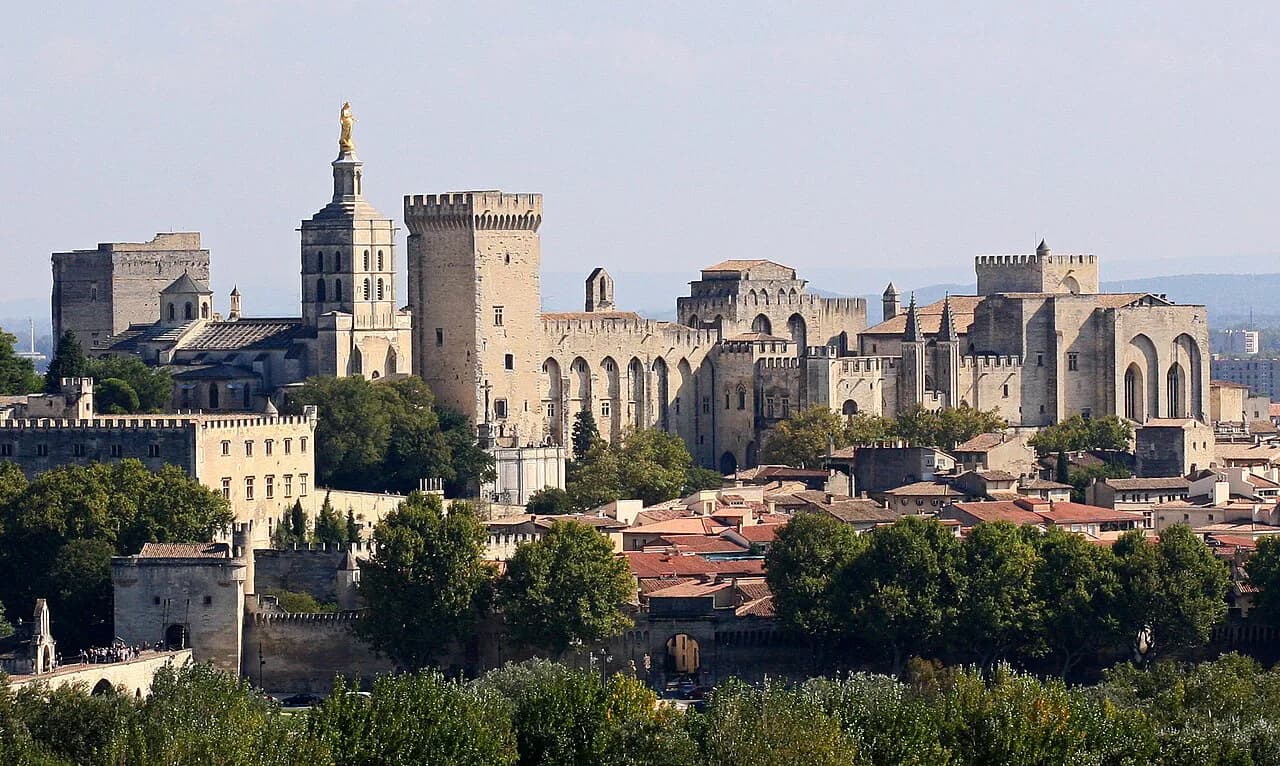
Avignon rewards a split day: the covered market and the Palais des Papes in the morning, a half-day vineyard tour in the afternoon. Several operators build this in, pairing a food tour with a Châteauneuf-du-Pape afternoon on their food-and-wine day. That structure works well if you have only one full day in the city.
Book the vineyard half first and fit the city around it, since tour departure times are fixed while markets run daily. Leave the evening free for a glass in town rather than scheduling another tasting.
Practical Planning: Seasons and Harvest Timing
Late September and early October bring harvest activity, which makes cellar work visible but also means some estates close their doors to visitors for days at a time. Spring and early summer are the easiest periods for appointments, and winter tours run but with fewer departures, so confirm availability for your dates before building a trip around one product.
Cellar visits are hardest to arrange on Sundays and public holidays in smaller villages; Châteauneuf-du-Pape has more options open than the Dentelles crus. Ask about access during the vendanges if you are travelling in autumn, and expect some estates to offer only a tasting without a vineyard walk.
Plan Your Tasting Day
Choose your corridor first, then your format: a half day for one appellation, a full day for two villages or a premium Châteauneuf experience with food. Request a per-person quote with inclusions spelled out, confirm the group size and pickup point, and keep the return time in mind when planning your evening in Avignon.
If anyone in your party is driving, that person should skip the tastings and use spittoons at any estate that offers them, or join a tour or public transport so the whole group can taste safely. Wine days here reward a little planning: the vineyard is close, but the appointments and timetables are not spontaneous.
Frequently Asked Questions
How far is Châteauneuf-du-Pape from Avignon?
It is a short drive north of the city, roughly twenty to thirty minutes by road depending on your starting point. A train serves the village on the Avignon–Carpentras line, but services are infrequent and the station is below the village, so most visitors take a tour or a taxi.
Do I need to book Avignon wine tours in advance?
Yes for small-group and private days, especially in spring and autumn. Operators run fixed departure dates and cellar appointments, so contact them with your dates and party size several weeks ahead and confirm the itinerary and inclusions in writing.
What wines are poured on a Rhône Valley tour from Avignon?
Expect Grenache-based reds from Châteauneuf-du-Pape and Gigondas, Syrah-blended reds from Vacqueyras and the wider Côtes du Rhône, and Muscat de Beaumes-de-Venise as a sweet wine. Some estates also pour white Châteauneuf-du-Pape or Côtes du Rhône blanc.
Can I visit the vineyards without a car?
Partly. Trains and buses reach some villages, but timetables rarely match tasting appointments and estates can be spread far from the station. A guided tour, a pre-booked taxi or a bicycle for the flatter routes are the practical alternatives to driving yourself.
What should I ask before booking a wine tour?
Ask which appellations and wineries are planned, the group size, the pickup point and the return time. Also ask what the price covers, whether tasting fees and lunch are included, the cancellation terms and whether the guide holds a wine qualification.
When is the best time to tour the Rhône vineyards from Avignon?
Spring and early summer offer the easiest appointments and pleasant vineyard conditions. Harvest in late September and early October is atmospheric, but some estates restrict visits then, and winter departures are fewer, so confirm availability before booking.
Is a half-day or full-day tour better?
A half day suits first-timers or a tight schedule and usually covers one appellation with two stops. A full day allows three estates, a longer cellar visit and often a food pairing or seated lunch, which is better value if wine is the main purpose of your trip.
Sources
Notes for your next wine trip
Optional updates to our winery and wine-town guides.
You might also like
Continue reading
More guides you'll find useful