Rhône Valley Wine Tour: Planning a Day from Avignon
Plan a Rhône Valley wine tour from Avignon with named Châteauneuf-du-Pape, Vacqueyras and Tavel estates, published tasting prices and booking rules.
On this page
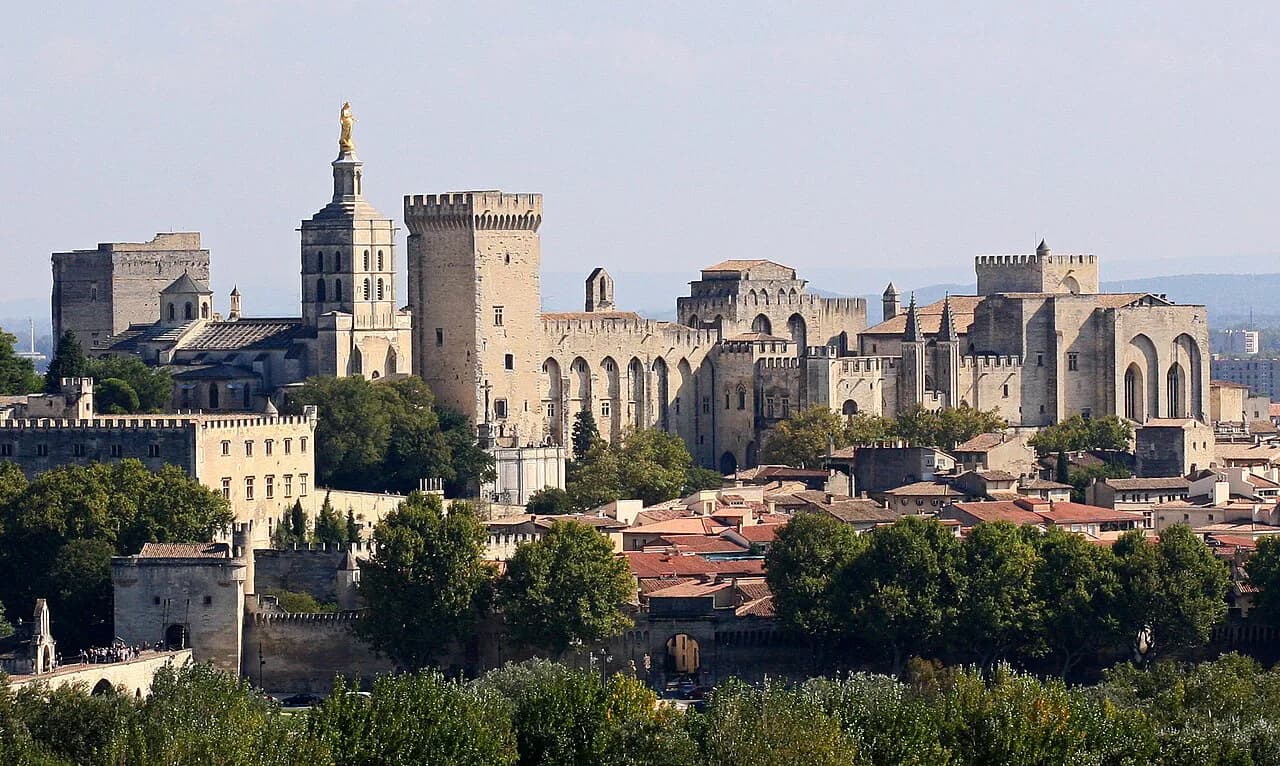
Avignon is the most practical base for a Rhône Valley wine day because the southern appellations fan out around it: Châteauneuf-du-Pape and Tavel to the north, the Dentelles de Montmirail villages to the northeast, and the Costières and Luberon further out for a longer loop. The catch is that these estates are spread across villages rather than clustered in one walkable district, so the shape of your day depends far more on transport than on how many tasting rooms you can list.
Two visits are a comfortable day, three is ambitious if you want lunch and unhurried cellar time, and four only works when the estates sit in the same village. The booking platforms that list Rhône estates publish tasting prices that run from a few euros for a simple flight to several hundred for premium or private formats, which tells you that a standard cellar visit and a library tasting are different products. Plan around one anchor estate per cluster and let the second visit be flexible, because small family domaines often run on appointment.
Southern vs Northern Rhône: Which Country Are You Actually Visiting?
The Rhône splits into two very different wine regions with a long drive between them. North of Valence, the Northern Rhône is a narrow corridor of steep granite terraces where reds are Syrah and the whites are Viognier, Marsanne and Roussanne; the north produces roughly 5% of all Rhône Valley wine. South of Montélimar, the climate turns Mediterranean and the wines become blends led by Grenache, with Syrah and Mourvèdre in support, which is what you will taste around Avignon.
From Avignon, the Southern Rhône is your day-trip territory. The Northern Rhône names you may be chasing, Côte-Rôtie, Condrieu, Hermitage and Cornas, belong to a separate trip based around Ampuis, Vienne, Tain-l'Hermitage or Tournon-sur-Rhône, and mixing the two into one outing means hours in the car rather than in cellars.
Châteauneuf-du-Pape: The Walkable Village Route
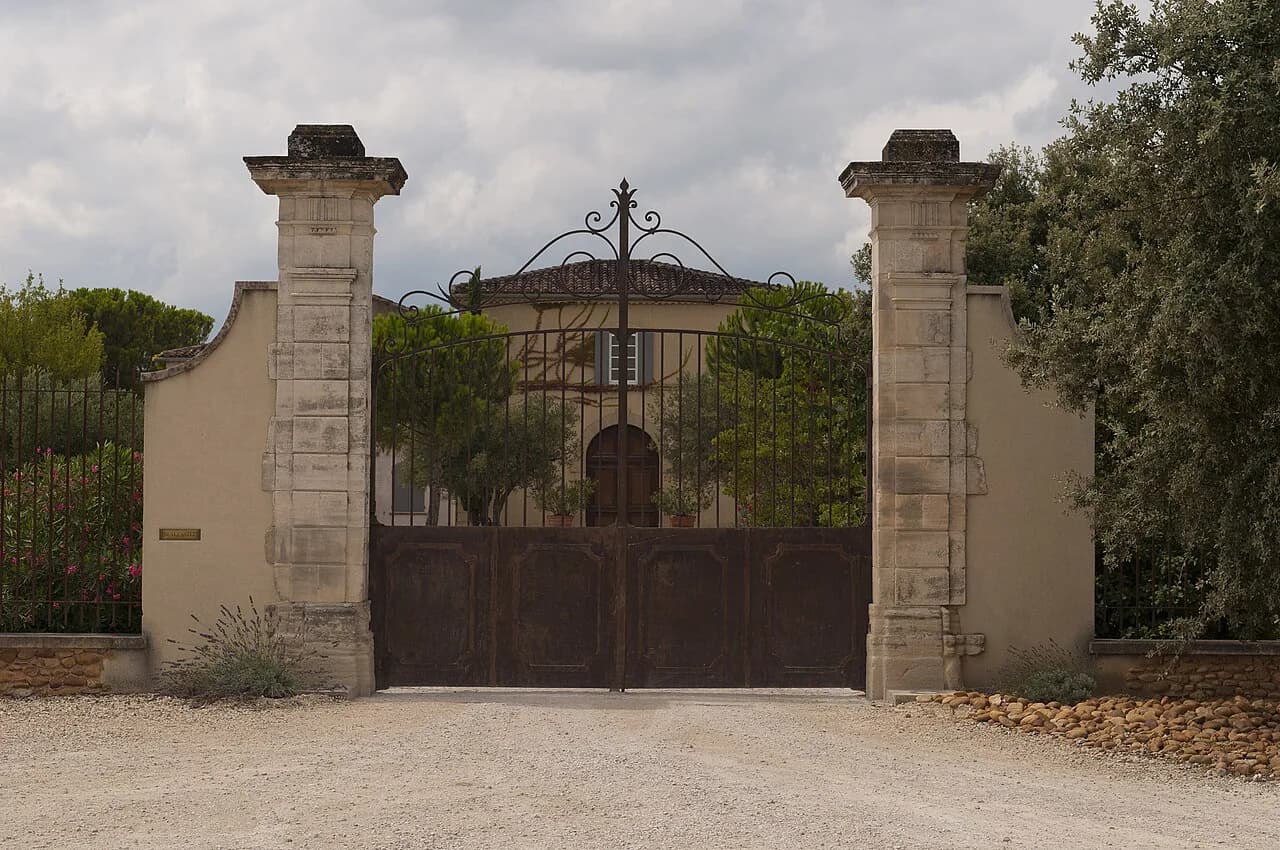
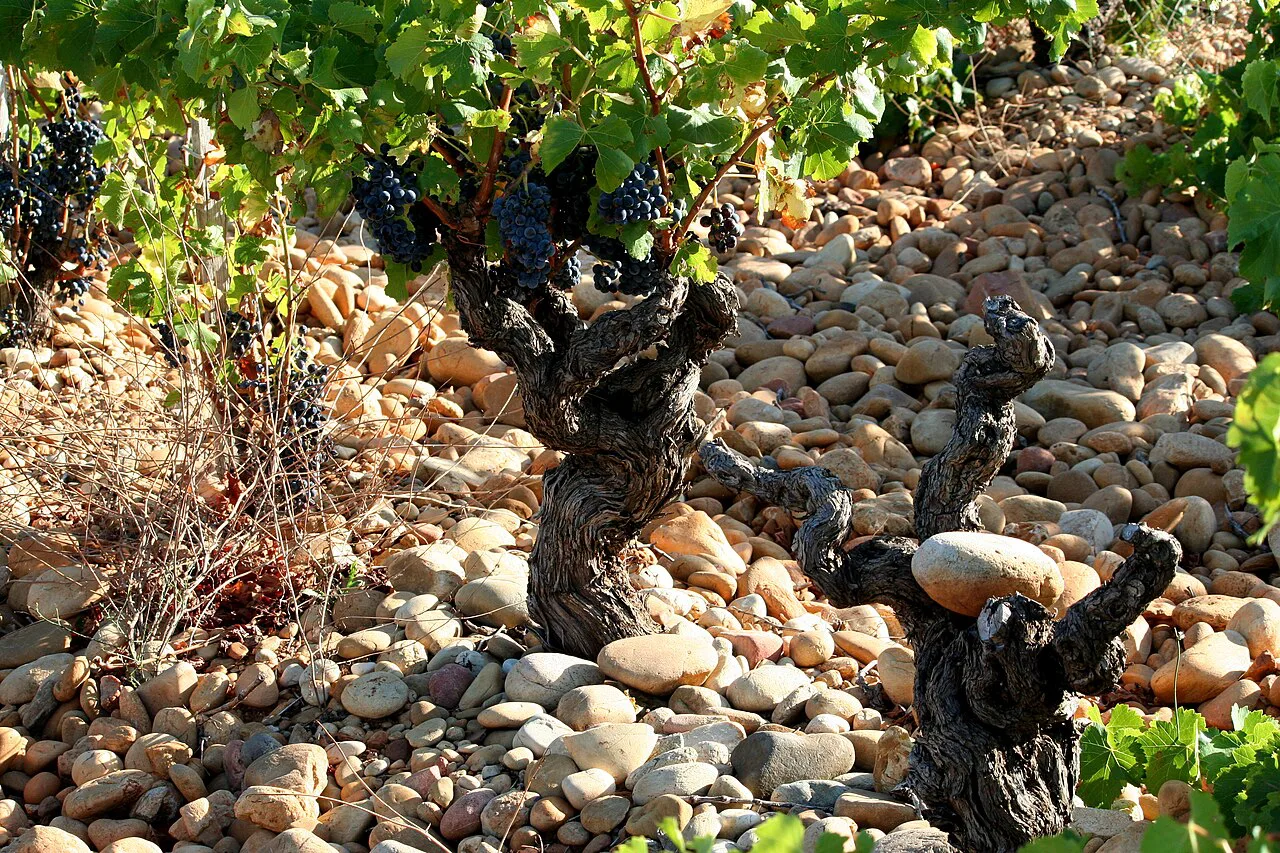
Châteauneuf-du-Pape is the one southern Rhône village where you can park once and taste on foot, which makes it the natural first stop from Avignon. The appellation is Grenache-led, with up to thirteen grape varieties permitted, and the village is dense with tasting rooms. Maison Brotte runs its Musée du Vin here alongside tastings, and its published experiences start at around 10 euros, while Château Fortia, one of the oldest estates in the appellation, lists tastings from about 8 euros. Other village estates with published visitor formats include Clos du Calvaire, an old family property in Sorgues just south of the appellation, and L'Oratoire des Papes on the edge of the village, where the entry-level tasting is a higher-priced, more produced experience than the small domaines. Maison Quiot, a family house with roots in the eighteenth century, publishes a tasting in the region of 30 euros.
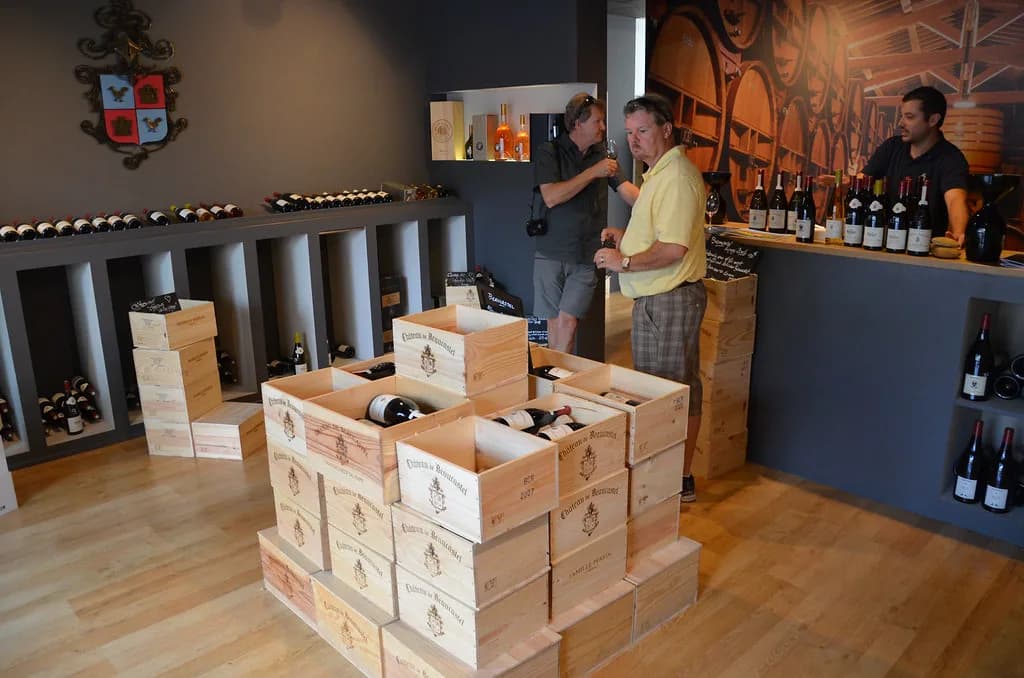
The village also has a wine shop and vinothèque that operates as an appellation showcase, useful if you arrive late or want to compare producers in one room rather than driving between gates. Book the anchor visit for the morning, since tasting rooms in the village are busiest around midday, and leave the museum-style visits for the afternoon.
Vacqueyras, Gigondas and Séguret: The Dentelles Cluster
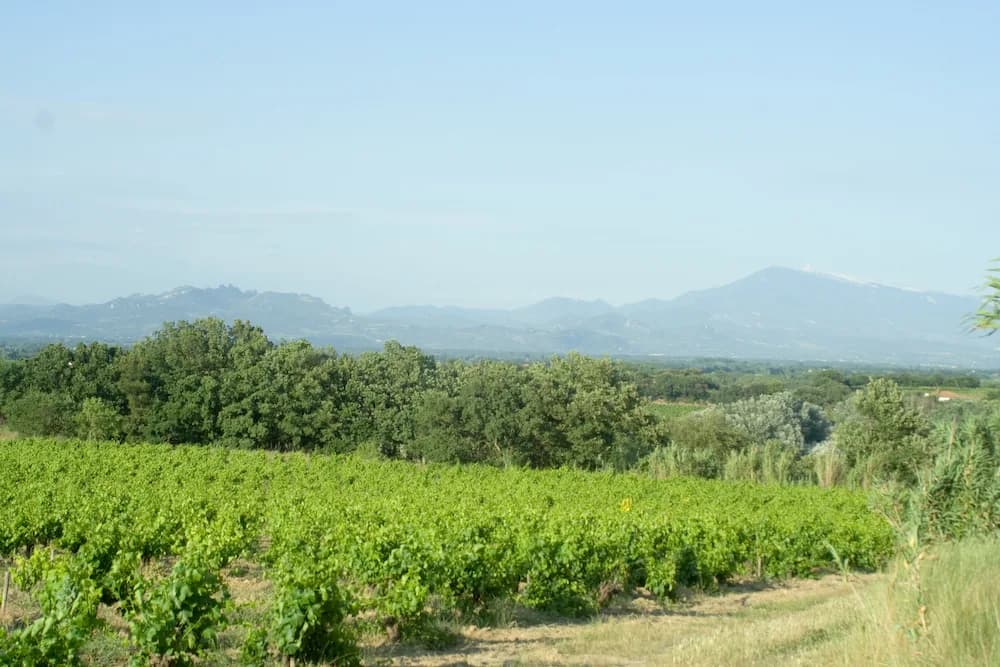
Northeast of Avignon, the Dentelles de Montmirail hills hold a tight group of villages, Vacqueyras, Gigondas, Beaumes-de-Venise and Séguret, where Grenache-based reds reach high alcohol and structure. This is the cluster to choose if you want scenery between stops and smaller producers rather than flagship village tourism. Domaine de Chantegut, a family vineyard at the foot of the Dentelles, publishes tastings from around 15 euros, and Clos de Caveau, on the Vacqueyras–Gigondas border, from about 19 euros.
Domaine de Piéblanc in Gigondas and Domaine de Galuval near Cairanne, where the wines are labelled Rasteau and Côtes du Rhône Villages, both appear on booking platforms with published price ranges, which makes them easy to reserve before you travel. Because the roads here are narrow and winding, a driver or a tour keeps the day calmer than driving yourself between four villages.
Tavel and Lirac: The Rosé Detour Across the River
Across the Rhône from Avignon, Tavel is the appellation to know for rosé: the wines are Grenache-led, deliberately deeper in colour and more structured than the pale Provençal style, and they are usually drunk with food rather than as an aperitif. Château de Manissy, a seventeenth-century property on the right bank, publishes tastings starting near zero for entry formats and up to around 40 euros for longer visits, and Domaine de la Mordorée in Tavel lists tastings from around 0 to 65 euros depending on the format. Lirac and the neighbouring Costières-de-Nîmes appellations make this side of the river a half-day rather than a full one. Pair Tavel with a stop at Château Mourgues du Grès near Beaucaire, whose published tastings run from about 16 to 45 euros, or Domaine de Poulvarel in Sernhac, and you have a loop that stays south of the river and avoids the traffic north of Avignon.
Côtes du Rhône Villages and the Luberon for a Long Day
If you have a full day and a car, the Cairanne, Rasteau and Vinsobres villages northeast of Orange give you serious Grenache at lower prices than Châteauneuf-du-Pape, while the Luberon around Lourmarin and Sannes offers a cooler, higher-altitude contrast. Château La Verrerie sits a few kilometres from Lourmarin and publishes tastings, and Domaine des Peyre in Robion lists tasting and aroma workshop formats. The Orange area also has larger family houses: Vignobles Alain Jaume in Orange publishes premium tasting formats rather than a quick cellar drop-in, so match the estate to your budget and time. On a two-night stay, one day in Châteauneuf-du-Pape and Tavel plus a second day in the Dentelles or the Luberon is a far better use of the roads than trying to cover everything.
Northern Rhône as a Separate Trip: Ampuis and Tain-l'Hermitage
The Northern Rhône is a distinct journey, best based in Ampuis for Côte-Rôtie, Tain-l'Hermitage or Tournon-sur-Rhône for Hermitage and Crozes-Hermitage, or Vienne if you want train access from Lyon. E. Guigal's caveau in Ampuis, about 30 minutes south of Lyon, publishes tasting experiences from a simple caveau flight up to premium formats, but it is a major merchant house with a friendly caveau rather than a walk-in cellar door, so reserve ahead and choose the format deliberately. If you are treating Lyon as your base for this northern leg, the Lyon wine guide covers the Beaujolais and Northern Rhône day trips that start there.
Organised options from Lyon run from half-day private tours of around four hours to full nine-hour tours that start in Lyon, Valence or Tain-l'Hermitage, and prices are quoted per group rather than per person, so a small party of two to four changes the arithmetic sharply. A wine-and-hike route between Côte-Rôtie and Condrieu is a shorter way to see the terraces without committing to a full day in the car.
How Tastings Work: What a Visit Includes and When to Book
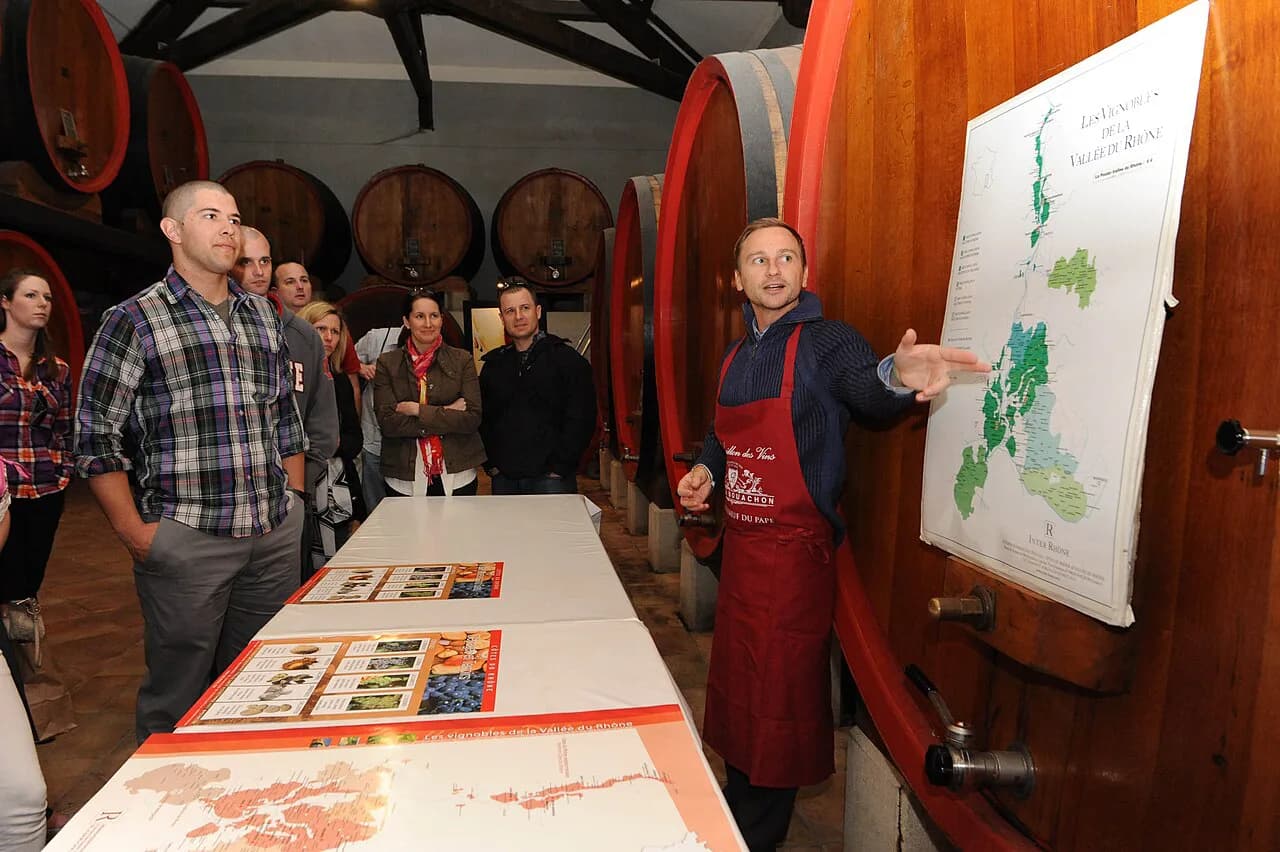
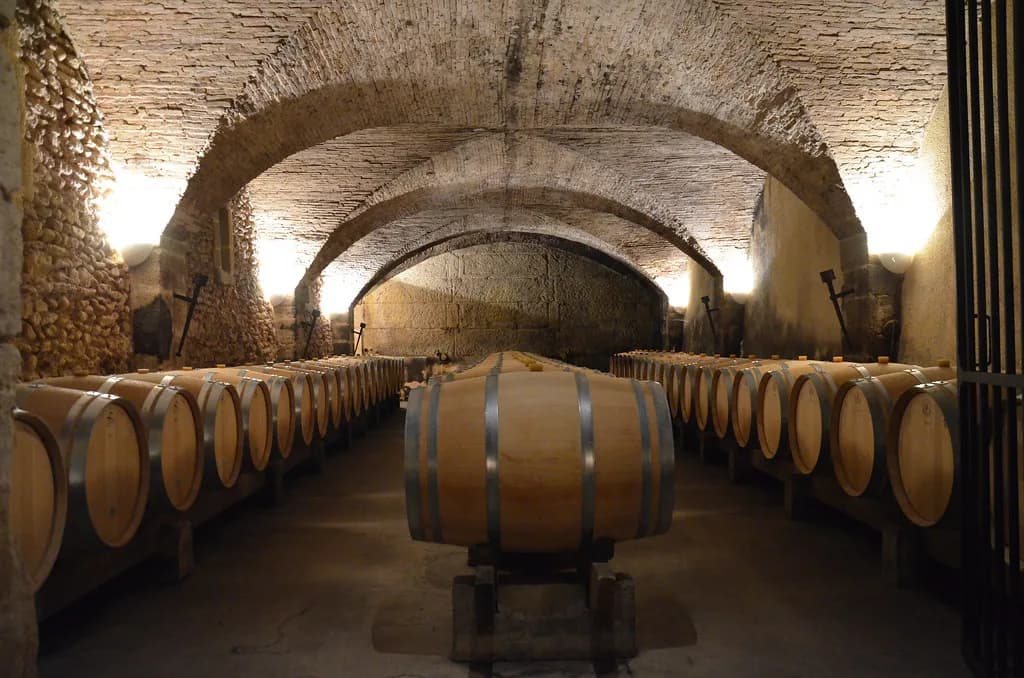
A standard Rhône visit usually pairs a short cellar walk-through with a flight of wines, and the published price on a booking platform is the estate's own rate rather than a markup. Formats diverge quickly: museum entry and a basic flight at a village estate, a blending workshop, or a premium comparative tasting of older vintages are all sold separately. Read the listing description to see whether the tour, the tasting and any food pairing are included, because the same estate may publish several different products.
Many small family estates take visitors by appointment only, and harvest, from roughly September into October, is the period when winery teams are least available. Villages such as Ampuis, Tain-l'Hermitage and Tournon make good bases because they put several growers within a short drive, but the domaines themselves are small, so reserve tastings before you build the rest of the itinerary around them.
Independent vs Guided: Train, Bus, Bike and Hired Driver
Going without a car is realistic for Châteauneuf-du-Pape and Tavel but harder for the Dentelles and almost impossible for the Luberon, where estates sit on back roads with no useful bus service. Local buses run from Avignon towards Orange and Châteauneuf-du-Pape, and the Via Rhôna cycle path follows the river for riders who want to link riverside villages, but a taxi between three estates in one afternoon usually costs more than joining an organised tour.
Guided options in the region range from a Châteauneuf-du-Pape morning tour from Avignon to full-day Provençal wine circuits, and the per-person cost falls when the group is larger, so ask the tour company for a firm quote before paying. The trade-off is control: a tour removes the driving and the navigation but fixes your itinerary and tasting schedule. If you want specific estates, a private driver arranged around your own shortlist is the more flexible middle path, and comparing wine tours side by side before you commit shows how much itineraries vary.
The Wines in Brief: Grenache South, Syrah North
In the Southern Rhône, Châteauneuf-du-Pape and Gigondas are Grenache-led blends with Syrah and Mourvèdre, Vacqueyras and Cairanne fall under the Côtes du Rhône Villages umbrella, and Tavel is the structured rosé outlier. Knowing this helps you choose between a village like Gigondas for power and one like Cairanne for value, without relying on tasting notes written by someone else.
In the Northern Rhône the choice is simpler: reds are Syrah, Condrieu is Viognier, and Hermitage and Saint-Joseph whites blend Marsanne and Roussanne. Côte-Rôtie permits a small proportion of Viognier in the red, which is one reason it reads more perfumed than Cornas, and that is enough style vocabulary to steer your booking choices without memorising scores.
A Sample Two-Day Plan From Avignon
Without a car, spend day one on foot in Châteauneuf-du-Pape, arriving by bus or a short taxi ride, with two pre-booked tastings and lunch in the village, then return to Avignon for the evening. On day two, join a guided tour that covers Tavel and the right bank or the Dentelles villages, which solves the transport and lets you taste three estates in one day without driving.
With a car, start early at Châteauneuf-du-Pape for one anchor booking, cross to Tavel for a second in the late morning, then eat and finish with a short visit near Sernhac or Beaucaire before returning. On the second day, drive the Dentelles loop through Vacqueyras and Gigondas and keep one afternoon free for the slower roads; if you decide to add the Northern Rhône, plan a night in Tain-l'Hermitage instead of attempting a return journey to Avignon.
When to Come: Harvest, Seasons and Events
Spring and early summer give you green vines, mild weather and easier booking, while July and August are hot and busy and cellar appointments fill earlier. September is the most energetic month, with harvest activity in the vineyards, but it is also when producers have the least time for visitors, so treat harvest-season visits as a bonus rather than the plan. Winter is quiet and cold, with fewer tasting slots and some estates working reduced hours.
Regional wine events are worth building a trip around, but dates shift each year, so confirm the current programme with the appellation's own tourist office or the event organiser before booking travel. The Marché aux Vins d'Ampuis, the long-running Côte-Rôtie tasting event, is the one to watch for a Northern Rhône visit in January.
Plan Your Visit
Build the day around one anchor estate per cluster, reserve the visit that matters most before you arrange transport, and let the second tasting flex with the weather and the harvest calendar. Châteauneuf-du-Pape and Tavel are the easiest to reach from Avignon, the Dentelles and Luberon reward a car or a private driver, and the Northern Rhône belongs to a separate trip north.
Whoever is at the wheel should not taste: use spittoons, name a designated driver, or leave the car behind and take a tour or public transport. Prices and formats change with the vintage, so check the estate's current listing before you commit to a booking, and enjoy the tasting at a pace that leaves you fit to travel home.
Frequently Asked Questions
Can you tour Rhône Valley wineries without a car?
Yes, for the closest appellations. Châteauneuf-du-Pape and Tavel can be reached from Avignon by bus or a short taxi ride, and guided wine tours from Avignon cover the right bank and the Dentelles villages without you driving. The Luberon and the Northern Rhône are much harder without a car or an organised tour.
How many wineries can you visit in one day?
Two visits make a comfortable day, and three works when the estates sit in the same village. Four is only realistic if they are within walking distance, because travel between villages, lunch and unhurried cellar tours eat the afternoon.
Do Rhône Valley wineries require reservations?
Many do, especially small family estates and the major houses. Larger village tasting rooms in Châteauneuf-du-Pape sometimes accept drop-ins, but booking through a platform or the estate's own site secures the format and time you want.
What is the difference between Southern and Northern Rhône wines?
The Southern Rhône, around Avignon, makes Grenache-led blends, with Syrah and Mourvèdre in support, plus the structured rosé of Tavel. The Northern Rhône makes Syrah-only reds such as Côte-Rôtie, Hermitage and Cornas, and whites from Viognier, Marsanne and Roussanne.
When is the best time to visit the Rhône Valley?
Spring and early summer offer mild weather and easier bookings, while September brings harvest activity but reduced winery availability. July and August are hot and busy, and winter is quiet with fewer tasting slots.
Sources
Notes for your next wine trip
Optional updates to our winery and wine-town guides.
You might also like
Continue reading
More guides you'll find useful