Domaine du Pégau Guide: Plan a Visit from Avignon
Plan a visit to Domaine du Pégau in Châteauneuf-du-Pape from Avignon: the three village addresses, tours and tastings, booking, and train access.
On this page
Domaine du Pégau is a family estate in Châteauneuf-du-Pape, run by Laurence Féraud, and the land has been farmed by the family since 1670. The estate works roughly 21 hectares of vines, which places it among the village's established independent growers rather than the large négociant houses. For a wine day out of Avignon, it is a natural anchor: a named producer with a tasting room in the village and a documented visiting offer.
The practical catch is that Pégau is not a single front door. The estate publishes three separate addresses in the village, and the tour and tasting offer is one part of a wider set of visitor options. This guide separates those addresses, explains the wines and the appellation, and sets out the realistic trade-offs between taking the train and joining an organized tour.
Why Domaine du Pégau Matters
Pégau's reputation rests on a long family continuity in Châteauneuf-du-Pape rather than on scale. Laurence Féraud runs the estate, which farms about 52 acres, and the family's vine-growing history in the village reaches back to the seventeenth century. That combination of modest size and deep local roots is exactly what draws travelers to the southern Rhône's village estates.
If Pégau is your first stop, treat it as the center of a walking day in the village and build the rest of your plan around it. Our broader guide to wine tasting in avignon explains how Châteauneuf-du-Pape fits alongside the region's other appellations.
The Three Pégau Addresses in the Village
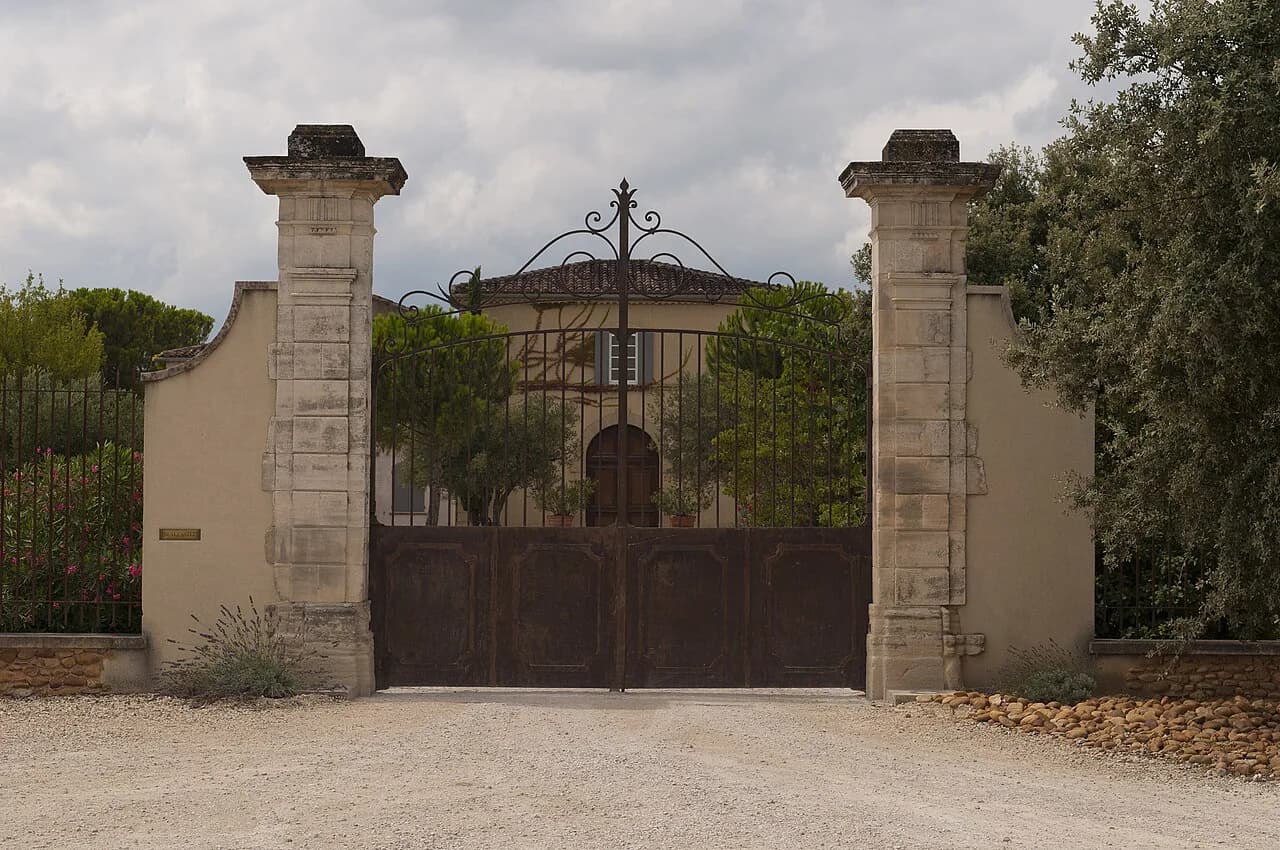
The estate lists its domain at 15 Avenue Impériale, its cellar at 3 Avenue Général de Gaulle, and Maison Pégau at 11 Avenue des Bosquets, all in the 84230 Châteauneuf-du-Pape postcode. The published telephone number is +33 4 90 83 72 70 and the contact email is pegau@pegau.com. Knowing which address you need before you set out saves a walk across the village.
In practice, the domain and cellar addresses sit closest to the everyday business of a winery visit, while Maison Pégau is presented as a separate, experience-led space. The estate's own site sections the offer into tours and tastings on one hand and the Maison Pégau experience on the other. Ask which address your booking refers to when you confirm, because arriving at the wrong one is the most common way to lose time here.
What the Estate Produces
Pégau makes red and white Châteauneuf-du-Pape, with the Cuvée Réservée as its best-known red label; a white wine also appears in the estate's range. Châteauneuf-du-Pape is a blended appellation, so the reds typically combine several permitted grape varieties rather than resting on a single one. Understanding that blended style helps you read a tasting list and decide what to focus on.
Bottle prices for top Châteauneuf-du-Pape cuvées run high on the secondary and retail market, which is one reason a cellar-door visit appeals: you taste before you commit and buy at the source. Retail listings for the Cuvée Réservée are a market reference, not a visit cost, and tasting fees are set by the estate. Read the range on the producer's own site before you go so you know which wines you want to ask about.
Tours and Tastings: What to Expect and What to Ask
The estate publishes a Tour and tastings section on its website, which is the place to start when planning a visit. What that section does not set out is a tasting fee, a set number of wines poured, a standard duration or a seasonal calendar of closures. Rather than guess, ask those four questions directly when you make contact.
Châteauneuf-du-Pape estates generally work on appointments for hosted visits, even when a tasting room also receives casual callers, so a short email in advance is the sensible default. Say how many people are in your party, whether you want a cellar walk-through or simply a tasting, and whether you need the visit in English. Confirm the address, since Pégau operates from more than one in the village.
If you want to see how other village estates handle visitors before you commit to a schedule, our guide to Châteauneuf-du-Pape Wineries sets out the range of formats. That context makes it easier to judge whether Pégau's offer matches the kind of visit you have in mind.
The Oeno-Experience at Maison Pégau
Maison Pégau is presented as its own address and its own offer, listed on the estate site as an oeno-experience rather than as the standard winery tour. Travelers often conflate the two, then arrive expecting a cellar visit at a venue designed for something else. If the experience format is what interests you, say so explicitly when booking.
This option tends to suit people who want a seated, hosted format in the village rather than a walk through production areas, and who are happy to build the rest of the day around it. It also suits mixed groups where not everyone wants a technical winery tour. Ask what the session includes and how long it runs before you commit your afternoon.
Booking: Contacts and What to Specify
Pégau publishes a telephone number, +33 4 90 83 72 70, and an email address, pegau@pegau.com, on its contact page, alongside the three street addresses. Use email for anything involving dates and party size so you have the reply in writing. If you are traveling within a few days, a phone call is more reliable than waiting on a response.
In your message, name the date and a preferred time window, the number of adults, the language you would like the visit conducted in, and whether you need parking or plan to arrive on foot from the village center. Mention any mobility constraints, since cellar access varies between buildings. A clear first message usually settles the whole booking in one exchange.
Getting There from Avignon Without Driving
Châteauneuf-du-Pape has a regional rail link from Avignon, and the station sits close enough to the village that the walk up to the main streets is part of the outing. Timetables and fares change by season, so pull the current schedule from the national rail operator before you fix your day. Build in a buffer for the walk, which climbs toward the village center.
Once in the village, the Pégau addresses are all on streets within the built-up area, so the day works on foot. Avignon wine tours are the alternative if you would rather not manage timetables: you get transport and a driver, at the cost of flexibility and a fixed group schedule. Neither approach is better in the abstract; the train suits a single-estate day, a tour suits covering several addresses.
A driver in your group should not taste; use the spittoons, take the train, or book a tour with a driver so nobody is put in that position. For a wider view of what is reachable from the city, including addresses outside the village, see our list of wineries near Avignon.
Independent Visit Versus Guided Tour
Going independently means you choose your arrival time, linger as long as the estate allows, and spend nothing beyond the train and the tasting. The trade-off is that you carry the scheduling risk: a missed connection or a long walk in heat eats into the visit. It works best for a small group focused on one or two addresses.
A guided tour removes the transport problem and often pairs a Rhône Valley estate with other stops that are awkward to reach by rail. The cost is a fixed itinerary and a group pace, and you will not have the freedom to extend a tasting that interests you. Decide which of those two constraints bothers you less before booking either.
Grouping Pégau With Other Village Addresses
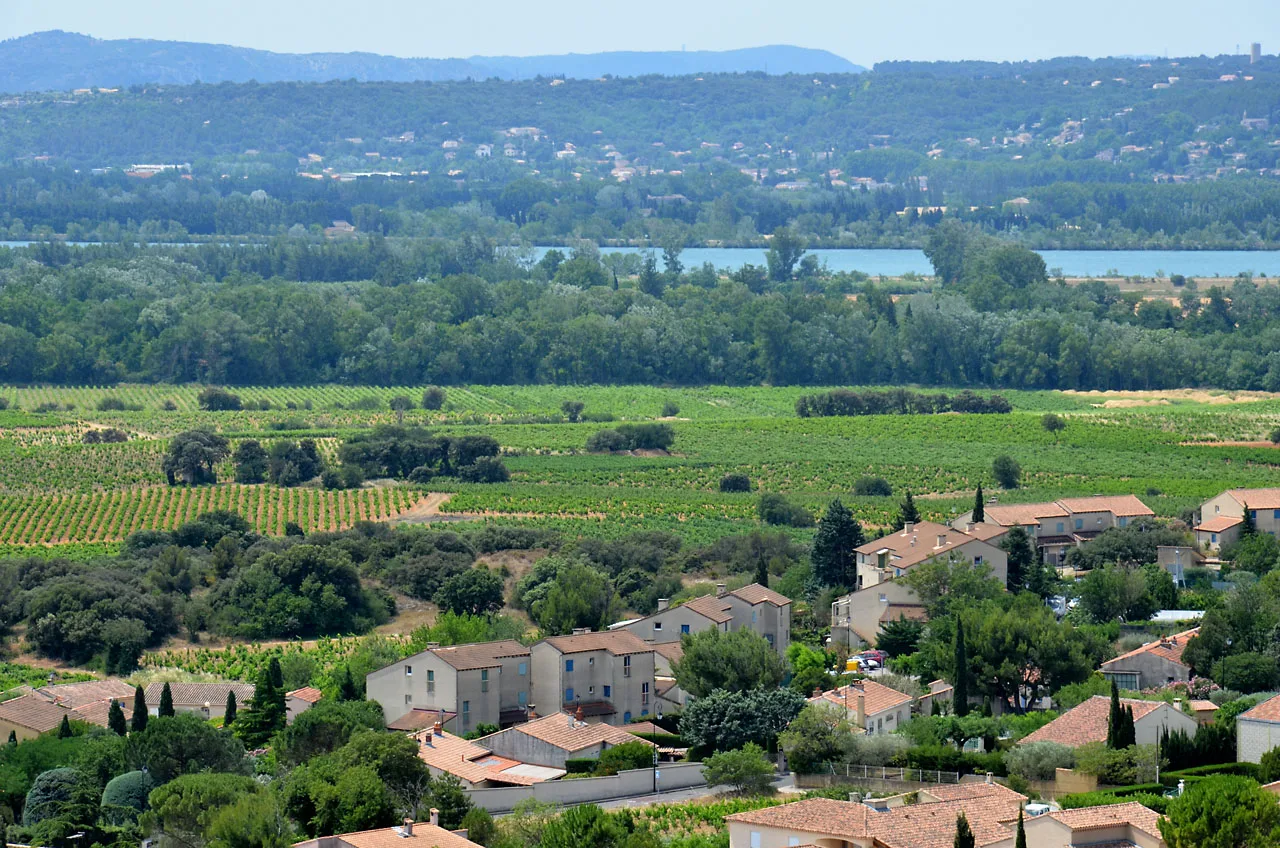
Châteauneuf-du-Pape is compact enough that a well-planned day covers a couple of estates plus a walk to the village's upper terraces for the views over the Rhône plain. Keep the number of booked appointments modest: two hosted visits plus travel is a full day once you allow for the walk from the station. If you want to compare Pégau with another benchmark family estate, our guide to Château de Beaucastel explains the Famille Perrin property at Courthézon and how its visiting arrangements differ. Travelers weighing a longer trip north can also compare formats with wine tasting in Lyon, where the Beaujolais and northern Rhône day trips work differently from a village-based Rhône visit.
Book the estate that requires the most rigid timing first and let the other slots flex around it. Leave the middle of the day unbooked so a late train or a longer-than-expected tasting does not unravel the schedule. And keep the addresses of all three Pégau sites on your phone, since the walk between them is short but not obvious on a first visit.
Buying Wine: E-Shop, Shipping and Luggage
The estate runs an online shop, so you can browse current releases and compare bottles before you travel and decide what is worth carrying home. Buying at the property is the other option, and it lets you combine the purchase with the visit. Neither route guarantees stock of a specific cuvée, so check what is currently released before you order.
If you fly, remember that wine has to travel in checked baggage under airline and security rules, and that shipping from France involves customs paperwork on arrival in the US. For a small number of bottles, carrying them is usually simpler; for a case, ask the estate what shipping options it offers and what the buyer must handle.
When to Go
Harvest in the southern Rhône falls in early autumn, and the weeks around it are busy in the vineyards, which can affect what visits are possible at short notice. Spring and autumn give the most comfortable walking weather for a day built around the train and the village streets. Midsummer afternoons are hot, so a morning tasting is the kinder choice.
The village itself is small and its rhythms follow the estates rather than a tourist calendar, so build your day around confirmed appointments rather than a fixed opening-hours assumption. If your dates are firm, make contact well ahead and ask what is happening in the cellars that week. That single question is more useful than any seasonal rule of thumb.
Plan Your Visit
Pégau is a realistic day out from Avignon: a train, a walk, and a village whose three Pégau addresses sit close together. Nail down which address your booking is for, ask about the tasting format and duration in your first email, and leave slack in the schedule for the walk and the return train.
Confirm the current details with the estate before you travel, since tour formats and availability shift through the year. Between the train and a guided tour, pick the one whose constraints you can live with, and let the wines rather than the logistics set the pace of the day.
Frequently Asked Questions
Can you visit Domaine du Pégau?
Yes. The estate publishes a Tour and tastings section and a separate Maison Pégau oeno-experience, with contact details and three addresses in Châteauneuf-du-Pape. It does not publish a fixed tasting fee, group cap or seasonal calendar, so put your date, party size and language request in an email and wait for confirmation.
How do you book a tasting at Domaine du Pégau?
Use the email address or telephone number published on the estate's contact page. Write with your preferred date and time window, the number of adults, the language you want, and whether you need the tour, the tasting, or the Maison Pégau experience. Confirm which of the three village addresses applies to your booking.
What wines does Domaine du Pégau make?
The estate produces red and white Châteauneuf-du-Pape, with the Cuvée Réservée as its best-known red. Châteauneuf-du-Pape is a blended appellation, so the reds combine several permitted varieties. The estate site lists the current range, which is the reliable place to see what is released.
Is Châteauneuf-du-Pape an expensive wine?
Top cuvées command high prices on the retail and secondary market, while the appellation as a whole spans a wide range. Tasting at the estate lets you judge before buying, and bottles bought at the property avoid restaurant markups. Tasting fees are set by each estate and are not published by Pégau.
How do you get to Châteauneuf-du-Pape from Avignon without a car?
Take the regional rail link from Avignon to Châteauneuf-du-Pape and walk into the village; the station is close to the built-up area. A guided tour from Avignon is the alternative if you would rather not manage connections. Check current timetables and fares before fixing your day.
Sources
Notes for your next wine trip
Optional updates to our winery and wine-town guides.
You might also like
Continue reading
More guides you'll find useful