Château de la Gardine: How to Plan Your Visit from Avignon
Plan a visit to Château de la Gardine in Châteauneuf-du-Pape: what the estate publishes for tours and tastings, its wines and how to reach it from Avignon.
On this page
Château de la Gardine is one of the Rhône names travelers most often ask about before a day in Châteauneuf-du-Pape, and for good reason: it is a family estate with a long Brunel history, a broad spread of appellations, and a cellar door that sits close enough to Avignon to fit into a single day out. The practical question is not whether it exists but how to slot it in alongside the village, the other estates and the trip back.
This guide sticks to what the estate itself publishes: contact details for the caveau, the wines it lists by appellation, and the address on the Route de Roquemaure. Where the site has not published a detail such as tour times or tasting prices, the guidance below explains how to build the day around that gap rather than guess at it.
What Château de la Gardine Is and Where It Sits
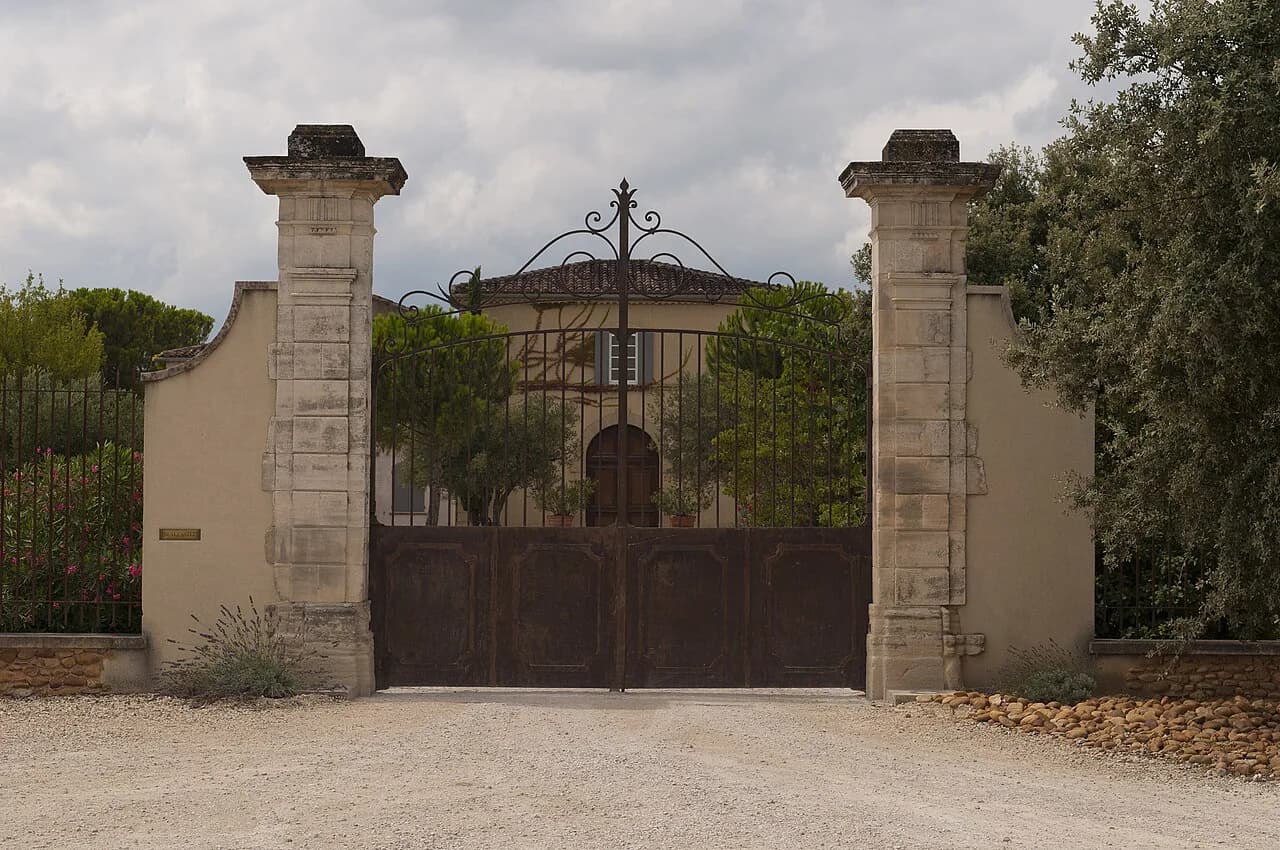
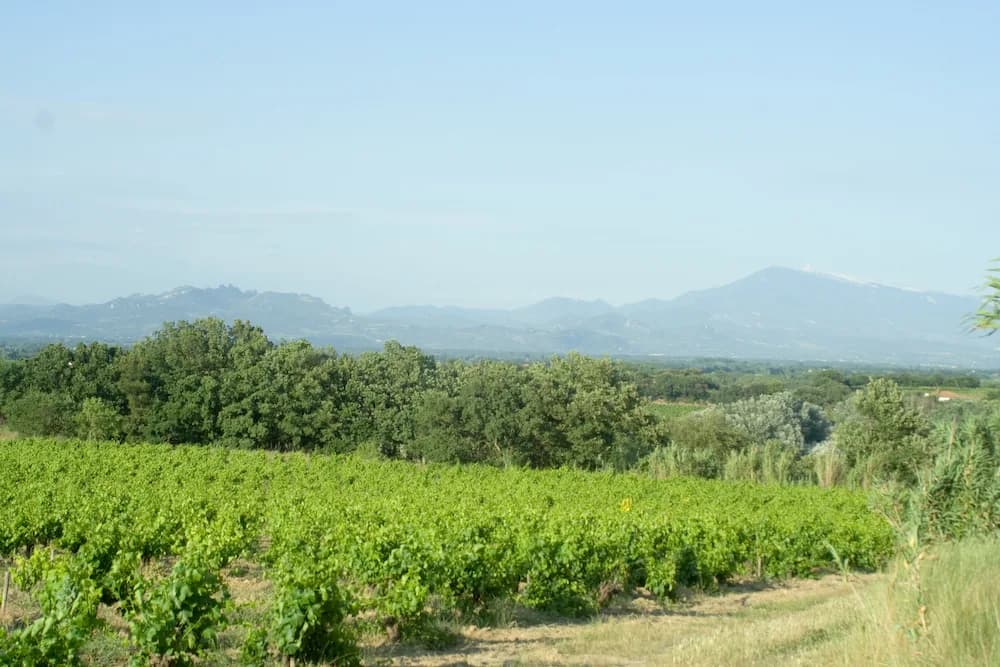
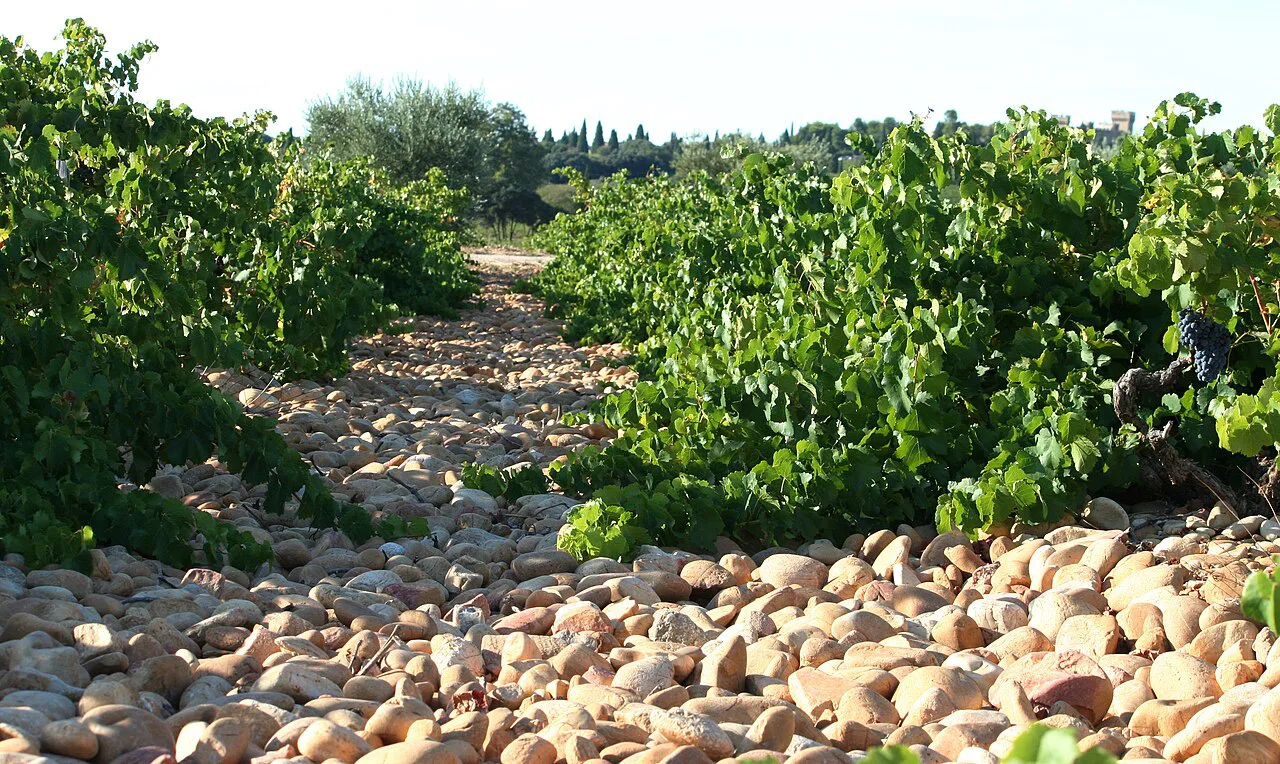
Château de la Gardine is a family-owned estate in Châteauneuf-du-Pape, founded by Gaston Brunel in 1945 and still run by the Brunel family, with vineyards planted on the rolled pebbles, limestone and brown soils that define the appellation. The property is one of three estates under the same ownership, alongside Château Saint Roch and Brunel de la Gardine, which is why a single visit can cover wines from several appellations.
The estate's published address is Route de Roquemaure, 84230 Châteauneuf-du-Pape, on the northern edge of the village toward the Rhône. That puts it on the same short run as the rest of the appellation's cellars, roughly a twenty-minute drive north of Avignon, so it works best as one stop in a loop rather than a standalone excursion.
The Wines to Know Before You Go
The estate's own shop page organizes its range by appellation rather than by brand story, which is the fastest way to understand what you are walking into: Châteauneuf-du-Pape in red, white and rosé, Lirac from Château Saint Roch, and Rasteau including a vin doux naturel ambré. Seeing the list in that order tells you the visit spans the southern Rhône broadly, not just one village.
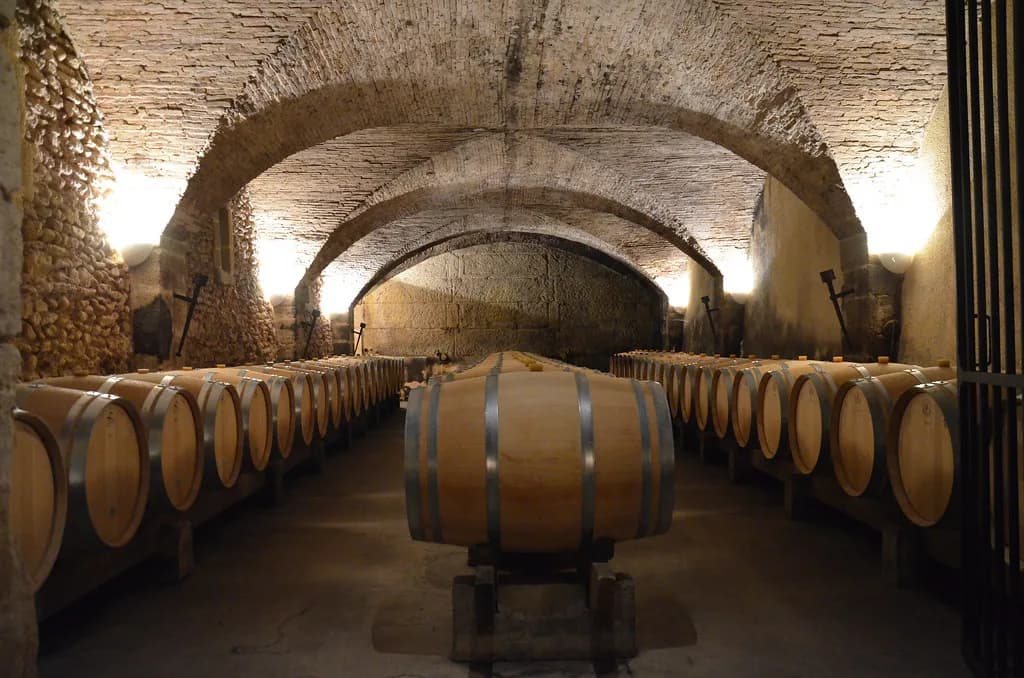
Châteauneuf-du-Pape red is the flagship, a Grenache-led blend that in the Gardine bottling also includes Mourvèdre and Syrah, aged nine to fourteen months in oak after fermentation in concrete. The white side leans on Roussanne with Clairette in the top cuvée, which is worth knowing if you assumed this was a red-only address.
Lirac and Rasteau fill out the range at lower price points, and the estate also lists a Rasteau vin doux naturel, a fortified amber style that is unusual to find poured in the same room as a Châteauneuf white. If your group includes someone who drinks sweet wines, this is the bottle to ask about. The Jeb Dunnuck and Bettane+Desseauve scores quoted on the shop page are third-party press ratings for specific cuvées, not something the estate puts on its own labels for visitors.
What the Estate Publishes About Visits and Tastings
The estate's site separates a visit-and-wine-tasting section from the online shop, which is the clearest signal that cellar visits are a distinct offer rather than an afterthought to mail order. The site does not publish tour durations, the number of wines poured, tasting fees or seasonal closures in the pages available, so treat any figure you see elsewhere as unverified until the caveau confirms it.
Practically, that means building your plan around a confirmed booking rather than an assumed walk-in. When you contact the estate, ask directly which wines are included, whether the cellar itself is toured, whether a fee applies and whether it is waived against a purchase, and how long the visit runs, since those are exactly the details not posted online.
How to Book: Phone and Email at the Caveau
The estate publishes two direct channels for the caveau: the phone number +33 (0)4 90 83 73 20 and the address caveau@gardine.com, both listed on its contact details. Email is the better first move for an English-speaking visitor, because it gives you a written confirmation of the slot and a place to ask about group size, language of the visit and whether a driver in your party can be accommodated without tasting.
Write the message the way you would for any Rhône estate: your date, a two- or three-hour window rather than a precise minute, the number of people, and whether anyone in the group is not drinking. If you are coming in a party of six or more, say so up front, because group handling is the single most common thing that changes what an estate can offer.
Grouping Your Day in Châteauneuf-du-Pape
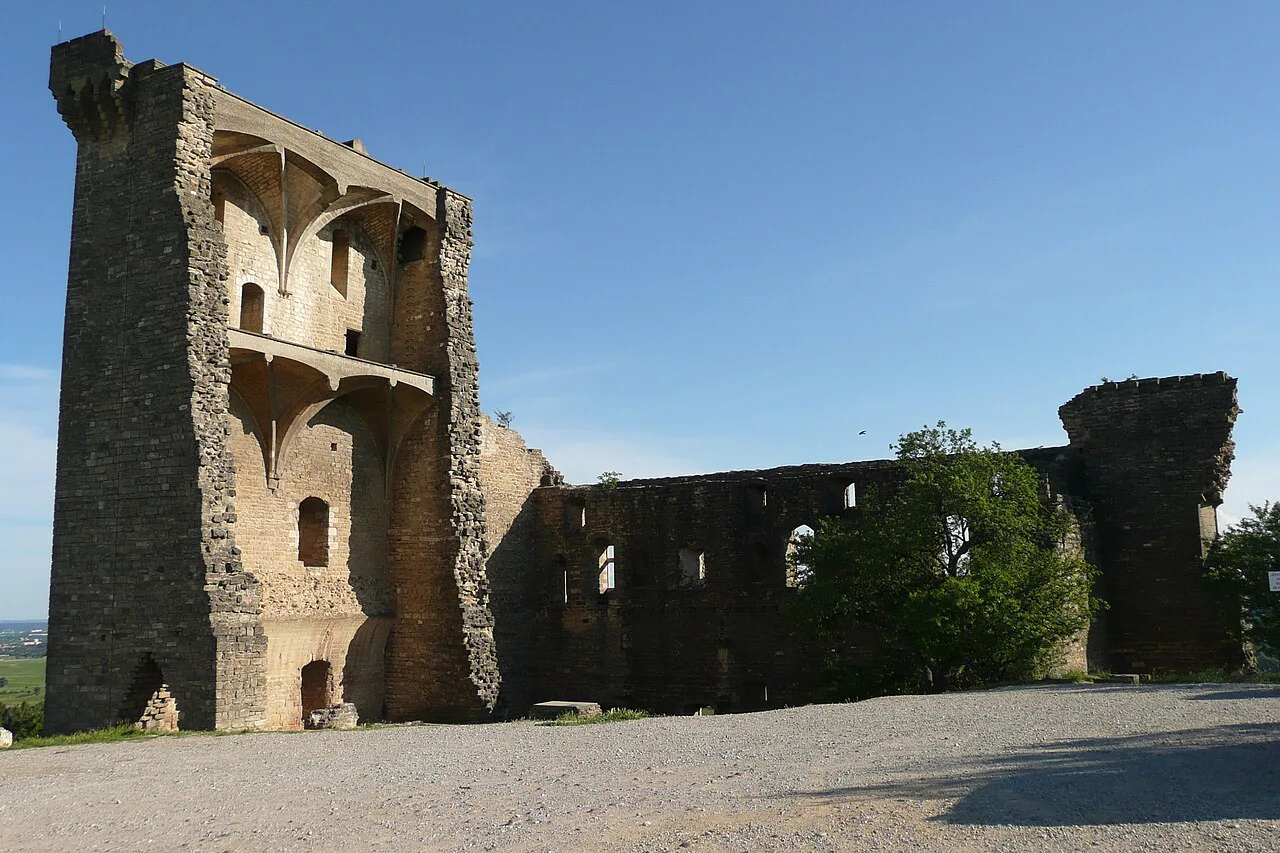
La Gardine anchors the northern approach to the village, so the natural pairing is the village itself for the ruined papal castle viewpoint, a stop at another estate or two, and lunch in the center. Most cellars in the appellation work by appointment, and many close for a long midday break, so two confirmed visits and a relaxed lunch is a more realistic day than four back-to-back stops; the wider Avignon wine tasting map, spanning Gigondas and Tavel as well as Châteauneuf, is worth scanning before you fix the order.
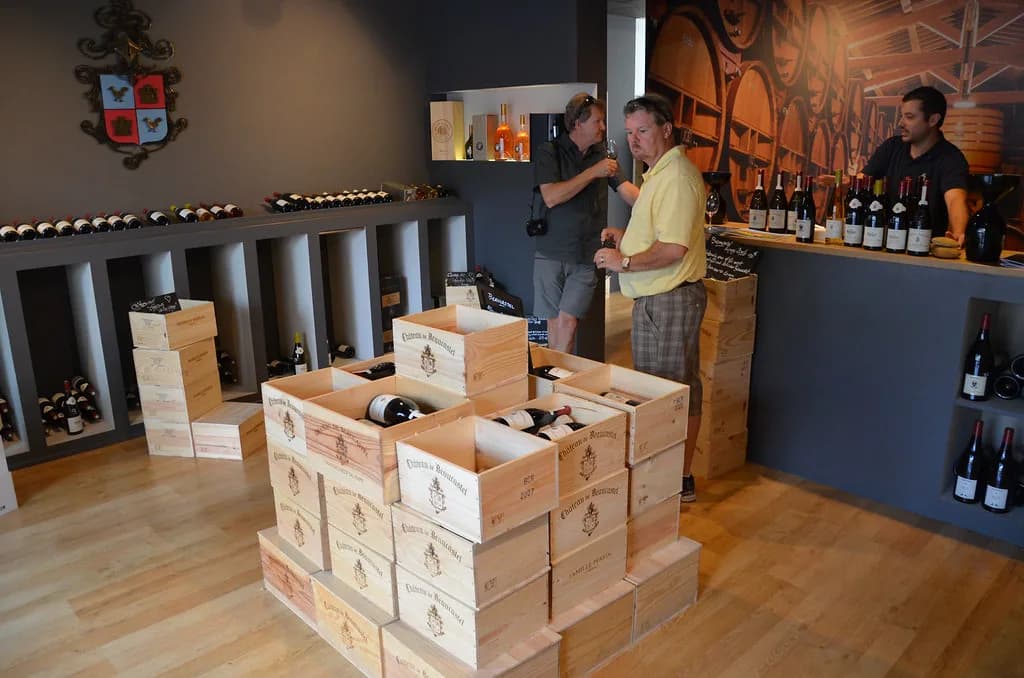
If you want a second estate with a very different scale and history, Château de Beaucastel lies further north and makes a logical bookend to a La Gardine morning, and travelers weighing this stop against estates in other cities can compare it with wine tasting in Lyon. Group your bookings geographically rather than by reputation, otherwise you will spend the afternoon in the car between the village and the far side of the appellation.
Getting There Without Driving
Avignon to Châteauneuf-du-Pape is a short trip, but the last stretch into the vineyards is the awkward part: the village is served by regional buses and a taxi from Avignon is a reasonable splurge for a small group, while the estates along the Route de Roquemaure sit a little outside the center. A bike is genuinely viable for confident riders because the distance is modest, but the roads are shared with tractors and the mistral can make the return harder than the outbound ride.
For anyone who wants to taste properly, a guided day tour removes the whole problem, since transport between estates and the drive back to Avignon are handled for you. Compare the cost and flexibility against a taxi plus two booked visits before deciding; for two people a tour often wins on convenience, for four a taxi can be cheaper, and a look at the tours on offer in Avignon wine tours shows how the fixed-itinerary versions stack up against a self-built day.
However you travel, plan the day so that whoever is driving does not taste: spittoons are standard in every tasting room, a designated driver or public transport solves it cleanly, and no one should be judging the drive back after a flight of Châteauneuf red.
Buying the Wines: Cellar Door Versus Online Shop
The estate sells directly through its online shop, where prices are listed in euros per bottle, with Châteauneuf-du-Pape reds in the region of several tens of euros and Lirac and Rasteau bottlings cheaper. Those are mail-order prices on the producer's own site, not published cellar-door or tasting prices, so check current figures with Château de la Gardine before you plan a purchase in person.
For a traveler, the practical difference matters: buying at the caveau means carrying bottles home, while ordering online means shipping and customs. If you are flying out of Marseille or Lyon, ask about how the estate handles purchases for visitors and whether they can advise on shipping before you commit to a case.
The Wines in More Detail: Grapes and Appellations
Châteauneuf-du-Pape permits thirteen grape varieties, and La Gardine's red blends Grenache with Mourvèdre and Syrah, a combination that gives structure from the Grenache and darker fruit and spice from the other two. The old vines, reported at forty to sixty years, sit across three soil types that the estate credits with the wine's body, minerality and finesse respectively.
The white Châteauneuf-du-Pape is a different proposition entirely, Roussanne-dominant in the top cuvée with a small Clairette share, and it is the wine to focus on if you already know Rhône reds well. Lirac, from Château Saint Roch, spans red, white and rosé and is where the estate's fresher, earlier-drinking styles sit; Rasteau adds a red and a fortified amber.
Harvest and Season Timing for a Visit
The southern Rhône harvest typically runs from late August into September and October, and during that window the estate's attention is on the cellar floor, so visits are most likely to be constrained. Late spring and early summer are calmer, the mistral keeps the sky clear, and the village is easier to walk.
Winter is quiet but real: some Rhône estates reduce their visiting days outside the season, so a January or February visit needs a confirmed appointment rather than a hopeful drop-in. Ask about the specific dates you plan to travel when you book, and keep one wet-weather alternative in Avignon in reserve.
Plan Your Visit
La Gardine works best as a booked morning stop on a Châteauneuf-du-Pape day from Avignon: email the caveau with your dates and party size, confirm the wines and timing in writing, and pair it with the village and one other estate rather than trying to cover the whole appellation. Build the transport around the fact that whoever drives should not drink.
Frequently Asked Questions
Can you visit Château de la Gardine?
The estate's website has a dedicated visit-and-wine-tasting section, separate from its online shop, which indicates that cellar visits are offered. It does not publish tour times, tasting fees or the wines poured in the pages available, so contact the caveau by email or phone to confirm the current offer before you plan around it.
How do you book a tasting at Château de la Gardine?
The estate publishes two contact channels for its caveau: the email address caveau@gardine.com and the phone number +33 (0)4 90 83 73 20. Email first with your preferred date, a time window and your party size, and ask what the visit includes, whether a fee applies and how long it runs.
Where is Château de la Gardine located?
It is on the Route de Roquemaure in Châteauneuf-du-Pape, in the Vaucluse department of the southern Rhône, roughly twenty minutes by road north of Avignon. The estate is one of three under the same family ownership, alongside Château Saint Roch and Brunel de la Gardine.
What wines does Château de la Gardine make?
The estate lists wines across Châteauneuf-du-Pape, Lirac and Rasteau. Châteauneuf-du-Pape appears as red, white and rosé, Lirac comes from Château Saint Roch, and Rasteau includes a red and an amber vin doux naturel. The reds blend Grenache with Mourvèdre and Syrah.
How far is Châteauneuf-du-Pape from Avignon?
The village is a short drive north of Avignon, typically about twenty minutes by car depending on traffic and where you start in the city. Regional buses connect the two, and a taxi is workable for a small group, though the estates outside the village center sit further from the bus stops.
Do you need a car to visit Châteauneuf-du-Pape wineries?
A car is the most flexible option, but not the only one. Buses, taxis and guided day tours from Avignon all reach the appellation, and a bike works for confident riders on the quieter roads. A tour removes the driving entirely, which matters if everyone in your party wants to taste.
When is the best time to visit Château de la Gardine?
Late spring and early summer are comfortable, with clear weather and an easier village to walk. The harvest, from late August into October, keeps estates busy in the cellar. Winter visits are possible but quieter, so a confirmed appointment is essential for a January or February trip.
Is Châteauneuf-du-Pape only red wine?
No. The appellation produces white and rosé as well as red, and Château de la Gardine lists a white Châteauneuf-du-Pape that is Roussanne-dominant with a small share of Clairette. If you usually drink Rhône reds, ask to include the white in your visit.
Sources
Notes for your next wine trip
Optional updates to our winery and wine-town guides.
You might also like
Continue reading
More guides you'll find useful