Domaine de Montille: Visiting the Volnay Estate from Beaune
Domaine de Montille is a historic family estate in Volnay. Learn its wines, the village layout, and how to plan a cellar visit from Beaune.
On this page
Volnay is one of those Côte de Beaune villages that rewards a slow half-day rather than a quick stop. It sits in the escarpment of premiers crus just south of Beaune, and Domaine de Montille is the name most travelers associate with it. This guide sets out what the estate publishes about its wines, how visits to small domaines in the area usually work, and how to slot Volnay into a Beaune-based wine day.
Why Domaine de Montille Draws Visitors
Domaine de Montille is a family estate in Volnay with roots in the mid-18th century, and it is now run by Etienne de Montille, the ninth generation, who took over from his father Hubert. Hubert built the domaine's reputation on estate-bottled wines at a time when most of the region's production went to négociants. That history is the reason the name carries weight with collectors and why a cellar visit here feels like a lesson in Burgundy's recent past.
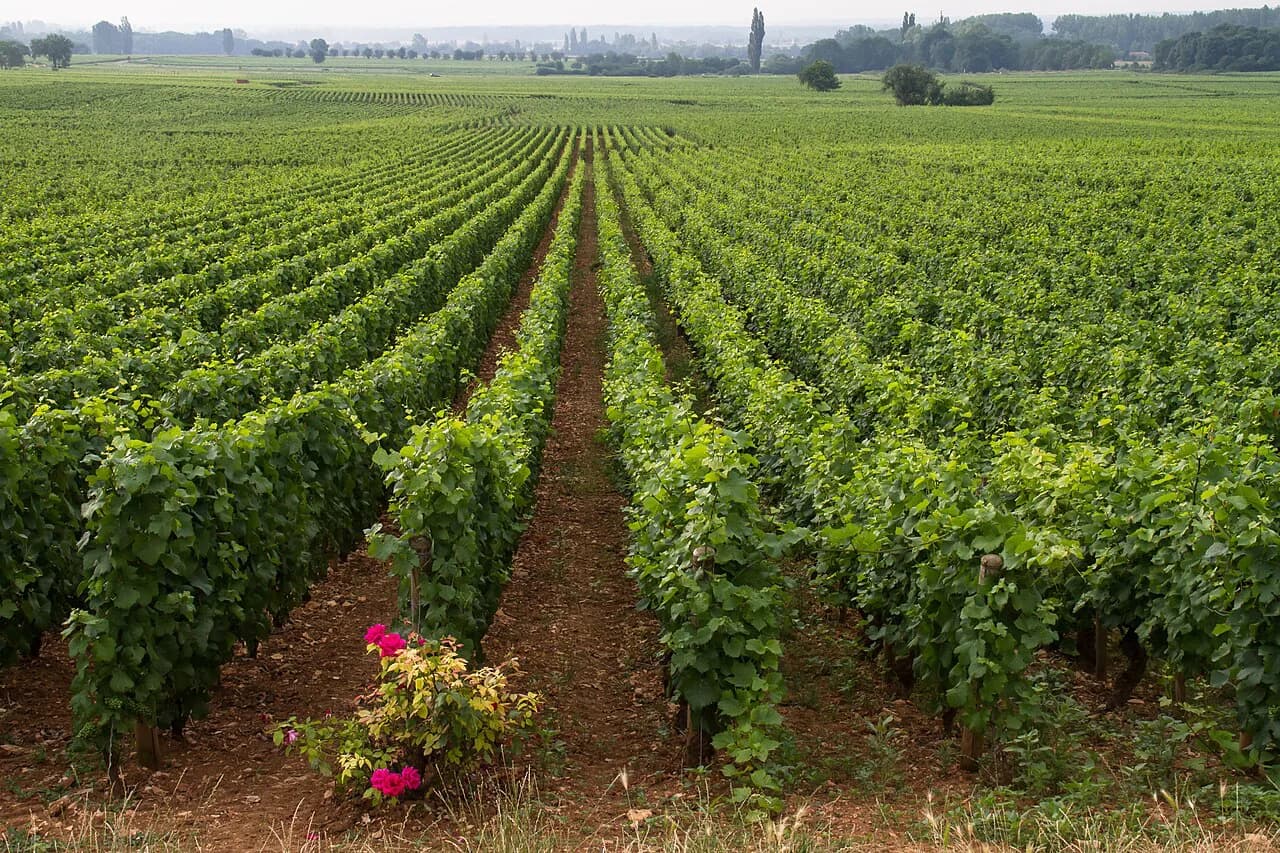
The estate today holds roughly 37 hectares spread across about 35 appellations, which is a large and unusually scattered footprint for a Côte d'Or domaine. For a visitor, that means the range you may encounter stretches well beyond Volnay itself. A retailer's product page describes the domaine as one of the most enviable vineyard holdings in the Côte d'Or, and the breadth shows up in what the estate bottles.
Where Volnay Sits Relative to Beaune
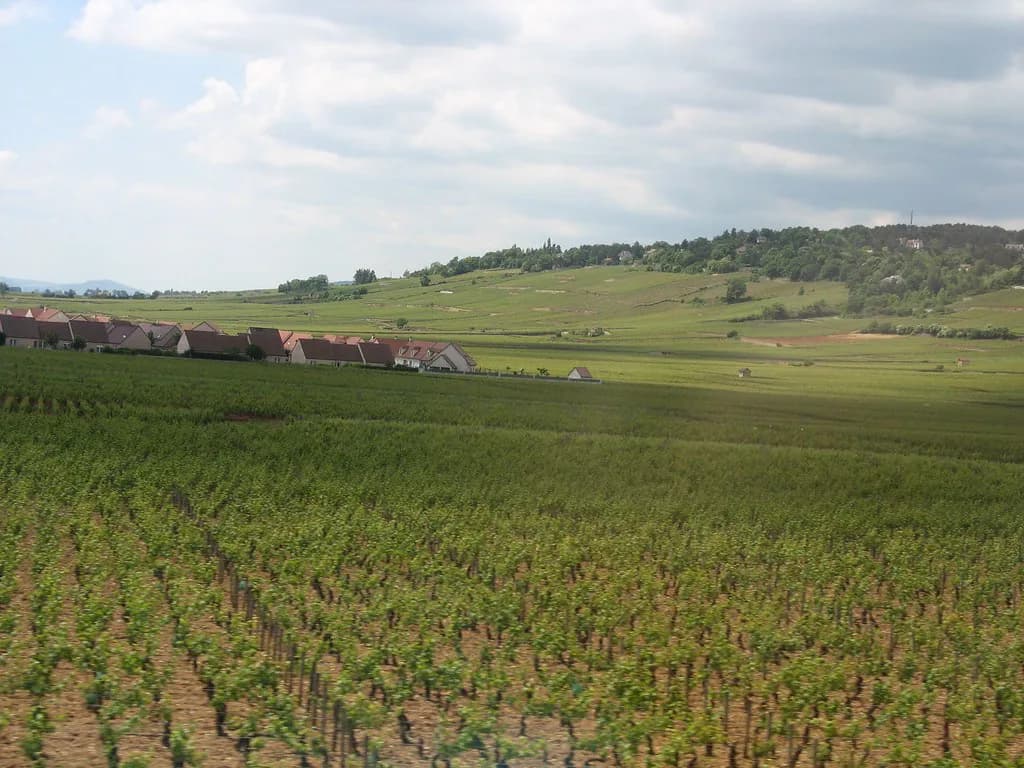
Volnay lies on the Côte de Beaune, the southern half of the Côte d'Or, in the line of villages that runs south from Beaune along the old RN74 corridor. Think of the sequence as Beaune, then Pommard, then Volnay, then Meursault and Puligny-Montrachet further south. Volnay and Pommard sit almost side by side, separated by a low ridge, which makes them easy to pair in a single outing.
The exact drive time between Beaune and Volnay changes with traffic and your starting point in town, so treat any figure you see online with caution and plan around the village sequence instead. The practical point is that Volnay is a short trip from Beaune, close enough to combine with a morning in Beaune's own cellars. If you want a broader map of what is bookable in the town itself, the guide to Beaune wine tasting lays out the cellar options and how reservations work.
The Wines to Know Before You Go
Domaine de Montille's white range includes regional Bourgogne-level bottlings made from Chardonnay. The domaine's own technical sheet describes the Bourgogne Chardonnay as showing crisp, flinty citrus and jasmine notes with a slightly zesty bitterness on the finish. That is the profile to expect from the broad regional bottlings before you climb the appellation ladder.
Above the regional wines come the village and premier cru bottlings of Volnay, and the estate's holdings also reach into Pommard and other Côte de Beaune appellations. Volnay is red-wine country, planted overwhelmingly to Pinot Noir, while Pommard next door makes a firmer, more structured style from the same grape. Knowing that contrast helps you decide whether to spend your limited cellar time in Volnay, Pommard or both.
A third-party tasting note on a Bourgogne-level Montille wine describes good depth and complexity with balanced oak, which is the house signature at the entry level. Treat these notes as orientation rather than a promise of what will be poured on any given day; the wines available in a tasting depend entirely on what the domaine has open. If you want to compare the estate's wines against other producers, the guide to Beaune wineries covers cellars in town that pour a wide Burgundy range.
Organic and Biodynamic History
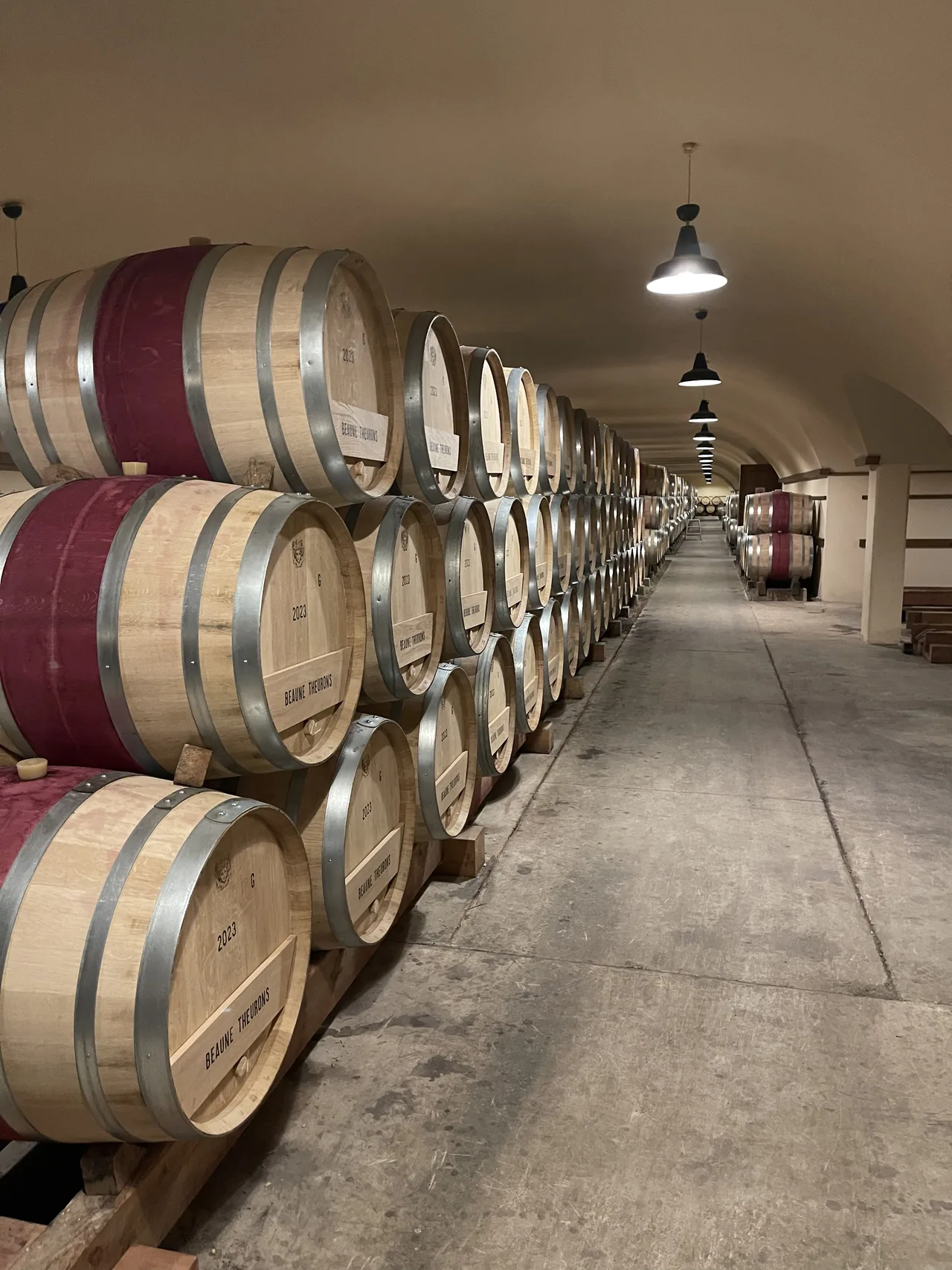
Etienne de Montille was an early advocate of organic farming in the Côte d'Or, introducing organic principles to the estate's vineyards in 1995. Biodynamic practices followed in 2005, and the domaine received Ecocert Bio certification in 2012. That timeline is worth knowing because it shapes how the estate talks about its vineyards during a visit, and it places Montille among the producers who moved early rather than following a trend.
The estate also works with an American-born chef de cave, Brian Sieve, who has been with the domaine for more than a decade. If you are interested in the winemaking side, that continuity is a fair question to raise when you book, since some domaines arrange cellar walk-throughs and others keep visits to the tasting room. Ask what the visit covers before you commit your day to it.
How Visiting Works at Small Côte d'Or Domaines
Most small family domaines on the Côte de Beaune receive visitors by appointment only, and the working rhythm of the year dictates whether they can take you at all. Harvest and the weeks around it are the busiest period in the cellar, so requests that fall in late summer and early autumn often get pushed later. The reliable move is to email the estate through the contact details on its own site and ask directly about visiting.
A good booking email is short and specific. Say how many people are in your party, which dates you have available, whether you want a cellar tour or just a tasting, and whether you need the visit in English. Party size matters because small cellars cannot absorb large groups, and a clear request saves the round of emails that otherwise eats into your trip planning.
Pricing for tastings at Côte d'Or domaines varies widely and is often tied to the wines opened, so there is no reliable general figure to budget from. Ask about any fee when you book, and confirm the details of your appointment a day or two ahead. This is one of the two moments in your planning where a direct confirmation with the domaine is genuinely worth the email.
Getting to Volnay Without Driving
A taxi from Beaune is the simplest no-car option for Volnay, though fares are metered and vary with traffic and pickup point, so there is no fixed number to plan around. Ask your driver for a card and a return time, since hailing a cab in a small wine village is not reliable. For a group of two or more, splitting a taxi often makes more sense than coordinating schedules around a tour.
Cycling is the other realistic independent option, and the back lanes through the vineyards between Beaune, Pommard and Volnay are the reason many travelers choose it. The route involves real climbing on the slope, so an e-bike is a sensible choice if you are not a regular rider. A bike also solves the tasting problem, since you can ride on after spitting rather than worrying about the drive home.
Guided tours trade flexibility for logistics: you get transport, a schedule and often two or three domaines in a day, but you lose the ability to linger or change plans. If you are weighing those trade-offs, Beaune Wine Tours compares minibus and private formats across the Côte de Beaune and Côte de Nuits. Whichever you choose, a driver should not taste; spittoons, a designated driver, or a tour with a professional at the wheel are the three workable answers.
Building a Volnay Day Around the Estate
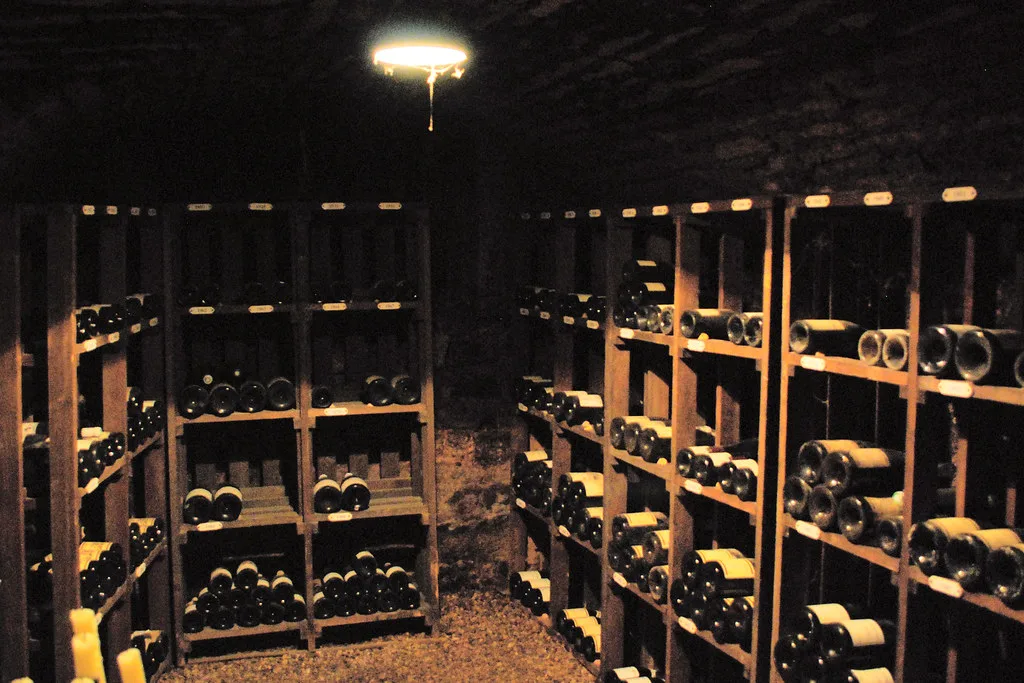
A sensible Volnay day groups villages by geography so you are not crisscrossing the escarpment. Pair Volnay with Pommard for a red-focused morning, then head south to Meursault for whites in the afternoon, or reverse it if your Volnay appointment is later. Beaune itself works as the anchor: start there, drive or ride out along the village line, and return for dinner. If you are heading further north later in the trip, the Dijon wine guide shows how a similar village-by-village plan works around Dijon.
If you want a large, formal cellar visit to contrast with a small family domaine, the Albert Bichot visit in Beaune is the obvious counterpart, with négociant scale and a central location. Small appointments at places like Montille and big cellars in Beaune are different experiences rather than substitutes, and mixing them gives you a fuller picture of how Burgundy works.
End the day back in Beaune, where the wine bars pour Burgundy by the glass and let you revisit anything you liked in the cellar without committing to a bottle. The guide to Beaune wine bars covers where to drink and what the by-the-glass format looks like. It is also the easiest place to ask a sommelier about a producer you are considering visiting later in the trip.
Plan Your Volnay Visit
Domaine de Montille is a Volnay estate with a serious history, a broad appellation range and an early commitment to organic and biodynamic farming, and it is close enough to Beaune to fit into a village-focused wine day. Treat the visit as a scheduled appointment rather than a drop-in stop, and build the rest of the day around Pommard, Meursault or Beaune itself.
Frequently Asked Questions
Where is Domaine de Montille located?
The estate is based in Volnay, a village on the Côte de Beaune in Burgundy's Côte d'Or, just south of Beaune and next to Pommard. Its vineyards are spread across roughly 35 appellations, so the address in Volnay is the anchor rather than the whole story.
Can you visit Domaine de Montille?
The domaine has not published visitor hours or a public booking form in the material available, so the reliable route is to email the estate through the contact details on its own website. State your party size, dates and whether you want a cellar tour or a tasting, and ask about any fee.
How far is Volnay from Beaune?
Volnay sits a short trip south of Beaune in the line of Côte de Beaune villages that runs through Pommard. Exact drive times depend on traffic and your starting point, so plan by village sequence rather than a fixed minute count, and ask your driver about a return pickup.
What wines does Domaine de Montille make?
The range runs from regional Bourgogne wines, including a Bourgogne Blanc and a Bourgogne Chardonnay from Chardonnay, up through village and premier cru bottlings in Volnay, Pommard and other Côte de Beaune appellations. Volnay is predominantly Pinot Noir country.
Is Domaine de Montille organic or biodynamic?
Yes. Organic farming was introduced to the estate's vineyards in 1995, biodynamic practices followed in 2005, and the domaine received Ecocert Bio certification in 2012. The estate is now run by ninth-generation Etienne de Montille.
How do you get to Volnay without a car?
Take a taxi from Beaune, ride a bike or e-bike through the vineyard lanes via Pommard, or join a guided tour that includes transport. Taxi fares are metered and vary, so ask for a card and a return time, and remember that a driver should not taste.
Sources
Notes for your next wine trip
Optional updates to our winery and wine-town guides.
You might also like
Continue reading
More guides you'll find useful