Bouchard Père & Fils: Visiting the Beaune Cellars
What a visit to Bouchard Père & Fils in Beaune involves, how to book, what to expect in the cellar, and how it compares with other Beaune tasting rooms.
On this page
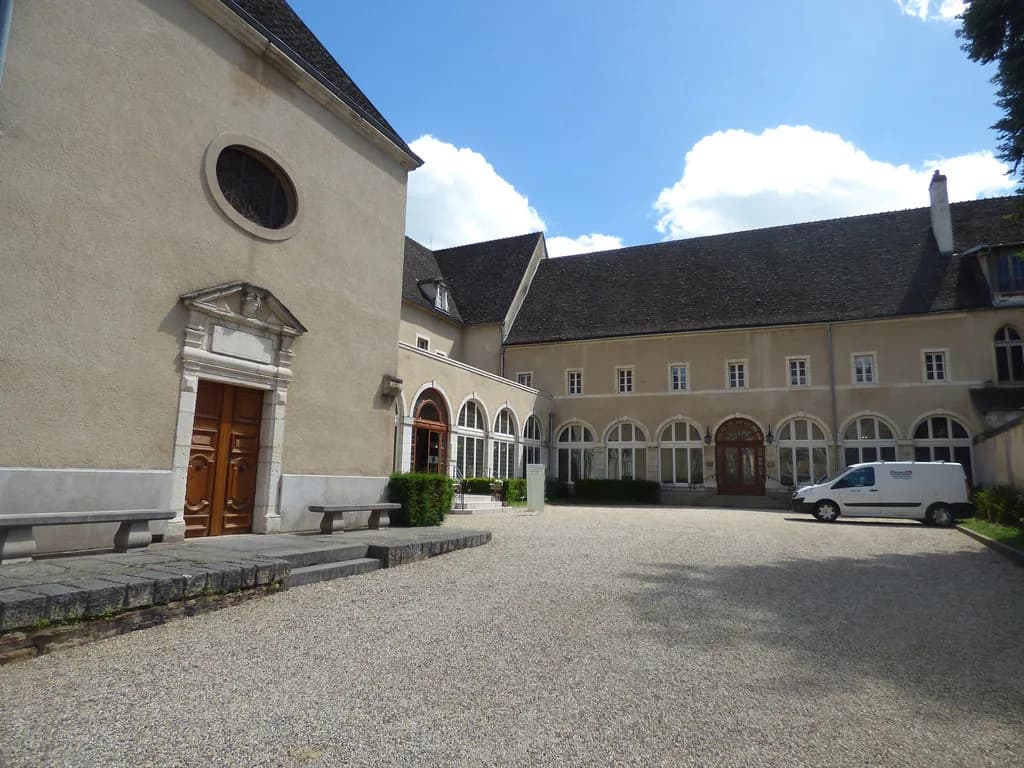
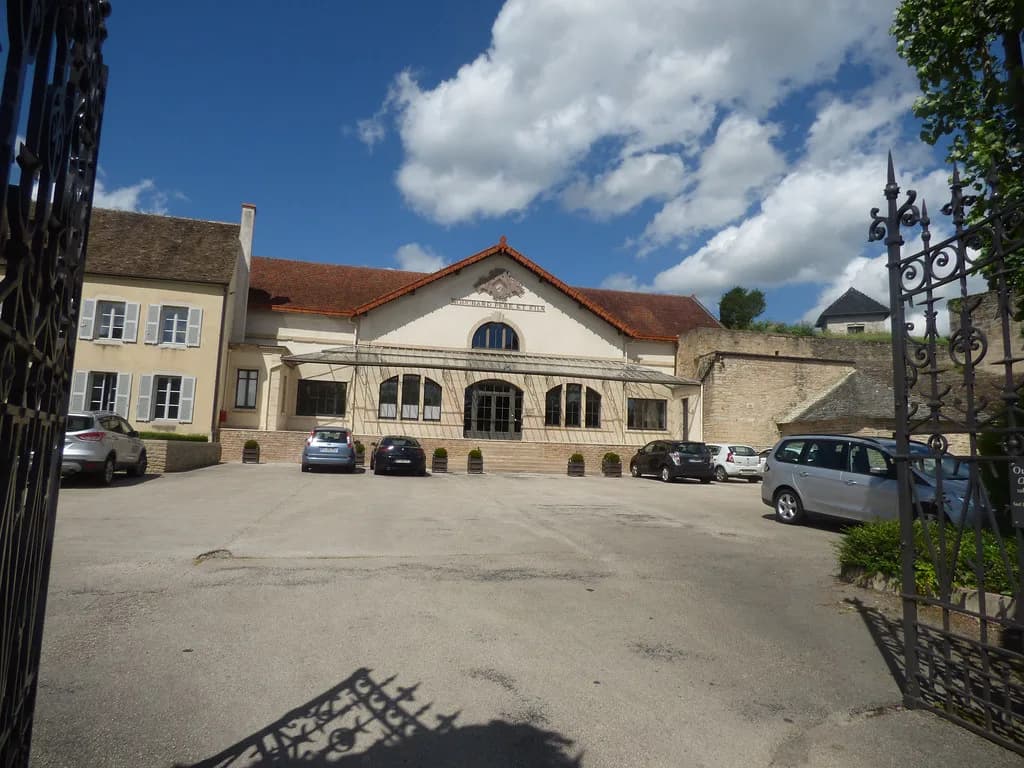
Bouchard Père & Fils is a Beaune wine house and vineyard owner with roots in the 18th century, and its cellars sit under the Château de Beaune, a short walk from the town's historic core. Travelers shortlisting Burgundy cellar visits run into it constantly, then run into a second problem: a similarly named firm, Bouchard Aîné & Fils, has a shop on a different boulevard. The two are separate businesses with separate visitor arrangements.
This guide keeps them apart, explains what Beaune cellar visits actually look like in practice, and gives you the neighboring houses whose hours, formats and prices are published so you can budget a day. Where a detail about Bouchard Père & Fils itself is not publicly posted, it says so and tells you what to ask when you make contact.
Quick answer: who Bouchard Père & Fils is and why it is on Beaune shortlists
Bouchard Père & Fils is both a domaine and a négociant: it farms its own vineyards across Burgundy and also buys grapes and wine to sell under its label. The house's official site presents it within the Artémis Domaines group, alongside estates such as Château Grillet. That dual identity is why its name turns up on restaurant lists and wine-shop shelves far beyond Beaune.
The house's historic base is the Château de Beaune, and the cellars beneath it are the reason the name is on visitor shortlists rather than just wine lists. Its registered address is 6 boulevard Jacques Copeau in Beaune, which puts it inside the ring of boulevards that trace the old ramparts. Treat the address as the anchor for your planning rather than a meeting point you can assume is open to drop-ins.
Note what is not published: the house's own website does not lay out a public tour schedule, a set number of wines poured, or a ticket price. That is common among Burgundy négociants, many of which host visitors by arrangement rather than running a walk-up tasting room. Plan on making contact before you build a day around it.
Where the house is in Beaune and how it fits into a day on foot
Central Beaune is compact. The old town is barely half a kilometre across, and most of the well-known cellars sit within a short stroll of Place Carnot, the main square where tours and excursions typically start. Bouchard Père & Fils on boulevard Jacques Copeau falls inside that easy walking radius.
For orientation, use the Hôtel-Dieu as your second landmark: the medieval hospital sits near the centre, and cellars such as Maison Champy on Place de la Halle are a three-minute walk from Place Carnot and right by it. If you are mapping a day of wine tasting in Beaune, cluster the centre-town cellars together and leave the outlying addresses for a taxi or a tour vehicle.
One practical caution about geography: not every famous name is in the old town. Louis Jadot's address on Route de Savigny sits outside the centre, roughly a 25-minute walk from Place Carnot, and the source suggests arranging a taxi rather than walking it in tasting-day shoes. Check each address before you commit to a car-free itinerary.
Burgundy in five minutes: Pinot Noir, Chardonnay and what the labels mean
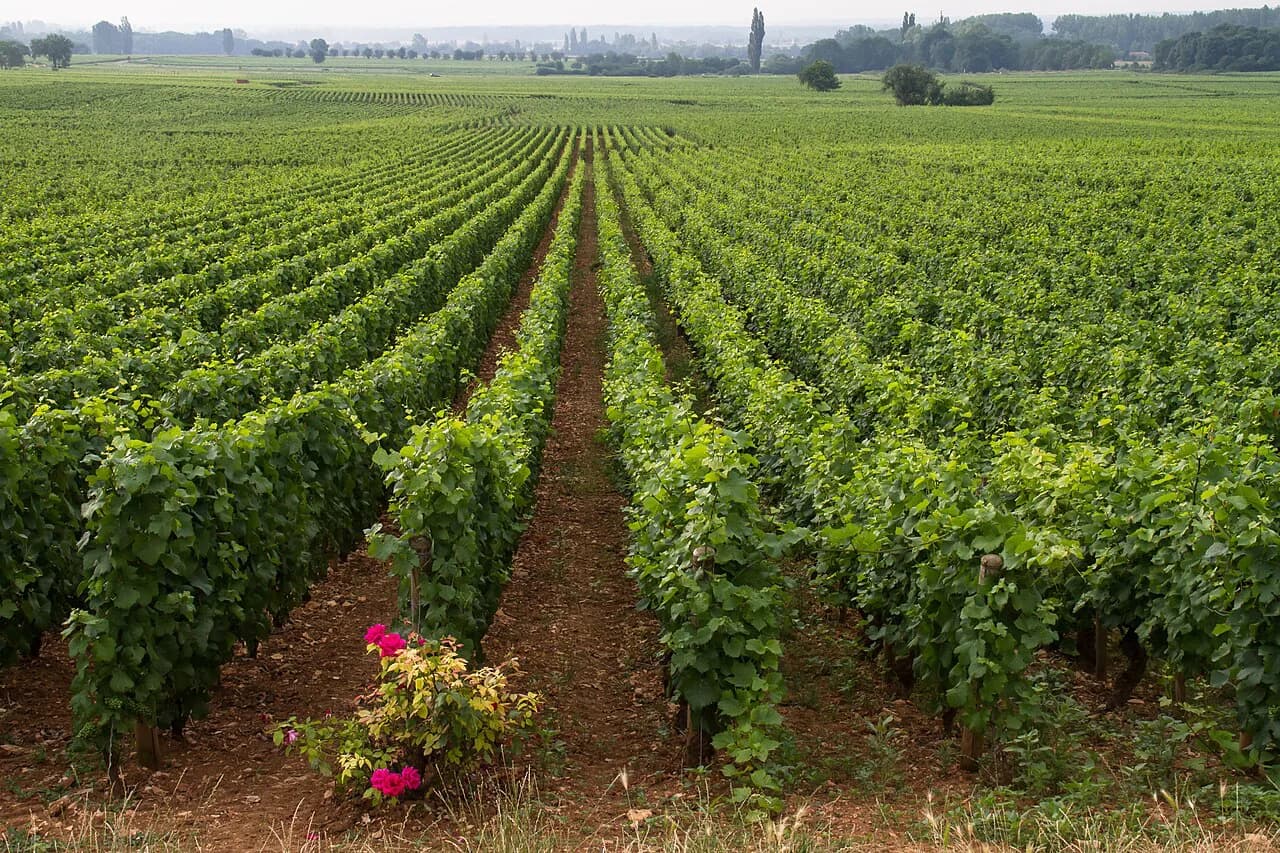
Burgundy labels name places, not grapes, which is the single biggest hurdle for first-time visitors. Red Burgundy is Pinot Noir and white Burgundy is Chardonnay, with a few exceptions such as Aligoté, a white grape that négociants like Albert Bichot bottle as Bourgogne Aligoté and as single-vineyard cuvées. Knowing this lets you read a tasting list without a translator.
The hierarchy runs from regional appellations such as Bourgogne and Bourgogne Côte d'Or, up through village wines named for a commune, then Premier Cru and Grand Cru sites within that commune. A Beaune Premier Cru and a Beaune village wine can come from vineyards a short distance apart, so the label tier tells you more about site and price than the grape does. When you book, ask which tiers the tasting covers, because that single question determines whether you are comparing village wines or Grand Crus.
The Côte de Beaune, the escarpment south of the town, is the local white-wine heartland, while the Côte de Nuits to the north is Pinot Noir country. Beaune itself lends its name to both reds and whites. Houses such as Maison Joseph Drouhin and Maison Champy bottle Beaune Premier Crus including Clos des Mouches and Les Reversées respectively, which gives you concrete labels to look for in a tasting lineup.
What a visit typically includes and how to book
A Beaune cellar visit usually means a guided walk through vaulted cellars followed by a seated tasting, and the two most common triggers for confusion are the format and the number of wines. Among the houses that publish details, Maison Champy runs roughly 1.5-hour tours ending in a five-wine tasting, with a village and Premier Cru option and a prestige option of Premier and Grand Cru wines. Joseph Drouhin's standard visit covers ancient cellars plus six wines, with longer premium formats available.
Advance booking is the norm rather than the exception at the larger houses. Champy requires booking ahead, Joseph Drouhin arranges visits in advance by phone, and Louis Jadot is explicitly not a walk-in cellar. Bouchard Père & Fils has not published a public tour format, so approach it the same way: make contact first and ask what is available for the dates you have.
Bouchard Père & Fils can be reached at its Beaune address on boulevard Jacques Copeau, and the company's official site is the place to look for contact details and any visitor information it chooses to post. When you write or call, ask four things: whether individuals can visit, the format and duration, the number and tier of wines poured, and the price per person. Those four answers tell you whether it fits your day.
Party size matters in Burgundy. Some houses cap tours, and Bouchard Aîné & Fils limits its tours to 20 people, which is why the source recommends booking ahead there. If you are traveling as a couple, ask whether you will be joining a shared group or whether a minimum party size applies to private formats; small-group joining is often the cheaper route.
Bouchard Père & Fils versus Bouchard Aîné & Fils: a real source of confusion
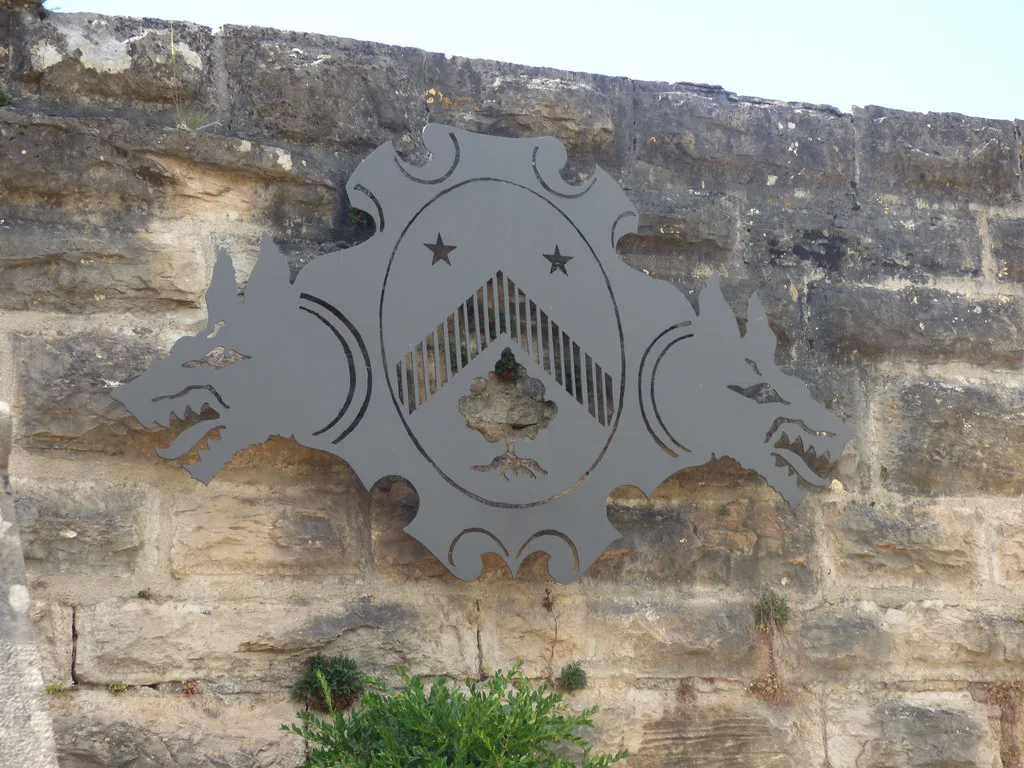
The two Bouchards are separate firms. Bouchard Père & Fils is at 6 boulevard Jacques Copeau; Bouchard Aîné & Fils is at 4 boulevard Maréchal Foch, about a seven-minute walk from Place Carnot, in an 18th-century townhouse with preserved original cellars. If you book one and turn up at the other, you will be on the wrong boulevard.
For budget planning, Bouchard Aîné & Fils publishes its arrangements: the boutique is open 9.30am to 12.30pm and 2pm to 6.30pm, guided cellar tours with tasting leave at set times through the day, and the tour runs around 40 euros per person for five wines, two whites and three reds. Tours are capped at 20, so reserve by phone if your dates are fixed. These are figures published by the source and revised periodically, so confirm the current rate when you book.
Nothing equivalent is published for Bouchard Père & Fils, so do not carry the other house's numbers across. If a single fixed price for a five-wine tour is what you need to plan, book the house that publishes it and treat Bouchard Père & Fils as the appointment-first option.
How it compares with other Beaune cellar visits
Patriarche is the walk-in exception in town. Its vaults hold five kilometres of tunnels and more than two million bottles, and it runs a self-guided tour with tasting at a published rate, plus free tasting-only slots at set departure times without a reservation, limited to ten people per slot. Opening hours are published as daily with annual closures in February and March and on 24, 25 and 31 December; those slots fill, so the paid tour booked ahead is the safer bet.
Maison Joseph Drouhin occupies a 13th-century building that once housed the Duke of Burgundy's parliament, with cellars covering a hectare. The standard guided visit runs around 38 euros per person for six wines, and longer premium tastings run up to roughly 120 euros; it is closed Sundays and booked by phone. For comparison, Champy's village and Premier Cru tasting is around 25 euros and its prestige tasting around 55 euros.
Smaller producers work differently. Loïs Dufouleur does not run formal cellar tours, but the boutique is free to browse and tastings are by appointment, so a phone call ahead is what gets a bottle opened. Albert Bichot, founded in 1831 and still family-controlled, is a major négociant and vineyard owner with 100 hectares of vines across six estates; its cellars are in Beaune, and the house's visitor arrangements are worth checking directly if its wines are on your list.
If you want breadth rather than depth, Beaune has nearly 70 cellars open to the public, which means you can build a day from two contrasting formats, a large vaulted house in the morning and a small boutique in the afternoon, without leaving the centre.
Getting there without driving
Beaune is on the main rail line through Burgundy, with direct services from Paris and Dijon, and the station sits on the edge of the old town, a short walk from the ramparts and Place Carnot. That makes a car-free cellar day realistic: arrive by train, walk the centre, and take a taxi only for outlying addresses such as Louis Jadot on Route de Savigny.
Within town, everything in this guide except that outlying address is walkable, and the source's walking times from Place Carnot run from three to eight minutes for the central cellars. For the vine villages of the Route des Grands Crus, a taxi, a hired bike or a guided vehicle is the practical answer; village visits are spread out and not designed around a bus timetable. The Beaune tourist office is the reliable place to confirm current taxi ranks, bike hire and any seasonal transport.
One rule holds everywhere: a driver should not taste. Use the spittoons, appoint a designated driver for the day, or take a tour or public transport so nobody at the wheel has been drinking.
Independent visit versus a guided wine tour
Doing it yourself is cheaper and more flexible. You pick the houses, book the tours, and pay each published rate directly; the trade-off is that you spend part of the day on logistics and you are limited to houses that take individual bookings. Several larger producers and négociants run structured tastings and walk-in hours, which is enough for a relaxed introduction.
A private guide buys something different: access to small family domaines that do not accept walk-ins and are usually closed to individual visitors. One Burgundy guide operation publishes a full-day rate of 750 euros per person, minimum two guests, including transport, two producer visits, wine education and a shared meal, and recommends booking four to six weeks ahead, especially in spring and around harvest. That is a guide's day rate, not a cellar ticket price, and it should not be compared with a 25-euro tasting.
The decision rule: if you want to taste specific famous labels and learn the hierarchy, independent bookings at the central houses work well. If you want to stand in a cold cellar with a winemaker whose bottles never reach export markets, budget for a guide or accept that the small domaines are out of reach.
Building a Beaune day: cellars, Hôtel-Dieu and the vine villages
A workable shape for a day on foot: a morning cellar tour in the centre, the Hôtel-Dieu and a walk along the ramparts at midday, a second tasting in the afternoon, and a wine bar in the evening rather than a third cellar. Central Beaune is small enough that you will not spend the day in transit.
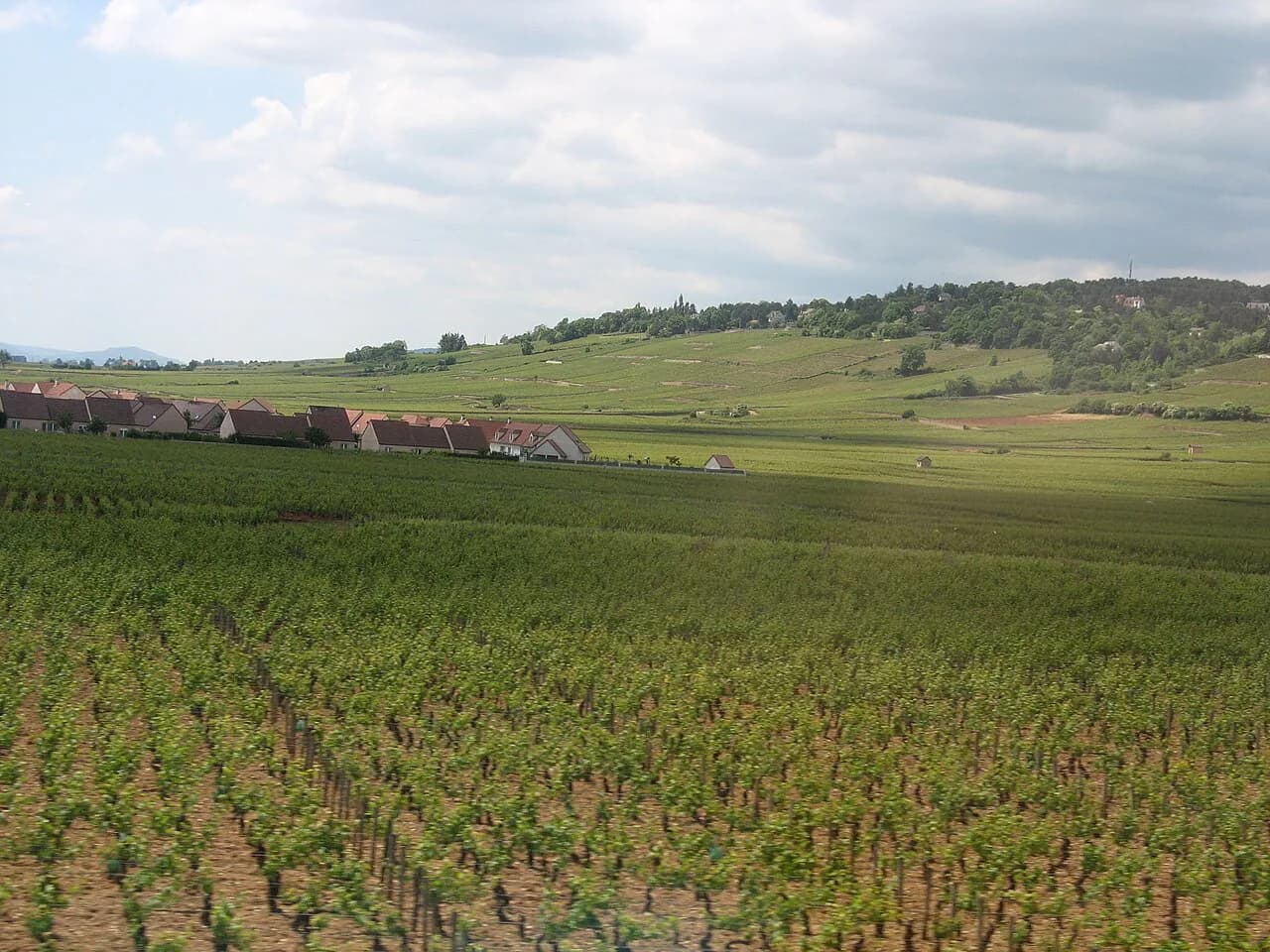
If you have a second day, use it for the villages. The Route des Grands Crus threads north and south from Beaune through the Côte de Beaune and Côte de Nuits, and the famous communes are close enough to town that a half-day drive or tour reaches several. Vineyard timing matters too: late spring and early autumn are when the landscape is at its best, and harvest in September and October is when small domaines are least available for visits.
Plan Your Visit
Book the houses that publish their terms first, then approach Bouchard Père & Fils with your dates and ask directly about format, wines and price. Confirm the current details once more shortly before you travel, since published rates and opening days are revised periodically.
Build the day around walking, keep one meal anchored to a wine bar rather than a third tasting, and leave the car at home or assign a driver who abstains. That combination gets you the cellar experience and the town without turning wine tasting into a driving test.
Frequently Asked Questions
Can you visit Bouchard Père & Fils in Beaune?
The house at 6 boulevard Jacques Copeau does not publish a public tour schedule, a tasting format or a ticket price on its official site, so there is no confirmed walk-in tasting room to plan around. Contact the house directly with your dates and ask whether individuals can visit, what the format and duration are, how many wines are poured at which tier, and the price per person.
Is Bouchard Père & Fils the same as Bouchard Aîné & Fils?
No. They are separate businesses on different boulevards in Beaune. Bouchard Père & Fils is at 6 boulevard Jacques Copeau, while Bouchard Aîné & Fils occupies an 18th-century townhouse at 4 boulevard Maréchal Foch, about a seven-minute walk from Place Carnot, and runs its own guided cellar tours with tasting.
Do you need to book a cellar visit in Beaune in advance?
At most of the better-known houses, yes. Champy requires advance booking, Joseph Drouhin arranges visits in advance by phone, and Louis Jadot is explicitly not a walk-in cellar. Patriarche is the main exception, with self-guided tours and free tasting-only slots at set times, though those slots are capped and fill quickly.
How do you get to Beaune without a car?
Beaune sits on the main rail line through Burgundy with direct services from Paris and Dijon, and the station is a short walk from the old town and Place Carnot. Nearly all the central cellars are within a few minutes on foot; for outlying addresses and the Route des Grands Crus villages, use a taxi, a hired bike or a guided tour, and let the driver abstain from tasting.
Which Beaune cellars can you visit without a reservation?
Patriarche is the clearest option, with free tasting-only access at set departure times subject to availability. Smaller producers such as Loïs Dufouleur have no formal tours but welcome boutique visits, with tastings by appointment. For everything else, book ahead and confirm the current terms with the house.
Sources
Notes for your next wine trip
Optional updates to our winery and wine-town guides.
You might also like
Continue reading
More guides you'll find useful