Beaune Wineries: Cellars You Can Visit, Booked or Walk-In
Beaune wineries and négociant cellars that welcome visitors, with published tasting rates, walk-in versus appointment rules and walking times from the center.
On this page
Beaune is not a village surrounded by tasting rooms; it is a working wine town whose cellars sit inside a ring of medieval ramparts, roughly half a kilometre across. Most visitor cellars cluster within a ten-minute walk of Place Carnot, the central square where a day on foot naturally begins, which makes wine tasting in beaune unusually easy to plan without transport.
What surprises first-timers is the model: many of the famous names here are négociants, merchants who buy grapes and bottle under their own label, rather than estate domaines with vineyards at the gate. Their cellars are deep, historic and often spectacular, but access is usually through a booked guided visit rather than a casual stroll in from the street.
What a "Winery" Means in Beaune
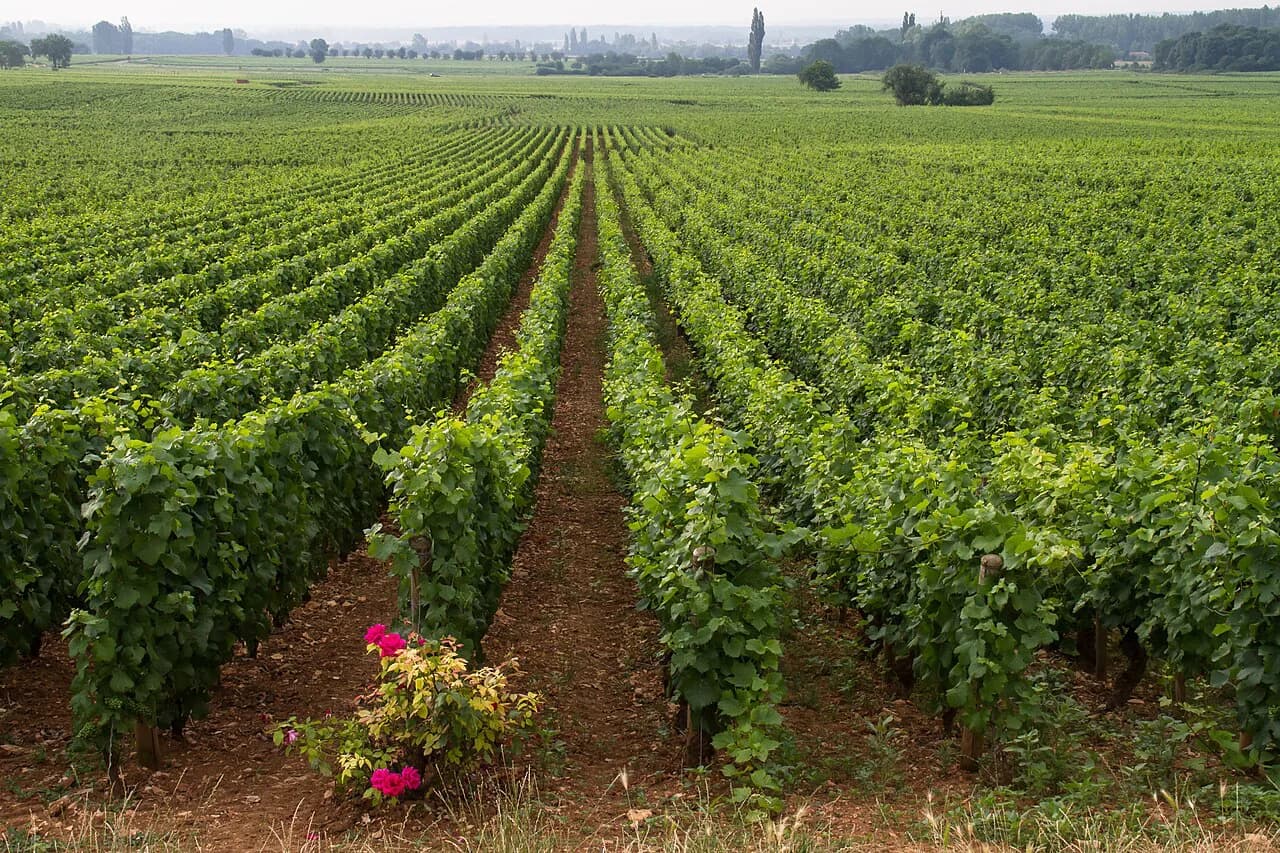
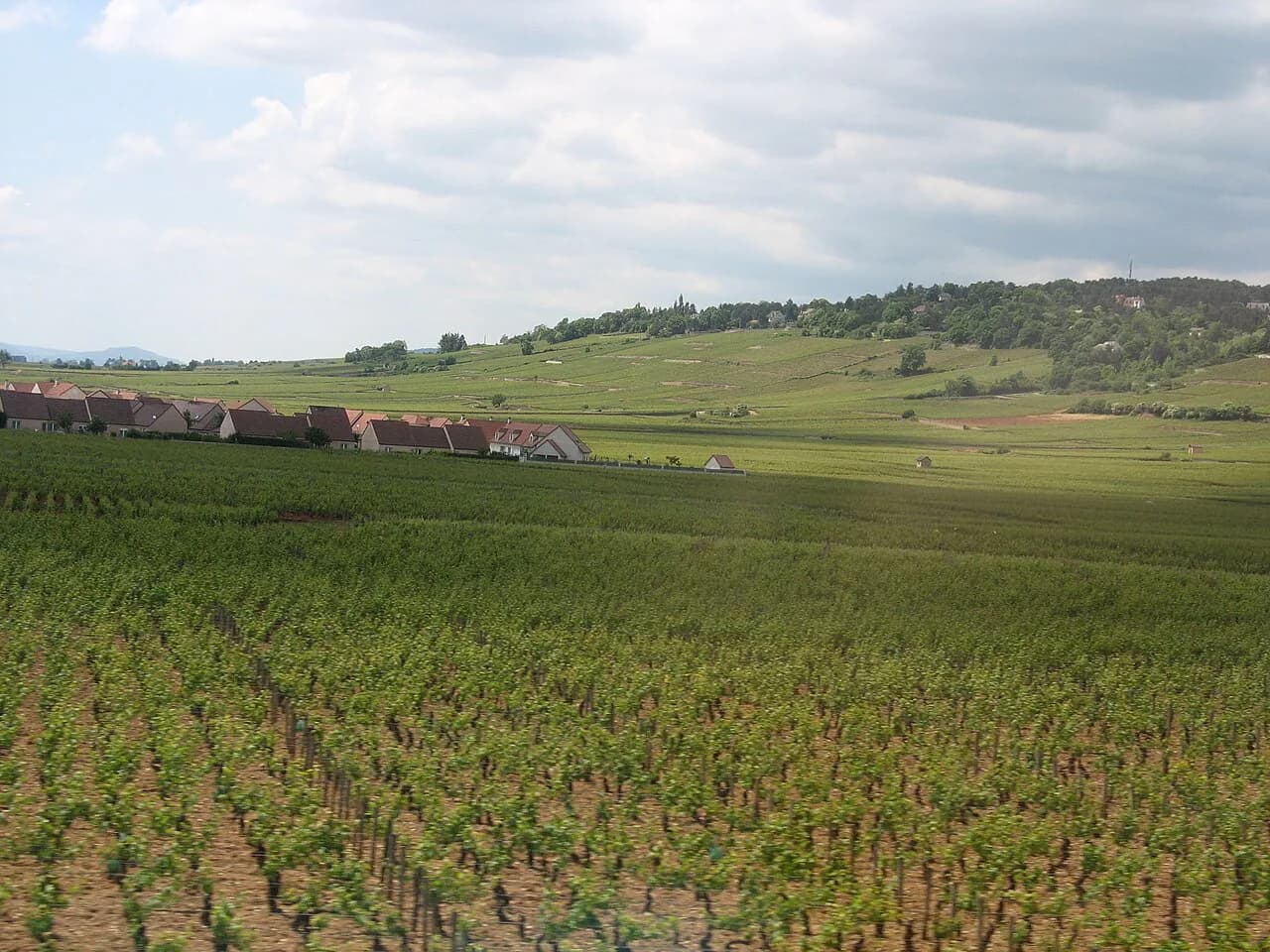
Burgundy's négociant houses dominate central Beaune, and several have been in business since the 1700s, ageing wines in vaulted cellars beneath the town. This is why a Beaune cellar visit often means a guided walk through centuries-old tunnels followed by a seated tasting, not a vineyard walk. The domaines that grow the grapes mostly sit in the surrounding villages, a short drive out along the Côte de Beaune or north into the Côte de Nuits. If you would rather build a day around grower estates than town cellars, the wineries around Aix-en-Provence offer a different model worth comparing.
For a short trip, that split works in your favour: you can taste the wines of many villages in one afternoon without moving the car. The trade-off is that you meet the merchant's interpretation rather than a grower standing beside his own vines, and some small family domaines never open to the public at all.
How the Town Is Laid Out
Place Carnot anchors the old town, and the Hôtel-Dieu, the town's famous medieval hospital, sits a few minutes away near Place de la Halle. Distances quoted from Place Carnot in cellar listings are walking times, and they are short: most central houses are between three and eight minutes away. Beaune's tourism office publishes a map of the Route des Grands Crus, the signed vineyard route through 37 wine villages in the Côte de Nuits and Côte de Beaune, which is useful for planning a second day beyond the town.
Treat Place Carnot as your meeting point and timekeeper. Bookings usually ask you to arrive a few minutes early, and because the center is so compact, two visits in one day is realistic if you leave a proper gap for lunch rather than squeezing in a third.
Walk-In Cellars: Patriarche's Tunnels
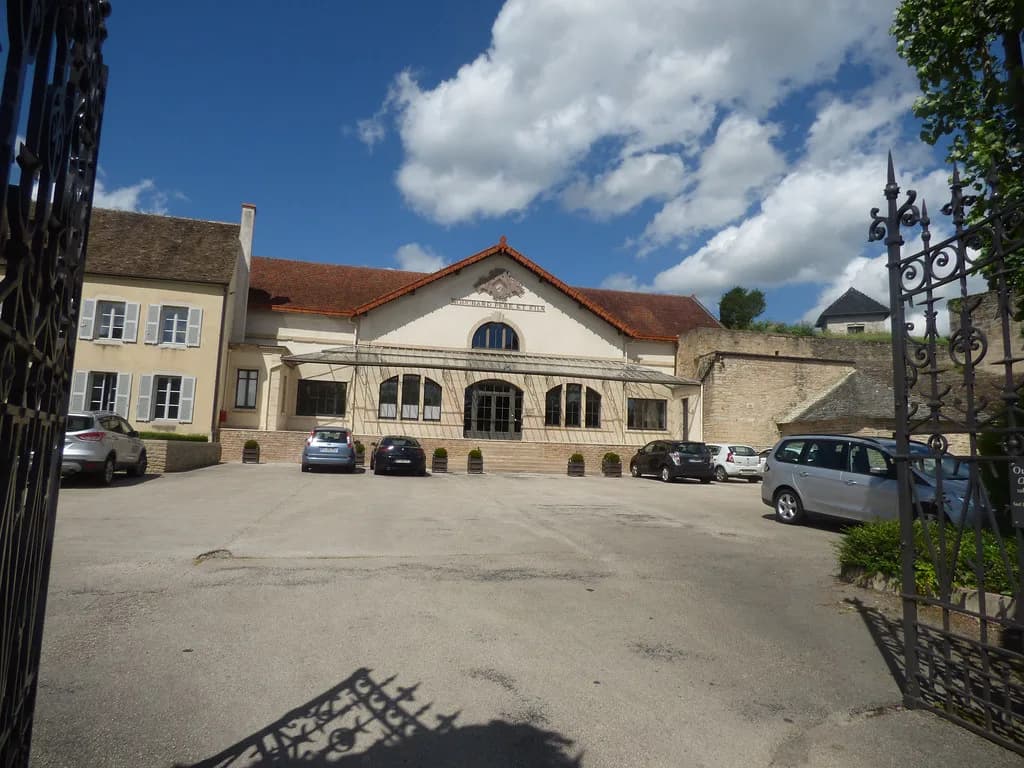
Patriarche, at 5-7 Rue du College about five minutes from Place Carnot, is the closest thing Beaune has to a walk-in cellar. Its vaults run for kilometres and hold more than two million bottles, and the published self-guided tour with tasting is €25 including VAT, run daily in morning and afternoon blocks with annual closures in February and March plus 24, 25 and 31 December.
The same source lists free tasting-only slots at set departure times through the day, capped at ten people per slot and subject to availability. If your heart is set on the free format, arrive early or reserve the full tour instead, which is the safer choice for a fixed itinerary; call ahead on the published number to confirm the day's slots.
Patriarche is the sensible first stop for anyone arriving by train with no plan, because it removes the risk of a wasted afternoon. Do it early, then use what you learn about Burgundy's styles to decide which booked house deserves the rest of your day.
Appointment-Only Maisons in the Center
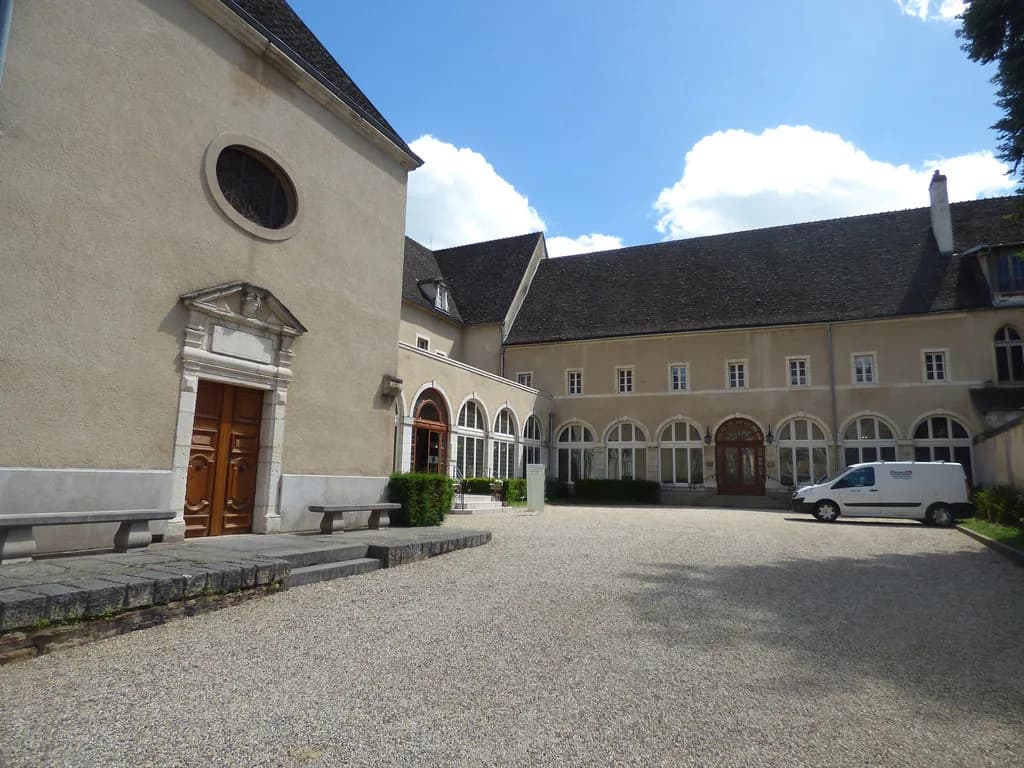
Maison Champy at 12 Place de la Halle, three minutes from Place Carnot beside the Hôtel-Dieu, runs guided tours of its 15th-century cellars of about 1.5 hours ending in a tasting. At the time of that guide, a terroir flight of five Village and Premier Cru wines was around €25 per person and a prestige flight of five Premier and Grand Cru wines around €55, with advance booking required.
Maison Joseph Drouhin, at 7 rue d'Enfer about four minutes from Place Carnot, occupies cellars dating to the 13th century under the former parliament building of the Dukes of Burgundy, covering a hectare. The house, founded in Beaune in 1880, farms biodynamically and produces wines across nearly 90 appellations, from village level to Grand Cru.
Drouhin's published standard visit was around €38 per person for a cellar walk and six wines, with longer premium formats running up to about €120, closed Sundays, and visits arranged in advance by phone. Because the premium tier is expensive, decide before booking whether you want breadth across the region or a concentrated look at Grand Cru wines. Bouchard Ainé & Fils, in an 18th-century townhouse at 4 Boulevard Maréchal Foch about seven minutes from Place Carnot, has traded since 1731 and keeps its original vaults. Guided cellar tours with tasting were around €40 per person for five wines, two whites and three reds, departing at fixed times morning and afternoon, with tours capped at 20 people and booking strongly recommended.
Its boutique opens in two blocks, morning and late afternoon, so a tour slot is the reliable way to see the cellars rather than hoping to join on the day. If you are travelling as a couple, book the tour before you leave home and keep the confirmation on your phone.
Small Houses Without Formal Tours
Loïs Dufouleur, at 8 Boulevard Bretonnière roughly eight minutes from Place Carnot, has cellars from 1879 and five hectares of vines but no formal cellar tour and no set admission. The boutique is the visit: you browse and taste by appointment, so a phone call ahead is what makes the stop worthwhile rather than a locked door.
This boutique model suits travelers who want to buy bottles and talk to someone without committing an hour to a guided tour. It also suits a second visit of the day, when attention for long cellar histories is running low and a short, focused counter tasting is exactly right.
Cellars That Are Not Public: Louis Latour
Not every famous name opens its doors. Louis Latour, based at 18 Rue des Tonneliers four minutes from Place Carnot, arranges visits to its historic cellars in advance and aims them mainly at trade visitors, with no walk-in tasting room or published public tour schedule. The family bought its first vineyard in 1675 and is now the largest Grand Cru landowner in Burgundy, which is why its wines turn up on so many lists.
If you want to taste Latour wines without trade credentials, ask the tourism office whether any individual access is currently possible, and otherwise look for the wines by the glass in town. A wine bar is often the practical answer when a cellar door stays closed.
Louis Jadot and Houses Outside the Old Town
Louis Jadot, at 62 Route de Savigny, sits outside the ramparts on the road toward Savigny-lès-Beaune, roughly a 25-minute walk from Place Carnot. Its published guided cellar visit and tasting ran at 10am most days and was the cheapest of the big-house standard visits listed here, with the boutique generally open on Saturdays and closed Sundays, and booking essential rather than walk-in.
This is the one address where transport changes your day. A taxi each way or a bicycle turns it into an easy add-on; on foot it becomes a 50-minute round trip that eats into tasting time, so pair it with a lunch stop along the way or skip it if you are short on hours.
A Short Burgundy Primer
Almost everything you will taste here is Pinot Noir for reds and Chardonnay for whites, with Aligoté as the region's other white grape, used for crisp, everyday wines and increasingly for serious single-vineyard bottlings. Albert Bichot, one of Beaune's long-established family houses, farms organically across most of its vineyards and makes single-plot Aligoté alongside its Chablis and Côte d'Or ranges.
The hierarchy matters when you choose a tasting tier. Village wines carry just the commune name; Premier Cru adds a named vineyard of higher repute; Grand Cru is the top tier and priced accordingly. Booking the entry flight gives you the widest spread of villages for the least money, while the prestige flight concentrates on the celebrated sites, so pick according to whether you want range or depth.
How to Book
Contact houses directly by phone or email rather than relying on a third-party listing, since tour times are fixed and parties are capped. Give your date, preferred time, number of people and whether you want the standard or premium flight, and ask how long the visit lasts and how many wines are poured so you can plan the next stop.
Ask in English whether the guide speaks English, and treat the appointment as confirmed only once you receive a reply. For spring and harvest-season dates, book several weeks ahead; a private guide service operating in the region publishes a recommendation of four to six weeks minimum, and reports day rates from €500 to €1,000 or more depending on the guide and what is included.
A private guide makes sense if you want access to small family domaines that never advertise, or if you would rather not drive and do not want to build the day yourself. It costs far more than booking cellars individually, so it earns its price when access and interpretation matter more than the number of tastings.
Getting There Without Driving
Beaune has a main-line station with direct trains from Dijon and connections from Paris, and the old town is a short walk from the platform. From Place Carnot, every cellar in this guide except Louis Jadot is within about eight minutes on foot, so a car is a liability rather than a help for a town-based day. For the vineyard villages, local taxis and organized wine tours are the realistic alternatives to driving yourself.
If you want the surrounding Premier Cru and Grand Cru slopes rather than town cellars, a guided Burgundy wine tour removes the parking and spitting decisions at once. A driver in your group should not taste at all: use the spittoons, appoint a designated driver or take public transport and a tour so the day stays safe.
Half-Day and Full-Day Plans
For a half day inside the ramparts, start at Patriarche when it opens for the self-guided tour, walk five minutes to Champy for a booked terroir flight, then finish with a boutique stop at Loïs Dufouleur if you still want to buy bottles. That sequence keeps you within a ten-minute radius and leaves the afternoon free.
For a full day, book Bouchard or Drouhin in the morning, take a proper lunch, then head to Louis Jadot on Route de Savigny by taxi or bike for the 10am-style format on a day it runs. Two guided visits plus a boutique is a solid ceiling; three cellar tours in one day blurs the wines and the history together.
Timing Your Visit
Harvest runs roughly from late August into September, when village roads are busy with picking crews and some small houses are too stretched to host visitors. Winter brings quieter cellars and easier bookings, but check ahead because some houses close for annual maintenance in February and March, as Patriarche's published calendar does.
Mid-November is the town's most consequential wine week, when the Hospices de Beaune auction draws the trade, and rooms and tables fill accordingly. Prices, opening days and tour times are revised periodically by each house, so confirm the day and time with the cellar you have booked before you travel.
Plan Your Beaune Cellar Day
Build the day around one booked tour in the morning and one in the afternoon, with Patriarche as the flexible walk-in option if you arrive without a reservation. Stay inside the ramparts for a half day, and only add Louis Jadot when you have a taxi, a bike or time to spare for the walk.
Choose your tasting tier by curiosity rather than brand: an entry flight across several villages teaches you more about Burgundy for less money than a single prestige pour. And keep the spittoon in play, or let someone else drive, so the day ends well.
Frequently Asked Questions
Can you visit wineries in Beaune without booking?
Patriarche is the main exception, with a self-guided tour and tasting available daily plus free tasting-only slots at set times, subject to availability. Most other central houses, including Champy, Bouchard, Drouhin and Jadot, open their cellars only for guided visits booked in advance. Small boutiques like Loïs Dufouleur accept tastings by appointment rather than as walk-ins.
How much does a wine cellar visit cost in Beaune?
Published rates at the time of the most recent guide ranged from about twenty euros per person for a basic guided visit up to roughly one hundred and twenty for premium formats with older and higher-tier wines. Patriarche's self-guided tour sits in the middle of that range, and its tasting-only slots are free. Each house revises prices periodically, so ask for the current rate when you book.
Do you need a car to visit Beaune wineries?
No. Beaune's station is walkable to the old town, and nearly every visitor cellar in this guide is within about eight minutes of Place Carnot. Only Louis Jadot, on Route de Savigny, sits outside the ramparts, and a taxi or bike handles that easily. For vineyard villages and the Route des Grands Crus, use a tour or a taxi rather than driving after tasting.
What is the difference between a négociant cellar and a domaine visit in Burgundy?
A négociant buys grapes or wine and bottles under its own label, and its Beaune cellars are usually historic town buildings set up for guided tours. A domaine grows its own grapes, often in a surrounding village, and may have no tasting room at all. Central Beaune is dominated by négociants, which is why booked guided visits are the norm there.
How far in advance should you book a Beaune cellar tour?
For fixed tour times and capped group sizes, a few weeks ahead is comfortable, and a private guide service in the region recommends four to six weeks in spring and during harvest. Winter visits are easier to arrange at short notice. Always confirm by phone or email that your slot is held before you build a day around it.
Which Beaune cellars suit a first tasting?
Patriarche works well as a low-pressure introduction because you can walk in and set your own pace. Champy's terroir flight gives a structured look at village and Premier Cru wines over about ninety minutes. Save the premium and prestige formats for a second visit, when you know which villages and styles you want to explore further.
Sources
- Best Beaune wine cellars to visit | French wine | French Waterways
- Joseph Drouhin (Wine Styles, Best Wines, Prices 2025)
- Private Wine Guide In Burgundy
- Albert Bichot: an important Bourgogne negociant and land-owner, currently making some excellent wines – wineanorak.com
- A trip along the Route des Grands Crus - Beaune Tourisme
Notes for your next wine trip
Optional updates to our winery and wine-town guides.
You might also like
Continue reading
More guides you'll find useful