Burgundy Wine Tour: Beaune vs Dijon Base Guide
Plan a Burgundy wine tour from Beaune or Dijon using the six signposted wine routes, private guided options and practical car-free ways to reach the vines.
On this page
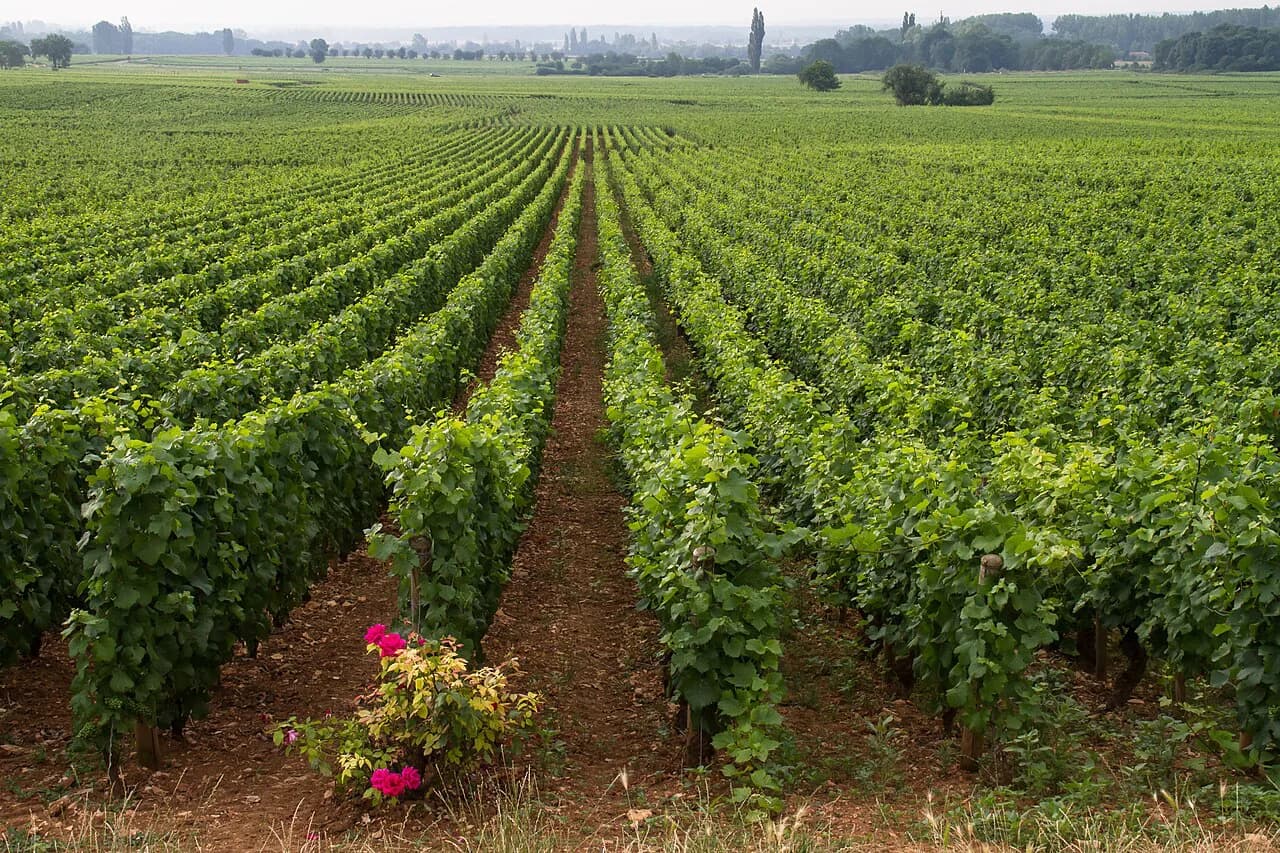
Burgundy's vineyards read as a single famous name, but on the ground they are a chain of villages and walled parcels spread from the Yonne near Paris down to the Mâconnais an hour from Lyon. The official wine tourism service groups them into six signposted routes, each with its own length, grape varieties and starting point. Choosing a base town and one or two routes for the day is what turns a vague wish to taste Burgundy into a plan that fits daylight and a train timetable.
Why Burgundy Rewards a Planned Route
The region's appellation system is famously fragmented: the Côte d'Or alone splits into dozens of village and premier cru names along a slope only a few kilometers wide. Producers are usually small family domaines rather than large visitor centers, so the cellar door model common in other wine regions does not apply in the same way. A route gives you a shape to the day and a realistic sense of how far apart the villages sit.
The six routes are the Route des Grands Crus, the Route du Crémant, the Route Touristique des Grands Vins in the Côte Chalonnaise, the Mâconnais-Beaujolais route, the Route des Vignobles de l'Yonne and the Route des Coteaux de Pouilly-Sancerre. Each covers a distinct sub-region with its own scenery and grapes rather than overlapping. Pick one for a day trip and two at most for a long weekend.
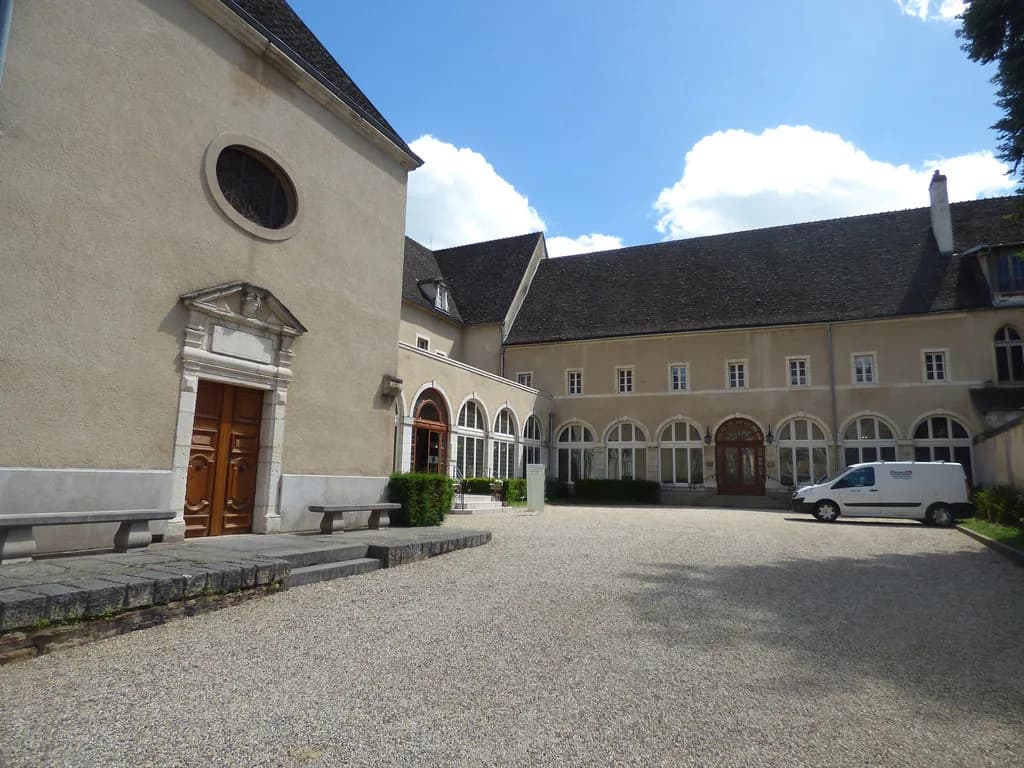
Appointment culture matters more than in many wine regions. Small domaines often receive visitors only by prior arrangement, and the person pouring may be the winemaker working between cellar tasks. When you request a visit, ask about the language of the tasting, how many wines are poured, whether the cellar is included and whether there is a fee, since these details vary from estate to estate and are rarely uniform along a route.
Beaune or Dijon: Choosing Your Base
Beaune sits at the southern end of the Côte d'Or and is the natural base for the Côte de Beaune and the Côte Chalonnaise, with the Route des Grands Crus passing through the town itself. Dijon anchors the northern Côte de Nuits and the Crémant villages of the Châtillon area, and the Grands Crus route begins there. Travelers weighing the two should decide first which villages they most want to see; if Dijon's northern vineyards win out, our wine tasting in Dijon guide covers the cellars and day trips from that city.
For a first visit focused on cellar visits and a compact town to walk in the evening, Beaune works well, and its hub is around Place Carnot, where you will find the tourist office, restaurants and a good share of the town's tasting rooms. Individual domaines and négociant houses in the surrounding villages are covered in a roundup of Beaune wineries, which helps you build a shortlist before you write to anyone. Dijon is the larger city with the stronger food market and museum scene, but the vineyard villages lie further out, and both towns sit on the main rail line, so a split stay is practical.
If you plan to spend an evening in Beaune rather than drive after dark, the town's wine bars pour Burgundy by the glass and let you taste across appellations without a car. That is a useful complement to daytime cellar visits, and it suits travelers arriving on an afternoon train.
The Route des Grands Crus: The 60 km Spine
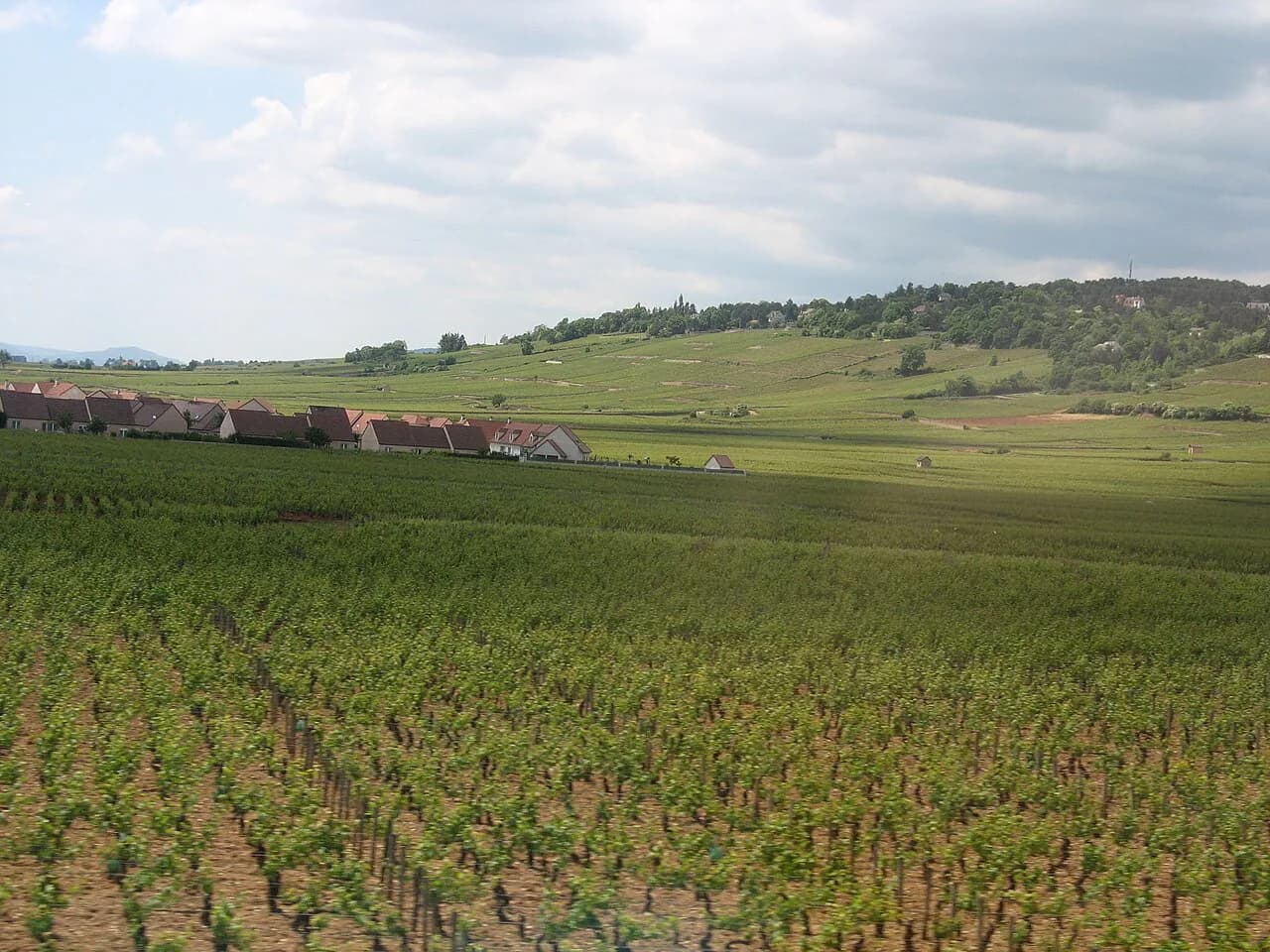
The Route des Grands Crus runs about 60 kilometers from Dijon to Santenay, just past Beaune, through the climats of the Burgundy vineyard that UNESCO lists as a World Heritage landscape. It crosses the Côte de Nuits and the Côte de Beaune, so the grape emphasis shifts as you drive south: Pinot Noir dominates the northern villages, while the southern end adds white Chardonnay sites. The route is also mapped for cyclists via the Voie des Vignes.
Driving the whole spine in one day leaves little time for tastings, because each stop involves a village detour and an appointment. A better approach is to choose one cluster of villages in the morning and another in the afternoon, keeping the driving short. The villages along the slope are close together but the roads between them wind, so distances in kilometers understate the time needed.
The Route du Crémant: Sparkling North of the Côte-d'Or
The Route du Crémant is a marked itinerary of about 120 kilometers winding through 23 villages classified for the Crémant de Bourgogne appellation, in the northern Côte-d'Or around Châtillon-sur-Seine. Crémant de Bourgogne is a sparkling wine made by the traditional method, and the route makes a good alternative day for anyone who has already spent time on still Pinot Noir and Chardonnay.
The area pairs wine with other stops, including the Trésor de Vix in Châtillon-sur-Seine and the Oenocentre Ampélopsis museum. That mix suits a mixed-interest group where not everyone wants a second cellar tour in a day. From Dijon the Crémant country is a longer drive than the Côte de Nuits, so treat it as a full day rather than an afternoon add-on.
The Côte Chalonnaise: Rully, Mercurey and Givry
The Route Touristique des Grands Vins covers the Côte Chalonnaise, a vineyard with medieval monastic roots, and its reds from Rully and Mercurey and whites from Givry are the names to look for on tasting lists. It is a strong choice from Beaune because it lies south of the Côte de Beaune and sees fewer tour buses, so appointments are easier to arrange at shorter notice.
The trade-off is scale: the villages are spread across a wider area than the Côte de Beaune, and some producers are set back from the main road. Budget more driving between stops and fewer visits per day. Travelers who want volume and variety in a single afternoon are often better served by a tasting room in Beaune, where several appellations can be compared side by side.
Mâconnais-Beaujolais: Eight Tours, an Hour from Lyon
The Mâconnais-Beaujolais route is really eight separate tours, and the southern position gives it a warmer feel than the Côte d'Or. Pouilly-Fuissé is the headline white here, made from Chardonnay, and Beaujolais' Gamay-based wines lie within the same broad route system. For travelers coming from Lyon it is the most convenient Burgundy vineyard, roughly an hour away.
Because the tours are distinct, pick one by grape rather than trying to loop the whole area. A Pouilly-Fuissé day and a Beaujolais day are different trips with different landscapes. Mâcon Loché TGV station puts the northern edge of the area within reach by train, with a taxi or a booked visit covering the last stretch.
The Yonne and Pouilly-sur-Loire Routes from Paris
The Route des Vignobles de l'Yonne lies closest to Paris and wraps five separate tours around the vineyards near Chablis country, with rivers and quiet roads between them. The Route des Coteaux de Pouilly-Sancerre follows the right bank of the Loire on its Burgundian side, where Sauvignon Blanc makes Pouilly-Fumé and Chasselas makes Pouilly-sur-Loire. Both routes suit travelers arriving from the capital rather than looping up from Beaune.
Treat these as a separate trip rather than an extension of a Beaune weekend, since the drive from the Côte d'Or is long. A lunch with a glass of Pouilly-Fumé on the Loire bank is the classic shape of the day. Base yourself in the area overnight if you want more than one appointment.
Private Guided Tour vs Driving Yourself
A private guided tour solves the central problem of wine travel in Burgundy: whoever drives cannot taste properly. Operators such as Bourgogne Gold Tour run private guided wine tours in the region, and a guide also handles appointments, route order and the language gap at small domaines. The trade-off is cost and control, since a private day is priced per vehicle or per group rather than per glass, and you follow someone else's choice of producers; published rates sit on the operator's site rather than in any general guide.
Third-party tour reviews show the shape these days often take, combining a heritage stop such as the Château de La Rochepot with a tasting at a domaine, lunch and further visits. Use such itineraries to judge the pace and mix rather than as a fixed menu, and ask Bourgogne Gold Tour directly which estates are included when you book, because producer lists change with availability.
Driving yourself keeps costs lower and lets you linger, but it means spitting carefully at every stop and leaving the evening glass to someone else. If the group includes a non-drinker willing to drive, an independent day along the Grands Crus route is the most flexible option. Otherwise a tour, a taxi or a bike changes the arithmetic in favor of tasting.
Going Car-Free: Trains, Bikes and Taxis
High-speed trains reach Dijon, Montbard, Mâcon Loché TGV and Le Creusot-Montchanin TGV, and Lyon, Geneva and Basel-Mulhouse airports serve the region. Entering from Paris, the Eurostar connection plus a TGV puts Dijon within a comfortable day. From those stations the vineyard villages need a taxi, a bicycle or a booked visit rather than a stroll.
Le Creusot-Montchanin TGV is the practical rail gateway for the Côte Chalonnaise, while Mâcon Loché TGV serves the Mâconnais. From Beaune and Dijon, local trains connect the towns, but the villages on the slope are not walkable from the stations in most cases. Arrange a taxi in advance or book a guided half-day that collects you.
The Voie des Vignes lets cyclists follow the Grands Crus country on a dedicated route, which suits fit travelers based in Beaune with a full day to spare. Distances between villages are short but the slope and heat in late summer are real, so plan a morning ride and an afternoon visit rather than the reverse. Rental shops in Beaune can advise on current bike availability.
A driver should not taste, so build the day around spittoons, a designated driver, a booked tour or public transport. Sharing a taxi between four people for a short loop of villages is often cheaper than four separate tour seats, and it keeps the itinerary in your hands. Ask your hotel to call a local taxi firm the night before.
How Booking Works Along the Routes
Most small domaines in Burgundy receive visitors by appointment, often arranged by email or through a form on the estate's site, and some ask for a minimum party of two or more. When you write, state the date, your group size, the language you prefer, whether you want a cellar tour and whether anyone in the party does not drink. A short, specific request gets a faster answer than a general inquiry.
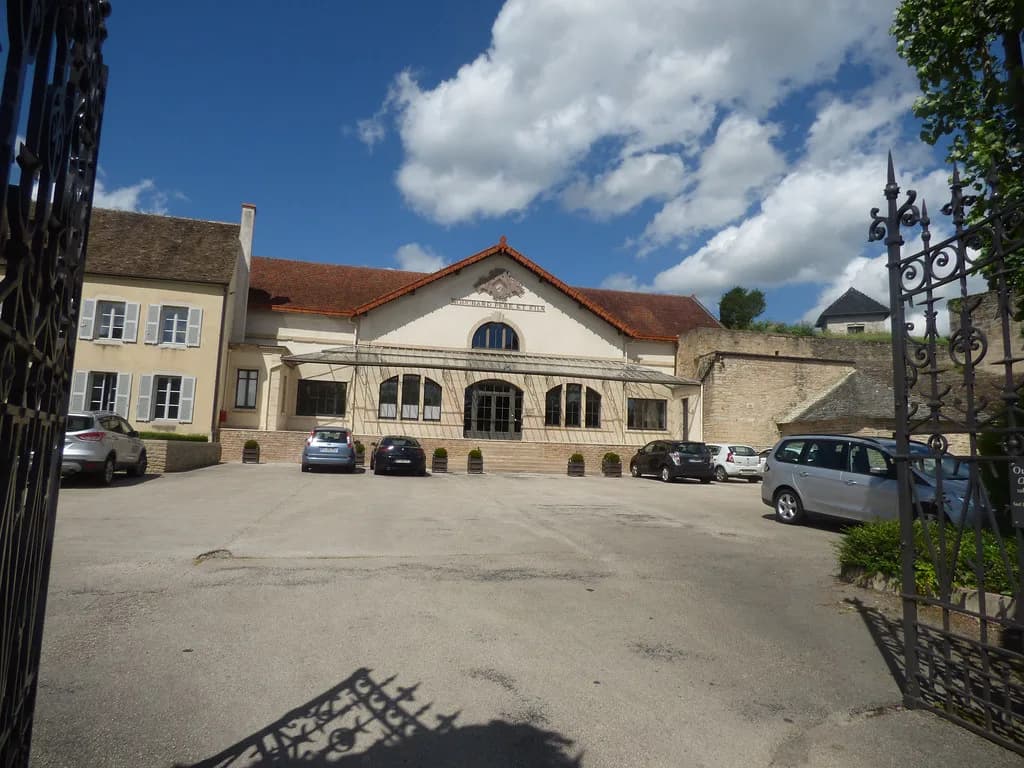
Domaine-based tasting rooms in Beaune, such as the well-known négociant houses, run more structured visits with set formats and fixed times, which is easier for a first visit or a rainy day. Smaller estates trade that structure for a conversation with the winemaker, which suits travelers with a specific village or appellation in mind. Mix one of each across a trip.
Harvest, usually late summer into early autumn, is the least convenient window, because growers are in the vines and cellars rather than hosting. Late autumn and spring are easier for appointments, and winter visits are possible but fewer estates open their doors. Sunday and public holiday opening varies widely, so treat any listing as a starting point and confirm the time when you book.
Grouping Villages Into Realistic Half-Days
One cluster in the morning and one in the afternoon is the workable rhythm. On the Côte de Nuits, pair a village such as Gevrey-Chambertin with a neighbor like Morey-Saint-Denis, and keep the driving under half an hour. Save the Côte de Beaune for a separate day when you are based in Beaune, since the drive between the two halves of the slope eats into appointment time.
Two tastings per half-day, so four at most in a day, leaves room for lunch and the unplanned stop at a viewpoint. Trying to fit six cellar visits along the Grands Crus route in a day produces rushed, superficial conversations and a lot of time in the car. A guide can compress the logistics, but not the number of hours in the day.
A Simple Three-Day Shape
Day one: settle into Beaune, walk the town and use a tasting room or wine bar to get oriented in the appellations. Day two: the Côte de Nuits, the northern end of the Grands Crus route, with two appointments and a lunch stop in a village. Day three: either the Côte de Beaune around Beaune itself or the Côte Chalonnaise south of it, depending on whether you prefer Chardonnay and Pinot Noir villages or the quieter Rully, Mercurey and Givry country.
If you have a fourth day, take the Crémant route north of the Côte-d'Or for a change of style, or shift your base to Mâcon for the Mâconnais and Beaujolais. Moving base mid-trip is easier than long daily drives, because the TGV stations connect the sub-regions. Keep one day unbooked to accommodate a recommendation from a winemaker you meet.
Plan Your Burgundy Wine Tour
Decide your base by the villages you want to taste: Beaune for the Côte de Beaune and Chalonnaise, Dijon for the Côte de Nuits and the Crémant country to the north. Then pick one route per day from the six official itineraries, book two appointments per half-day and leave room for lunch. Rail into Dijon, Mâcon Loché TGV or Le Creusot-Montchanin, plus a taxi or a booked tour, covers the car-free version.
Drink responsibly and plan the driving in advance, because a driver who tastes is not a driver who can safely continue. Spittoons, a designated driver, a tour or public transport all solve the same problem. Confirm the current details of any visit with the estate or operator before you travel, then spend the rest of your planning on which villages you actually want to see.
Frequently Asked Questions
Is Burgundy worth visiting for wine?
Yes, if you want to taste appellation-specific Pinot Noir and Chardonnay in the villages where they are made. The region is organized into six signposted wine routes, and the UNESCO-listed climats of the Côte d'Or form the core. It rewards planning more than a spontaneous drive, because many small domaines receive visitors by appointment.
Should I base myself in Beaune or Dijon?
Beaune is closer to the Côte de Beaune and the Côte Chalonnaise and is a compact town for evening wine bars. Dijon is the larger city and the start of the Route des Grands Crus, with better access to the Côte de Nuits and the Crémant villages. Choose by which vineyards you most want to visit.
Can I tour Burgundy vineyards without a car?
Partly. High-speed trains reach Dijon, Montbard, Mâcon Loché TGV and Le Creusot-Montchanin TGV, but most vineyard villages are not walkable from a station. Use a taxi, a booked guided tour or a bicycle on the Voie des Vignes to cover the last stretch.
Do Burgundy wineries require appointments?
Many small domaines do, and some ask for a minimum party size. Larger négociant houses in Beaune run more structured visits with set times. Email or use the estate's booking form with your date, group size and language preference.
How long does a Burgundy wine tour take?
A half-day usually covers one cluster of villages and one or two appointments, while a full day allows a second cluster after lunch. Operators set their own durations, so confirm the schedule when you book rather than relying on a general estimate.
When is the best time to visit Burgundy's vineyards?
Late spring and early autumn are comfortable for driving and walking the vines, while harvest itself is the least convenient for visits because growers are busy. Winter visits are possible but fewer estates receive guests. Confirm opening at the time you book.
Sources
Notes for your next wine trip
Optional updates to our winery and wine-town guides.
You might also like
Continue reading
More guides you'll find useful