Burgundy Wine Tasting: How Visits Work, Where to Go
Plan Burgundy wine tasting from Beaune: how domaine visits and négociant tastings differ, which villages to group, and how booking and guided days work.
On this page
A day of Burgundy wine tasting is less about choosing a brand and more about choosing a place. Labels here name villages, slopes and named parcels rather than the grape, so Gevrey-Chambertin, Meursault and Pommard tell you where a wine came from before they tell you what it tastes like. That structure is precisely why planning a route through the Côte d'Or beats improvising once you arrive in Beaune.
Why Burgundy Tasting Is Unlike Napa
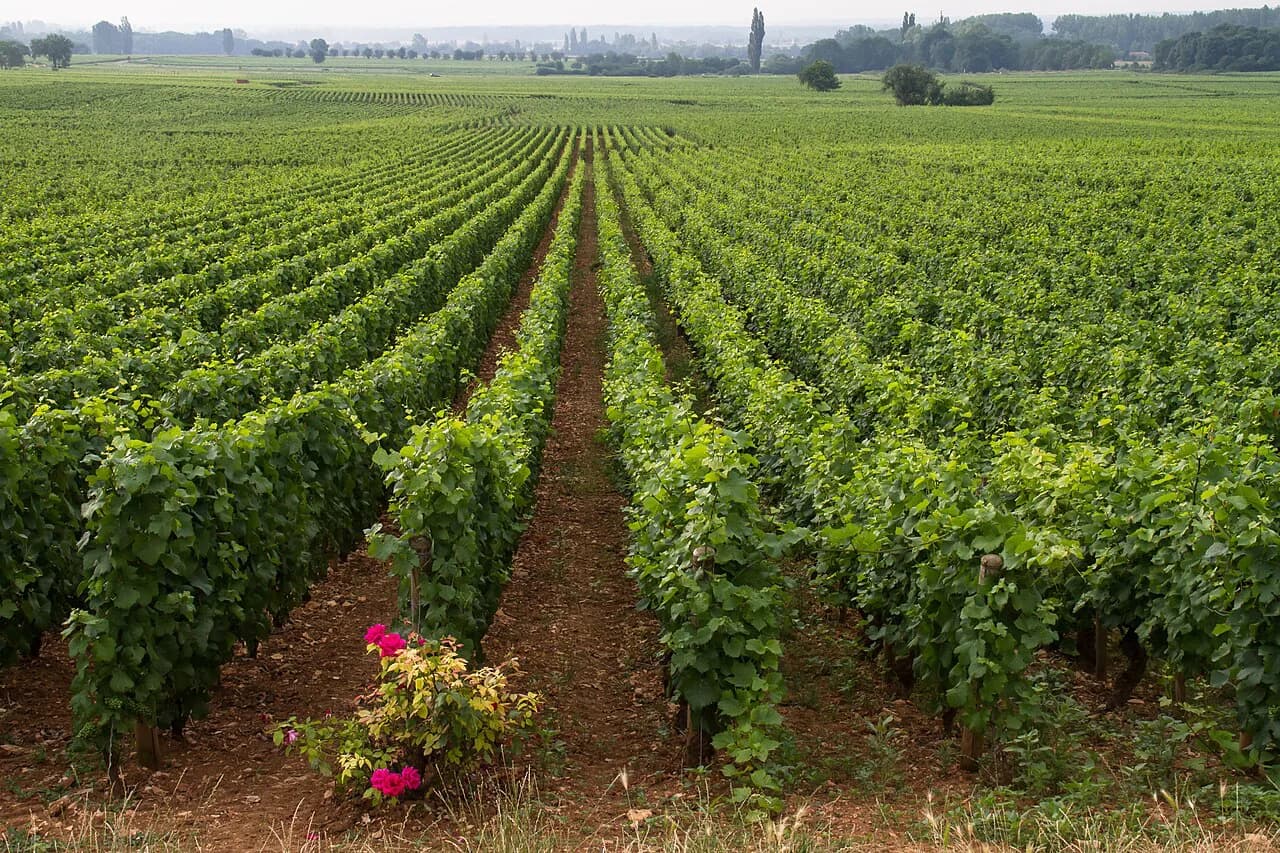
In Burgundy, the vineyard is the unit of fame. A single slope outside Vosne-Romanée or Chassagne-Montrachet can be split among dozens of growers, each bottling the same parcel under their own name. Napa visitors used to estate-driven tasting rooms should expect smaller operations, humbler facilities and, often, a winemaker who is also the person pouring.
The practical consequence is supply and scale: most domaines are tiny, hold no stock for casual drop-ins, and treat a cellar visit as a scheduled interruption to real work. Set your expectations accordingly and treat each appointment as the anchor of a half-day rather than one stop on a stroll. The upside is direct conversation with the people who farmed the fruit.
The Two Doors into Burgundy Wine
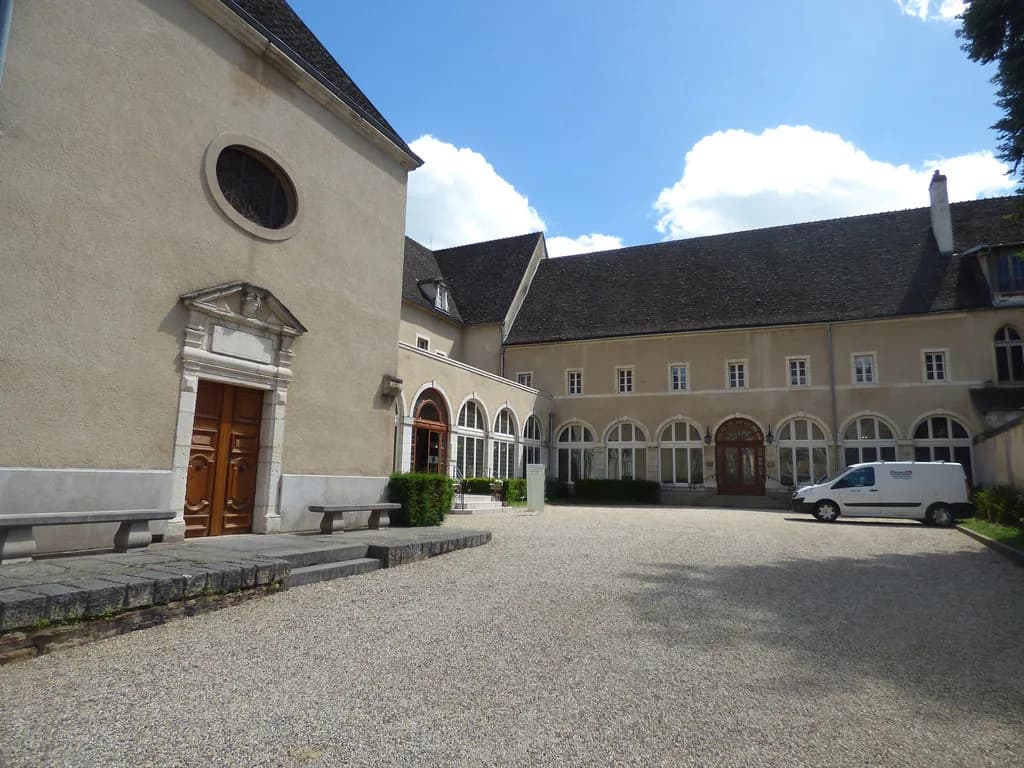
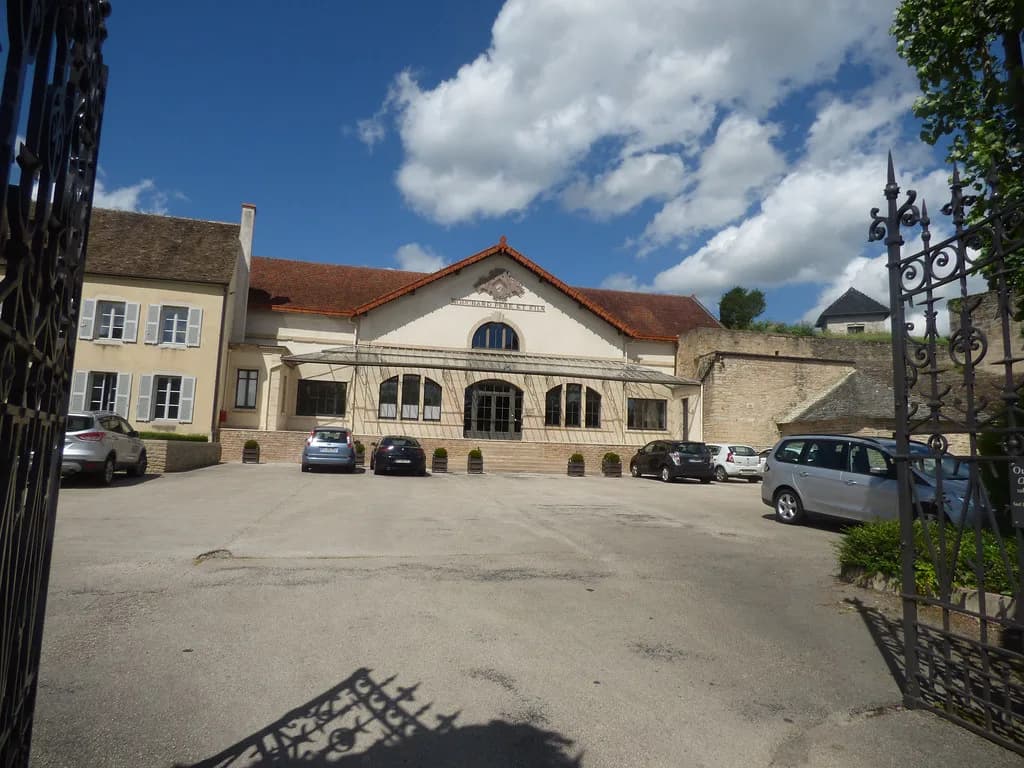
The first door is the family domaine, where you taste in a working cellar or a converted garage and the wines are the estate's own. The second is the négociant house, which buys fruit or wine from growers across the region and blends across appellations; these houses usually have dedicated visitor space because hospitality is part of the business model. Burgundy's tourism board describes wine estates opening their tasting cellars to the public as the standard way to meet growers, alongside négociant operations and wine schools that teach the region's classification and grapes.
Beaune and the surrounding villages maintain a listed set of wineries that welcome visitors and share their trade secrets on site, which makes a useful starting point for shortlisting houses that are set up for guests rather than purely for trade.
Shortlisting works best when you sort candidates by type rather than reputation. A survey of Beaune wineries shows how many estates along the Côte de Beaune keep regular visitor arrangements, which helps you balance a polished négociant tasting against a smaller grower visit on the same day.
Beaune as a Base: Walkable, Bikeable, Car-Dependent
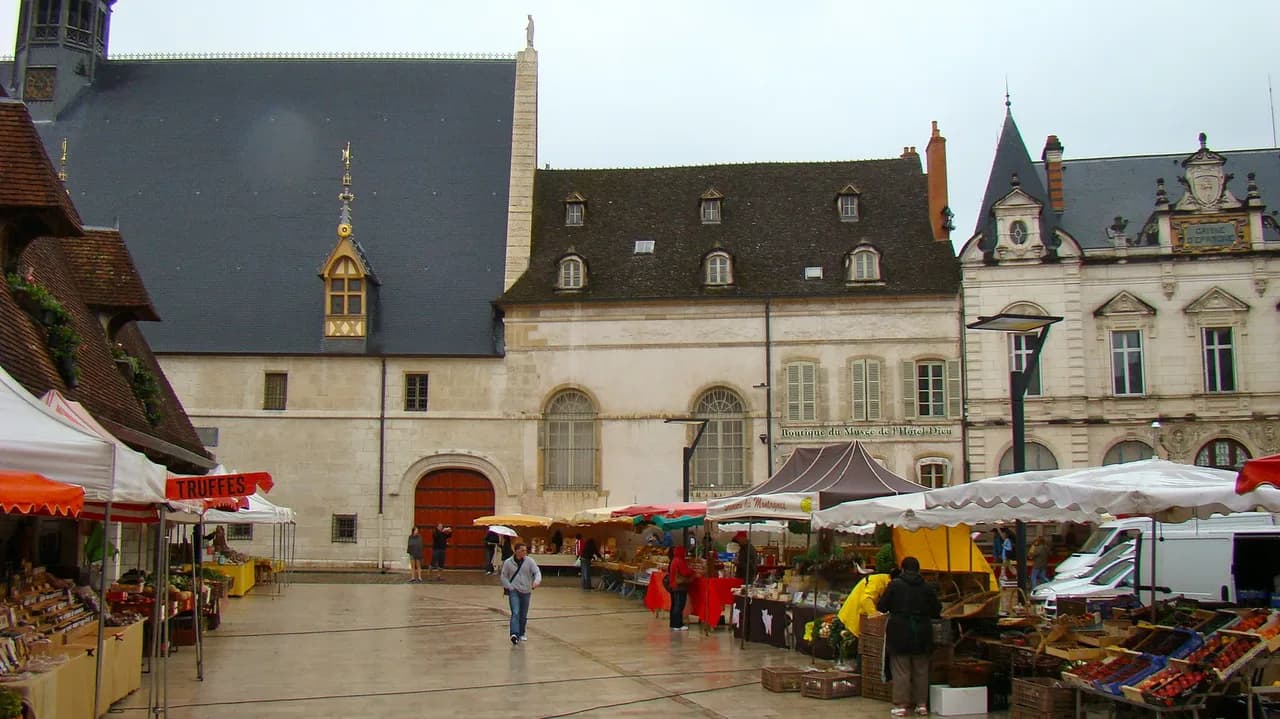
Central Beaune is compact enough to cover on foot: the Hospices de Beaune, the Saturday market and a cluster of négociant cellars sit within a fifteen-minute walk of Place Carnot. That makes the town itself a good first afternoon, and the Beaune wine tasting scene around the center gives you range without touching a car.
For the villages, the geometry is simple: the Côte de Beaune runs south from Beaune through Pommard, Volnay, Meursault and Puligny-Montrachet, while the Côte de Nuits runs north through Gevrey-Chambertin, Chambolle-Musigny, Vosne-Romanée and Nuits-Saint-Georges. Doing one side per day is the sane plan; crossing both in a single afternoon means forty minutes or more in the car and rushed tastings.
Public transport between villages is thin and geared to commuters, so a rental car, a hired driver or an organized route does the real work. The Voie des Vignes cycle path from Marsannay-la-Côte down to Santenay threads through the vines and several well-known villages, which makes a bike a genuine option for the fit and the unhurried.
Village-by-Village Planning in the Côte de Beaune
Start south with Pommard and Volnay, a pair of red-wine villages a few minutes apart, then continue to Meursault for white Burgundy and on to Puligny-Montrachet and Chassagne-Montrachet for the most famous Chardonnay slopes. Two or three appointments is a full day once you allow for cellar time, lunch and the short drives between villages.
Lunch in Meursault or Puligny extends the day nicely, and the villages reward a short walk through the vines between tastings. If you would rather hand the routing to someone who knows which producers answer the phone, a curated set of Beaune wine tours removes that friction, at a price.
Village-by-Village Planning in the Côte de Nuits
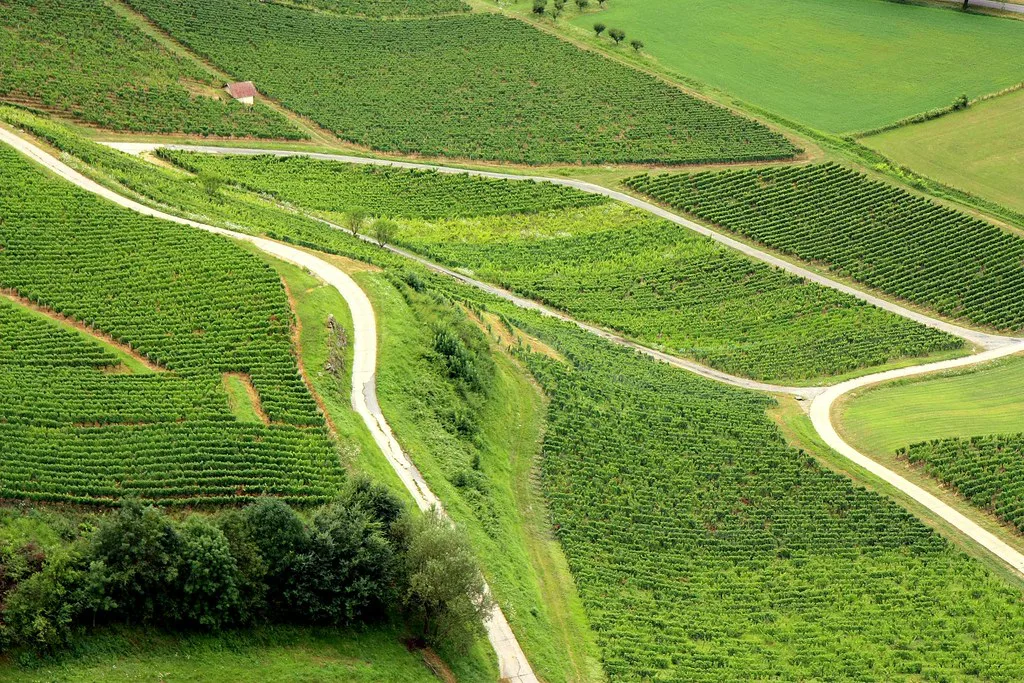
North of Beaune, Gevrey-Chambertin is the largest of the famous red-wine villages and a logical first stop before working south through Chambolle-Musigny and Vosne-Romanée to Nuits-Saint-Georges. This is Pinot Noir country on limestone and marl, and the names on the labels are the slopes rather than the producers' marketing inventions.
Nuits-Saint-Georges has the most practical infrastructure of the four, with places to eat and stay, so it works well as the day's endpoint. Booking two domaines here and one in Gevrey is realistic; squeezing in four means you will be tasting against the clock.
Appointment Culture: What to Write and When
Lead times matter. Six weeks is a sensible minimum for small domaines in spring and during harvest, and four weeks is workable in quieter months. Some sought-after growers accept visitors only through trade contacts or an established guide, so treat a listed tourism office entry as permission to ask rather than a guarantee of a slot; official visitor listings from Beaune tourism are the fairest test of who is genuinely open to guests.
Write in French or English, state your dates and preferred time window, the number of people, whether you want a cellar tour or just a tasting, and whether you plan to buy. Mention if you speak no French, so the domaine can assign someone. Supply a phone number and confirm the day before, since small estates reschedule around vineyard work without ceremony.
Language coverage is not uniform: négociants and larger estates generally have English-speaking staff, while a grower's English may be limited to wine vocabulary. That gap is one of the real arguments for a guide, who handles both the booking and the conversation.
What a Visit Involves and What It Costs
Expect a cellar walk past barrels or stainless tanks, an explanation of the estate's parcels, and a tasting of somewhere between three and six wines. Some domaines charge a flat fee that is waived against a purchase; others pour free and expect you to buy. Nobody publishes one regional tariff, so ask the fee when you book and confirm whether it is credited to purchases.
For context on guided days rather than individual visits, Paris Wine Girl quotes 750 euros per person for a full day with two producer visits, transport, wine education and a shared meal, with a two-guest minimum and a booking window of four to six weeks. That figure sits within a market where private guiding commonly runs from about 500 euros to over 1,000 euros per day depending on group size and inclusions. Rates are best checked on the Paris Wine Girl site when you enquire.
Guided Day Versus Going Independent
Independence buys flexibility and lower cost, and it works well if you are content with négociant cellars, tourist-office listed estates and a town-based tasting or two. The trade-off is access: the quiet family domaines with allocated bottles rarely advertise, and the guide's value is largely the relationship that gets the door opened, not the driving.
A guided day also solves the drinking-and-driving problem outright. If you intend to taste seriously across two or three villages, price the day against the cost of a rental car plus a hired driver and decide honestly which you would rather organize.
Getting Around Without Driving
Trains run through Beaune and Dijon on the main line, and regional services stop at villages such as Nuits-Saint-Georges and Chagny, but stations are often a fifteen- to thirty-minute walk from the vines. Taxis exist in Beaune and Dijon and are best booked in advance for a fixed circuit rather than hailed mid-village.
Bikes are the elegant middle path: rent in Beaune or Beaune's outskirts, follow the Voie des Vignes, and keep the route short if you plan to taste. A driver in the party should stick to water and the spittoon, which is standard practice at every Burgundy tasting and not a comment on the wine.
Evenings in Beaune are easily filled without a car, and a good Beaune wine bar lets you taste widely by the glass after a day of appointments. It is the low-risk way to cover producers you could not reach.
Beyond Tasting: Schools, Theme Routes and the Route des Grands Crus
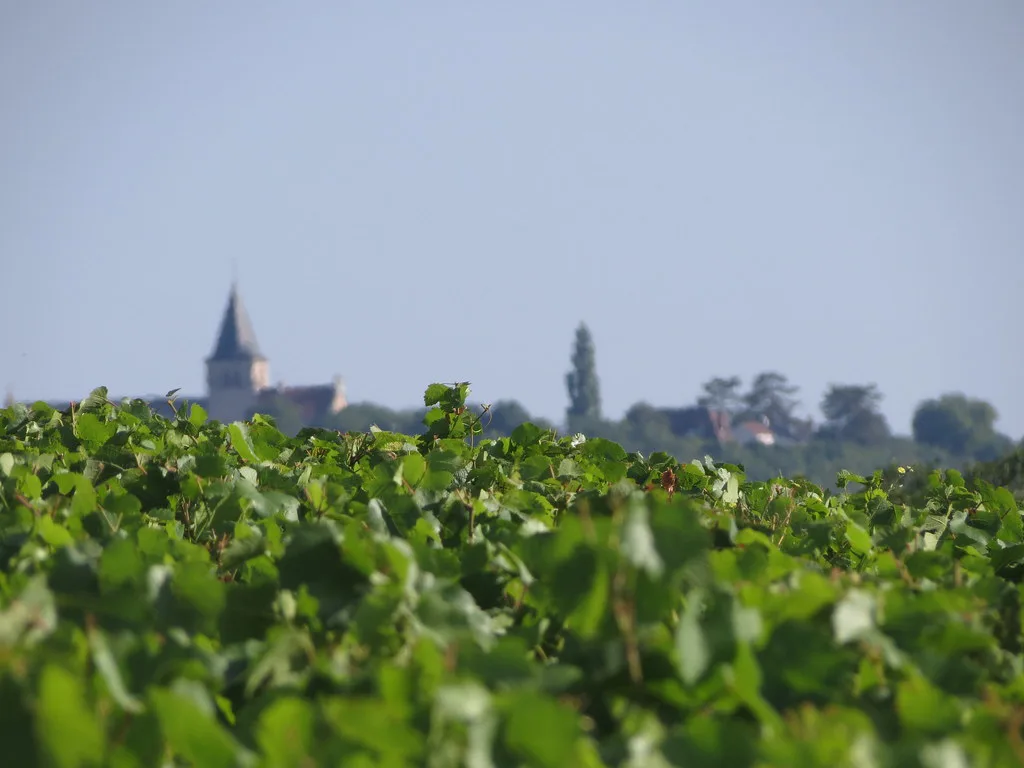
Wine schools in Beaune and the surrounding towns run classes on Climats, grape varieties and vinification for visitors who want the framework before the tasting. Themed options range from geocaching hikes through the Couchois vineyard at the Château de Couches to guided climbs with a tasting at the top of the Rock of Solutré, and Segway or electric-bike tours in the Côtes de Beaune and Côtes de Nuits.
The Route des Grands Crus, the classic driving route through the great names, turns ninety in 2027, with new signage, welcome areas and a calendar of events including a cycling tour and a motoring rally along the route. If you are planning a trip around that year, ask the tourist office which stretches are affected by works before fixing your itinerary.
Timing Your Trip: Seasons and Harvest
Late spring, when the vines are in leaf, and early autumn, around harvest, are the liveliest months, but they are also when domaines are busiest and least available. Winter offers quiet cellars and easier appointments, though some estates close for holidays and village restaurants shut for weeks at a time.
Harvest timing shifts with the weather each year, so avoid planning a visit around a fixed picking date. Instead, ask when you book whether the estate will be receiving visitors during your week, and build in a flexible day for anything that has to move.
Burgundy or Bordeaux for a First Wine Trip
Bordeaux offers grand château architecture, structured tours and easy logistics; Burgundy offers intimacy, place-based labels and a steeper learning curve in exchange for closer contact with growers. A first wine trip with a mixed group usually finds Bordeaux simpler, while travelers who already know they love Pinot Noir and Chardonnay get more from Burgundy. If the Rhône's Syrah and Beaujolais's Gamay appeal as a counterpoint to Burgundy's Pinot Noir and Chardonnay, compare this itinerary with wine tasting in Lyon, where the day trips run south rather than north.
Plan Your Visit
Build the day around two or three confirmed appointments, choose one slope per day, and settle transport before booking anything else. Write your requests early, state your party size and language, and keep one flexible afternoon for the visit that reschedules.
If you are still mapping the town, start with the walkable cellars in the center and the local wine bars before heading into the villages, and check current opening arrangements directly with the cellars as your dates approach.
Frequently Asked Questions
Do I need to book Burgundy winery visits in advance?
For small family domaines, yes. Write at least four to six weeks ahead in spring and during harvest, state your dates, party size, language and whether you want a cellar tour, and confirm the day before.
Can I taste in Burgundy without a car?
Yes, with limits. Beaune's center is walkable, négociant cellars and wine bars are in town, and trains reach Dijon, Nuits-Saint-Georges and Chagny. Village domaines still need a bike, taxi or organized tour.
How many wines are poured at a typical Burgundy tasting?
Plan on roughly three to six wines, often with a cellar walk first. Ask whether the fee is flat or credited against a purchase, since estates differ.
What do private wine guides in Burgundy cost?
Private guiding is generally priced per day or per person and sits in the upper hundreds to over a thousand euros per day depending on group size and inclusions. Ask for a written quote with visits and transport itemized.
Which villages should I group in one day?
Take the Côte de Beaune one day (Pommard, Volnay, Meursault, Puligny and Chassagne) and the Côte de Nuits another (Gevrey-Chambertin, Chambolle-Musigny, Vosne-Romanée, Nuits-Saint-Georges). Two or three appointments fills a day.
Can a driver taste?
No. Use the spittoon, appoint a designated driver, or book a tour or public transport so nobody tastes and drives.
Sources
Notes for your next wine trip
Optional updates to our winery and wine-town guides.
You might also like
Continue reading
More guides you'll find useful