Château de Meursault: Beaune Guide to Cellar Tastings
Plan a Meursault wine day from Beaune: how the Côte de Beaune villages connect, what Chardonnay styles to expect, and how to request a cellar tasting.
On this page
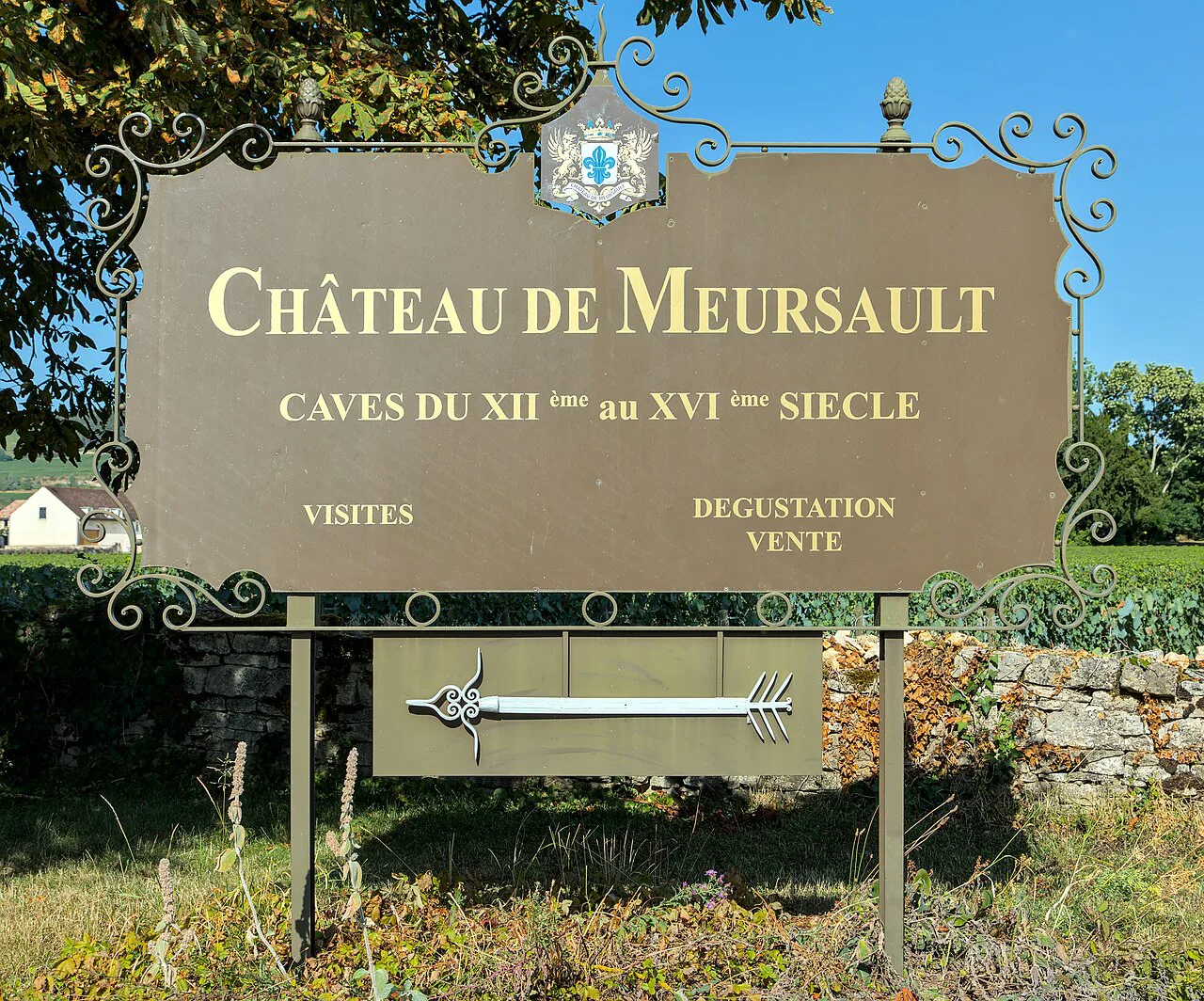
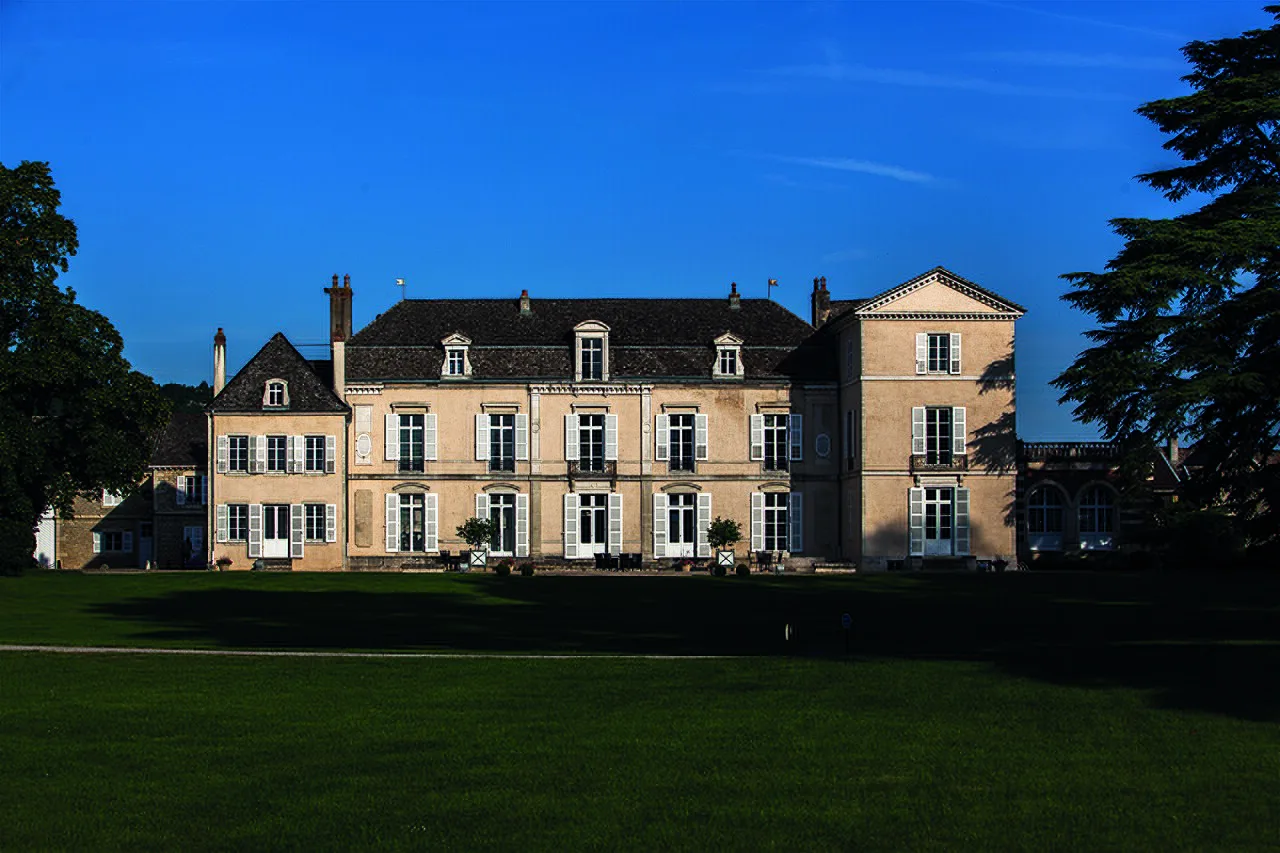
Meursault is one of the most recognizable white-wine names in Burgundy, and Château de Meursault is the estate most travelers picture when they plan a day in the village. It sits in Meursault itself, roughly a twenty-minute drive or a short train ride south of Beaune, which makes it a natural anchor for a Côte de Beaune loop. This guide explains what to expect from the wines, how to request a cellar visit, and how to get there if nobody in your group wants to drive.
Why Château de Meursault Anchors a Meursault Day
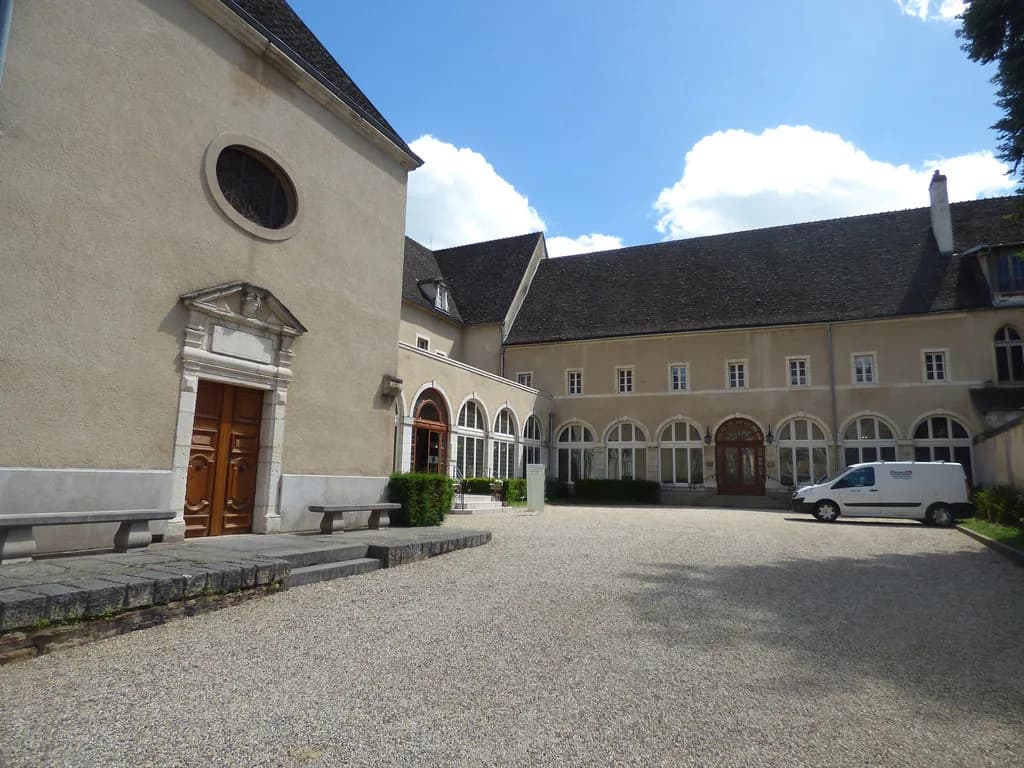
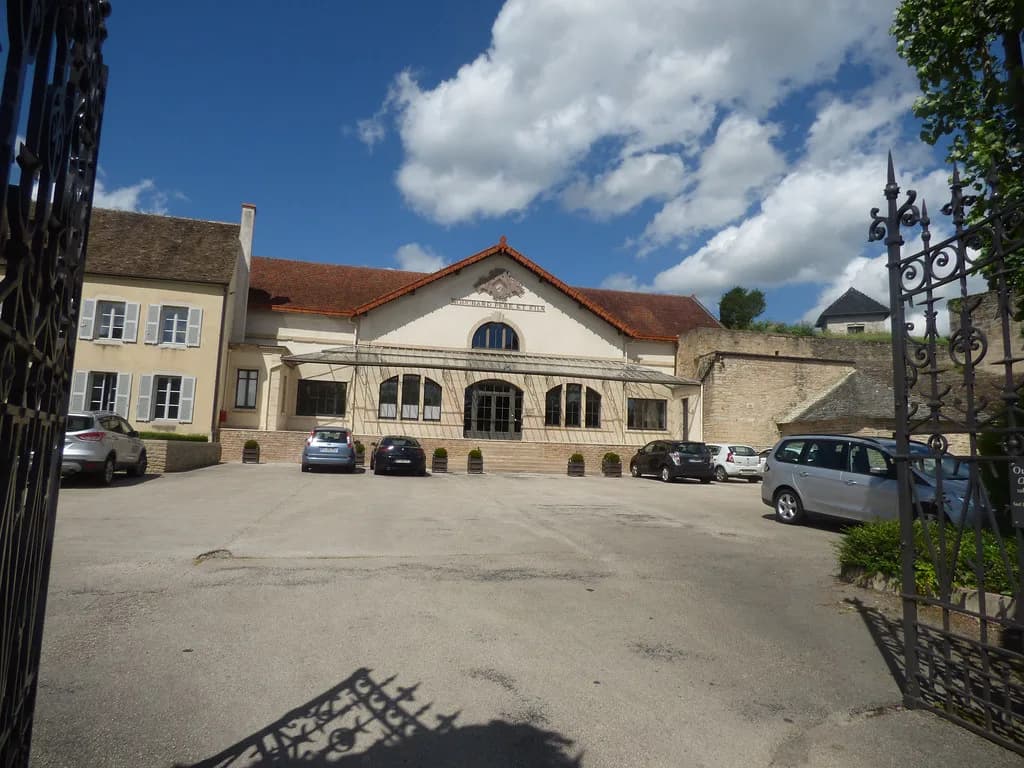
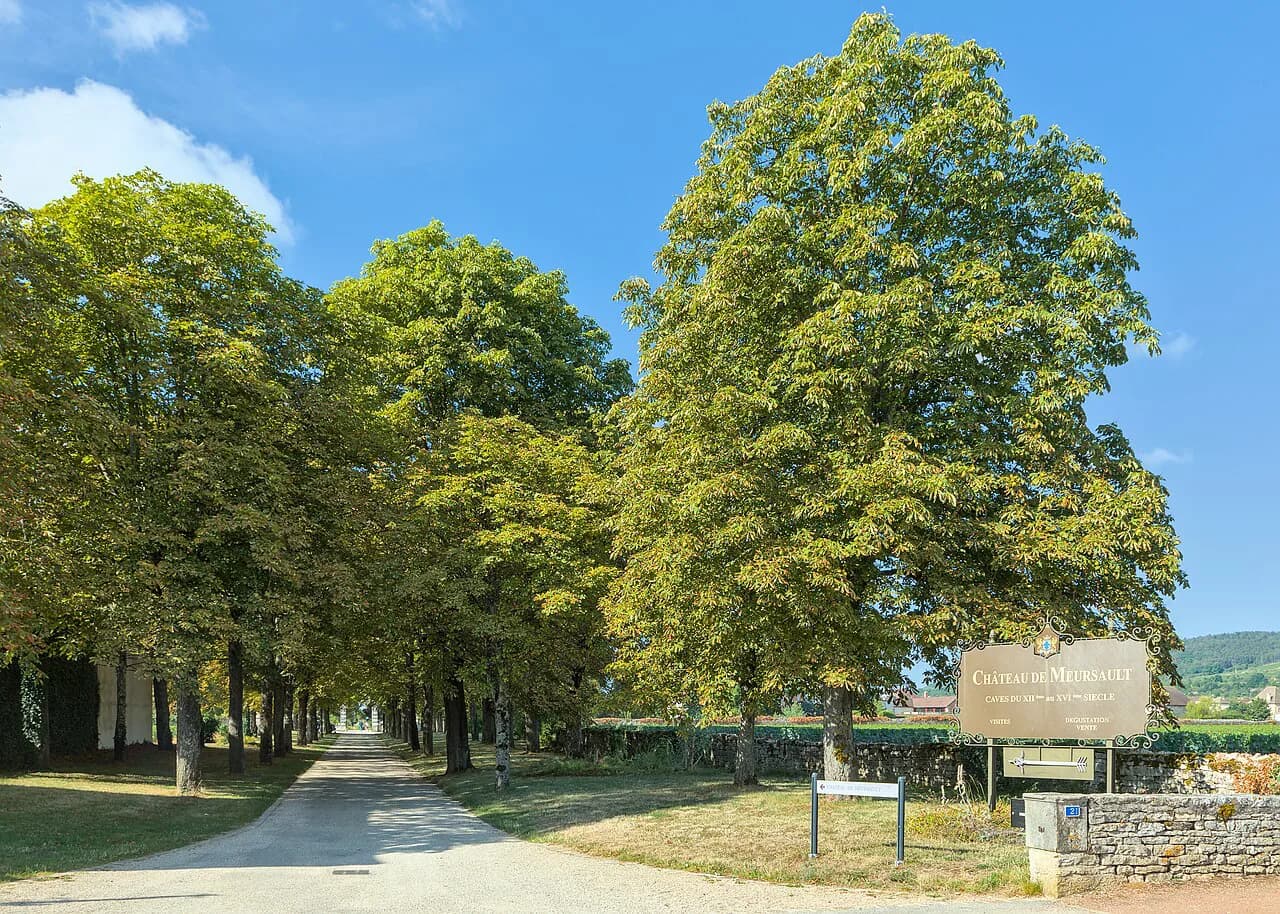
Château de Meursault gives a Beaune-based traveler a single address that combines a historic estate with the village's core white-wine identity. The property is known in export markets under two labels: Domaine du Château de Meursault, the estate wines, and Château de Meursault, the broader range that includes village-level bottlings such as a Bourgogne Chardonnay sold as Clos de Château. Seeing both names on a shelf or a wine list tells you the estate sells beyond its own appellation.
A Premier Cru Meursault from this address also turns up on restaurant lists far from Burgundy, including a 2017 bottling poured at a restaurant in El Paso, Texas. That kind of listing is a useful signal of the estate's reach, but it says nothing about what a visit costs or what you will be poured in the cellar. Treat retail and restaurant listings as background on the producer, not as a proxy for tasting fees.
For planning purposes, the château works best as one stop on a day built around the village rather than as a standalone attraction. Pair it with a walk through Meursault's center, a second appointment nearby, and a meal, and you have a full day without long transfers. If you want a broader set of addresses to compare, start with this guide to wine tasting in beaune and then narrow to the villages you can realistically cover.
The Lay of the Land: Beaune to Meursault
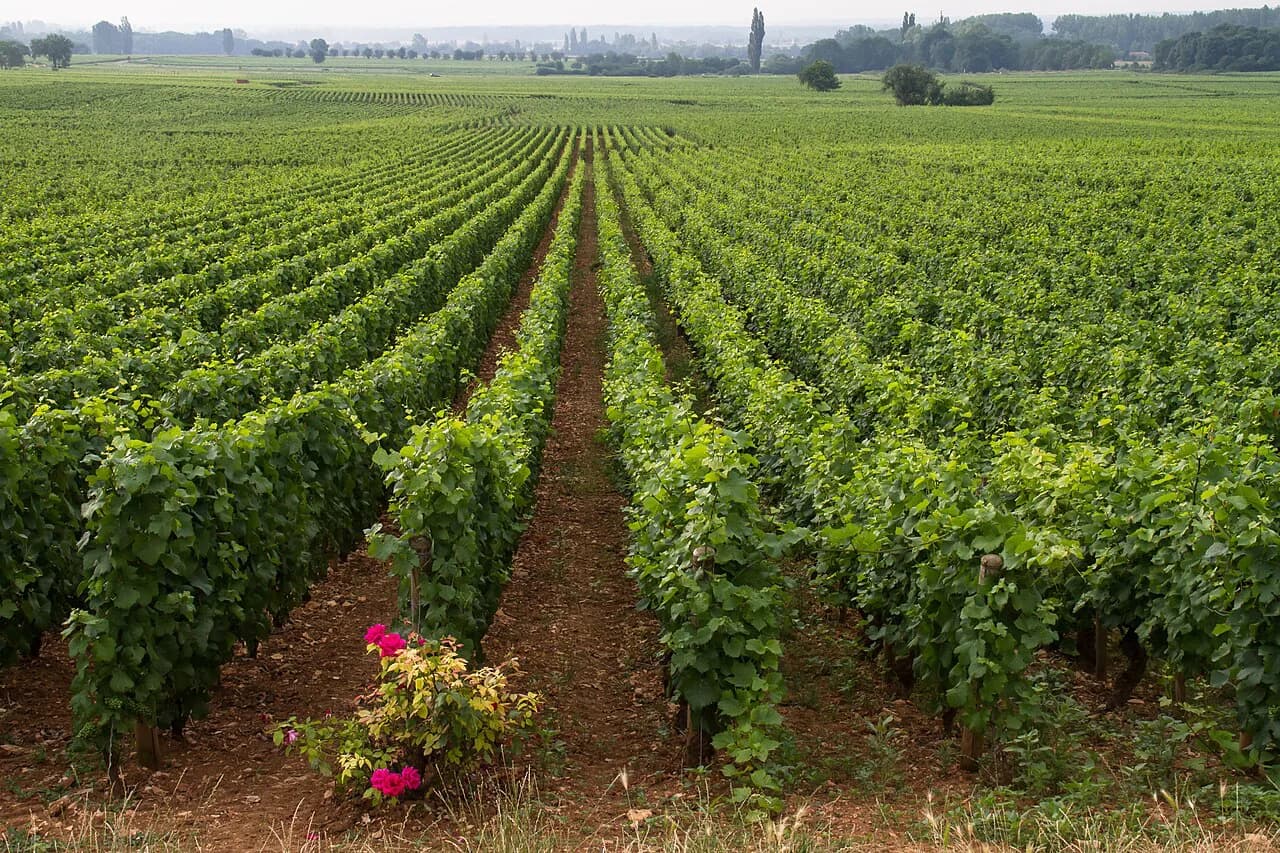
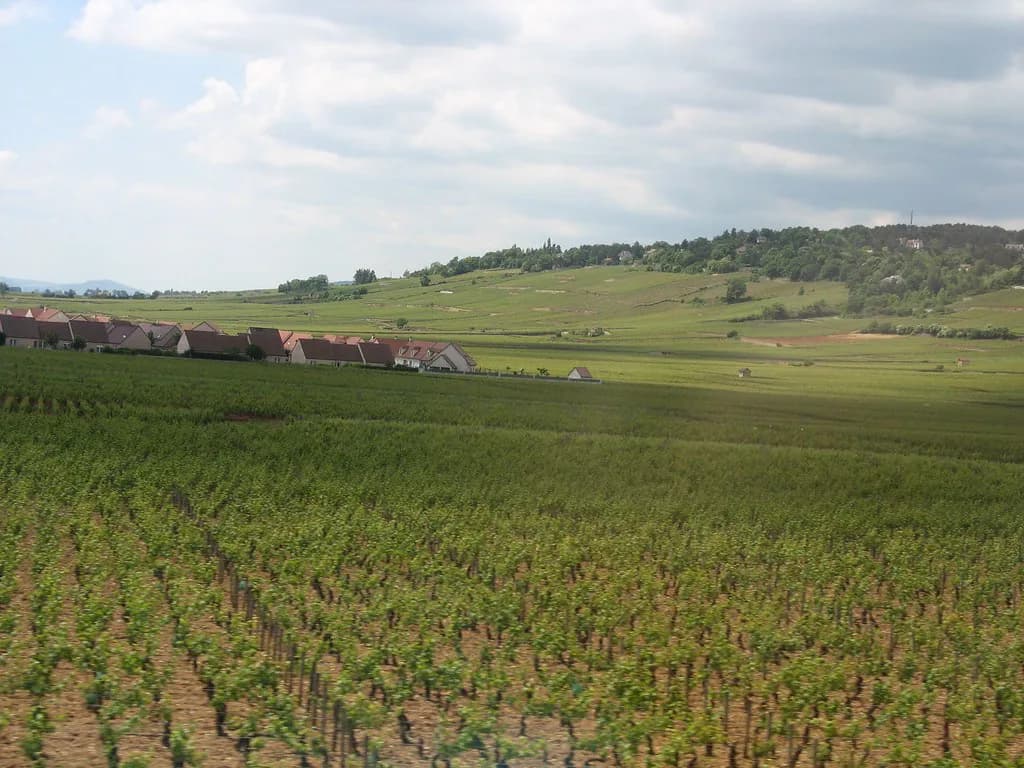
The Côte de Beaune runs in a near-continuous ribbon of villages southwest from Beaune. Meursault sits between Puligny-Montrachet and Volnay in the white-wine heartland, while Pommard and Volnay to the north are red-wine villages. A sensible day groups Meursault with Puligny-Montrachet and Chassagne-Montrachet if you are chasing Chardonnay, or with Pommard and Volnay if you want Pinot Noir alongside it.
Distances are short but the roads are narrow, the villages run into each other, and parking in Meursault's center is limited during harvest and on market days. Two appointments per day is a realistic ceiling if you want lunch and unhurried conversation in the cellar. Three is possible only if you cluster tightly and skip a sit-down meal.
Burgundy estates generally work by appointment, and Meursault's larger houses are no exception. Build your day around confirmed times rather than showing up and hoping, and leave slack between bookings for the drive and for parking.
Meursault Wines in Brief
Meursault is overwhelmingly a white-wine appellation built on Chardonnay. The village wines tend to be broader and nuttier in profile than the tauter, more mineral whites of Puligny-Montrachet and Chassagne-Montrachet just to the south, though both villages also produce powerful wines. If Meursault is your only white stop, you are tasting the richer end of the Côte de Beaune spectrum.
The appellation includes Premier Cru vineyards as well as village-level Meursault, and the estate also produces reds under Bourgogne and village labels. The famous Montrachet vineyard, split between Puligny and Chassagne, is a Grand Cru and a separate appellation from Meursault entirely. Knowing that distinction helps you read a wine list without confusing the villages.
Château de Meursault's exported range illustrates how Burgundy labels tier: an appellation-level Meursault, a Premier Cru Meursault, and a humble Bourgogne Chardonnay under the Clos de Château name. In a tasting, ask which wines are estate-grown and which are négociant bottlings, since the château operates both. That question tells you more about the range than any score.
Booking a Cellar Visit and Tasting
The château's own site and the Beaune tourist office are where visit formats, times and any tasting fees are published; neither is reproduced here because the details change by season and by booking channel. Write to the estate directly, ideally several weeks ahead in spring and fall and longer in summer, and state your party size, preferred date and time window, language, and whether anyone in the group is a driver who will not taste.
Ask in the same message how long the visit lasts, how many wines are poured, whether the cellar tour is included, and whether any food pairing is offered. Burgundy estates vary widely on all four, and a clear answer lets you decide whether to book one appointment or two that day. If you are building a multi-stop itinerary, the addresses in this guide to beaune wineries help you avoid doubling back.
If you want a second Burgundy cellar in Beaune itself, the négociant house albert bichot runs visits in the town center, which pairs well with an afternoon arrival by train. Booking both in advance keeps the day from collapsing into queues.
What a Burgundy Estate Tasting Typically Involves
Expect a cool, dim cellar walk followed by a seated or standing tasting in a tasting room or barrel hall. Groups are usually small, conversation is with a member of the estate staff rather than a scripted guide, and spittoons are standard. Dress in layers, since cellars stay cold even in summer.
Tasting sizes are modest and the emphasis is on comparison rather than volume. Ask specifically whether the pour includes Premier Cru wines, older vintages, or library bottles, because that is the main variable between one estate's basic visit and its premium option. If you plan to buy bottles, ask about shipping and about carrying them onward by train.
Getting There Without Driving
Meursault has a small station on the regional line between Beaune and Chagny, with connections onward toward Dijon and the TGV network. Services are infrequent, so check the current timetable for your date and build the day around the trains rather than the reverse. From the station, the village center and the château are a short walk or taxi ride. If you would rather base a train-based trip in a bigger city, the Lyon wine guide covers Beaujolais and Northern Rhône day trips from a major hub.
Local buses and taxis fill the gaps, but taxi supply in the villages is thin and booking ahead matters, especially at the end of the day. A bicycle is a genuinely good option in dry weather, since the villages are close together and the roads between the vineyards are quiet; rent in Beaune and ride south. A guided tour removes the transport problem entirely and often includes two or three estates.
Whichever route you choose, a driver should not taste. Spittoons are provided everywhere, but the simplest solution is a designated driver, a booked tour, or a train-based plan with a taxi at each end.
Independent Visit vs. Organized Tour
Going independently gives you control over which estates you book, how long you linger, and where you eat. It also means you handle timetables, taxi bookings and the risk of a missed connection, and in Burgundy that logistics load is real. Tours cost more per person on paper but bundle transport, appointments and a guide who can translate the label tiers as you go.
A middle path works well from Beaune: take the train or a taxi to Meursault for a single château appointment, then return to town for the evening. That keeps the day simple and leaves your wine bar time intact; browse this selection of beaune wine bars for where to land afterward.
Meursault Village Between Appointments
Meursault's center is compact: a church, a handful of shops, a square, and streets that fan out into the vineyards. It rewards an hour on foot between tastings, with the vines starting a few minutes from the main street. The tourist office can supply a vineyard walk map and confirm which estates are receiving visitors that week.
Lunch options are limited compared with Beaune, so either book a table in the village or plan to eat back in town. In Beaune, the area around Place Carnot is a convenient base for an evening of wine bars and restaurants after a day in the vineyards.
Water, a hat and comfortable shoes matter more than you expect, since vineyard walks are exposed and the cellar is cold. Carry a bottle of water in the car or bag and pace the day so the last tasting is not the one you rush.
Harvest and the Seasonal Rhythm
The Côte de Beaune harvest usually falls in September, though the exact dates shift with the vintage and are set vineyard by vineyard. During picking, estates are consumed by cellar work and staffing is stretched, so appointment availability can tighten and visits may be shortened. Late spring and early summer are generally calmer for cellar tours.
Winter brings quiet tasting rooms and easier bookings, but some small estates close for part of the season and village restaurants cut their hours. If you are traveling between November and March, check your appointment and your lunch reservation before you book transport and before committing to a train or taxi from Beaune.
Practical Notes for a Beaune Base
Beaune is the right base for this day: it has the train station, the widest choice of hotels and restaurants, and the closest thing in the region to an evening scene. The town's wineries and négociant houses are also worth a morning, so a two-night stay lets you combine a Meursault day with time in Beaune itself.
Plan the day in this order: confirm the château appointment, book transport that matches it, then add lunch and a second stop only if the timetable allows. Keep a copy of your booking confirmation on your phone, since cellars often sit behind unmarked doors.
Finally, leave room in the schedule for buying wine. Shipping rules and airline allowances vary by country, and a bottle you carry home is a better souvenir than a rushed final tasting.
Plan Your Meursault Day
Château de Meursault earns its place on a Beaune itinerary because it concentrates the village's white-wine identity into one visitable address. Book ahead, ask precise questions about duration and pours, and match your transport to the appointment rather than the other way round. From there, the rest of the Côte de Beaune is a short ride away.
Frequently Asked Questions
Is Meursault wine the same as Chardonnay?
Meursault is an appellation in Burgundy, and its white wines are made from Chardonnay. The grape is the same, but the village, soils and winemaking give Meursault a broader, nuttier profile than the tighter whites of Puligny-Montrachet and Chassagne-Montrachet nearby.
How do you visit Château de Meursault from Beaune?
Take the regional train from Beaune toward Chagny and get off at Meursault, then walk or take a short taxi ride to the village center; alternatively drive the twenty or so minutes south, book a taxi, or join a guided wine tour. Confirm the appointment time first and build the transport around it, since local services are infrequent.
Do you need an appointment to taste at Burgundy estates?
Most estates in and around Meursault receive visitors by appointment rather than walk-in. Write ahead with your party size, dates, language and whether anyone will not be drinking, and ask directly whether the visit includes a cellar tour and how many wines are poured.
What is the difference between Montrachet and Meursault?
Montrachet is a Grand Cru vineyard split between Puligny-Montrachet and Chassagne-Montrachet, and it is a separate appellation from Meursault. Both produce Chardonnay, but they are distinct villages with distinct vineyard classifications, so a Meursault Premier Cru is not a Montrachet.
When is the best time to book a Meursault cellar visit?
Late spring and early summer are generally calmer for cellar tours, while September harvest can tighten availability and shorten visits. Winter is quiet but some small estates and village restaurants reduce their hours, so confirm both before booking transport.
Can you visit Meursault without a car?
Yes, if you plan around the regional train line and book taxis in advance for the last stretch. A bicycle rented in Beaune also works well in dry weather, and guided tours remove the transport problem entirely. A driver in your group should not taste.
Sources
Notes for your next wine trip
Optional updates to our winery and wine-town guides.
You might also like
Continue reading
More guides you'll find useful