Wine Tasting in Verona: Valpolicella, Amarone & How to Book
Plan wine tasting in Verona: Amarone and Valpolicella wineries that take visitors, in-town enoteca tours, tasting costs, and how to book without driving.
On this page
Verona is one of the few Italian cities where you can walk a Roman arena in the morning and stand in a drying room among Corvina grapes by afternoon. Valpolicella begins just north of the historic center, Soave lies east toward the hills, and the Bardolino zone runs along Lake Garda to the west. That geography makes the city a workable base even for a short trip, provided you decide up front whether you want a cellar visit or an in-town tasting crawl.
This guide names specific, visitable addresses rather than a list of famous labels, explains the local grape varieties in plain terms, and separates published prices and opening times from the details you still need to arrange by email. Use it to build one realistic wine day, not to collect a dozen impossible stops. Anyone driving should skip the glass entirely and use the spittoons, a designated driver or public transport.
Verona as a Wine-Tasting Base
The practical split is between city and countryside. A full cellar visit means a trip out to Valpolicella, to Sona in the morainic hills west of town, or farther to Soave and Garda; a city tasting means staying inside the old center and working through enoteche and osterie on foot. Most travelers can manage one substantial out-of-town visit plus one relaxed in-town evening without rushing. If you are weighing this same city-or-countryside decision further south, our guide to wine tasting in amalfi covers how the coast vineyards compare. The same choice between a city tasting crawl and a countryside cellar trip shapes wine tasting in Turin.
If you want to compare several producers across the Valpolicella villages, plan your own loop through the appellation's visitable estates with our guide to wineries near Verona. That page sits alongside this one and helps you cluster addresses into a single sensible route instead of crossing the valley twice.
Which Veronese Wines to Taste First
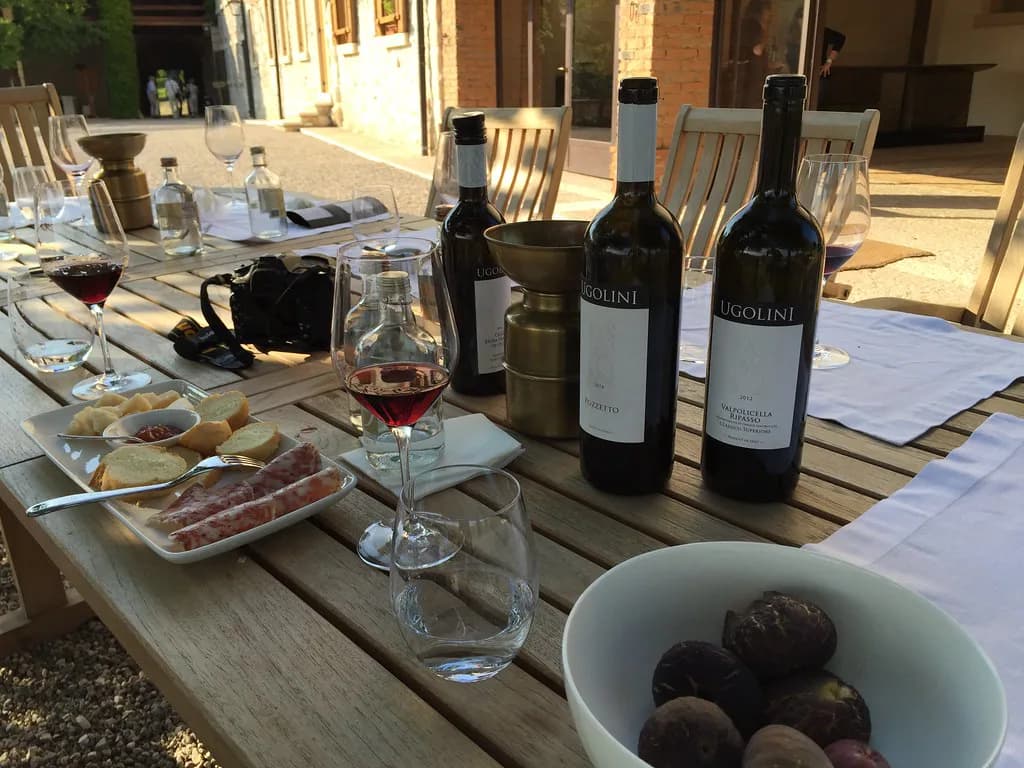
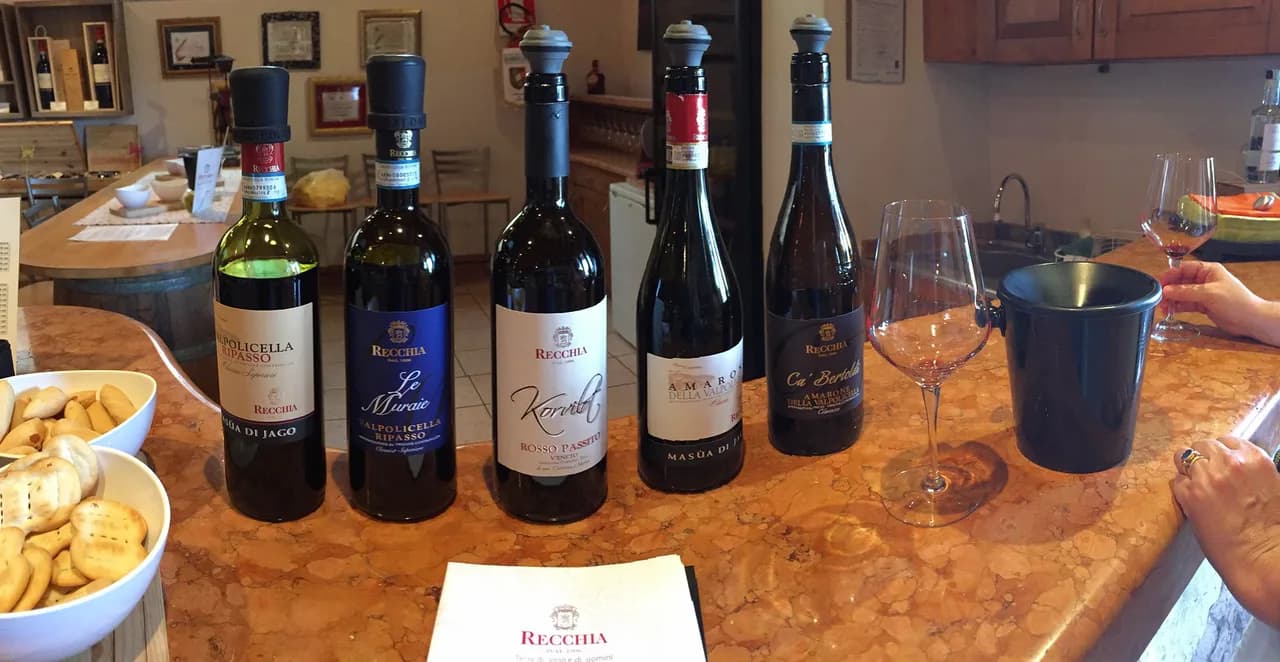
Amarone della Valpolicella is the headline wine: a dry, full-bodied red made from grapes dried for months before fermentation. The blend is built mainly on Corvina with Corvinone and Rondinella, and the wine holds DOCG status, which it gained in 2010 after decades as a DOC. Valpolicella and Valpolicella Superiore are the lighter, fresher reds from the same varieties, while Ripasso is made by re-fermenting a base wine on the skins left over from Amarone, giving more depth without Amarone's weight.
Recioto della Valpolicella is the sweet, concentrated red from the same dried grapes, historically the wine from which Amarone developed. Beyond the reds, Soave is the white appellation to the east, built on Garganega, and Bardolino is the lighter red from the Lake Garda shore. Tasting one flight that moves from Valpolicella through Ripasso to Amarone teaches you more about the appassimento method than three separate Amarone glasses.
Valpolicella Classica Geography and Subzones
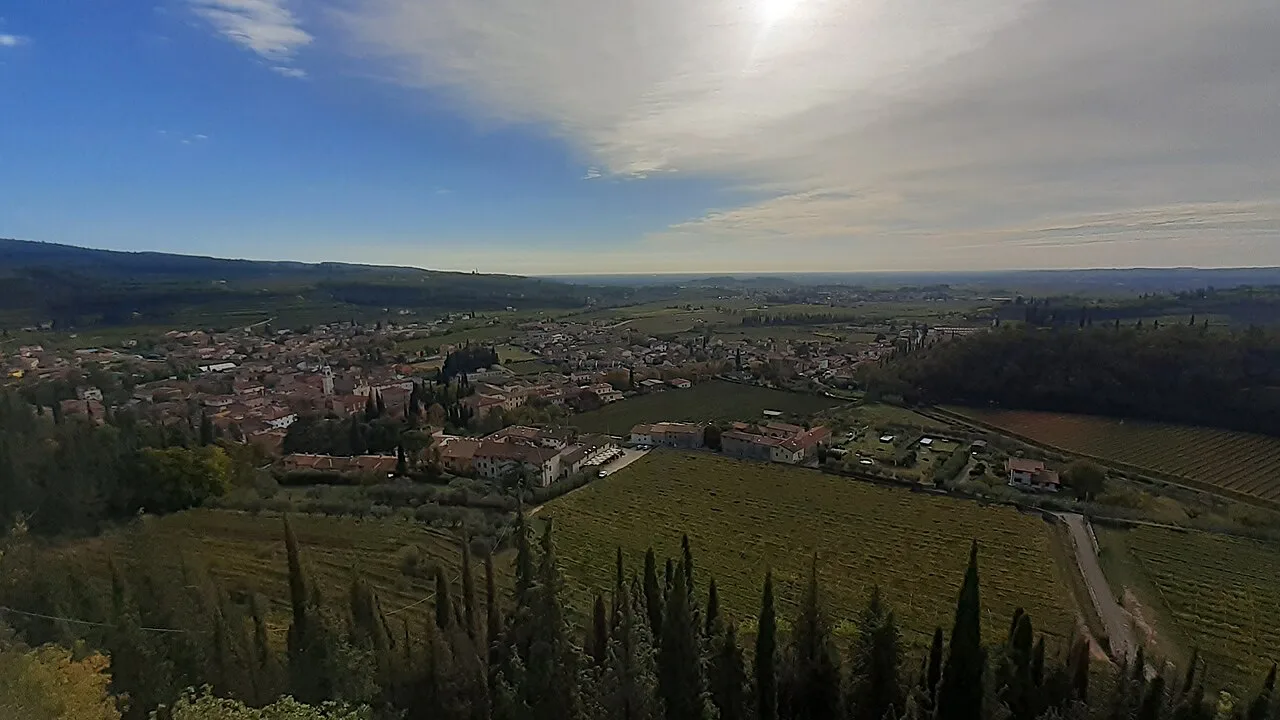
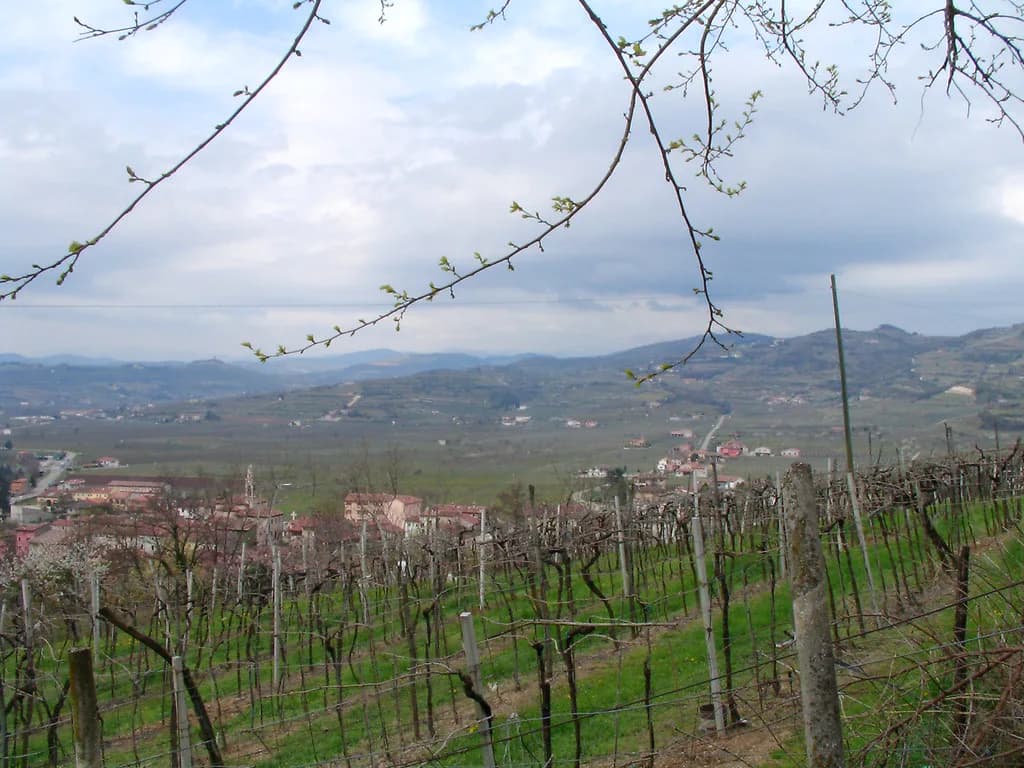
Valpolicella Classica is the historic heart of the denomination and covers five municipalities: Fumane, Marano, Negrar, San Pietro in Cariano and Sant'Ambrogio. Wineries in these villages sit close together, so a loop built around two or three of them is realistic in a half-day. That is where you will find most of the estates that receive visitors and the deepest concentration of cellar tours.
Two more subzones matter when you plan. Eastern Valpolicella stretches toward Soave, with more varied soils and altitudes, and Valpantena sits between the two with cooler conditions and rockier ground. Producers work across all three, but the Classica villages remain the simplest target for a first visit because the driving distances between estates are short.
Tasting at Tenuta Santa Maria in Arbizzano di Negrar
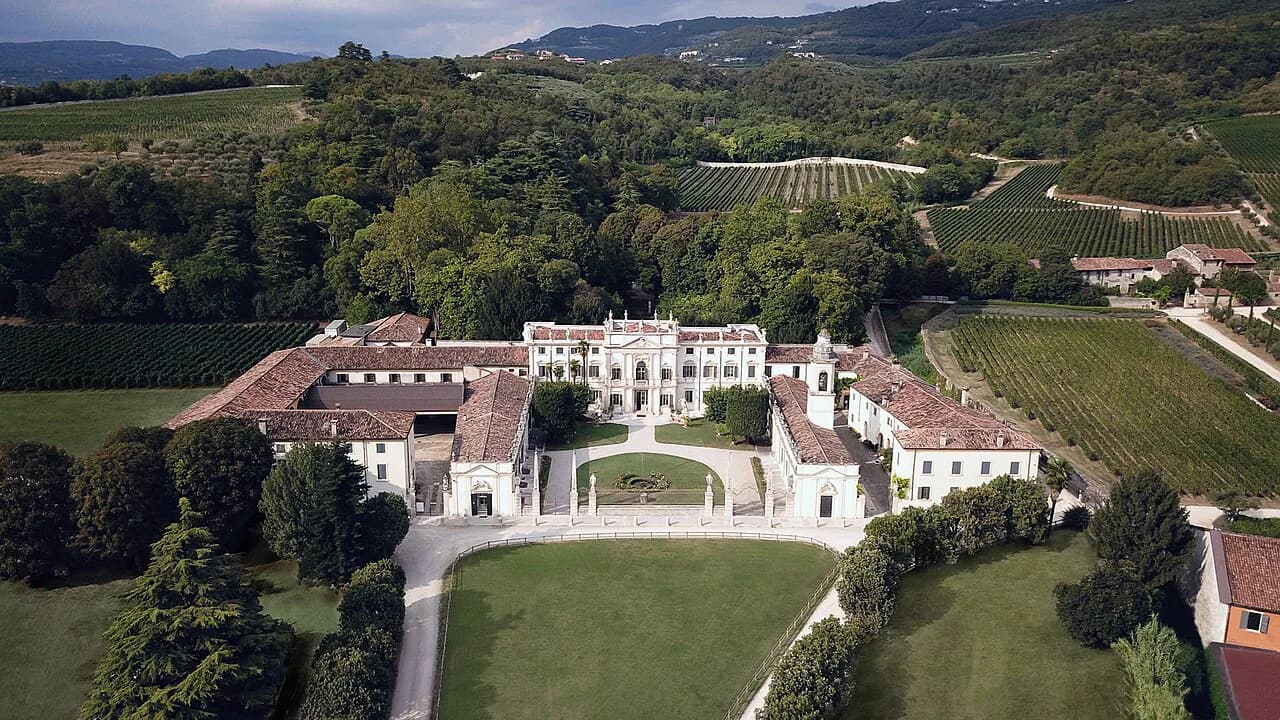
Tenuta Santa Maria di Gaetano Bertani occupies a 17th-century villa at Località Novare 1 in Arbizzano di Negrar, a short drive north of central Verona. Every guided visit covers the villa, gardens, historic brolo vineyard, aging cellars and fruttai, then finishes with a guided tasting of four or six estate wines including Amarone; private versions add curated local salumi and cheese. Tours run in English and Italian.
Published timings give an early start and an early finish: tours and tastings run 10:30 AM to 4:00 PM, with departures Monday to Friday at 10:30, 2 and 4, Saturdays adding a 3 PM slot, and Sundays back to 10:30, 2 and 4. The wine shop opens daily 9:30 AM to 6:00 PM. Advance booking is recommended, and seasonal hours can shift outside the main season.
You can reserve through the tours and tastings page, by phone at +39 351 4395473, or by email at booking@tenutasantamaria.wine. Private experiences with curated pairings of local cured meats and cheeses are available for travelers who want a longer, more intimate visit than the standard group tour.
Sparici Landini in Sona: Vineyard Walk and Three Wines
Sparici Landini sits in the morainic hills at Sona, west of Verona toward Lake Garda, where the estate runs an easy one-hour experience combining a roughly one-kilometer walk among olive trees, cypresses and vines with a showroom visit and a seated tasting. The tasting pours three wines, typically a sparkling, a white or red, and a red such as Amarone for groups larger than four, with breadsticks and water. The site describes the venue as wheelchair accessible and dog-friendly with prior notice.
The activity is advertised from 30 euros per person, can be booked every day of the year, and is confirmed once a minimum of six participants is reached. Booking runs through the activity page, with the exact meeting point released after confirmation. Note the Amarone pour condition published for this estate: it applies only to groups of more than four people.
A City Alternative: Guided Walk with Enoteca Tastings
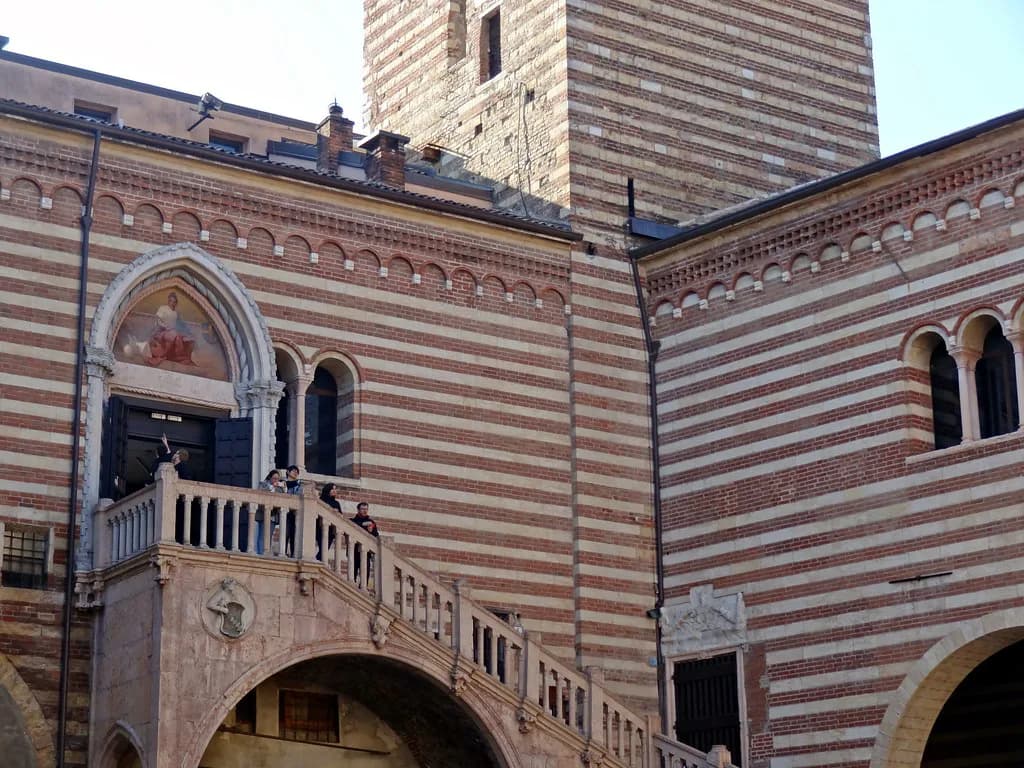
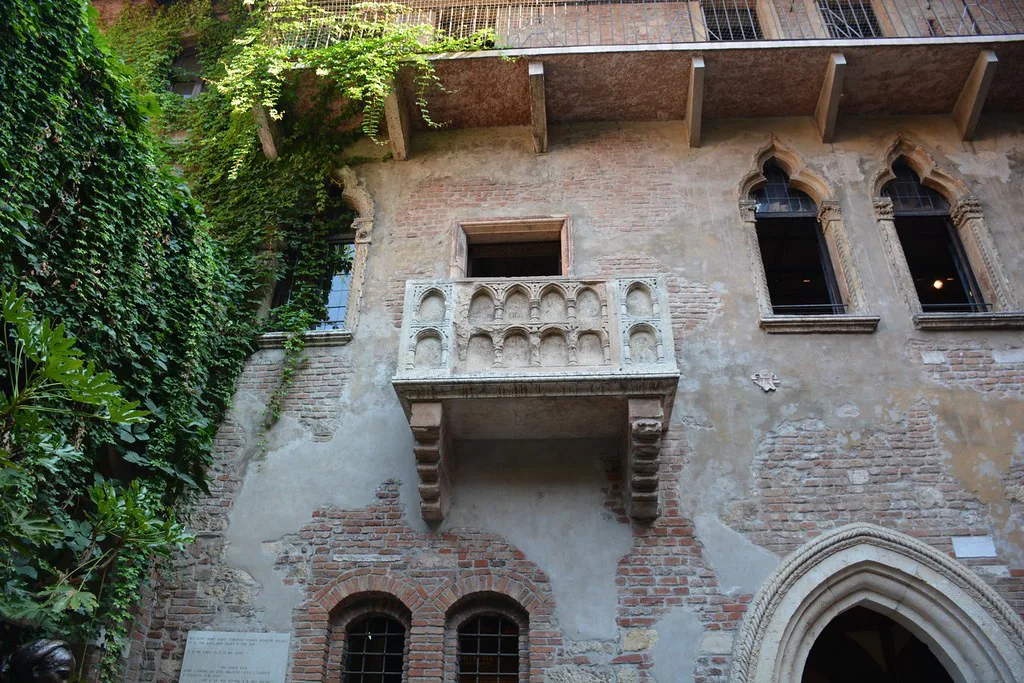
If you would rather not leave the city, Amarone Tours runs a walking format of about two hours pairing the Arena, Juliet's house, the Scala mausoleums and Piazza Erbe with one or two tastings in a wine bar, osteria or restaurant. A licensed guide leads, the group stays small because bars cannot absorb large parties, and the route can be tailored around a specific wine shop or dish.
Pickup can be arranged at the train station, the tourist information office or a hotel inside the city, with outside-the-city pickup on request. The tour price is quoted on request rather than published, so email info@amaronetours.it or call +39 389 9835 269 with your dates and party size to get a figure before you commit.
What a Tasting Typically Costs Near Verona
As a working budget, plan on a standard tasting in the Verona area landing somewhere in the 20 to 50 euro band per person, covering Amarone plus other Valpolicella wines, with more exclusive formats featuring older vintages, food pairings or private guiding pushing past 100 euros. These bands come from general guidance published by Verona-area wineries rather than a fixed tariff, so treat them as a planning range and confirm the exact figure for the visit you choose.
Booking Culture: Appointments, Minimums and Languages
Most visitable estates in the Verona area work on advance booking rather than drop-in tastings, because tours run at set times and the fruttai and cellars are working spaces. When you write, state your date, preferred tour slot, party size, whether anyone needs a non-alcoholic alternative, and any food allergies. Ask which languages the tour runs in and whether the tasting includes a cellar walk or is seated only.
Minimum party sizes are a real constraint, not a formality: the Sona walk-and-taste, for example, is confirmed at six participants, and smaller parties may be folded in with others. If you are traveling as a couple and want the Amarone pour at that estate, note the rule that it applies only to groups of more than four and ask whether you can join a larger slot. Booking calendars on winery sites usually show live availability faster than email does.
Getting to the Vineyards Without Driving
The independent route gives you freedom over timing and lets you linger in a village, but it means arranging transport between estates and watching the clock. An organized Verona wine tours format removes that logistics and often bundles two or three producers into one day, at the cost of less flexibility and a fixed itinerary. Weigh how many wineries you actually want against how much you value not thinking about parking.
Harvest and Seasonal Timing
Drying rooms are the reason autumn rewards a cellar visit: the bunches laid on racks for three to four months before fermentation are what separate Amarone from the lighter Valpolicella reds. If seeing that stage matters, ask when you book whether the fruttai will be in use during your dates. Popular harvest weekends fill early, so book well ahead for late September and October.
Eating and Drinking Around the Tasting
Veronese cooking is built for these wines. Risotto all'Amarone uses the wine as an ingredient and appears on many menus, and braised meats, horse or donkey stew, boiled meat with pearà sauce, Monte Veronese cheese and soppressa salami with polenta all pair naturally with Amarone and Ripasso. For lighter Valpolicella and Soave, look to antipasti, freshwater fish from Lake Garda and vegetable dishes.
The city's osterie are the relaxed option for an evening glass, and they typically pour beyond Verona into other Italian regions, with snacks to match. For a focused list of addresses worth building an evening around, see our guide to a Verona wine bar. If you are in town during the industry fair, Vinitaly turns the city into a wine professional's meeting point and changes the pace of bars and restaurants.
Practical Tasting-Day Notes
Eat before you taste, use the spittoons that every tasting room provides, and keep water on hand between flights. If one person in your group is driving, they should not taste at all, which usually means booking a tour, a taxi or a driver for the day. Verona's train and bus network covers the city well, but the winery villages reward a planned vehicle rather than improvisation.
Plan Your Visit
Confirm current hours, tour slots and prices directly with the winery when you reserve, especially around harvest and during the drying period. Sort out your transport before you commit to a tasting, so nobody at the table has to choose between the glass and the keys.
More wine guides from Verona
- Allegrini Winery in Fumane
- Masi Winery
- Pieropan Winery
- Quintarelli Winery
- Vinitaly in Verona
- Visiting Tommasi Winery in Valpolicella from Verona
- Bertani Winery Near Verona
- Inama Winery near Verona
- Lake Garda Wineries
- Valpolicella Wine Tour from Verona
- Verona Wine Tours
- Wineries Near Verona
- Zenato Winery
- Soave Wine Tasting from Verona
- Verona Wine Bars
- Corte Sant'Alda
- Le Ragose in Arbizzano di Negrar
- Speri Winery in Valpolicella Classico
- Agriturismo Near Verona
Frequently Asked Questions
Where can I taste Amarone near Verona?
Two visitable options stand out. Tenuta Santa Maria in Arbizzano di Negrar includes Amarone in every guided tasting, which covers four or six estate wines after a tour of the villa, gardens, brolo, cellars and fruttai. Sparici Landini in Sona pours a glass of Amarone within its three-wine tasting for groups of more than four people. Both require booking in advance, and the winery's own site is the place to confirm slots.
Do you need to book wine tastings in Valpolicella in advance?
Yes, in practice. Most estates run tours at fixed times and recommend advance booking, and some activities are only confirmed once a minimum number of participants is reached. Use the winery's booking calendar rather than turning up at the gate, and state your date, party size and preferred time slot in the request.
How much does a wine tasting in Verona cost?
Standard tastings with Amarone and other Valpolicella wines sit in a mid-range band, while private tours, older vintages and food pairings cost considerably more. Each winery publishes or quotes its own rate, so ask for the current price list when you book and compare it with the tour inclusions.
Can I visit Valpolicella wineries without a car?
It is possible but awkward. The villages of Valpolicella Classica are a short drive from central Verona rather than a walk, and local buses do not stop at most winery gates. A taxi, a pre-booked driver or an organized tour is the realistic way to cover two or three estates in a day, and it lets everyone in the party taste.
Is a Verona city wine tour worth it compared with a cellar visit?
They answer different questions. A city tour covers the Arena, Juliet's house, Piazza Erbe and the Scala mausoleums in about two hours with one or two bar or osteria tastings, which suits short trips and travelers who want the historic center. A cellar visit gives you the vineyards, the drying rooms and a structured tasting of four or more wines, but it takes a half-day and requires transport.
When is the best time of year to visit Valpolicella?
Autumn, from September to November, is when harvest and the start of the appassimento fill the drying rooms, and wineries are at their liveliest. Spring is the other strong window, with mild temperatures and vines in leaf. Summer suits Garda and city tasting, while winter visits depend on individual estates' reduced schedules.
Sources
Notes for your next wine trip
Optional updates to our winery and wine-town guides.
You might also like
Continue reading
More guides you'll find useful