Pieropan Winery Visits from Verona: Soave Tasting Guide
Plan a Pieropan winery visit from Verona: the hillside Soave visitor center, Calvarino and La Rocca wines, appointment booking, and getting there car-free.
On this page
Pieropan is the name most travelers connect with Soave before they know anything else about the appellation. The family has made wine since 1880, and the current generation runs a working estate whose visitor center sits on a hillside just outside the walled town of Soave, a short trip from Verona. This guide covers the wines worth knowing, how the visit is organized, and how to get there without driving.
Why Pieropan anchors a Soave day from Verona
Soave Classico is a white wine district built on Garganega, and Pieropan is one of the estates that shaped how the world understands it. The winery was founded in 1880 by Dr Leonildo Pieropan, a surgeon who left medicine for viticulture, and it remained family-run through the generations. For a traveler based in Verona, it gives a focused introduction to the zone without requiring a full day of driving.
If you are still deciding how to divide your time, treat Verona as a base for more than one wine district. The city sits within reach of both Soave to the east and the red-wine country of Valpolicella Classica to the northwest, so a Pieropan visit can be one day in a broader plan of wine tasting in verona. Our companion guide to wineries near verona helps you see the wider map before you commit to a route. If you are comparing a northern Italy wine trip, the Bologna wine guide shows how another city's appellation, the Colli Bolognesi, structures its tastings.
Where the winery is: hillside visitor center vs. the old cellar in town
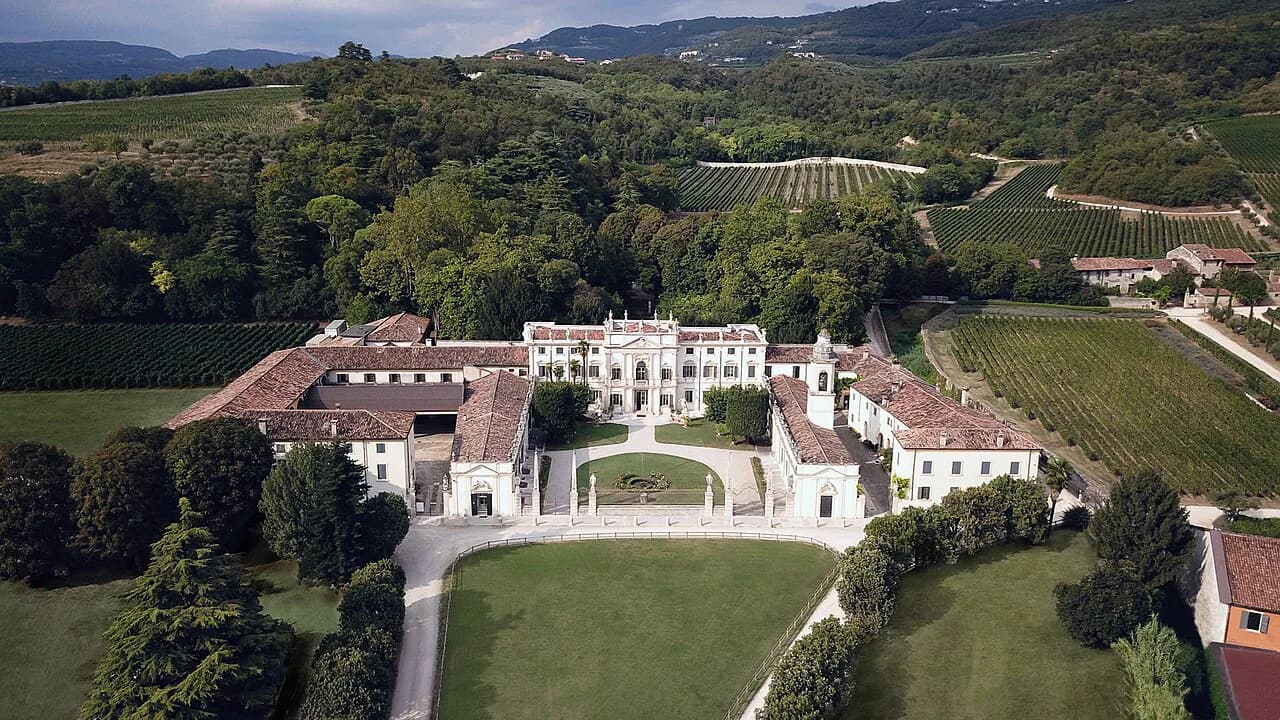
The first thing to sort out is which Pieropan address you are visiting. The modern winery and visitor center, named Cantina Leonildo Pieropan, opened officially in April 2022 on a hillside close to the family's vineyards and looks out toward the medieval walls of Soave. The old family cellar in the center of town remains the family home and the place where grapes are dried for Amarone. Directions to one are not directions to the other, so confirm the meeting point on the winery's visits and experiences page before you set out.
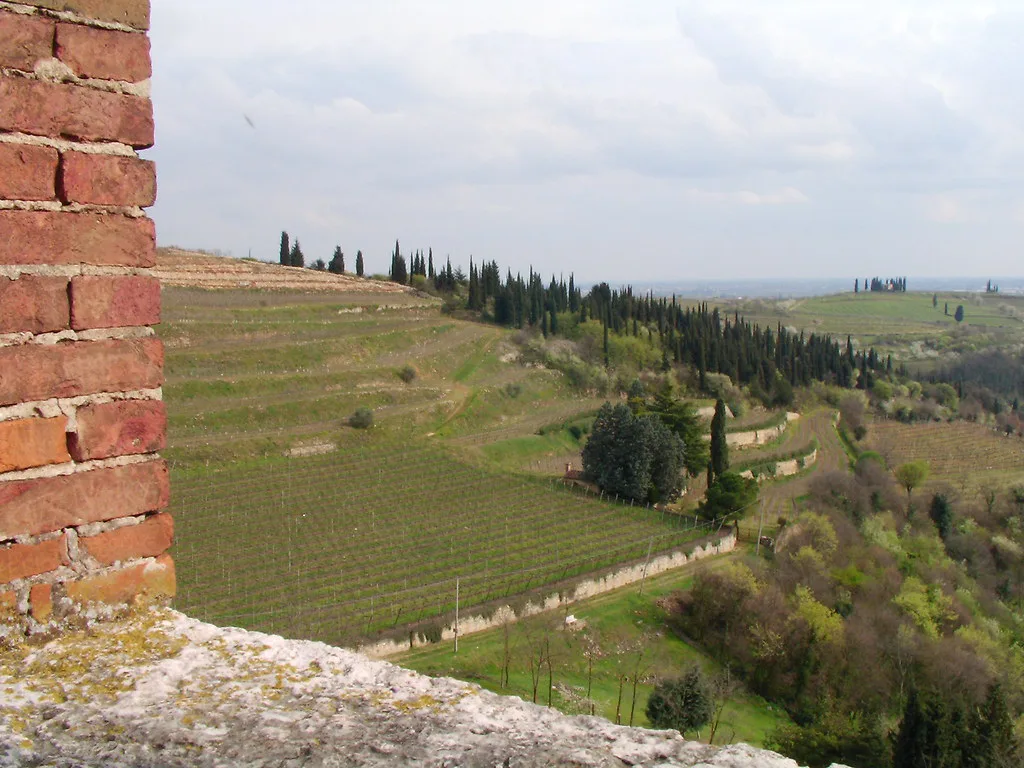
The building itself is deliberately understated: mostly set into the slope, with local stone and brass on the façade and a green roof planted with vines. For a visitor, that means the approach can feel like a working estate rather than a showpiece. Read the winery's own site for contact details and the current visit options: Pieropan lists its visits and experiences, a wine club, and an adjoining Wine Relais for guests who want to stay overnight near the vineyards.
The town of Soave is the natural anchor for the rest of the day. Its walled center is compact, with the castle and the old Pieropan family properties woven into the streets. After a visit to the hillside cantina, coming back into town gives you a second, more urban perspective on the same wine district, and it is where you will find other tasting rooms if you want to compare producers.
The wines to know before you book: Soave Classico, Calvarino and La Rocca
Pieropan's entry Soave Classico is the place to start. It is made from Garganega, the white grape that defines the appellation, and the estate describes it as an aperitif-style wine suited to the start of a meal. Tasting it first gives you a baseline for the two single-vineyard wines that follow, and it is the bottle most widely available back in Verona.
Calvarino was the family's first vineyard parcel, a terraced site with volcanic soils, and the wine is made mainly from Garganega with a share of Trebbiano di Soave. It is fermented and aged in cement rather than oak, which keeps the focus on freshness and mineral character. The 1971 Calvarino was the region's first single-vineyard wine made only from native grapes and aged before release, so tasting it is also a lesson in Soave's modern history.
La Rocca comes from a different site, on the southern slopes of Monte Rocchetta near the castle of Soave, where limestone-rich soils give a richer expression of Garganega. It is fermented and aged in oak, a technique the estate introduced to the region with the 1978 vintage, and the result is a fuller-bodied white. If you only have room for one premium tasting, choosing between Calvarino and La Rocca is really a choice between a cement-aged, mineral style and an oak-aged, broader one.
Pieropan also makes Amarone, the Veneto red produced from grapes dried before fermentation. The estate dries its grapes in the traditional way, on bamboo crates in the open air at the old family cellar in Soave, which links the town center to the red-wine side of the portfolio. Amarone is a different grape and a different appellation from Soave Classico, so ask whether a red is included in the visit you are booking.
What the visit actually is, and how to read the options
Pieropan publishes a 'Visite ed esperienze' section on its website, and that is the page to read before you book, because the format is set by the estate rather than by an outside tour company. The site also lists the adjoining Wine Relais, useful if you want to stay near the vineyards rather than return to Verona the same evening. Look at what each option includes, since the winery site is where the current menu of experiences and any published prices appear at the time of writing.
The estate is a working family winery, and it does not advertise its visitor center or work with tour operations, so visits tend to come through word of mouth or direct inquiry. That makes the booking step more important than at a heavily marketed cellar door: you are arranging a visit with the estate itself, not redeeming a voucher from a reseller. Expect the visit to be organized around the production side of the business rather than a fixed show.
When you write or call, ask three practical questions: which site the visit starts at, whether the tasting includes the single-vineyard wines Calvarino and La Rocca, and whether a cellar walk-through is part of the format. Ask about duration and group size at the same time, since a family estate may schedule visits around work in the cellar. The winery's contact details, including its email address and phone number, are published on its site.
Booking: appointment culture at a family estate
Treat a Pieropan visit as an appointment rather than a walk-in. The estate's own site is the starting point for visits and experiences, and the contact page gives you the email and phone number to use when you inquire. If you are traveling in a small group, say so in the first message and ask whether the party size suits the visit you want. For a wider comparison of how Verona-area cellars handle bookings, our guide to wineries near Verona covers the appointment culture across the district.
The Wine Relais attached to the estate is worth considering if you want to pair the visit with an overnight stay in the vineyards. Staying locally removes the pressure of catching a return train and lets you spread tastings across an afternoon. Check availability and terms directly with the estate through the contacts published on its site.
Arriving from Verona without a car
Soave sits east of Verona and is served by rail and bus connections, so the trip is feasible without driving. The last stretch from the station or bus stop to the hillside winery is the part to plan: it is outside the town center, and the walk is not the same as arriving in the walled town. Before you travel, use the current timetables from the train and bus operators and confirm the meeting point with the estate, because the exact connection and the final approach change with the season.
The simplest car-free pattern is a train or bus to Soave, a walk or short taxi ride to the winery for your appointment, then a return to the town center for the afternoon. Build in slack for the last leg rather than cutting it close to your slot. If you are traveling with someone who wants to taste, agree in advance who is driving or choose public transport so nobody is behind the wheel after a glass.
If you would rather hand over the logistics, Verona wine tours vary in how much they focus on Soave versus Valpolicella, so read the itinerary before booking. A guided format can solve the last-mile problem, while an independent trip gives you more flexibility to linger in Soave. Weigh the two against how much time you want in the town itself.
Independent visit vs. guided tour: the trade-offs
Going independently suits travelers who want to set their own pace and spend time in Soave's walled center between appointments. The trade-off is that you handle the train or bus connection and the final stretch to the hillside winery yourself, and you need to book directly with the estate. A guided wine tour removes those logistics, but it usually fixes the schedule and may combine several producers in one day.
A middle path works well for many visitors: book the Pieropan visit directly, then use a local taxi or a pre-arranged transfer for the last leg from Soave to the winery. That keeps control of the tasting while avoiding an uncertain walk at the end of the day. Either way, the decision comes down to how much you value flexibility versus a fully arranged itinerary.
Pairing the visit with the walled town of Soave and other tasting rooms
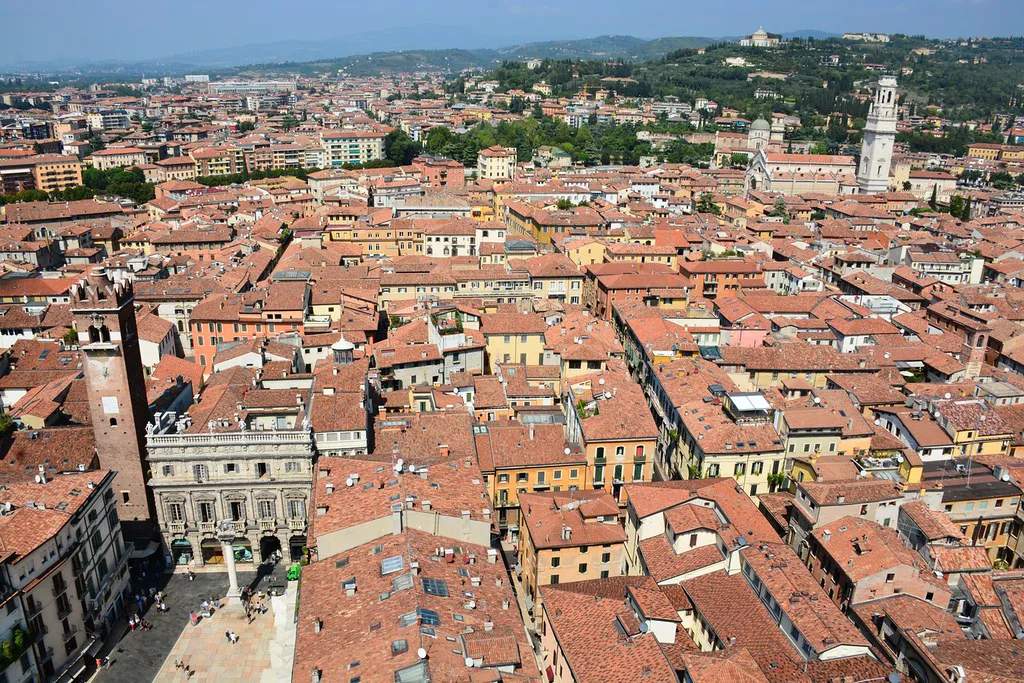
Soave's medieval center is small enough to walk in an hour, and it gives context to the wines you have just tasted: the castle, the old family cellar, and the surrounding vineyards all sit within a short distance. Build in time for a meal in town after your appointment, and use the afternoon to visit one more tasting room if you want a second perspective on Soave Classico. The town is also a pleasant place to end the day before the return to Verona.
If your trip has more than one wine day, keep the Soave visit distinct from a Valpolicella day. The two districts make different wines from different grapes and reward separate visits. For a contrast, consider a stop at a Valpolicella producer such as the Allegrini winery on another day, and use the Verona wine bar scene for evening tastings back in the city.
What to ask when you book, and when to go across the seasons
When you contact the estate, ask which wines are poured, whether a cellar tour is included, and how long the visit lasts; these are the details that vary between formats and seasons. Ask too whether the visit happens at the hillside cantina or in the old cellar in town, since the two are different places. If you have mobility concerns, mention them when booking so the estate can advise on the approach.
Soave's harvest typically falls in the late summer and early autumn, and the estate also dries grapes in the old cellar for Amarone in the weeks after picking. That makes autumn a lively time to visit, though the working calendar can affect which experiences are available. Spring and early summer are quieter, and the vineyards around the visitor center are at their most visible on the hillside.
Plan Your Visit
Pieropan rewards a little preparation: choose your wines before you go, book directly with the estate, and decide early whether you will stay in Soave or return to Verona the same day. Read the winery's visits and experiences page for the current formats, then build the rest of the day around the walled town. Confirm the meeting point and timing with the estate once your plan is set, and leave the driving to the train, a taxi or a guide so everyone in your party can taste safely.
Frequently Asked Questions
Can you visit Pieropan winery near Verona?
Yes. The estate publishes a visits and experiences section on its website and receives guests by arrangement. Visits are booked directly with the winery rather than through tour operators, so use the contact details on its site to inquire.
Where is the Pieropan winery in Soave?
The modern Cantina Leonildo Pieropan visitor center opened in April 2022 on a hillside outside the medieval town of Soave, close to the family vineyards. The old family cellar in the town center remains the family home and the grape-drying site. Directions to one are not directions to the other, so confirm the meeting point when you book.
What is the difference between Pieropan Calvarino and La Rocca?
Calvarino is made mainly from Garganega with some Trebbiano di Soave and is fermented and aged in cement, giving a fresher, mineral style. La Rocca is pure Garganega from a limestone-rich site near Monte Rocchetta and is fermented and aged in oak, producing a fuller-bodied white.
Do you need an appointment to taste at Pieropan?
Treat it as an appointment rather than a walk-in. The estate is a working family winery with a published visits program, so contact it in advance through the details on its site and ask which site the visit starts at, what is poured and how long it lasts.
How do you get to Soave from Verona without a car?
Soave is served by rail and bus connections from Verona; the last stretch to the hillside winery is the part to plan. Check current timetables and the meeting point with the estate, since the final approach lies outside the town center.
What grapes go into Pieropan Soave Classico?
Soave Classico is built on Garganega, the white grape that defines the appellation. Pieropan's single-vineyard Calvarino adds a share of Trebbiano di Soave, while La Rocca is made entirely from Garganega.
Sources
Notes for your next wine trip
Optional updates to our winery and wine-town guides.
You might also like
Continue reading
More guides you'll find useful