Quintarelli Winery: Plan a Verona Visit to Valpolicella
Quintarelli is Valpolicella's most storied estate, but a visit is not a walk-in. Here's what the sources confirm and how to plan a day around it.
On this page
Quintarelli is the name that comes up first when Valpolicella drinkers talk about the region's traditional style. The family's winemaking goes back to 1906 with Silvio Quintarelli, and it was Giuseppe, known as il Maestro del Veneto, who turned the estate into one of Italy's most coveted addresses before his death in 2012. His daughter, son-in-law and grandsons now run it.
That reputation shapes a visit. Quintarelli is a small family property in Negrar di Valpolicella, not a visitor-center operation, and the practical question for travelers is less which wines to taste than how to secure a place at the table. Plan the rest of your Verona wine tasting around a confirmed appointment rather than the other way round.
Why Quintarelli Matters Before You Book
Quintarelli built its name on patience rather than volume. The estate farms eleven hectares and produces only around 60,000 bottles a year, with fruit hand-sorted, dried for months and aged far longer than the appellation requires. That ratio of scarcity to demand explains why the wines are allocated rather than stacked on shelves, and why the estate has little incentive to run high-traffic tastings.
For a visitor, the takeaway is simple: treat Quintarelli as the anchor of a day, not a stop you add on impulse. If your dates are fixed and the estate cannot host you, the wider district still rewards the trip, and the wineries near Verona roundup gives you substitute options in the same valleys.
Where Quintarelli Sits in the Classico Zone
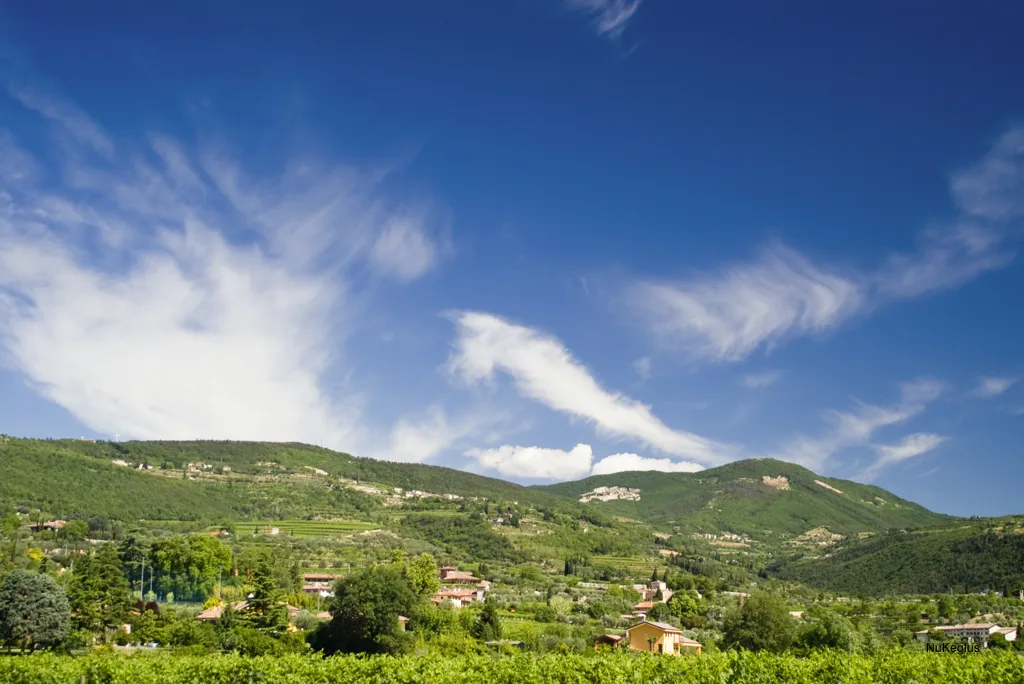
The estate is in Negrar di Valpolicella, one of the villages of the Valpolicella Classico zone that lies northwest of Verona, toward the foothills below the Lessini mountains. Negrar sits roughly in the middle of the Classico belt, with Sant'Ambrogio and Fumane to the north and the classic trio of Marano, Negrar and Pedemonte forming the southern core. Distances between villages are short on a map but slow on the winding valley roads.
Practically, this means grouping. If you are coming from central Verona, Negrar is the natural first or last stop of the day depending on whether your appointment is morning or afternoon, and you should not try to bolt on a second cluster of villages across the valley in the same hour. Build the day around one appointment and one relaxed second stop rather than three rushed ones.
The Wines to Know Before You Go
Valpolicella's reds rest on Corvina, Corvinone and Rondinella, and Quintarelli also grows international varieties such as Cabernet Franc, Merlot and Syrah on Guyot-trained vines while keeping the traditional pergola for the local grapes. Amarone della Valpolicella is the flagship: grapes are dried for months before fermentation, giving a concentrated, high-alcohol wine that can carry a touch of residual sugar. Recioto is the sweet counterpart, made from the shoulders of the clusters that ripen first.
Two labels puzzle newcomers. Rosso del Bepe follows an Amarone-like method but adds Cabernet Sauvignon, Cabernet Franc, Nebbiolo, Sangiovese and Croatina to the blend, while Alzero drops the local grapes entirely for a Bordeaux-style mix of Cabernet Franc, Cabernet Sauvignon and Merlot. The estate also declassifies wine it could label Amarone in weaker vintages, so a bottle's appellation tells you less about quality here than at most houses.
How Visiting Actually Works
Small, allocation-driven estates in Valpolicella generally receive visitors by arrangement rather than during fixed drop-in hours, and Quintarelli fits that pattern: a working family cellar, not a hospitality complex. With no standing public tasting schedule, the practical route is to contact the estate directly, state your dates and party size, and ask what is currently possible.
When you write, ask the questions that decide the day: whether a visit is available at all in your window, how many people the cellar can take, whether the tasting includes a walk through the drying rooms, and which languages the host works in. Harvest and drying season, roughly September into early winter, is when the cellar team is busiest, so book earlier if you are traveling then. Weekday mornings are generally easier to arrange than weekends.
What a Tasting Has Covered
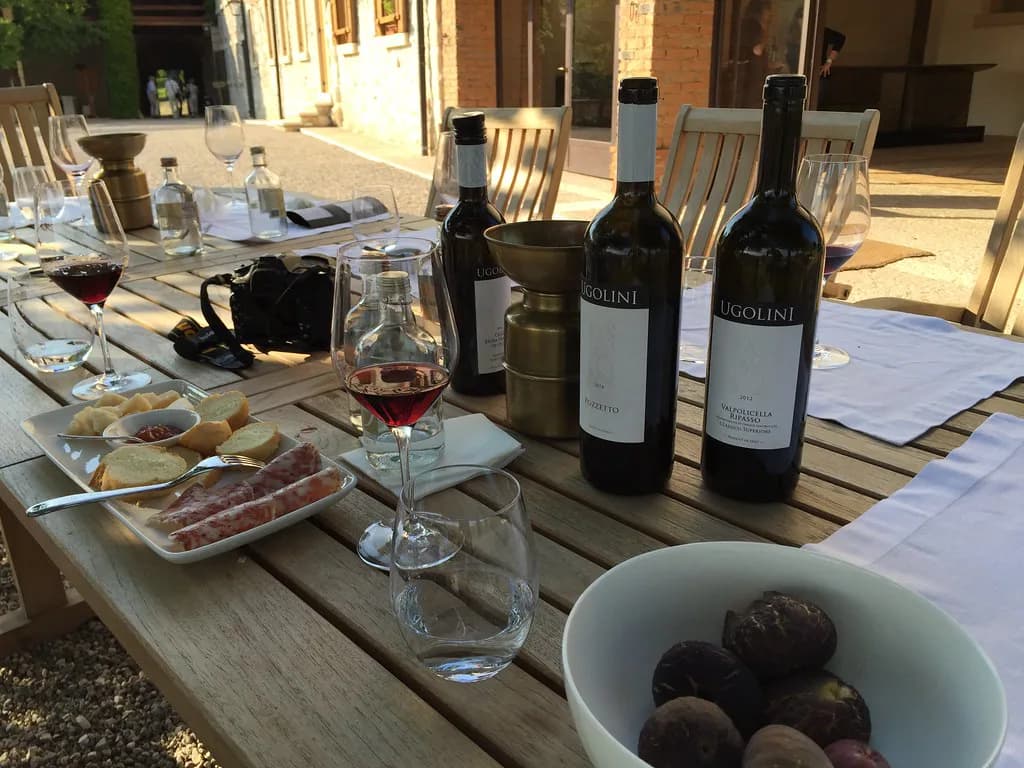
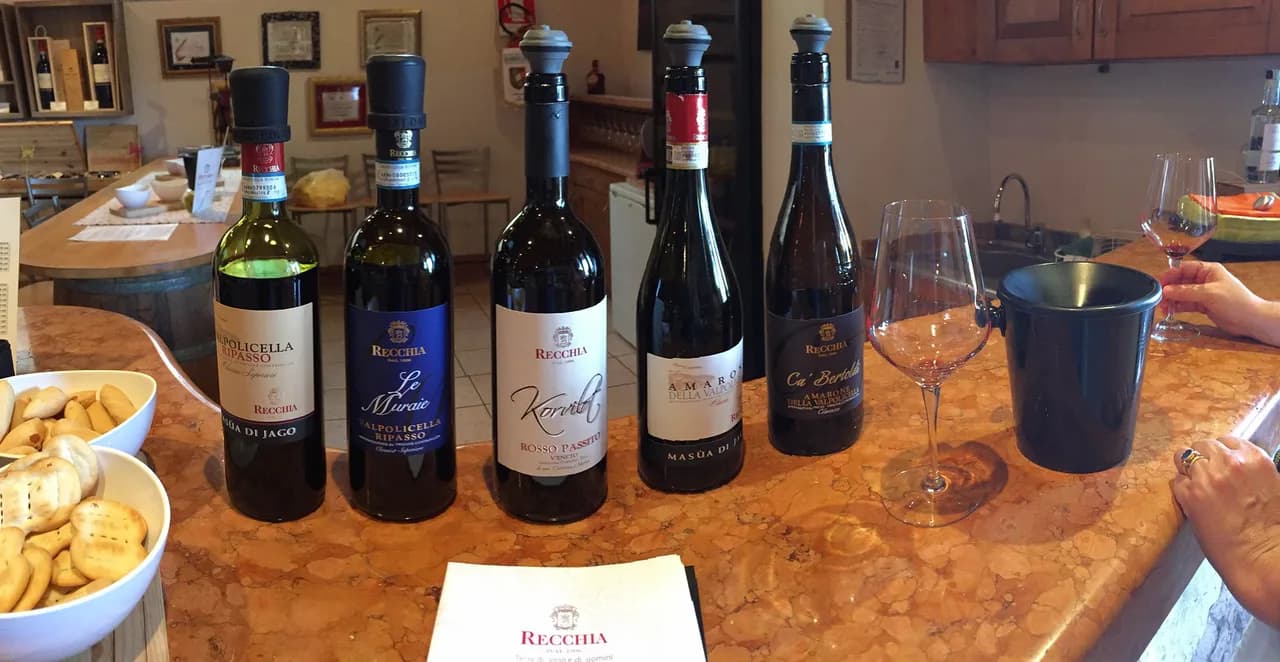
Published visitor accounts of Quintarelli are few, which itself tells you something about how the estate operates. One documented tasting ran through six wines, starting with Primofiore, the youngest and most accessible bottling, and finishing with Recioto, effectively a dessert wine. That arc is the most useful template: expect a progression from the fresher end of the range toward the concentrated Amarone styles.
Do not count on a set menu, a fixed duration or a published per-person fee. Those details vary with the arrangement you make, so ask about the format and any charge when you book rather than budgeting from secondhand reports. If the estate is fully committed, a guided tasting in the wider district covers much of the same ground on shorter notice.
If you want the format comparison before committing, Verona wine tours set out how organized tastings in the Classico zone are typically structured, which helps you judge whether a self-arranged appointment suits you better.
The Cellar and the Property
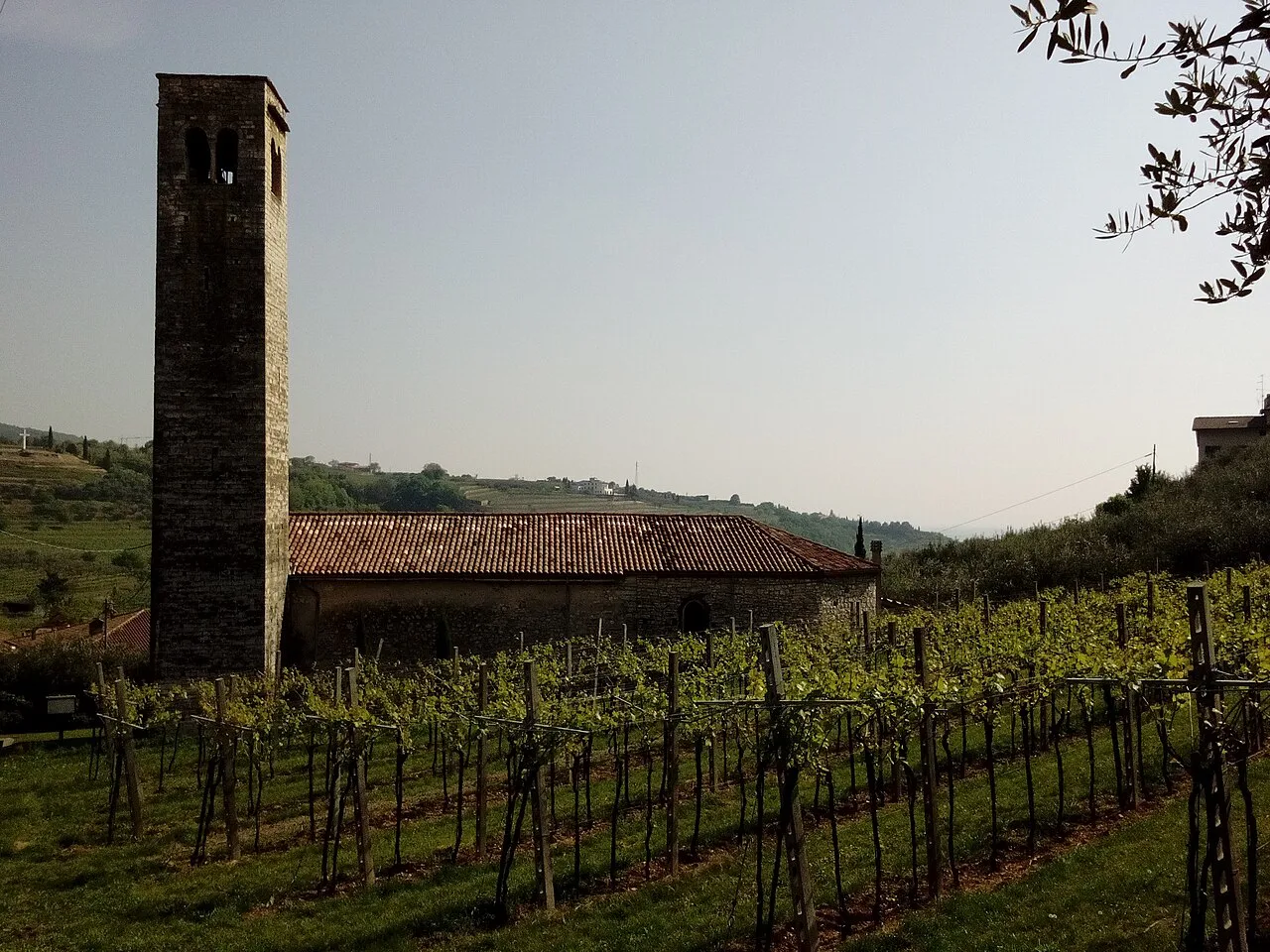
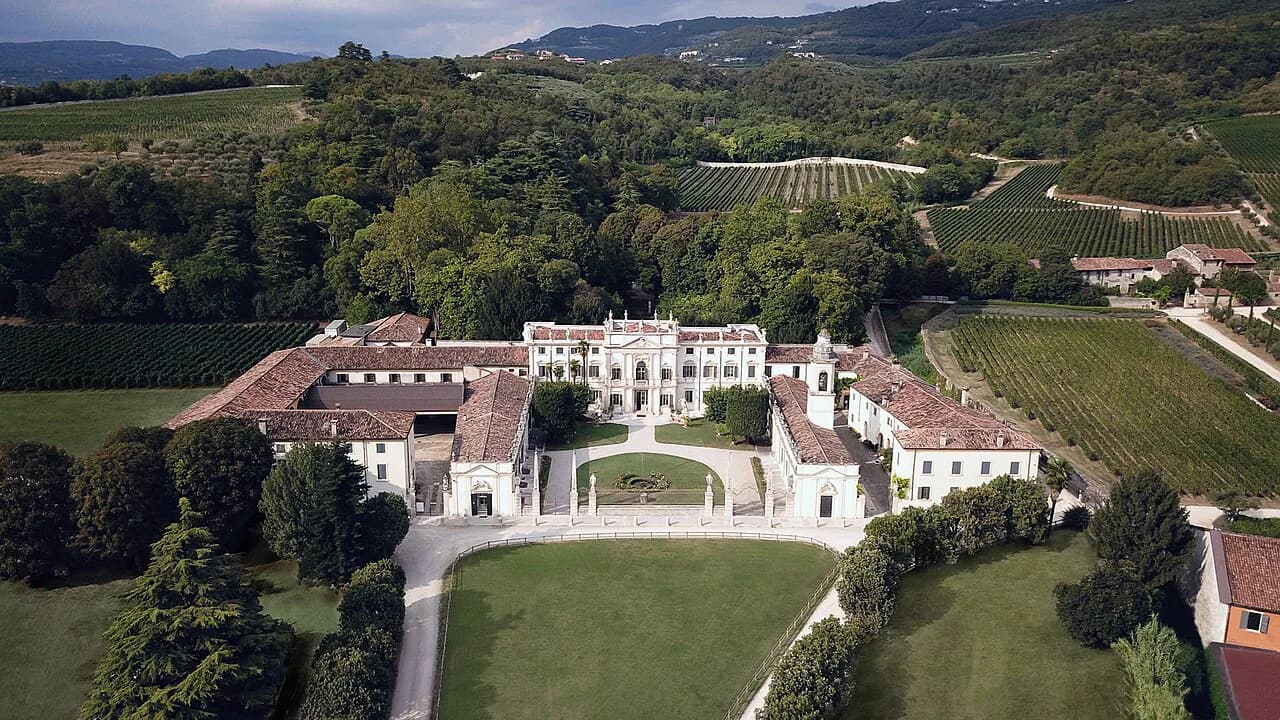
Visitors describe an estate that looks like a family home rather than a château, with a cellar modernized to show the winery's history while keeping its modest character. That is part of the appeal: the drying rooms, the large oak casks and the hand-written labels are the sights, not a brand experience. The old pergola-trained vineyards, including rare white Saorin alongside the red varieties, sit around the property.
Because it is a working cellar, expect a short, focused visit rather than a long tour with tasting rooms and shops. The hand-written label on each bottle is worth looking for, since it is the last stage of a process that includes months of drying and years in cask. Photography rules, accessibility and how much of the production area you see are all worth raising when you confirm your slot.
Getting There from Verona Without a Car
Negrar and the neighboring Classico villages sit a short drive northwest of Verona, and local bus services connect the city with the Valpolicella towns, though routes and timetables change seasonally and should be checked against the bus company's own timetable for your dates. Trains serve the wider Verona area rather than the village centers, so rail alone will not drop you at the estate gate. A taxi from Verona is the most direct option but the least flexible for a multi-stop day.
Cycling is realistic for confident riders on the valley floor but punishing on the climbs between villages, and the roads carry local traffic. The cleanest car-free plan combines a bus to Negrar with a pre-arranged taxi for the final stretch and the return, especially if your appointment falls in the late afternoon when services thin out. Whoever is driving should not taste: use the spittoons, appoint a designated driver, or book a tour or public transport instead.
Independent Trip vs. Guided Tour
Going independently gives you control over timing and lets you linger at the estate if the conversation runs long, but it puts the transport problem, the booking and the map-reading on you. A guided tour removes the logistics and the driving question entirely and often bundles two or three cellar visits, at the cost of less time at any single stop and a schedule you do not set. For a first visit with a hard-to-get appointment, the tour is the lower-risk choice.
A middle path works well: secure the Quintarelli slot yourself, then join a small-group tour for the rest of the day or use a tour operator only for transfers. If you plan to finish with a glass in Verona, a wine bar in the center is an easier end point than driving back out to the valleys.
Grouping Your Day in the Classico Villages
Treat Negrar as the center of a compact loop rather than a single point. Sant'Ambrogio, Fumane and Marano di Valpolicella are all within a short drive and each has estates that receive visitors by appointment, so two bookings in one morning or one afternoon is realistic if you leave travel time on the winding roads. Larger, more visitor-facing houses such as the Allegrini winery in Fumane make a useful contrast to a small family cellar. If you want to repeat the same appointment-first approach elsewhere, wine tasting in Turin applies the same logic to Piedmont's cellars.
Keep the day short enough to enjoy it. A morning appointment, a long lunch in a village trattoria and one afternoon stop is a fuller experience than four rushed tastings, and it leaves room for the unplanned detour to a viewpoint over the vineyards. If your dates fall at harvest, accept that some estates will be too busy to host and build in a backup.
Plan Your Visit
Quintarelli rewards planning more than improvisation. Decide your dates, contact the estate early with a clear party size and a flexible window, and treat that confirmed appointment as the fixed point around which the rest of the Valpolicella day is built. The wines are scarce, the property is small, and the visit is correspondingly personal.
Arrange transport before you commit to a time, whether that is a bus plus taxi, a bike, or a tour that handles the driving, and let the non-drinker in your group enjoy the day without a glass. With the appointment and the ride settled, the rest of the trip is simply a matter of which villages to add and how long to linger.
Frequently Asked Questions
Can you visit Quintarelli winery?
The estate is a small working family cellar in Negrar di Valpolicella and does not publish a standing public tasting schedule, so visits depend on what the family can accommodate on your dates. Contact the estate directly through its own contact details, or ask the Verona tourist office, and treat a confirmed reply as the only reliable signal that a visit is possible.
Where is Quintarelli located near Verona?
It is in Negrar di Valpolicella, in the Valpolicella Classico zone northwest of Verona. The village sits among the core Classico comuni, with Sant'Ambrogio and Fumane to the north and Marano and Pedemonte nearby, all connected by winding valley roads that make short distances take longer than they look on a map.
What wines does Quintarelli produce?
The range centers on Amarone della Valpolicella, made from grapes dried for months before fermentation, and the sweet Recioto della Valpolicella. Also notable are Primofiore, the freshest red; Rosso del Bepe, an Amarone-style blend that adds international and other Italian varieties; and Alzero, a Cabernet Franc, Cabernet Sauvignon and Merlot blend made in a similar dried-grape fashion.
How do you book a tasting at Quintarelli?
Approach the estate directly by the contact details published on its own site or through the local tourist office, and include your dates, a flexible time window, party size and any language needs in the first message. Ask whether a visit is possible at all, what it includes and whether there is a charge, since no fixed public offer is posted.
How do you get to Valpolicella from Verona without a car?
Local buses link Verona with the Valpolicella villages. Trains do not serve the village centers, so most car-free visitors combine a bus to Negrar with a pre-booked taxi for the last stretch and the return, or join an organized tour. Check current timetables for your dates.
Is a guided Valpolicella tour better than going independently?
A tour removes driving and logistics and usually includes several cellar visits, which suits a first trip or anyone who wants to taste without worrying about the road. Going independently gives you more time at each stop and lets you shape the day, but you handle bookings, buses and taxis yourself.
When is the best time to plan a Quintarelli visit?
Harvest and the drying season, roughly from September into early winter, keep the cellar team at its busiest, so allow more lead time then. Spring and early summer tend to be calmer in the villages, and weekday mornings are generally easier to arrange than weekends whenever you travel.
Sources
Notes for your next wine trip
Optional updates to our winery and wine-town guides.
You might also like
Continue reading
More guides you'll find useful