Wineries Near Verona: Valpolicella, Soave, Bardolino Guide
Plan a wine day from Verona with named cellars and districts in Valpolicella, Soave and Bardolino, plus how to reach each one without driving.
On this page
Verona works as a wine base because the city is wedged between the zones rather than stranded in the middle of one. Valpolicella climbs into the hills northwest of the center, Soave lies east toward Vicenza, and Bardolino hugs the eastern shore of Lake Garda to the west. That geometry means a single day can hold one serious cellar visit plus a village walk, not three districts.
Two cellars in this guide are confirmed to host visitors: Cantina Giovanni Ederle at Agriturismo San Mattia in the Colli Veronesi, and Villabella at Villa Cordevigo in the Bardolino area. Everything else here is district guidance rather than a producer list, because published tasting details vary too much to promise. Use it to choose a direction, then build the day around one appointment.
Quick Orientation: Where the Three Districts Sit
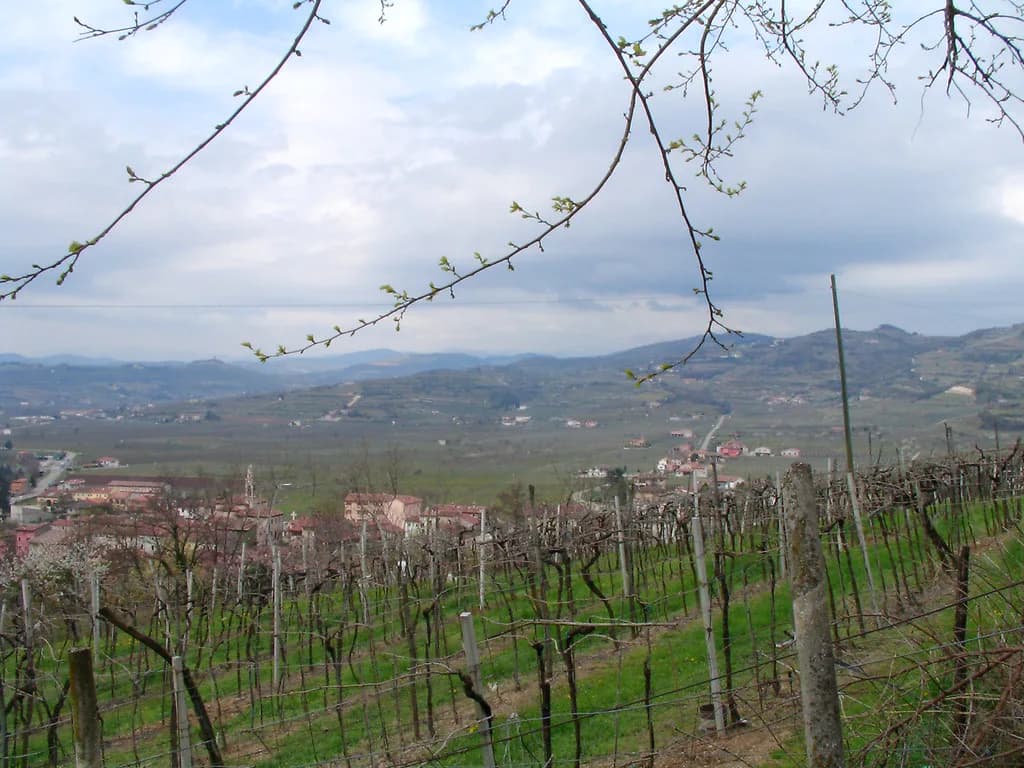
Think of Verona as a hub with three spokes. Valpolicella is the northwest spoke, a hill country of vineyards and stone villages that begins just beyond the city suburbs. Soave is the eastern spoke, anchored by a walled medieval town below its castle. Bardolino is the western spoke, following the lake shore toward Garda and Lazise.
For a short trip, pick the spoke that matches the wine you most want to drink rather than the one that looks closest on a map. Valpolicella rewards a half day because the villages are spread out and visits take time. Soave suits a walking day with one cellar and a long lunch. Bardolino is the natural choice if you are combining wine with the lake.
The closest vineyard to central Verona is not in Valpolicella at all. The Giovanni Ederle estate sits on the Colli Veronesi above the city, close enough that its own site frames the visit as reaching a working farm in ten minutes from Verona. If you have only an afternoon, that geography is decisive.
What Verona's Wines Actually Are
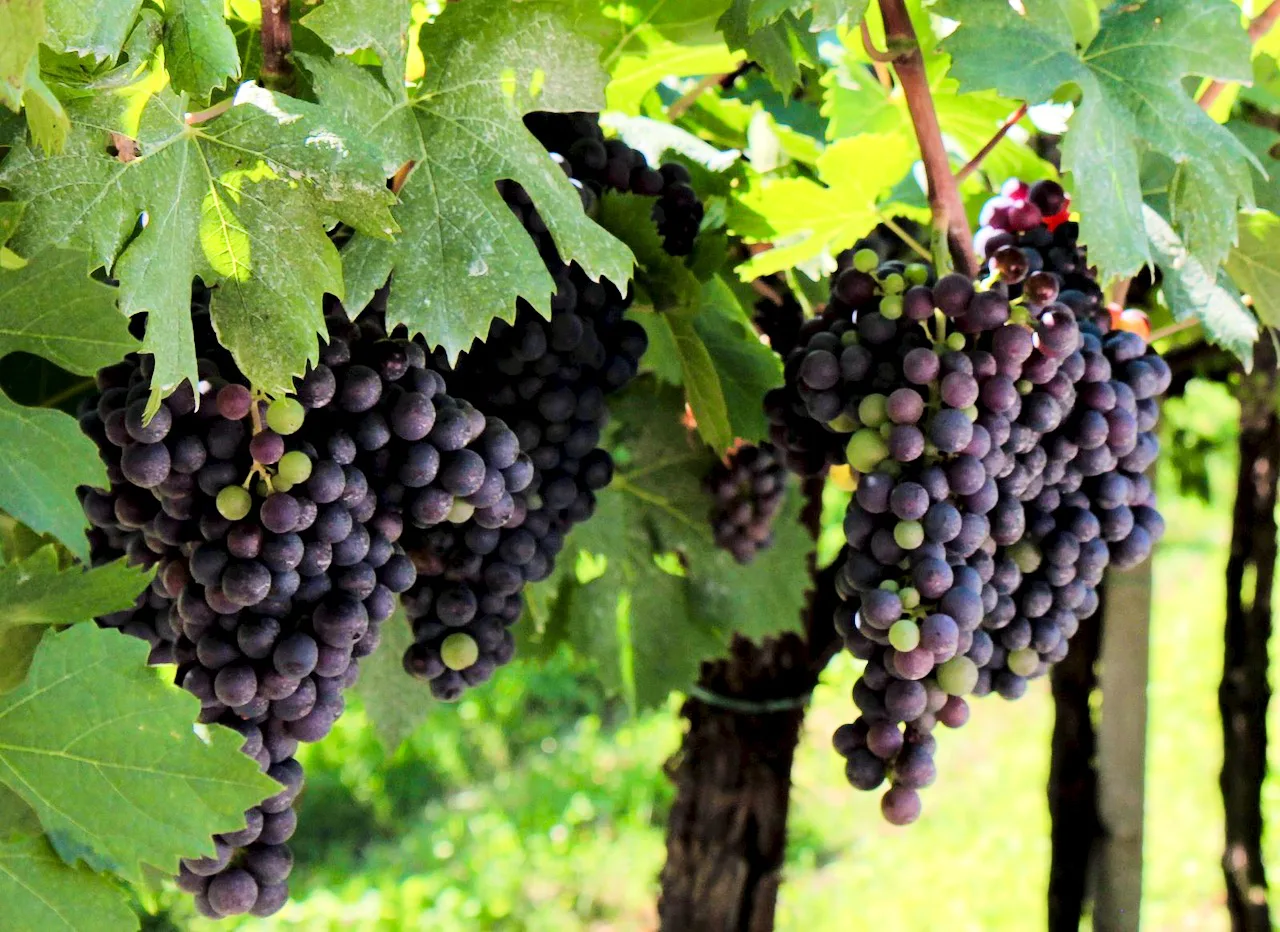
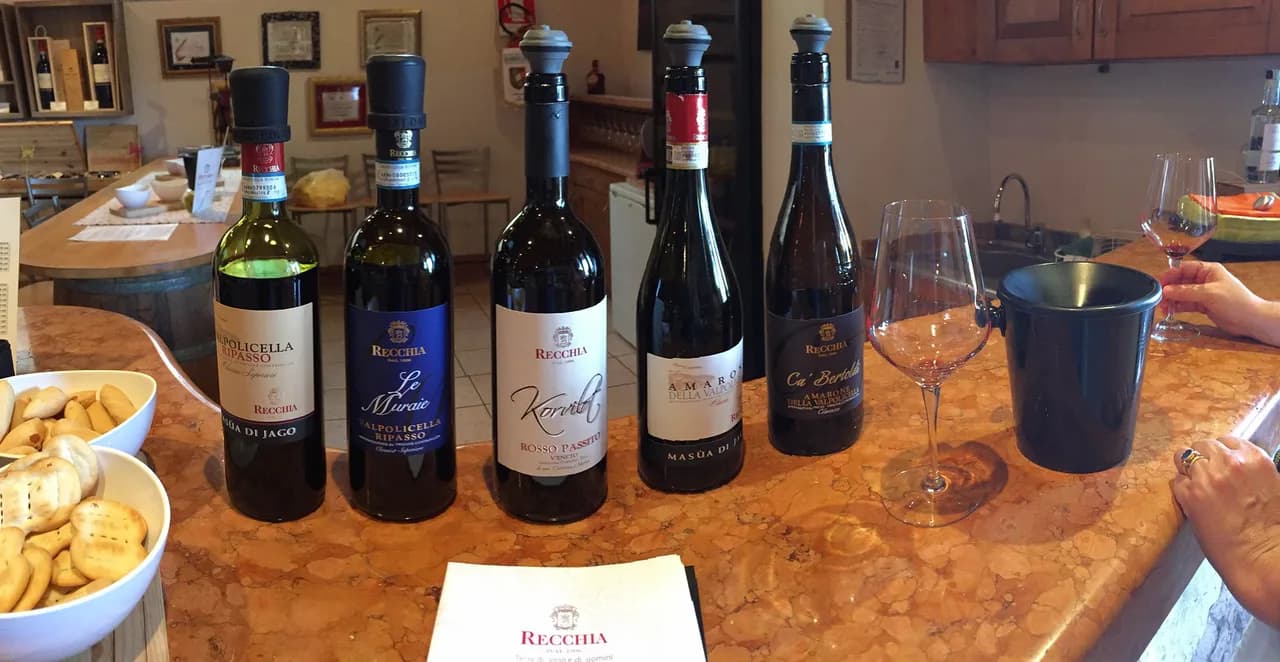
Valpolicella is built on Corvina, usually blended with Corvinone and Rondinella, and the appellation runs in tiers that matter when you book. Base Valpolicella is light and fresh. Valpolicella Ripasso is refermented on the skins left from Amarone, which adds body and color. Amarone della Valpolicella is made from grapes dried before fermentation, giving a rich, high-alcohol red; Recioto della Valpolicella is the sweet version of the same method.
Soave is a white wine zone based on Garganega, grown on volcanic hillsides east of Verona. The style ranges from lean and citrus-driven to fuller bottlings from older vines and hillside sites, and the walled village of Soave itself is the natural anchor for tasting. Ask which vineyards a producer works with, since the difference between a flat-land bottling and a hillside one is the main variable in the glass.
Bardolino is the lake's lighter red, made mostly from Corvina and Rondinella on morainic soils around Lake Garda. It is a different expression from Valpolicella: fresher, intended for earlier drinking, and easy to pair with lake fish and grilled food. Tasting it on the Garda shore is the point, so it earns its own slot in the itinerary rather than serving as a substitute for an Amarone appointment.
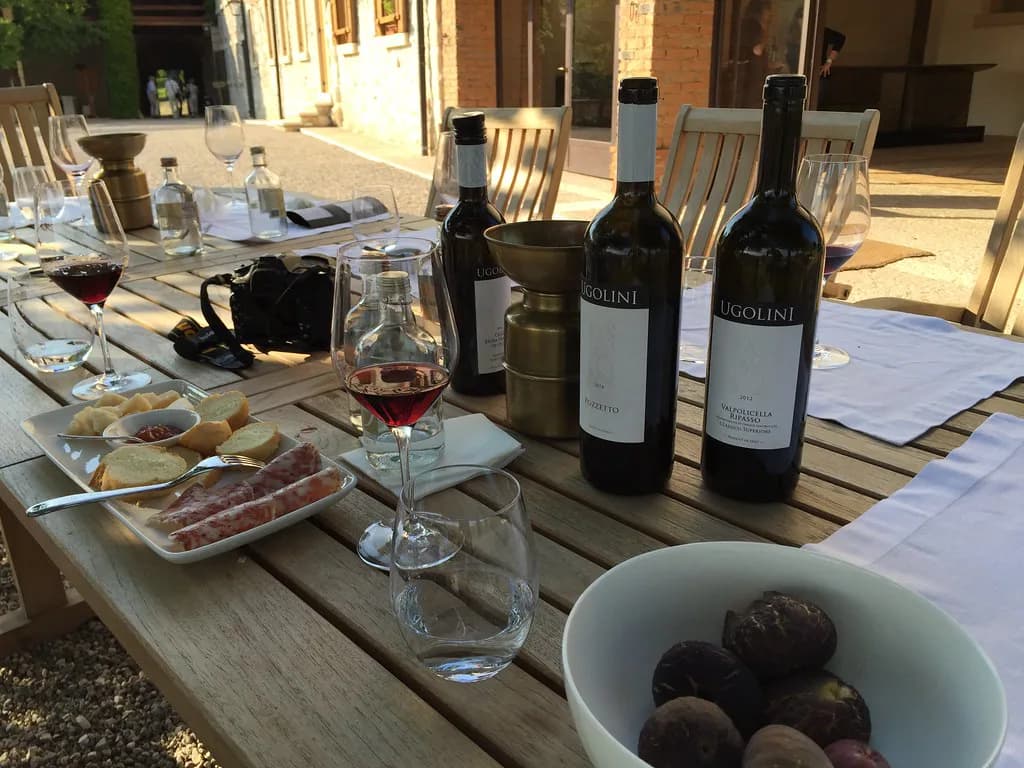
A tasting list at the San Mattia estate gives a sense of the range a Veronese producer can pour: Amarone della Valpolicella, Valpolicella and Valpolicella Superiore, Ripasso, Recioto, and Veronese whites under the Terra Gialla and Donna Francesca labels. The same cellar also offers tastings of its first-pressed extra virgin olive oil from the Veneto Valpolicella designation.
Cantina Giovanni Ederle: The Closest Cellar to Central Verona
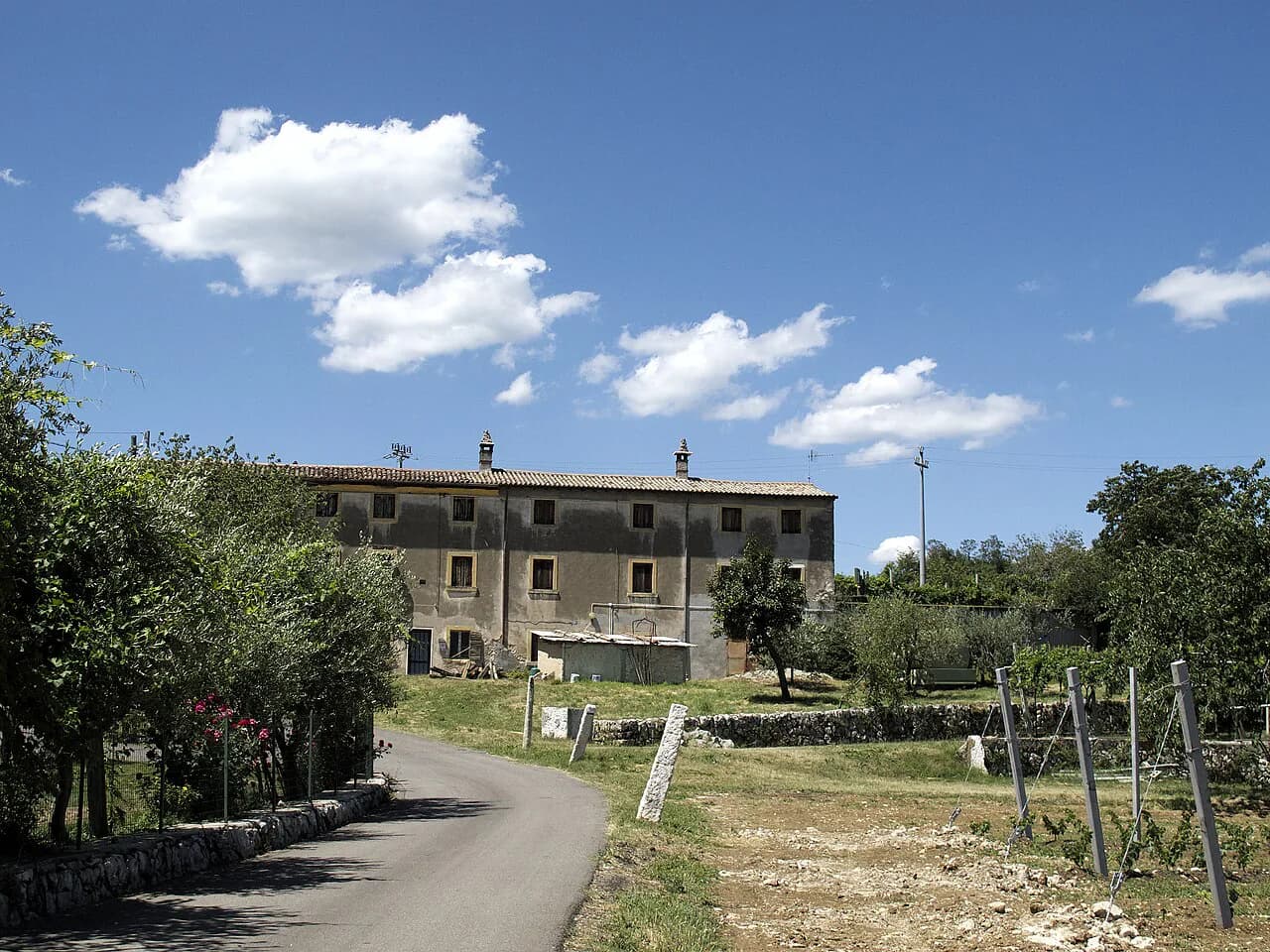
Cantina Giovanni Ederle is the estate of Agriturismo San Mattia, on Via Santa Giuliana in the hills above Verona. The property is a certified organic farm with vineyards, orchards and vegetable gardens, and it sits close to the Arena di Verona side of the city. That makes it the practical option for anyone without a car or with only a spare afternoon.
The visit described on the estate's site runs through the nearest vineyard, the cellar, the farm and the gardens before the tasting itself, which is served at the agriturismo with typical Veronese produce. Wines poured include Amarone della Valpolicella, Valpolicella, Ripasso, Recioto, the Veronese whites and the estate's olive oil. Occasional events combine tastings with cookery courses or jazz and light music on the terrace overlooking the city.
The estate describes its cellar as always open and asks visitors to send a request through the contact form on its tastings page, choosing the tasting category, with phone numbers also published. Party size, duration and any fee are set case by case, so put your date, group size and language in the first message. The site also publishes an activity calendar, which is the place to look for the terrace events.
Valpolicella Classica: Grouping the Villages
The historic heart of Valpolicella is the Classica zone, a cluster of villages northwest of Verona: Negrar, Marano di Valpolicella, Fumane and San Pietro in Cariano. They sit within a few kilometers of each other but on winding hill roads, so one appointment plus one village stop is a realistic half day. Trying to fit four estate visits into an afternoon leaves no time in the cellar.
San Pietro in Cariano is the lower, more commercial gateway to the zone and the easiest village to reach first. Negrar sits deeper in the hills and is associated with the historic heart of Amarone production, while Fumane and Marano spread across higher ground with long views back toward the plain. For a first visit, choose a cellar in one of these villages and let the drive or transfer between them be part of the day.
Book Valpolicella estates ahead and be specific about which tier you want to taste. A base Valpolicella and Ripasso lineup is a shorter, cheaper visit than one built around Amarone and Recioto, because those wines carry more production cost. Saying which wines you want in the request gets you a more useful answer than asking for a generic tasting.
Soave: A Walled Village Made for Walking
Soave the village is the reason to choose this district on a warm day. Its walls, castle and compact center mean you can arrive by bus or train, taste, eat and walk without arranging a driver. The vineyards start immediately outside the walls, climbing the volcanic hills that give the appellation its structure.
Expect Garganega-based whites, still and sometimes sparkling, plus the sweet Recioto di Soave made from dried grapes. A serious tasting will often cover more than one vineyard or vintage so you can see how site and altitude change the wine. Ask in advance whether the visit includes a walk through the vines, since that is where the volcanic soil story becomes concrete.
Because the village is small, one well-chosen cellar plus a wander is a full day here. Producers in and around Soave generally receive visitors by arrangement rather than keeping open doors all afternoon, so a short email or call before you travel is the norm. Weekday visits are easier to arrange than weekends in the countryside.
Bardolino, Lake Garda and Villa Cordevigo
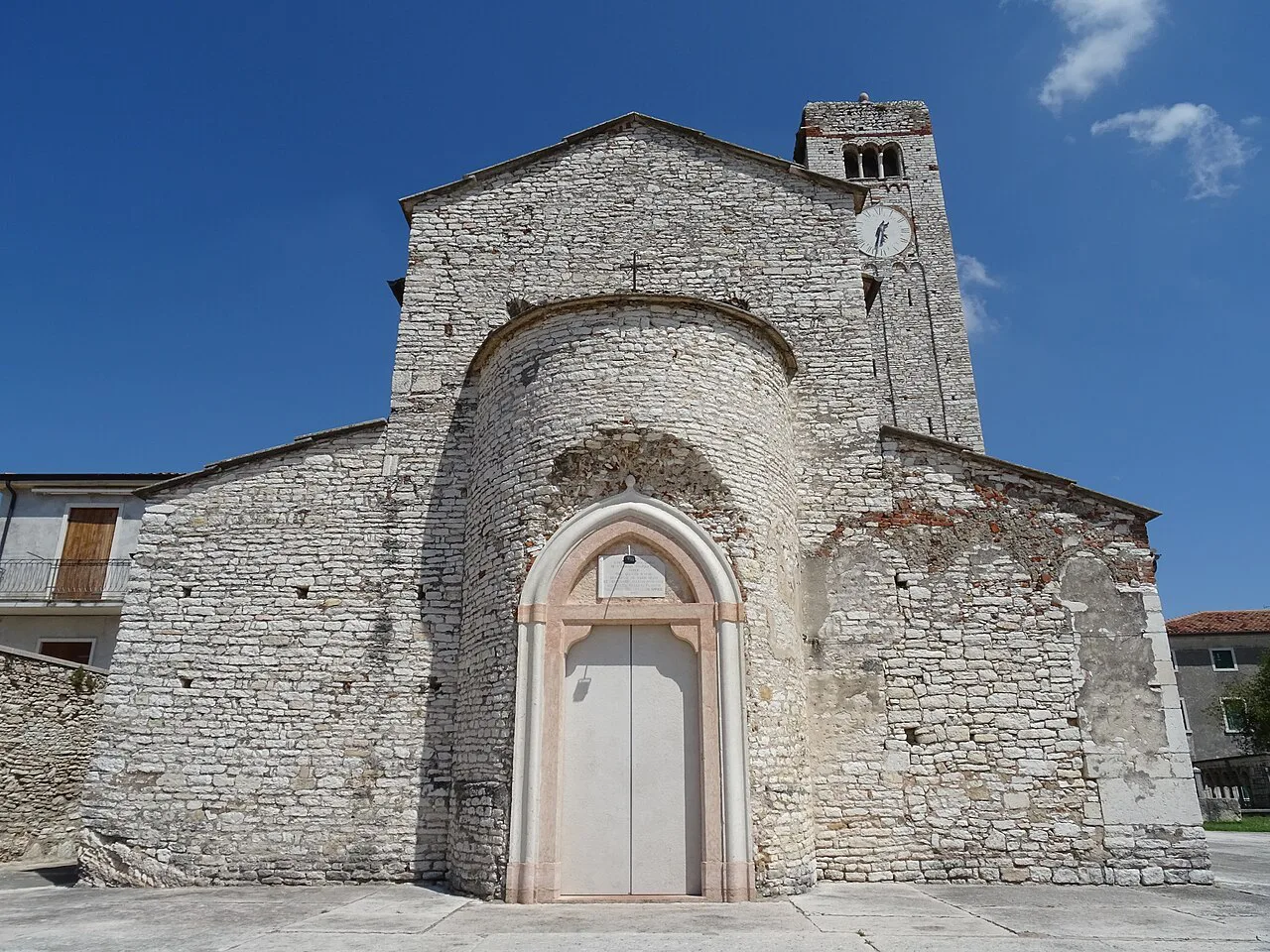
The Bardolino zone runs along the eastern shore of Lake Garda through Bardolino, Garda and Lazise, with vineyards on the morainic slopes behind the waterfront. Wine writer Kevin Day recommends the area as a base for exploring both Valpolicella Classica and Verona, noting it is within easy driving distance of both. That makes it a sensible countryside base rather than only a tasting stop.
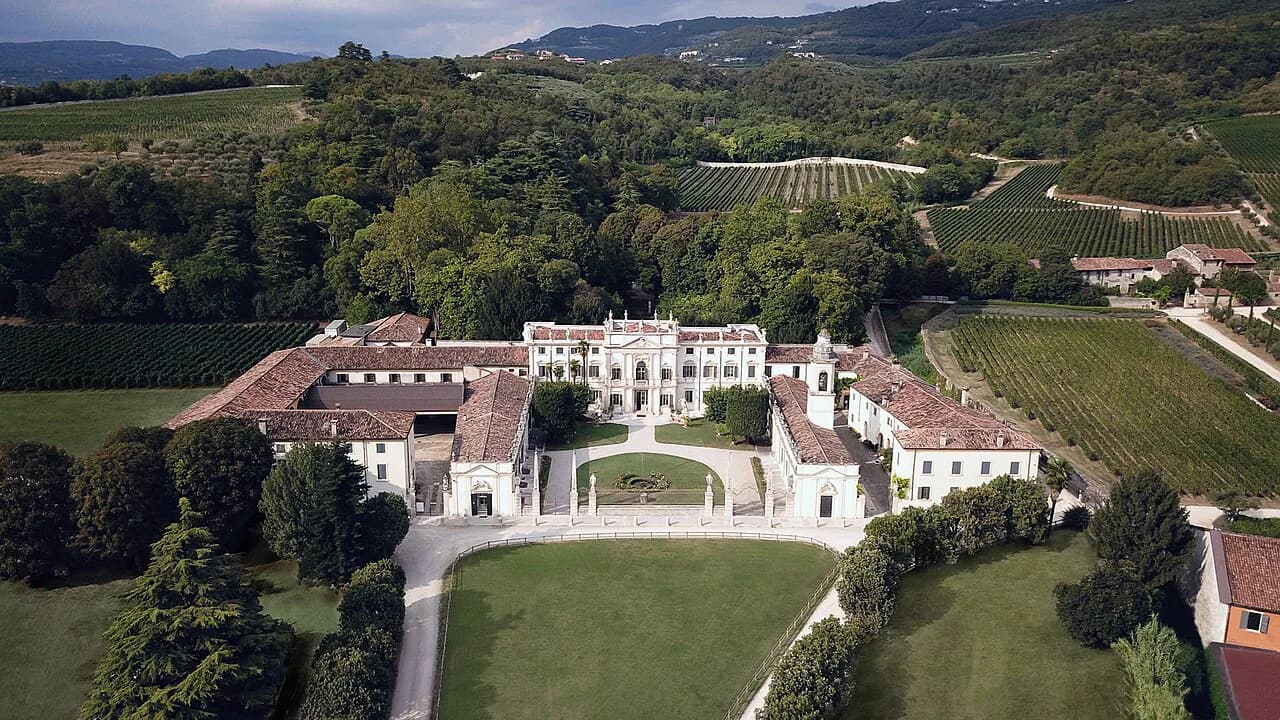
Villa Cordevigo, a small hotel in the Bardolino area reached by a cypress-lined lane, has its own winery, Villabella, and a vineyard guests can walk through beyond the lawn and pool. Day describes the property as a place to decompress, with a terrace overlooking a formal Italian garden and a spa whose Turkish bath is included in the stay. The on-site restaurant, Oseleta, holds a Michelin star and serves in a formal, old-fashioned register.
Treat Villabella as a winery attached to a hotel stay rather than a walk-in tasting room. Day's account covers the grounds and the included Turkish bath rather than a tasting format, so ask the hotel directly what the winery offers guests and whether outside visitors can book. If a formal dinner is the centerpiece of your evening, budget for it separately from the room.
Booking Culture: Appointments, Group Size, Languages
Veronese wine country runs on appointments. Small family estates often have one person handling both cellar and email, so a request sent a week ahead may go unanswered while a request sent a month ahead gets a proper slot. State your date, preferred time window, number of people and whether anyone is not drinking.
The questions that actually decide a booking are few. Ask whether the visit is by appointment only, whether there is a minimum party size, how long the tasting lasts, whether food is included, and what language the host will use. Then ask which wines are poured, so you know whether you are booking a Valpolicella basics visit or an Amarone-focused one.
Email works best for a first approach because you can spell out names and dates, and most estates publish both an address and a phone number. A call is faster if you are already in Verona and want something the next day. Check current prices and dates with the estate once your booking is agreed, and again only if your plans change.
Getting There Without a Car
The San Mattia hill is the easiest target for a car-free day. It sits above the city within reach of a short taxi ride, and its own site frames the estate as a working farm reachable in ten minutes from Verona, which makes a taxi or a lift the sensible plan for a group. Walking up is possible for fit visitors, but the lanes are steep and unlit after dark.
For Valpolicella and Soave, public transport gets you to the towns but rarely to the cellar gate. Local buses and trains serve the main villages and Soave has its own station, yet the estates sit up side roads where services thin out in the evening. Plan on a taxi from the village for the last stretch, and book the return in advance because rural taxis are scarce after tasting hours.
A guided tour solves the transport problem outright by collecting you in Verona and driving between estates. Compare Verona wine tours on the number of stops, the district covered and whether the price includes tastings and lunch. One tour with two or three visits generally beats trying to chain three rural buses on a single day.
Going Independent vs. Taking a Tour
An independent day gives you control of the clock. You can linger over an Amarone tasting, add a walk through a village, or leave early if the weather turns. The trade-off is logistics: you handle bus schedules, taxi bookings and the gap between villages, and you absorb the cost of each leg separately.
A tour buys time and removes the driving question, which matters if nobody in the party wants to stay sober. Against that, tours set the pace, choose the producers and often run on fixed departure days. Read the itinerary closely to see which cellars are included and whether the tasting fee is inside the headline price.
A middle path suits most travelers: book one private estate visit and pair it with a half day of walking in a wine town. In Soave that is almost automatic, and in Bardolino the lakefront does the same job. Reserve the tour or driver for the Valpolicella day, when the distances punish improvisation.
Where to Stay: City Base or Countryside
A city base in Verona keeps restaurants, a train station and evening life within walking distance, and lets you do a half-day wine trip without packing. The cost is that every vineyard visit starts with a transfer out of town. For a two-night trip built around one cellar and one town, the city wins on convenience.
A countryside base like the Bardolino area puts you among the vines and makes a slower rhythm possible. Day's account of Villa Cordevigo shows the appeal: a quiet estate with a winery, a garden and a formal restaurant, well placed for both Valpolicella Classica and Verona. The trade-off is dependence on a car or planned transfers for every meal and visit.
For a two-night plan, spend the first night in Verona and use the afternoon for the San Mattia estate, then move to the lake or the hills for a full day of tasting. That sequence removes the risk of a long transfer on arrival day and leaves the second evening free for dinner at your base.
Timing, Weekday Openings and Spitting
Harvest in the Veronese hills generally falls in September and early October, when the best estates are busy in the cellar and vineyard tours may be shortened or suspended. Late spring and early summer are the comfortable window: long days, green vineyards and fewer visitors than the harvest weeks. Winter visits need more notice because rural restaurants and some cellars close.
Weekday visits are easier to arrange than weekends, when city visitors fill the smaller estates. If your trip lands on a weekend, book earliest and expect fewer choices of time. The San Mattia estate publishes an events calendar, so check it for terrace evenings before you fix your dates.
Whoever is driving should not taste. Use the spittoons at every cellar, choose a designated driver, or hand the wheel to a licensed tour so everyone else can drink without argument. Order a taxi or check the last bus before the first glass, not after it.
Plan Your Wine Day from Verona
Start by choosing one district: the Colli Veronesi for the shortest trip, Valpolicella Classica for Amarone and Ripasso, Soave for a walkable white-wine day, or Bardolino if the lake is part of the plan. If you prefer a hill town with a celebrated red of its own, our guide to Montepulciano wineries covers Vino Nobile di Montepulciano DOCG. Then pick a single cellar, send a specific request with date, party size and wines, and arrange the return leg before you leave.
Two nights is enough for one city evening, one serious estate visit and one slow wine-town afternoon. Keep the list short, book early, and let the district's geography decide the day rather than a wish list of producers.
Frequently Asked Questions
What is the closest winery to Verona city center?
Cantina Giovanni Ederle at Agriturismo San Mattia, on Via Santa Giuliana in the Colli Veronesi above the city, is the estate its own site frames as reachable in about ten minutes from Verona. It hosts tastings of Amarone, Valpolicella, Ripasso, Recioto, Veronese whites and its olive oil, with requests sent through the contact form on its tastings page.
Can you visit wineries near Verona without a car?
Yes, with planning. The San Mattia hill above Verona is a short taxi ride from the center. Soave is served by local transport and is compact enough to walk once you arrive. For Valpolicella, buses and trains reach the main villages but not the estate gates, so plan on a taxi for the last stretch or join a guided tour that collects you in Verona.
Do you need to book Verona-area winery tastings in advance?
Book ahead for almost every estate in Valpolicella and Soave, and email rather than phoning first so you can spell out dates and party size. Small family cellars handle inquiries themselves and answers take time, so a month of notice is better than a week. Ask about appointment policy, minimum group size, duration, food and the language of the visit.
How far is Valpolicella from Verona?
Valpolicella lies northwest of the city, with the Classica villages of Negrar, Marano, Fumane and San Pietro in Cariano spread across the hills a short drive beyond the suburbs. Distances between villages are small but roads wind, so a half day fits one estate visit plus one village stop rather than a long chain of wineries.
Which wines should you taste near Verona: Amarone, Soave or Bardolino?
All three are local and each answers a different mood. Amarone and Valpolicella Ripasso are Corvina-based reds from the hills northwest of the city. Soave is a Garganega white from volcanic hills to the east, best tasted in the walled village. Bardolino is a lighter lake red from the Garda shore, suited to a day that mixes wine with the lake.
Where can you stay in the Verona wine country?
Villa Cordevigo in the Bardolino area has its own winery, Villabella, a formal garden and a Michelin-starred restaurant, and it sits within easy driving distance of Valpolicella Classica and Verona. A city hotel in Verona is the alternative, with every vineyard visit starting with a transfer out of town.
Sources
Notes for your next wine trip
Optional updates to our winery and wine-town guides.
You might also like
Continue reading
More guides you'll find useful