Montepulciano Wineries: Where to Taste Vino Nobile
Plan a Montepulciano wine day with a guide to Vino Nobile wineries, in-town cellars, tasting costs, booking rules and how to arrive without driving.
On this page
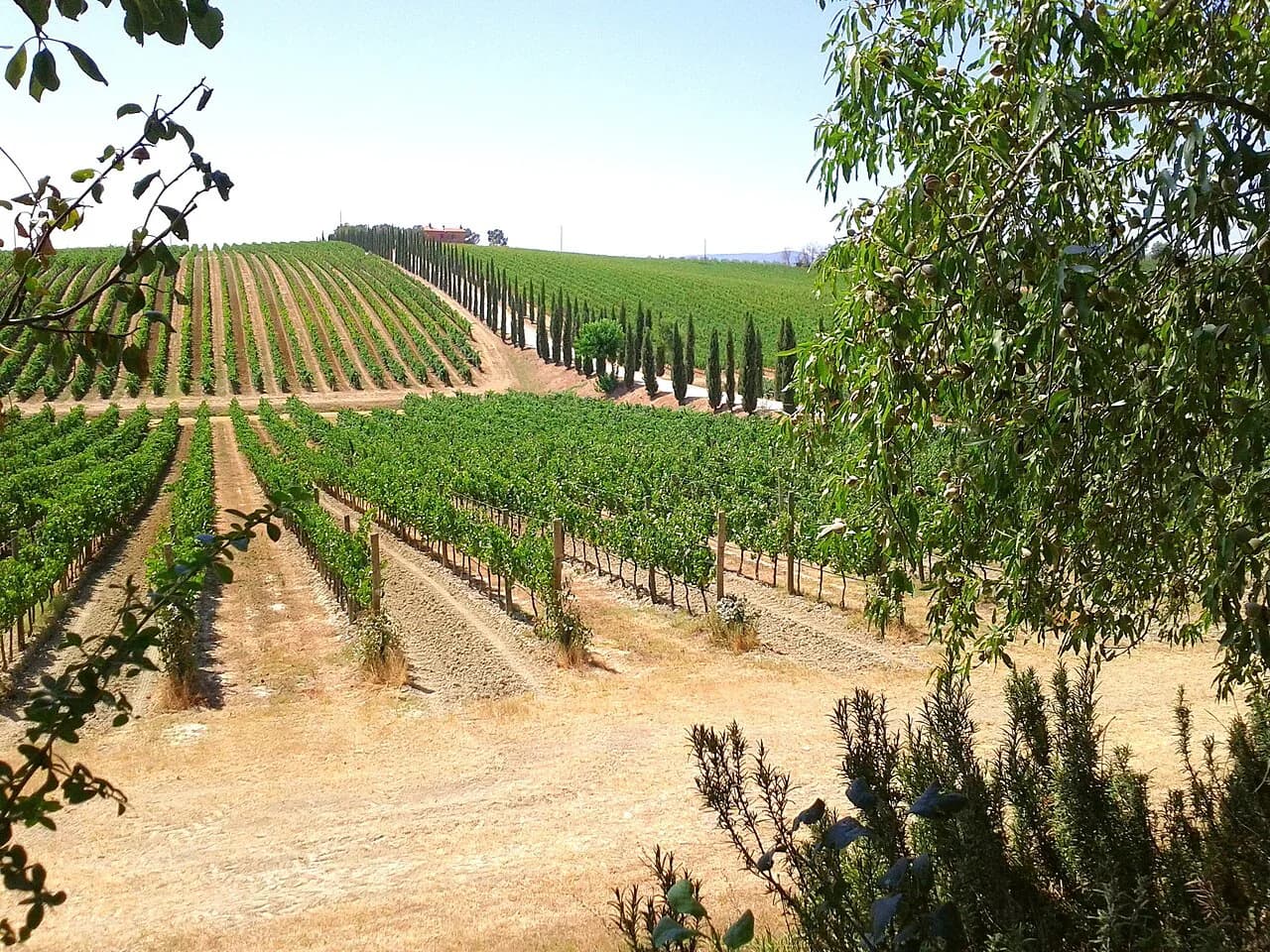
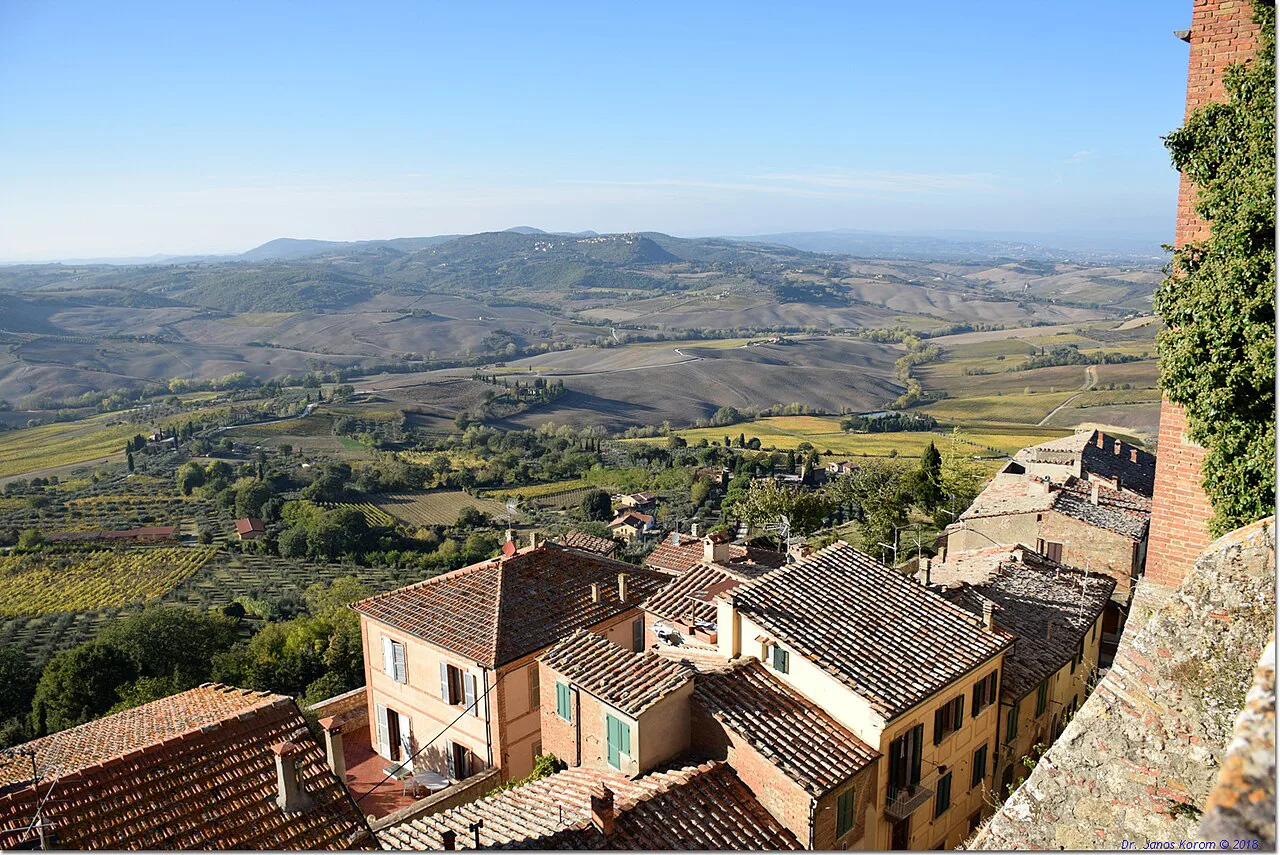
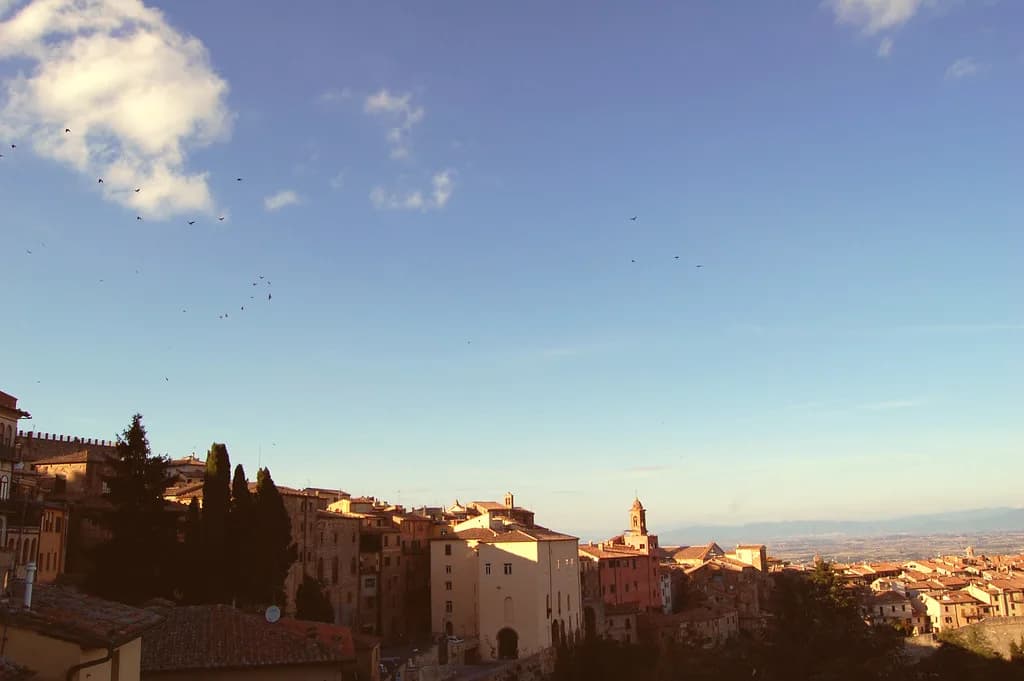
Montepulciano is unusual among Tuscan wine towns because you can taste seriously without ever leaving the walls. The historic center holds a dense cluster of cellars and enoteche, several of them carved under Renaissance palazzi and still lined with barrels, while the estate wineries that grow most of the region's grapes sit out in the vineyards below. The result is a town where a single afternoon on foot covers a surprising amount of ground.
The wine to know is Vino Nobile di Montepulciano, a Sangiovese-based red aged for a minimum of two years with at least one in oak, and its lighter, earlier-drinking sibling Rosso di Montepulciano. The name confuses travelers constantly: Montepulciano the town has nothing to do with Montepulciano d'Abruzzo, which is a grape variety grown on the other side of Italy. Here the grape is Sangiovese, and the style lands between Chianti Classico and Brunello in weight.
This guide is built for a wine day or a short stay: which cellars welcome walk-ins, which want a booking, how long each format takes, and how to arrive by train and bus rather than car. For the wider picture of where to stay and eat between tastings, the companion guide to wine tasting in montepulciano covers the surrounding trip.
Why Montepulciano Rewards a Wine-Focused Stop
Vino Nobile must be at least 70 percent Sangiovese, with the remainder filled by approved local grapes such as Mammolo, Canaiolo or Colorino, and it carries DOCG status. Rosso di Montepulciano is the fresher, more approachable wine released younger from the same vineyards, so tasting the two side by side is the quickest way to understand what aging does here. A third style, Vin Santo, is a sweet wine made from grapes dried on straw mats, and several town cellars pour it at the end of a flight.
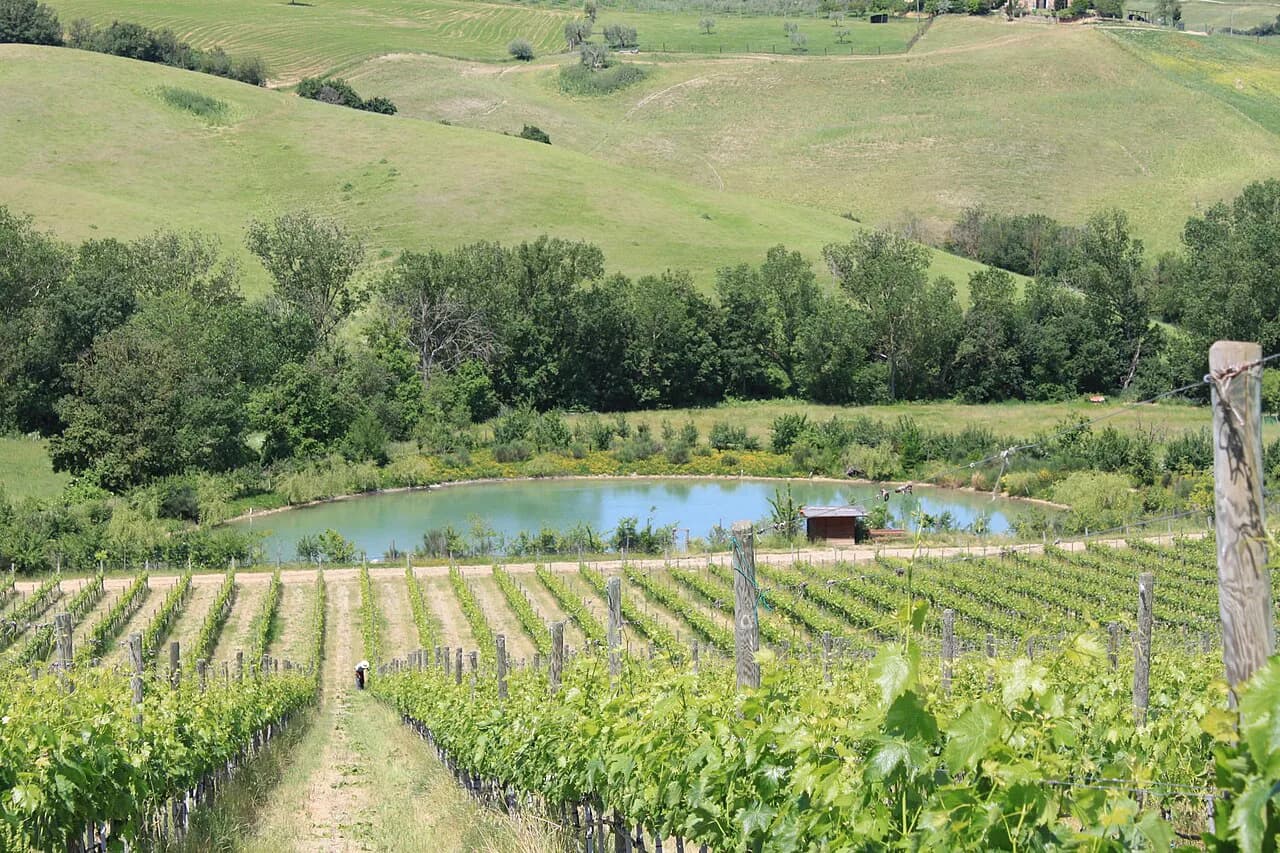
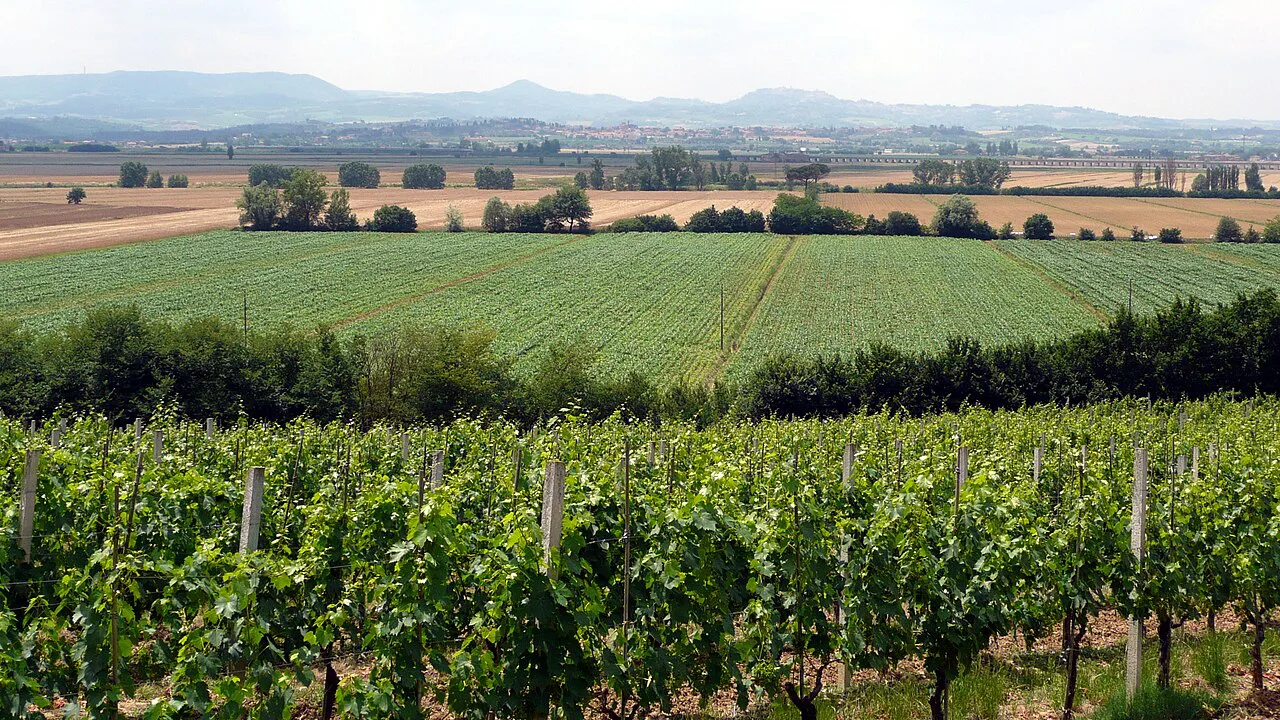
The appellation covers a broad area around the town, not just the hill itself, which is why half the interesting wineries lie a short drive out toward Cortona, Valiano or the Chiana valley floor. Estate visits reward travelers with a car or a booked tour, while the town cellars reward anyone arriving by train and bus. Decide which of those two days you want before you book anything, and check opening days and tour slots with the winery directly.
Treat Montepulciano as a contrast to Montalcino rather than a substitute. Brunello next door is 100 percent Sangiovese Grosso and built for long aging; Vino Nobile is blended, softer and often ready sooner, which makes a tasting room flight easier to enjoy without deep cellaring knowledge. If you have time for only one wine town in southern Tuscany, pick based on whether you want power and prestige or variety and walkability.
The Lay of the Land: Town Versus Vineyard
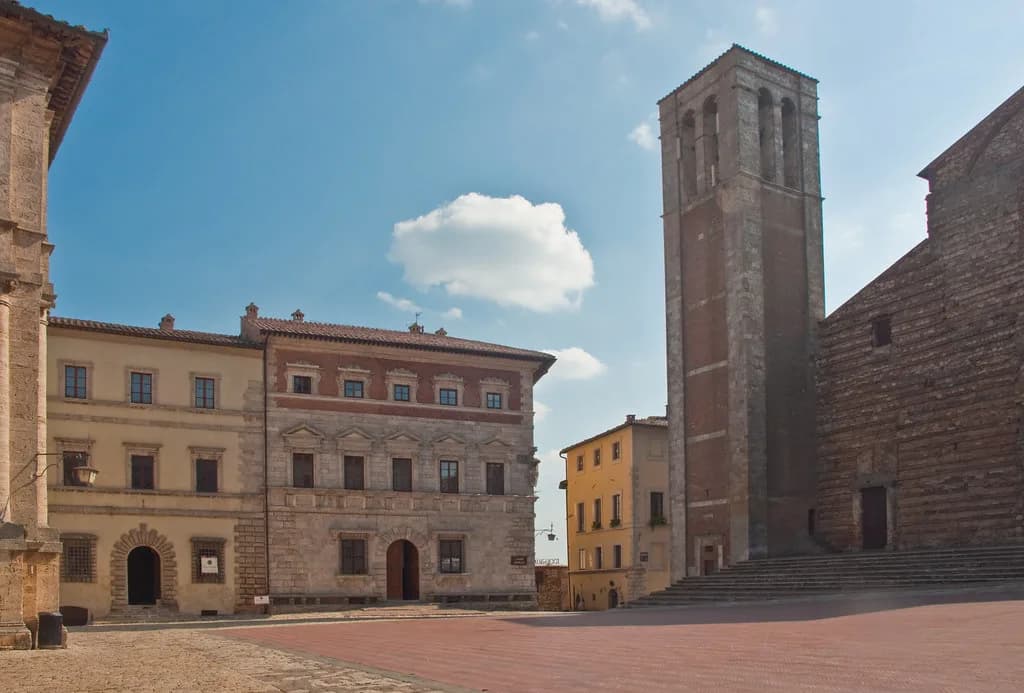
Picture two rings. The inner ring is the historic center, where tasting rooms sit within a few minutes' walk of Piazza Grande and the Fortezza Medicea; the outer ring is a scatter of estate wineries reached by road, some ten minutes from town and others closer to half an hour. A realistic day pairs two or three town cellars with one estate visit, or skips the estate entirely if you are on foot.
Group the outer ring by direction. Poliziano's production site at Montepulciano Stazione sits roughly half an hour from the center, Avignonesi's Le Capezzine estate lies in the countryside around Montepulciano and Cortona, and Palazzo Vecchio with its La Dogana enoteca points toward Valiano and the Val di Chiana plain. Chaining two estates in opposite directions in one afternoon means a lot of driving for little tasting, so pick one direction and stay in it.
If you would rather stay overnight among the vines than climb back to a town hotel each evening, an agriturismo in Montepulciano puts you closer to the estate ring and often shortens the drive between appointments.
In-Town Cellars and Enoteche That Receive Visitors
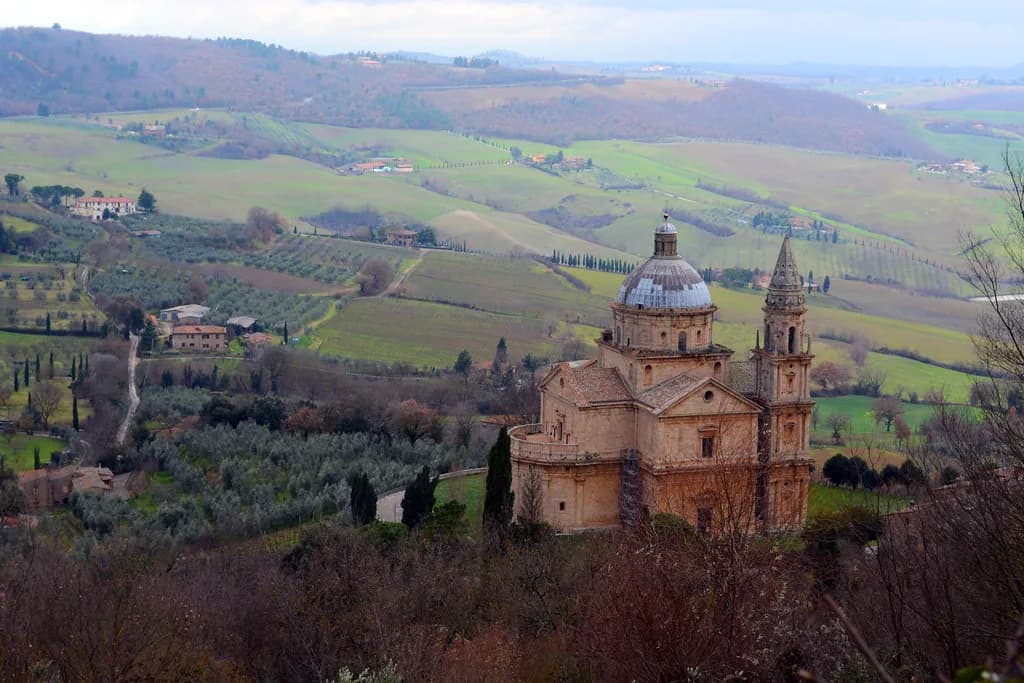
Start with the Enoliteca Consorzio Vino Nobile inside the Fortezza Medicea, the consortium's tasting space with more than 100 regional wines on self-pour dispensers. You load a card at check-in and choose your own pour sizes, which makes it an efficient first stop for calibrating your palate across producers before committing to a single cellar. There is a terrace at the back with views toward the Tempio di San Biagio, and a menu of local cheeses, cured meats and bruschetta.
De'Ricci Cantine Storiche on Via Ricci is the big set-piece: a guided walk through cellars that include a vaulted wine cathedral and Etruscan foundations, followed by a seated tasting of three or six wines with a plate of Tuscan charcuterie, cheeses and bruschetta. The family's winemaking history here reaches back to the 1300s. Bookings are required and can be made through the winery's website, by email or by phone, and children can join at a reduced rate.
Cantina Gattavecchi occupies a former thirteenth-century convent on Via di Collazzi, with aging rooms that descend to an Etruscan tomb and a terrace over the countryside. Tastings run as a four-wine flight, a deluxe option or a vertical, served with bread and pecorino, and the winery also hosts lunch and dinner experiences. Reservations are required and can be made online, which matters because the guided format is the point here.
Cantina Crociani, around the corner on Via del Poliziano, is the intimate counterpoint: a small tasting room in a fourteenth-century building, guided tastings that range from Trebbiano and rosé through Vino Nobile and Riserva to Vin Santo, plus bread, cheese and meats. The family also makes grappa and olive oil. Book through the website form or by email, and book early in high season because the room holds very few people.
Cantina Contucci on Piazza Grande is the most walk-in-friendly of the group: the cellar is open for self-guided visits past rows of large barrels and old bottles, the shop pours free tastings of five wines if you intend to buy, and a small wine bar sells glasses with meat and cheese platters. In summer there are guided tours that include Palazzo Contucci, the gardens and a seated tasting, booked through a form online. For a short visit, this is the lowest-friction stop in town.
Talosa, hidden on Via Talosa just off Piazza Grande, offers a self-guided walk through cellars dating to the 1500s and free tastings at the shop counter, plus bookable guided tours, seated tastings and lunch experiences in a separate part of the cellar. If you want the barrel-room atmosphere without a scheduled slot, this works; if you want explanation and a proper flight, reserve the guided version. The full detail on pitches and booking methods for private cellars sits in the guide to Montepulciano wine cellars.
Choosing Between Free, Self-Guided and Guided Formats
The town splits neatly into three formats, and mixing them badly is the main way to waste a day. Shop tastings at Contucci and Talosa are quick, informal and expect you to buy a bottle; self-guided cellar walks take twenty minutes and cost nothing; guided tours with food run longer and carry a fee. If you have three hours, take one guided tour and one shop stop rather than three rushed counter tastings.
Cantina Ercolani, just inside the northern gate and handy to parking lot 1, runs guided tours through its maze-like Underground City cellars with exhibits on viticulture and local history, finishing with a standing tasting of wines and grappa alongside pecorino, cured meats, truffle spreads and olive oil. Tours and tastings are free but reservations are required through a form on the website, and children can join the tour. It doubles as a shopping stop, so leave time at the end.
Guided formats pay off when you want explanation: how Sangiovese behaves here, what separates a Riserva vintage from an ordinary one, why the cellars sit so deep under the streets. Self-guided walks pay off when you want atmosphere and flexibility on a tight schedule. A sensible compromise is a self-guided cellar walk in the morning and a booked seated flight in the afternoon, with a long lunch between them.
Estate Wineries Outside the Walls
Avignonesi, at the Le Capezzine estate reached along a cypress avenue, has a Cellar Door tasting space where you can taste by the glass, and a longer wine lover's tour that covers the organic vineyards, maturation cellars and the vinsantaia where Vin Santo ages in small oak casks before a multi-course paired meal. Its seasonal pattern is genuinely restrictive: closed in January and February, weekday hours in the shoulder months, longer days in summer and a Sunday afternoon opening from May, with November and December shrinking back to weekday afternoons. Confirm the current calendar before planning around it.
Poliziano, named for the Renaissance poet born in Montepulciano, runs tours by appointment at its Montepulciano Stazione site about half an hour from the center, where the ecological maturation cellar is temperature-controlled by solar power and an archive of older vintages is on display. The estate has also opened an enoteca in the poet's former palazzo in the old town, which gives travelers without a car a way to taste the range in town.
Palazzo Vecchio stands on a hill between Montepulciano and Cortona, with nine wines from native Tuscan grapes, twenty-five hectares of vineyards and a bookable tour and tasting, plus a wine list you can order from by the glass in front of the view. The useful detail for planners is the schedule: the winery is open Monday to Saturday from 9:30 to 17:30, so it fits a morning or early-afternoon slot rather than a sunset visit. Its La Dogana enoteca toward Valiano serves valley dishes with the estate's Vino Nobile and is the better choice if you want food with the sunset.
What the Flights Actually Contain
Expect flights of roughly three to six wines, usually starting with a white or rosé and finishing with Vino Nobile, a Riserva or Vin Santo. De'Ricci offers three or six wines; Gattavecchi offers four wines, a deluxe flight or a vertical; Crociani pours the widest spread including Vin Santo and grappa. Food is common rather than exceptional: bread, pecorino, cured meats and bruschetta at most town cellars, a fuller plate at De'Ricci and Ercolani.
Estate visits tend to run longer and include a walk through vineyards or production areas before the seated part; Avignonesi's full tour adds a paired meal, which effectively makes it a half-day. Ask when booking whether the price covers the tour, the tasting and the food, or only the pours, because formats vary between shops.
What Tastings Cost and When They Are Free
Budget for tasting fees of about twenty to thirty euros per person depending on the format and whether a guided tour is included, with free alternatives at the shop counters and cellars of Contucci and Talosa when you visit. Prices change with the season and the flight, so ask for the current fee when you request a booking rather than relying on a figure from an older guide.
Bottle shipping is arranged by many wineries, and the cost depends on quantity and destination; summer heat is the practical obstacle, since wine can cook in transit, so some buyers ask the winery to hold an order until cooler weather. Ask about consolidated shipping if you are buying across several cellars.
Tipping is not expected in Italy, though a few euros for good service is welcome. Set a cash budget for the day that covers fees, food and any bottles you carry out, and remember that free tastings are a courtesy tied to purchase rather than a general entitlement.
Booking: Walk-Ins, Forms and Phone Calls
The split is fairly clean: Enoliteca, Contucci's shop and cellar, and Talosa's shop counter accept walk-ins; De'Ricci, Gattavecchi, Crociani and Ercolani want reservations, made through website forms, email or phone depending on the cellar. Guided tours and seated tastings fill first in peak months, and Crociani's small room is the most likely to turn you away.
When you write, give the date, the number in your party, whether you want a tour or just a tasting, and whether anyone needs a non-drinking option or food without wine. Estate wineries such as Poliziano arrange tours by appointment, so a request sent a few days ahead is more realistic than a same-morning email. Ask for the start time, the expected duration and the fee in the same message to avoid a second exchange.
Getting There Without Driving
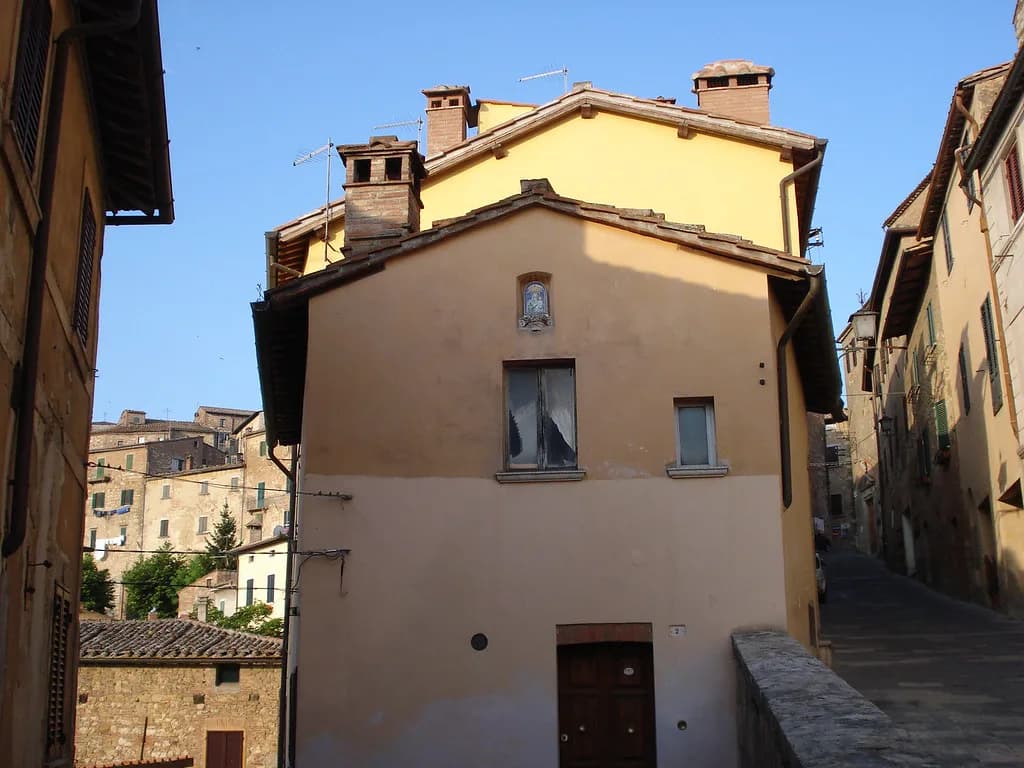
The nearest useful railhead is Chiusi-Chianciano Terme, from which a bus or taxi completes the climb to Montepulciano; driving from Florence takes about two hours and from Siena about one. What catches visitors out is the restricted zone: cars cannot enter the historic center, so you park outside the walls and walk in, and the town is steep and cobbled.
On foot, the center is genuinely walkable, which is why the in-town circuit works so well for train travelers. The estate ring is a different matter: without a car you need a taxi arranged in advance, a bike, or an organized tour that collects you. A guided walking tour with a tasting in town is the low-effort option; a cellar tour at De'Ricci or Talosa is the deeper one. The range of options, from walking tours to private driver days, is laid out in the guide to Montepulciano wine tours.
Whoever is driving should not taste: use the spittoons, appoint a designated driver, or take a tour or public transport instead. That single decision shapes the whole plan, because a driver in the party removes the estate ring from reach unless someone stays sober.
How Long to Allow
A half day covers the Enoliteca for a calibrating flight, one guided cellar tour such as De'Ricci or Gattavecchi, and a free stop at Contucci or Talosa on the way back to Piazza Grande. A full day adds one estate winery in a single direction, either toward Valiano and Cortona for Palazzo Vecchio and La Dogana, or toward Montepulciano Stazione for Poliziano. Trying to add Avignonesi's full tour and meal to a town day is too much; treat that as its own half day.
If you are staying locally, splitting the visit across two days is far more comfortable: town cellars and the Fortezza on day one, a single estate and a long lunch on day two. That also leaves room for the walks and views that make the town worth the climb.
When to Go
Late spring and early fall bring warm weather and smaller crowds than high summer, while August is hot and busy but hosts two of the town's biggest events. The Bravio delle Botti, a barrel-rolling race through the cobbled streets, falls on the last Sunday in August, and Calici di Stelle brings special evening tastings across Tuscany around the Perseid meteor shower. Book cellars well ahead for those weeks.
The wider season runs from spring to autumn across a district of several dozen wineries, and quieter dates in May, June, September and October suit unhurried cellar visits. Winter trips are possible in town but thin out the estate options, since some countryside wineries close for part of the season.
Plan Your Visit
Montepulciano works best when you decide early whether you are a walk-in traveler or an estate traveler. On foot, build the day around the Fortezza Medicea, one guided cellar and one free shop tasting, and let the town's steep streets set the pace. With a car or a booked tour, add a single estate in one direction and give it a proper half day.
Book the guided cellars first, leave the walk-ins flexible, and confirm the fee and start time in writing. If you are extending the trip toward San Gimignano, the wineries there make a natural next stop on a wider Tuscan loop, and the same booking logic applies.
Arrange a sober driver or a tour for any estate visits, carry cash for small purchases, and send one consolidated email to each winery rather than several questions in a row. A little planning turns a hilltop town into a full wine district in a single day.
Frequently Asked Questions
Which Montepulciano wineries can you visit without a reservation?
In the historic center, the Enoliteca Consorzio Vino Nobile inside the Fortezza Medicea, the shop and self-guided cellar at Cantina Contucci on Piazza Grande, and the shop counter and self-guided cellar walk at Talosa just off Piazza Grande all take walk-ins. Guided tours and seated tastings at De'Ricci, Gattavecchi, Crociani and Ercolani need a booking, usually through a website form, email or phone, and the small rooms fill first in peak months. Estate wineries outside the walls generally expect an appointment.
How much does wine tasting in Montepulciano cost?
Most town tasting fees fall in a modest band that depends on the flight and whether a guided cellar tour is included, and a few cellars pour free samples in the shop when you intend to buy bottles. Because fees shift with the season and the format, ask for the current figure when you request the booking. Estate visits that include a meal or a full tour cost more than a counter tasting, so compare formats rather than single numbers.
Do you need a car to visit Montepulciano wineries?
No, if you stay in the historic center: the main tasting rooms and cellars sit within a short walk of Piazza Grande, and the town is compact though steep and cobbled. A car only becomes useful for the estate wineries out in the vineyards, and even then you cannot drive into the center because of the restricted zone, so you park outside the walls. Without a car, reach the estates by pre-arranged taxi, bike or an organized tour.
What is the difference between Vino Nobile and Rosso di Montepulciano?
Vino Nobile di Montepulciano is the DOCG red, made from at least 70 percent Sangiovese with approved local grapes filling the rest, and aged for a minimum of two years including at least one in oak. Rosso di Montepulciano comes from the same vineyards but is released younger and tastes fresher and lighter. Tasting both in one flight is the clearest way to see what the extra aging does.
How do you get to Montepulciano by train?
Take the train to Chiusi-Chianciano Terme, the nearest useful station, then continue to Montepulciano by bus or taxi. Driving from Florence takes about two hours and from Siena about one hour. Cars cannot enter the historic center, so plan to park outside the walls and walk in.
Is Montepulciano or Montalcino better for wine tasting?
They suit different trips. Montepulciano lets you taste several producers on foot in one hilltop town, with a mix of free shop pours, self-guided cellar walks and guided flights of blended Sangiovese. Montalcino is built around Brunello, a 100 percent Sangiovese wine made for long aging, and its wineries are more spread out. Choose Montepulciano for walkability and variety, Montalcino for a single prestigious style.
When is the best time to visit Montepulciano wineries?
Late spring and early fall bring warm weather and lighter crowds than high summer. August is hot and busy but hosts the Bravio delle Botti barrel race on the last Sunday of the month and the Calici di Stelle evening tastings, so book cellars well ahead for those weeks. Some countryside estates close for part of the winter, which narrows the options outside the town.
Can you ship wine home from Montepulciano?
Many wineries sell bottles directly and arrange international shipping, with the cost depending on quantity and destination. Summer heat is the practical obstacle, since wine can spoil in transit, so some buyers ask the cellar to hold an order until cooler weather. If you buy across several producers, ask about consolidating the shipment before you leave.
Sources
Notes for your next wine trip
Optional updates to our winery and wine-town guides.
You might also like
Continue reading
More guides you'll find useful