Avignonesi Winery: Montepulciano Visit Guide & Tips
Avignonesi sits outside Montepulciano near a quiet village. Learn how visits work, what to ask when booking, and how to arrive without driving yourself.
On this page
Avignonesi is a Montepulciano estate built around Sangiovese, and it appears on most shortlists of Tuscan wineries worth a detour. The property sits outside Montepulciano town near a quiet village, which shapes everything about how you plan the day: transport, timing, and how far ahead you book. This guide focuses on the practical side rather than the postcard.
Expect two different motivations for a visit. One is the estate itself, with its villa, chapel and historic cellars; the other is a focused look at the estate's range of 100 percent Sangiovese wines. Knowing which one you want helps you pick the right tasting format and ask the right questions when you reserve.
Quick Answer: What Avignonesi Is and Where It Sits
Avignonesi is a winery in the Montepulciano zone of Tuscany, and reviewers describe it as lying just outside a quiet village rather than in the town center. That distinction matters if you are staying in Montepulciano and picturing a walkable stop: this is a countryside estate, and the last stretch is not a stroll from your hotel.
Treat Avignonesi as one named estate rather than a generic entry on a Montepulciano list. If your broader plan is a day of tasting across the zone, start with the wider picture of wine tasting in Montepulciano and then slot Avignonesi in as a single anchor visit rather than trying to squeeze in three estates.
The Estate Landscape: Villa, Chapel, Cellars and Vineyard Plots
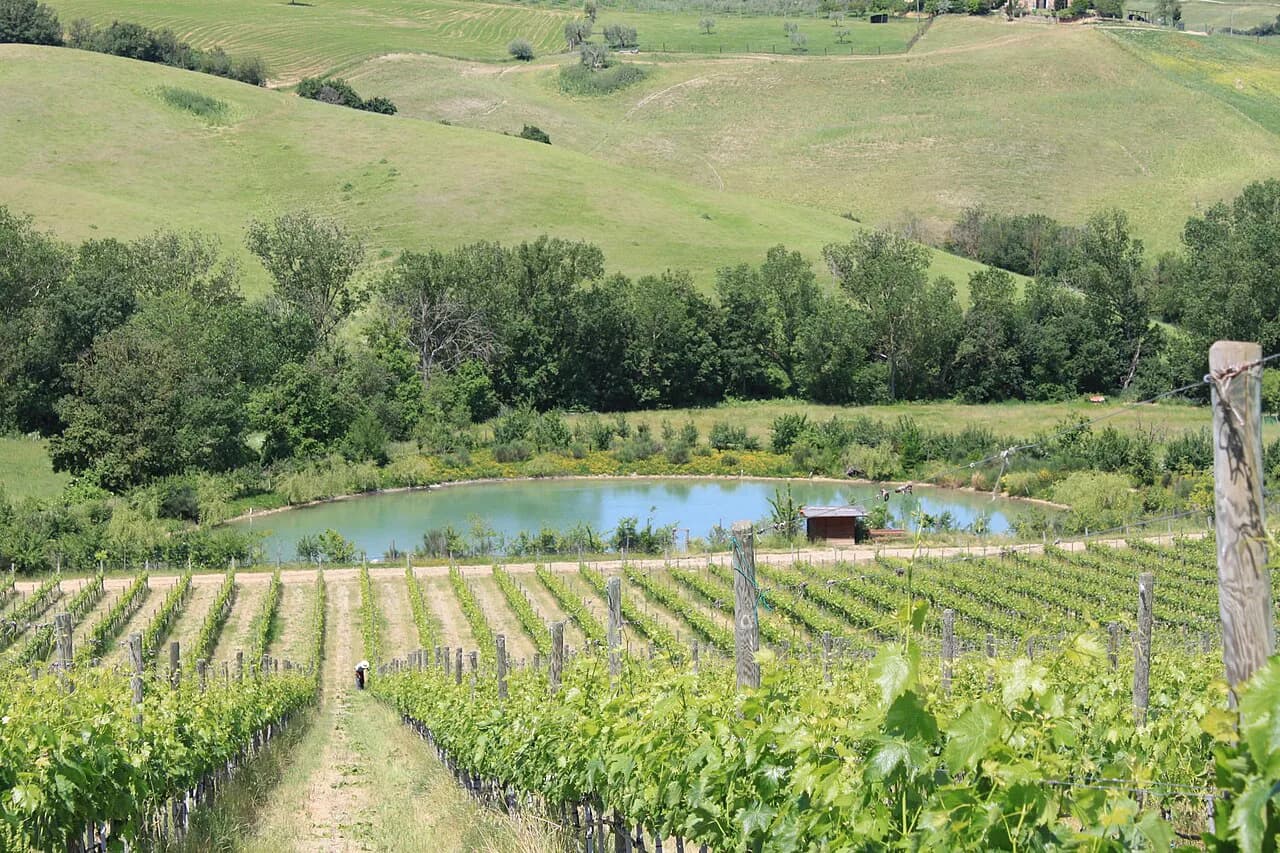
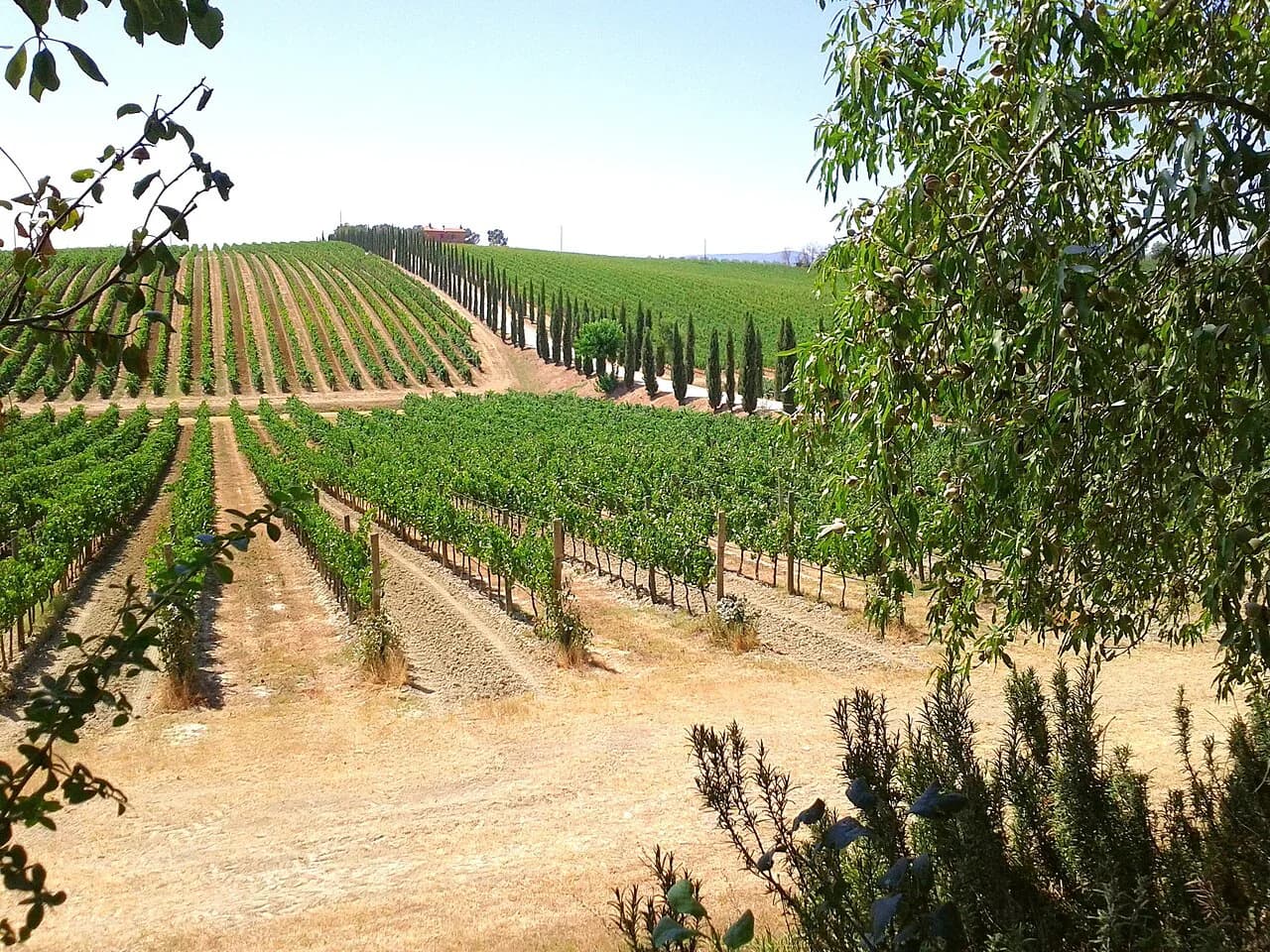
The property is more than a tasting room. It combines several vineyard plots with a villa, a chapel and historic wine cellars, according to visitor descriptions, which is why an estate tour appeals even to travelers who have already tasted widely in Tuscany. The architecture and the vineyards are two separate reasons to come.
Because the grounds are spread out, ask when booking whether the visit includes a walk through the cellars or a seated tasting only. That single question changes the shape of your afternoon and how much time to leave before your next stop.
Montepulciano Wines in Brief: Sangiovese and the Local Hierarchy
Montepulciano's reds are Sangiovese-based, and the local hierarchy is worth understanding before you choose a flight. Rosso di Montepulciano is the younger, more approachable wine, while Vino Nobile di Montepulciano is the zone's flagship and is aged longer before release. Both come from the same grape, so tasting them side by side is the clearest way to see what aging does.
Avignonesi's own materials highlight a range of 100 percent Sangiovese bottlings across vintages, including single-vineyard and late-release styles. That focus makes the estate a good fit if you want to compare expressions of one grape rather than a mixed line-up of international varieties.
When you request a tasting, say plainly that you want the Sangiovese range rather than whatever is open that day. If the estate's published materials do not list the exact flight you are hoping for, ask for the current selection in writing before you commit to a time.
Tasting Formats to Expect: Tour, Seated Tasting or Food Pairing
Broadly, Tuscan estate visits fall into three shapes: a guided walk with a cellar visit followed by wines, a seated tasting without much walking, and a longer format with food. Avignonesi's published materials focus on its wines rather than a fixed public menu of experiences, so the most reliable approach is to ask which formats are running on your dates and what each includes.
Ask how many wines are poured, whether the cellar is part of the visit, and whether food is served. Those three answers tell you whether to plan a light lunch before or after, and whether the visit fits a half-day or a full one.
If a food pairing matters to you, request it at the time of booking rather than on arrival. Kitchens and pairing setups at countryside estates are usually planned in advance, and walk-in requests are the ones most often declined.
Booking Mechanics: Appointments, Party Size and What to Specify
Tuscan wineries generally work on appointment, and countryside estates in particular rarely keep a staffed tasting room open for casual drop-ins. Book through the winery's own site or contact channels and treat a reply as the confirmation, not the initial inquiry.
State your party size, preferred date and time window, and whether you need the visit in English. Add any mobility considerations if the tour covers cellars or uneven ground. If you are arriving by taxi or tour transfer, mention your pickup time so the visit is paced to fit it.
Where the estate publishes current contact details and any visit information, use those rather than third-party listings. If your dates are fixed and you have not heard back, follow up by phone: email alone can stall during harvest.
How to Get There Without Driving from Montepulciano
There is no train station at the estate gate, so the realistic non-driving options are a taxi from Montepulciano or an arranged transfer through a tour. A taxi gives you flexibility on timing but requires booking a return, since countryside estates are not places where you reliably hail a ride at the end of a tasting.
A guided tour that bundles transport solves the return-leg problem and usually adds context on the zone, at the cost of a fixed schedule. If you prefer that shape, compare Montepulciano wine tours before committing, and confirm whether the Avignonesi stop is a full estate visit or a short tasting.
Cyclists do reach this part of the Montepulciano countryside, but the roads are rural and the estate sits outside the village, so a bike is best for confident riders who have planned a route and a daylight return. Whoever is driving the car should not taste; use the spittoons, appoint a designated driver, or take a taxi or tour instead.
Independent Visit Versus Guided Tour: Cost, Flexibility and Time
An independent visit gives you control over which tasting you book and how long you linger, and it pairs well with a slow lunch afterward. The trade-off is logistics: you arrange the taxi both ways, and you absorb any waiting time if the visit runs long. Guided tours cost more per person in most cases but fold transport and scheduling into one booking.
Time is the deciding factor. If you have a single day in the zone, a tour that handles the driving lets you combine Avignonesi with a second stop without juggling taxi returns. If you have several days, book the estate directly and keep the day loose.
Pairing Your Day: Montepulciano Town and the Surrounding Villages
Avignonesi works best as the anchor of a day rather than the whole day. Pair it with time in Montepulciano town for lunch, a walk, and an enoteca stop, and treat the estate as the countryside half of the itinerary. Because the estate sits near a quiet village outside town, plan the drive or taxi between the two rather than assuming you can walk it. If you are weighing a second base for another day, the Orvieto wine guide covers a comparable mix of town enoteche and countryside estates.
If you want to add a second producer, choose one in a different part of the zone so you are not doubling back. A wider list of montepulciano wineries helps you group estates by location instead of by reputation alone.
Travelers staying overnight in the countryside can look at agriturismo options near Montepulciano, which shorten the return trip after a long tasting and often put you closer to the estates than a town hotel.
Seasonal Timing: Harvest, Weekdays and Holidays
Late summer and early autumn are harvest time in Montepulciano, when estate teams are busiest and appointment slots tighten. That is also when visitors get the clearest sense of activity in the vineyards, so book earlier than you would in spring or winter and expect slower email replies.
Weekdays are generally calmer than weekends, and holiday periods around the major Italian public holidays can mean reduced staffing at small estates. The winery's own channels are where current visit days and any seasonal pause are published; confirm those for your dates rather than relying on an old listing.
Can You Bring a Dog to Avignonesi?
If you are staying in Montepulciano with a dog, the question of whether the animal can come along to Avignonesi comes up quickly, and the estate's own published material does not address it. The winery describes itself through its three 100% Sangiovese wines — Grandi Annate 2021, Late Release 2016 and Poggetto di Sopra 2022 — and through its work in Montepulciano, but nothing in that material sets out a policy on dogs, whether in the vineyard plots, the villa grounds, the chapel or the historic wine cellars. Nor do the visitor reviews of the estate mention animals on site.
What the sources do make clear is the shape of a visit, and that shape matters for anyone travelling with a dog. Descriptions of the property place it just outside a quiet village, made up of 9 vineyard plots alongside a villa, a chapel and the historic wine cellars. A tasting here is an indoor, seated or guided affair centred on the cellars and the wines, not a casual stroll through open grounds where a dog could wander alongside you. Because the published information gives no rule either way, the sensible reading is that the estate has not advertised itself as dog-friendly, and a visitor should not assume access for an animal.
For the practical side of the day, the wine itself travels well even if the dog does not. Bottles from the estate's Sangiovese range, including Grandi Annate 2021, Late Release 2016 and Poggetto di Sopra 2022, are the kind of thing a visitor might carry away from Montepulciano, and the wider Tuscan selection available through specialist retailers gives a sense of how these wines sit alongside other Sangiovese from the region. Planning the estate stop as an adults-only appointment, with the dog settled back in Montepulciano, keeps the tasting simple and avoids relying on an arrangement the winery has never confirmed in writing.
Plan Your Visit
Avignonesi rewards a little planning: pick the Sangiovese-focused format you actually want, book by appointment with your party size and language stated, and settle transport before you commit to a time. A taxi or an arranged tour transfer removes the biggest friction point on a countryside visit.
Build the rest of the day around Montepulciano town and one nearby stop, and keep the driver sober with spittoons or a hired ride. Then confirm the current details directly with the winery before you travel.
Frequently Asked Questions
Where is Avignonesi winery located?
Avignonesi is in the Montepulciano zone of Tuscany, on a countryside estate just outside a quiet village rather than in Montepulciano town itself. Plan a taxi, transfer or bike ride for the last stretch rather than a walk from your hotel.
Do you need a reservation to visit Avignonesi?
Tuscan countryside estates generally receive visitors by appointment, so book through the winery's own contact channels before you travel. State your party size, dates, preferred time window and language so the visit can be matched to what is running.
What wines can you taste at Avignonesi?
The estate's published materials emphasize 100 percent Sangiovese bottlings across vintages, including single-vineyard and late-release styles. Ask which flight is currently offered, since the selection changes with the season.
How do you get to Avignonesi without a car from Montepulciano?
There is no train station at the estate, so the practical options are a pre-booked taxi from Montepulciano or a guided tour that includes transport. Arrange the return leg in advance, because hailing a ride in the countryside at the end of a tasting is unreliable.
How long does a tasting at Avignonesi take?
The estate does not publish a standard duration for every format, so ask when you book whether your visit includes a cellar walk and how many wines are poured. That answer tells you whether to plan a half day or a full one.
Can you combine Avignonesi with a visit to Montepulciano town?
Yes. Treat the estate as the countryside half of the day and Montepulciano town as the other, planning a taxi or drive between them. Adding a second producer works best if it is in a different part of the zone so you are not doubling back.
Sources
Notes for your next wine trip
Optional updates to our winery and wine-town guides.
You might also like
Continue reading
More guides you'll find useful