Canneto Winery Montepulciano: Tastings Guide
Canneto is a Vino Nobile di Montepulciano estate on Via dei Canneti. Learn where it sits relative to town, how visits work and how to reach it without driving.
On this page
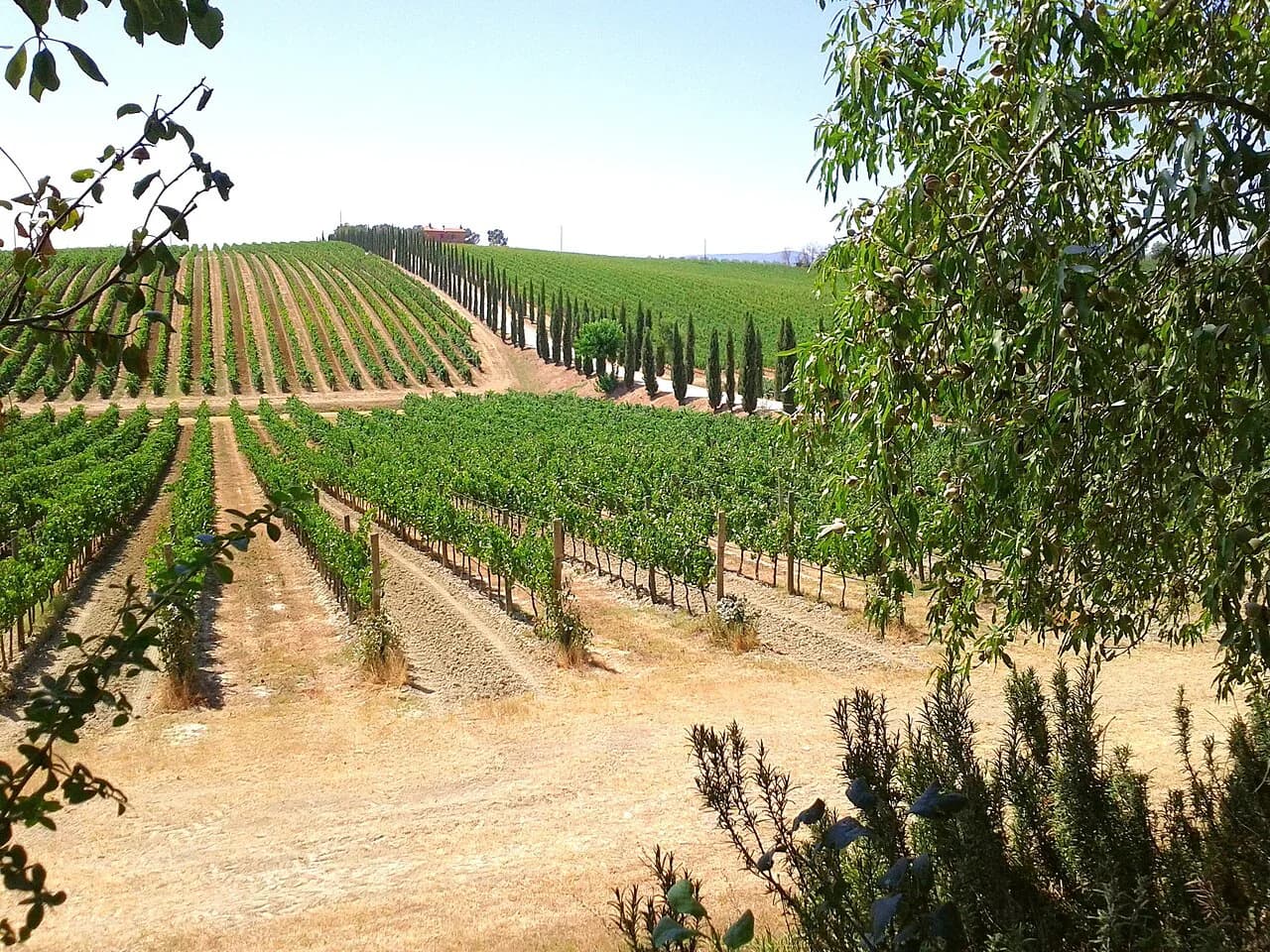
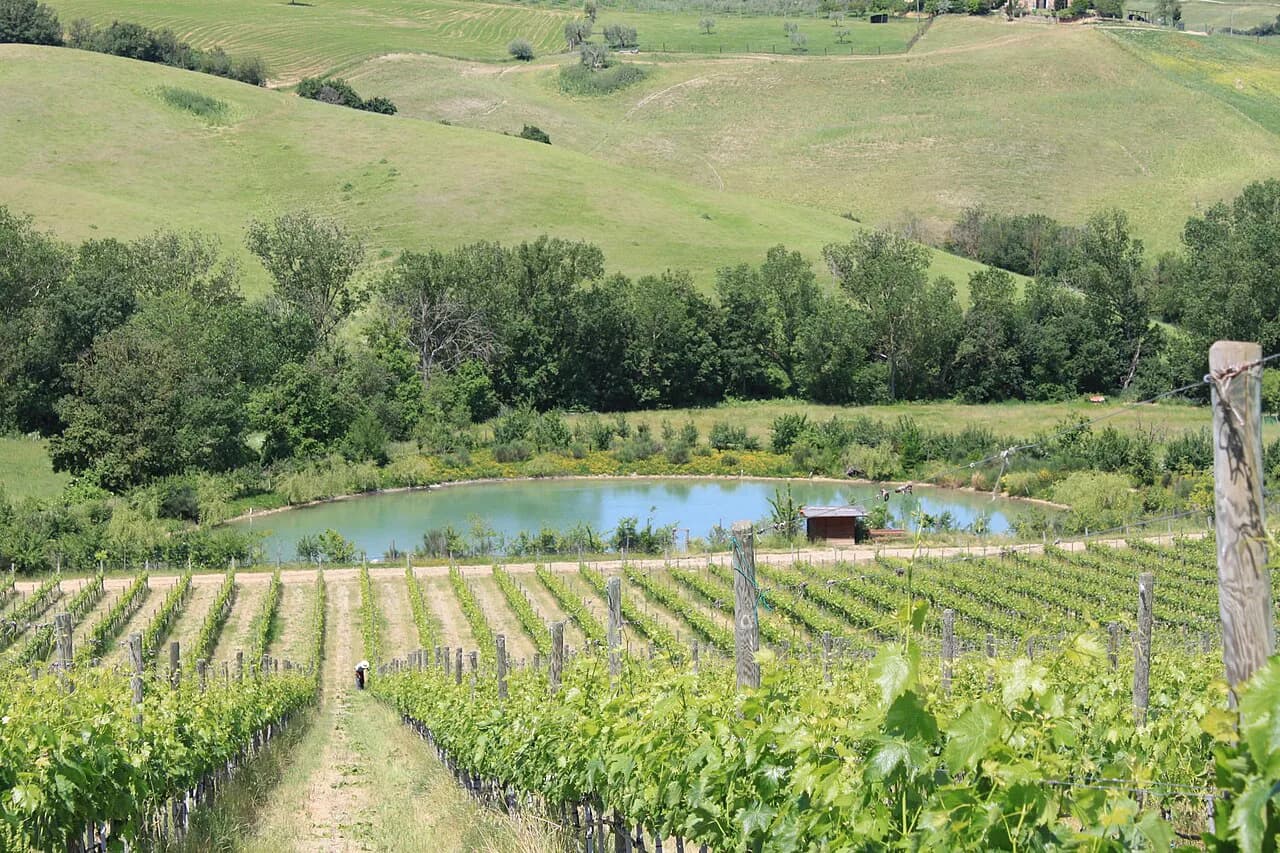
Canneto is a working wine estate in the Montepulciano countryside, not a shopfront you stumble across between the cafés on Il Corso. That distinction shapes the whole day: you plan a visit in advance, you treat it as a destination rather than a stop, and you work out the transport before booking the tasting.
The good news is that Montepulciano town itself is dense with cellars that take walk-ins, so Canneto can be the rural half of a two-part day. The rest of this guide separates what the estate actually publishes from what you need to ask directly, and it explains the local wine rules so you know why a Vino Nobile and a Riserva from the same cellar taste and cost differently.
Where Canneto Sits in the Montepulciano Landscape
Canneto's published address is Via dei Canneti, 14, 53045 Montepulciano (SI), with the winery reachable at cantina@canneto.com or +39 0578 757737. Treat that as the starting point for both your booking email and your transport planning, because the last stretch of any rural Tuscan estate road is what decides whether a car-free visit is realistic.
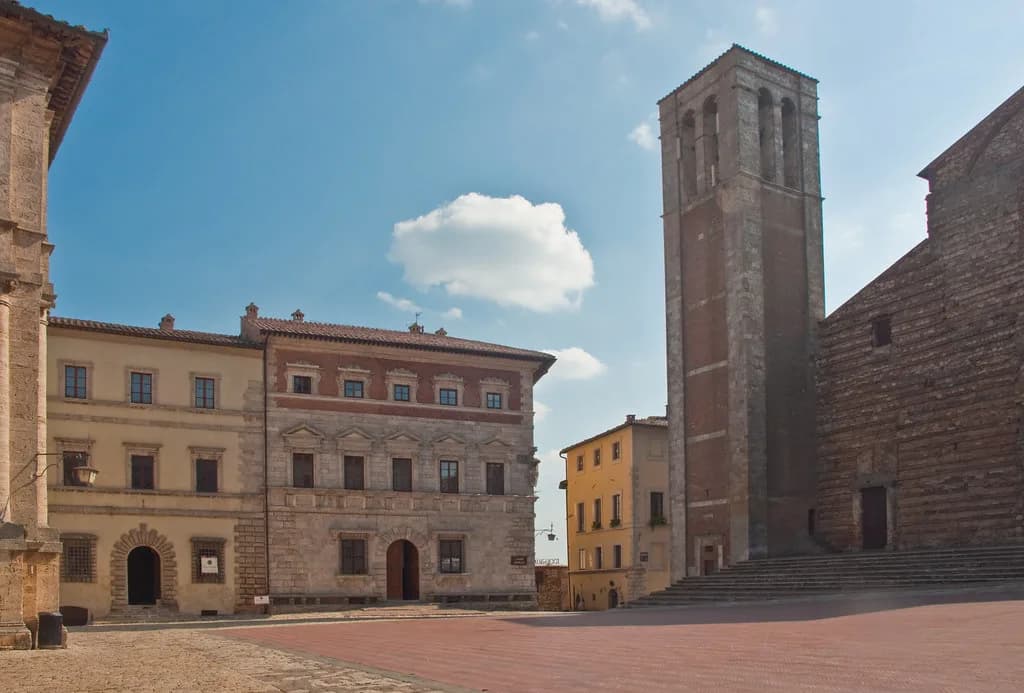
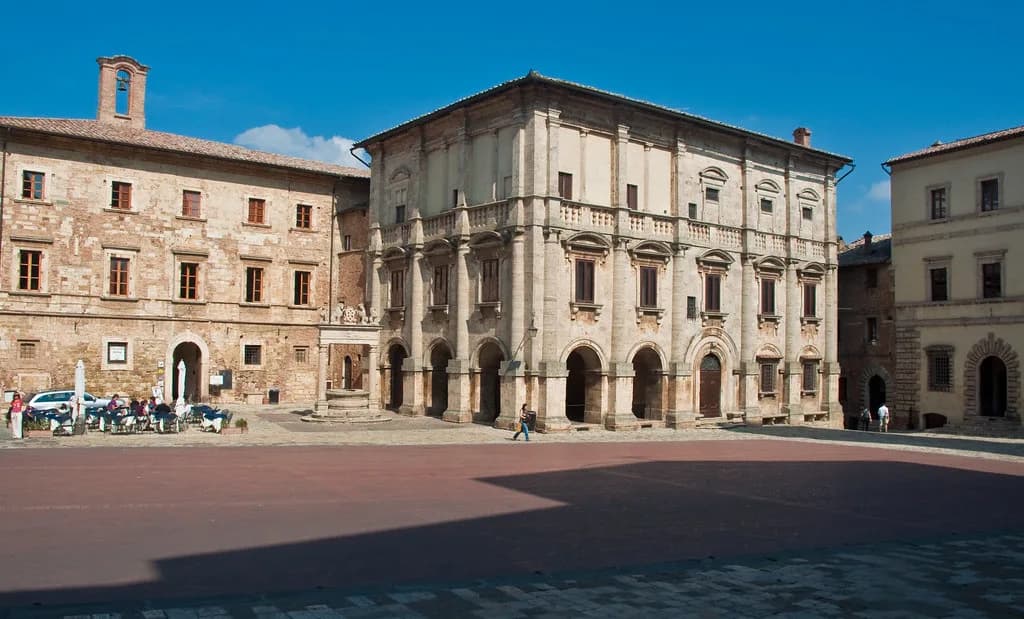
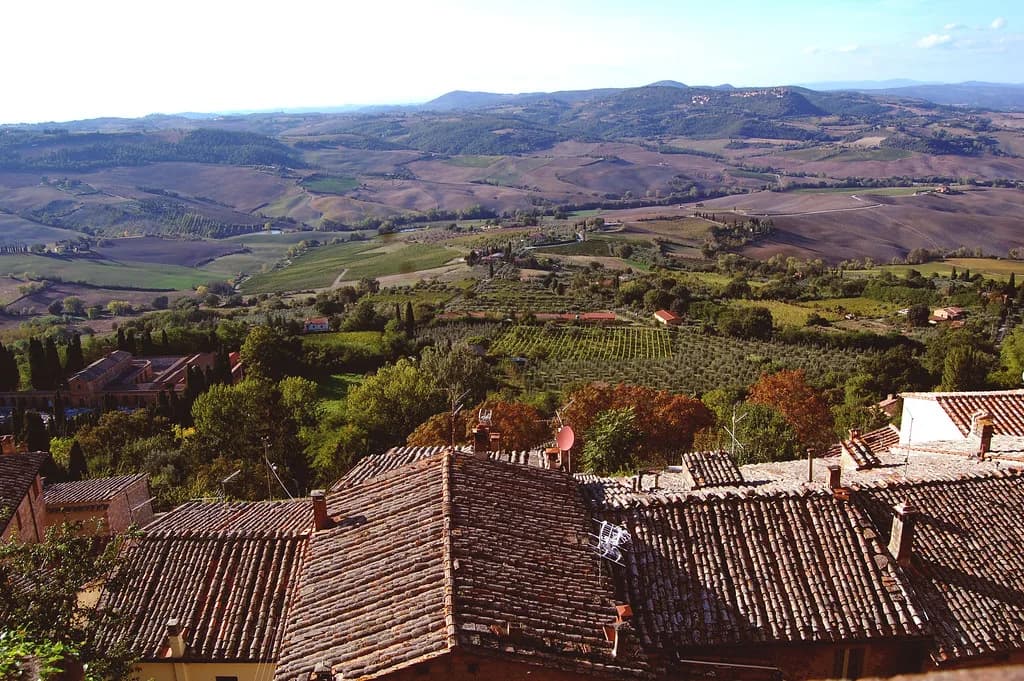
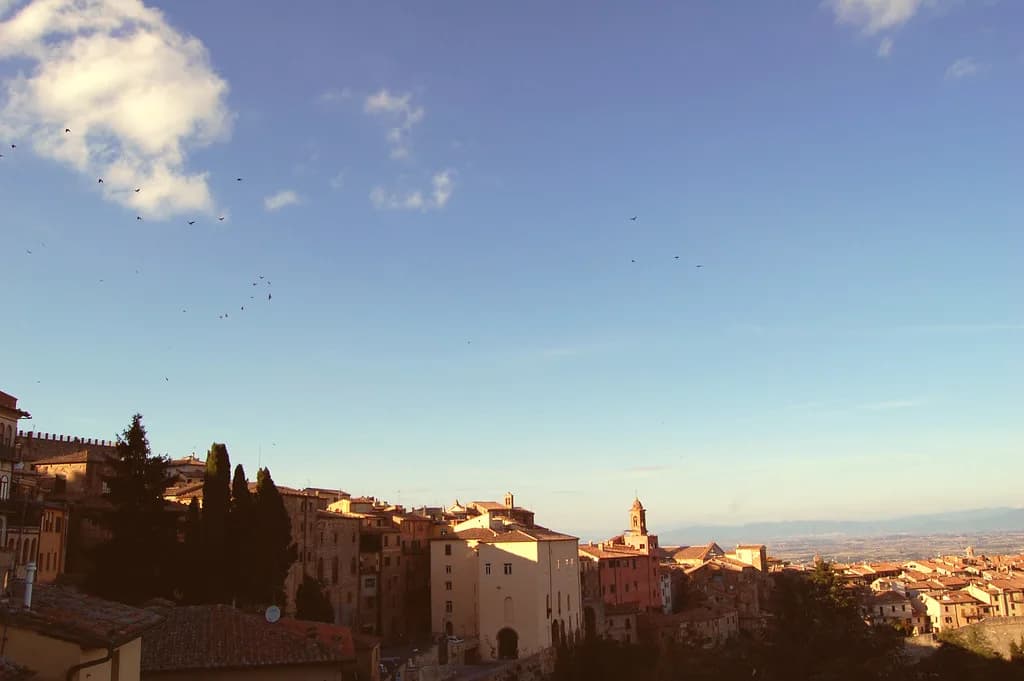
Montepulciano is a long, narrow ridge town: the historic center climbs from Porta al Prato at the north end up to Piazza Grande, and the town sits above vineyards that fan out into the Val d'Orcia. Estates in this belt are typically a short drive rather than a walk from the walls, and the road between town and vineyard is rarely lit or paved for pedestrians. Your visit to Canneto should be planned as a short taxi or transfer rather than a stroll.
The nearest neighbors for trip planning are Pienza at roughly 15 km and 20 minutes by car, Montalcino at about 36 km and 45 minutes, and Siena at 65 km and roughly an hour. That compact geography is why so many travelers base themselves in Montepulciano and treat the surrounding estates as day trips — if you are weighing a stay in the countryside, look at the practicalities of Montepulciano vineyard stays before committing. Siena makes an easy longer day out from here, and the Siena wine guide covers its cellars if you want to compare.
Vino Nobile, Rosso and the Rules Behind the Bottles
Vino Nobile di Montepulciano must be made from at least 70% Sangiovese, with the remainder drawn from approved local grapes such as Canaiolo Nero and Mammolo, and it must age for a minimum of two years with at least one of those in oak. Riserva bottlings carry a longer minimum ageing requirement, which is the practical reason they cost more and taste more evolved than the standard wine.
Rosso di Montepulciano is the same family of Sangiovese fruit released younger and lighter, and it is often the first wine poured in a tasting because it shows the estate's style without the oak and bottle age. In town you will also meet Vin Santo, the sweet wine made from grapes dried on straw mats, plus occasional Super Tuscan blends that step outside the appellation rules.
One confusion worth clearing up early: Vino Nobile di Montepulciano is a place-name wine from this corner of Tuscany, while Montepulciano d'Abruzzo is a grape-based red from a different region entirely. A bottle labelled simply Montepulciano on a restaurant list is usually the Abruzzo wine, so ask for Vino Nobile by its full name when you order.
Arranging a Visit at Canneto
The estate publishes contact details but no standing tour schedule, so a visit starts with a request rather than a ticket purchase. Send one email to cantina@canneto.com stating your preferred date and time window, the number of people, the language you would like the visit conducted in, and whether you want a cellar walk-through or a seated tasting only — that single message usually saves two rounds of back-and-forth.
Ask the estate directly about the number of wines poured, the expected duration and whether bread, cheese or cured meat comes with the tasting. Across Montepulciano, tasting fees commonly fall in the region of 20 to 30 euros depending on whether a guided cellar tour is included, but individual estates set their own terms and some publish nothing at all, so take Canneto's figure from its own reply rather than from a blog or a booking platform.
If you are traveling with children or a non-drinker, say so in the request; several Montepulciano cellars admit children at a reduced rate or offer a shorter tour for mixed groups. Also mention if you want to buy bottles, since some estates waive or reduce the tasting charge against a purchase, and shipping terms vary enough that you should settle them before you leave rather than by email afterwards.
Harvest, August and the Quiet Months
Late September and early October are when the vineyards around Montepulciano are picked, and that is a genuinely different visit: you may catch activity in the cellar and the yard, but you may also find the team stretched and the hospitality slots narrowed. Book earlier than usual for harvest dates and expect a slower reply.
July and August bring the heaviest crowds to Montepulciano and the hottest hours on the ridge, while November through March is the quietest stretch and some cellars cut back their hours or close for the season. Late spring and early autumn are the sweet spots; winter visits to a rural estate are the ones most likely to need a phone call before you set out.
Getting to Canneto Without Driving
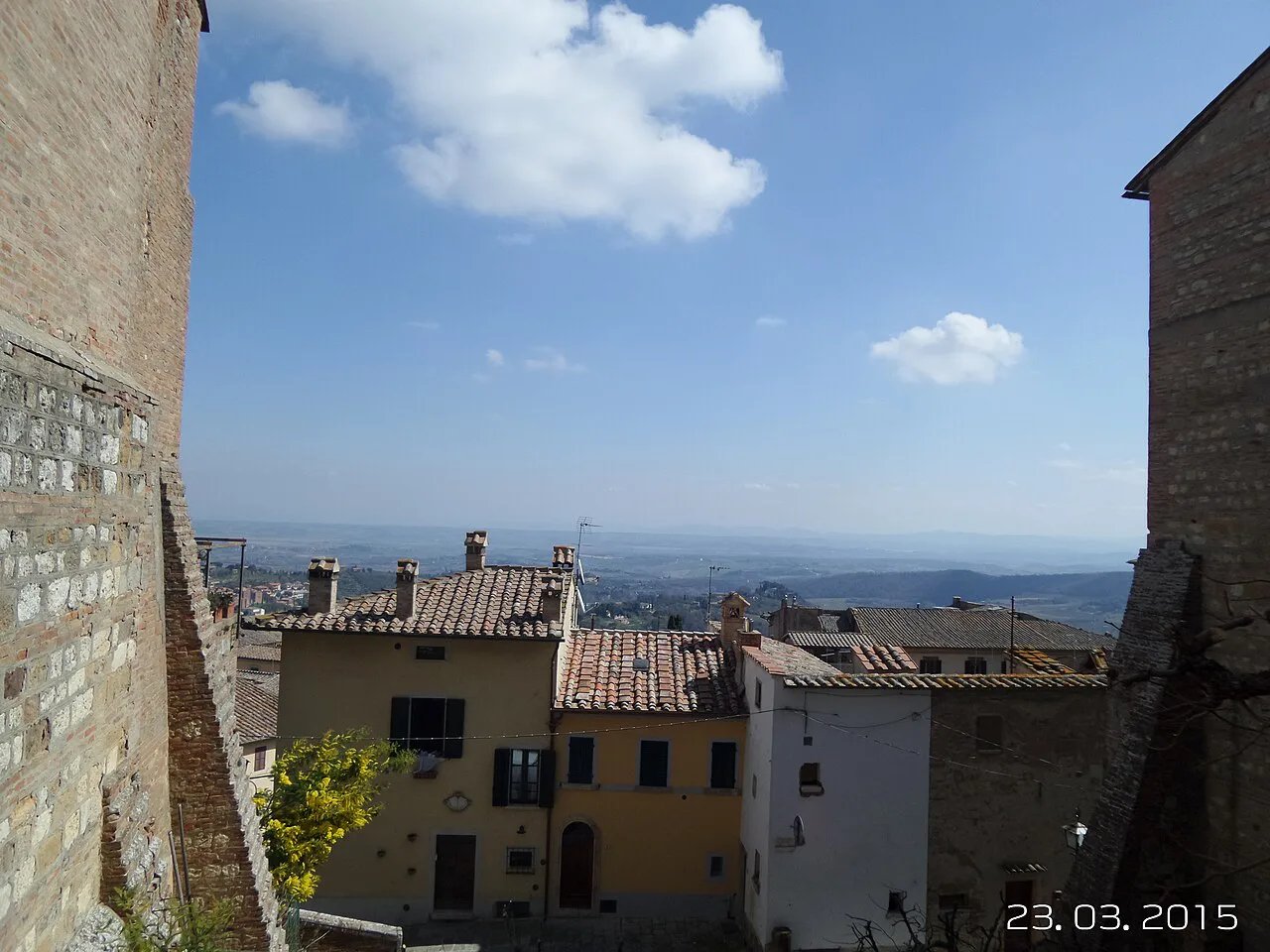
Montepulciano has no station in the town itself. The rail halt at Montepulciano Stazione sits several kilometers below the center, and the more useful arrival point for long-distance trains is Chiusi-Chianciano Terme, from which you continue by bus or taxi. Either way, you arrive in town without a vehicle and still need a lift to Via dei Canneti.
In practice, the workable car-free options are a taxi from town with a pre-arranged return time, a bike if you are comfortable on gradients and traffic-free back roads, or a guided tour that includes transfer. A driver who tastes is a bad plan anywhere and a worse one on Tuscan hill roads, so spittoons, a designated driver or an organized transfer are the sensible arrangements.
If you opt for a guided tour, check whether the company actually stops at Canneto or only at in-town cellars, because many Montepulciano walks never leave the center. Travelers comparing the two approaches usually find that Montepulciano wine tours win on logistics and lose on flexibility, while independent visits win on time spent with the wines and lose on the return leg — a trade-off worth settling before you book anything.
Building a Tasting Day Around Canneto
The strongest itinerary pairs one rural estate with two or three in-town cellars you can reach on foot. Cantina Contucci on Via del Teatro, 1 opens every day from 9:30 to 12:30 and 2:30 to 6:00, and its cellars spread over three floors beneath Palazzo Contucci, just off Piazza Grande. Confirm opening hours directly with the estate before you go.
De'Ricci Cantine Storiche, a few paces from Piazza Grande on Via Ricci, offers guided cellar tours that descend through the vaulted Wine Cathedral and original Etruscan foundations, followed by a tasting of three or six wines with charcuterie, cheese and bruschetta. Tours there require advance booking, which makes De'Ricci the natural anchor for a structured day.
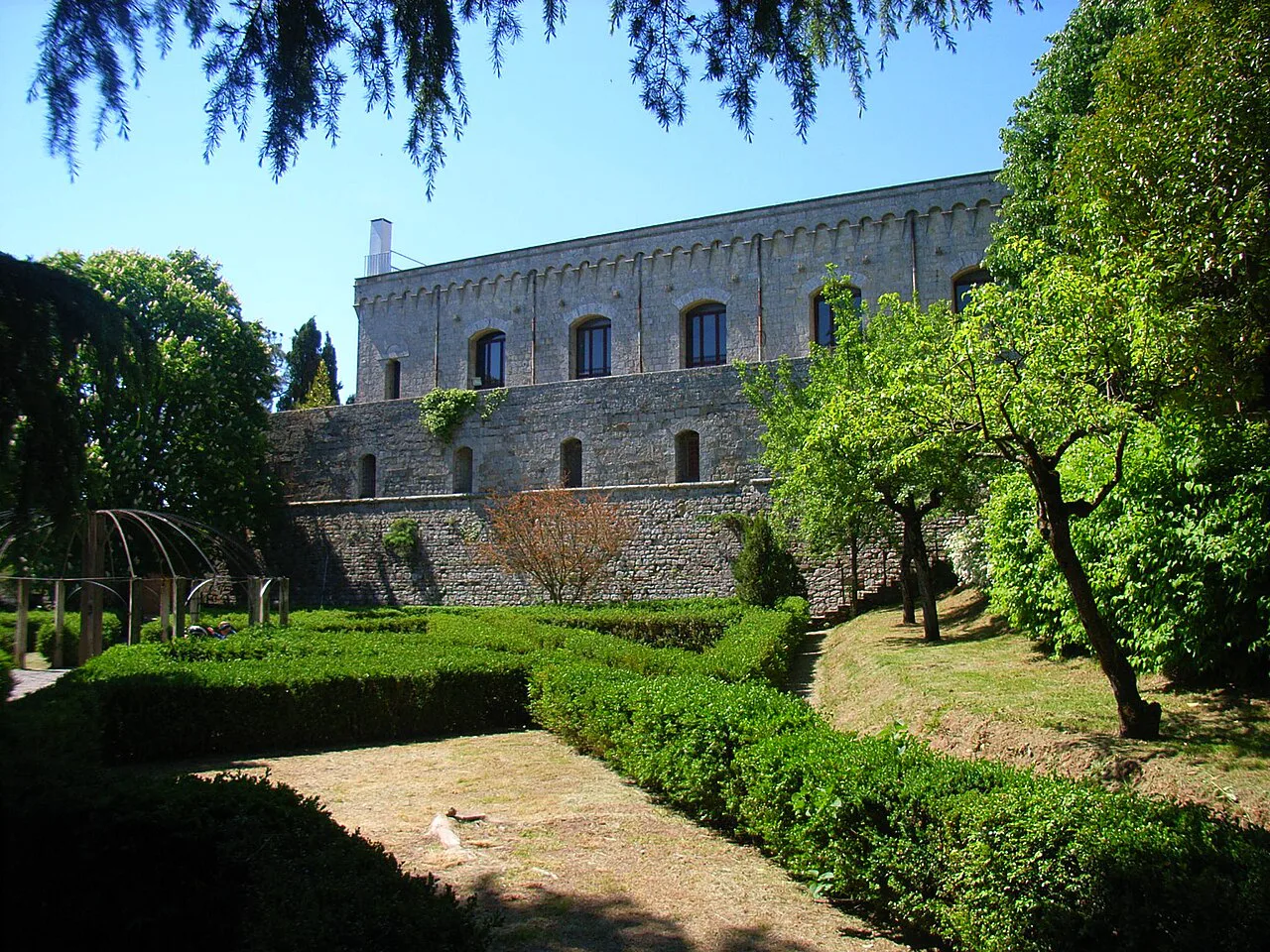
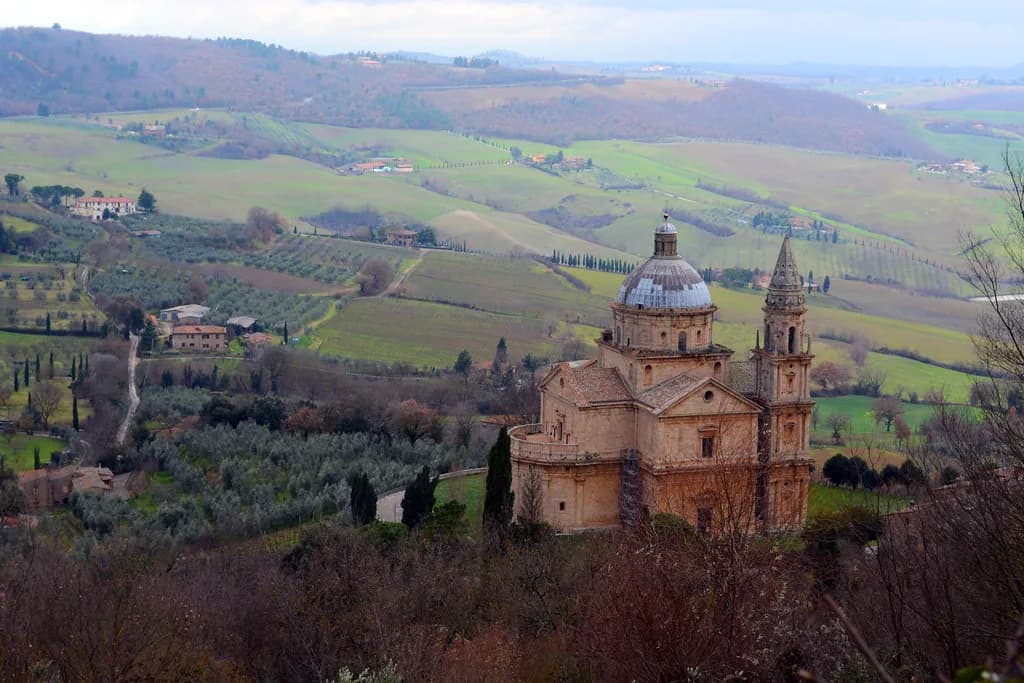
For a flexible finish, head to the Enoliteca inside the Fortezza Medicea, where more than a hundred wines are on tap and a prepaid card lets you pour by the taste or the glass while looking down through glass floors at the fortress excavations. No reservation is needed, and the terrace view toward the Temple of San Biagio makes it a good last stop before dinner.
Driving, Parking and the Return Leg
If you drive, plan to park outside the walls and walk in, because the historic center is a restricted zone where unauthorized vehicles are fined. Lots are signposted as you approach town and fill up around midday in high season, so arriving early is more than a comfort tip on a summer morning.
Italy has tightened its drink-driving penalties in recent years, which adds a practical reason to arrange your Canneto visit around a driver who is not tasting. For a rural estate, the cleanest version is a booked transfer with a fixed pickup time; for the in-town cellars, walking between them and tasting in small pours works well.
Buying and Shipping Canneto Bottles
Buying at the estate is the only reliable way to get the full range, but carrying bottles through a hill town gets old quickly, so buy late in the day or arrange shipment. Shipping costs from Tuscan wineries vary with quantity, and summer heat is the real constraint — many producers will hold an order until cooler weather rather than risk cooked wine.
In town, wine shops and enoteche stock Vino Nobile from a spread of producers and will often let you taste before you commit, which makes them the better option if you want a mixed case rather than a single estate. For a wider shortlist of who pours what, see the guide to Montepulciano wineries and plan your purchases around where your day ends.
Plan Your Canneto Visit
Start with an email to the estate stating your date, party size, language and whether you want a cellar tour, then build the rest of the day around the in-town cellars you can walk to. Book your transport back before you arrive at Via dei Canneti, and you will spend the tasting thinking about Sangiovese rather than about the ride.
If you want to compare Canneto against other estates in the same appellation before you commit to a route, browse the full Wine Tasting in Montepulciano guide for cellar-by-cellar detail.
Frequently Asked Questions
Is Canneto in Montepulciano or Montalcino?
Canneto is a Montepulciano estate, listed at Via dei Canneti, 14, 53045 Montepulciano (SI). Montalcino lies about 36 km and roughly 45 minutes away by car and produces Brunello rather than Vino Nobile, so the two towns are separate destinations even though travelers often visit both on one trip.
Do you need a reservation to visit Canneto?
The estate publishes contact details but no standing tour schedule, so the safe approach is to request a visit in advance by email or phone rather than turning up. State your date, time window, party size, preferred language and whether you want a cellar walk-through or just a seated tasting so the estate can answer in one reply.
How do you get to Canneto without a car?
You arrive at Chiusi-Chianciano Terme by train or at the Montepulciano Stazione halt below town, then continue into Montepulciano by bus or taxi. From the center, the estate road is best covered by a pre-booked taxi with a return time, a bicycle if you are comfortable on gradients, or a guided tour that includes transfer.
What wine is Montepulciano known for?
Vino Nobile di Montepulciano, a Sangiovese-based red made from at least 70% of that grape with approved local varieties filling the rest, aged a minimum of two years with at least one in oak. Rosso di Montepulciano is the younger, lighter red from the same area, and Vin Santo is the local sweet wine.
How much does a Vino Nobile tasting cost in Montepulciano?
Most cellars in town publish a fee that varies with whether a guided cellar tour is part of the visit, and a few pour free in the shop if you buy bottles. Canneto has not published its tasting terms, so the price you plan around should come from the estate's own reply when you request a date.
When is harvest in Montepulciano?
Picking generally falls in late September and early October, when the vineyards below the town are active and the cellars are busy. It is a rewarding time to visit but a harder one to book at short notice, so request your date earlier than you would in spring.
Sources
Notes for your next wine trip
Optional updates to our winery and wine-town guides.
You might also like
Continue reading
More guides you'll find useful