Cantina Contucci: Montepulciano Cellar Visits & Tastings
Cantina Contucci in Montepulciano: what the Contucci Experience includes, the two price tiers, the booking rules, and how it fits a car-free wine day.
On this page
Most Tuscan wineries require a car and a countryside drive. Cantina Contucci does not: its cellars sit inside Montepulciano's monumental center, steps from Piazza Grande, in the base of the palace that the Contucci family has occupied for centuries. That location makes it one of the few serious cellar visits you can slot into a walking day between the town's churches and viewpoints.
The winery runs two quite different visitor offerings. There is the scheduled, guided Contucci Experience with a fixed tour and tasting, and there is the drop-in visit to the cellars that many visitors describe doing without a reservation. This guide separates the two, explains the price tiers and booking rules the winery publishes, and shows where Contucci fits into a wider day of wine tasting in montepulciano.
Why Contucci Sits at the Center of a Montepulciano Wine Day
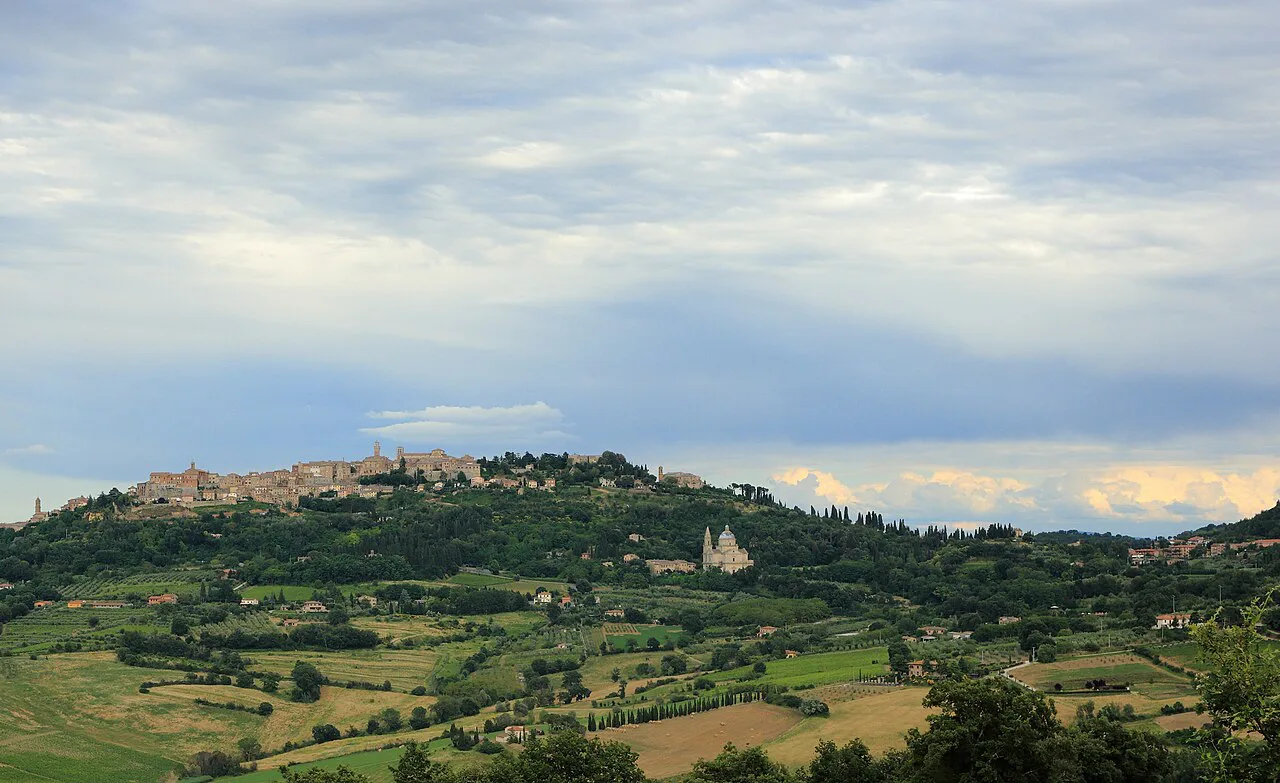
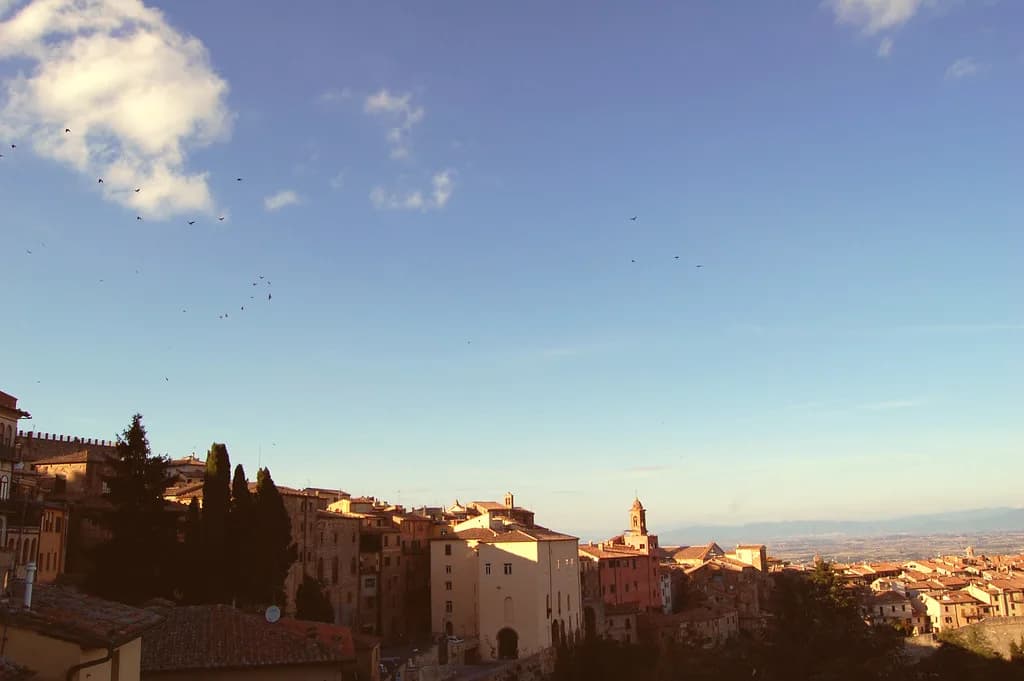
Montepulciano is a hill town, and its wine history is stacked vertically: the cellars occupy the oldest ring of walls beneath the streets, while the Renaissance palazzi rise above them. Contucci's cellars date to the 11th to 13th centuries and are described as the only fully working historic cellar still in the monumental center of the town. That makes it a different proposition from the countryside estates that dominate the surrounding hills.
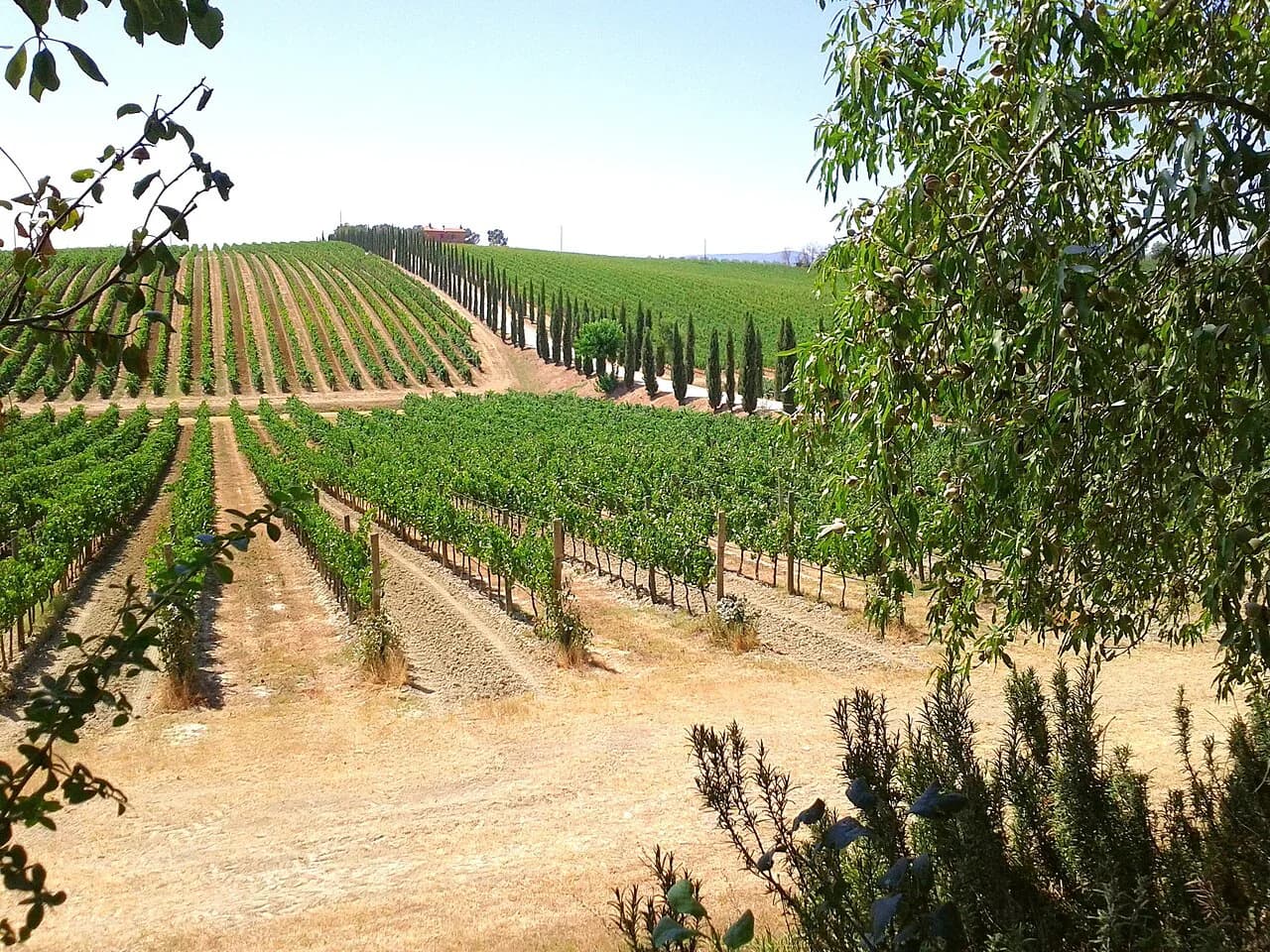
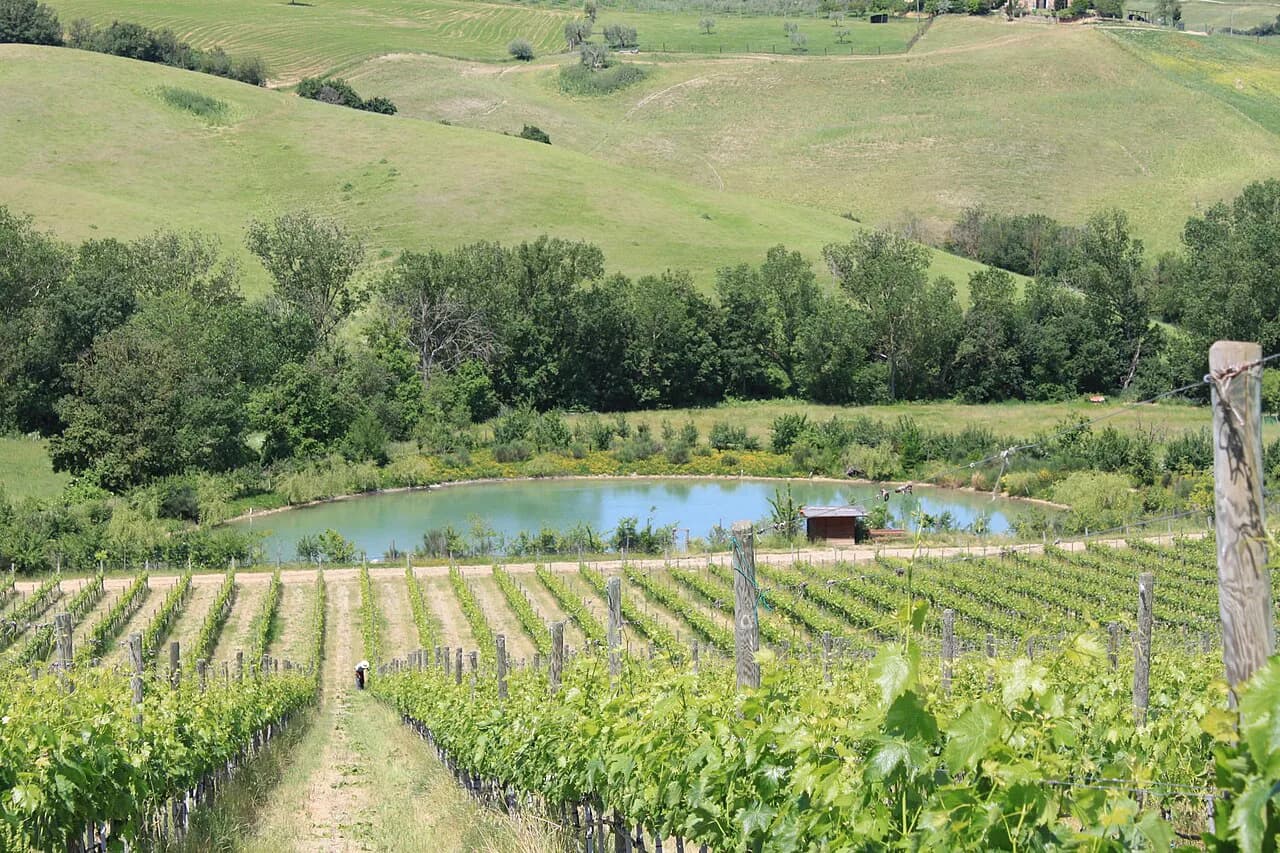
The family's claim on the town's signature wine is old and documented. A 1773 record credits the Contucci with helping make Vino Nobile famous, and the estate holds 170 hectares, about 22.5 of them vineyards planted to native varieties. You are tasting in a house that helped define the appellation rather than a newcomer riding its reputation.
Practically, that means a visit here works as the anchor of a town day rather than a separate excursion. Group it with the Piazza Grande, the cathedral and the viewpoints over the Valdichiana, and you have a full itinerary without touching a car. Add a second cellar or a countryside stop only if you have a driver or a tour arranged, since the surrounding estates are not walkable from the center. If you are weighing another hill town with a cellar-at-its-center visit, the Orvieto wine guide shows how that decision compares.
Where Cantina Contucci Is: Via del Teatro 1, Just Off Piazza Grande
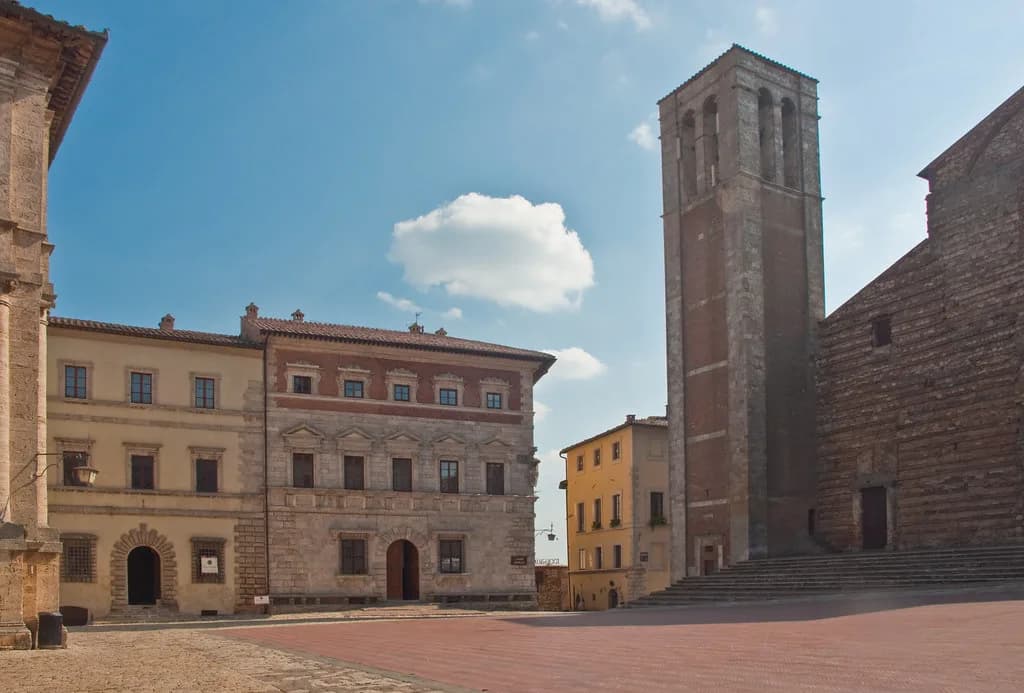
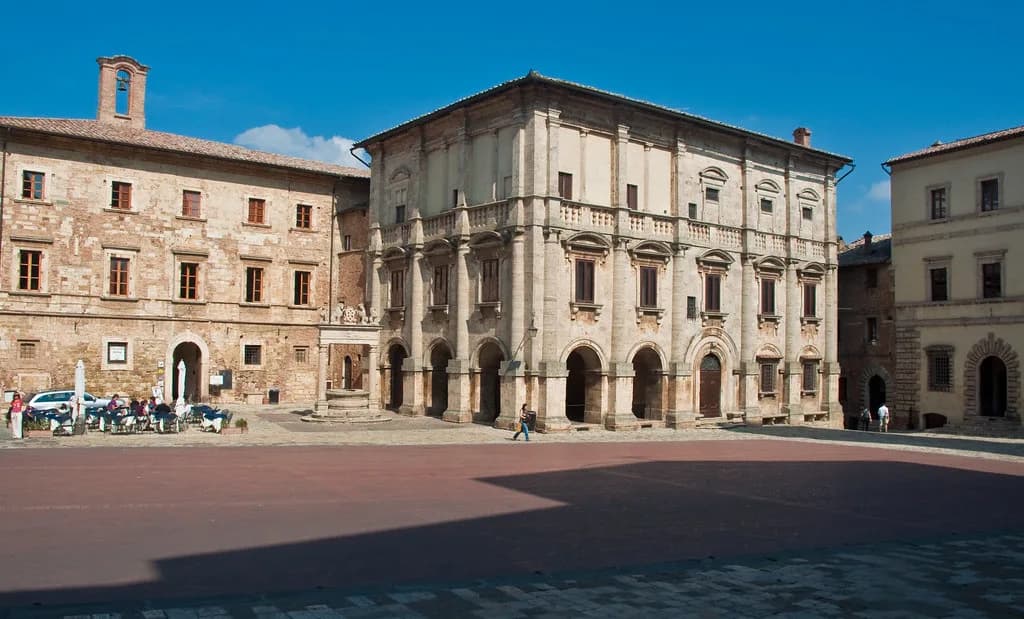
The address is Via del Teatro 1, 53045 Montepulciano (Siena), and the entrance sits on the corner of Piazza Grande beside the cathedral. If you are coming up from the lower town, follow the main street to the top and the square opens in front of you; the winery, its wine bar and the palace share the same block. Wear shoes that cope with steep stone lanes, because the final approach is uphill.
Published visitor hours are 9:30am to 12:30pm and 2:30pm to 6:00pm daily, with a midday closure that matters if you are planning a long lunch between visits. These are the hours listed by the national tourism board rather than confirmed by the winery here, so a quick look at the winery's own pages or a phone call on +39 0578 757006 before a special trip is sensible, especially in winter.
Because the cellar is in the town center, arrival is on foot. Montepulciano's bus links to Chiusi-Chianciano Terme station and to Siena drop passengers at the edge of the historic center, and from there it is a walk uphill through the streets. A taxi from the station is the quicker option if you are arriving with luggage or on a tight schedule. Driving into the center is best avoided, since parking sits outside the walls and the lanes are pedestrian.
Vino Nobile in Brief: Prugnolo Gentile, Rosso and Vin Santo
Montepulciano's flagship wine is Vino Nobile di Montepulciano DOCG, built mainly on Prugnolo Gentile, the local name for Sangiovese. Contucci's blends also include Canaiolo Nero, Colorino and, in the Riserva, a little Mammolo. The DOCG requires extended oak aging before release, which is why the wines tend to show firmer structure than a simple Rosso.
Below the DOCG sits Rosso di Montepulciano DOC, made from the same grape family but aged far less, so it is lighter, more immediate and generally the wine poured first in a tasting. Contucci ages its Rosso about 24 months in wood with a further six to eight months in bottle, according to the winery's own technical notes. Think of it as the everyday introduction to the estate's style rather than a lesser wine.
Vin Santo di Montepulciano DOC is the sweet wine here, made from Malvasia del Chianti and Grechetto dried and aged in small oak barrels for years. Contucci also makes a white, Bianco della Contessa, from Malvasia and Trebbiano Toscano. Knowing these names helps you read the tasting list and decide whether to buy a bottle to carry home; Vin Santo is the one to consider if you want something that travels well and keeps.
The Contucci Wines You May Encounter
The Vino Nobile line has several labels that reflect different vineyard parcels and aging regimes. The winery lists a Classico-style Vino Nobile alongside Pietra Rossa, Mulinvecchio and Palazzo Contucci, plus a Riserva made in just 4,000 numbered bottles to mark the palace's 500th anniversary. Tasting across them is the best way to understand how parcel and time in wood change the same grape.
Annual production is around 100,000 bottles across all labels, small enough that the cellars still feel like a working family operation rather than a visitor factory. The historic cellars run over three floors, with concrete and steel vats for fermentation and oak barrels for aging, so a tour moves through the actual production space. If you are choosing among montepulciano wineries for a single in-town visit, that density of wine in one historic building is the argument for Contucci.
The Contucci Experience: Palace Rooms, Cellars and the Panoramic Garden
The Contucci Experience is a guided package that combines four elements: a look at rooms in Palazzo Contucci, an extended tour of the historic cellars, a visit to the panoramic garden, and a seated tasting in the enoteca inside the palace. The palace was built by Antonio da Sangallo the Elder in the 16th century, and the Sala delle Feste was decorated by Andrea Pozzo in 1702. It is as much a small art and architecture visit as a wine tasting.
The garden element is the one to hold loosely. It has views across the Valdichiana toward Lake Trasimeno, but the winery states the garden visit is not possible in adverse weather. Treat the garden as a bonus rather than the reason to book, and you will not be disappointed by a rainy day. The cellar and palace sections run regardless.
The whole Experience is scheduled to last about two hours. That is long enough to cover the palace, the cellars and a four-wine tasting without rushing, and it is a useful block to plan the rest of a day around, since you will not be able to sandwich it between two other appointments. Book it as the fixed point of the day and build the walking route around it.
The Tasting Format: Four Wines, Two Food Options
The guided tasting pours Rosso di Montepulciano DOC plus three different Vino Nobile di Montepulciano DOCG labels, so you compare the entry wine against three expressions of the flagship. That structure is useful if you already know Sangiovese and want to see what aging and parcel selection do to it. It is not a broad survey of Tuscan whites or sweet wines; ask separately if you want to taste the Vin Santo or the Bianco della Contessa.
There are two versions of the plate. The standard Experience pairs the wines with local cured meats, two types of local pecorino and bread with the estate's olive oil. If your group prefers not to have the salumi and cheese board, the same four wines come with snacks instead and the price drops accordingly. Choose the food version if the tasting replaces lunch, and the snack version if you plan to eat properly afterward in town.
Dietary needs are handled at booking rather than on the day. The winery asks anyone with celiac disease, other intolerances or specific eating habits to say so when reserving, which is when the kitchen can adjust. If you are traveling with someone who does not drink, they can still join the tour; the point at which to raise that is also the booking email.
Price, Duration and Booking Rules
The Contucci Experience costs 40 euros per person with the plate of local cured meats, pecorino and bread with olive oil, and 25 euros per person with snacks instead of the plate. Both versions include the palace rooms, the cellars, the garden when weather allows, and the four-wine guided tasting, and both run about two hours. The 15-euro difference is essentially the food, so the choice is about whether you want lunch built into the tasting.
The Experience runs from April 1 to January 6 on Mondays, Tuesdays, Fridays and Saturdays, with departures at 11:00am and 3:30pm. That leaves Wednesday, Thursday and Sunday without a scheduled Experience, plus the January-to-March window, when you should plan on the drop-in cellar visit instead or ask the winery directly what is available. The 3:30pm slot works well if you want the morning free for the rest of the town.
Two rules shape who can book: the Experience is capped at 20 people, and it must be reserved at least 15 days in advance. That advance window is unusual for a Tuscan cellar visit and catches people who assume a day or two is enough, so fix your date before you finalize flights or train tickets. Booking is by email to reservation@contucci.it or through the form on the winery's site.
Independent Visit Versus the Organized Experience
The two offerings suit different travelers. The paid Experience gives you the palace rooms, the full cellar tour, the garden and a structured four-wine tasting with food, all in one two-hour block with a guide. The independent visit is shorter and looser, and several visitor reviews on the winery's site describe walking through the historic cellars without a reservation and tasting in the wine bar afterward in order to decide what to buy. Treat those reviews as reports of what guests experienced, not as a published policy, and confirm the current arrangement before relying on it for a tight schedule.
The wine bar, opened inside Palazzo Contucci in 2021, is the practical fallback if you miss the scheduled slots or decide on the day. It lets you try by the glass, add a board of local products, and buy bottles without committing two hours. For a traveler with a single afternoon in town, that flexibility is often worth more than the fuller tour.
If you want multiple estates in one day without driving, a guided tour is the realistic answer, since the countryside cellars are spread across the hills and public transport does not serve them. Organized montepulciano wine tours handle transport between stops and usually include a designated driver, which lets everyone taste. The trade-off is less time in each cellar and a fixed itinerary.
Where Contucci Fits in a Wider Montepulciano Tasting Day
A sensible car-free day looks like this: a morning walk through the upper town, the 11:00am Contucci Experience if you booked ahead, a long lunch, then the wine bar or a second in-town tasting in the afternoon. Keep the driving to zero and the day works. Anyone behind the wheel should not taste at all; use the spittoons, appoint a designated driver, or take a tour or public transport instead.
If you want to stay in the wine country rather than the town, the surrounding hills have farm stays that put you among the vineyards and often arrange tastings on site. That base makes sense for a two- or three-night trip focused on Vino Nobile di Montepulciano, with Montepulciano town as a half-day rather than the center of gravity. Search agriturismo montepulciano options early in the season, since the best-placed farms fill for harvest.
Travelers building a longer Tuscan route sometimes pair Montepulciano with Montalcino or the Chianti hills. Estates such as Argiano winery in the Montalcino area receive visitors by appointment and make a logical second stop if you have a car and a driver. Do not try to combine them with a train-and-bus day; the distances and rural roads make that trip impractical.
Plan Your Visit
Cantina Contucci rewards planning more than most town-center cellars. The Experience needs 15 days' notice, runs on four days of the week between April and early January, and caps at 20 people, so decide your date and book by email before you lock in travel. The two price tiers make it easy to match the visit to your appetite: the full plate if the tasting is your lunch, snacks if you would rather eat in town afterward.
If your dates fall outside the schedule, the wine bar and the historic cellars still make the stop worthwhile, and the published daily hours give you a window to aim for. Confirm the current hours and the drop-in arrangement directly with the winery before a special journey, then build the rest of your day around the square, the viewpoints and the walk back down through town.
Frequently Asked Questions
What is the Contucci Experience in Montepulciano?
It is a guided package at Cantina Contucci that combines a look at rooms in Palazzo Contucci, an extended tour of the historic cellars, a visit to the panoramic garden when weather allows, and a guided tasting in the enoteca inside the palace. The tasting pours Rosso di Montepulciano DOC plus three Vino Nobile di Montepulciano DOCG labels. The whole visit is scheduled to last about two hours and must be booked in advance.
How much does a tasting at Cantina Contucci cost?
The winery publishes two rates for the Contucci Experience: one with a plate of local cured meats, pecorino and bread with the estate's olive oil, and a lower one with snacks instead of the plate. The wines tasted are the same in both versions. Check the Contucci Experience page on the winery's site for the current rates before booking, and note that the price includes the palace rooms, the cellars and the guided tasting.
Do you need to book Cantina Contucci in advance?
For the Contucci Experience, yes: the winery requires booking at least 15 days ahead, by email to reservation@contucci.it or through the form on its site, and caps the group at 20 people. For a shorter drop-in visit to the cellars and the wine bar, visitors describe arriving without a reservation, but that is not a published policy, so ask the winery before planning around it.
What wines are poured at Cantina Contucci?
The guided tasting includes Rosso di Montepulciano DOC and three different Vino Nobile di Montepulciano DOCG labels. The estate also makes a Vino Nobile Riserva in numbered bottles, Vin Santo di Montepulciano DOC from Malvasia del Chianti and Grechetto, and a white, Bianco della Contessa, from Malvasia and Trebbiano Toscano. Ask at the wine bar if you want to taste those outside the standard flight.
Is Cantina Contucci walkable from Montepulciano town center?
Yes. The winery is at Via del Teatro 1, on the corner of Piazza Grande beside the cathedral, so it is reached on foot from anywhere in the historic center. Expect an uphill walk on steep stone lanes from the lower town and from the bus stops at the edge of the walls. Cars park outside the center, and the lanes themselves are pedestrian.
What is the most famous wine from Montepulciano?
Vino Nobile di Montepulciano DOCG, made mainly from Prugnolo Gentile, the local name for Sangiovese, with Canaiolo Nero, Colorino and sometimes Mammolo. It is aged in oak for an extended period before release, which gives it more structure than Rosso di Montepulciano DOC, the lighter wine from the same grape family. Vin Santo di Montepulciano DOC is the town's traditional sweet wine.
Which Montepulciano wineries can you visit without a car?
Cantina Contucci is the standout option, since it sits inside the town walls and is walkable from anywhere in the center. Other estates are spread across the surrounding hills and are not served by public transport, so reaching them needs a car with a designated driver or an organized tour. A guided tour solves the transport problem and lets everyone in the group taste.
Sources
Notes for your next wine trip
Optional updates to our winery and wine-town guides.
You might also like
Continue reading
More guides you'll find useful