Casanova di Neri: Montalcino Winery Guide from Montepulciano
Casanova di Neri sits at Podere Fiesole outside Montalcino. Here is how the tasting room works, what to book by email, and how to get there from Montepulciano.
On this page
Casanova di Neri is one of the Montalcino addresses a Sangiovese-minded traveler is most likely to have heard of, and it does receive visitors. The estate runs a showroom and guided tastings at its Podere Fiesole farmhouse, so a stop here can anchor a Brunello day rather than just a bottle shop. This guide covers what is poured, when the tasting room is open, how to book, and how to slot the visit into a trip based in Montepulciano.
The two towns sit in different appellations about an hour apart by road in southern Tuscany, and that geography shapes the day. Montepulciano pours Sangiovese as Vino Nobile di Montepulciano, while Montalcino pours it as Brunello and Rosso. Treating them as one wine district is a mistake; treating them as two halves of a very good two-day loop is the better plan.
What Casanova di Neri Is
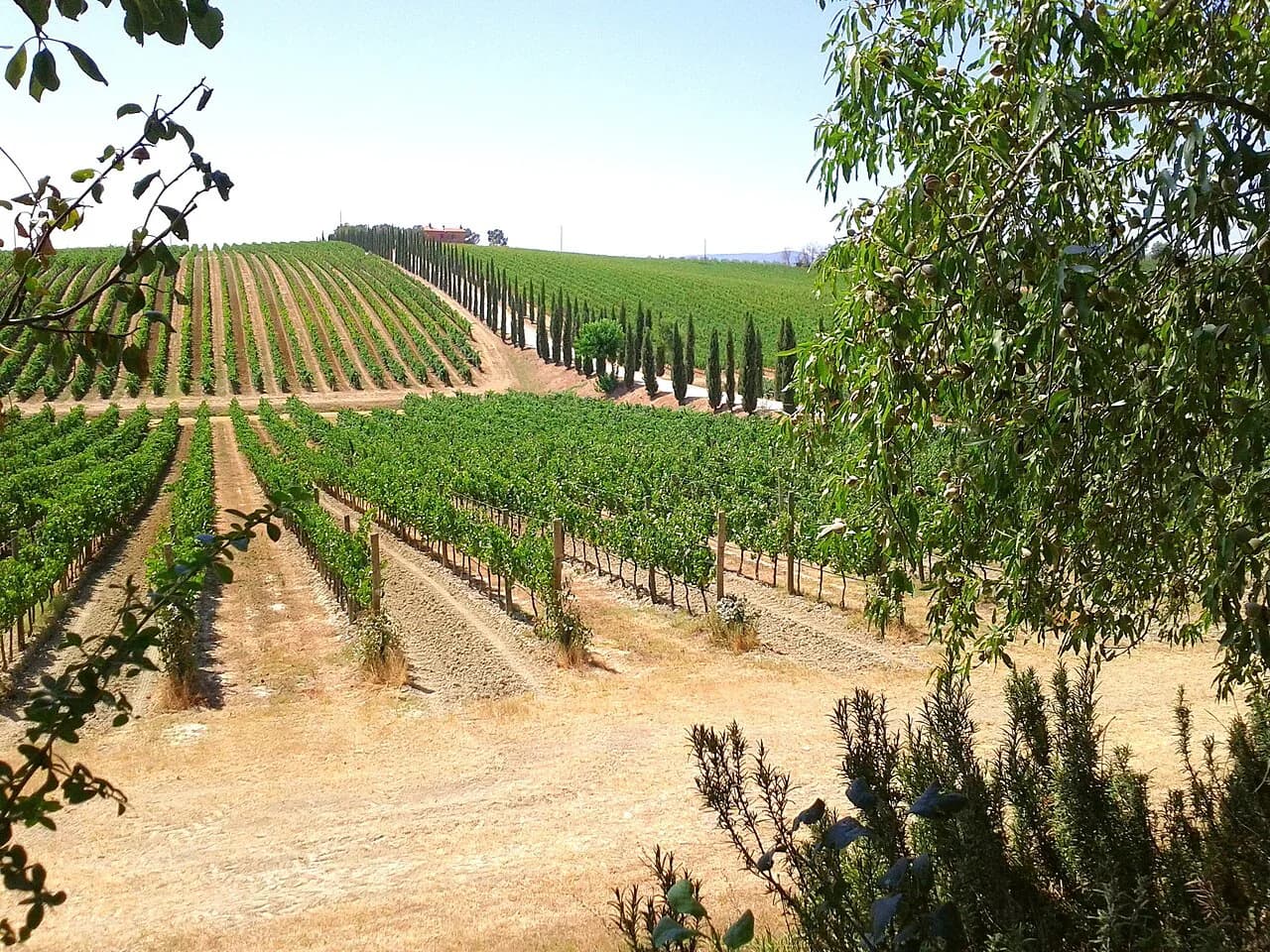
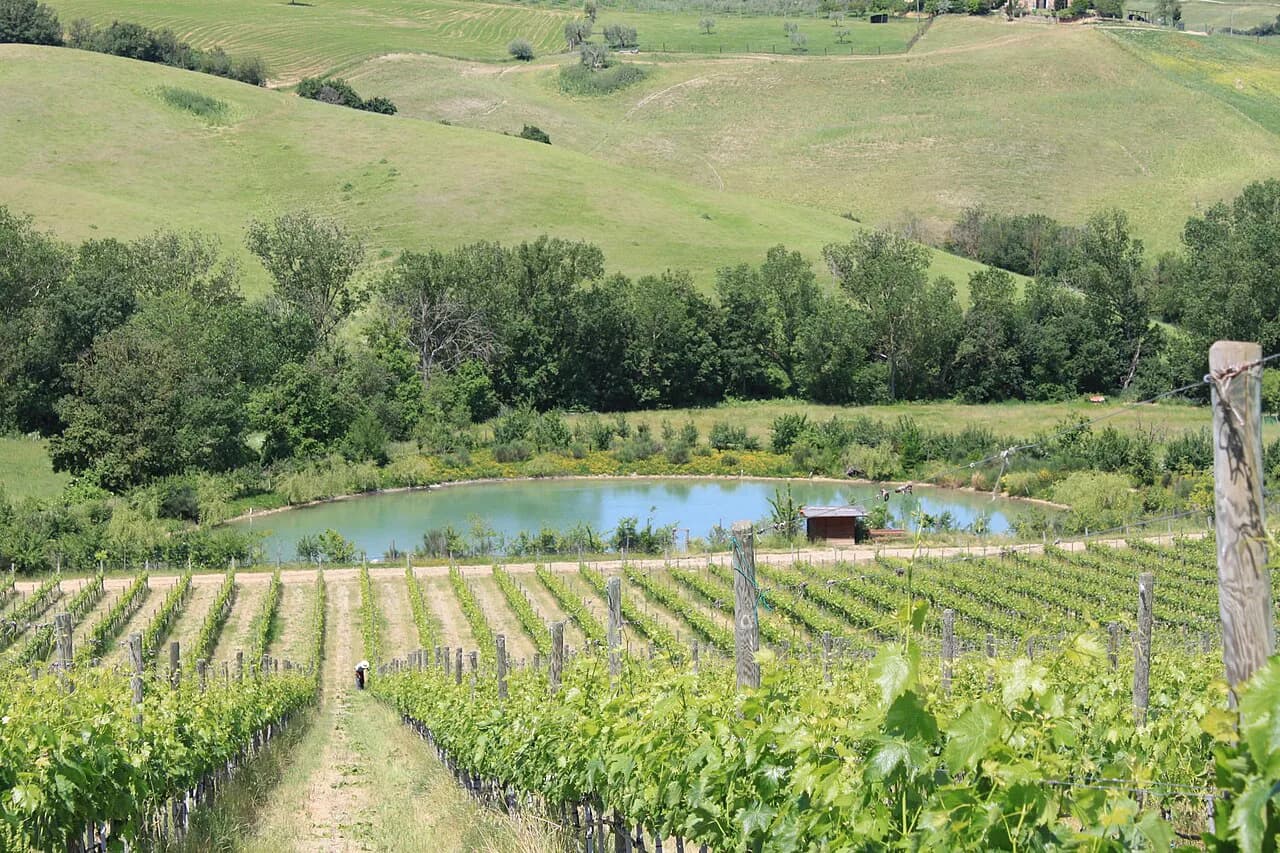
Casanova di Neri is a family-owned agricultural estate in the Montalcino zone whose range is built around Sangiovese. Its ten wines come from separate plots spread across the wider Montalcino winegrowing area, which is why the labels taste and read differently from one another. The core is Brunello di Montalcino, the zone's top appellation, backed by Rosso di Montalcino and a small set of Toscana IGT bottlings.
The estate also keeps a relais and produces specialty items alongside the wine, so it functions as a small hospitality operation rather than a bare cellar door. For a wine-focused visit, though, the showroom and the guided tastings are the reason to come. Contact details for the estate sit on its own site, including the Podere Fiesole address and a landline.
Where It Is: Podere Fiesole and the Montalcino Zone
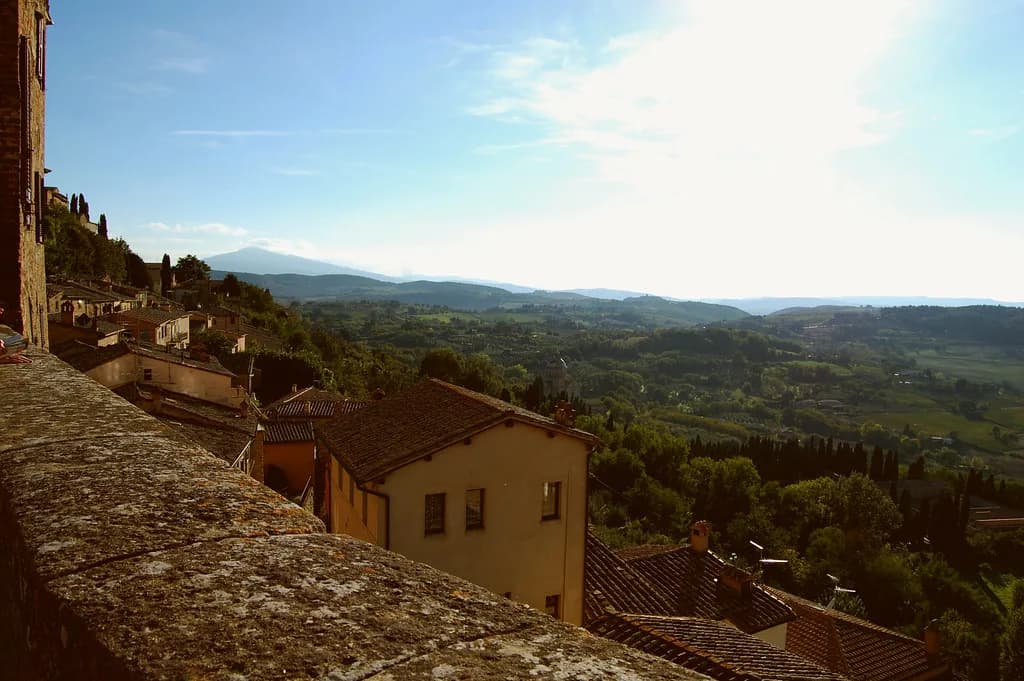
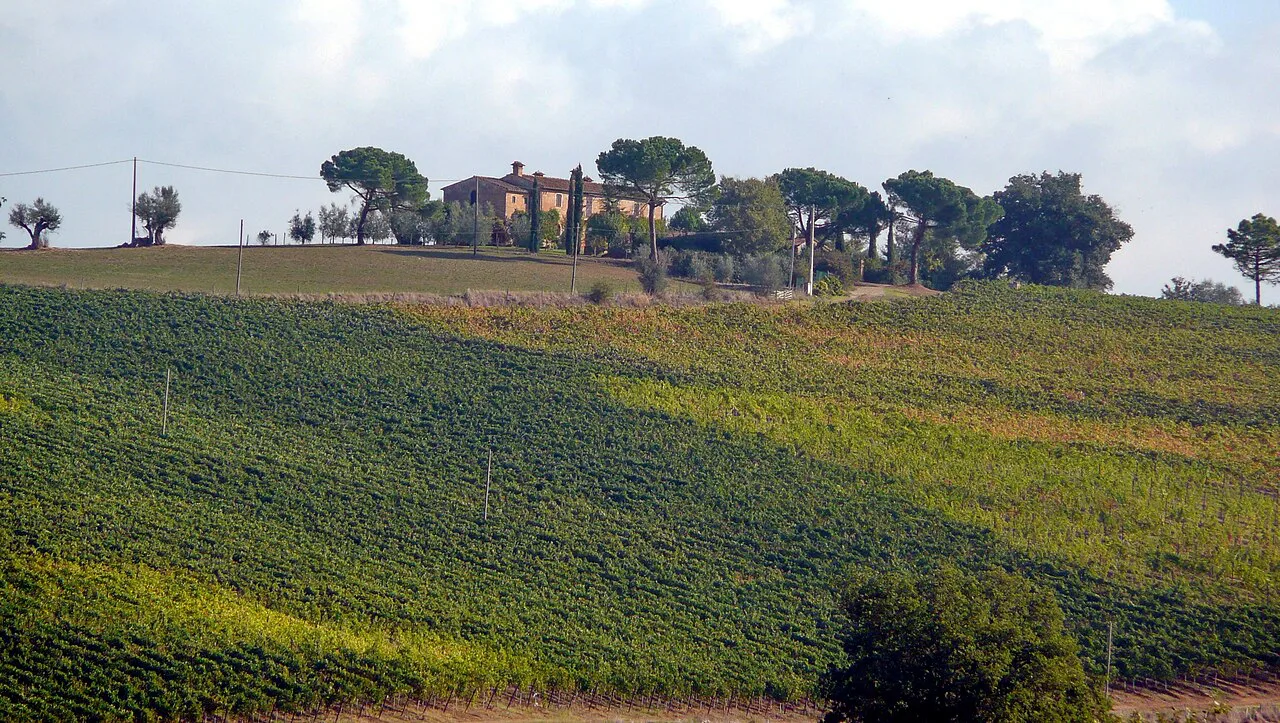
The winery is based at Podere Fiesole in the comune of Montalcino, southwest of the town of Montepulciano. The road route runs through the Orcia valley and its hill towns, so the drive is scenic rather than quick, and the last stretch is on the minor roads that thread the Brunello vineyards. Plan the visit as the main event of a day rather than a quick detour between Montepulciano cellars.
Within Montalcino, estates are scattered across a large growing zone, and a single address can be twenty minutes or more from the next. That makes clustering essential: pair Casanova di Neri with stops in the same sector or on the same road back toward Montepulciano. The town of Montalcino itself, with its enoteche and fortress, works well as the lunch and regroup point between appointments.
The Wines You'll See on a Tasting Sheet
Four wines carry the Brunello di Montalcino name here, and knowing them helps you ask the right questions at the Podere Fiesole showroom. White Label is the estate's long-running Brunello, produced since 1978. Tenuta Nuova is a separate vineyard project planted on ground where Sangiovese had not been grown before. Giovanni Neri is a Brunello named for the founder, made from half-century-old vines, and Cerretalto is a single-site Brunello from a mineral-rich amphitheater vineyard beside a small river.
Below the Brunellos sit the Rosso di Montalcino wines, including a Giovanni Neri Rosso released for the estate's fiftieth anniversary, and the Toscana IGT range. That range covers Pietradonice, a Cabernet Sauvignon, plus IrROSSO, a Sangiovese-based red, IrROSÉ and a limited white called Ibbianco. If you want breadth rather than a vertical of Brunello, say so when you write; the showroom can steer the selection.
The estate's own pages carry the accolades its top wines have collected, including full marks from several critics for Cerretalto. Read those as the producer's presentation of its record, not as an independent verdict, and treat the tasting as a chance to judge the style for yourself. Sangiovese from Montalcino tends toward firm structure and savory red fruit, which is a useful contrast to the rounder, plumper Vino Nobile you taste back in Montepulciano.
The Tasting Room: Hours and Format
Tastings happen in the showroom at the Podere Fiesole farmhouse, where staff guide guests through the wines. The published opening window is Monday to Friday, 9am to 1pm and 2pm to 6pm. No weekend hours appear on the estate's page, so a Saturday or Sunday visit needs to be raised directly with the winery rather than assumed.
Beyond the standard showroom tasting, the estate advertises what it calls Exclusive Wine Experiences, which points to longer, more structured formats arranged around your group. The winery has not published the number of wines poured, the duration, or whether food is included, so build your plan around a request rather than a fixed package. The midday closure is worth respecting: a late-morning slot leaves the afternoon free for another estate.
How to Book
Book by email, and use the right address. Travelers write to visit@casanovadineri.com, while travel agencies, hotels and tour operators have a separate trade contact at relations@casanovadineri.com. The estate also lists a landline and a mobile for the tasting operation. Put your dates, party size and whether you want the standard showroom visit or an exclusive experience in the first message; a clear request gets a faster answer.
Appointment culture in the Brunello zone is stricter than in many New World wine regions, where walk-in tasting rooms are the norm. Producers here schedule staff around bookings, and the published weekday hours describe when the showroom operates rather than a guarantee that a table is free. If your trip falls in September or October, when harvest work takes priority, write earlier than you otherwise would. Confirming your slot shortly before you travel is sensible for any estate visit.
Getting There Without Driving
There is no direct rail link between Montepulciano and Montalcino, and the winery sits outside town on country roads. Public transport means a combination of regional bus lines and a final taxi, and the connections are thin enough that a fixed appointment becomes risky. This is the trade-off of a car-free trip in this part of Tuscany: the wine is superb, but the logistics reward planning.
The practical options are a pre-booked driver or taxi from Montepulciano, a private transfer arranged through the estate, or a guided day tour out of Montepulciano. Tours solve the route and the driving in one move and often bundle two or three Montalcino estates. Independent travelers with a car keep the most flexibility but need a designated driver who spits rather than swallows, since the roads here are winding and the pours are generous.
Independent Visit vs. Guided Tour
Going independently gives you control over timing and lets you linger over the Cerretalto or ask about a specific vintage. It also means you handle the booking emails, the parking and the drive, and you absorb the cost of a private transfer alone. For two people, that arithmetic often favors a shared tour; for a group of four splitting a driver, the private option can look better. Compare quotes for your dates, since prices vary between providers.
A guided tour adds context a tasting room cannot always supply, since the drive between estates crosses the very landscape that defines the appellation. The downside is a fixed schedule that may not match the slot Casanova di Neri offers you, so book the tour only after the estate confirms. Montepulciano wine tours based in your own town are the simplest way to let someone else handle the Brunello roads.
Structuring a Half-Day or Full-Day Route
For a half day, keep it to Casanova di Neri plus one nearby estate and lunch in Montalcino town. A morning showroom slot fits the winery's weekday hours neatly and leaves the afternoon for the drive back or a second appointment. For a full day, add a Sant'Antimo-area stop on the Orcia side and finish in Montalcino before the light goes.
If you would rather stay in the Montepulciano zone, an Argiano Winery Visit near Sant'Angelo in Colle sits on the Montalcino side and pairs naturally with a Casanova di Neri morning. Argiano occupies the Villa Bell'Aria estate, which gives a second architectural reference point for the day. Building a route around the estates that lie between the two towns cuts the driving considerably.
Pairing the Visit with Montepulciano's Own Cellars
Back in Montepulciano, the local wine is Vino Nobile di Montepulciano, also Sangiovese but grown on different soils and blended under different rules. Tasting it after a morning of Brunello sharpens the comparison: Montalcino tends to structure and savory length, Montepulciano to a fleshier, more immediate profile. Neither is the lesser wine; they are simply two expressions of one grape in neighboring zones. If you extend the trip east, wine tasting in Siena offers a third Sangiovese reference point for the same comparison.
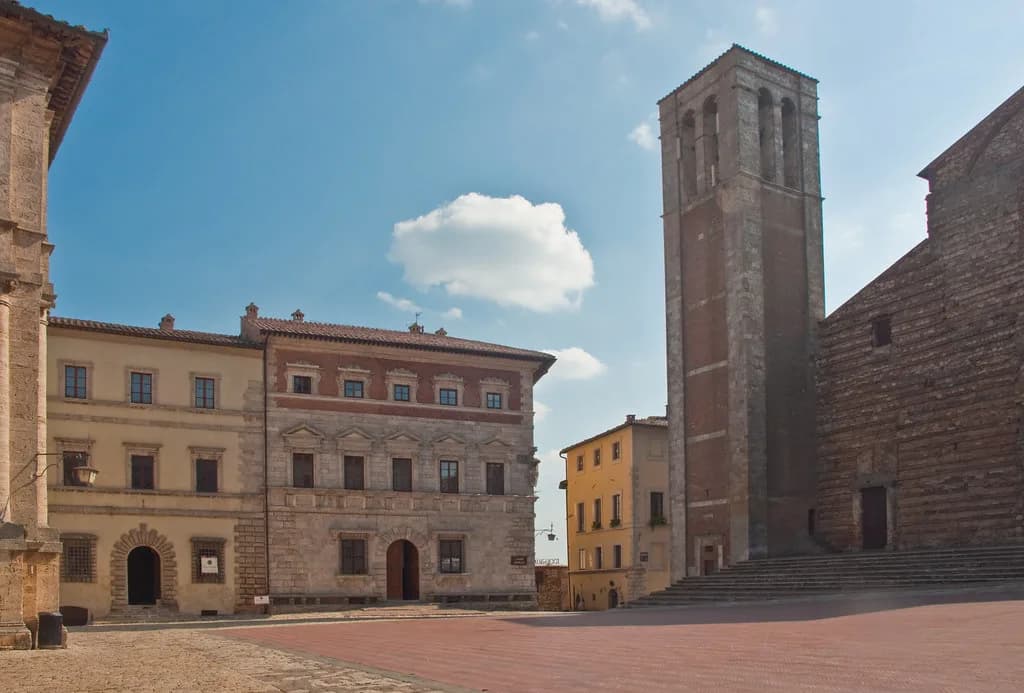
Many of the town's cellars sit right under the centro storico, which makes an afternoon of wine tasting in Montepulciano possible on foot after a morning in the car. The wineries in and around town range from historic cantine to small family operations, and several welcome visitors with a phone call or email. Use those for the day you want to walk rather than drive.
If you plan to stay in the vineyards rather than in town, an agriturismo in Montepulciano puts you among the vines and shortens the morning drive. Rural stays often come with their own tasting arrangements, which can fill the gaps left by strict appointment schedules. Book early in harvest season, when rooms and tasting slots fill together.
Harvest Timing and Appointment Practicalities
Harvest in Montalcino generally falls in September, when estate staff are in the vineyards and cellar rather than at the showroom door. That does not close the winery, but it does mean slower email replies and less flexibility on slots. Spring and early summer are calmer for visits, and winter weekdays suit travelers who want unhurried attention.
When you write, ask three things: whether your preferred date is available, whether the format includes a cellar walk-through, and whether children or non-drinkers in your party can be accommodated. Those answers shape whether the visit suits your group at all. A short, specific email works better than a long one. The estate's contact page lists the address, phone and email for the Podere Fiesole base.
One rule matters more than any other on a wine day in Tuscany: the driver does not taste. Use the spittoons, appoint a designated driver, or book a tour or driver so the whole party can enjoy the glass. The roads between Montepulciano and Montalcino are beautiful and unforgiving, and there is no reason to risk them.
Plan Your Visit
Casanova di Neri rewards a little preparation: a weekday showroom slot, an email to the visitor address, and a route that clusters Montalcino estates rather than crisscrossing the zone. Build the day around the wines you actually want to try, whether that is a Brunello vertical or a broad sweep of the IGT range. Confirm the details with the winery before you set out, since hours and formats can shift with the season.
Then give Montepulciano its own day. Between Vino Nobile cellars under the old town, rural stays among the vines, and the short run to Montalcino, the two zones make a natural pair for a wine-focused trip in southern Tuscany. Start with the wine tasting in montepulciano guide to see how the local cellars compare.
Frequently Asked Questions
Is Casanova di Neri open for tastings without an appointment?
The estate publishes showroom hours of Monday to Friday, 9am to 1pm and 2pm to 6pm, with guided tastings run by its staff. Because the Brunello zone runs on appointments, you should email before traveling rather than relying on a walk-in slot. No weekend hours are listed, so a Saturday or Sunday visit must be arranged in advance.
How do you book a tasting at Casanova di Neri?
Email the visitor address published on the estate's Wine Experience page, including your dates, party size and the format you want. Travel agencies, hotels and tour operators use a separate trade address. The estate also lists a landline and mobile phone for its tasting operation, and the main contact page gives the Podere Fiesole address.
What wines does Casanova di Neri pour in its tasting room?
The estate's range includes four Brunello di Montalcino labels (White Label, Tenuta Nuova, Giovanni Neri and Cerretalto), Rosso di Montalcino wines, and Toscana IGT bottlings such as Pietradonice, IrROSSO, IrROSÉ and Ibbianco. The winery does not publish which wines appear in each tasting format, so specify your interest when you book.
How far is Casanova di Neri from Montepulciano?
The winery is at Podere Fiesole in the comune of Montalcino, a road trip from Montepulciano through the Orcia valley rather than a short hop. No direct rail link connects the two towns. Allow for a scenic drive on minor roads and plan the winery as the anchor of the day rather than a quick stop between Montepulciano cellars.
Can you visit Casanova di Neri without a car?
It is possible but fiddly: regional buses and a final taxi are the public transport route, and the connections are thin enough to threaten a fixed appointment. A pre-booked driver, a private transfer, or a guided day tour from Montepulciano are the realistic car-free options. Tours also solve the designated-driver problem for a group.
What is the difference between Cerretalto, Tenuta Nuova and White Label Brunello?
All three are Brunello di Montalcino from Casanova di Neri but come from different sites and projects. White Label is the estate's long-standing Brunello, produced since 1978. Tenuta Nuova was planted on ground new to Sangiovese, and Cerretalto comes from a mineral-rich amphitheater vineyard beside a small river.
Should you combine Casanova di Neri with Montepulciano wineries?
Yes, but on separate days or in separate halves of a day, because the two zones sit about an hour apart by road. Montepulciano's cellars cluster in and under the old town, so they suit an on-foot afternoon. Casanova di Neri suits a morning slot followed by another Montalcino estate or lunch in Montalcino town.
Sources
Notes for your next wine trip
Optional updates to our winery and wine-town guides.
You might also like
Continue reading
More guides you'll find useful