Wine Tasting in Beaune: Cellars, Châteaux and How to Book
Plan wine tasting in Beaune with named cellars, walk times from Place Carnot, tasting formats, published prices and how to reach the Côte de Beaune without driving.
On this page
Beaune is the rare wine town where you can leave your car at the hotel and still taste seriously. The old town is barely half a kilometre across and the town counts close to 70 wine cellars open to the public, most of them a short walk from Place Carnot, the main square. That compactness is what makes it the obvious base for a first Burgundy trip.
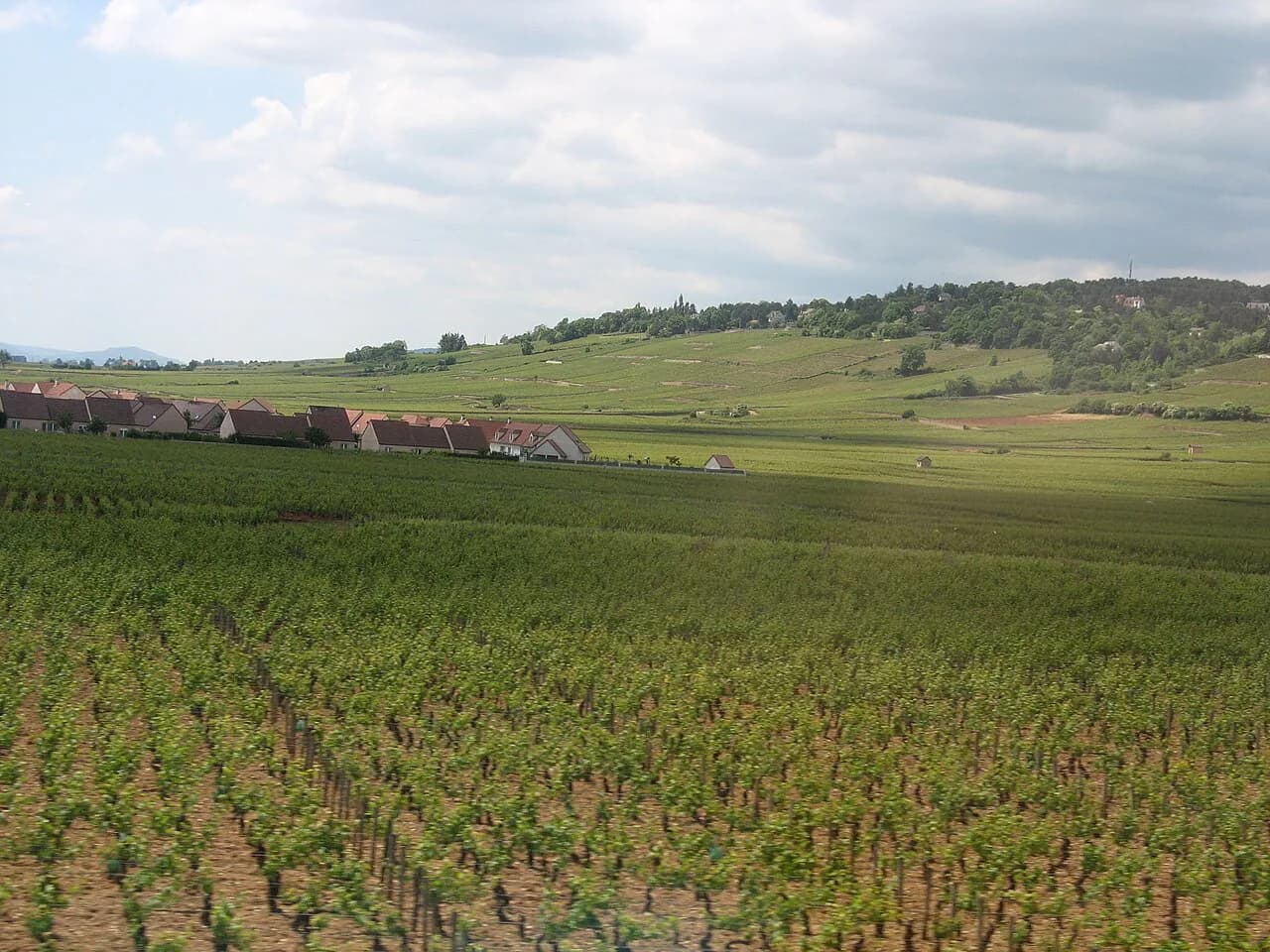
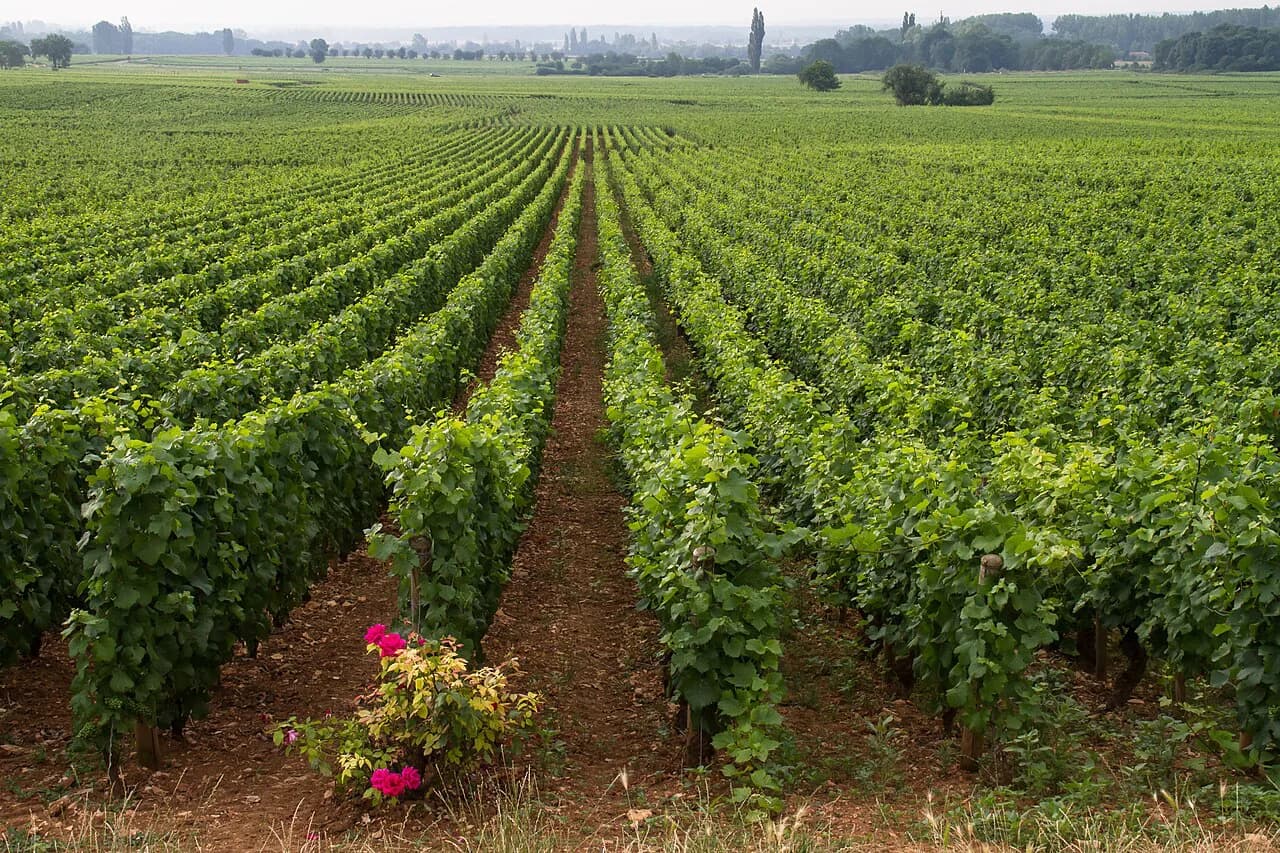
The vineyards of the Côte de Beaune start just outside the ramparts, with the Côte de Nuits beyond. Town cellars let you sample widely without transport, while village and château visits take you into the landscape where the grapes actually grow. A good plan uses both, and if you are weighing a base further south, the same trade-off shapes wine tasting in Avignon between town cellars and vineyard visits. The same town-versus-vineyard decision reappears when comparing wine tasting in Dijon with Beaune's cellar-heavy old town.
Why Beaune Works as a Tasting Base
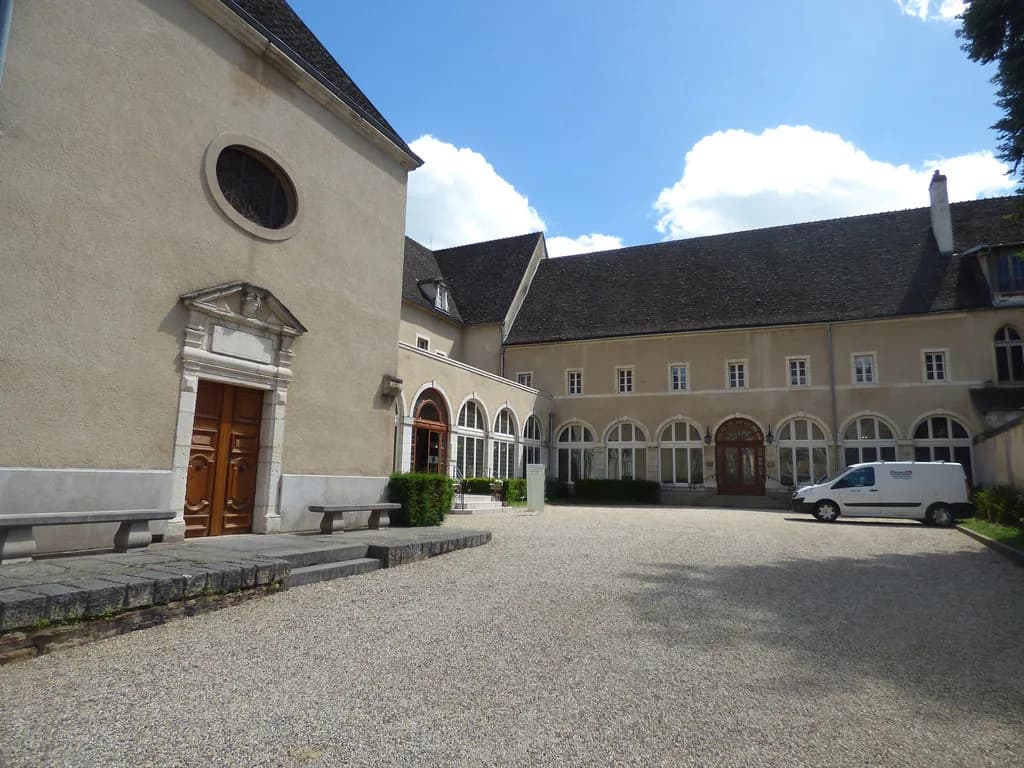
Beaune sits inside 12th- to 14th-century ramparts, centred on the medieval Hôtel-Dieu, and has functioned as Burgundy's wine capital for centuries. Because the historic core is so small, you can sequence three or four cellar visits in a day without a single taxi ride. Stay inside or just outside the walls and the whole town becomes walkable.
The practical consequence for planning is that you should not spread your days evenly. Give the old town one full day on foot, then use a second day for the villages and châteaux of the Côte de Beaune, where distances between domaines make transport matter. Organise the town first, when you are still learning the labels.
Burgundy in Five Minutes: What You Are Tasting
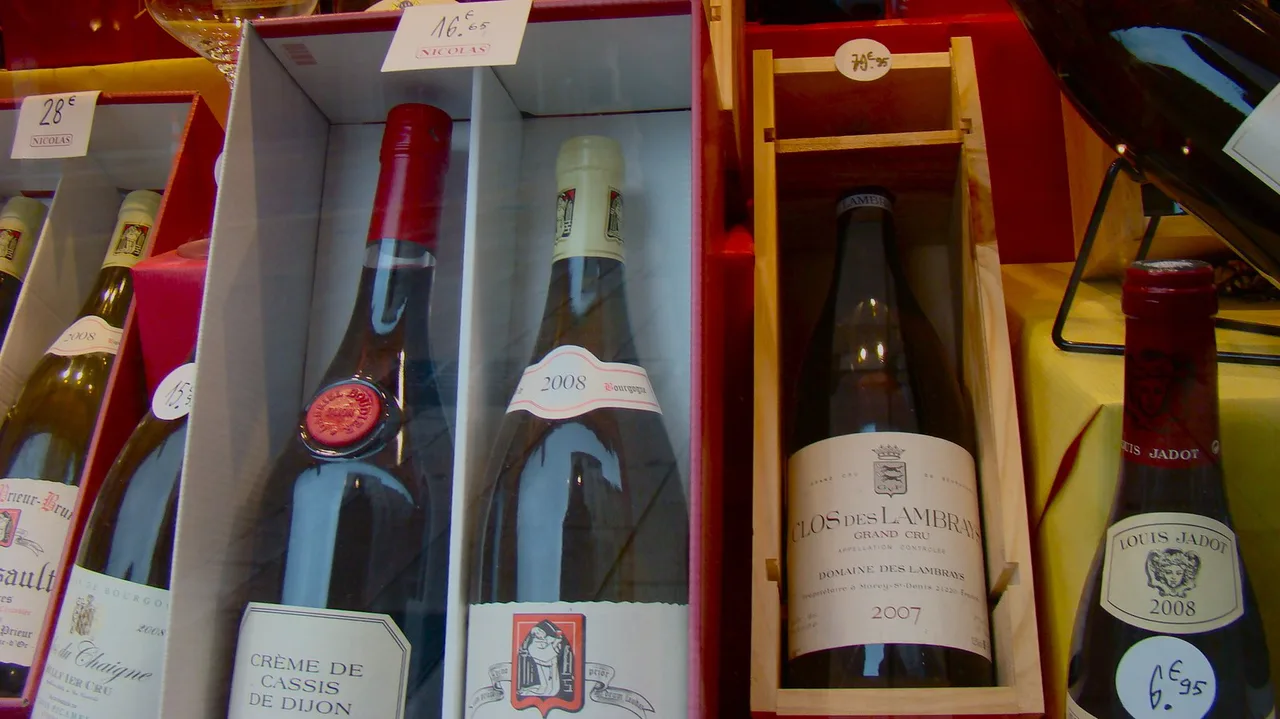
White Burgundy is Chardonnay and red Burgundy is Pinot Noir; that is the whole foundation. What changes between bottles is the vineyard site, ranked as village level, Premier Cru or Grand Cru. A Premier Cru bottling carries the village name plus the named plot, which is why labels read like addresses rather than brands.
For choosing a tasting, the ranking is a useful price and depth signal. Houses in Beaune typically offer a village-and-Premier-Cru flight as the standard visit and a Premier-and-Grand-Cru flight as the premium option, so you can decide in advance how far up the hierarchy you want to go. Ask what is poured in each format when you book, because the line-up changes by house.
Cellars Inside the Old Town You Can Reach on Foot
Maison Champy, at 12 Place de la Halle beside the Hôtel-Dieu, is about a three-minute walk from Place Carnot and runs guided tours of its 15th-century cellars of roughly 1.5 hours, ending with a tasting of five wines. Published rates are around €25 per person for the village and Premier Cru flight and around €55 for the Premier and Grand Cru flight, with advance booking required. Patriarche, at 5-7 Rue du College, is about five minutes from Place Carnot and holds some 5 km of tunnels and more than two million bottles. Its self-guided tour and tasting costs €25 including VAT; opening runs 9.30am to 11am and 2pm to 5pm daily, with annual closures in February and March plus 24, 25 and 31 December.
Maison Joseph Drouhin, at 7 rue d'Enfer, occupies the former parliament building of the Dukes of Burgundy and spreads over a hectare of cellars, about four minutes from Place Carnot and closed Sundays. The standard guided visit is around €38 per person with six wines, while longer exclusive tastings climb to around €120 per person, and visits of one to three hours must be arranged in advance. Bouchard Ainé & Fils, at 4 Boulevard Maréchal Foch, has traded since 1731 in the 18th-century Hôtel du Conseiller du Roy, about seven minutes from Place Carnot, and pairs its vault tastings with food. Guided tours run at 10.30am, 11.30am, 2.30pm, 4pm and 5pm at around €40 per person for five wines, capped at 20 people, so reserve ahead.
Louis Jadot, at 62 Route de Savigny, sits outside the old town on the road to Savigny-lès-Beaune, roughly a 25-minute walk from Place Carnot, which makes a taxi or a lift sensible. A guided cellar visit and tasting runs at 10am most days at around €20 per person, booking is essential rather than walk-in, and the boutique is generally open Saturdays from 11am to 5.30pm and closed Sundays.
Walk-In Versus Appointment
Most of the well-known Beaune maisons open their vaults only as part of a guided visit booked in advance; Bouchard, Champy, Jadot and Drouhin all work this way. Patriarche is the exception in town, running free tasting-only access without a reservation at set departure times through the day, limited to 10 people per slot and subject to availability.
If your day has slack in it, build the schedule around the houses you have reserved and treat Patriarche's unreserved slots as the flexible filler. Arrive early for the popular mid-morning and mid-afternoon departures, and accept that the free slots may be full.
What a Tasting Actually Includes
Formats in Beaune vary more than the price tags suggest. A standard visit usually means a walk through the cellars followed by five or six wines, lasting about an hour to 90 minutes, while premium formats extend to Premier and Grand Cru pours and can run to several hours at Drouhin. Bouchard's tours add food pairings, which changes the pacing entirely.
Across the well-known houses, a standard guided tour and tasting sits at the lower end of the published prices, prestige Premier and Grand Cru flights cost roughly twice as much, and the most exclusive tastings cost several times a standard visit. Rates are revised periodically, so confirm the current figure and the wines included when you reserve rather than budgeting from a blog post.
Boutique-Only Producers: The Loïs Dufouleur Case
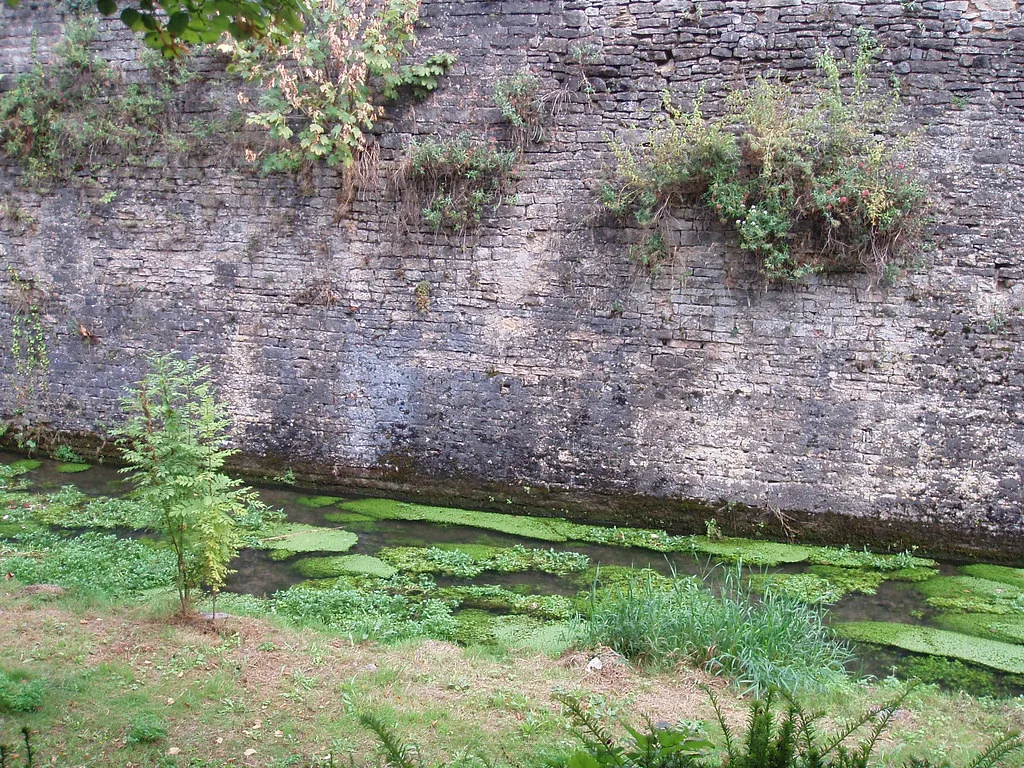
Not every Beaune name is set up for tours. Loïs Dufouleur, at 8 Boulevard Bretonnière about eight minutes from Place Carnot, farms just five hectares and does not open its cellars to visitors, but the shop carries the range and pours by appointment. There is no formal cellar tour here, only the boutique.
This is the format to use when you want to buy rather than tour. Call ahead so someone can open bottles, and treat it as a shopping stop between booked visits rather than an attraction with a queue.
Houses Not Set Up for Independent Visitors
Louis Latour, at 18 Rue des Tonneliers about four minutes from Place Carnot, keeps its visits by advance arrangement and geared mainly towards trade, with no walk-in tasting room or published public schedule. That does not mean individual travellers are turned away; it means there is no timetable to plan around. Ask the tourist office or call the house directly about availability before building a day on it.
Châteaux of the Côte de Beaune: What They Add
The wine châteaux of the Côte de Beaune open their doors for visits and tastings that combine heritage with wine, which is a different experience from a town cellar's underground vaults and rows of bottles. A château visit gives you the estate itself, the buildings and often the vineyard, rather than a room designed for receiving visitors.
Use the Beaune tourist office's listings to see which estates are currently receiving visitors, then match two or three to a driving or cycling loop rather than crossing the whole Côte in one day. Details such as which châteaux require reservations change seasonally, so verify at the time you plan.
Booking Mechanics: How to Reserve
Reservations at Beaune houses go through direct phone and email as often as through online platforms. The published contacts are worth keeping: Bouchard Ainé & Fils on +33 (0)3 80 24 06 66, Champy, Drouhin on +33 (0)3 80 24 68 88, Jadot on visit@louisjadot.com, Patriarche on +33 (0)3 80 24 53 78 and Loïs Dufouleur on +33 (0)3 80 22 04 62.
Four questions change the experience more than any other: how many wines are poured, whether the cellar itself or only the tasting room is included, what language the tour is given in, and whether there is a minimum party size. Ask about group caps too, since some houses limit tours to 20 and free slots to 10. The fix is to send one email with all four questions.
Getting into the Vineyards Without Driving
Guided day tours from Beaune exist and typically combine expert-led tastings at several wineries across the Côte de Beaune or Côte de Nuits. They solve the designated-driver problem entirely and suit travellers who want breadth in a single day, at the cost of following someone else's itinerary and pace.
Independent travellers can use taxis for short hops, such as the run out to Route de Savigny for Jadot, or cycle between neighbouring villages on quiet back roads. The trade-off is real: taxis need booking ahead and wait times add up, while bikes limit how much you can taste. Compare that with a scheduled tour before you decide.
If you would rather arrange transport once and keep it, a private driver for a full day also frees you to visit the smaller estates that no scheduled tour calls at. Whoever drives should not taste, so use the spittoons, book a driver or stick to public transport and taxis.
Côte de Beaune and Côte de Nuits: Grouping a Day or Two
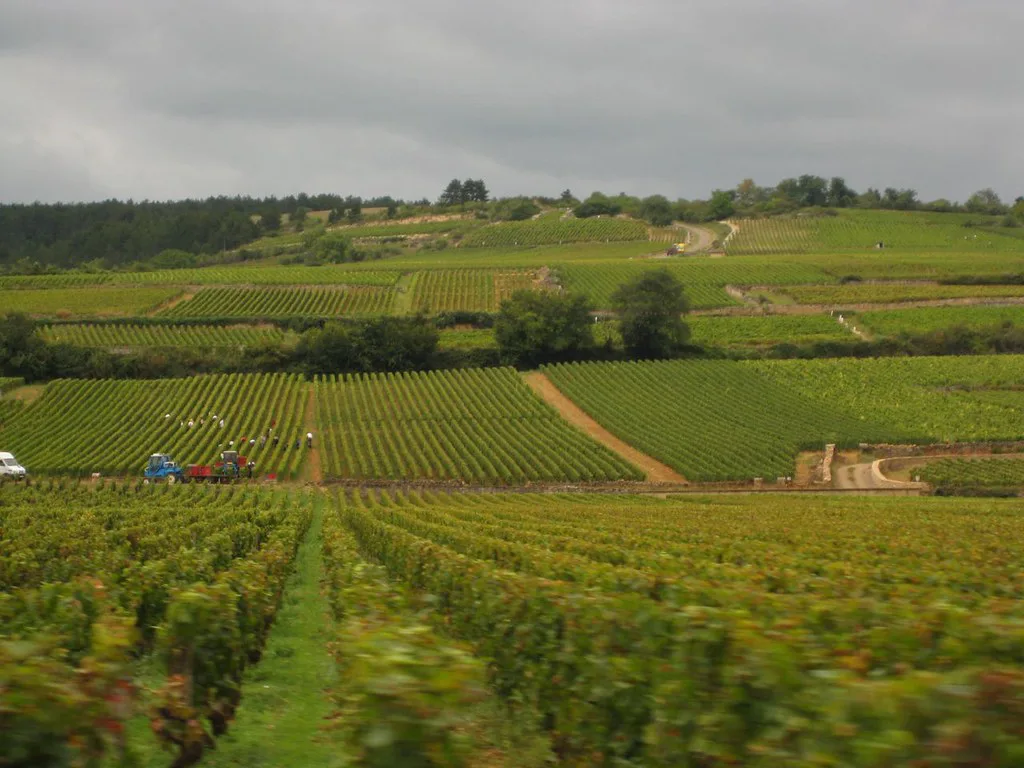
Think of Beaune as the pivot. The Côte de Beaune runs south from the town, with villages such as Savigny-lès-Beaune close by, and the Côte de Nuits lies to the north. Trying to cover both in one day means long transfers and short visits, so give each side its own half-day or day.
A sensible shape is one day entirely on foot in Beaune, one day in the Côte de Beaune villages, and a third either north in the Côte de Nuits or deeper into the Côte de Beaune châteaux. Two well-chosen estates with time to talk beat five rushed stops.
Timing Your Visit: Harvest, the Auction and Closures
Beaune's calendar has two anchors worth planning around. The Hospices de Beaune wine auction falls on the third Sunday in November and brings the town to a peak of activity, while harvest earlier in the autumn means estates are busy in the vineyards. Cellars generally keep receiving visitors through both, but appointment availability tightens.
Closures are the other timing factor. Some houses shut for defined annual periods, and Drouhin closes on Sundays, so check the specific house's published days rather than the town's overall reputation for year-round tourism.
Structuring a One-Day Visit
With a single day, stay inside the ramparts and walk. A common sequence is a late-morning guided visit at Champy or Bouchard, a lunch break, an afternoon tour at Drouhin, and an unreserved Patriarche tasting slot if energy and capacity allow. That gives you two cellar walks, thirty or more wines to taste, and never more than a short stroll between stops.
If you are in town in the evening, a wine bar lets you revisit the labels you liked during the day without committing to a bottle; our guide to Beaune wine bars covers where that works well.
Plan Your Visit
Book the cellar tours before you book the train. The old-town houses are walkable and concentrated, so the constraints are appointment slots and group caps, not geography; sort those first and the rest of the day falls into place around Place Carnot. Confirm the current price and line-up with the house when you reserve.
Plan a third day for the wider region if you can, using a tour, a taxi or a driver so that nobody at the wheel is tasting. If you want a broader regional framework before committing to Burgundy, our Burgundy Wine Tours page sets out the Route des Grands Crus and how the sub-regions fit together.
More wine guides from Beaune
- Albert Bichot
- Burgundy Wine Tours
- Hospices de Beaune
- Joseph Drouhin, Beaune
- Louis Jadot in Beaune
- Visiting Château de Pommard from Beaune
- Beaune Wine Tours
- Beaune Wineries
- Bouchard Père & Fils in Beaune
- Burgundy Wine Tasting from Beaune
- Château de Meursault
- Maison Champy, Beaune
- Patriarche Père & Fils
- Beaune Wine Bars
- Marché aux Vins in Beaune
- Domaine de Montille in Volnay
- Domaine Chanson, Beaune
- Cité des Climats et Vins de Bourgogne in Beaune
Frequently Asked Questions
Can you visit wine cellars in Beaune without booking a tour?
It depends on the house. Bouchard Ainé & Fils, Champy, Louis Jadot and Joseph Drouhin open their vaults only as part of a guided visit reserved in advance, with no casual access to the cellars themselves. Patriarche is the exception, running free tasting-only slots without a reservation at set departure times, limited to 10 people per slot and subject to availability. Smaller producers such as Loïs Dufouleur do not run formal tours at all but pour in the boutique by appointment.
How much does wine tasting in Beaune cost?
It varies widely by house and format. Standard guided tours with tasting at the well-known maisons generally fall in the low-to-mid range per person, prestige tastings featuring Premier and Grand Cru wines cost considerably more, and Patriarche's unreserved tasting slots are free. Prices are revised periodically, so confirm the current rate and the wines included directly with the cellar when you reserve.
What wines is Beaune known for?
Beaune sits in the Côte de Beaune in Burgundy, so the wines are Chardonnay and Pinot Noir, ranked by vineyard as village, Premier Cru or Grand Cru. Local houses produce both colours, including named Premier Cru bottlings such as Clos des Mouches at Drouhin and Les Marconnets and Clos du Roi at Bouchard. Ask when booking which wines are poured in your chosen flight.
How do you get to the Côte de Beaune vineyards without a car?
Guided day tours from Beaune combine tastings at several wineries in the Côte de Beaune or Côte de Nuits and remove the driving question entirely. Independent travellers can take booked taxis for short hops, such as the run out to Route de Savigny, or cycle between neighbouring villages. Taxis need arranging ahead and bikes limit how much you can taste, so compare those trade-offs with a scheduled tour before deciding.
What can you do in Beaune in a day?
Stay inside the ramparts and walk. A typical day pairs a late-morning guided visit at Champy or Bouchard with an afternoon tour at Drouhin, plus a Patriarche tasting slot if capacity allows, since all four are within a short stroll of Place Carnot. An evening wine bar lets you revisit favourites from the day.
When is the best time to visit Beaune for wine tasting?
Summer and early autumn give the most reliable vineyard weather, while harvest makes estates busy and the Hospices de Beaune auction on the third Sunday in November brings the town to its liveliest. Check each house's published opening days: Joseph Drouhin closes Sundays and Patriarche closes annually in February and March.
How far in advance should you book Beaune cellar visits?
Book as soon as your travel dates are fixed, especially for the popular houses. Several tours are capped at 20 people, and the free slots are limited to 10 per departure, so the most convenient times fill first. Direct email and phone reservations work well; Louis Jadot takes bookings by email.
Should you visit Burgundy or Bordeaux?
Choose Burgundy if you want compact, walkable wine towns, village-level nuance in Pinot Noir and Chardonnay, and cellar visits inside a medieval centre. Bordeaux suits travellers who prefer large estates and a château-based landscape that requires more driving. Beaune is the easier base for anyone who wants to taste without a car.
Sources
Notes for your next wine trip
Optional updates to our winery and wine-town guides.
You might also like
Continue reading
More guides you'll find useful