Wine Tasting in Bologna: Colli Bolognesi Guide
Plan wine tasting in Bologna: Colli Bolognesi wineries you can visit, Pignoletto and Lambrusco styles, train routes, and how guided tours compare.
On this page
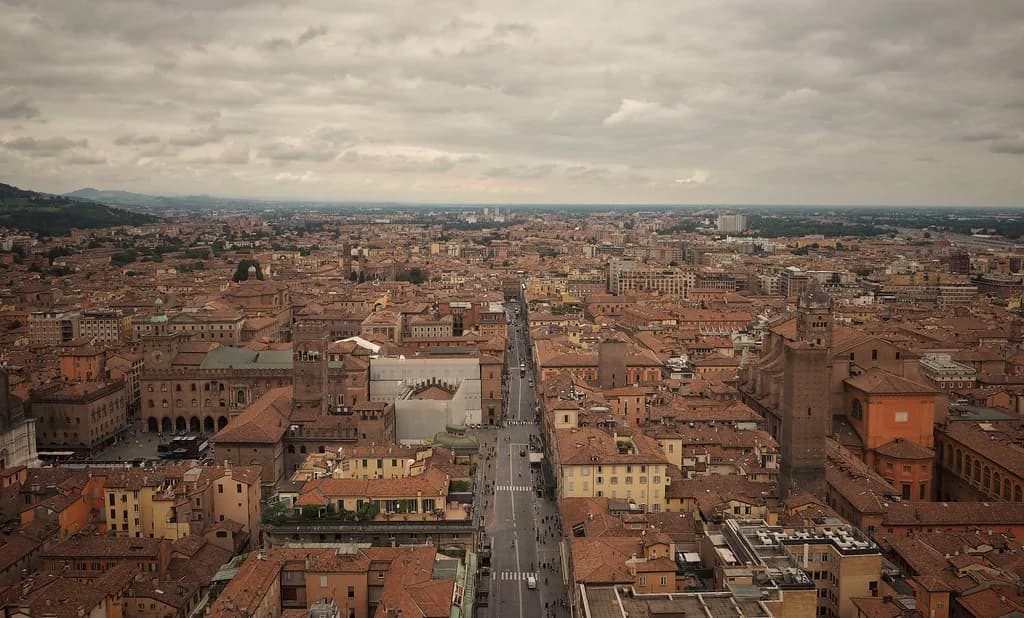
Bologna works as a wine base because the city edge gives way quickly to vineyard hills, and the region's best-known red, Lambrusco, starts a short drive or train ride northwest. You can build a half-day around a single winery, string together two appointments on the same rail line, or hand the logistics to a tour that collects you in the center. The trade-off is time: each option shapes how many wines you taste and how much of the day you spend moving.
This guide groups wineries by how you reach them, gives published price bands from booking platforms where they exist, and names the wines worth knowing before you choose a cellar. It separates the Colli Bolognesi hills from Lambrusco country so you do not try to cover both in one afternoon, and it flags where a car or a host pickup makes the difference.
Why Bologna works as a wine base
The Colli Bolognesi rise immediately south and west of the city, with villages such as Zola Predosa, Monte San Pietro and Ponte Ronca reachable on the hill rail line from Bologna Centrale. Lambrusco country lies the other way, toward Modena and Reggio Emilia, so the two directions demand separate days rather than a single loop. Choosing one direction per day keeps the travel time proportionate to the tasting time.
From the center, a winery visit often means a short train ride plus a walk or a taxi for the last stretch, because many estates sit on country roads rather than beside a station. Booking platforms list a cluster of wineries in the Hills of Bologna, from small family estates to larger names, which makes it possible to compare locations before committing. Reading the address and nearest station on each listing saves a lot of guesswork.
The wines to know before you book: Pignoletto, Colli Bolognesi and Lambrusco
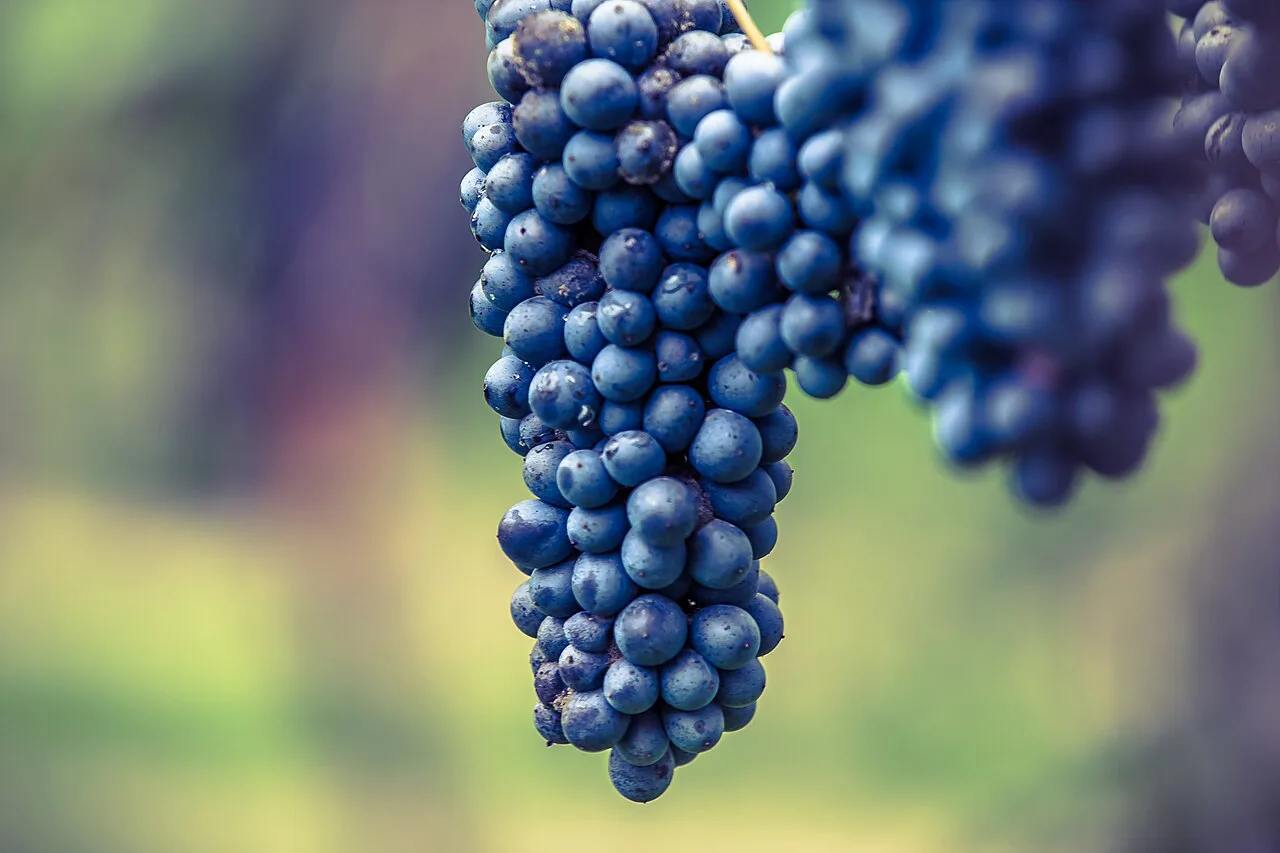
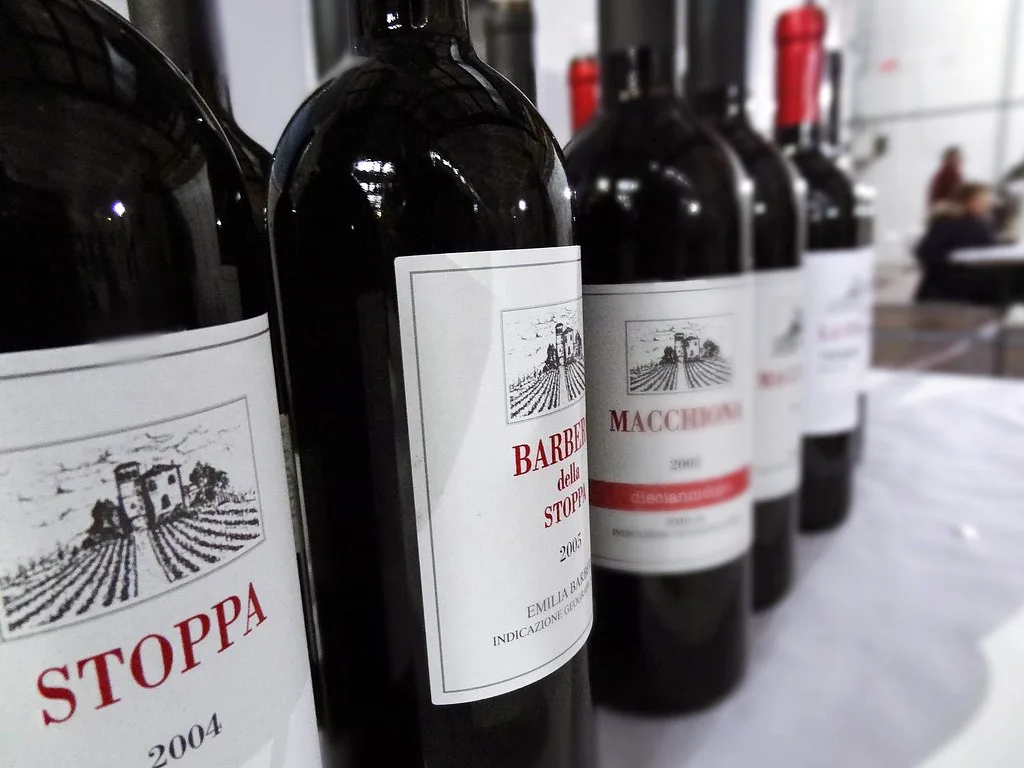
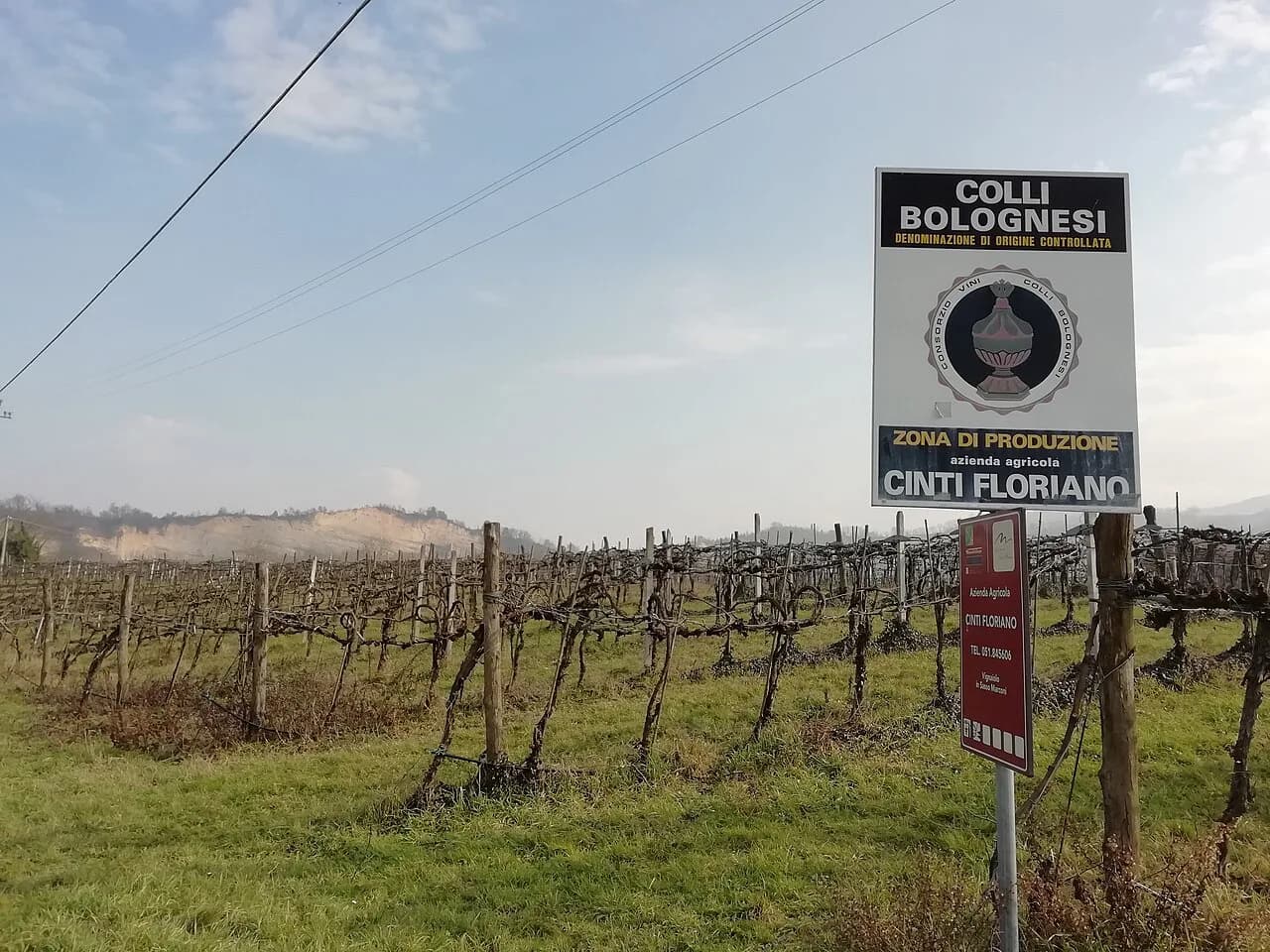
Pignoletto is the white grape most associated with the Bolognese hills, producing crisp, lightly aromatic wines that suit the aperitivo hour and pair well with local charcuterie. The Colli Bolognesi appellation covers the hills around the city, and producers there also work with international grapes and with Barbera, a red grape more commonly linked to Piedmont but planted in these hills too. Tasting a Pignoletto and a Barbera side by side gives you the range of the district in one visit.
Lambrusco is the region's signature red, and it is not one wine but a family of them: Lambrusco di Sorbara tends toward a lighter, more fragrant style, while Lambrusco Grasparossa di Castelvetro is darker and more structured. Both are sparkling and typically served chilled, which surprises visitors expecting a still red. Knowing which Lambrusco you want shapes whether you head toward the Modena side or stay in the Bologna hills.
Booking platforms list wineries producing Lambrusco and Pignoletto among the Bologna-area estates, so you can filter by the style you want to taste rather than choosing on scenery alone. If a specific grape matters to you, mention it when you enquire so the host can confirm what is open that week.
Colli Bolognesi wineries that take visitors
Cantina Lodi Corazza, near Ponte Ronca, is one of the most frequently reviewed small estates in the hills, with hosts who walk guests through the vines and the cellar before a seated tasting with local food. Visitors report reaching it on a roughly half-hour train ride from Bologna Centrale and then a short walk from Ponte Ronca station, which makes it one of the easiest car-free visits in the district. Booking platforms list its tastings from a published starting price, and the format is a tour plus seated tasting rather than a quick counter pour.
Torre Ca' Bianca di Alessandro Fedrizzi, Podere Riosto and Podere Casa Piana are among the other hill estates that appear on booking platforms with visitor experiences, ranging from short tours to longer tastings with food. Podere Riosto doubles as an agriturismo, so a tasting there can be combined with an overnight stay in the countryside. For a slower trip, an agriturismo base near Bologna removes the evening drive back to the city.
Tenuta Bonzara and Agrivar at Palazzo di Varignana round out the larger estates in the hills, and both appear in platform listings with tastings and visits. Palazzo di Varignana is a hamlet with a hospitality complex, so a visit there can stretch into a longer afternoon than a small family cellar allows. Each listing gives the nearest village and the experience format, which helps you group two estates that sit on the same road.
What a typical visit includes and what it costs
Most hill wineries structure a visit as a short walk through the vineyard or a look at the cellar, followed by a seated tasting of three to six wines with bread, cheese and cured meats. The food is often the reason a tasting lasts two hours rather than forty minutes, and several hosts pair each wine with a specific local product. Ask when booking whether the tasting includes food, because a wine-only format and a food-paired format can differ substantially in price.
Published starting prices on booking platforms for Hills of Bologna wineries span a wide range, from around twenty euros at the simpler estates to fifty euros and above for longer experiences with fuller food pairings. These are 'from' figures for the cheapest listed option, not fixed rates, and the price rises with the number of wines and the food served. Compare the inclusions on each listing rather than the headline number.
At the top of the scale, an estate such as Umberto Cesari lists multiple tasting options, with the entry-level visit starting around fifty-five euros on the platform. That figure reflects a fuller tour of vineyards, cellars and barrel room rather than a simple pour, so it is worth comparing against the simpler family estates if your priority is breadth of wine rather than depth of tour.
Getting there without a car: trains, taxis and e-bikes
The hill line from Bologna Centrale serves stations such as Ponte Ronca and Pian di Venola, with visitors reporting journey times of roughly thirty to thirty-five minutes depending on the stop. From those stations, some wineries are a short walk and others require a taxi or a pickup arranged with the winery. Note the station name on the winery listing when you book, because two estates in the same district can be twenty minutes apart by road.
Several hill hosts offer to collect guests from the nearest station, a pattern that turns an awkward country road into a manageable car-free day. If a listing mentions pickup, confirm the meeting point and time in your booking message, and ask whether the return drop-off is included. Where no pickup is offered, a local taxi booked in advance is the fallback, and the winery can usually suggest a number.
Cycling is an option for confident riders, with e-bike tours of the Pignoletto vineyards departing from Bologna and combining a ride with a tasting. The hills are real hills, so an e-bike rather than a standard bike makes the day more comfortable. Anyone riding should spit rather than swallow at the tasting and treat the bike as the vehicle it is.
The bus-and-tour option: City Red Bus to Umberto Cesari and Dozza
City Red Bus runs a Bologna Wine Tour that departs from four stops in the center, including San Pietro, Piazza Maggiore, Piazza Malpighi and the central station, and drives to Umberto Cesari for a guided tour of the vineyards, cellars and barrel room. The visit ends with a tasting of three wines accompanied by local products, followed by free time in the medieval village of Dozza and its fortress. City Red Bus lists the tour for Fridays with a mid-afternoon departure, pending availability, so the date shown at booking is the one to plan around.
The published price is fifty-two euros per adult and twenty-six euros for children aged six to eighteen, with children under six free, covering round-trip transport, the winery tour, the three-wine tasting, entry to the Rocca Sforzesca and a guide. Reservations are required and can be made online or at the BolognaWelcome offices in Piazza Maggiore. The schedule runs from a departure shortly before 3 pm to a return to Bologna around 8 pm, so it fills the whole second half of the day.
This is the option to choose if you want a fixed itinerary, a guide and no logistics to solve, and if three wines plus a village walk is enough for you. A do-it-yourself day gives you more wines and more time at a single estate, but you carry the train and taxi planning yourself. The tour also solves the driving question entirely, which matters if nobody in your group wants to stay sober. If the fixed-tour format appeals, wine tasting in Amalfi shows how a coastal wine day works on the same guided principle.
Where to taste inside Bologna if you don't want to travel
Bologna has wine bars and enoteche in the center where you can taste Colli Bolognesi and Lambrusco by the glass without leaving the city, and the same booking platforms list city-based tastings and workshops alongside the country estates. A city tasting is the sensible choice on a short trip or a rainy day, and it lets you try several producers in one sitting. The trade-off is that you miss the vineyard and the cellar, which are half the reason to visit.
Platform listings for Bologna include guided tastings, food-paired experiences and even a pasta-making class with wine, so the city option is not limited to a bar stool. Use the city listings to compare formats and prices before deciding whether a half-day in the hills is worth the travel. If you only have one free afternoon, a central tasting plus a long lunch is a legitimate way to spend it.
Independent trip versus guided tour
An independent day costs less per head at the winery and lets you choose the estates, the pace and the length of the tasting, but it requires you to match train times, taxi availability and appointment slots. A guided tour bundles transport, a guide and a fixed program, which suits a group that would rather not split the planning. Neither is better in the abstract; the right choice depends on how much flexibility you want and how many people are travelling.
For a small group of two or three, the train-plus-taxi route to a single hill winery is often the most rewarding format because you get the host's full attention. For a larger group or a celebration, the fixed tour removes the risk of a late train or a missed pickup. Booking platforms show both the estate experiences and the city tours, so you can compare the two formats side by side before committing.
Lambrusco country beyond the hills
Lambrusco country spreads northwest of Bologna toward Modena and Reggio Emilia, and estates such as Venturini Baldini appear on booking platforms with visits and tastings in that area. The drive or train journey is longer than to the Colli Bolognesi, which is why it deserves its own day rather than being tacked onto a hill itinerary. If Lambrusco is your main interest, plan the whole day around the northwest and skip the hills.
The Emilia side of the region also produces the food that Lambrusco was built to accompany, from cured pork to egg pasta, so a visit there can combine a cellar tour with a long lunch. Platform listings for the wider Emilia-Romagna area include estates beyond the Bologna hills, and the Bologna city page links to nearby destinations such as Reggio Emilia. Treat the northwest as a separate excursion and give it the time it needs.
Booking mechanics: appointments, group sizes and languages
Appointment booking is the norm at hill wineries rather than walk-in tasting rooms, and the platforms list each experience with its availability so you can see which slots are open. Book at least a few days ahead in shoulder season and further ahead at weekends and during harvest, when hosts are busy in the vines. A booking message that names your group size, preferred language and any food allergies gets a faster, more useful reply.
Ask when booking whether the tour is in English or Italian, how long it lasts and what the cancellation terms are, because these vary between estates and between platforms. Some hosts require a minimum party size for a guided tour, while others run the experience for a single couple. The listing usually states the group size and language, but a quick message confirms it.
Payment and cancellation policies differ by platform, so read the terms on the specific experience page; a standard rule rarely applies across Winalist, Winedering and direct winery sales. If you are booking directly with a winery by email or phone, ask for the confirmation in writing with the time, price and meeting point.
Best seasons for a Bologna wine day
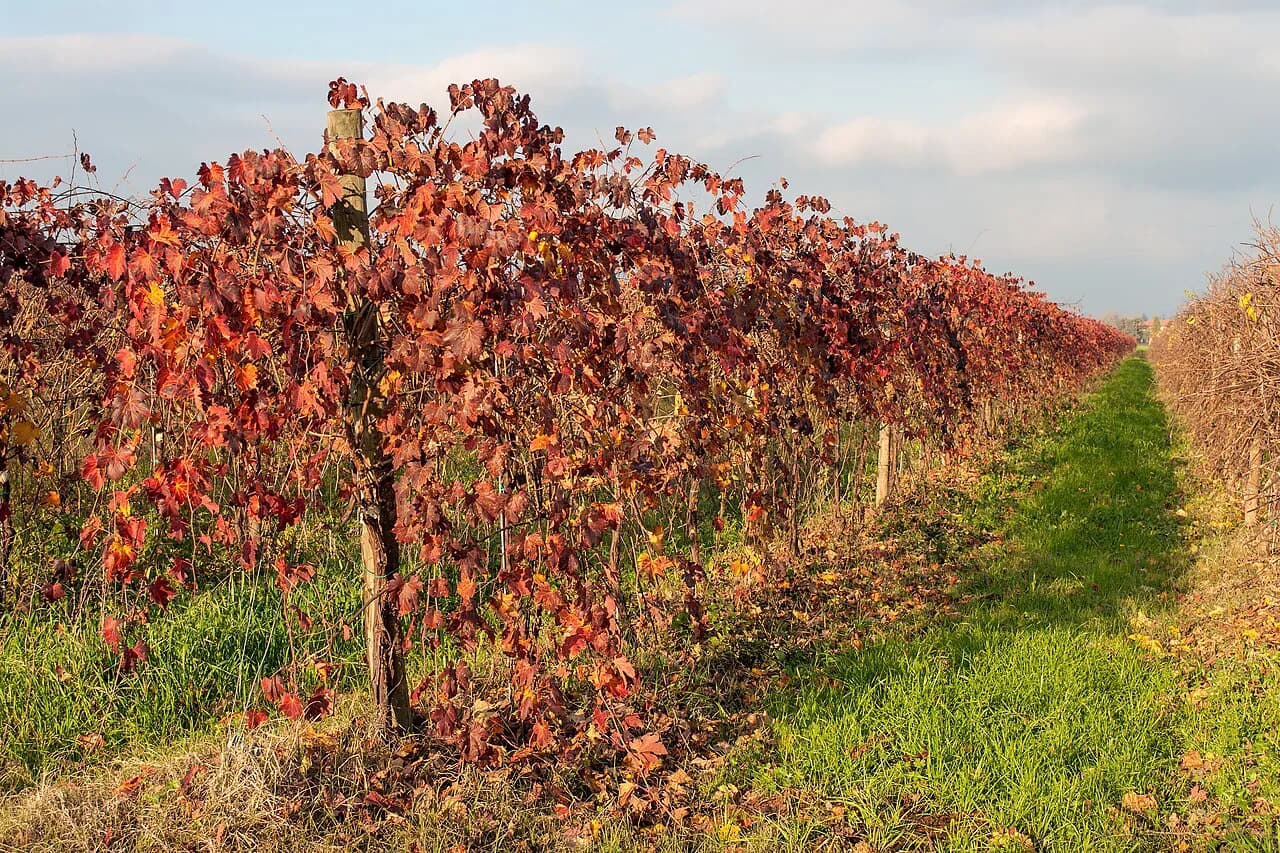
Harvest in the Colli Bolognesi usually falls in early autumn, when the hills are busy and the wineries are focused on the cellar, so book well ahead if you want a tour during that window. Spring brings mild weather and active vineyards, which makes a walk between the rows pleasant. Summer heat can push tastings indoors or into the cooler part of the day, and some hosts adjust the format accordingly.
Shoulder seasons, late spring and early autumn, tend to give the best combination of comfortable weather, available appointments and a working vineyard to see. Winter visits are quieter and often more intimate, but daylight is short and the countryside looks bare. Whatever the season, confirm the day's schedule with the winery when you book rather than expecting a fixed format.
Practicalities: timing, clothing and buying bottles
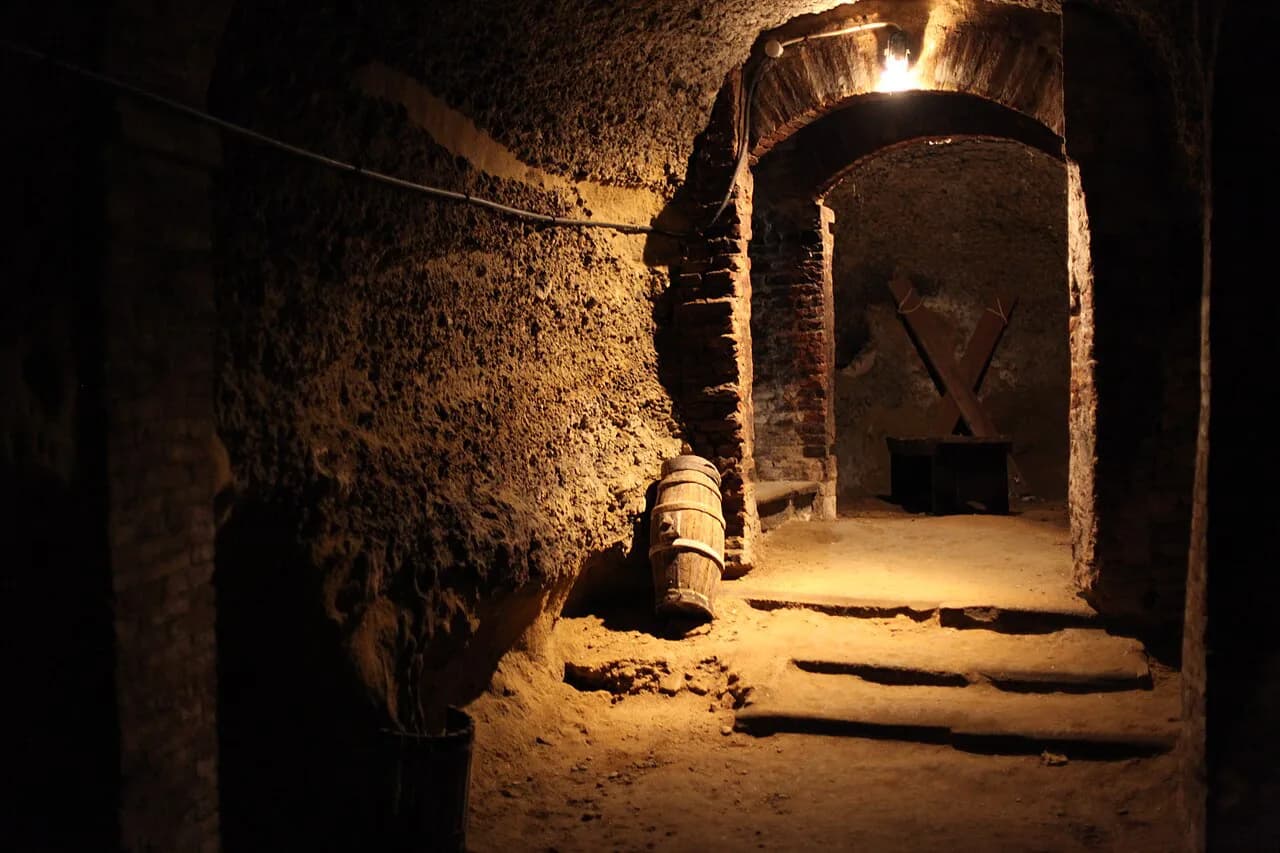
Allow a full half-day for a single hill winery once you count the train, the transfer and the tasting, and a full day if you plan two estates. Wear shoes that cope with gravel and grass, because even a short vineyard walk is uneven. Bring a layer for the cellar, which stays cool year-round.
Buying bottles at the winery is straightforward, but shipping them home is not guaranteed: one visitor reported that shipping was not possible at the estate they visited, so ask before you fall for a case. If you are flying, leave room in your luggage or plan to buy at a city wine shop instead. Cash and cards are both usually accepted, but a small amount of cash covers a taxi that does not take cards.
Plan Your Bologna Wine Day
Choose one direction: the Colli Bolognesi hills for Pignoletto, Barbera and small family cellars, or the northwest for Lambrusco and the Emilia table. Book a single estate if you want depth, or take the City Red Bus tour if you want the logistics and the driving handled for you. Either way, reserve ahead and confirm the meeting point before you leave the city.
If you are the driver, do not taste: use the spittoon, appoint a designated driver, or take the train or a tour. The hills are close enough to Bologna for a relaxed half-day, and the wine is varied enough to reward a second visit in a different season.
More wine guides from Bologna
Frequently Asked Questions
Is wine tasting in Bologna worth it compared to Tuscany?
Bologna offers a different experience from Tuscany: smaller family estates in the hills close to the city, plus Lambrusco country to the northwest. The advantage is proximity and a less crowded tasting room, while Tuscany has the larger, more famous estates. If you are based in Bologna, the Colli Bolognesi is the efficient choice for a half-day.
Can you visit Colli Bolognesi wineries by train from Bologna?
Several hill wineries sit near stations on the line from Bologna Centrale, such as Ponte Ronca and Pian di Venola. Visitors report journey times of roughly thirty to thirty-five minutes. From the station, some estates are a short walk and others require a taxi or a pickup arranged with the host, so check the individual listing.
How much does a wine tasting near Bologna cost?
Published starting prices on booking platforms for Hills of Bologna wineries range from around twenty euros at the simpler estates to fifty euros and above for longer experiences with fuller food pairings. These are 'from' figures for the cheapest listed option, and the price rises with the number of wines and the food served. Compare the inclusions on each listing rather than the headline number.
Do you need to book Bologna winery visits in advance?
Yes, appointment booking is the norm at hill wineries rather than walk-in tasting rooms. Book at least a few days ahead in shoulder season and further ahead at weekends and during harvest. A message naming your group size, preferred language and any food allergies gets a faster reply.
What wine is Bologna known for?
Bologna is known for Pignoletto, a crisp white from the surrounding hills, and for Lambrusco, the sparkling red produced in the region toward Modena and Reggio Emilia. The Colli Bolognesi appellation covers the hills around the city, and producers there also work with Barbera and international grapes.
What is the difference between Pignoletto and Lambrusco?
Pignoletto is a white grape producing crisp, lightly aromatic still wines, while Lambrusco is a family of red grapes made into sparkling wines, typically served chilled. Lambrusco di Sorbara tends to be lighter and more fragrant, while Lambrusco Grasparossa is darker and more structured. Tasting both in one trip shows the range of the region.
Are there wine tours from Bologna that include transport?
Yes, City Red Bus runs a Bologna Wine Tour that departs from several central stops and drives to Umberto Cesari for a tour and a three-wine tasting, followed by free time in Dozza. The published price covers round-trip transport, the winery visit, the tasting, entry to the Rocca Sforzesca and a guide, and reservations are required. The tour runs on a set Friday schedule, subject to availability.
Sources
Notes for your next wine trip
Optional updates to our winery and wine-town guides.
You might also like
Continue reading
More guides you'll find useful