Bologna Wineries: Tasting Pignoletto and Colli Bolognesi
Plan a wine day from Bologna: the Umberto Cesari tour with Dozza, Colli Bolognesi Pignoletto country, and city enoteche for an evening glass.
On this page
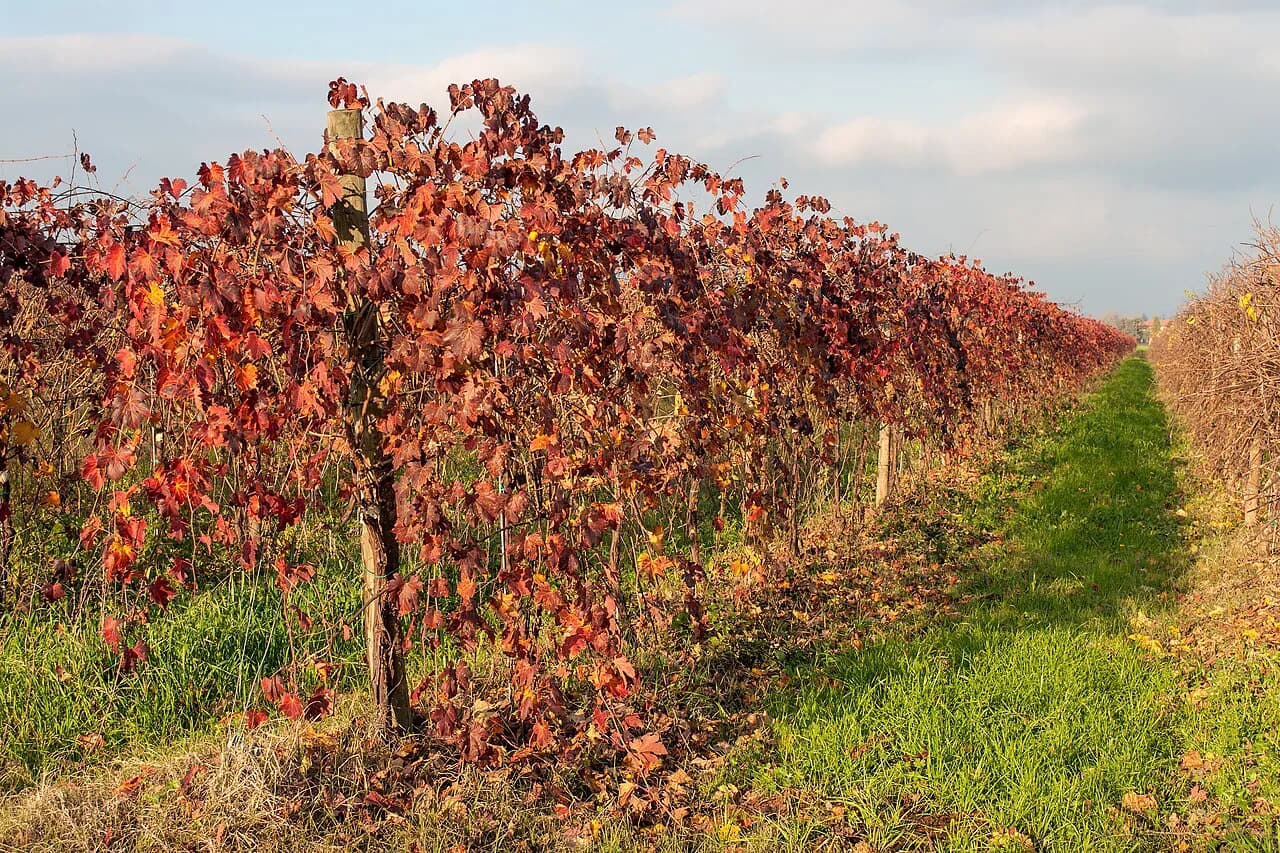
Bologna works as a wine base because the city itself is not planted with vines. The Pignoletto hills of the Colli Bolognesi sit south of the center around villages such as Zola Predosa and Monte San Pietro, while the great bottles are poured in the porticoed streets downtown. Planning a day means deciding which of those two experiences you want, not trying to combine both in an afternoon.
This guide separates what is confirmed and bookable from what needs a phone call. One scheduled bus tour links a working winery with a medieval castle village; everything else in the hills is independent travel and appointment territory. Read the two side by side before you commit a day of your trip.
What Bologna and Modena Actually Make
Emilia-Romagna's wine map is broader than most visitors expect, and Bologna sits at its western edge. The hills south of the city produce the Colli Bolognesi wines, with Pignoletto as the signature white grape, while the plains toward Modena are Lambrusco country. Knowing this helps you order confidently whether you end up in a cellar or a city bar.
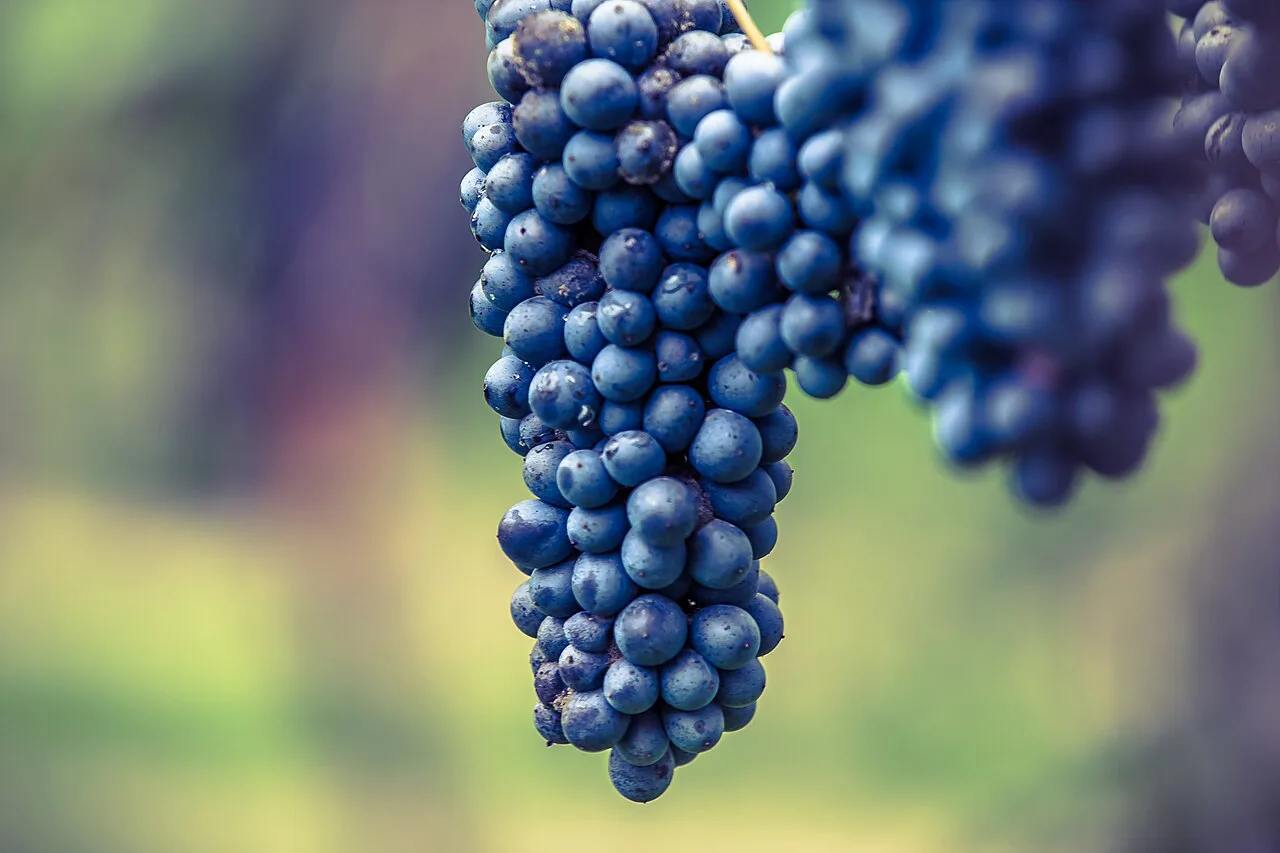
Pignoletto appears as both a still white and a sparkling wine, and the Colli Bolognesi zone carries its own appellation tiers for the grape. Lambrusco, by contrast, is the family of sparkling reds associated with Modena and the surrounding plains, fermented to be drunk young and fresh. Neither is Prosecco: Pignoletto is a different grape grown in different hills, so treat a menu listing them side by side as a chance to compare rather than a substitute.
For a wine day, this means Pignoletto is the thread that ties the hills to the city. If your only free day is in Bologna, you can taste the white without leaving town; if you have a car or a tour seat, the hills give you the vineyard context. If your interest runs to Lambrusco, plan a separate leg toward Modena rather than expecting it in the Bologna hills. If you are weighing a different Italian wine region instead, the montepulciano wineries around Vino Nobile di Montepulciano DOCG offer a comparable town-and-hills wine day.
The One Confirmed Winery Visit: Umberto Cesari with City Red Bus
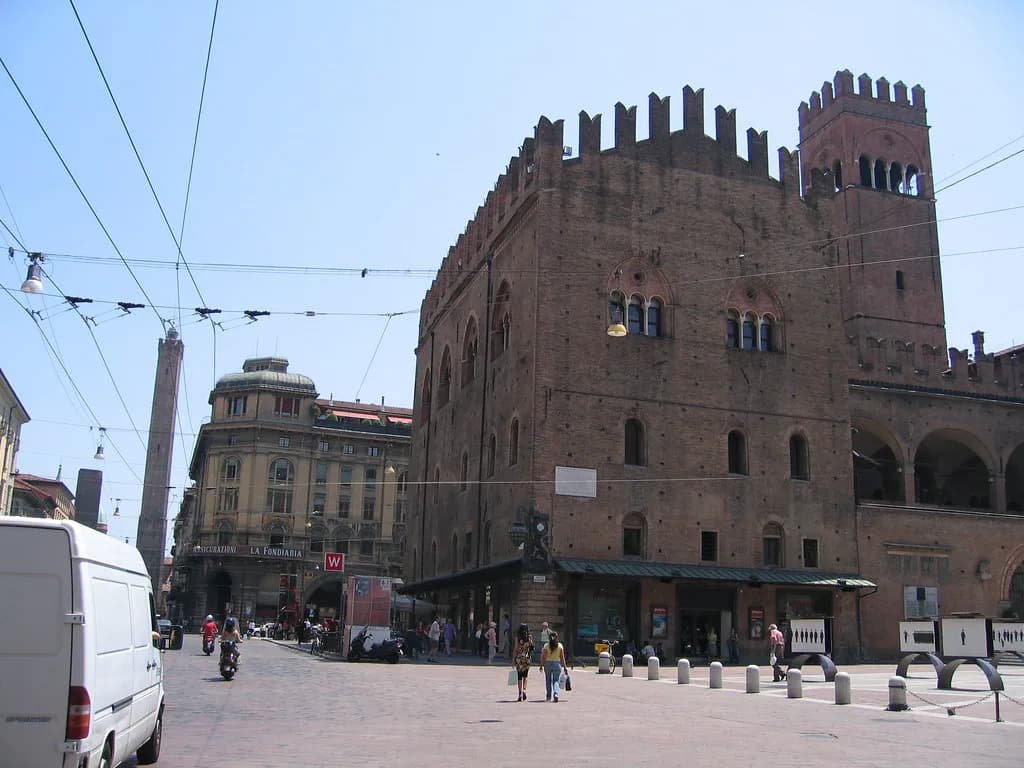
The clearest bookable winery outing from Bologna is the City Red Bus wine tour, which combines a guided visit to Umberto Cesari with a stop in the village of Dozza. It runs on a fixed Friday schedule, with pickups at San Pietro, Piazza Maggiore, Piazza Malpighi and the central railway station before heading out to the winery. Because the schedule and availability change with the season, confirm the operating date before building a day around it.
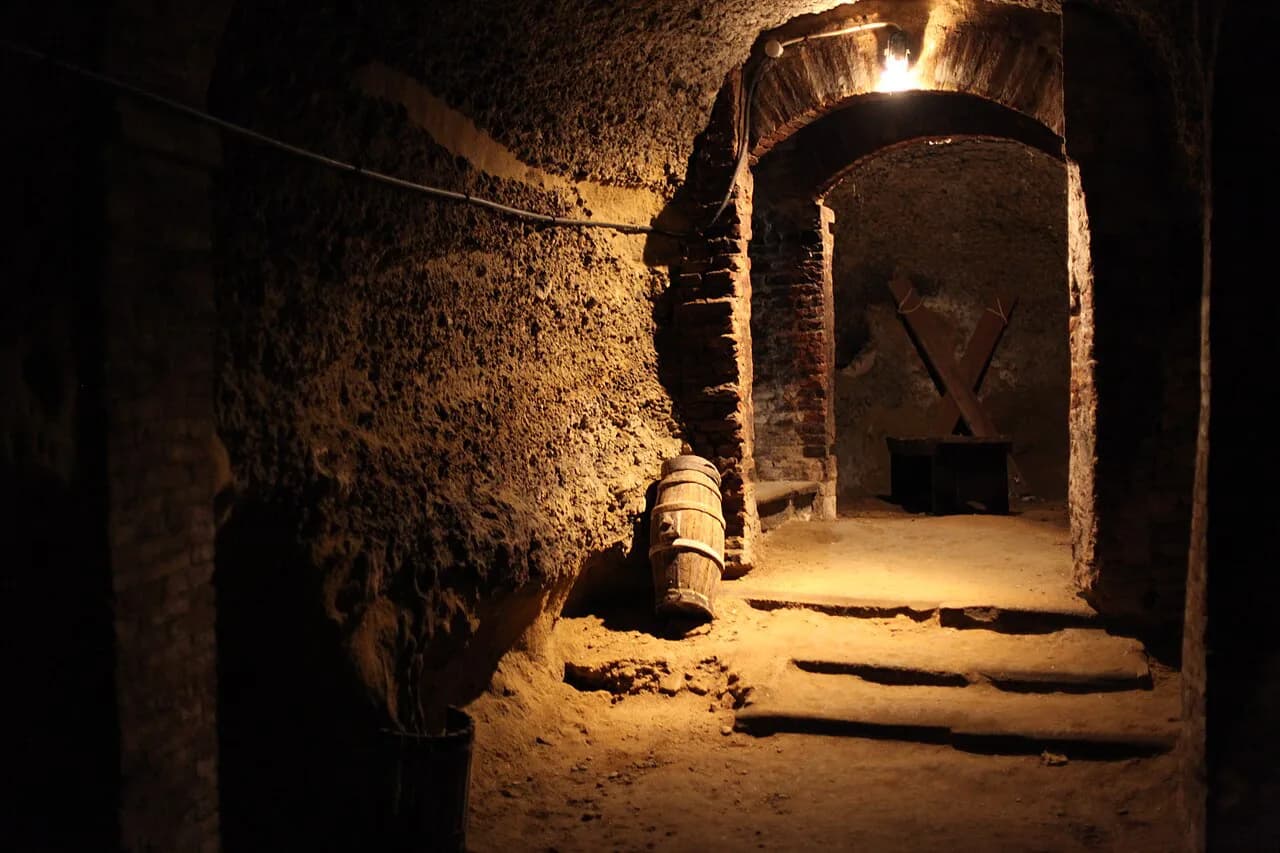
The published program includes a walk through the vineyards, the winemaking cellars and the barrel room with a guide, followed by a tasting of three Umberto Cesari labels paired with traditional local products. The price also covers round-trip bus transport, entry to the Rocca Sforzesca in Dozza and a guide-companion. That combination of transport, cellar access and castle entry is what you are paying for; a self-driven visit to a single cellar will not replicate the day.
According to City Red Bus, the adult rate is €52 per person, with a reduced rate of €26 for ages 6 to 18 and free places for children up to 5. Departures run from San Pietro, Piazza Maggiore, Piazza Malpighi and the central station in the early afternoon, back in Bologna by evening, with the village stop at Dozza in between. Reservations are required and subject to availability, bookable online or at the BolognaWelcome offices on Piazza Maggiore.
Umberto Cesari is confirmed here as a winery that receives visitors through this City Red Bus tour, not as a walk-in cellar door you can drop into on a whim. If you want to visit outside the tour, contact the estate directly for its own visiting arrangements. The tour listing itself notes that times are indicative and may change, so treat the published departure slots as a framework, not a guarantee.
Dozza and the Regional Wine Shop in the Rocca
Dozza is the second half of the tour and worth the stop on its own terms. The village is known for its painted walls, with murals spread across the historic center, and the Rocca Sforzesca fortress anchors the visit. The tour includes an independent walk through the village rather than a guided commentary, which suits travelers who prefer to wander at their own pace.
Inside the fortress sits a regional wine shop, which City Red Bus highlights as part of the Dozza stop. For a traveler, that is the practical place to buy bottles from the area after the tasting, without needing a second appointment. Bring a card and a little space in your luggage, since carrying glass home is the main constraint.
Pairing Dozza with the winery works because the two stops cover different needs: the cellar gives you production context and a guided tasting, and the village gives you time on your feet and a shop. If you have only one free day in Bologna and no car, this is the most efficient way to see a winery and a hill town together.
Going Independent in the Colli Bolognesi
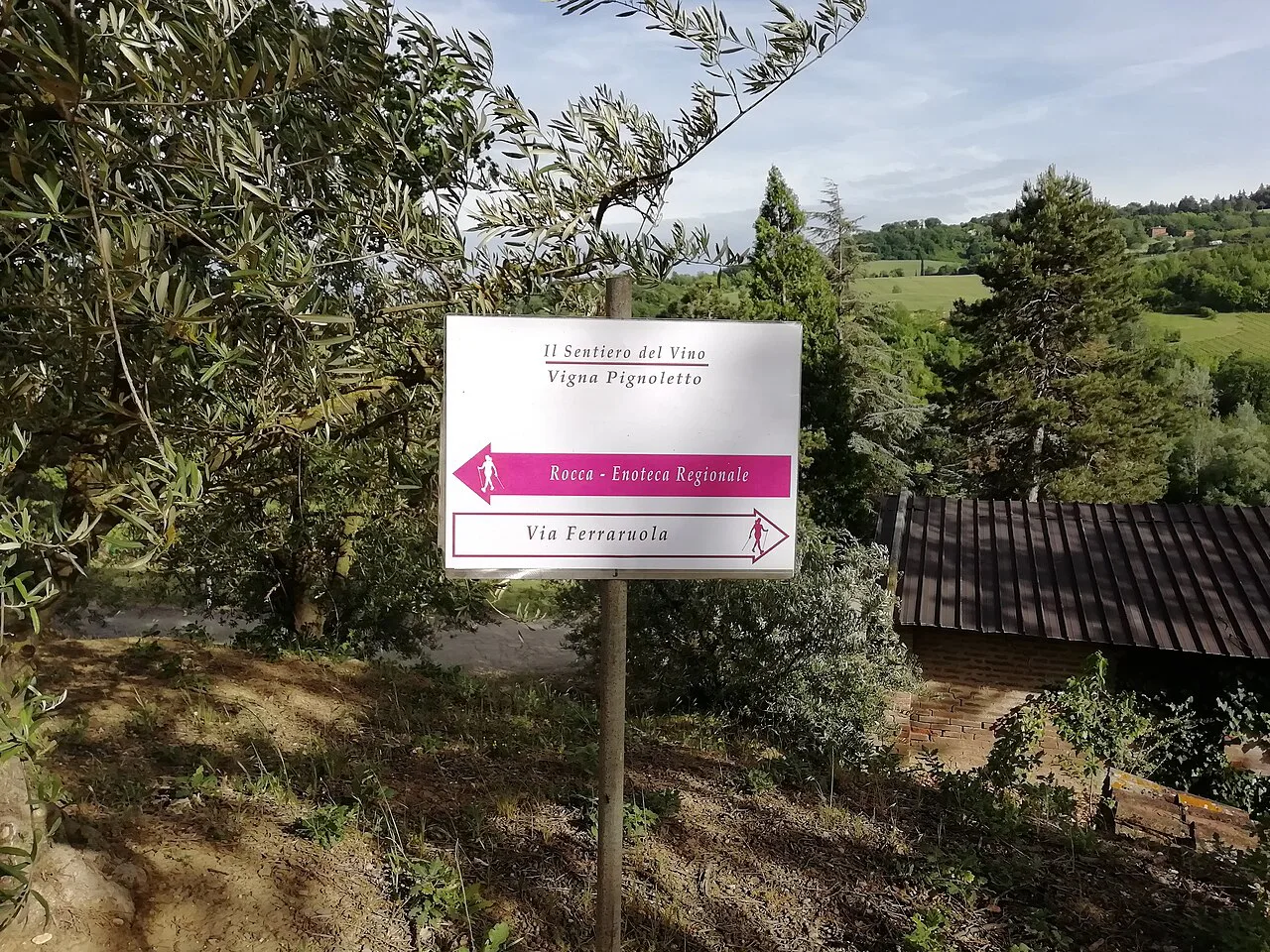
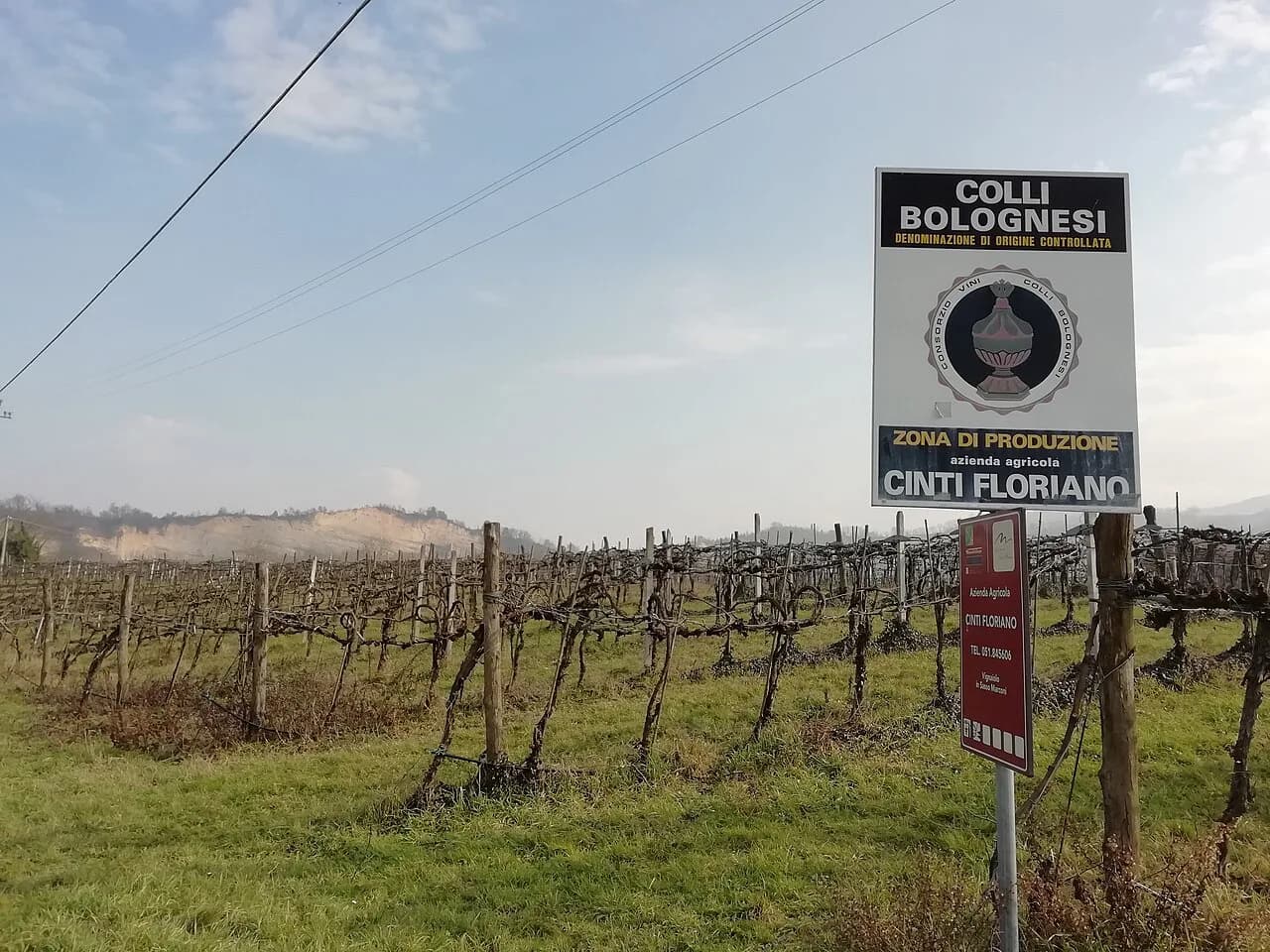
Independent visits to the Colli Bolognesi reward planning by village rather than by winery list. Zola Predosa sits closest to the city and is the natural first cluster; Monte San Pietro spreads further into the hills; Castel San Pietro Terme lies on the eastern side and pairs with a different route entirely. Pick one cluster for the day and accept that crisscrossing the hills will eat your tasting time.
Appointment culture is the rule here. Small hillside estates typically receive visitors by prior arrangement, often by email or phone, and many ask for a minimum party or a fixed slot. When you write, ask three things: how many wines are poured, whether a cellar or vineyard walk is included, and whether there is a fee that is waived against purchases. Those answers tell you more than a website's photo gallery.
A car-free traveler should treat the hills as a taxi-and-appointment day or skip them for the tour. Buses run to the villages, but connecting a bus timetable to a booked cellar slot in the hills is the hard part, and a missed connection can cost you the visit. If you do take a taxi, agree on the return pickup when you arrive, because hailing one from a hillside hamlet is unreliable.
How Far the Hills Are and What It Costs to Reach Them
The Colli Bolognesi begin immediately south of Bologna, so the distance is modest but the roads climb. The published tour handles the transport question by bus, with four city pickup points and a return to Bologna in the evening. For independent travelers, price a round-trip taxi against the tour rate before deciding, since a hillside round trip plus a tasting fee can easily approach or exceed a seat on the bus.
Bikes are a genuine option for the nearest hills if you are comfortable with climbs and traffic, but they limit how much you can taste. Public buses reach several of the villages, though schedules thin out outside summer, so look up the line you need on the day. For most visitors with one day, the scheduled tour is the lower-risk choice and the independent hills are the more rewarding one for those with two days.
If you plan to stay overnight in the hills rather than return to the city, farm stays around the Colli Bolognesi make the appointment logistics much easier. An agriturismo base lets you book a morning cellar and an afternoon one without racing back into town. Search for properties in the villages you have already chosen rather than scattering bookings across the whole range.
In Bologna Itself: Enoteche and Wine Bars
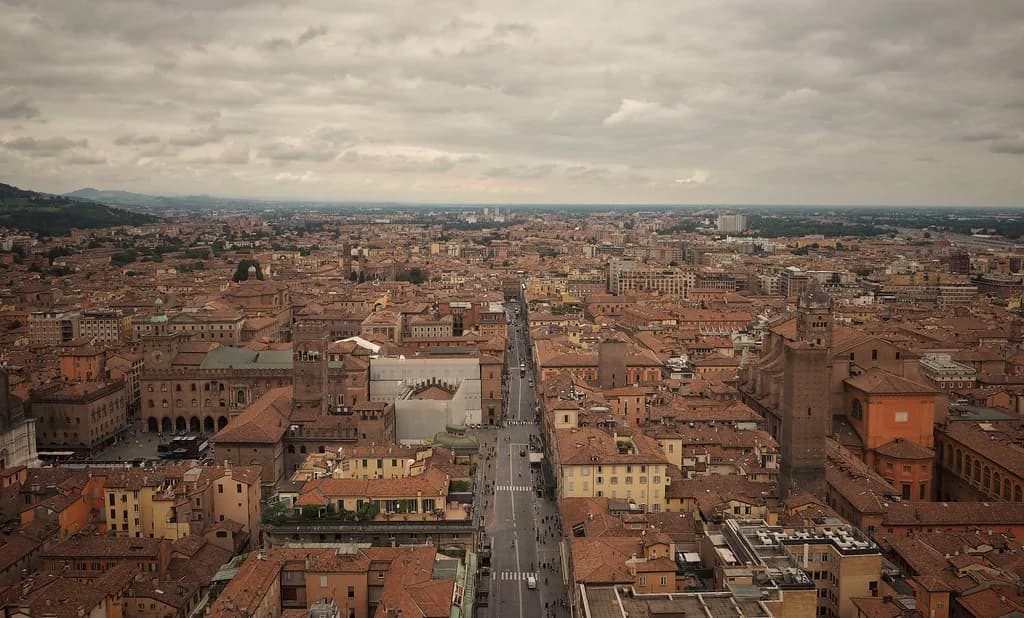
Bologna's wine life is concentrated in the center, and the bars double as shops where you can taste by the glass and buy the bottle. A local editorial list names Medulla Vini, Vineria Favalli, Scovami, Enoteca Storica Faccioli, Enoteca Italiana and Tricheco Osteria among the addresses worth seeking out. Treat these as bars and shops for drinking and buying, not as wineries that receive visitors.
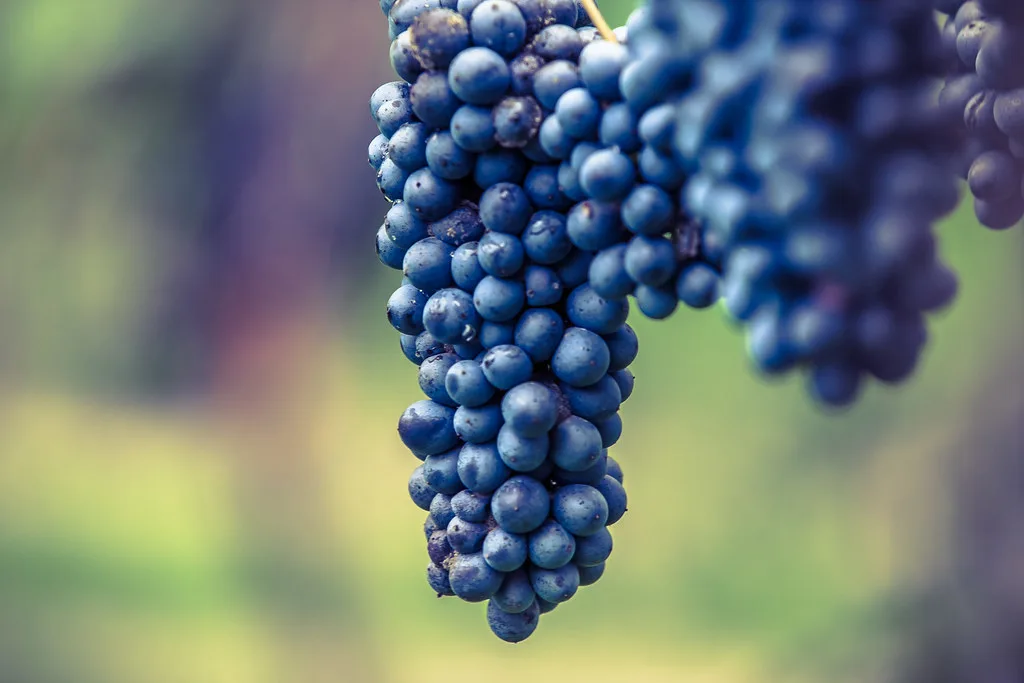
Ordering Pignoletto by the glass in town is the fastest way to learn whether you prefer it still or sparkling before you commit to a hillside appointment. Ask whether the pour is the still or the sparkling version, and whether it comes from the Colli Bolognesi zone. A shop such as Enoteca Italiana or Enoteca Storica Faccioli is also the place to ask which producers currently receive visitors, since staff track the local scene.
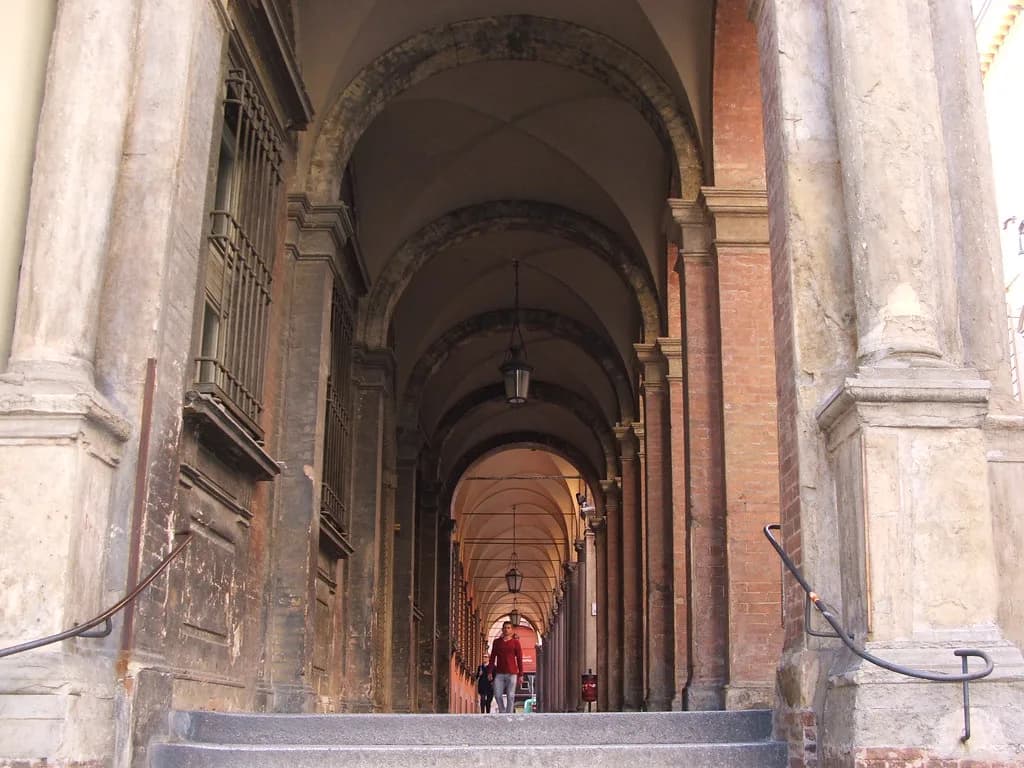
Build the evening around one neighborhood rather than a crawl across the center. The addresses above cluster within walking distance of Piazza Maggiore, so a single loop covers a glass before dinner and a bottle shop afterward. This is also the sensible fallback when a hillside appointment falls through or a tour date does not fit your stay.
Harvest Timing and Booking Questions
Late summer and early autumn are harvest season in the Colli Bolognesi, and cellars are busiest then. That is the most atmospheric time to visit, but also the period when small estates have the least spare time for drop-ins, so book further ahead than you would in spring. If you want to see active winemaking rather than a quiet cellar, ask directly whether your date falls during harvest.
When you book, ask four practical questions: the number of wines poured, the length of the visit, whether food is included, and the cancellation terms. Also confirm the meeting point and whether the estate is reachable by taxi. Clear answers on all four mean you can plan the rest of your day around the visit with confidence.
Plan Your Visit
Choose the City Red Bus tour if you have one free day, no car and want a winery plus a village in a single outing; it bundles transport, a guided cellar visit, a three-wine tasting and Dozza entry. Choose the independent Colli Bolognesi if you have two days, a car or a tolerant taxi budget and the patience to arrange appointments by email. Either way, finish with an evening in a Bologna enoteca to taste Pignoletto in the city that drinks it.
Whoever is driving should not taste: use the spittoons, appoint a designated driver, or take the tour or public transport instead. Confirm current tour dates and cellar appointments before you travel, since schedules and opening arrangements shift with the season.
Frequently Asked Questions
What wine is Bologna known for?
Bologna's hills are known for Colli Bolognesi wines, with Pignoletto as the signature white grape, made in both still and sparkling styles. The plains toward Modena are Lambrusco country, so you will see both families on city wine lists.
Can you visit wineries near Bologna without a car?
Yes, but the easiest option is the scheduled City Red Bus tour, which includes bus transport from four points in Bologna to a winery and the village of Dozza. Independent hillside visits usually require a taxi or a bus plus a booked appointment.
How far is the Colli Bolognesi wine region from Bologna?
The hills begin just south of the city, with villages such as Zola Predosa and Monte San Pietro forming the nearest cluster. The roads climb, so allow more time than the map distance suggests.
Do Bologna wineries require reservations?
Small hillside estates generally receive visitors by prior arrangement, often by email or phone, and may ask for a minimum party. The scheduled tour also requires reservation and is subject to availability.
Is Pignoletto the same as Prosecco?
No. Pignoletto is a distinct grape grown in the Colli Bolognesi hills, while Prosecco comes from a different grape and region. Pignoletto can be made sparkling, which is why the two are sometimes compared.
What does the Bologna wine tour include?
The published program includes round-trip bus transport, a guided walk through the vineyards, cellars and barrel room, a tasting of three wines with local products, and entry to the Rocca Sforzesca in Dozza.
Sources
Notes for your next wine trip
Optional updates to our winery and wine-town guides.
You might also like
Continue reading
More guides you'll find useful