Wine Tours from Cannes: How to Choose a Provence Wine Day
Compare wine tours from Cannes by departure point, group size and price, plus how to judge whether a Provence wine day fits your trip.
On this page
Cannes sits on the coast with no vineyard rows inside the town, so wine tasting in cannes begins with a drive, a train ride or a booked tour rather than a short walk. That single fact shapes every choice: you are picking a region first and a transport method second.
The good news is that several Provence appellations lie within day-trip range, from the limestone slopes around Mount Sainte-Victoire to the coastal vineyards behind Bandol and Cassis. The practical question is whether you join a small group leaving from a bigger Provençal city, book a private car, or build the day yourself with trains and taxis.
This guide sets out realistic tour formats, published starting prices, the wines worth knowing before you go, and the details to confirm before paying a deposit. A designated driver, a spittoon or a tour bus keeps the day safe for everyone in the car.
Why Cannes Is a Tour-First Wine Base
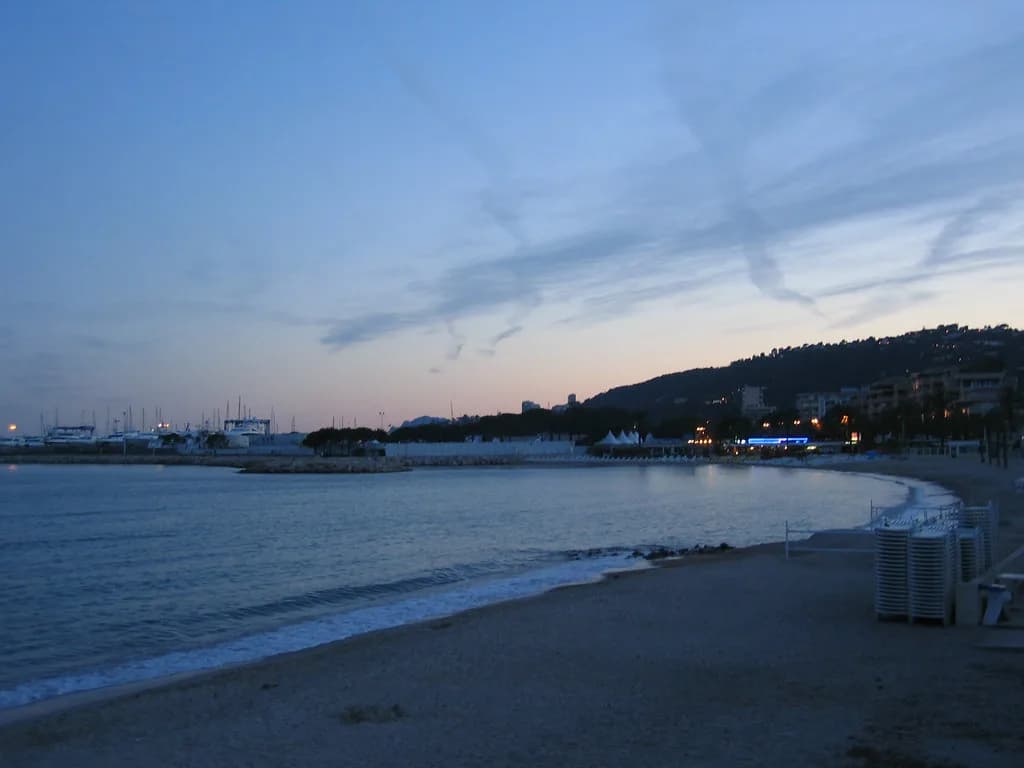
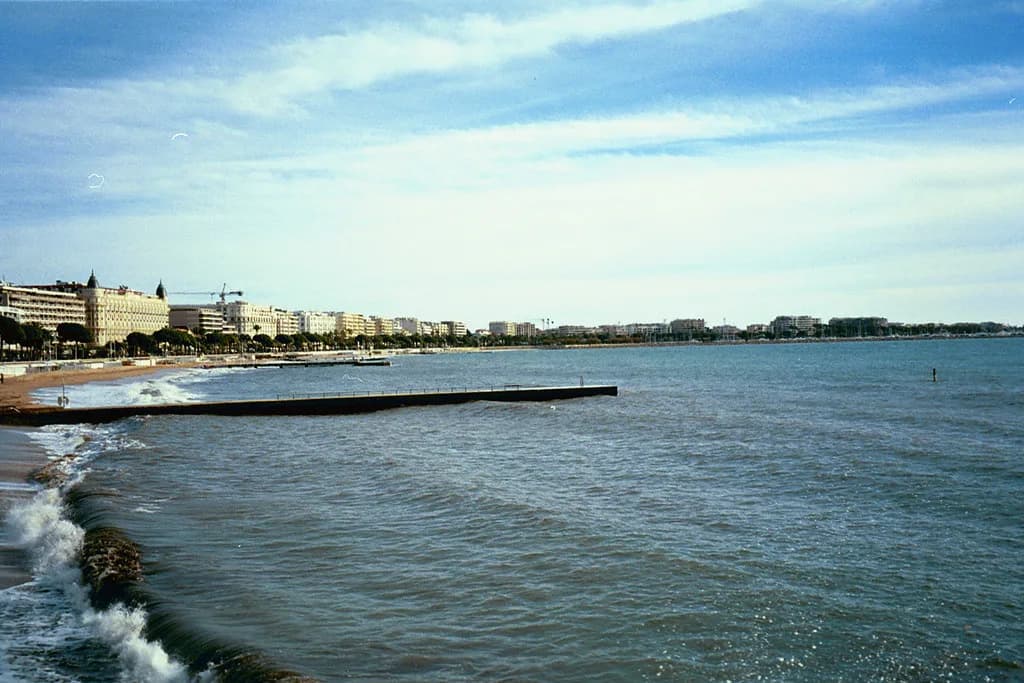
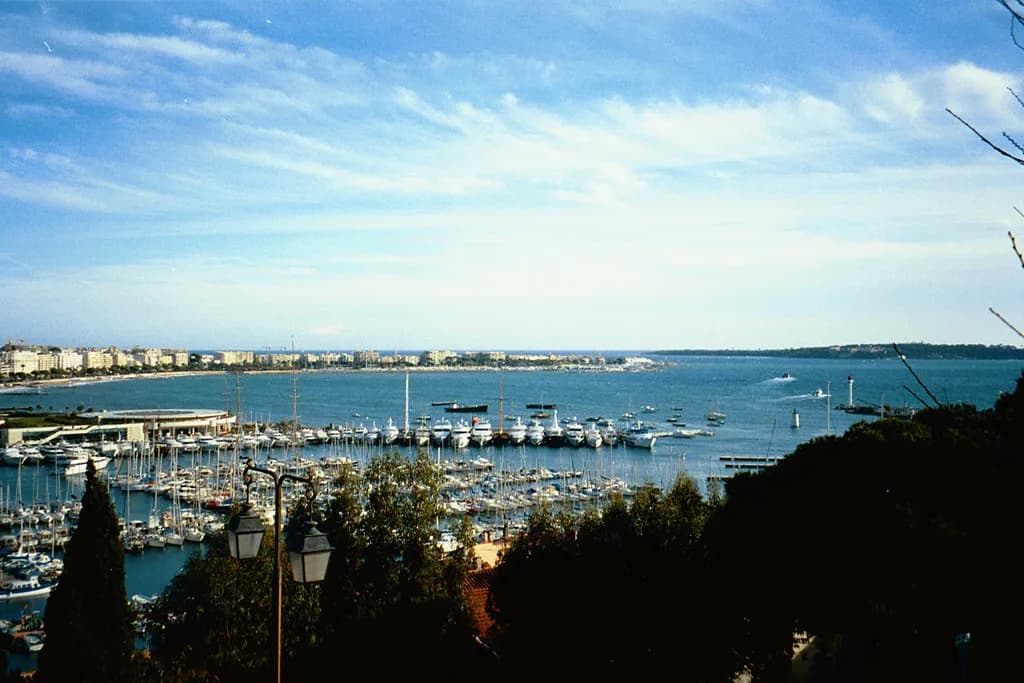
Cannes is a convention and beach town, not a wine village. Unlike Reims or Beaune, you cannot step out of a hotel and into a cellar tour, and the nearest serious vineyard land lies inland across the hills of Provence. That makes this a logistics decision before it is a tasting decision.
Two workable models exist. The first is to join an organized tour that handles driving and appointments; the second is to treat a larger city such as Aix-en-Provence or Marseille as your departure hub and reach it by train. Both remove the need for a car, which matters because Provence estates are spread across country roads with limited public transport.
Wineries near Cannes do exist in the surrounding hills and along the coast toward the Var, and they reward readers who plan appointments rather than improvise. For an overview of visitor-friendly estates and their locations, see the guide to wineries near cannes, which pairs well with this tour-focused article.
The Wine Regions Within Reach of Cannes
Provence's vineyard map runs in bands. Closest to Cannes are the eastern Côtes de Provence zones and the Var hinterland; further west lie the Aix and Sainte-Victoire vineyards and, beyond them, the limestone country of Baux de Provence. South along the coast, Bandol and Cassis form their own small, distinctive appellations.
A single day should group neighbouring zones rather than attempt the whole map. The Aix and Sainte-Victoire pairings make one coherent loop from Aix or Marseille, while Côtes de Provence core, Bandol and Cassis suit a route that starts closer to Toulon or the coast. Operators structure their tours around exactly these groupings: one established operator lists Coteaux d'Aix-en-Provence, Côtes de Provence Sainte-Victoire, Côtes de Provence, Coteaux Varois en Provence and Baux de Provence among the appellations it covers.
Distances in Provence are modest on paper but slow in practice, with village roads and hill climbs eating into the day. A two-appellation day with two or three estate stops is more satisfying than a four-appellation sprint. When you read a listing, count the named regions and ask yourself whether the geography adds up.
Coteaux d'Aix-en-Provence and Côtes de Provence Sainte-Victoire
The limestone ridge of Mount Sainte-Victoire dominates this corner of Provence east of Aix-en-Provence, and its vineyards produce the region's most recognizable reds and rosés. Coteaux d'Aix-en-Provence is the broader appellation around the city, while Côtes de Provence Sainte-Victoire is a smaller zone tied to the mountain's slopes.
This is the most natural wine country to combine with a departure from Aix-en-Provence or Marseille, since both cities sit within easy reach of the vineyard roads. Tours running here typically mix a cellar visit with a stop in a village such as the one around the mountain, and the Provençal landscape of vines, scrub and stone is part of the appeal.
If your trip is built around Cannes rather than Aix, consider whether you want to spend the travel time reaching this zone or choose vineyards closer to the coast. The trade-off is real: Sainte-Victoire rewards a full day, not a half-day squeezed between other sightseeing.
Côtes de Provence Core, Bandol and Cassis
Côtes de Provence is the broad appellation most travelers associate with pale Provençal rosé, and its vineyards stretch across the Var behind the coast. Bandol, a small coastal appellation west of Toulon, is known for structured reds based on Mourvèdre, while Cassis produces small quantities of white wine from Clairette and Marsanne.
Grouping these three makes sense geographically because they line up along the coast and its immediate hinterland, which is why Provence Wine Tours offers Bandol and Cassis as a combined route. Its tour menu lists Bandol and Cassis as a dedicated itinerary alongside its Provence and French Riviera routes, so you can compare the coastal option against the inland Sainte-Victoire choice.
Cassis adds a seaside village stop and the dramatic limestone calanques nearby, which makes it a favorite for travelers who want scenery alongside tasting. If you care more about red wine than coastal views, Bandol's Mourvèdre-based wines deserve the longer stop.
Typical Tour Formats from Cannes
The market breaks into three formats: small-group day tours, private tours and shore excursions for cruise passengers. Cannes tour listings on booking platforms reflect all three, with countryside day trips, food-and-wine walking tours within the city itself, and multi-stop Provence itineraries.
Small-group tours cap passenger numbers, which usually means more time at each estate and easier conversation with a guide. Private tours cost more but let you weight the day toward reds, a specific village or a longer lunch. Shore excursions are timed to cruise schedules and typically depart from the port rather than a city hotel.
Departure point matters as much as format. One Provence operator publishes small-group departures from Aix-en-Provence and Marseille as its core products, with Avignon, Toulon, Nice and Cannes listed among possible departure locations, and it also runs private tours on request.
Because Cannes appears as a listed departure option rather than a guaranteed daily pickup, confirm whether a specific date has a Cannes meeting point or whether you would need to reach Aix or Marseille first. That one question can change your whole morning plan.
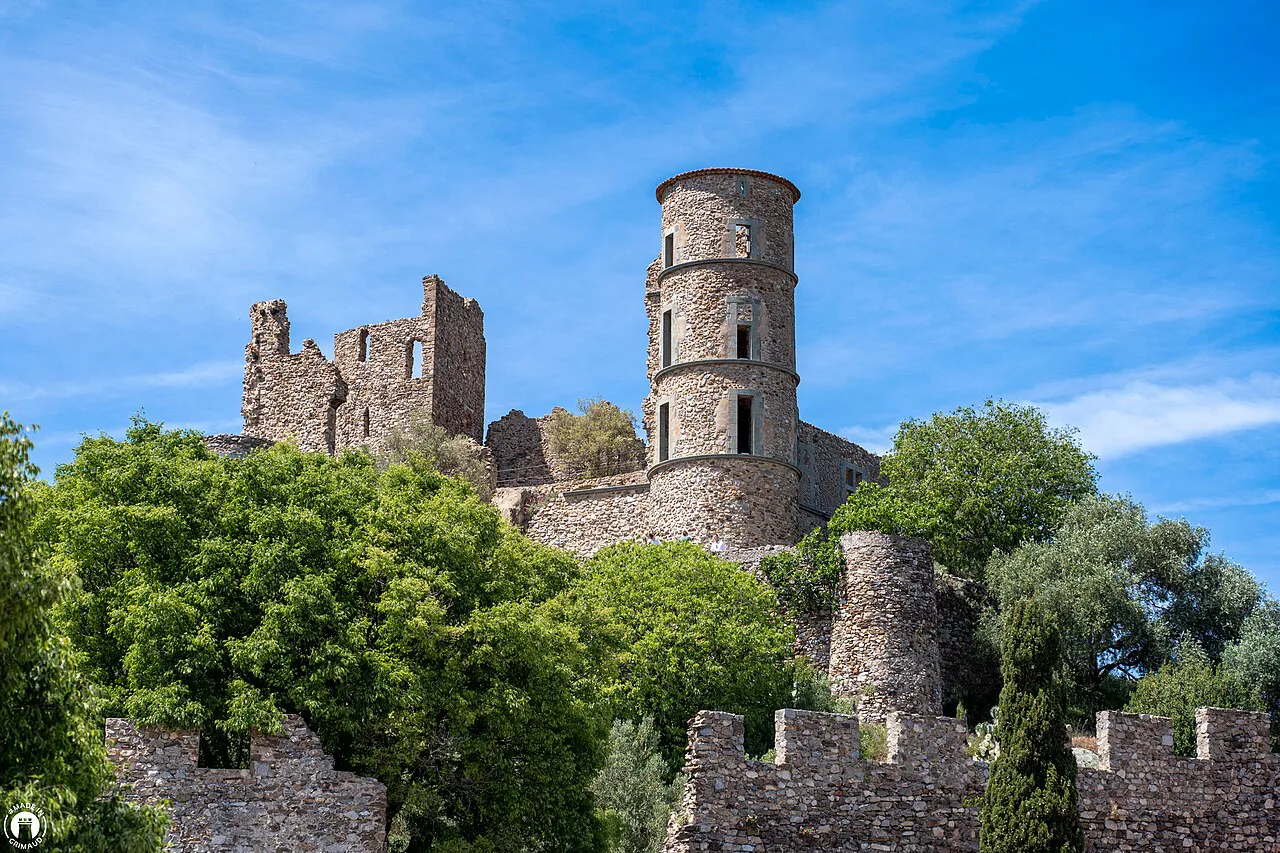
What a Provence Wine Tour Day Usually Includes
A typical small-group day runs from morning into late afternoon and covers two or three estates, with a cellar visit at one or more of them. Expect a mix of white, rosé and red poured at each stop, commentary on grape varieties and terroir, and a lunch break in a village where you choose and pay for your own food.
Provence Wine Tours, which runs the Aix and Marseille departures, describes exactly this structure: small groups, cellar visits, explanation of winemaking and aging, and meetings with growers working in sustainable or organic viticulture.
What is often not included is lunch, wine purchases and sometimes tasting fees at individual estates. Read the inclusions line on each listing and distinguish between tours that bundle tasting fees and those that quote a transport-and-guiding price only. That distinction explains most of the price gap between seemingly similar days.
Prices and Booking: What Published Rates Tell You
Published starting prices give you a benchmark rather than a final cost. The Aix-based operator advertises small-group tours from 89 euros departing Aix-en-Provence, from 105 euros departing Marseille, and shore excursions from 135 euros, with private tours quoted on request. Treat these as entry prices that rise with season, group size and itinerary.
Booking platforms add a second layer of price information, listing specific Cannes departures with per-person rates and cancellation terms attached to each product. Comparing those listings against the Provence Wine Tours site is the fastest way to see whether you are paying for a named winery visit or a generic countryside drive.
Book early for June through September, when coastal Provence fills with visitors and small-group seats sell out. Private tours need more lead time because vehicles and guides are limited. Ask about the cancellation policy at the moment of booking, since terms differ between operators and resale platforms.
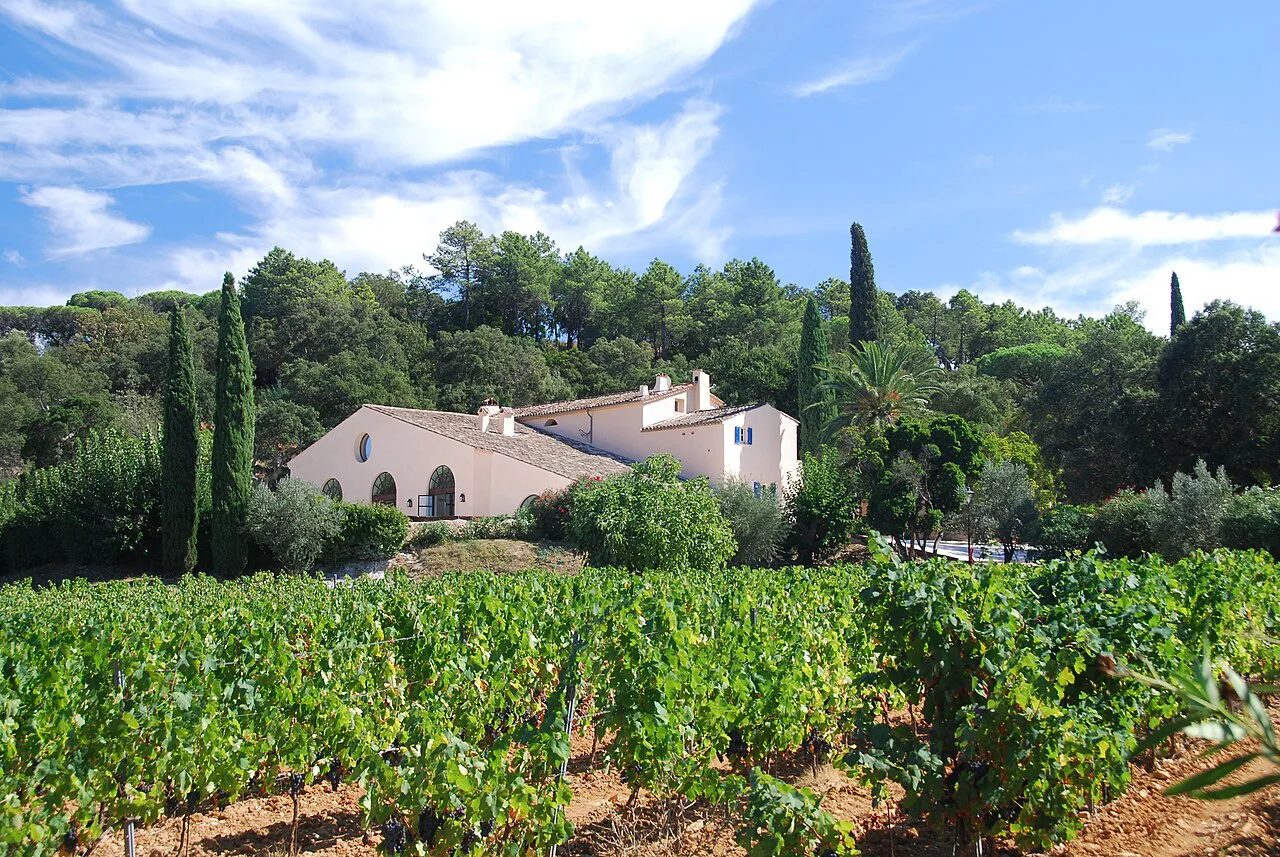
Getting to the Departure Point from Cannes
If your tour leaves from Aix-en-Provence or Marseille, the train is the simplest link. Regional services connect Cannes with both cities along the coast line, and the journey is short enough to allow an early-morning departure and a same-day return. Check the current timetable before booking a tour, because you need to arrive with a buffer.
The trade-off is fixed departure times. A train that gets you to Aix in time for a morning tour may not match your return, and taxis from station to meeting point add cost. Some operators offer pickup from hotels in cities they serve, which removes that friction but usually only within the departure city itself.
For cruise passengers, shore excursions from the Port of Cannes solve the timing problem entirely, since the tour is built around the ship's schedule. That convenience comes at a higher headline price than the equivalent small-group day from Aix, and the itineraries tend to be shorter to protect the return time.
Doing It Independently Instead
A self-planned day is possible but demands homework. Provence estates generally receive visitors by appointment rather than on a walk-in basis, so you need to email or phone ahead, state your party size, and agree a time. Cellars are working buildings, and staff are not always available to improvise a tasting for passing visitors.
Transport is the weak link. Vineyards sit outside villages with sparse bus service and few taxis, so a train to Aix or Toulon leaves you dependent on a pre-booked taxi or a bicycle for the final stretch. Tours win on exactly this point: they collapse the distance between estates and remove the appointment burden. Where tours lose is flexibility, since you cannot linger at one estate or change plan mid-day.
For a deeper look at estates near the town, including named properties such as La Vigne de Mougins, the wineries near guide covers addresses and visitor arrangements.
Matching a Tour to Your Group
Couples usually do best on a small-group day, balancing cost against atmosphere. Groups of four or six often find a private tour close in per-person cost and far better suited to their schedule, especially if they want a long lunch or a specific wine style. Families with non-drinking members should ask whether a reduced passenger rate exists, since tasting fees are usually small relative to transport.
Cruise passengers should prioritize a ship-timed shore excursion or a private tour with a guaranteed return. Independent travelers staying in Cannes for several days can afford to spend one day on the train to Aix and a second exploring the immediate coast. Anyone who wants to taste seriously should build in a designated driver or rely entirely on tour transport.
If your broader trip includes the Rhône, compare this coast-and-hills plan with the options covered in avignon wine tours, which uses a different base and a different set of appellations.
Provence Wines to Know Before You Go
Rosé dominates production, and Côtes de Provence is the largest appellation behind it, made mostly from Grenache, Cinsault and Syrah. The style ranges from pale, fresh and citrus-led to fuller versions, and many estates ferment at low temperature to preserve aroma. Rosé from Bandol is different again, often deeper in colour and based on Mourvèdre.
Reds matter more than rosé's reputation suggests. Bandol produces structured, ageworthy wines from Mourvèdre, and Baux de Provence yields full-bodied reds from Grenache and Syrah on limestone terraces. Cassis, a tiny appellation near the coast, is best known for white wines from Clairette and Marsanne with a saline edge.
Knowing these styles helps you choose an itinerary. If red wine is your priority, a Bandol and Baux-focused day beats a Côtes de Provence rosé circuit; if you want the photogenic pale rosé experience, the Sainte-Victoire and Côtes de Provence core zones deliver it.
How to Read a Tour Listing
Start by checking whether the listing names actual estates or only a region. Named wineries imply confirmed appointments and a known tasting format; a vague promise of a winery visit may mean a property is picked on the day. Neither is dishonest, but the named version is easier to research, and it is worth checking current prices and dates before booking.
Next, look for the group size cap, the number of tastings, whether fees are included, the duration, and the pickup point. A day advertised from Cannes may meet at a central square rather than your hotel, and cellar tours may be limited to some stops. Confirm the language of the guide if that matters to you.
Finally, check the cancellation policy and whether lunch is included. These details separate a well-run day from a long drive with an uncertain schedule, and they are worth ten minutes of reading before you pay.
Plan Your Wine Day from Cannes
Cannes works as a wine base only if you accept that the day is built around transport. The strongest plans pick a region, decide between small-group, private and shore-excursion formats, and confirm the departure point before booking. Aix and Marseille departures offer the widest choice of Provençal appellations, while Cannes-based products suit travelers who want to stay close to the coast.
Published starting prices from the Aix-based operator and per-product rates on booking platforms give you a realistic budget, but always confirm the current inclusions, meeting point and cancellation terms when you reserve. A designated driver or tour transport, combined with spittoons at each tasting, lets everyone enjoy the day and get home safely.
Frequently Asked Questions
What wine regions can you visit on a day tour from Cannes?
The realistic day-trip zones are the eastern Côtes de Provence vineyards and the Var hinterland, the Aix and Sainte-Victoire country further west, the limestone terraces of Baux de Provence, and the coastal appellations of Bandol and Cassis. A sensible itinerary groups two neighbouring zones rather than crossing the whole region, because village roads and hill climbs slow every transfer. Operators publish which appellations each route covers, so match that list to the wines you actually want to drink.
How much do wine tours from Cannes cost?
Published starting rates from Provence operators give a benchmark: small-group days departing Aix-en-Provence and Marseille, and shore excursions, are each advertised from a set entry figure, while private tours are quoted on request. Treat those numbers as floors that rise with season, group size and itinerary, and read the inclusions line to see whether tasting fees and lunch are bundled. Cannes-specific products on booking platforms carry their own per-person rates and cancellation terms.
Should I book a small-group tour or a private wine tour from Cannes?
A small-group day keeps the per-person cost down and usually means more time at each estate, since passenger numbers are capped. A private tour costs more but lets you weight the itinerary toward reds, a particular village or a longer lunch, and suits groups of four to six whose per-person cost lands close to the small-group rate. Cruise passengers should prioritize a ship-timed shore excursion or a private tour with a guaranteed return.
Can you visit Provence wineries from Cannes without a car?
Yes, but not by simply walking out of town. The workable pattern is a regional train from Cannes to Aix-en-Provence or Marseille followed by an organized tour, or a shore excursion that departs from the port. Provence estates generally receive visitors by appointment, and vineyards sit outside villages with sparse bus service and few taxis, so a self-planned day needs pre-booked transport for the final stretch. Compare that effort against the fixed departure times of a tour before deciding.
Do Provence winery visits require appointments?
In most cases yes. Estates work to scheduled visits rather than walk-in tastings, and cellars are working buildings where staff are not always free to improvise. When you write or call, state your party size, the date and time you want, and ask what the visit includes, how many wines are poured and whether there is a fee. Tour operators handle this step for you, which is one of the clearest arguments for booking a guided day from Cannes.
What is the best time of year for a Provence wine tour from Cannes?
Late spring and early autumn give the best balance of open estates, manageable roads and comfortable vineyard walks, while high summer brings crowds and heat along the coast. Harvest falls in the late-summer to early-autumn window, when cellars are busy with fruit arriving and some estates restrict visits. Winter is quiet and many small properties receive by arrangement only, so ask about availability for your dates before you commit to a tour.
Sources
Notes for your next wine trip
Optional updates to our winery and wine-town guides.
You might also like
Continue reading
More guides you'll find useful