Château de Saint-Martin, Taradeau: Visiting From Cannes
Plan a visit to Château de Saint-Martin in Taradeau, a Cru Classé Provence estate: what it publishes on tastings, VinoSpirit experiences and travel from Cannes.
On this page
Château de Saint-Martin sits in Taradeau, a village in the inland Var roughly midway between the Mediterranean coast and the Verdon gorges. It is a Cru Classé de Provence estate, which places it in a small group of classified properties rather than the everyday Côtes de Provence stop. From Cannes it is a proper day out rather than a stroll, so the logistics matter as much as the tasting.
The estate publishes its visitor offer across its own sites: tastings, a sensory route called VinoSpirit Expériences, five guest rooms in an eighteenth-century bastide, and a related spirits house, La Liquoristerie de Provence. What it does not publish in those pages is a tasting price list or opening calendar, so plan on arranging your slot in advance and asking directly. This guide sets out what is confirmed, what to ask, and how to travel without a car; for the wider picture, start with our Cannes wine tasting hub.
What Château de Saint-Martin Is and Where It Sits
Château de Saint-Martin is a family estate in Taradeau, in the Var department of Provence, and holds Cru Classé de Provence status. The property publishes its address as 614 Route des Arcs, 83460 Taradeau, with a telephone number, +33 4 94 99 76 76.
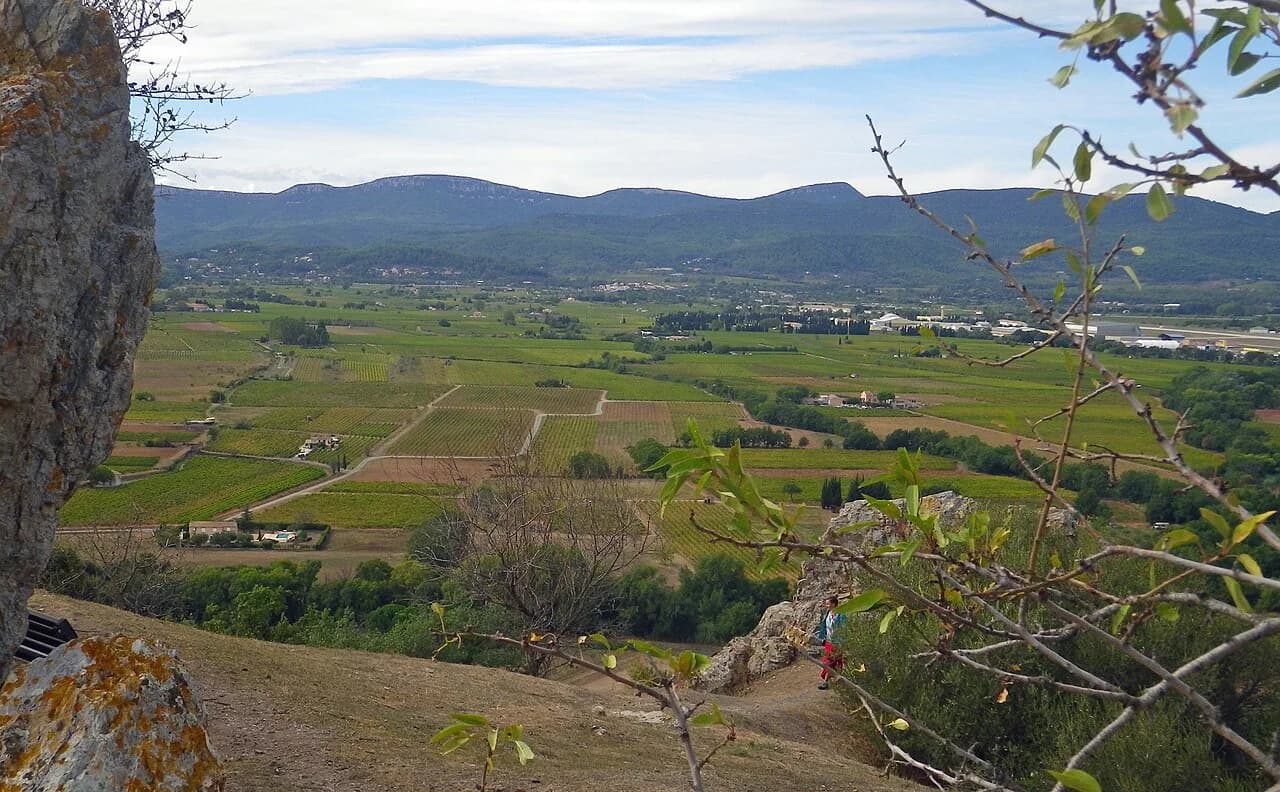
Taradeau lies inland from the coast, in the clay-and-limestone hills of the Var where Côtes de Provence vineyards spread around villages such as Lorgues and Les Arcs-sur-Argens. That inland position is what shapes a trip from Cannes: you are crossing the massif behind Fréjus rather than following the shoreline. Expect a drive or train-plus-taxi journey measured in an hour to an hour and a half each way, depending on route and traffic.
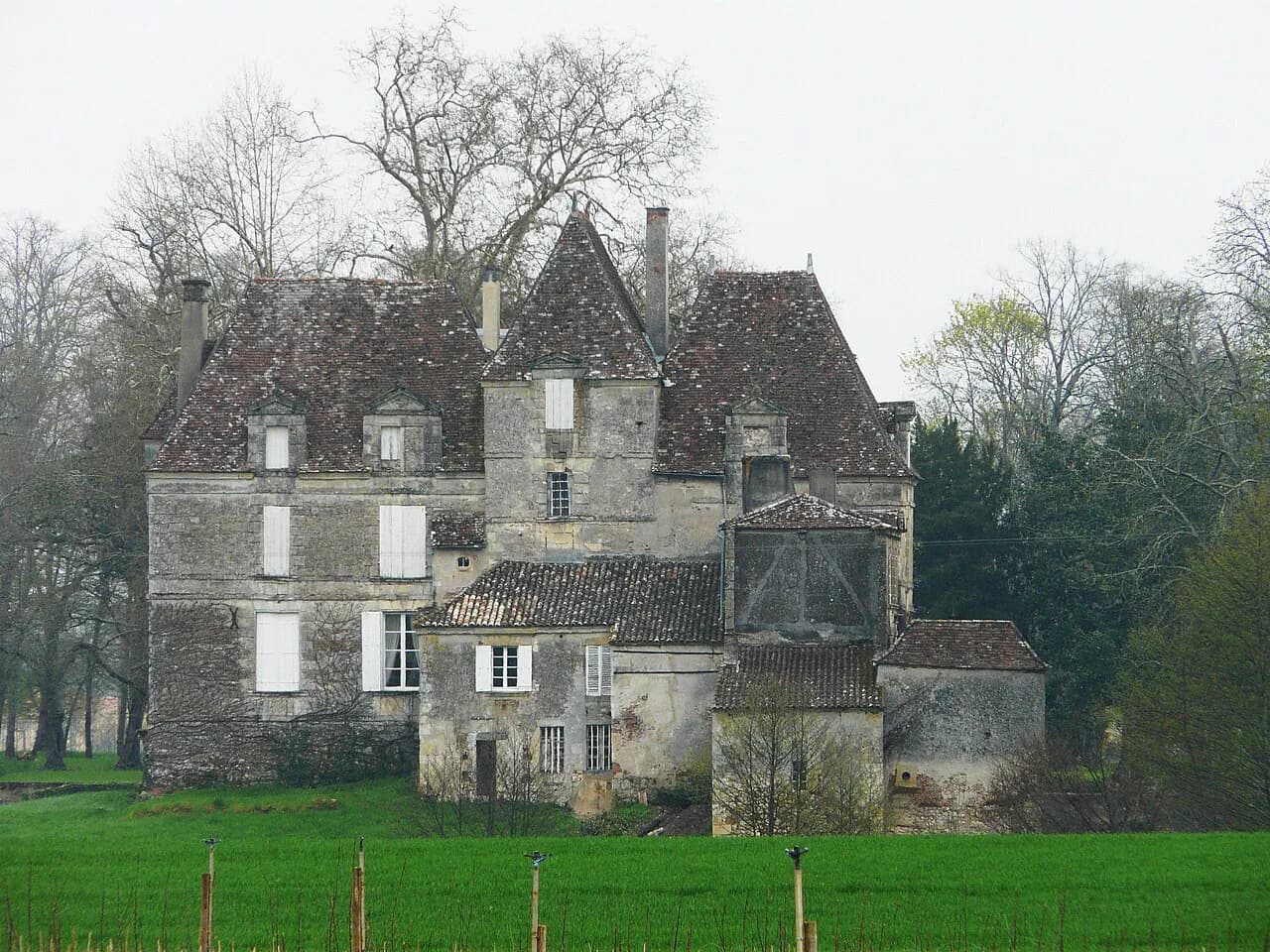
The estate's own account of its history traces occupation of the site back to prehistory and to a Gallo-Roman phase, with the family line taking over in the eighteenth century. That depth is part of the visit's appeal: this is a working domaine with a bastide, a park and a cellar, not a purpose-built tasting room beside a car park.
The Côtes de Provence and Cru Classé Context
Côtes de Provence is the large appellation covering much of the Var and a slice of the Alpes-Maritimes, and it is overwhelmingly associated with rosé. The estate's wine site lists its classified rosé alongside Côtes de Provence AOP and Mediterranean PGI bottlings, so a tasting here gives you the appellation's main register rather than a single cuvée.
Cru Classé is a classification of long standing within Côtes de Provence, awarded to a limited list of estates and revised over the decades. In practical terms, it tells you the property has a track record and a vineyard holding deemed worthy of the designation; it does not tell you what will be poured on the day. Treat it as a reason to prioritise the estate, then ask about the current range when you book.
Provence rosé is typically pale, dry and fresh, built for warm-weather drinking, and the inland Var brings enough range between day and night temperatures to keep acidity in the fruit. Reds and whites exist in the appellation too, usually in smaller volumes, so if you want to taste beyond rosé, say so in advance. The estate also runs La Liquoristerie de Provence, which is why its visitor offer includes distillation alongside winemaking.
What You Can Actually Do on a Visit
The estate groups its visitor offer under tastings, described as running from simple to more elaborate, and the VinoSpirit Expériences route. That route is a staged, scenographic walkthrough of vinification and distillation, presented as a cultural and sensory experience with a tasting element rather than a straight cellar tour. If you want the fullest picture of the property, that is the format to request.
For a shorter stop, ask for a straightforward tasting; the estate explicitly frames its hospitality as ranging from simple tastings to more sophisticated formats with food. It also operates guest rooms, five character rooms in the eighteenth-century bastide set in a one-hectare park inside the vineyard, which turns a visit into an overnight stay if you would rather not drive back to Cannes the same day.
The estate hosts weddings, private receptions and corporate seminars, but those are private event bookings rather than public visitor products, so do not turn up expecting to join one. Similarly, traveler reviews describe tours and tastings, but they are not the estate's own published terms and should not be read as confirmation of what is currently offered.
What the Estate Does Not Publish
The estate's own pages describe experiences but do not list tasting fees, the number of wines poured, or how long a visit runs. They also do not publish opening days or seasonal closures. Rather than guess, ask for the price per person for each format, the number of wines, the duration, and whether a cellar or production walkthrough is included.
Ask the same questions for the VinoSpirit Expériences route: whether it is self-guided or led, how long it takes, and whether the tasting is built in or booked separately. If you want food, the estate mentions collations and meals from rustic to elaborate, so specify whether you want bread and cheese, a full lunch, or nothing.
The published contact details are the phone number +33 4 94 99 76 76 and the address at 614 Route des Arcs, which appear on both the tourism site and the wine site. Confirming your slot once, shortly before you travel, is enough; there is no need to chase every detail twice.
Booking: How to Write the Request
Appointment culture in the Var is real: many domaines receive visitors only on arranged slots, especially outside the summer rush. Whether Château de Saint-Martin takes drop-ins is not something its pages state, so the safe move is to request a time before you build a day around it. Write in French if you can, or keep the English short and specific.
A single email that settles everything should give the date and an alternative, the number of adults and any non-drinkers, the experience you want by name (a simple tasting or VinoSpirit Expériences), whether you want food, the language you prefer, and whether you are arriving by taxi because you are not driving. Add a phone number so the estate can confirm quickly.
If you are staying overnight, ask about the rooms in the same message so the visit and the accommodation are held together. If you are coming from Cannes by train and taxi, state your estimated arrival window; the estate can tell you which slot fits the transport rather than the other way round.
Getting There From Cannes Without Driving
The practical rail route runs from Cannes along the coast to Les Arcs–Draguignan station, the gateway for the inland Var villages. From there, Taradeau is a short taxi ride; book the taxi in advance or arrange a return pickup, because rural Var taxi supply is thin and you do not want to be stranded after a tasting.
Regional trains on this line are frequent enough in the day but thin out in the evening, so check the last practicable return before you commit to a late slot. The train journey is scenic and stress-free; the weak link is the taxi leg, which is where a pre-booked car or a driver makes the difference.
The alternative is a guided tour or private driver from Cannes, which solves the inland transfer, the appointment and the return in one booking. The trade-off is cost and pace: you share the schedule with a group and may see fewer estates, but nobody in the party has to watch the clock with a spittoon in hand. Our guide to Cannes wine tours sets out how these days are usually built.
Independent Trip or Organised Tour
Going independently gives you the longest possible time at the estate and the freedom to pair it with a Lorgues or Les Arcs lunch. It also means you own the risk: a missed taxi, a closed gate because the slot was never confirmed, or a train that leaves before the tasting ends. If you take this route, build in a buffer of at least an hour on the return.
A tour or private driver suits groups, anyone who wants to taste properly, and travelers who would rather not navigate French rural transport. Either way, one person should not taste if they are driving: use the spittoons, appoint a designated driver, or take public transport or a tour. That single rule is what makes a wine day in the Var work, and it applies just as much on the coast.
If you want to compare estates within reach of Cannes, the region has classified and well-known properties on both the coast side and the inland side, including the likes of the Château Galoupet visit and the Whispering Angel Winery, both of which publish their own visitor arrangements. Combining one inland estate with one coastal property makes a full day rather than a rushed one.
Pairing Taradeau With the Rest of the Var
Taradeau sits close to Les Arcs-sur-Argens, whose medieval quarter makes a natural lunch stop, and to Lorgues, a market town with a strong food culture and its own cluster of domaines. Grouping two villages keeps driving or taxi time sensible and gives the day a rhythm beyond a single appointment. If you would rather build the same decision around a city base, see our guide to wine tasting in Aix-en-Provence.
For a two-day trip, base yourself inland for one night, either at the estate's rooms or in Lorgues or Les Arcs, and use the second day for a second appointment. That removes the Cannes return from the middle of the day and lets you take the morning slot, when cellars are cooler and tastings are quieter. If you are still deciding which properties to include, our list of Cannes wineries is the place to shortlist.
Practical Points for the Day
Harvest in this part of Provence generally falls in the late-summer and early-autumn weeks, and that is when the cellar is at its busiest and access may be more restricted. Late spring and early summer are the calmest months for a visit, though July and August afternoons inland can be genuinely hot, so a morning appointment is kinder.
Wear closed shoes if a cellar or production walkthrough is on the programme, carry water, and keep a copy of your booking confirmation on your phone. Before you leave Cannes, check the train times for the day and reconfirm the taxi; those two details are what decide whether the day runs smoothly. Adults of legal drinking age only.
Plan Your Visit
Château de Saint-Martin is worth the inland journey from Cannes because it offers something the beachfront cannot: a classified Provençal estate with a scenographic tasting route, distillation on site and rooms in an eighteenth-century bastide. Book the experience and the transport before you commit, and the rest of the day falls into place.
Start with the estate's own pages for the address, phone number and the current visitor offer, then build the transport around the slot you are given. If you would rather hand the logistics to someone else, compare the wine tours on offer before you decide, and let the wine be the point of the day rather than the driving.
Frequently Asked Questions
What can you do at Château de Saint-Martin in Taradeau?
The estate publishes two main visitor strands: tastings, which it describes as ranging from simple to more elaborate, and VinoSpirit Expériences, a staged walkthrough of winemaking and distillation with a tasting element. It also has five guest rooms in its eighteenth-century bastide. What each format includes, how long it lasts and what it costs are not listed on its pages, so ask when you make contact.
Do you need to book a tasting at Château de Saint-Martin?
The estate does not state whether it accepts drop-in visitors, so the reliable approach is to request a date and time in advance, as is common across Var domaines. A single message giving your preferred date and an alternative, your party size and the experience you want will usually settle it.
How much does a visit or tasting at Château de Saint-Martin cost?
The estate's own pages do not publish tasting fees or a price list for VinoSpirit Expériences. Ask for the price per person for each format when you book, along with the number of wines poured and whether any food is included, so you can compare it with other estates on your route.
How do you get to Château de Saint-Martin from Cannes without a car?
Take a regional train from Cannes to Les Arcs–Draguignan, then a taxi for the short run to Taradeau; arrange the return pickup in advance because rural taxis are limited and evening trains thin out. A guided tour or private driver from Cannes handles the whole transfer in one booking instead.
What is VinoSpirit Expériences?
It is the estate's scenographic visitor route through vinification and distillation, presented as a cultural and sensory experience rather than a conventional cellar tour, and it includes a tasting element. Whether it is self-guided or led, and its duration, are not published, so confirm those points when you reserve.
Can you stay overnight at Château de Saint-Martin?
Yes. The estate offers five character rooms in the eighteenth-century bastide, set in a one-hectare park within the vineyard, which makes an overnight stop possible instead of a same-day return to Cannes. Ask about availability in the same message as your tasting request so both are held together.
Sources
Notes for your next wine trip
Optional updates to our winery and wine-town guides.
You might also like

Continue reading
More guides you'll find useful