Château de Berne: Wine Estate Guide for Cannes Travelers
Plan a visit to Château de Berne in Flayosc, Provence: the Côtes de Provence wines made here, how to reach it from Cannes, and how to shape a tasting day.
On this page
Château de Berne sits inland in the Var, the wooded hinterland that rises behind the Côte d'Azur, and it is easy to confuse two bookings made at the same address: a wine visit to a working Côtes de Provence estate, and a stay at a five-star hotel with spa and gastronomic restaurant. Decide which one you are planning before you send an email, because the answer changes what you ask for and how long you allow.
From Cannes the estate is a cross-region day out rather than a short hop, and the tools for a Cannes wine tasting day are worth reviewing before you commit to a route. This guide covers the published wine range, how to frame booking questions, transport options that do not involve drinking and driving, and how to group Berne with other Var stops.
A Var Estate Behind the Coast
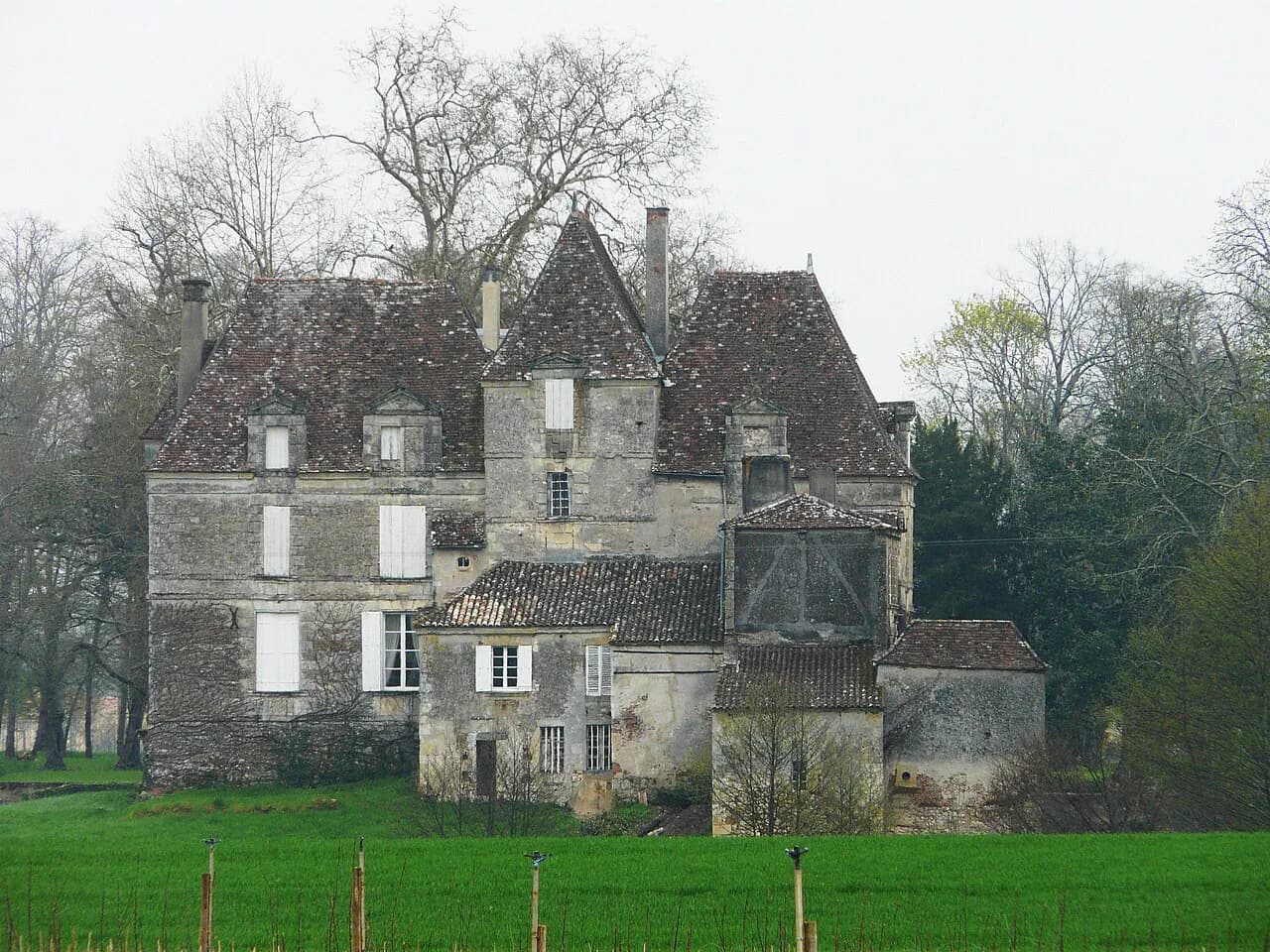
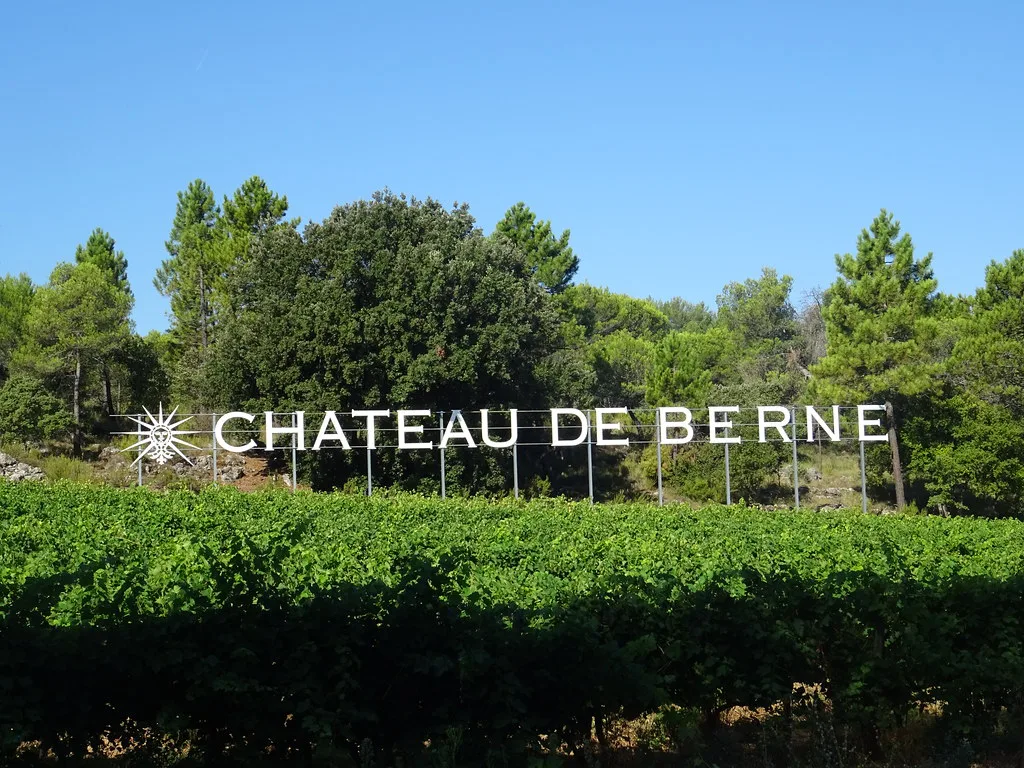
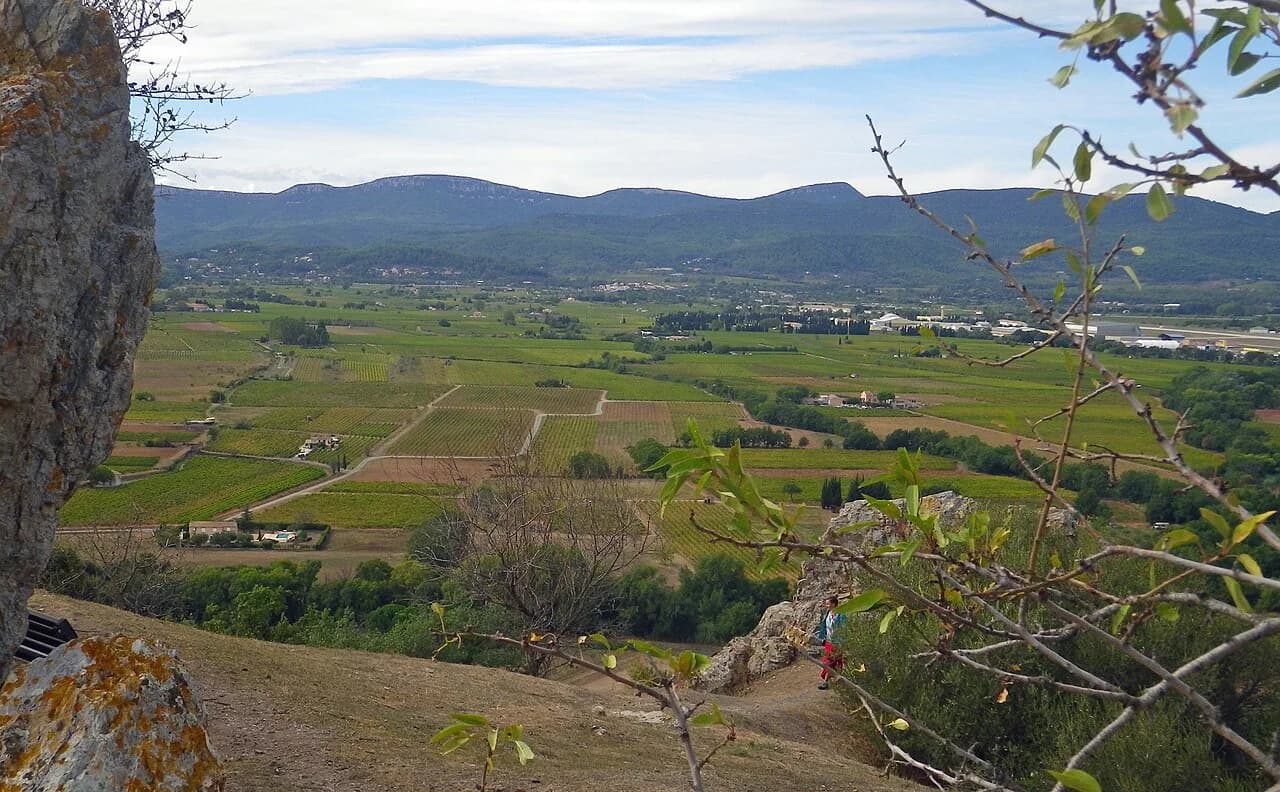
The estate lies off Chemin des Imberts in Flayosc, a village in the Var department inland from the coast, and the wider property spreads across a large private domain of vineyards, olive groves and woodland. The Hotel Guru's review puts it at around 1,500 private acres, while Condé Nast Traveler describes 1,200 acres of the Var hinterland. Either way the scale explains why the place reads as a rural estate rather than a town cellar: there is ground to walk, a working vineyard, and separate buildings for hospitality.
For anyone based in Cannes, the important point is geographic: Berne is not in the Cannes or Nice coastal belt and not in the Luberon either. It belongs to the inland Var around Flayosc, Lorgues and Draguignan, a landscape of forest, vines and small market towns where distances look short on a map but roads bend and slow.
That setting shapes the whole day. You are not wandering between tasting rooms on foot as you might in a compact wine town; you are moving between estates by road, which makes the choice of transport the central planning decision rather than an afterthought.
The Wines: Côtes de Provence and IGP Méditerranée
The estate's own shop lists its range under two appellation labels. The Côtes de Provence AOP bottlings form the core, and a smaller group carries the broader IGP Méditerranée designation, which covers a wider southern French zone and typically applies to more accessible blends. Learning to spot the difference on a label is the fastest way to understand a tasting list.
Rosé dominates the offer, as it does across Provence, but red and white Côtes de Provence wines also appear in the collection. Whites are made in a crisp, citrus-led style in this part of the south, while the reds tend to be structured enough for food; both are worth asking about at the counter if the flight you are offered is rosé-heavy.
Côtes de Provence is a large appellation, and rosé from it is generally a dry, pale, fresh wine built for drinking young rather than cellaring. That matters for what you buy on the day: a bottle carried home from a Provençal estate is usually meant for the coming months, not for a decade in a cupboard.
Reading the Tiers on a Tasting List
Berne's published range is layered in a way that is common in Provence, with several named cuvées at different levels. Entry-level names such as Romance and Riviera carry the IGP Méditerranée label, the Grande Récolte and Aura bottlings sit under Côtes de Provence AOP, and the estate's own name appears on higher-tier rosé, white and red, alongside cuvées including Inspiration, Les Oliviers, Intemporelle, PUR, L'Enclos, L'Amphore and Grande Cuvée.
A useful habit before any estate visit is to look at how the producer names and orders its own wines, because it tells you what a tasting is likely to build toward. Berne's shop separates rosé, red, white and organic bottlings and flags which are estate-labeled, which gives a rough hierarchy you can use to ask informed questions rather than simply accepting whatever is poured first.
Treat any specific vintage as seasonal information rather than a fixed feature of the estate. The shop lists current releases year by year, so a cuvée you read about may already be succeeded by a newer one by the time you visit, and the wine you taste on site may differ from the bottle you order online later.
If rosé is the reason for your trip, the coastal estates east of Cannes make an easier half-day, and a Château d Esclans visit is the obvious comparison for anyone weighing Berne against a nearer option.
What to Ask Before You Book
Berne's published pages describe the domain, hotel, spa and restaurant, but the estate does not publish a public tasting menu with a fixed number of wines, a duration, a price or a cellar-tour format. Rather than guess, ask directly when you make contact and treat the answer as the plan.
Four questions cover most of it. Ask how long the visit runs and how many wines are poured, whether the cellar or winery itself is part of it, whether food is served alongside the tasting or only in the restaurant, and whether the format differs by season or by day of the week.
Booking culture around the inland Var leans toward arranged visits rather than open doors, and a rural estate of this size may host groups, hotel guests and private events on the same day. Settling a time and a format in advance is the practical move; turning up and hoping for a counter tasting is the gamble.
Write to the estate through the contact details on its own site, give your party size and preferred date, and ask which language the visit is conducted in. One confirmation email at the end, checking the meeting point and arrival time, is enough; details can shift with the season.
Distance, Roads and Why the Last Stretch Is Car Country
The drive from Cannes heads inland away from the coast, through the Var, toward the Flayosc and Lorgues area. Published sources do not fix a drive time or distance for the estate, and traffic on the coastal approaches varies sharply with season, so plan the journey as a half-day in each direction rather than pinning it to a precise figure.
The final approach is the part that matters for transport planning. Country lanes and estate tracks around Flayosc do not come with frequent bus service or easy pavement, which means the last few kilometers are the hardest to cover without a car.
Getting There Without Driving
Public transport will get you into the region but not to the gate. The rail corridors serving this part of the Var run through towns such as Les Arcs and Draguignan, which are sensible arrival points for a taxi transfer onward to the estate; check current timetables with TER Provence-Alpes-Côte d'Azur before fixing a plan, since service patterns vary by season.
The realistic non-driving combination is train to one of those towns, then a pre-booked taxi for the final leg, with the return arranged in advance because rural taxis are not waiting on spec. A guided tour from Cannes removes the logistics entirely and is the simpler option if you want more than one stop in a day.
A driver in the party should not taste. Spittoons are standard at estate tastings, a designated driver or a hired car with a sober driver solves the problem cleanly, and on a rural day out like this one the decision is best made before anyone sits down at the table.
Day Trip or Overnight at the Estate
Staying on site changes the shape of the trip. The property includes a hotel with a spa and a gastronomic restaurant, described in The Hotel Guru's review as a manor-farm-style address with wine tastings, cookery classes and a Michelin-starred kitchen among its offerings, along with an infinity pool, olive groves and gardens.
Condé Nast Traveler's profile counts 34 rooms and names Le Jardin de Berne as the dining address, with a large spa and a setting inside extensive Var woodland. For a Cannes-based traveler, one night here converts a long return drive into a slower evening and removes the transport problem from the day entirely.
Rates published by review and booking sites are third-party and shift with season and demand, so they are not the estate's own rate card. Compare dates and room categories directly with the hotel and weigh the room rate against the cost of a return taxi from the coast plus a long drive home.
Independent Trip vs. Guided Tour
Going independently gives you control: you choose the date, stay as long as the tasting runs, and can add a market stop in Lorgues or a walk in Draguignan on the way back. The cost is logistical, since you arrange the train, the taxi and the return, and you carry the risk if a connection slips.
A guided tour trades that flexibility for a fixed itinerary and a driver who handles the rural roads. For a group of two or more the economics can be close, and the real advantage is that nobody at the table has to abstain. Cannes wine tours vary in whether they include estate fees and meals, so read what is covered before comparing prices.
Whichever route you take, look at the wider set of Cannes wineries before settling on a single estate, because the right answer depends on whether you want one long day inland or two shorter stops nearer the coast. If your plans drift west along the coast, the same decision is set out in the Marseille wine guide.
Pairing Berne With Other Var Stops
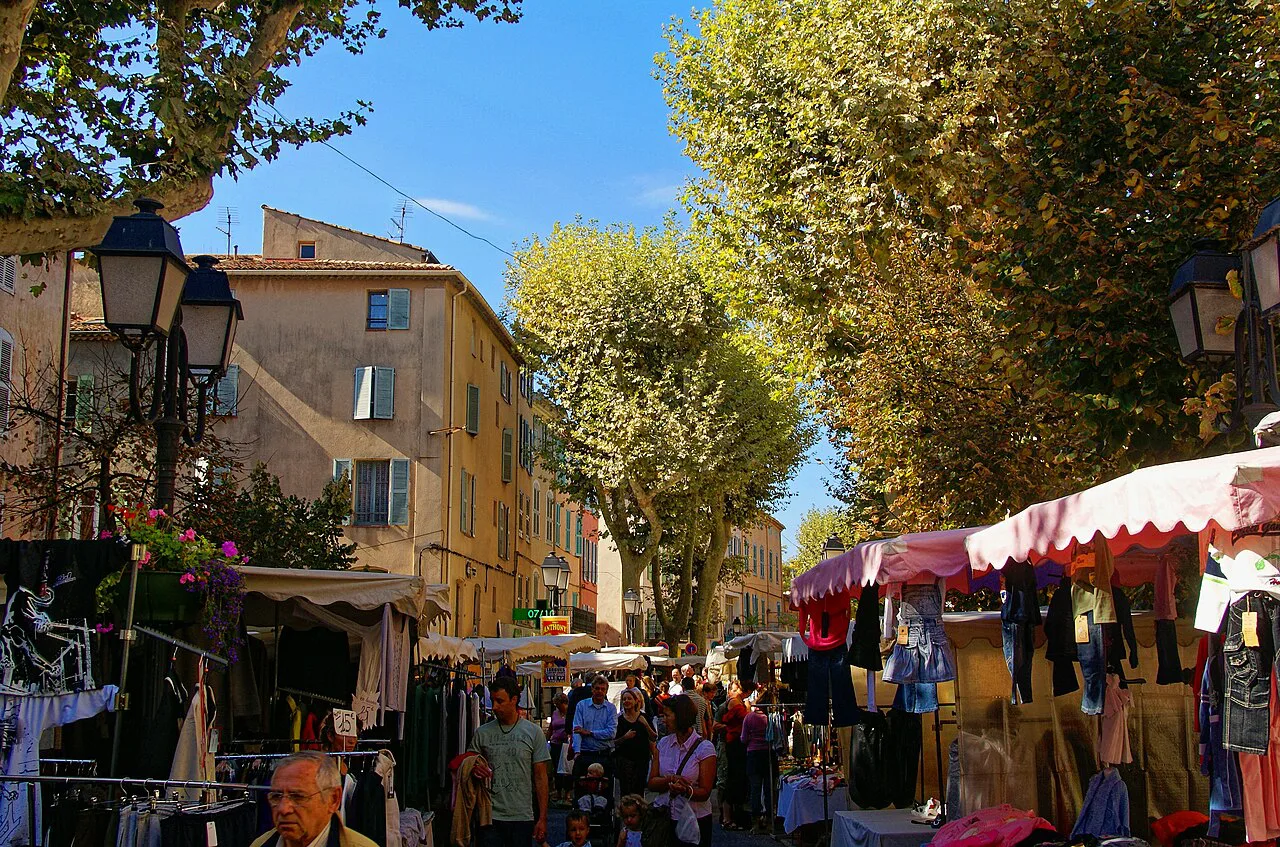
Flayosc, Lorgues and Draguignan form a workable triangle for a tasting day, with small towns for lunch and estates scattered on the lanes between them. Grouping two visits at most keeps the day sane once driving and appointment times are counted, and one of them should be booked for the morning when energy and palate are freshest.
The other inland Var rosé estate frequently compared with Berne is Château Galoupet, another property in this wooded corner of Provence with its own visiting arrangements. Checking both before you commit lets you compare formats, distances from Cannes and what each publishes about access.
Timing Your Visit to the Var
Harvest in this part of Provence generally falls in the late-summer and early-autumn weeks, when estate teams are at their busiest and hospitality can be trimmed back. That is not a reason to avoid the season, but it is a reason to book earlier and to accept that the working side of the property may take priority over visitors.
Spring and early summer bring flowering vines and comfortable driving weather, while high summer concentrates traffic on the coastal roads and makes an early start from Cannes worthwhile. Outside the main season, call Château de Berne ahead to agree a day and time, as the estate's public opening hours are not fixed year-round.
Plan Your Visit
Treat Château de Berne as an inland Var estate with a hospitality side, not a quick stop from the Croisette. Decide whether you are booking a tasting visit, a meal, or a night in the hotel, settle the format and timing directly with the estate, and build the journey around a sober driver, a pre-booked taxi or a guided tour.
The wines give the day its structure: Côtes de Provence AOP rosé, white and red with a handful of IGP Méditerranée blends beneath them, which makes a tasting list easy to read once you know the tiers. Sort out the transport first, then the wines, and the rest of the day follows.
Frequently Asked Questions
Is Château de Berne worth visiting from Cannes?
It is worth it if you want to see an inland Var estate with a serious rosé range and are willing to give up a large part of a day to the journey. The property combines vineyards with a hotel, spa and restaurant, so it suits travelers who want a slower day or an overnight rather than a quick tasting stop.
How far is Château de Berne from Cannes?
The estate is in Flayosc in the Var, inland from the coast and well beyond the Cannes and Nice coastal belt. Published sources do not give a fixed drive time, and coastal traffic varies with season, so allow a generous half-day in each direction and check a live route planner for your date.
Can you visit Château de Berne without a car?
Yes, with planning. Take a train to a rail town such as Les Arcs or Draguignan, then a pre-booked taxi for the final rural stretch, arranging the return in advance. A guided tour from Cannes is the simpler alternative if you would rather not coordinate connections.
Do you need to book a tasting at Château de Berne?
The estate does not publish a public tasting format with fixed times, so contact it directly and agree a date, a party size and what the visit includes. Arranged visits are the norm at rural Var estates, and turning up without one is a gamble rather than a plan.
What wines does Château de Berne make?
Its published range is built on Côtes de Provence AOP rosé, white and red, with a smaller set of IGP Méditerranée blends at the more accessible end. Named cuvées such as Grande Récolte, Aura, Inspiration, Les Oliviers and the estate-labeled Château de Berne bottlings sit at different levels, and vintages change each year.
Can you stay at Château de Berne?
Yes. The property includes a hotel with a spa and the Le Jardin de Berne restaurant, and one review profile puts the room count at 34. Rates quoted on review sites are third-party figures, so compare dates and room types directly with the hotel.
Sources
Notes for your next wine trip
Optional updates to our winery and wine-town guides.
You might also like
Continue reading
More guides you'll find useful