Cantina della Volta Guide: Plan a Bologna Lambrusco Visit
Cantina della Volta makes bottle-fermented Lambrusco di Sorbara in Bomporto. Here is how the estate fits into a wine day from Bologna, by car or by train.
On this page
Cantina della Volta is the reason a certain kind of wine traveler adds Bomporto to an Emilia-Romagna itinerary. The estate works only with Lambrusco di Sorbara, the lightest of the Lambrusco grapes, and makes its sparkling wine with a second fermentation in bottle rather than in a pressurized tank. That combination, a single grape and a Champagne-style method, gives the wines a reputation well beyond the flat farmhouses of the Modena plain.
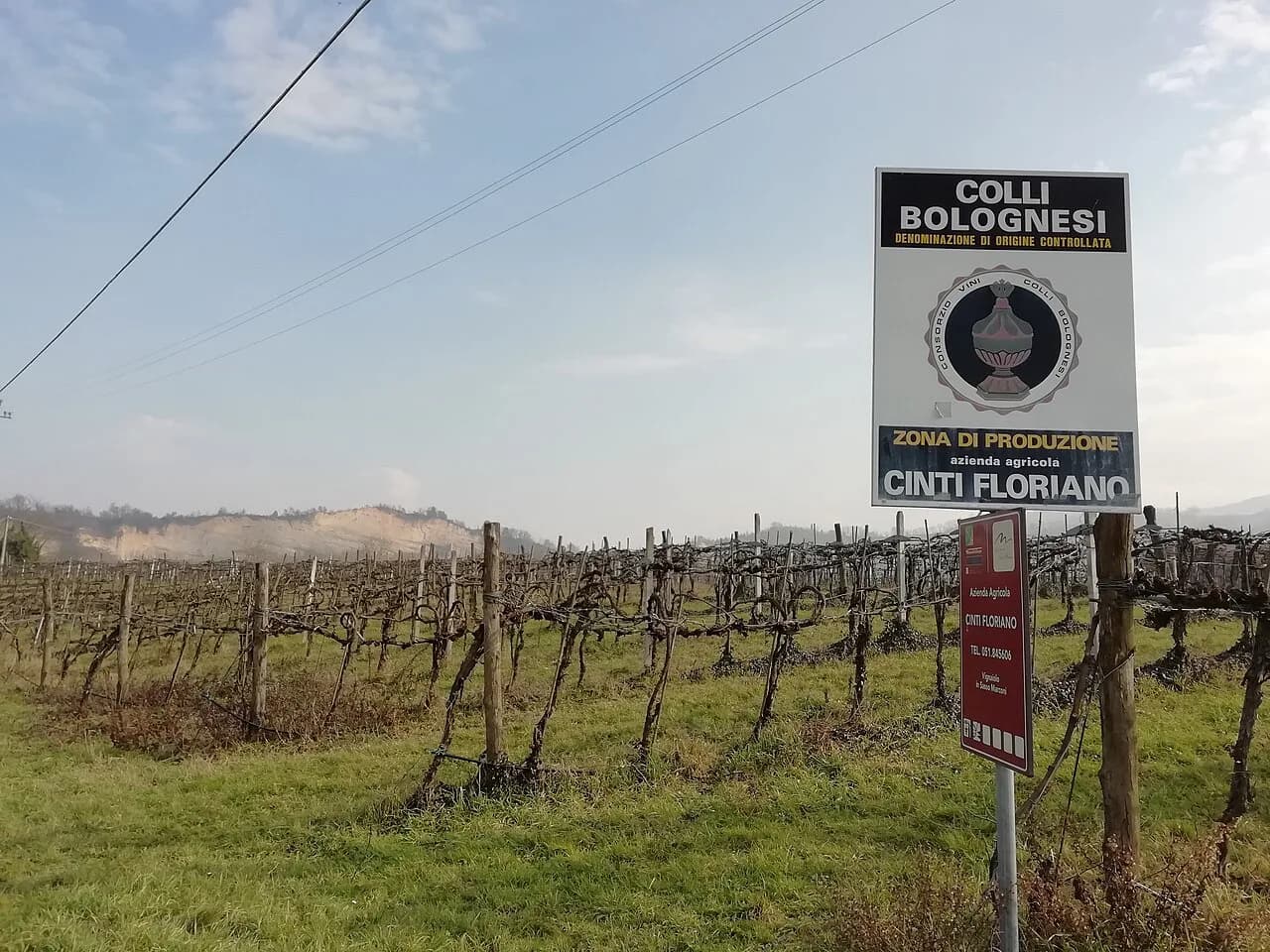
Bomporto sits in the low, flat Lambrusco country north of Modena, in the band of villages between Modena and Bologna where Sorbara and San Prospero are the best-known names. If you are staying in Bologna, this is a half-day excursion rather than a stroll: the wine district lies across the plain, not in the hills south of the city that produce Colli Bolognesi. Readers who want the Bologna-side picture can start with our guide to Bologna Wine tasting before deciding how far north to go.
Christian Bellei and the House He Built
Cantina della Volta belongs to Christian Bellei, described in a retailer's producer profile as a fourth-generation Lambrusco maker whose earlier family firm had been making Lambrusco since the 1920s. He launched Cantina della Volta under his own name in 2010 as a smaller, more focused operation, and the profile treats it as one of Emilia-Romagna's leading wineries. That history matters for a visit: you are dealing with a grower-style estate built around one winemaker's conviction, not a large cooperative with a visitor center.
The same profile describes Bellei as a committed Champagne enthusiast who applied that method to Lambrusco rather than to Chardonnay or Pinot Noir. He ferments a second time in the bottle and disgorges the sediment afterward, the technique behind the metodo classico label on traditional-method sparkling wine. Expect a visit, if you arrange one, to be about method and cellar work as much as about the glass.
What Lambrusco di Sorbara Actually Is
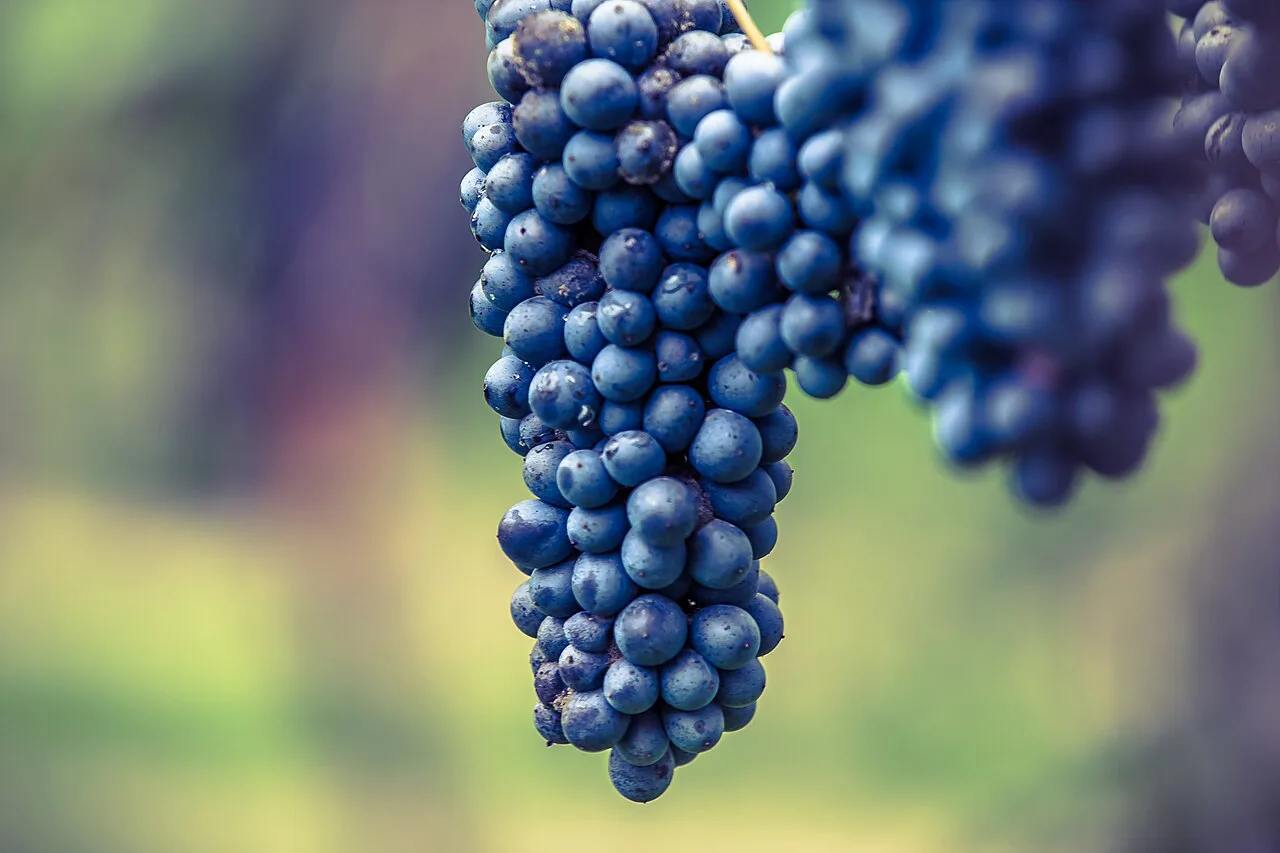
Lambrusco is not one grape but a family of related varieties grown across the plains of Modena, Reggio Emilia, Parma and Mantua. Sorbara is the delicate member of that family, pale in color, high in acidity and light in body, and it gives the most elegant of the Lambrusco styles. Cantina della Volta works exclusively with it, which is why the wines read as sparkling red wine in the Champagne register rather than as the frothy, sweeter Lambrusco many travelers know from export shelves.
The production method changes the wine as much as the grape does. Tank-fermented Lambrusco, the everyday style, is built for freshness and immediate drinking, with bubbles from a single pressurized fermentation. Bottle-fermented Lambrusco spends time on its lees in the bottle, gains texture and complexity, and is disgorged before release; a US retailer's tasting sheet for a Cantina della Volta Lambrusco Brutrosso notes the secondary fermentation in bottle and the disgorging of sediment. Knowing this in advance tells you what kind of cellar you are walking into.
Style questions are the ones worth settling before booking. If you expect a sweet, grapey red fizz, a metodo classico Sorbara will surprise you; if you already drink traditional-method sparkling wine, the drier, more structured profile will feel familiar. Ask Cantina della Volta which wines are on pour during a visit and in what order they are served, since the range of vintages and bottlings changes from year to year.
Bomporto and the Lambrusco District Around It
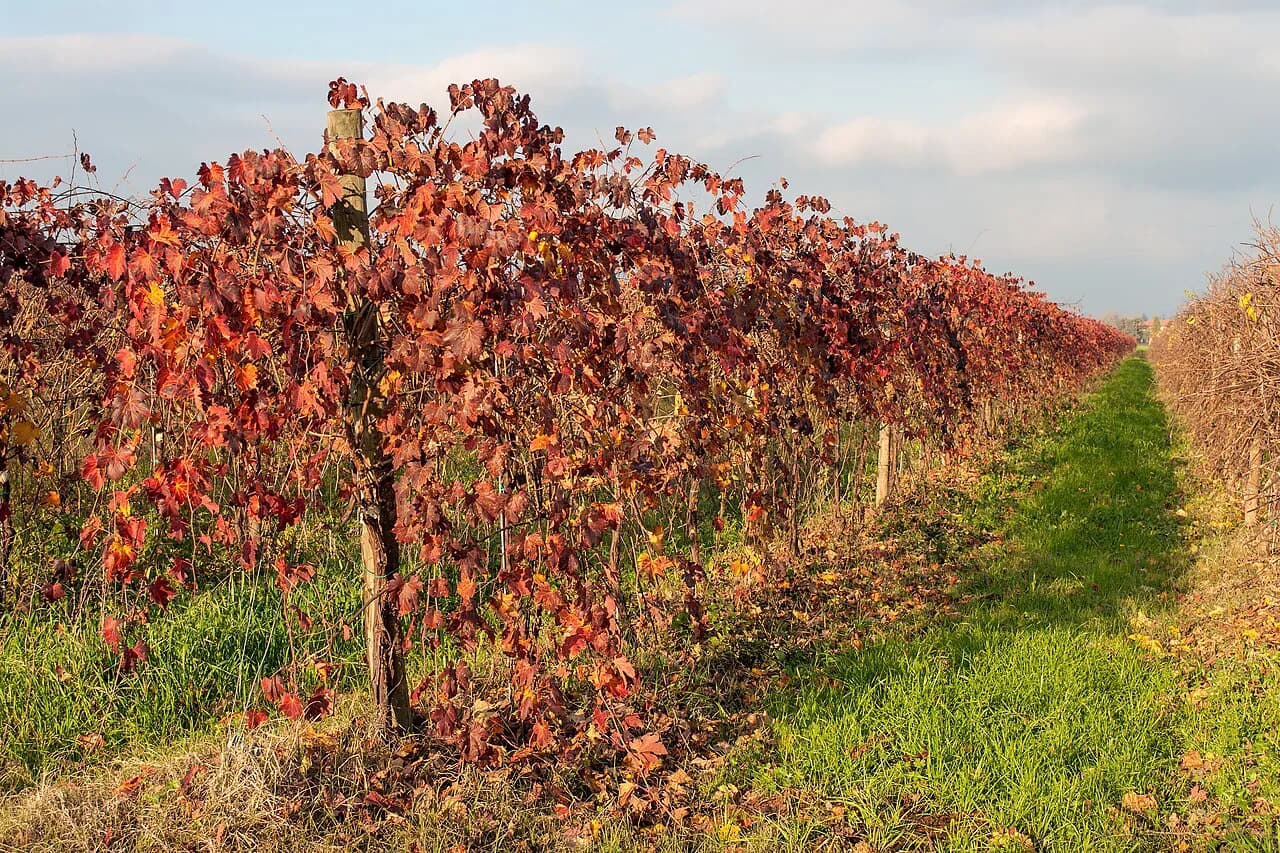
Bomporto lies in the province of Modena, in the flat agricultural land north of the city toward the Panaro river. The Lambrusco belt runs through this plain: Sorbara, San Prospero, Nonantola and Bomporto itself are neighboring communes rather than separate destinations, and a single day can reasonably touch two or three if appointments line up. Do not plan the day around scenery, because the landscape is fields, farm buildings and small towns rather than vineyard slopes.
Treat Bomporto as an anchor between Modena and Bologna rather than as a stop on the way to somewhere else. Modena is the natural base for a Lambrusco day, with the shortest run out to the wineries; Bologna works too, with a longer transfer each way. Bologna wineries in the Colli Bolognesi give you a completely different landscape of hillside Pignoletto and Sangiovese, so mixing the two districts in one day means a lot of driving and little tasting.
Visiting the Estate: What Is Published and What Is Not
Cantina della Volta is a working producer that receives visitors, but it is not a drop-in tasting room. Cellar visits in this part of Emilia are arranged directly, usually by email or through the winery's own website, and confirmed for a specific day and hour.
Write to the estate before you build a day around it, give your dates and party size, and ask what a visit currently includes. Public material on the house concentrates on the wines and the winemaker rather than on tourism, and even the user-generated listing for the property is thin on practical terms. That is normal for a small metodo classico producer, and it means your inquiry sets the agenda.
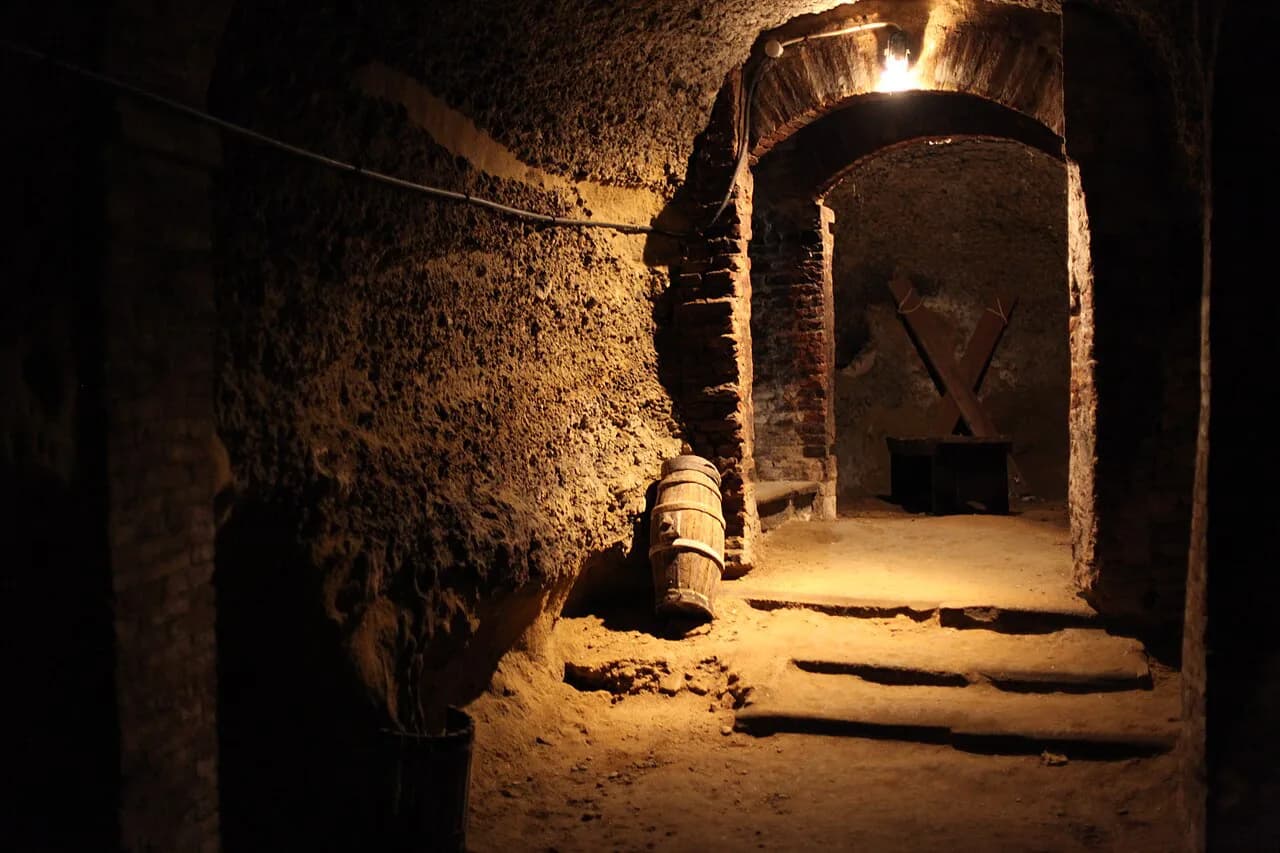
Ask directly whether a visit includes the cellar where the bottles rest on their lees, which wines are poured, how long the visit runs and whether it is offered in English. A small estate may host one group at a time, so flexibility on the day helps; midweek requests usually go further than a Saturday in harvest season. Late September and early October, when Sorbara is picked, is the least predictable window for a tour.
Getting to Bomporto from Bologna Without a Car
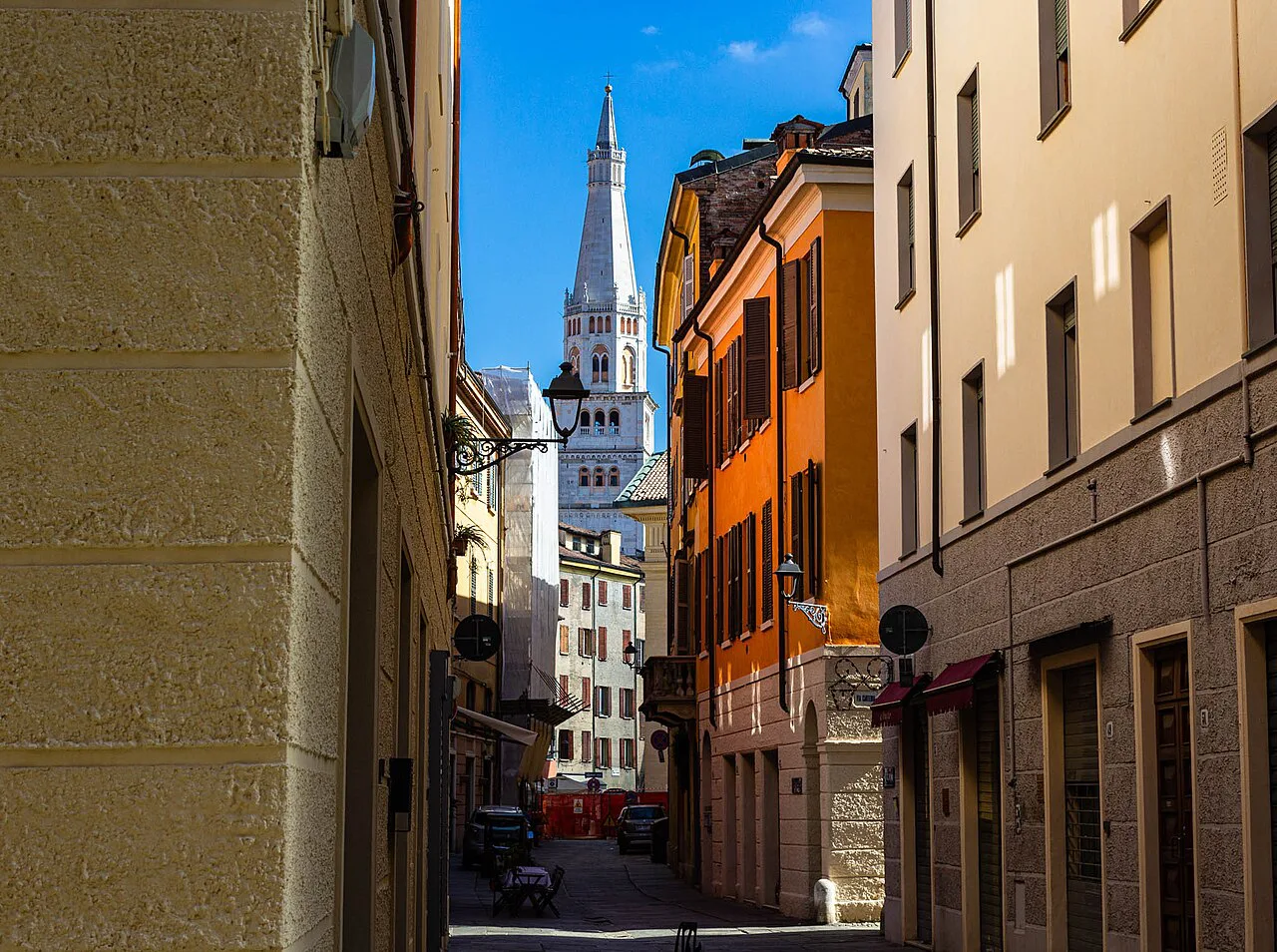
The simplest independent route is rail plus taxi. Regional trains run from Bologna Centrale to Modena in roughly half an hour, and the line continues northeast through the plain past Bomporto toward Mirandola. Confirm which station actually serves Bomporto on the current timetable, since not every regional service stops there, and book a taxi in advance for the final leg; rural taxi coverage around the Modena plain is thin and hailing one at a small station is unreliable.
Driving gives you the most control. From Bologna, take the A1 north and leave the autostrada for the Modena-area exits, then follow the provincial roads north across the plain to Bomporto. The distance is short in kilometers but the last stretch is slow, signposted country road, so allow generous margin between an appointment and your next stop. If anyone in the party is driving, that person spits rather than swallows, and the estate will provide spittoons on request.
A guided tour removes the transport problem entirely and often pairs a Lambrusco cellar with a balsamic vinegar house or a Modena lunch. The trade-off is fixed timing and a group pace, and the estate you most want to see may not be on the tour company's route. Bologna Wine tours concentrate largely on the Colli Bolognesi closer to the city, so check whether a Lambrusco day is offered before you book.
Coming from Modena Instead
Modena is the shorter and simpler base for Cantina della Volta. The wineries of the Sorbara and Bomporto plain lie a short drive north of the city, and a taxi from Modena costs less and is easier to arrange than one from Bologna. If your trip centers on food as well as wine, staying in Modena puts Osteria Francescana and the covered market within walking distance of your hotel.
If you prefer to keep one hotel for the whole trip and Bologna is it, accept the extra transfer time and plan Bomporto as a single focused outing. Bologna also has its own Lambrusco history: Cleto Chiarli, the region's best-known Lambrusco house, was founded in the city, and the Cleto Chiarli visit is an easier add-on when you are based in Bologna than a run to the Modena plain.
For an overnight in the wine country rather than a day trip, farm stays exist on the plain and in the Modena hills, though they book up around harvest. Bologna vineyard stays in the Colli Bolognesi are the more established option if you want a rural base within reach of the city.
Independent Visit or Guided Day: The Real Trade-offs
An independent visit gives you the conversation with the producer and the freedom to linger over a vertical of Sorbara. It also puts the logistics on you: the train connection, the booked taxi, the appointment time and the drive between estates if you add a second stop. With one estate and a Modena lunch, the independent route is manageable and usually cheaper than a tour.
A guided Lambrusco day solves the driving and the appointment booking in one move, and it is the sensible choice for a group where everyone wants to taste. The cost is per person and the schedule is not yours, so a tour that spends twenty minutes at a cellar and two hours at a producer you did not choose is a poor use of a day. Read the itinerary and confirm which estates are actually visited before paying.
Emilia cellars run on appointments, and a morning slot is the best of them. Vintners are in the cellar early, the light in the bottling rooms is better, and you finish in time for a long lunch in Modena before the afternoon traffic builds. A late-afternoon visit, by contrast, often collides with harvest or bottling work.
Practical Notes for the Day
Wear closed shoes that can take a damp cellar floor and bring a light jacket, since sparkling-wine cellars are cool year-round. Bring cash for a taxi or a small purchase, and keep the estate's phone number in your pocket in case the train runs late. A printed or offline copy of your booking confirmation saves trouble in low-signal countryside.
If you want a second cellar, pick it from the same cluster rather than crossing the region. Sorbara and San Prospero sit within a short drive of Bomporto; the Colli Bolognesi, by contrast, are back toward Bologna on the far side of the plain. Two appointments in one day are realistic only if they are close together and you have your own transport.
Anyone driving should not taste. A spittoon, a designated driver or a booked tour covers the same ground, and an estate will not be offended by a guest who spits. Save the tasting for the passengers, and let the driver enjoy the food side of Emilia.
Plan Your Visit
Cantina della Volta is a specific, single-grape producer in Bomporto, and a visit works best when you treat it as an appointment rather than an attraction. Contact the estate first, set a day and hour, decide whether you are coming by car, train and taxi or as part of a guided Lambrusco day, and plan the rest of the itinerary around it.
For the wider picture of what to taste around Bologna, the Wine Tasting in Bologna guide explains the Colli Bolognesi and how the city's wine districts relate to each other, which helps you slot a Modena-plain excursion into a longer trip. If you are weighing a second wine region against the Modena plain, wine tasting in Verona is a comparable decision for Valpolicella and Amarone.
Frequently Asked Questions
Where is Cantina della Volta located?
Cantina della Volta is in Bomporto, in the province of Modena, in the flat Lambrusco country north of Modena and northwest of Bologna. It sits in the same belt of villages as Sorbara and San Prospero, so it fits naturally into a Lambrusco day based in Modena and is reachable as a longer excursion from Bologna.
Can you visit Cantina della Volta and taste there?
Yes, the estate is a working producer that receives visitors, but it does not operate like a drop-in tasting room. Visits are arranged directly with the winery, and the estate does not publish a standard schedule of times, fees or visit lengths. Write to the winery by email or through its website with your dates and party size to confirm what is available.
How do you get to Cantina della Volta from Bologna without a car?
Take a regional train from Bologna Centrale to Modena, then continue by taxi into the plain toward Bomporto. Check the current timetable for which station actually serves Bomporto, and book the taxi ahead, because rural taxi service around the Modena plain is thin. The alternative is a guided Lambrusco tour that includes transport.
What is the difference between Lambrusco di Sorbara and other Lambrusco?
Sorbara is the lightest and most acidic of the Lambrusco family, giving pale, delicate sparkling wines. Other Lambrusco varieties produce darker, fuller wines, often made by tank fermentation for early drinking. Cantina della Volta works only with Sorbara and ferments in bottle, which gives a more structured, Champagne-like sparkling wine.
Is Cantina della Volta Lambrusco sweet or dry?
Its metodo classico wines are made in a dry, structured sparkling style rather than the sweet, frothy Lambrusco common on export shelves. Ask the estate which wines are poured on the day of your visit, since the range varies by vintage. If you already drink traditional-method sparkling wine, the profile will feel familiar.
Do you need an appointment to visit Lambrusco wineries near Modena?
In practice, yes. Small estates on the Modena plain receive visitors by arrangement rather than through posted opening hours, and a group arriving unannounced may find nobody free to host. Contact the winery in advance with your dates, party size and preferred language, and allow flexibility around harvest.
Sources
Notes for your next wine trip
Optional updates to our winery and wine-town guides.
You might also like
Continue reading
More guides you'll find useful