Bologna Wine Tours: Colli Bolognesi & Pignoletto Picks
Compare Bologna wine tours: hill wineries in Colli Bolognesi, Pignoletto and Sangiovese tastings, plus food-valley stops for balsamic and Parmigiano.
On this page
Bologna works best as a launch pad. The city itself is a place for enoteche, aperitivo and long lunches, while the vines that carry its name sit in the hills to the south, in the Colli Bolognesi district. That split shapes every buying decision: a city tasting is a two-hour affair, a hills day is a half-day or more with transport attached.
The practical question is not whether to take a tour but which kind. Operators sell two distinct products out of Bologna: wine-focused afternoons in the hills, and food-valley days built around balsamic, Parmigiano-Reggiano and prosciutto with wine as a supporting act. Knowing which one you are booking saves a disappointing day.
Why Bologna Is a Wine-Tour Base, Not a Wine Town
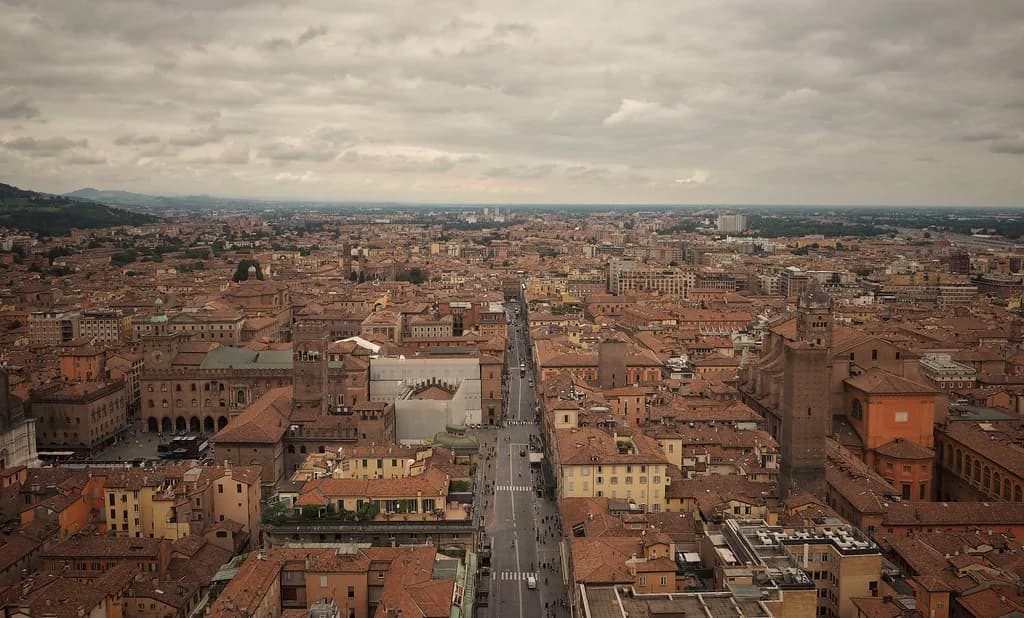
Unlike Reims or Porto, Bologna has no vineyard belt at its edge. The wine country begins in the Apennine foothills south of the city, which is why nearly every organized option involves a vehicle. Treat the city center as your hotel and restaurant base and plan the tasting as a separate day out.
If you have only an evening free, skip the hills entirely and use the city's wine bars and enoteche, where you can order Pignoletto by the glass and compare styles without a car. A full day, by contrast, is better spent in the hills than in town, because the estates are where the cellar visits and producer conversations happen.
The city also makes a sensible overnight base for people combining wine with food: the same operators who run wine days also run balsamic, cheese and pasta experiences, so a two- or three-night stay can mix one wine day with one food day without changing hotels.
Colli Bolognesi Explained: Where the District Sits
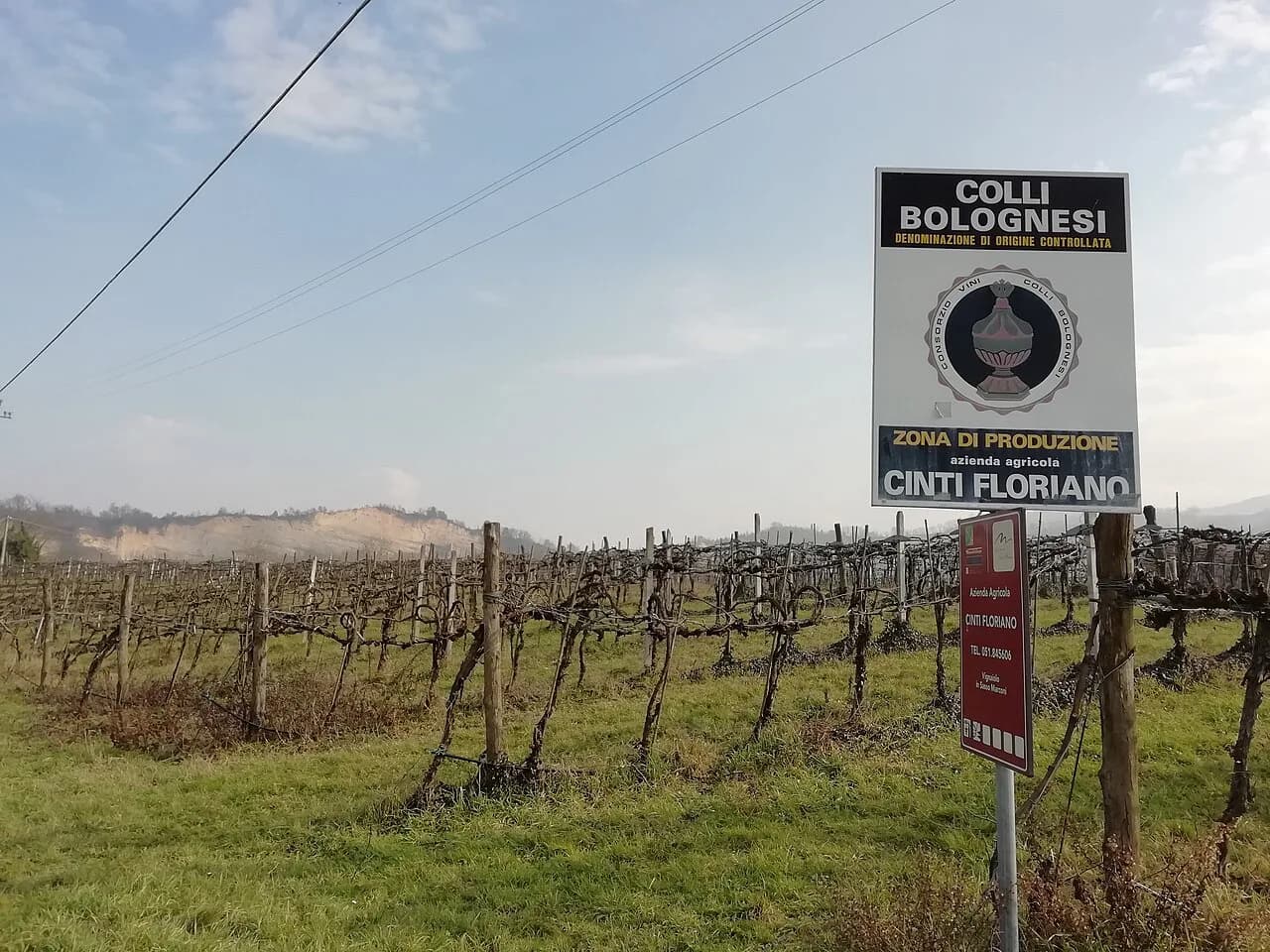
The Colli Bolognesi is a hilly zone south and southwest of Bologna, scattered across small villages rather than concentrated in a single town. Because the estates are spread out, a day is normally built around two or three stops with driving in between, not a walkable wine trail.
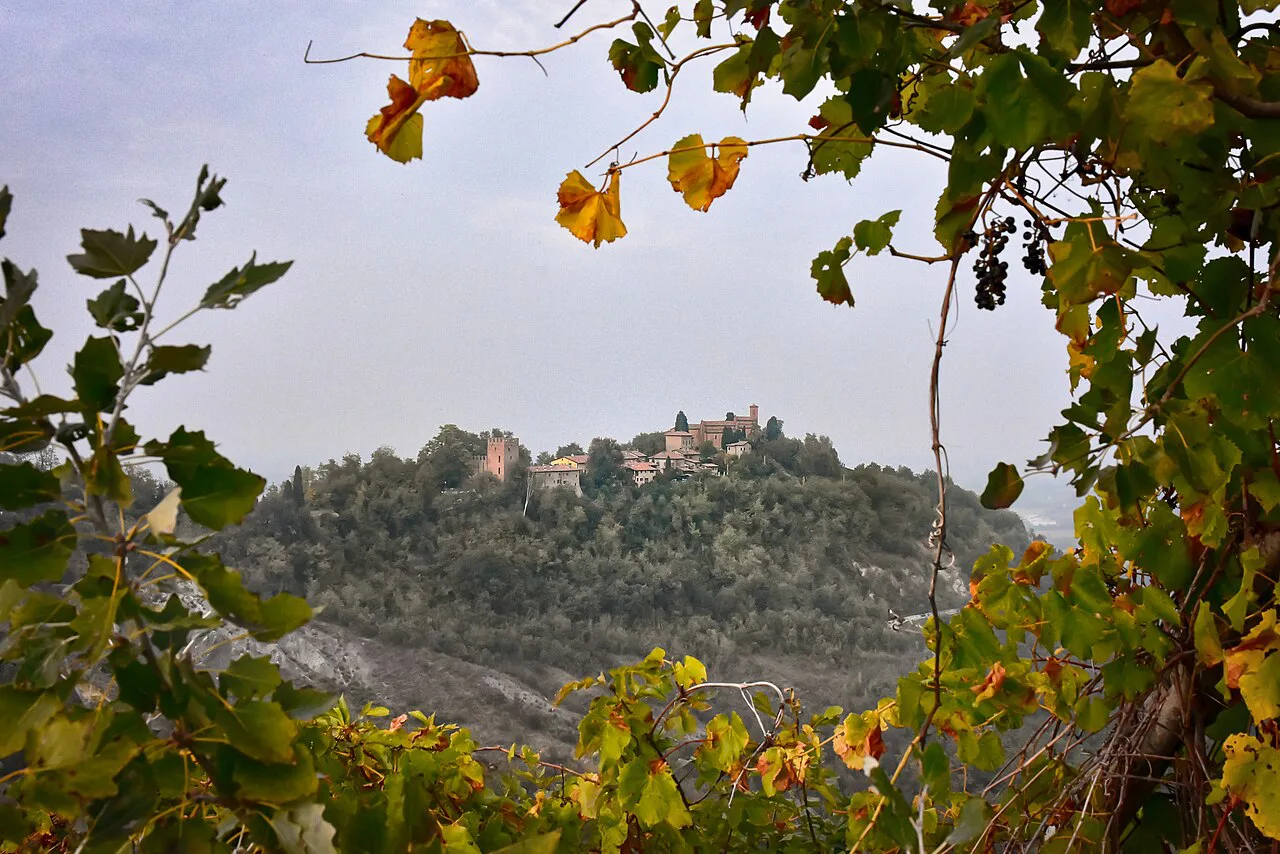
Villages such as Dozza, Vignola and Castelvetro appear in tour itineraries as the stroll portion of the day. Dozza is known for its painted house facades, Vignola for its castle and cherry tradition, and Castelvetro for balsamic producers. These are add-ons to a wine day rather than wine destinations in themselves.
For orientation, think in terms of drive time from the center rather than distance. One published itinerary meets its first estate about 45 minutes from Bologna, a useful benchmark when you are weighing how much of a day a two-estate loop consumes.
What You Actually Taste: Pignoletto, Albana, Sangiovese and Barbera
Pignoletto is the signature white of the Bologna hills, and a local operator describes it as coming in still, sparkling, spumante, passito and superiore styles. That spread is the strongest argument for a tasting flight rather than a single pour.
The wider Colli Bolognesi range covers Chardonnay, Sauvignon, Pinot Bianco, Riesling, Barbera, Merlot, Cabernet Sauvignon and spumante, alongside a Bianco Bologna. Albana, the white that earned Italy's first DOCG for a white wine in 1987, also appears on hills itineraries. That breadth is the argument for a guided day: a producer can pour across a range you would not assemble yourself.
Sangiovese and Barbera anchor the red side of a hills tasting. Sangiovese is the same grape behind Chianti, so tasters with Tuscan experience have a reference point; Barbera brings a juicier, lighter frame. Neither is a heavy, oaky style, which is why hills reds pair well with the region's egg pasta and cured meat.
Wineries Operators Actually Route Clients To
Private chauffeur services operating out of Bologna name specific estates in the Colli Bolognesi, which is a useful shortlist when you are researching where to book. Their published list includes Cleto Chiarli, Azienda Agricola Tenuta Santa Croce, Tenuta La Riva and Montevecchio Isolani.
The same operator lists Tizzano among its wine stops, and pairs wine visits with a Parmigiano tour at Caseificio Bio Reggiani and a balsamic tour and tasting at Acetaia Gambigliani e Zoccoli. Treat those names as starting points for your own enquiries, not as an itinerary set in stone.
Cleto Chiarli is the best-known name in the group, with Lambrusco production that sits slightly outside the white-wine story of the Bologna hills. If Lambrusco is your priority, build the day around it rather than around Pignoletto, and expect a different style of cellar altogether.
Appointment culture matters here. Small Emilia estates schedule visits around their own work, so a phone call or email before you commit to a train or taxi is the normal first step, and it tells you whether the estate is receiving visitors that week at all.
Anatomy of a Guided Hills Tour: The Six-Hour Format
Food Valley Travel's Bologna Wine Odissey is a concrete model to compare against. It runs six hours, starts at 10:00 am, operates Monday to Saturday, and meets the guide directly at the first estate rather than in the city center.
The structure is two wineries plus a village stroll. The first stop is a young family-run estate about 45 minutes from Bologna, where the pour includes Chardonnay, Pignoletto and Albana. The second is a longer-established estate known for rounder, fuller-bodied reds such as Sangiovese and Barbera, followed by a seated tasting with local foods at lunchtime.
After the food stop, the day continues with a digestive walk in a fortified village such as Dozza, Vignola or Castelvetro, chosen according to which suppliers are available that day, and wraps up around 4:00 pm. That is roughly four hours of tasting and two hours of driving and strolling, which is a fair benchmark for a hills day.
Read the small print before booking. Food Valley Travel states that timings and the winery selection can shift with availability, that the tour has no private guide trailing the group because producers run visits at fixed times, and that other guests may join. Live production work is not guaranteed to be underway when you arrive.
What a Tour Includes and What It Does Not
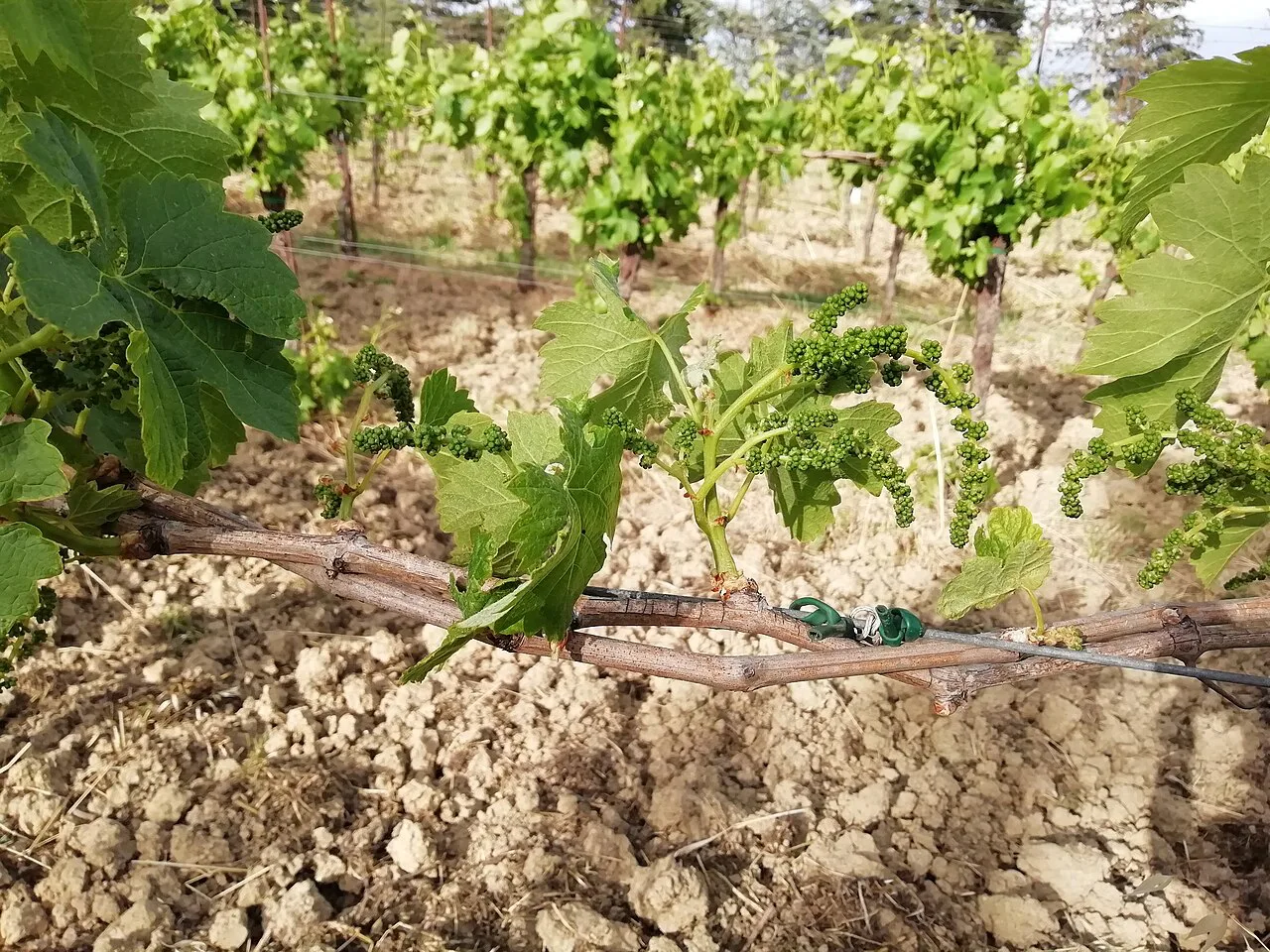
On the Food Valley itinerary, the inclusions are guided visits and tastings at two wineries with an English-speaking guide on site, cured meats and cheeses or other typical produce paired with at least three wines at each stop, and a richer seated tasting with lunch at one of the two estates. Transport is quoted separately, and a car-and-driver supplement from a specific town changes the pickup logic.
Private car services work differently: San Giorgio NCC states that tastings and restaurant bills are paid directly by you at each establishment and sit outside the cost of the transfer. That model suits travelers who want to choose their own estates and lunch, but it means the transfer figure is not the day's total. Neither page publishes a tour price, so ask for a quote against your dates.
Understand what a chauffeur is not. Italian law bars drivers from acting as driver-guides, so a car service arranges and reserves your stops but does not narrate the tasting; the producer does that. If you want commentary through the day, pick a product that explicitly includes an on-site guide.
Marketplace listings are the third route, useful for comparing formats and reading reviews from travelers who took the same day. They group many operators under one search, but the individual operator's own page remains the better source for what is poured, how long the day runs and who leads it.
Food-Valley Add-Ons: Balsamic, Parmigiano and Prosciutto
Emilia-Romagna's food stops are a separate attraction and can easily crowd out wine. A Parmigiano-Reggiano dairy visit, a balsamic acetaia and a prosciutto producer each take time, and pairing more than one with two wineries makes for a very long day. Choose wine-led or food-led, not both at full depth.
Castelvetro carries a reputation for balsamic producers, which is why it appears both as a village stroll on wine days and as a standalone food stop. If balsamic is a priority, ask for a route that includes an acetaia in the same cluster as the winery, cutting the driving.
Food stops make particular sense for groups where not everyone drinks seriously. A cheese dairy or vinegar house keeps non-tasters engaged while the wine lovers do a cellar visit, and the pairing lunch satisfies both. It is the most efficient compromise for a mixed party staying in the city.
Independent vs. Tour: Driving, Taxis and Public Transport
Self-driving gives you the widest choice of estates and lets you linger, but it puts the driver out of the tasting. Spittoons exist and are used, yet the responsible default on a two-estate day is a designated driver, a hired car with driver, or a tour where transport is included.
Taxis are workable for a single estate close to town, less so for a loop of two wineries plus a village, because waiting time and return availability in the hills are unpredictable. Book the return leg in advance or use a service that keeps the car with you all day.
Public transport is the weakest option. No operator in this market documents bus or train service reaching the Colli Bolognesi estates, and the district's villages are spread out. Rather than gamble on a rural connection, plan on a tour with pickup or a private car, and save the trains for Florence, Modena and Parma.
Where you sleep affects the calculus. Staying at an agriturismo in the hills puts you closer to the estates and lets you split tastings across two days, though you then need transport for dinners in town. Staying in Bologna keeps the food and bar scene on your doorstep and makes a single guided day the simplest plan.
Booking Mechanics: Lead Times, Pickups and Cancellation
Food Valley Travel publishes clear cancellation tiers for its Bologna Wine Odissey: no fee up to eight days before the start, a 50 percent penalty from seven to three days out, 70 percent within 48 hours and the full amount within 24 hours. The page carries a price heading without a figure, so request the current quote for your date before committing.
Pickup logistics need stating at the time of booking. On that tour, adding the car-and-driver supplement means collection at your downtown hotel, while out-of-town addresses may carry an extra supplement. If you are staying outside the center, sort this out before you pay.
Private car operators invert the process: you send preferences first, they design the route minimising driving time, then they make reservations on your behalf. Car museums are the exception and must be booked directly. Their main pickup is Bologna, with collection possible elsewhere in Emilia-Romagna.
Harvest, roughly late August into October in these hills, is when estates are busiest and least able to host. Ask at booking whether your dates fall in that window, what the minimum party size is, and whether the visit includes a cellar walk. One round of questions by email covers all three; confirm final details directly with the estate a few days out.
Pairing Wine with Bologna's Table
Bologna's classic dishes are built for the local whites more than for tannic reds. Tortellini in brodo and tagliatelle al ragù both work with a still Pignoletto or a Bianco Bologna, whose acidity cuts through the butter and the slow-cooked meat.
Timing matters more than most guides admit. A tasting that starts at 10:00 am and includes a seated food pairing at midday is effectively lunch, so plan a light dinner rather than a second big meal, and book any trattoria for the evening before you travel.
A Half-Day City Alternative
If work or weather keeps you in town, build a tasting afternoon from enoteche and wine bars rather than a tour. Order Pignoletto in two styles side by side, then a hills Sangiovese, and you cover the district's range in a couple of hours at a fraction of the logistics.
Combining a city tasting with a market walk is a realistic half-day shape: morning at the food shops, a seated tasting or wine bar lunch, and an evening aperitivo. It is also the better choice on Sundays and public holidays, when estate availability thins out and organized days are harder to assemble.
Plan Your Visit
Decide the shape of your day before you compare operators: hills wine depth, a food-valley circuit, or a city tasting. Hills days reward people who want cellar visits and a spread of Pignoletto, Albana and Sangiovese; food days suit mixed groups; city tastings fit tight schedules. The same in-town cellars versus countryside estates trade-off shapes montepulciano wine tours, so it is worth reading that comparison alongside this one.
Then match transport to the plan. Tours with included transfers or a private car remove the driving question entirely, while independent visits need an appointment and a sober driver. Start with the wineries that receive visitors and the tasting formats available, then make your calls.
Frequently Asked Questions
What is the most famous wine from Bologna?
Pignoletto is the signature white of the Colli Bolognesi hills south of the city, made in still, sparkling, spumante, passito and superiore styles. Albana, the white that earned Italy's first DOCG for a white wine in 1987, also features on hills itineraries. Red drinkers will meet Sangiovese and Barbera.
Are Bologna wine tours worth it if I don't have a car?
Yes, and they are usually the practical choice without a car. The estates sit in the hills south of the city and no operator in this market documents bus or train service reaching them. A tour with included transport or a private car with driver removes the problem and keeps the driver sober.
How long does a Bologna wine tour take?
Formats vary by operator, but a common hills day runs six hours and starts in the morning, covering two estates and a village stop before finishing mid-afternoon. Check the duration on the specific product page, since food-led itineraries with cheese and balsamic stops run longer.
Can I visit Colli Bolognesi wineries independently?
You can, provided you have a car and a designated driver, and you contact each estate in advance. Small Emilia producers schedule visits around their own work, so an email or call before you commit to a route is standard practice. Two estates plus a village lunch is a realistic self-drive day.
Do Bologna wine tours include food?
Some do. The Bologna Wine Odissey format pairs cured meats and cheeses with at least three wines at each of two wineries and adds a seated tasting at lunch. Private car tours typically exclude tastings and restaurant bills, which you pay directly at each establishment, so compare inclusions carefully.
Should I choose a hills wine tour or a balsamic and Parmigiano tour?
Choose by appetite. Hills tours suit travelers who want cellar visits and a range of Pignoletto, Albana, Sangiovese and Barbera. Food-valley routes built around Parmigiano-Reggiano, balsamic acetaia and prosciutto suit mixed groups and anyone less focused on wine; combining both at full depth makes for an exhausting day.
How do I book a Bologna wine tour?
Book through the operator's own page or by email, and state your dates, party size and hotel location. Tour operators often handle estate reservations for you, while private car services design the route around your preferences and then reserve the stops. Ask about cancellation terms before paying.
Is there a cancellation policy on Bologna wine tours?
Policies differ by operator. Food Valley Travel publishes tiers for its Bologna Wine Odissey: no fee up to eight days before, a 50 percent penalty from seven to three days, 70 percent within 48 hours and the full amount within 24 hours. Read the terms on whichever product you book.
Sources
Notes for your next wine trip
Optional updates to our winery and wine-town guides.
You might also like
Continue reading
More guides you'll find useful