Agriturismo Bologna: Choose Wine Estates & Farm Stays
Plan a wine-focused agriturismo stay near Bologna: which hill villages to base in, how farmhouse hospitality works, and how to arrive without driving.
On this page
Most people typing agriturismo Bologna into a search bar are not looking for a hotel in the center. They want a farmhouse in the hills with a kitchen, a bed and, often, a glass of local wine at dinner. The wine angle matters because it splits the options in two: farms that grow and bottle their own grapes, and farm restaurants whose list is local but not estate-grown.
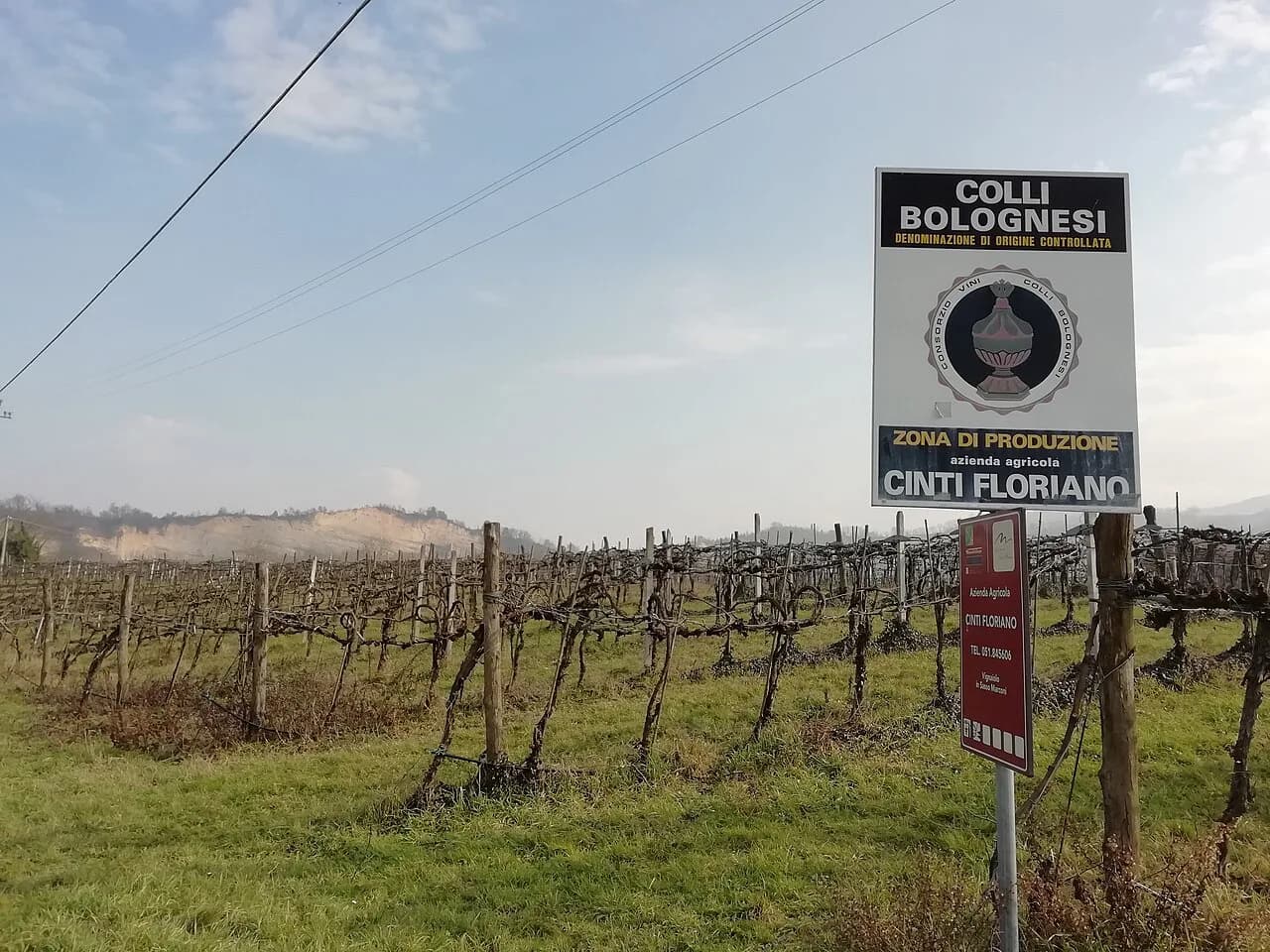
That distinction drives everything else, from which village you sleep in to whether you need a car. The Colli Bolognesi rise immediately south and west of the city, so a farm stay here can be paired with a day of wine tasting in Bologna rather than replacing it.
Where the Wine Hills Sit Relative to Bologna
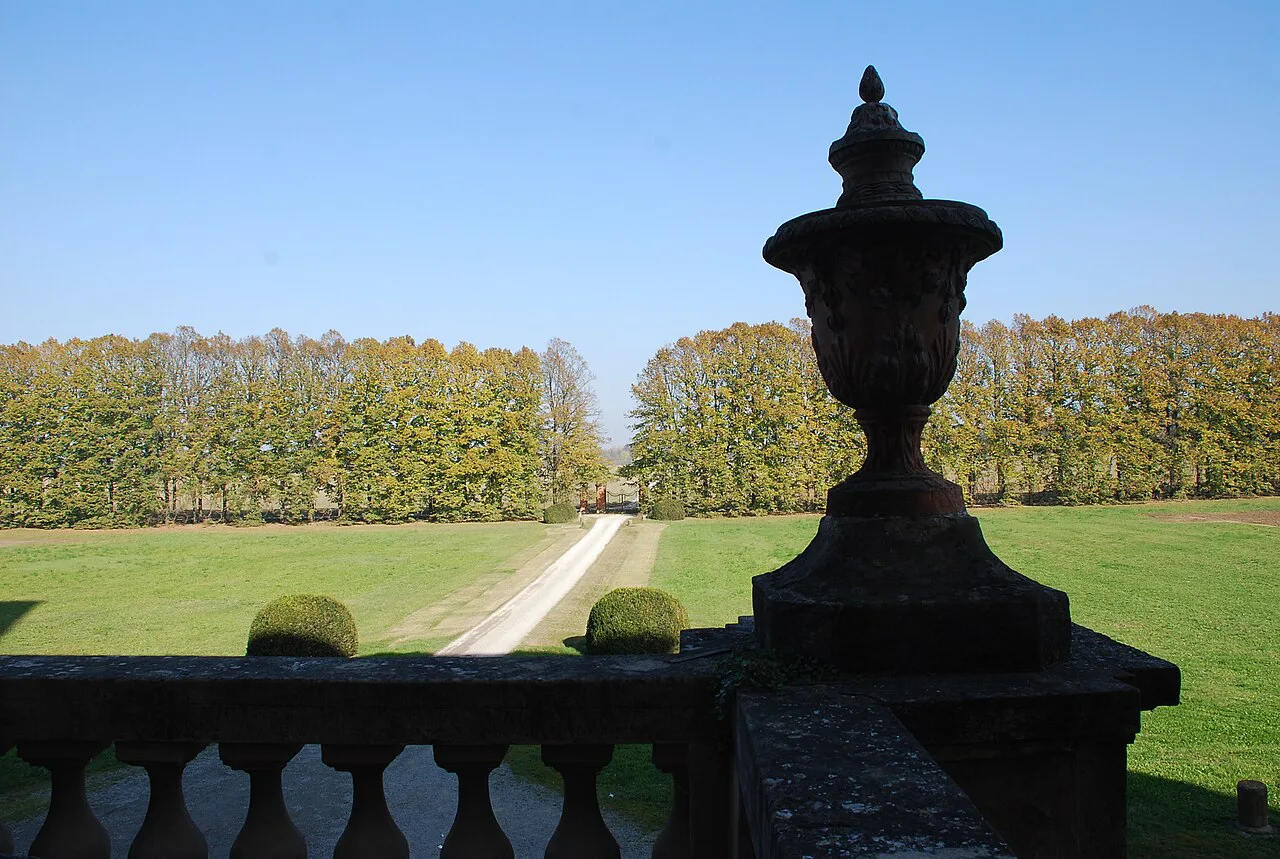
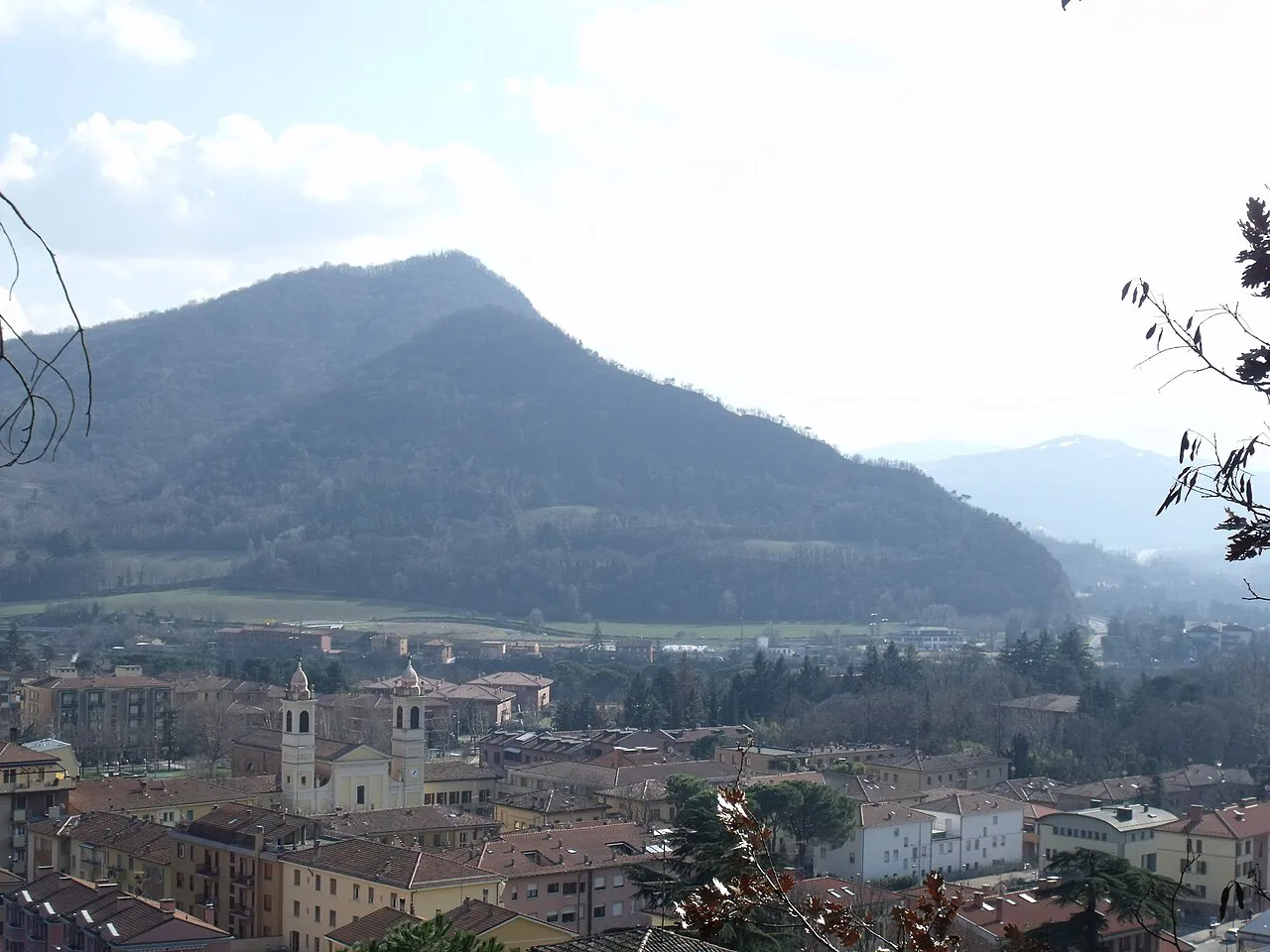
The Bolognese hills run in a rough arc south and west of the city, and the farm stays cluster into a handful of recognizable pockets. The closest is the immediate edge of Bologna itself, where properties such as Granoantico sit among wheat fields with a view back over the hills. Further out, the Sasso Marconi and Monte San Pietro ridges hold working farms with livestock and restaurants, while Monteveglio and the Samoggia valley sit west toward Modena.
One more zone rounds out the picture. Zola Predosa, just west of the city, is genuine vineyard country with winemaking farms. East of town, the Castenaso and Imola side is flatter farmland rather than hillside vines. Grouping a stay with a wine day means collapsing these into two practical choices: Zola Predosa and Monteveglio for vineyard settings, Sasso Marconi and Monte San Pietro for ridge views and farm kitchens.
What an Agriturismo Actually Offers a Wine Traveler
An Italian agriturismo is an agricultural business that also takes guests, which is why the quality varies with what the farm actually produces. Some have a vineyard and cellar, some raise livestock, some grow vegetables for their own kitchen, and many combine several. For a wine traveler the key question at booking is simple: is the wine on the table made here, and can you see where it is made? If the answer is no, you are booking a rural restaurant with rooms, which is a perfectly good night but a different trip.
This is also what separates an agriturismo from a city enoteca or a straight winery visit. An enoteca in Bologna pours widely and stays open late; a winery visit is a scheduled look at a cellar. A farm stay folds accommodation, a farm kitchen and, sometimes, the vineyard into one booking, which is the reason to leave the city at all.
Farm Stays With Their Own Cellar
Agriturismo Gradizzolo at Monteveglio is the clearest example of a wine-first stay in the hills. It has been family-run since the early twentieth century, with Antonio and his son Gianluca working the vineyard and cellar while Marisa and Chiara cook traditional Bolognese dishes with seasonal ingredients. Its wines are built around indigenous vines, including Negrettino and Alionza, made with old techniques such as amphora fermentation and refermentation in bottle.
Closer to the city, La Roverella sits among the vines of Zola Predosa and takes a deliberately natural approach: spontaneous fermentations, native yeasts, very low sulfite use and no animal-derived processing aids. Its food follows the same line, with few ingredients, macerations and fermentations, natural-leavening bread and a list of small-producer wines chosen on similar principles. It advertises themed tastings and meetings with producers rather than a standard grill-and-crescentine format.
Farm Tables With Local Wine Lists
Fattoria Zivieri at Sasso Marconi is a livestock farm first, raising five native breeds including Mora Romagnola pigs, with a restaurant, educational activities, a long trekking route and rooms on site. Its wine list is built around Colli Bolognesi labels chosen to match the meat cooking, so the evening is wine-led without being a cellar visit. Guardastelle at Monte San Pietro is a restored rural building serving tortellini, ragù and rice cake with local wines, plus woodland walks and outdoor space.
Granoantico, on the edge of Bologna, runs a family kitchen on vegetables from its own garden with handmade pasta and classic crescentine and tagliatelle al ragù. La Sosta dell'Idice at Castenaso combines a seasonal Bolognese kitchen with B&B rooms for a quieter countryside night. Bologna Welcome also lists farmhouses by area and distance from the city, including Agriturismo La Tintoria in the Apennines and Bosco del Ciù on the Imola side, which helps when you want to widen the search beyond these names.
Grapes and Styles to Ask For
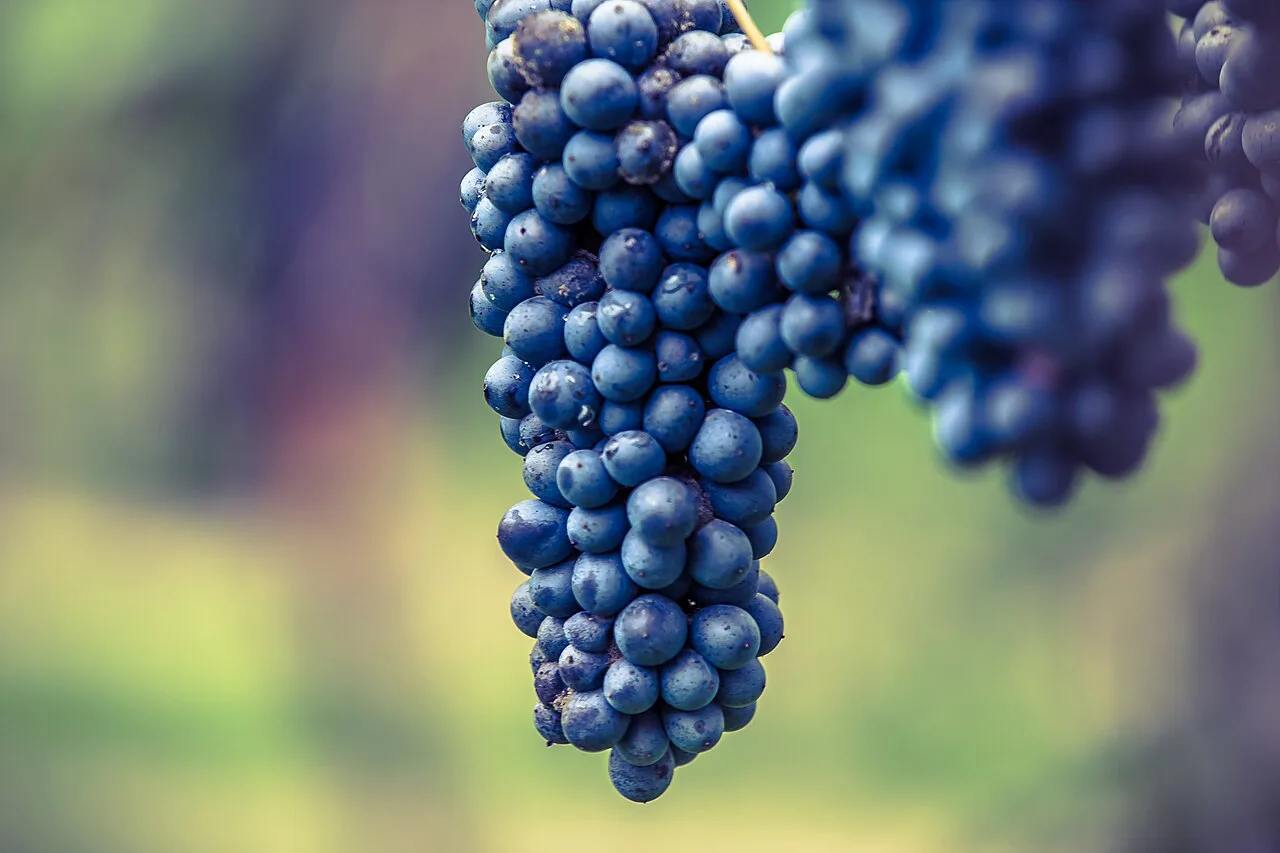
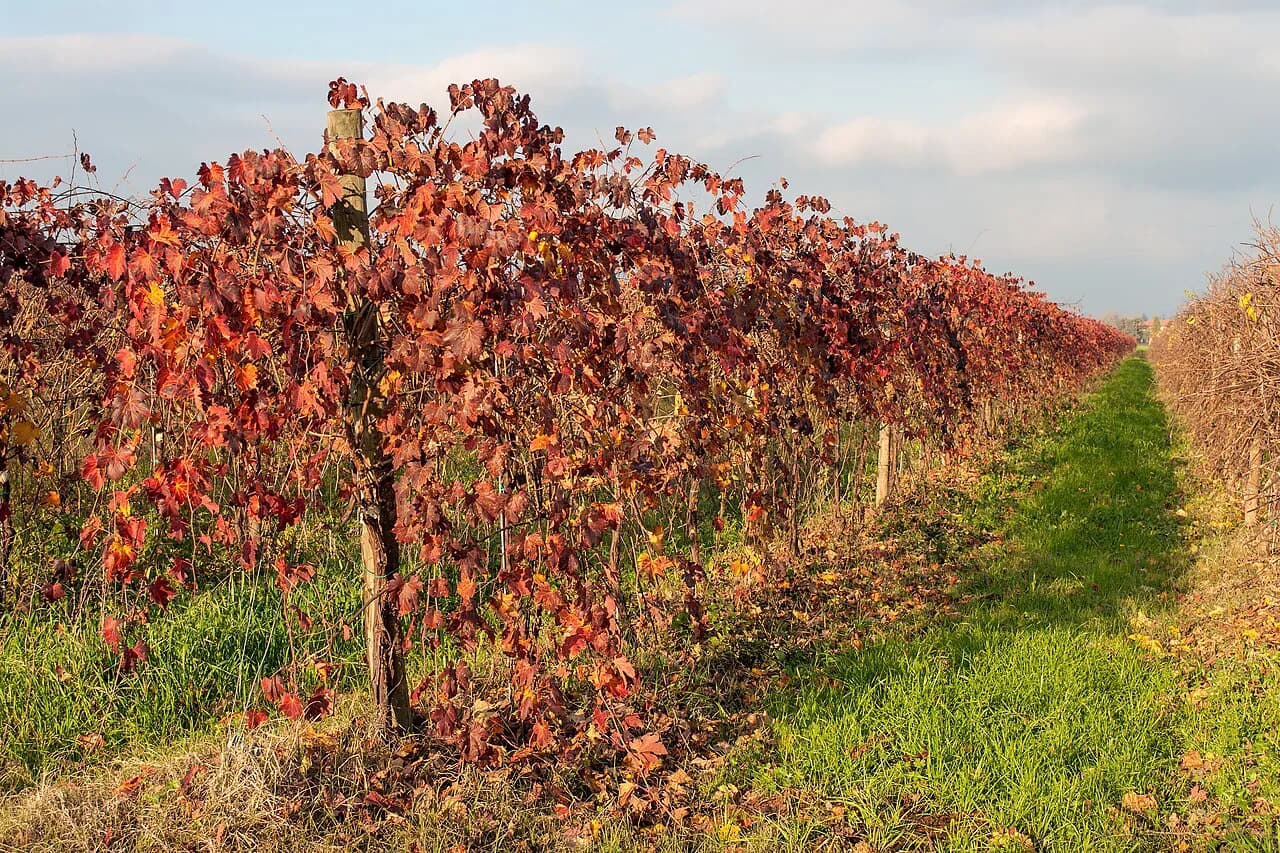
The hills around Bologna make red and white wines under the Colli Bolognesi name, and the indigenous varieties worth requesting by name are Negrettino and Alionza. Both are cited by the Monteveglio producer as local vines, which makes them a useful test of how deep a farm's own production goes. White-leaning Pignoletto is the other name travelers meet constantly in the city, so ask whether the farm bottles it or buys it in.
When you arrange a visit, ask three specific things rather than a vague tasting request: which wines are grown on the property, whether the cellar or winery can be seen, and whether the tasting happens before or as part of dinner. A small farm may only be able to open bottles at the table, which is fine as long as you know that in advance. The broader picture of who receives visitors is in our guide to Bologna wineries.
Staying in Bologna vs. Sleeping on the Farm
Keeping a hotel in Bologna and driving out for dinner gives you restaurants, bars and trains on the doorstep, and the hills are close enough for an evening return. The cost is that wine with dinner becomes a logistics problem, and you see the farm only after dark. Sleeping on the farm trades city evenings for birdsong, a shorter stumble to bed and, on vineyard properties, a morning walk through the rows.
Sleeping out also solves the dinner-table problem, because the farm kitchen and the room are in the same place. The trade-off is thin evening choice: one kitchen, one list, and often a set rhythm of service. If you want variety across several nights, split the stay between the city and one hills property rather than moving between farms.
Arriving Without a Car
Bus service in the Bolognese hills is real but sparse, and it thins sharply once you leave the main roads for the farm tracks where these properties sit. A few farms are close enough to a village center for a taxi drop, but rural taxis are limited and a return trip at night needs arranging rather than hailing. For anyone planning to drink, a pre-booked driver or an organized wine tour is the realistic solution, and it removes the question entirely.
If you would rather not drive at all, treat the tour as the transport and pick a property that fits a route rather than forcing a route to fit a property. Tours out of Bologna cover the surrounding wine country and can be matched to a lunch or tasting stop. A driver should not taste at all: use the spittoon, appoint a designated driver, or book a car and driver for the evening so nobody has to choose between the glass and the road.
Booking and Seasonal Timing
The binding constraint at these farms is usually the kitchen, not the bedroom. Small farms cook for a limited number of covers and often seat dinner by reservation, so a room booking without a table can leave you driving back into Bologna to eat. When you write or call, ask four things: whether the kitchen is open on your dates including midweek, the minimum party size, whether a cellar visit or tasting can be added, and the current rate for the room and any tasting.
Bologna Welcome's farmhouse listings and the regional agriturismo directory are the fastest way to see what exists in each area, but for live availability and prices the property itself is the place to settle those. Seasonally, spring and early summer suit vineyard walks and outdoor tables, September brings harvest activity to the vineyard properties, and autumn turns the farm menus toward heartier dishes. Those are also the weeks when small dining rooms and hills roads fill fastest, so book earlier than you would for a city hotel.
Plan Your Visit
Decide first what you want the farm to be. If the point is wine, choose a property with its own vineyard and cellar, such as Gradizzolo at Monteveglio or La Roverella at Zola Predosa, and ask which estate wines you can taste and whether the cellar can be shown. If you are weighing a vineyard stay against alternatives further south, our guide to an agriturismo montepulciano compares the same booking decision. If the point is a long farm dinner with local labels, the Sasso Marconi, Monte San Pietro and Castenaso tables deliver that without the vineyard.
Then settle transport and the table before anything else: a booked driver or tour if you plan to drink, and a confirmed dinner reservation even if the room is already booked. For the wider picture of where to taste around the city, start with our guide to wine tasting in Bologna and build the farm stay around it.
Frequently Asked Questions
Where can I stay on a working vineyard near Bologna?
Two properties in the hills are described as growing their own grapes: Agriturismo Gradizzolo at Monteveglio, a family vineyard and cellar with a traditional Bolognese kitchen, and La Roverella at Zola Predosa, which makes wines with spontaneous fermentation and low sulfite use. Neither publishes a room inventory or a fixed tasting format, so ask what is available for your dates, whether the cellar can be shown, and which wines are estate-grown.
Do I need to book an agriturismo near Bologna in advance?
Yes, and the table matters as much as the bed. These are small farms with limited covers, and dinner is usually seated by reservation, so a room booking alone can leave you without a place to eat. Reserve the room and the meal together, confirm whether the kitchen serves midweek, and ask about minimum party size if you are a small group or traveling alone.
What wines are made in the Colli Bolognesi?
The hills south and west of Bologna produce red and white wines under the Colli Bolognesi name, and the local varieties most worth asking about are Negrettino and Alionza, both cited by the Monteveglio producer as indigenous vines. Pignoletto is the other name you will meet repeatedly. Ask each farm which labels it grows and bottles itself and which it buys in, since that tells you whether the wine list is estate wine or a local selection.
Can I reach the Bologna hills farm stays without a car?
Partly. Bus service exists on the main roads but thins quickly on the lanes where farms sit, and rural taxis are limited, especially for a late return. A pre-booked driver or an organized wine tour from Bologna is the practical answer for anyone who wants to drink. If you do drive, plan for a designated driver or use the spittoon rather than skipping the tasting entirely.
Is an agriturismo near Bologna good for a wine tasting or just for dinner?
It depends on the farm. Vineyard properties such as Gradizzolo and La Roverella can open their own bottles and, if asked in advance, show where the wine is made; the livestock and vegetable farms around Sasso Marconi, Monte San Pietro and Castenaso pour local Colli Bolognesi labels with dinner rather than running a cellar visit. Decide which of those two evenings you want before booking.
Which villages near Bologna are best for a wine-focused farm stay?
Monteveglio and Zola Predosa are the two vineyard settings, each with a producer that makes its own wine. Sasso Marconi and Monte San Pietro suit travelers who want ridge views, farm cooking and a trekking route, while Castenaso and the Imola side offer flatter farmland and quieter B&B-style stays. Bologna Welcome lists farmhouses by area and distance from the city if you want to compare zones.
Sources
Notes for your next wine trip
Optional updates to our winery and wine-town guides.
You might also like
Continue reading
More guides you'll find useful