Sicily Wineries: Catania to Marsala Tasting Guide
Plan Sicily winery visits by region: Etna from Catania, Marsala in the west, Vittoria and Noto in the south. What estates offer and how to book and arrive.
On this page
Sicily rewards travelers who treat it as several wine regions rather than one. Mount Etna's terraced lava slopes in the east, the Marsala and Grillo country around Trapani in the west, and the Frappato and Nero d'Avola districts of Vittoria and Noto in the south each demand a different base, a different car or tour, and a different tasting vocabulary. Trying to cover all three in a short trip means spending more time on the autostrada than in cellars.
This guide organizes visitable estates by the town you sleep in, names only producers reported to receive visitors, and explains the formats each one offers. Where published details are thin, it tells you what to ask when booking rather than guessing at fees or hours.
Why Sicily Is Not One Wine Region
The island's wine identity splits along geological lines. Etna DOC covers the volcanic slopes above Catania, where Nerello Mascalese and Carricante grow in ashen, rocky soils at high altitude; the rest of the island is Sicilia DOC territory or one of the smaller appellations such as Cerasuolo di Vittoria, Marsala and Pantelleria. That means a bottle labeled Etna Rosso and one labeled Terre Siciliane may come from estates an hour or six hours apart.
Etna is where the international spotlight sits, which is why most first-time wine visitors base themselves in Catania or Taormina. The west, anchored by Marsala, brings fortified wines, dry Zibibbo and Grillo, while the southeast around Vittoria and Noto is the home of Frappato, Cerasuolo di Vittoria blends and serious Nero d'Avola. Pantelleria, a small island off the southwest coast, adds the passito tradition that produces Donnafugata's Ben Rye.
For a trip of a few days, choose one district and go deep. Etna alone can absorb three days of tastings across its northern, eastern and southern slopes, and the drive between them is longer than the map suggests because of winding mountain roads.
Choosing a Base Town: Catania, Marsala or Ragusa
Catania is the practical base for Etna, and the city's own wine scene makes it worth a night beyond the airport. Its airport handles the bulk of arrivals, and the eastern and southern slopes of the volcano, including Viagrande and Linguaglossa, are within a reasonable drive. Taormina on the coast works for the eastern slope but adds distance to the northern villages, so compare it against Catania in this wine tasting in Taormina guide before choosing where to sleep.
Marsala suits the west, including the historic Marsala cantine and the family estates outside town; Baglio Oro sits in Contrada Perino just outside Marsala, and Donnafugata's Marsala site is on Via Sebastiano Lipari, across the street from the Florio producer.
For the southeast, Ragusa or Noto gives access to Vittoria and the Nero d'Avola country around Noto and Pachino. Note that producers such as Gulfi, Arianna Occhipinti and Feudo Maccari appear in wine reports for their bottlings rather than for confirmed cellar visits, so treat a tasting there as something to arrange directly rather than assume.
Mount Etna: How the Slopes Differ
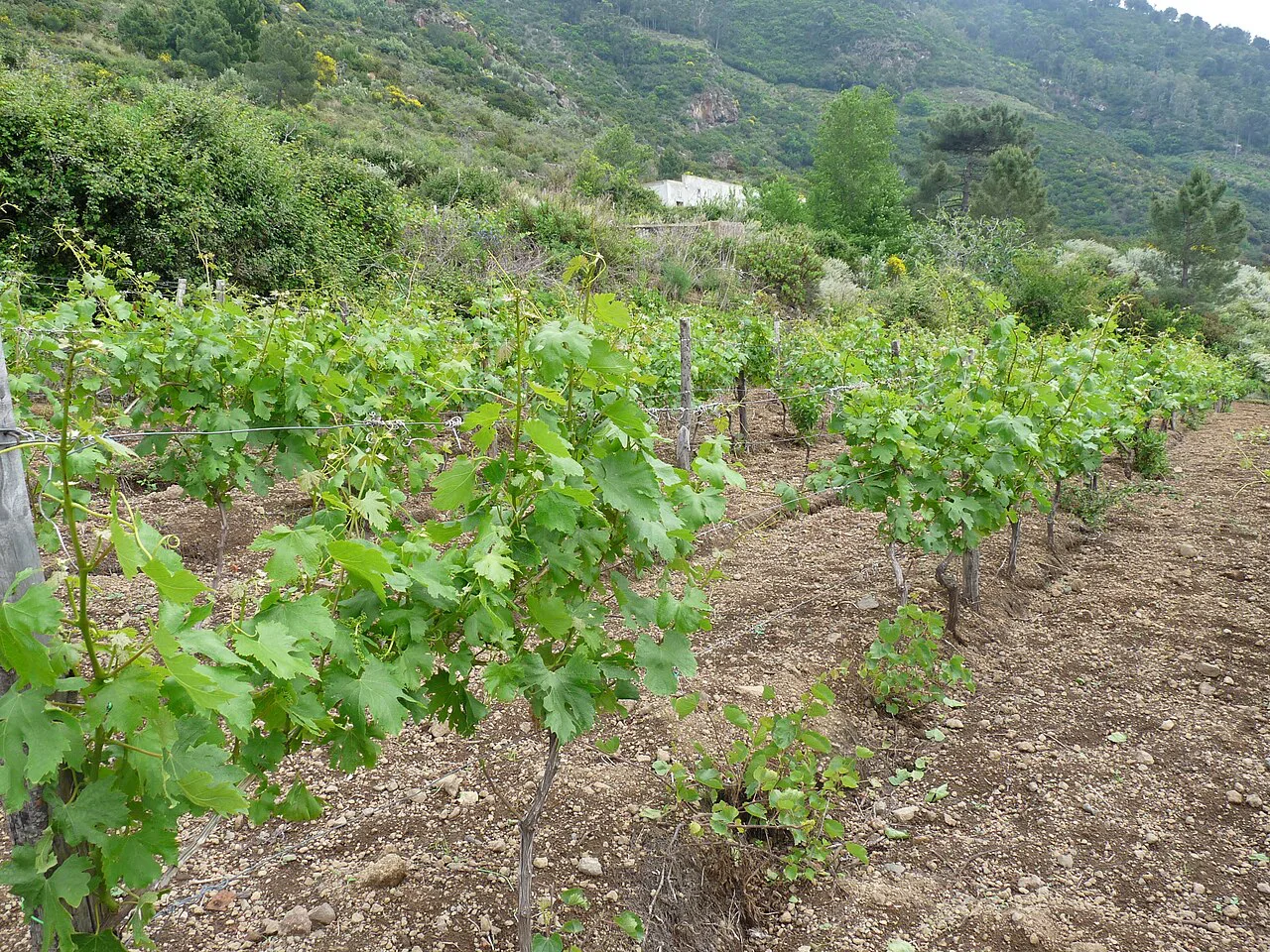
Etna's DOC is divided into slopes, and each has its own village cluster and personality. The northern slope, around Passopisciaro, Castiglione di Sicilia and Randazzo, holds many of the most sought-after contradas, including San Lorenzo, Calderara Sottana, Santo Spirito, Muganazzi, Guardiola and Feudo di Mezzo; these are named, registered sites parceled among several producers, and they underpin the single-vineyard wines that made Etna's reputation.
The eastern slope, around Linguaglossa, is the accessible compromise: Gambino Vini at Linguaglossa and Benanti in Viagrande sit closer to Catania and Taormina than the northern circuit, which matters if you have one day rather than three. Benanti's 1700s property sits on the volcano's southern side, and the company owns vineyard plots on every slope of the appellation.
Group northern-slope estates by village: Passopisciaro and Castiglione di Sicilia for Passopisciaro and Terre Nere, then Randazzo for Donnafugata's Etna cantina. Trying to combine a northern estate with an eastern one in a single afternoon leaves little time for the cellar tour, which is often the most interesting part.
Named Etna Estates That Receive Visitors
Benanti Viticoltori is the benchmark stop for many visitors. The Viagrande property on Via Giuseppe Garibaldi offers the Selezione Benanti tour, with a walk through the estate and five wines spanning different vineyard sites, and it runs guided tours and tastings every day except Mondays. That Monday closure is the single most useful scheduling fact for planning a week around Etna.
Tenuta delle Terre Nere, on Strada Comunale Calderara in Randazzo, pioneered single-contrada bottling on the northern slope and receives visitors by reservation Monday to Friday. Its entry-level tour pours five wines including premier cru bottlings, while deeper cru tastings exist but depend on availability, so state your interest when you request a date.
Vini Franchetti Passopisciaro, at Contrada Guardiola in Castiglione di Sicilia, offers formats ranging from a classic vineyard tour and tasting to a longer visit on the area's winemaking history; bookings run through the winery or by phone at +39 0942395449. Its Le Contrade dell'Etna tasting pours Nerello Mascalese from several named sites, and the estate has been known to open extra bottles for an additional fee.
Gambino Vini, in Contrada Petto Dragone at Linguaglossa, runs an estate tour with views toward the coast and pours Etna DOC reds alongside grapes you might not expect on the volcano, including Nero d'Avola and Cabernet Sauvignon. Pietradolce, on the north slope, takes visit requests by email at info@pietradolce.it and pairs old-vine wines with a modern, art-filled winery.
Donnafugata's Etna cantina in Randazzo, established in 2016, welcomes guests year-round for a vineyard and cellar walk followed by a guided wine and food tasting in its small enoteca. Planeta Sciaranuova, established in 2012, hosts tasting experiences and lunch formats on its restored estate. Tenuta Tascante, the Tasca d'Almerita property at Contrada Rampante, adds a flight of five estate olive oils to its Etna-focused tasting, a useful change of pace between reds.
Booking Etna Tastings: Appointment Culture and Group Rules
Booking ahead is the norm rather than the exception on Etna; most estates schedule public tours and tastings through a form on their website or by email, and walk-ins are the exception. Request a date and time, give your party size, say whether you want a cellar tour or just a seated tasting, and mention any grape or contrada you hope to try so the estate can slot you into the right format.
Some estates are built for groups rather than couples. Tenuta Le Sciarelle, on the southeastern slope, arranges tastings, cooking classes and dining for groups of 15 or more, and its palmento tasting room doubles as an agricultural museum. I Vigneri di Salvo Foti runs a vineyard walk, ancient-winery visit and tasting but releases only a limited number of guided tours, so early inquiry matters.
Smaller and boutique estates often respond to email within a day or two, but the harvest period is the worst time to expect fast replies, since the same team is working the cellar. La Gelsomina, a farmhouse with six rooms above terraced vineyards, accepts visitors for tours and tastings paired with local cheeses, salumi and olive oils even if you are not staying overnight.
Getting to Etna Wineries Without Driving
Public transport to the higher-altitude Etna villages is thin, and no bus line conveniently strings together wineries in Passopisciaro, Randazzo and Linguaglossa. Organized day tours from Catania and Taormina solve this by bundling transport with a set itinerary, and they are the realistic option if nobody in your group wants to stay sober. An Etna wine tour typically covers the driving and one or two estate visits, leaving you free to taste properly.
Taxis work for a single estate close to Catania or Taormina but become expensive for a multi-stop northern-slope circuit, since the driver waits between visits. If you hire a car, the designated driver should not taste at all: use the spittoons, or rotate the role between days so nobody spends the whole trip on water.
Basing yourself on the mountain is another answer. Staying at an estate such as Firriato's Cavanera Etnea wine resort or La Gelsomina means tastings happen where you sleep, removing the transport problem entirely for at least one day.
Western Sicily and Marsala
Marsala's wine history is bound up with fortified wine, but the modern estates pour far more than sweet styles. Baglio Oro, a small family winery in Contrada Perino just outside Marsala, works with Nero d'Avola, Grillo, dry Zibibbo and Frappato, giving a compact tour of the island's grapes in one tasting. Its premium oaked Grillo is the sort of bottle that changes how visitors think about Sicilian whites.
Donnafugata's Marsala cantina on Via Sebastiano Lipari is an active production site rather than a vineyard, and its base-level tasting samples wines from the company's four Sicilian production areas, Marsala, Vittoria, Etna and Pantelleria, with food pairings. The tour ends, for most visitors, with Ben Rye, the passito made from dried Zibibbo grapes on Pantelleria.
Marsala also has the historic Florio cellars on the same street, though their current visitor arrangements need confirming directly with the house. Allow a full day for Marsala if you are coming from Palermo or Trapani, since tastings plus a cellar tour rarely finish in under two hours.
Southeastern Sicily: Vittoria, Noto and Nero d'Avola
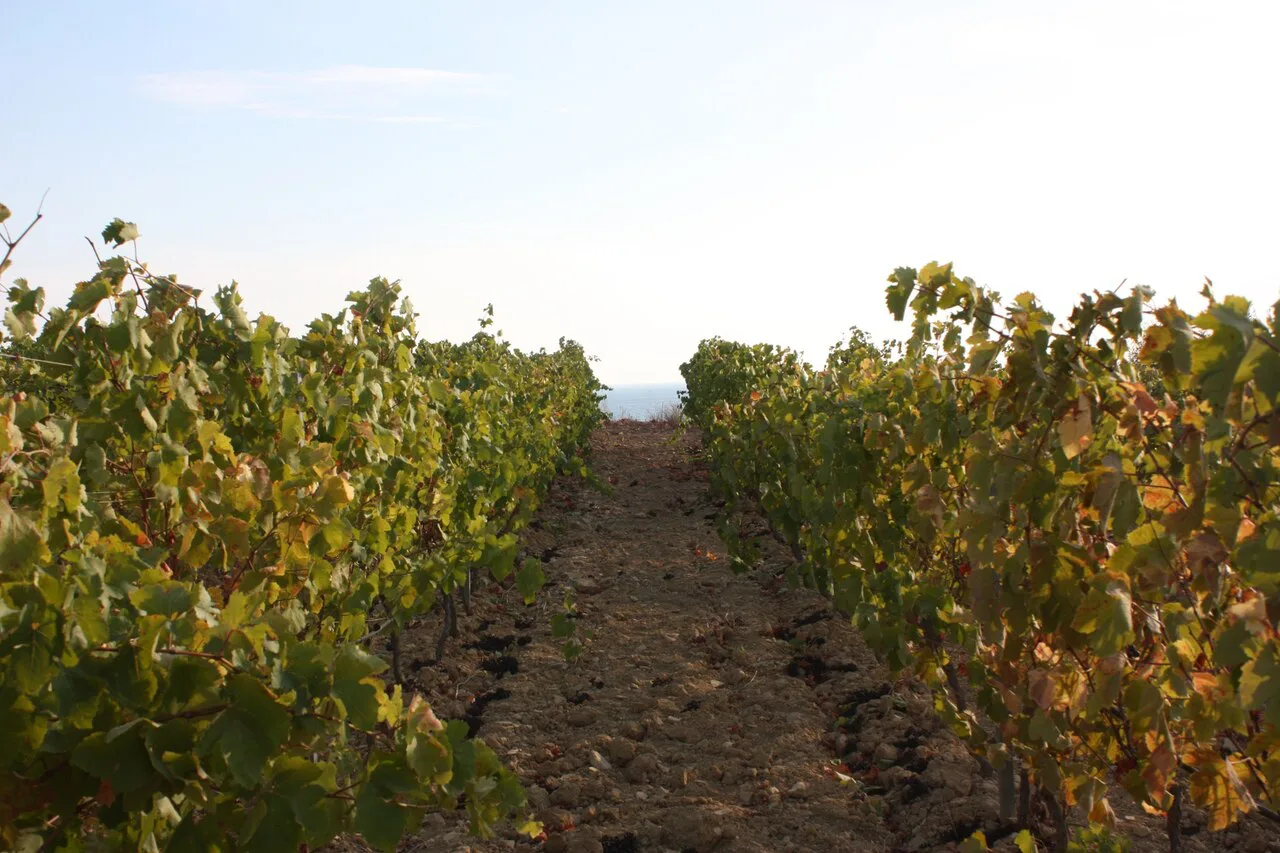
The southeast is warmer and flatter than Etna, and its reds taste accordingly: Frappato brings perfume and light body, while Nero d'Avola gives depth and dark fruit. The Cerasuolo di Vittoria appellation blends the two, and the district around Vittoria and Chiaramonte Gulfi is the place to understand the style.
Gulfi, based at Chiaramonte Gulfi, has bottled single-vineyard Nero d'Avola since 2000, with its Maccari vineyard among the flagship sites. Feudo Maccari, between Noto and Pachino, farms calcareous soils close to the sea, a combination that gives its Nero d'Avola a distinctly coastal freshness. Both appear in tasting reports for their wines rather than for published cellar tours, so ask about visits directly before building a day around them.
What You Will Actually Drink: Grapes and Styles
On Etna, Nerello Mascalese is the red grape, often blended with Nerello Cappuccio, and Carricante is the white, capable of tense, mineral wines that age well; Benanti's Pietra Marina Etna Bianco Superiore is the reference bottling for many drinkers. Etna reds are typically pale in color and structured by tannin and acidity rather than weight, which surprises visitors expecting a broad southern red.
Elsewhere on the island, Nero d'Avola is the most important black grape, made in a fresher, more elegant style than in the past; Grillo and Zibibbo give whites and, in the case of Zibibbo, sweet passito wines. Marsala remains a fortified wine with its own denominations, and it is worth tasting a dry Marsala alongside a sweet one to see the range.
Tasting Formats: What a Visit Actually Includes
Etna visits usually come in tiers: a short seated tasting, a tour plus tasting, and a longer cru or contrada format. Benanti's Selezione tour pairs a property walk with five wines, while Terre Nere's entry-level tour pours five wines with two from premier cru sites; estates rarely publish fees online, so ask for the current per-person price and duration when you book.
Some visits go beyond wine. Tascante's premium format includes a flight of five olive oils from different estates, and La Gelsomina pairs its tastings with local cheeses, salumi and olive oils. Cellar tours at production sites such as Donnafugata's Marsala cantina explain the whole portfolio, which is useful if you are buying rather than just drinking.
Harvest Timing and Seasonality on Etna
Etna's high-altitude Nerello Mascalese is often picked as late as the end of October, up to two months after other parts of Sicily, because growers wait for tannins to ripen. That late harvest shapes autumn travel: late October can bring picking activity and busy cellar teams, while September visits often catch the estate before the rush.
Spring bottling is another moving part; a May visit may coincide with bottling of the previous year's wines, which can limit which library bottles are open but adds a look at the working cellar. Ask at booking whether your date falls during harvest, bottling or a public event such as the Sciaranuova summer festival, since those weeks change what is available.
A Three-Day Itinerary That Does Not Overreach
Day one: stay in Catania, and use the afternoon for the city before an early dinner. Day two: an eastern-slope day with a Benanti tour in Viagrande in the morning and Gambino Vini at Linguaglossa in the afternoon, both reachable from Catania and Taormina. Day three: a northern-slope day based around Passopisciaro and Randazzo, with Passopisciaro and Donnafugata, or Terre Nere if you prefer a seated tasting.
If you have a fourth day, swap Etna for a Marsala day, but only if you are flying out of Palermo or Trapani; crossing the island for a single afternoon rarely pays off. Alternatively, add the southeast for Nero d'Avola and Frappato if your departure is from Catania and you have a full day to spare.
Whichever route you choose, keep one estate per half-day. Etna visits include a walk through the vines or cellar, the tasting itself, and conversation with your host, and squeezing three into one day turns a pleasure into a schedule.
Plan Your Sicily Wine Trip
Sicily rewards a focused plan: pick Etna from Catania, Marsala from the west, or Vittoria and Noto from the southeast, and book the estates you care about before you fly. Confirm current opening days and tasting fees directly with each winery when you book, since published details change between vintages.
Whoever is driving should skip the glass entirely and use the spittoon; on volcanic roads, a tour or a sober driver is worth the money.
Frequently Asked Questions
Do you need to book Sicily winery tastings in advance?
Yes, in practice. Most Etna estates schedule tours and tastings through a website form or by email, and walk-ins are uncommon, especially at smaller family properties. Write with your preferred date, party size and whether you want a cellar tour, then wait for confirmation before you build the day around it.
Can you visit Mount Etna wineries without a car?
Organized tours from Catania and Taormina are the realistic option, since public buses do not conveniently connect the higher-altitude villages. Taxis suit a single estate but get expensive for a multi-stop day because the driver waits between visits. Staying at an estate with rooms removes the problem entirely.
Which Etna wineries receive visitors?
Among those with reported visitor programs: Benanti in Viagrande, Tenuta delle Terre Nere in Randazzo, Vini Franchetti Passopisciaro in Castiglione di Sicilia, Gambino Vini in Linguaglossa, Pietradolce, Donnafugata's Randazzo cantina, Planeta Sciaranuova and Tenuta Tascante. Check current visitor hours and arrangements with each estate.
How many days do you need for Sicily wine tasting?
Three days is a sensible minimum for Etna alone, with one day each for the eastern and northern slopes and one for travel or Catania itself. Adding Marsala or the southeast requires at least two more days and a different base, since the island's wine districts are hours apart.
When is harvest on Mount Etna?
Nerello Mascalese on Etna is often picked as late as the end of October, up to two months later than elsewhere on the island, because growers wait for tannins to ripen. September and early October usually fall before peak picking, while late October brings harvest activity and slower responses from estate teams.
What is the most popular Sicilian wine to taste?
Etna Rosso, made mainly from Nerello Mascalese, draws the most attention, and Benanti's Pietra Marina is a well-known white from Carricante. Elsewhere, Nero d'Avola is the island's most important black grape, while Marsala and Pantelleria's Ben Rye passito represent the fortified and sweet traditions.
Sources
Notes for your next wine trip
Optional updates to our winery and wine-town guides.
You might also like
Continue reading
More guides you'll find useful