Wine Tasting in Taormina: Etna Wineries and Tours to Book
Plan a Taormina wine day without a car: how Etna winery visits work, what tours include, drive times, booking rules, and which slopes to group together.
On this page
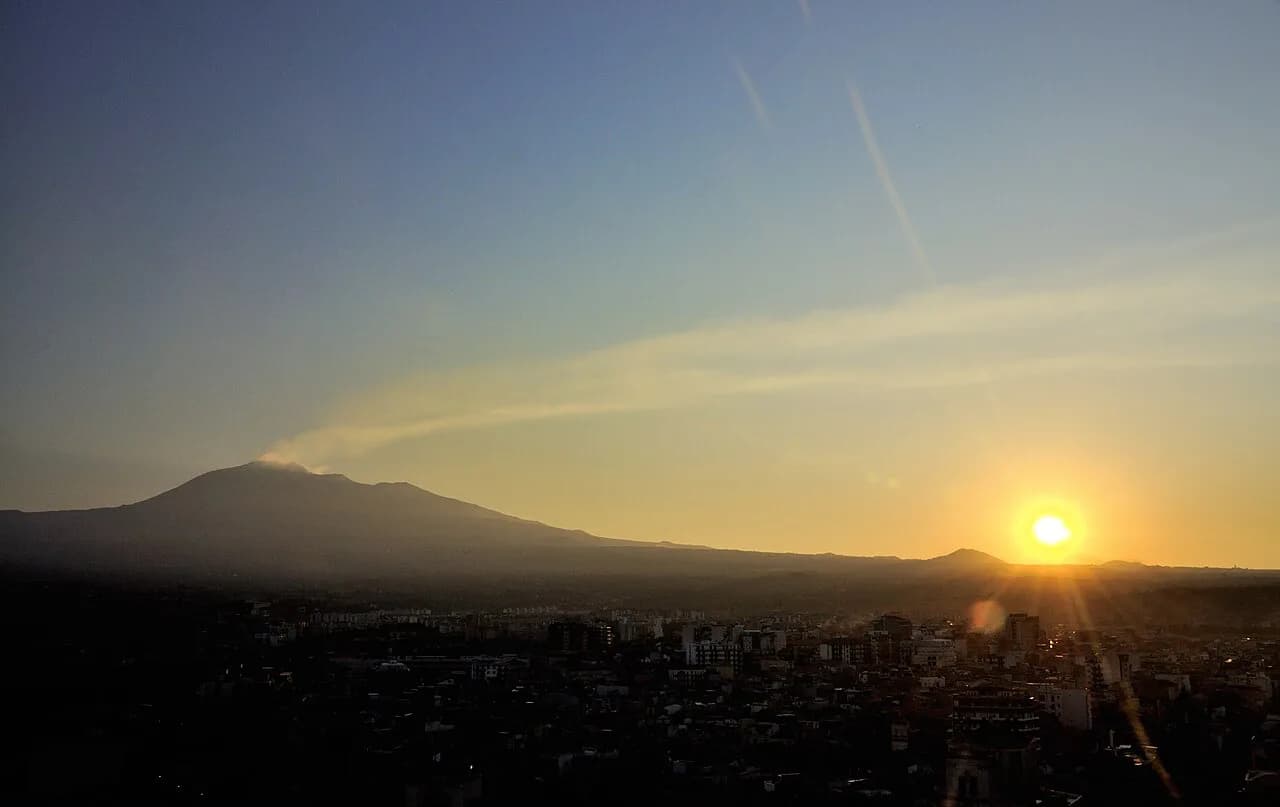
Taormina is a cliffside resort town, and the wine you will taste there comes from the mountain behind it. Almost every serious tasting means leaving town for the slopes of Mount Etna, roughly an hour by road, where the Etna DOC covers lava-soil vineyards at altitude. Knowing which slope you are heading for, and how you will get back, is the whole planning exercise.
This guide treats Taormina as a base, not a wine destination. It sets out the geography of the Etna wine district, the grapes worth knowing, four realistic ways to reach the estates, and the booking questions that decide whether a day works. Where estates publish prices and inclusions, they appear here; where they do not, you will see what to confirm before you commit.
Why Taormina Is a Gateway to Etna, Not a Wine Town
The town itself is built for views, beaches and restaurants, and its cellars are wine bars rather than production sites. The wine landscape begins on Etna's flanks, where lava flows, altitude and old bush vines create a distinct appellation. Treat Taormina as a comfortable base with good transport links and plan the wine day as a mountain excursion.
That framing matters when you search for taormina wineries: the estates are in villages such as Castiglione di Sicilia, Randazzo and Linguaglossa on the northern side, or around Belpasso to the south. None are walkable from your hotel. Choose a slope first, then pick estates and transport that fit the same corridor, and you avoid spending the day crossing the mountain.
The Etna Wine District in Brief: Slopes to Group from Taormina
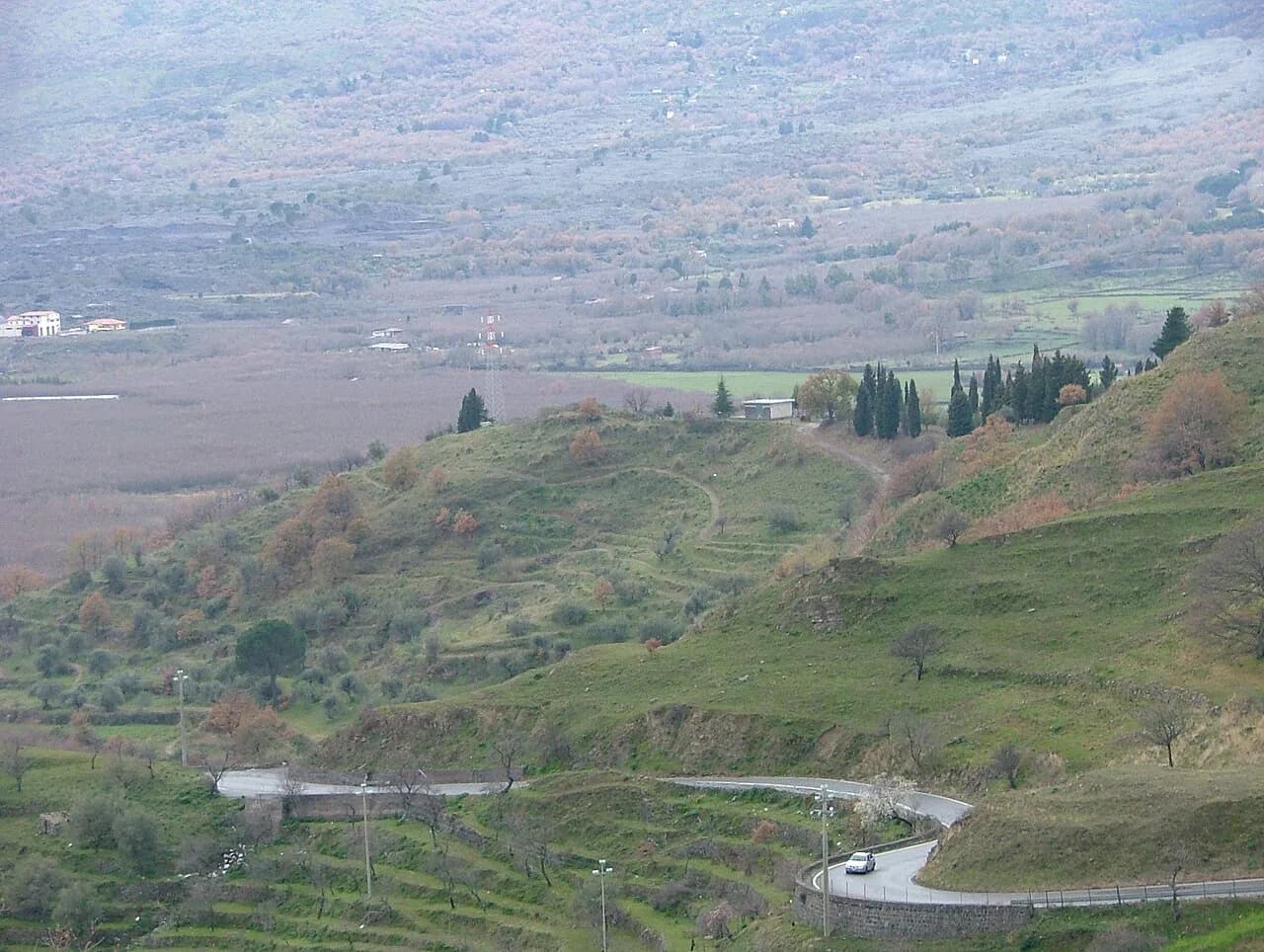
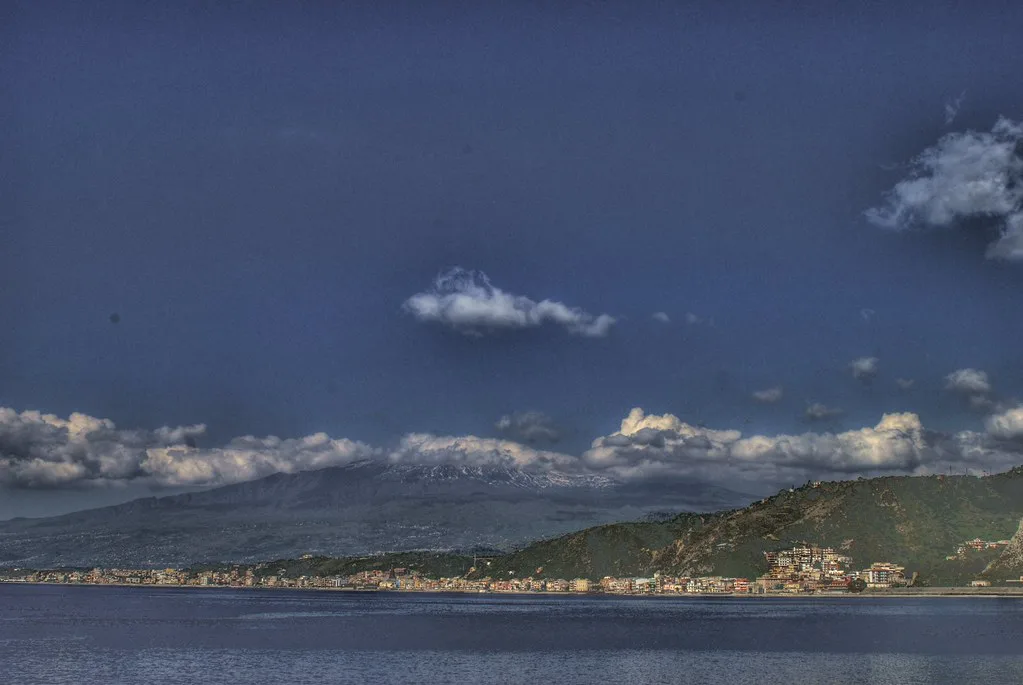
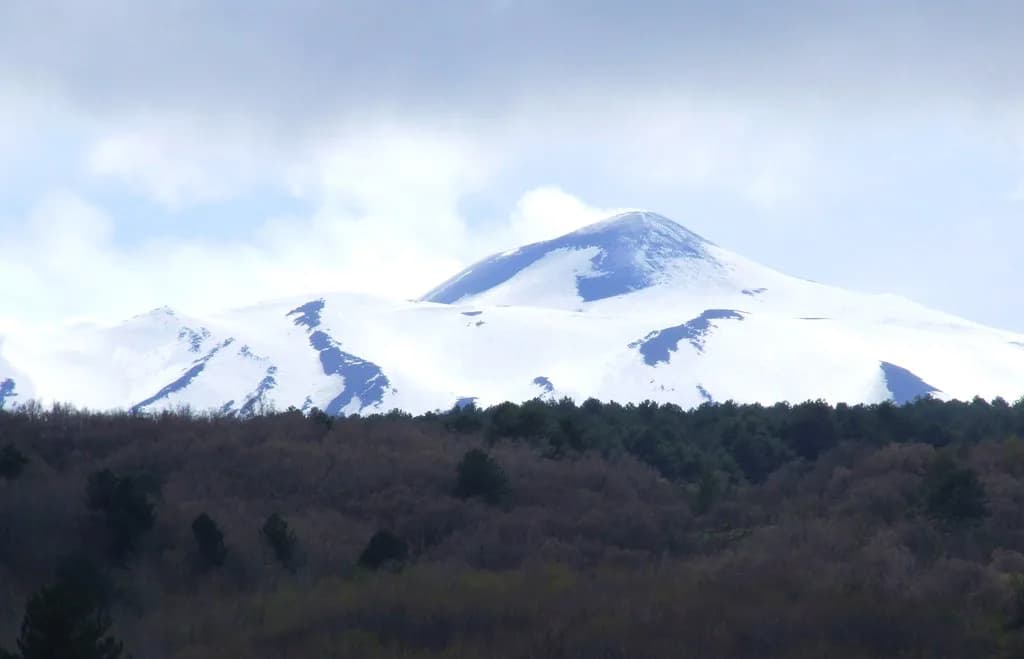
Etna is a working volcano, and its vineyards wrap around it in distinct bands. The northern slope, centred on Castiglione di Sicilia, Linguaglossa and Randazzo, is the most established cluster for visitors, with cooler sites and a concentration of estates. The eastern slope above Santa Venerina and Milo faces the sea, while the southern slope around Belpasso sits lower and closer to Catania.
For a single day from Taormina, the northern slope usually makes the most sense: it is the shortest mountain run and allows two estates without a punishing drive. Grouping a northern estate with a southern one such as Belpasso means a long traverse across the volcano's flanks, which is why slope-by-slope planning beats a wish list of names.
Etna Grapes and Styles to Know Before You Book
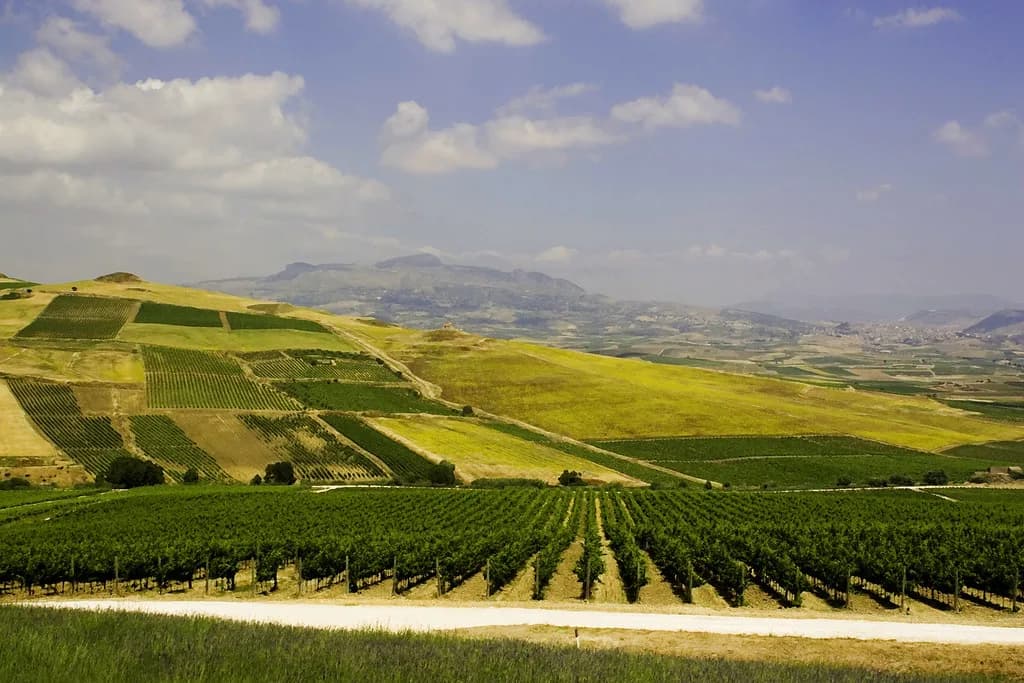
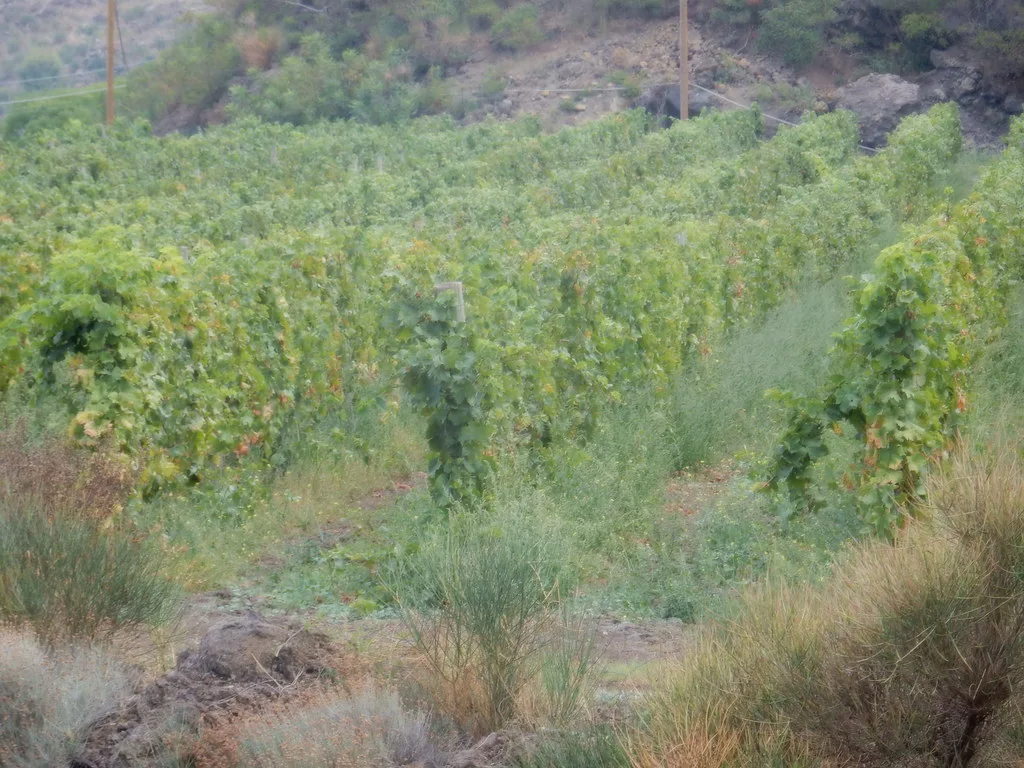
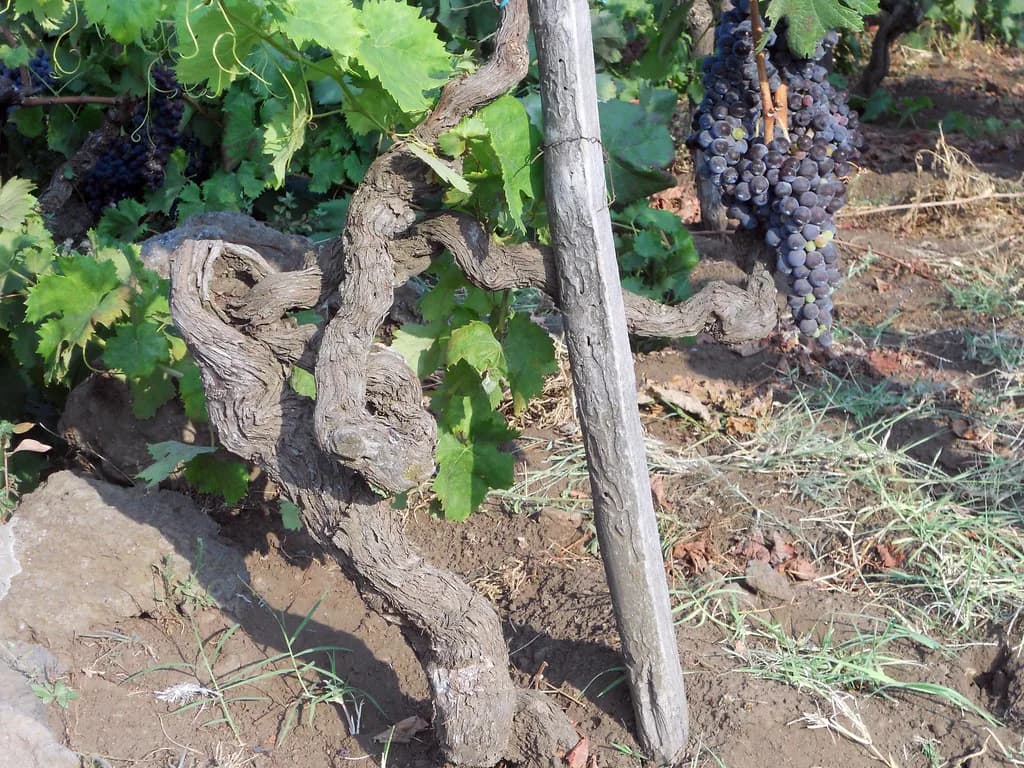
Red Etna wines are built mainly on Nerello Mascalese, often blended with Nerello Cappuccio. Nerello Mascalese gives pale colour, high acidity and a fragrant, mineral character that has drawn comparisons with Burgundy, though the volcanic soils give it its own profile. The best sites sit high on the mountain, where diurnal temperature swings keep the wines fresh.
Whites centre on Carricante, a late-ripening grape that thrives at altitude and produces taut, saline wines, sometimes with a little Catarratto or other local grapes in the blend. Etna also makes rosato from the red grapes, usually fresh and direct. Knowing this helps you read a tasting list: if you want whites and finessed reds, aim high; if you want rounder, lower-altitude reds, the southern slope suits.
Option 1: Hotel-Arranged Winery Tours
The Four Seasons Taormina at San Domenico Palace runs an Etna Wine Trail that visits two wineries with a tasting of two wines at each. The package adds a three-course Sicilian lunch with water and coffee, English-speaking hospitality managers at the estates, and round-trip transport from the hotel. The hotel states that the transfer to the vineyards is one hour each way and the drive between the two estates is about half an hour.
The same page sets guest requirements at 18 or older to consume wine and recommends comfortable walking shoes and a sweater for colder temperatures. Its cancellation terms are staggered: no fee up to 48 hours before, 50% between 48 and 24 hours, and the full cost under 24 hours. Those terms belong to this specific Four Seasons Taormina hotel tour, so read the Four Seasons page for the current version rather than assuming other tours mirror it.
What this option buys is structure: someone else drives the mountain roads, the day is timed, and lunch is settled. The trade-off is a fixed itinerary of two estates and a set number of pours, with less freedom to linger. If your priority is a seamless day with no logistics, the hotel package is the low-effort route; if you want to choose specific producers, you will need a different approach.
Option 2: Independent Operator Shuttles and Small-Group Tours
Local companies sell the same mountain run on a smaller scale. Emilio Sciacca Etna Wine advertises an Etna wine tour from Taormina with lunch and tasting, and its shuttle claims to put you among the vines in under 45 minutes. Treat that figure as Emilio Sciacca's own marketing claim, not an independently verified drive time, and ask where exactly the estates sit when you enquire.
Small-group shuttles typically cost less than a hotel package and can be more flexible about pickup points, but group size, the number of estates and the lunch format vary widely between operators. Ask for the day's schedule in writing: which estates, how many wines, whether lunch is included, and how long you actually spend in the cellar versus in the van. That single email separates a real tasting day from a scenic drive with a glass.
Option 3: Self-Drive to the Slopes
Driving gives you the most control: you choose the estates, the pace and the lunch stop. The catch is that Etna's mountain roads are winding and slow, and the driver cannot taste. On Etna the appointment culture is the norm, so a self-drive day works best when you book both estates in advance, confirm the driving time between them, and leave slack for the return before dark.
If you drive, plan a designated driver who spits rather than swallows, or split the day so one person handles the car while the other tastes. Rental desks in Catania and Taormina can supply the car, but mountain roads and vineyard tracks are not the place to learn to drive a manual. Give yourself more time than a map suggests, and book the second estate with a generous gap.
Option 4: Public Transport and Taxis: The Realistic Limits
Buses run between Taormina and Catania and up towards some Etna villages, but rural vineyard estates sit off the bus lines, and services thin out in the evening. Taxis can be arranged for a fixed mountain run, yet a return leg from a remote estate is not something to count on without a pre-booked pickup. For most visitors, public transport plus a taxi works only for one estate close to a village, not for a two-estate day.
The practical alternative is a tour, a shuttle, or a hired driver for the day. That decision is really about how much you value flexibility against certainty of the return trip. If your group is small, a shared shuttle spreads the cost; if you want a private schedule, a driver booked in advance is the reliable choice.
Named Estates That Receive Visitors: Tenuta Papale on the Southern Slope
Tenuta Papale is a family farm on Etna's southern slope, with vineyards in Contrada Palmento Bianco inside the Etna DOC area near the Etna Park edge, and a second site at Contrada Valcorrente around 550 metres above sea level. The estate address is SP 160, Belpasso, in the province of Catania. That is the southern side of the mountain, not the northern villages above Taormina, so plan it as its own excursion or a stop en route from Catania.
The estate receives visitors for guided tastings through its wines, with the vineyards and volcanic terroir as the frame. Bookings are handled directly: the site lists a phone number, +39 349 618 5972, and a reserve-your-tasting channel. It also produces olive oil alongside the wine, which is worth asking about when you book if you want the tasting to include it.
Booking Mechanics: Appointment Versus Walk-In
On Etna, visits are generally by appointment rather than walk-in, because estates are working farms with small hospitality teams. When you book, ask six things: which wines are poured, whether food is included, how long the visit lasts, the language of the host, the minimum party size, and the cancellation terms. Getting these in writing avoids surprises on the day, especially for groups.
Language is worth pinning down for mixed groups: many estates host in Italian and English, but not always at short notice. If you are travelling with children or non-drinkers, ask what they are charged and whether a food-only option exists. And if you are booking for a group of six or more, confirm capacity early, since small cellars fill up in harvest season.
What a Typical Etna Tasting Looks Like
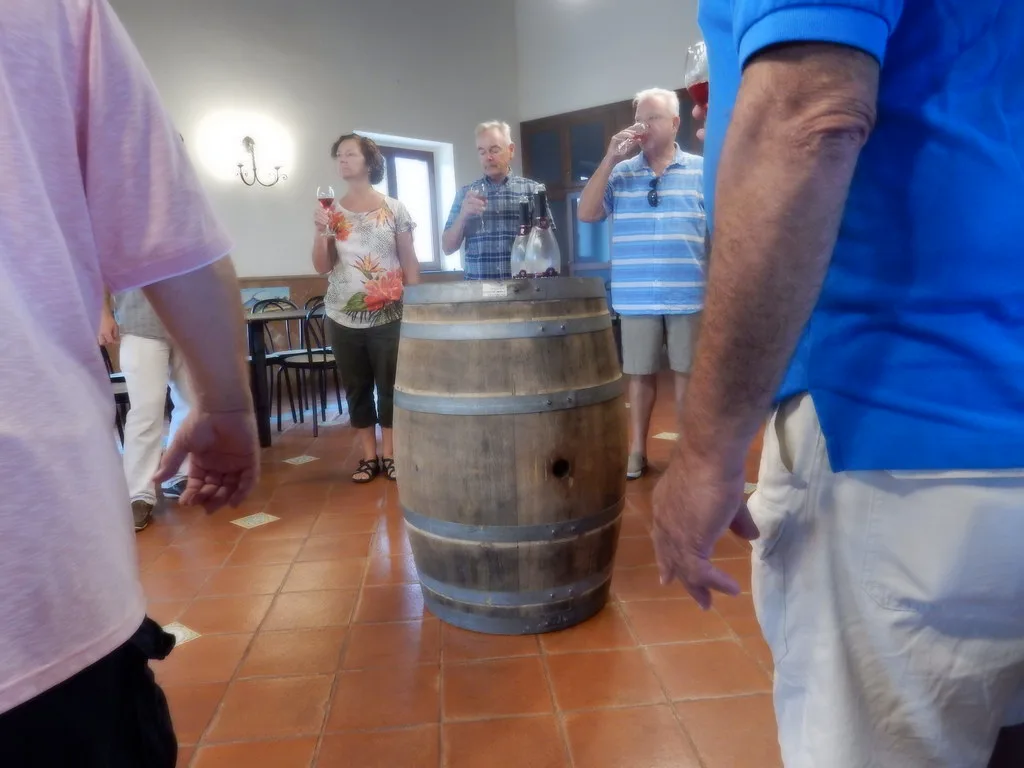
Expect a seated or standing tasting of several wines, often with a walk through the cellar or a short vineyard stop. The Four Seasons tour, for example, pours two wines at each of its two estates as part of a broader day, which shows how the pour count is set by the format rather than by the mountain. Independent estate visits can range from a short flight to a longer seated tasting with food, so ask each winery for the number and style of wines it pours.
Food pairings on Etna usually lean on local produce: cheeses, cured meats, bread and olive oil, sometimes a light lunch. Duration follows the format, from around an hour for a compact tasting to a half-day for a cellar tour with lunch. If you are combining two estates in one day, keep each visit to a defined slot and leave the driving buffer in between.
Cost Planning: What Is Included and What Is Extra
Published tasting prices vary by estate and are often not posted online, so the honest planning move is to request a quote when you book. Ask whether the fee covers the tasting only, or also the cellar tour, food, and transport. For tour packages, check whether lunch, water and coffee, and hotel transfers are bundled, as they are on the Four Seasons Etna Wine Trail, or charged separately.
Budget for the extras that catch people out: a taxi back from a remote estate, shipping wine home, and a tip for the driver or host. If you are weighing a hotel tour against an operator shuttle, compare what is included line by line rather than the headline figure. The cheaper option is often the one with fewer transfers and a clearer schedule.
Seasonal Timing: Harvest, Shoulder Seasons and Late Afternoons
Harvest on Etna falls in late summer into autumn, and that is when estates are busiest with cellar work and when appointment slots can tighten. Visiting during harvest can be atmospheric but less relaxed, since the team is juggling the crush. Spring and early summer bring milder walking weather on the slopes, while late afternoon tastings in summer gain cooler air and softer light on the mountain.
Shoulder seasons are the sweet spot for combining a tasting with a walk among the vines, but check whether the estate is open and whether the host is available before you build a day around it. Winter visits are possible but colder, which is why the hotel tour recommends a sweater even in the warmer months. Plan the time of day around the drive back, not just the tasting.
Building a One-Day or Two-Day Etna Wine Itinerary from Taormina
For one day, pick the northern slope and two estates within a short drive of each other, with lunch in between. Book the first tasting for late morning and the second for mid-afternoon, leaving at least 30 minutes of driving between them plus margin. If you are using a tour, the guide sets this rhythm for you; on a self-drive day, you are the scheduler.
For two days, split the mountain: one day on the northern slope around Castiglione di Sicilia and Randazzo, another on the southern side around Belpasso with Tenuta Papale. That structure avoids a single marathon drive and gives each area proper time. If you want a change of scene, the wine tasting in amalfi or wine tasting in verona guides show how other Italian bases handle their own appellations.
Responsible Tasting: Spittoons, Drivers and Transport
A driver should not taste. Use the spittoons that estates provide, appoint a designated driver, or book a tour or shuttle so nobody in the group has to choose between wine and the wheel. Etna's roads are winding and dark early in autumn, so the return trip deserves as much planning as the tasting itself.
If you are tasting independently, pace the day: water between wines, food alongside, and a clear plan for the last transfer. Estates are used to visitors who spit, and it is not seen as rude. The point of the day is the wine and the landscape, not the volume.
Practical Checklist Before You Leave Taormina
Before you leave, confirm your booking in writing, note the estate address and a phone number, and check the meeting point for your shuttle or tour. Carry a layer for altitude, since the mountain is cooler than the coast, and wear shoes that cope with uneven ground. Keep a copy of the cancellation terms in case plans shift.
Decide your return leg first, then build the day around it. If you are driving, agree who spits and who does not before the first glass. If you are on a tour, note the pickup time and the lunch arrangement. Those two details decide whether the day ends relaxed or rushed.
Plan Your Taormina Wine Day
Taormina works as a wine base because Etna is close, not because the town makes wine. Choose a slope, book estates that sit in the same corridor, and settle transport before anything else. The northern villages around Castiglione di Sicilia and Randazzo are the natural first day; the southern slope around Belpasso, with Tenuta Papale, is the second.
Whether you take a hotel package, an operator shuttle or your own car, the day hinges on the same details: number of wines, food, duration, language and the return trip. Confirm those, and the mountain does the rest.
More wine guides from Taormina
- Tenuta delle Terre Nere
- Cottanera Winery
- Firriato Cavanera Etnea
- Graci Winery on Mount Etna
- Passopisciaro on Mount Etna
- Pietradolce on Mount Etna
- Taormina Wine Tours
- Gambino Winery, Etna
- Wineries to Visit from Taormina
- Tenuta di Fessina
- Visiting Frank Cornelissen on Etna
- Girolamo Russo at Passopisciaro
- Visiting Palmento Costanzo on Etna's North Slope
- Planeta Sciaranuova
Frequently Asked Questions
Can you do wine tasting in Taormina without a car?
Yes, but not by walking. The estates are on Mount Etna, roughly an hour by road, so your options are a hotel-arranged tour, an operator shuttle, a private driver, or public transport combined with a pre-booked taxi for one estate. A two-estate day is far easier with a tour or driver than with buses alone.
How far are the Etna vineyards from Taormina?
The Four Seasons Taormina describes a one-hour drive each way from the hotel to the vineyards on its Etna Wine Trail, and about half an hour between the two estates. Operator shuttles advertise shorter times, but those are marketing claims rather than verified drive times, so ask where the estates sit before booking.
Do you need to book Etna winery tastings in advance?
In practice, yes. Most Etna estates host visitors by appointment rather than walk-in, because they are working farms with small hospitality teams. Book ahead and ask for the wines poured, food, duration, language, minimum party size and cancellation terms in writing.
Which side of Etna should you visit from Taormina?
The northern slope, around Castiglione di Sicilia, Linguaglossa and Randazzo, is the most practical for a day trip because it is the shortest mountain run and has a concentration of estates. The southern slope around Belpasso, home to Tenuta Papale, is a separate excursion better paired with Catania.
How many wines are poured at a typical Etna tasting?
It depends on the format. The Four Seasons Etna Wine Trail pours two wines at each of its two wineries as part of a fuller day with lunch, while independent estate visits can range from a short flight to a longer seated tasting. Always ask the pour count when you book.
Is a hotel wine tour or an independent shuttle better from Taormina?
A hotel tour buys structure: fixed timing, included lunch and transfers, and no driving. An operator shuttle or private driver can cost less or be more flexible, but inclusions vary widely. Compare what is bundled, the number of estates, and the return leg before deciding.
What grape varieties grow on Etna?
Reds are based mainly on Nerello Mascalese, often blended with Nerello Cappuccio, while whites centre on Carricante, sometimes with other local grapes. Etna also produces rosato from the red varieties. Altitude and volcanic soils shape the styles more than any single grape does.
When is harvest on Mount Etna?
Harvest generally falls in late summer into autumn, not on one fixed date, and it shifts with the season. Visiting during harvest is atmospheric but busier, since estate teams are working the crush. Spring and early summer are easier for combining a tasting with a walk in the vines.
Sources
Notes for your next wine trip
Optional updates to our winery and wine-town guides.
You might also like
Continue reading
More guides you'll find useful