Girolamo Russo: Visiting the Etna Winery from Taormina
Plan a Girolamo Russo visit at Passopisciaro: what the estate publishes about tastings, its Etna wines, and how to reach the north slope from Taormina.
On this page
Girolamo Russo is a family estate at Passopisciaro on the northern flank of Mount Etna, and it is one of the producers travelers based in Taormina ask about most often. The winery grows Nerello Mascalese and Carricante on old lava terraces and bottles both blended and single-vineyard wines, so a visit is really a short course in how Etna's contrade differ. This guide separates what the estate actually publishes about visiting from what you have to arrange by email.
The practical catch is distance: Passopisciaro sits on the opposite side of the volcano from Taormina, so the day needs planning rather than improvisation. The article covers the location, the booking conversation, the wines, and the transport trade-offs. If you are still choosing a base or a broader itinerary, start with the Taormina Wine tasting overview before committing to a north-slope appointment.
Why Girolamo Russo Is the Etna Producer Travelers Ask About
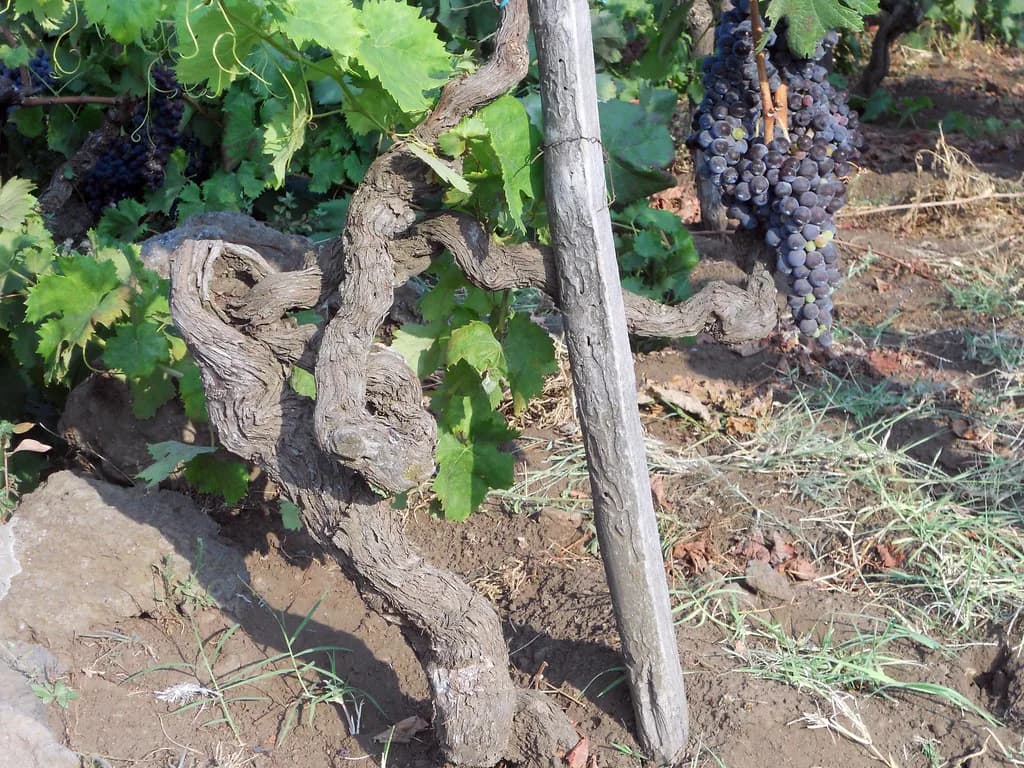
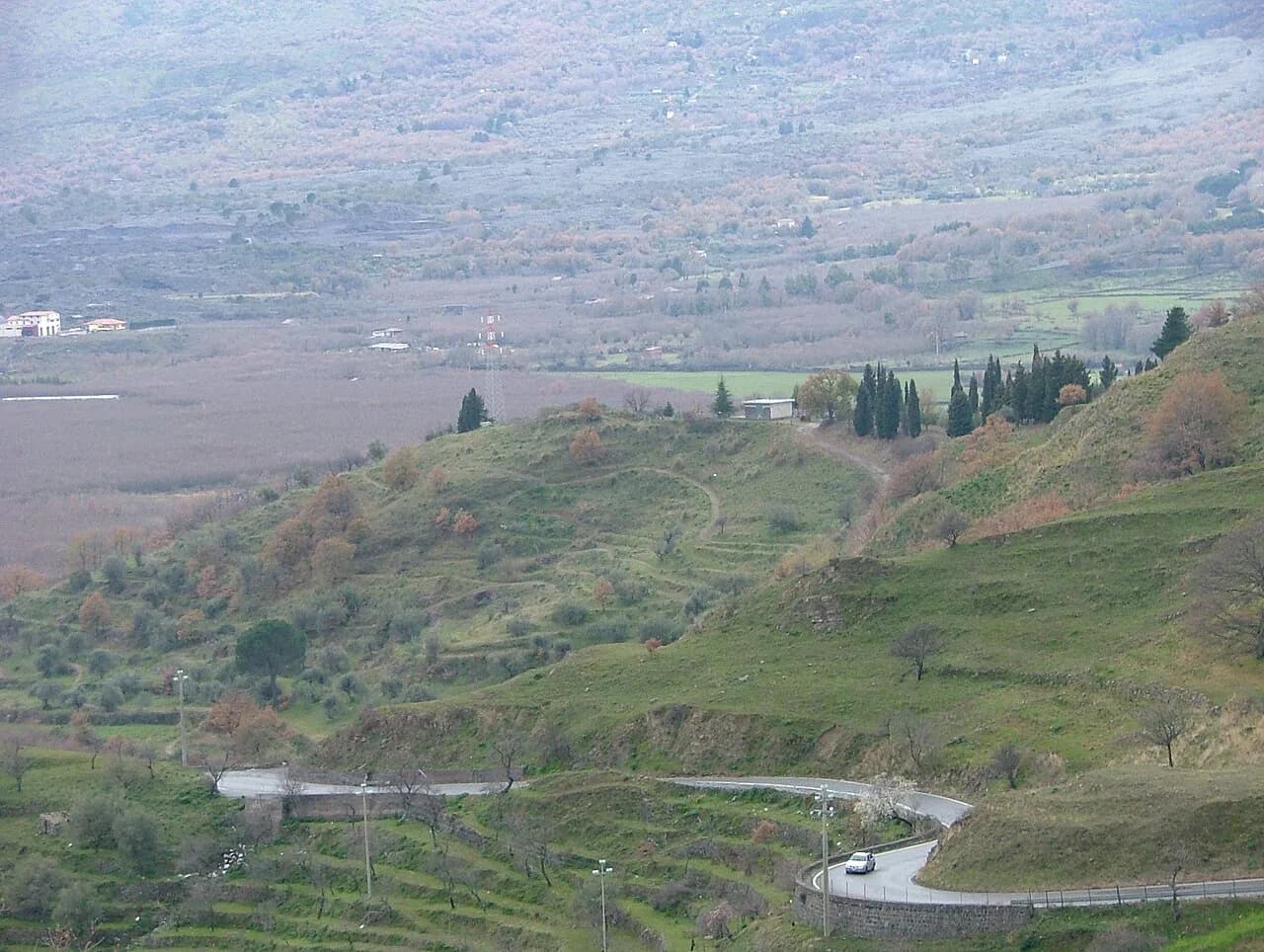
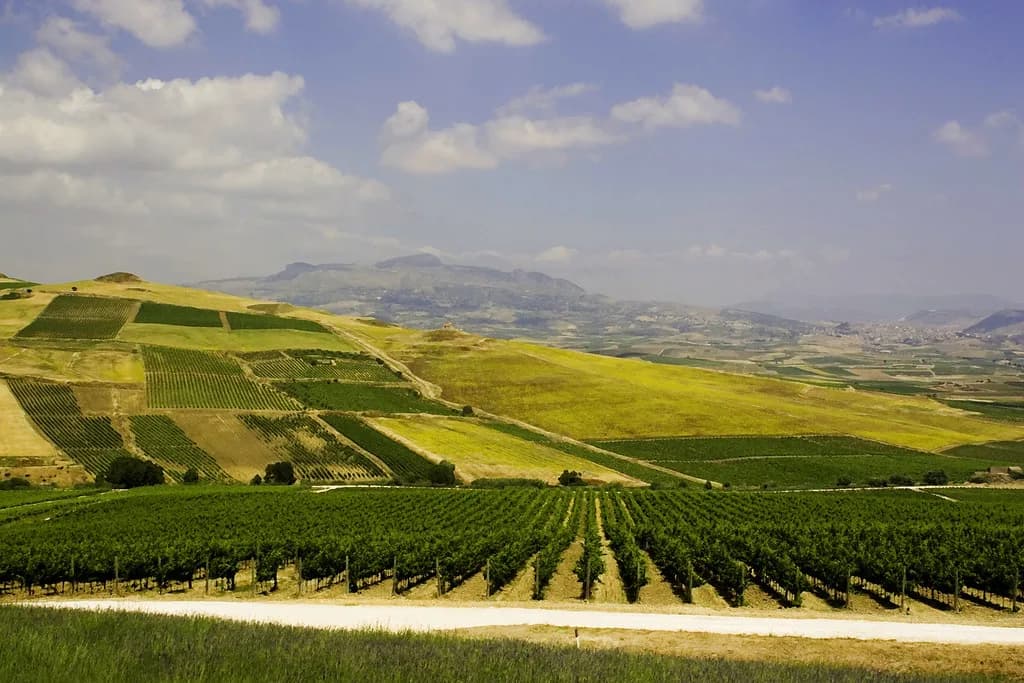
Giuseppe Russo took over the family vineyards after his father Girolamo died, and he farms organically on the north side of Etna around Passopisciaro. The estate's own site describes 15 hectares of vines between roughly 650 and 780 meters, framed by hazelnut and olive trees, on the volcanic ground locals call sciare. That combination of high elevation, old bush-trained vines and lava soils is the reason the name appears in so many Etna conversations.
Russo's range runs from an estate-level red to tiny single-contrada bottlings, and some vines are close to a century old. Importers who work with the estate note that the wines are made almost entirely from Nerello Mascalese, with Carricante leading the whites. That focus makes the estate a good stop for anyone trying to understand Etna's red grape rather than a mixed portfolio.
Where the Estate Is and How the Vineyards Are Laid Out
The winery address published by the estate is Via Regina Margherita 78, 95012 Passopisciaro, in the comune of Castiglione di Sicilia. Passopisciaro is the small village on Etna's north slope where the modern Etna wine revival took hold, and it clusters around a handful of streets, so finding the cellar once you arrive is not the hard part. The hard part is the transfer from the coast, covered below.
Russo's holdings are spread across named contradas rather than one walled vineyard: Feudo and Feudo di Mezzo near Randazzo, San Lorenzo at the entrance to Randazzo, Calderara Sottana, and the tiny Piano delle Colombe parcel within San Lorenzo. Feudo di Mezzo also serves as the company headquarters. Knowing this helps you read the labels you will see on the tasting table, because each bottling is a different piece of the north slope.
The reds come mostly from Nerello Mascalese with a little Nerello Cappuccio for color and flesh, while the whites are Carricante-led blends with local varieties such as Catarratto, Grecanico and Minnella. The estate farms organically and picks each plot separately, generally in October. None of this is a substitute for the visit, but it turns a lineup of unfamiliar names into a map.
What the Estate Publishes About Visits and Tastings
The winery website carries a Visite & Degustazioni section, and the contact route it publishes is the email address info@girolamorusso.it. What the site does not publish is a fixed tasting menu, a price list, set opening hours or standard visit times. Treat the visit as something arranged directly with the estate rather than a drop-in attraction, and expect the reply to define what is actually possible on your dates.
In practice that means writing an email that does the work for them: your preferred dates with a backup, the number of people, whether you want to see the cellar as well as taste, and whether you will have your own transport. Ask in the same message about the cost, the duration and how many wines are usually poured. If the estate cannot host you, the answer comes early enough to arrange an alternative, and nearby estates in the same village make that easy.
Small Etna estates run on appointment culture because the same people who host you are also farming and making the wine. That is especially true during the October harvest reported for these vineyards, when cellar and vineyard work take priority over visitors. Write to Girolamo Russo directly with the dates you have in mind and ask about the price, the length of the visit and what is poured, since there is no standard package applied across contrade.
The Wines You Are Choosing Between
A' Rina is the estate red in most demand: a multi-contrada blend of roughly 90 percent Nerello Mascalese with Nerello Cappuccio, aged in large Slavonian oak and concrete. Around it sit the single-contrada reds from Feudo, Feudo di Mezzo, San Lorenzo, Calderara Sottana and Piano delle Colombe, some produced in very small quantities. If you only know Etna Rosso as a light, pale red, this lineup shows how much structure the grape can carry at these altitudes.
On the white side, Nerina blends Carricante with Catarratto, Inzolia, Grecanico, Minnella and Coda di Volpe, while San Lorenzo Bianco is a single-vineyard Carricante-led wine from vines planted around 1940. There is also an Etna Rosato from old-vine Nerello Mascalese. Carricante's acidity is the thread through all of them, so a white-first tasting order makes sense if the estate offers the choice.
Everything here falls under the Etna DOC, which covers the volcano's slopes and requires relatively high elevations for reds. That single appellation is split by contrada, the historic locality names you see on the labels, and the differences between them are geological rather than administrative. When you taste several side by side, you are effectively comparing lava flows of different ages.
Getting There Without Driving from Taormina
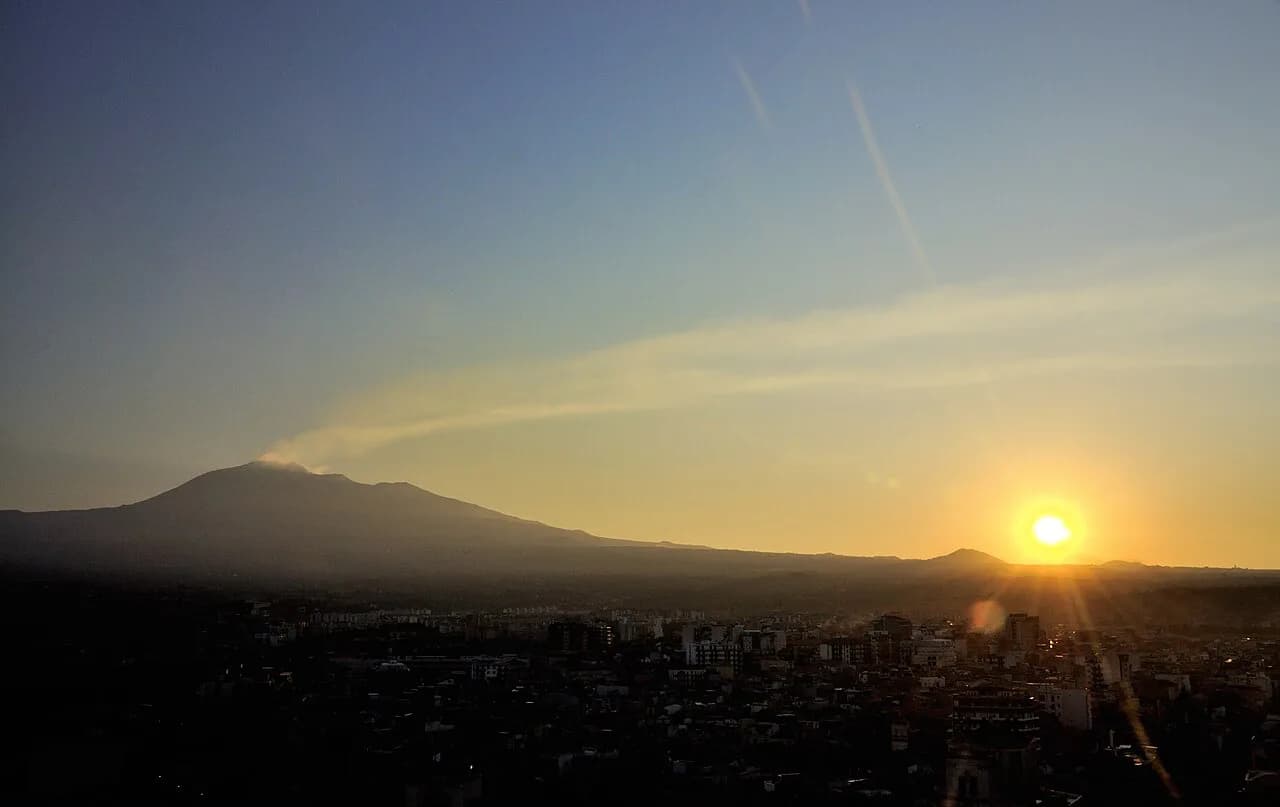
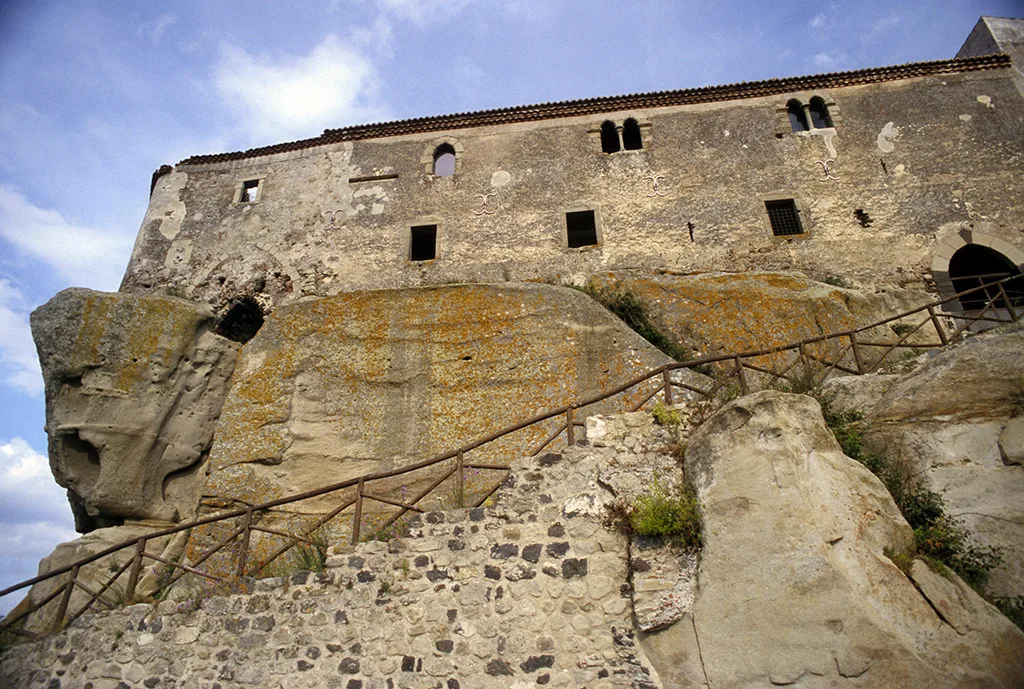
Passopisciaro lies on Etna's north side, reached via Randazzo, while Taormina sits on the eastern coast; the two are on opposite flanks of the volcano. The usual public-transport logic is a train or bus toward Randazzo and then a local connection or taxi up to Passopisciaro. Intercity bus operators and the regional rail company publish current timetables, and the winery can tell you which approach guests normally use, so confirm times for your date rather than relying on an old schedule.
The honest trade-off is that public transport eats the day: connections to a village this small are thin, and a missed return leaves you dependent on a taxi that may have to come from Randazzo or beyond. A pre-booked driver or a guided tour costs more but converts a fragile itinerary into a reliable one. If you are weighing operators and prices, the Etna wine tours from Taormina guide lays out how the day is typically structured.
Driving yourself is the most flexible option and the only one that lets you string together several estates, but it also puts the wheel in the hands of the person who would otherwise be tasting. If you go that route, plan a designated driver, use the spittoons, and treat the winding mountain roads with the respect they deserve. Whoever drives should not drink.
Independent Trip vs. Guided Etna Wine Tour
An independent visit gives you control: you choose the appointment time, linger in the cellar, and add a stop in Randazzo or Castiglione di Sicilia without a group schedule. The cost is logistical, because you own the transfers on both ends. A tour removes that burden and usually bundles transport with one or more cellar visits, which matters when your base is as far from the north slope as Taormina is.
Guided days also solve the tasting-driver problem entirely, since nobody in your party has to stay sober behind the wheel. The downside is less flexibility on which estates you see and how long you stay. Read the tour itinerary closely and check whether the contrada you care about, such as San Lorenzo or Calderara Sottana, is actually listed, since routes cluster around a handful of well-known cellars.
Pairing the Visit with the Rest of the North Slope
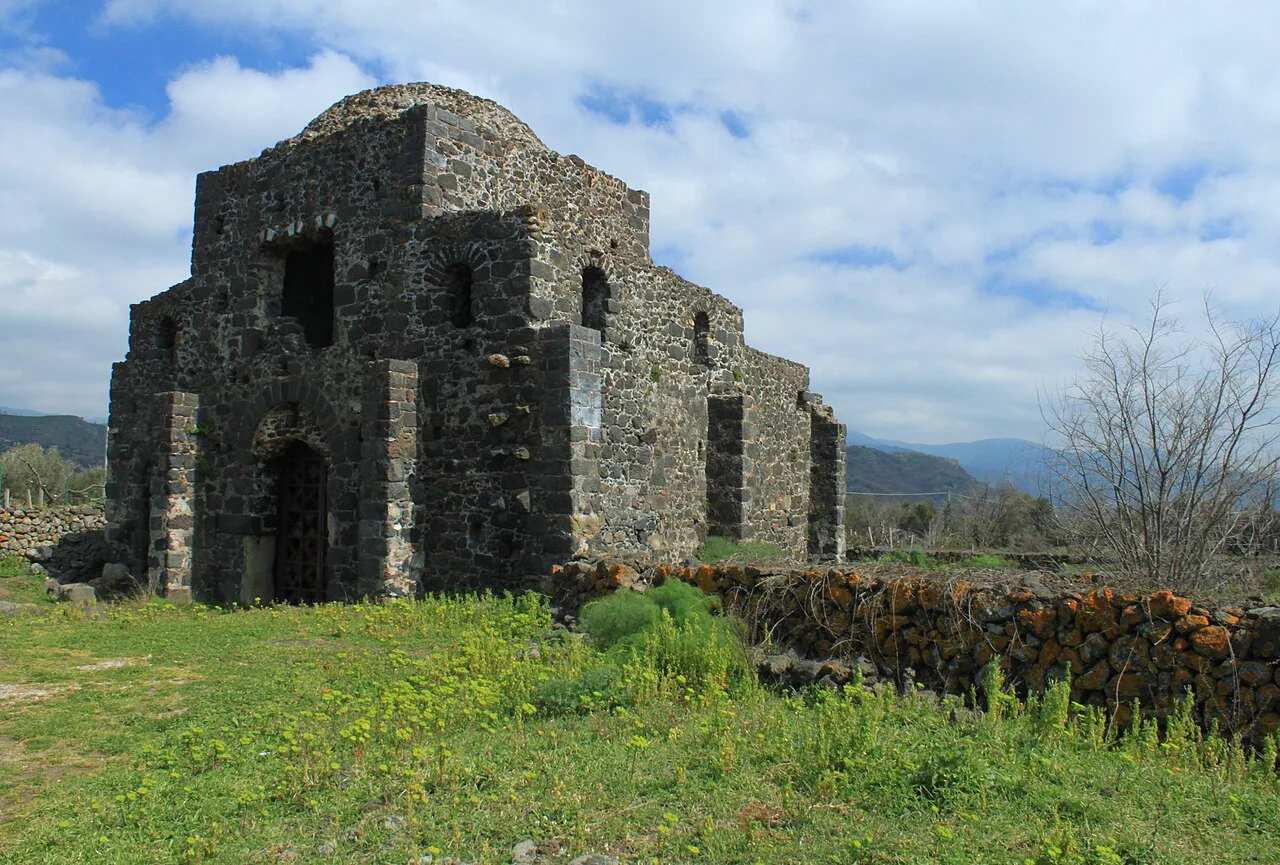
Because the transfer is long, a single tasting rarely justifies the round trip; group two appointments in the Passopisciaro and Randazzo area or combine a cellar visit with a walk through Randazzo's lava-stone center. Castiglione di Sicilia, the comune that includes Passopisciaro, is another natural stop on the same loop. If you would rather compare estates closer to the coast first, the Taormina wineries guide covers options on the eastern side of the volcano.
Neighboring producers make useful second appointments, since the north slope's winemaking community is small and well connected. Tenuta delle Terre Nere is another established name in the same orbit, and the Tenuta delle Terre Nere visit guide explains how its own booking works. Cottanera, at Castiglione di Sicilia, is a larger estate that also receives visitors, detailed in the Cottanera winery visit guide. Spacing two visits with a lunch stop keeps the day civilised. If you would rather add a city stop to the trip, wine tasting in Catania covers cellars on the southern side of the volcano.
Harvest, Season and Timing Your Visit
Harvest on these vineyards generally falls in October, with each plot picked separately as it ripens. That is the most atmospheric moment to see Etna's north slope, and also the moment when winery staff have the least spare time for hosting. If you travel in early autumn, request dates well ahead and accept that a short or rescheduled visit is a fair outcome.
Spring and early summer are easier for appointments, with the vines well into growth and the roads clear, while winter visits depend on whether the estate is bottling or pruning. Elevation matters here: vineyards sit between roughly 650 and 800 meters, so the north slope runs cooler than Taormina's coast. Pack a layer for the cellar and the evening drive back down.
Plan Your Visit
A Girolamo Russo visit is best treated as an appointment to arrange, not a stop to add to a list: email the estate with dates, party size, transport and what you hope to see, and let the reply shape the day. Build the trip around the north-slope transfer from Taormina, either by grouping appointments or by booking transport that lets everyone taste. Confirm the current visit details directly with the winery before you fix your dates.
If you want the wider picture of Etna tasting from the coast, the Taormina Wine Tours guide compares how tours and independent days actually work in practice. Get the logistics right and the wines, from Carricante whites to single-contrada Nerello Mascalese, do the rest.
Frequently Asked Questions
Can you visit Girolamo Russo winery?
The estate publishes a visits and tastings section on its website and an email address for enquiries, so visits are arranged directly rather than through a public ticket office. The site does not list fixed visiting hours, standard times or published tasting packages. Write to the address on the site with your dates and party size and let the reply define what is possible.
How do you book a tasting at Girolamo Russo?
Email the estate at the address published on its site, stating your preferred dates with a backup, how many people are coming, whether you want a cellar tour as well as a tasting, and how you will arrive. Ask about the cost, duration and number of wines in the same message. Small Etna estates host around farming and winemaking, so earlier requests get more room to maneuver.
How far is Girolamo Russo from Taormina?
Passopisciaro is on the northern side of Mount Etna, reached via Randazzo, while Taormina is on the eastern coast, so this is a cross-volcano transfer rather than a short hop. Train and bus connections toward Randazzo exist but are thin, and the final leg to the village may need a taxi. Check current timetables with the transport operators and ask the winery which route guests usually take.
What wines does Girolamo Russo make?
The range centers on Etna DOC wines: Carricante-led whites such as Nerina and San Lorenzo Bianco, an Etna Rosato from old-vine Nerello Mascalese, and reds built on Nerello Mascalese with a little Nerello Cappuccio. The reds run from the multi-contrada A' Rina to single-contrada bottlings from Feudo, Feudo di Mezzo, San Lorenzo, Calderara Sottana and Piano delle Colombe. Some of these are made in very small quantities.
What is the difference between Etna Rosso and Etna Bianco?
Etna Rosso is red wine based mainly on Nerello Mascalese, often with a small share of Nerello Cappuccio, and it can be pale in color but structured and ageworthy at these elevations. Etna Bianco is white wine led by Carricante, usually blended with local varieties such as Catarratto or Grecanico, and is marked by high acidity and a stony character. Both fall under the same Etna DOC on the volcano's slopes.
Do you need a car to visit Etna wineries from Taormina?
Not strictly, but public transport to the north slope is limited and slow, so many travelers book a driver or join a guided tour that includes transport between estates. Driving yourself gives the most flexibility for grouping appointments, provided one person in the party stays sober and uses the spittoons. Whichever you choose, confirm the return leg before you set out.
Sources
Notes for your next wine trip
Optional updates to our winery and wine-town guides.
You might also like
Continue reading
More guides you'll find useful