La Lastra Winery: Tasting in San Gimignano and Siena
La Lastra farms organically near Siena and grows Vernaccia near San Gimignano. Here is what the estate publishes about visits, booking, wines and getting there.
On this page
La Lastra confuses a lot of travelers because its name appears under two different Tuscan towns. The estate farms organically on two sites: one in the hills just outside Siena and one among the Vernaccia vineyards near San Gimignano. Deciding which one matters for your visit is the first practical step, since your base town usually settles it.
This guide sets out what the estate publishes about the property, the wines and the visit it calls the Wine Experience, then maps the logistics for each site. It sticks to confirmed details and points you to the winery's own channels for the figures that change.
What La Lastra Is: One Organic Estate, Two Farm Sites
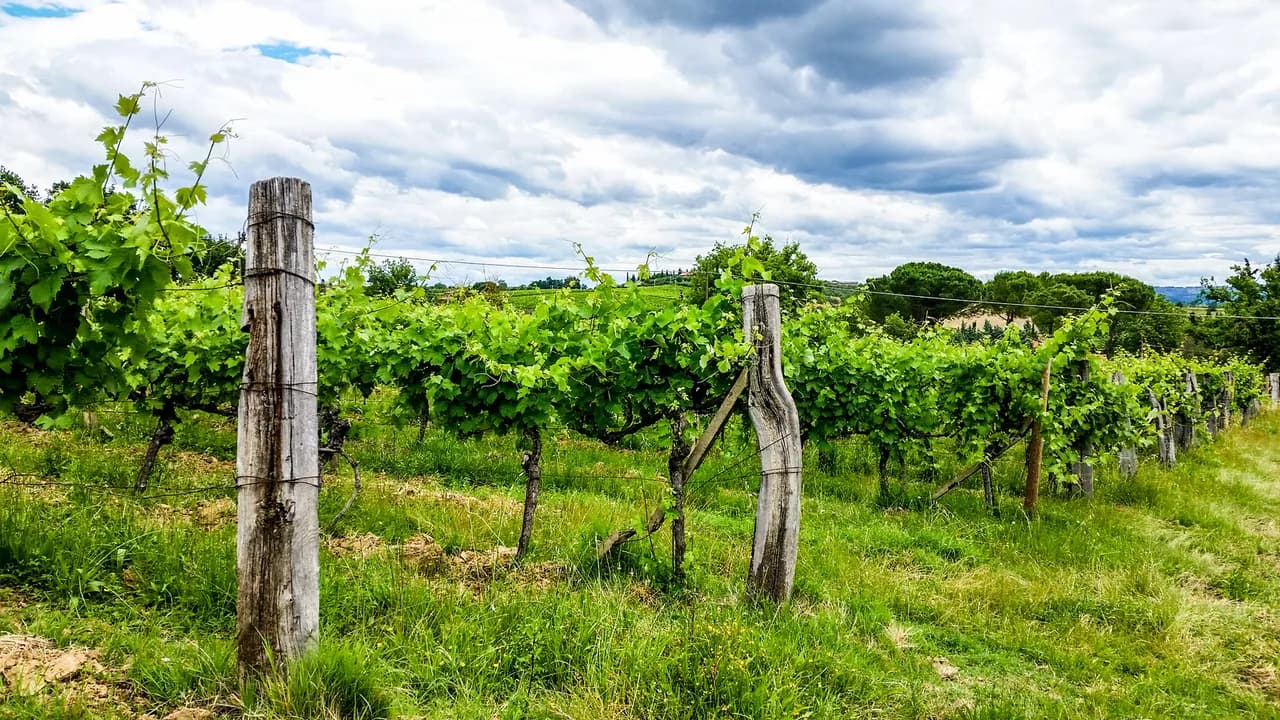
La Lastra Società Agricola describes itself as an organic farming project run across two working farms, one at San Gimignano and one at Siena. The company presents the estate as an outgrowth of agronomy and winemaking study, with sustainability at the center of how it farms and vinifies. Both sites grow grapes the estate turns into its own bottled wines rather than buying fruit from elsewhere.
The official site lists its legal headquarters at Strada della Befana 5/A in Siena, with a registered address at Località Canneta 27 in San Gimignano. The Siena hills property, surrounded by olive groves, holds the century-old farmhouse with its cellar and tasting room, and it also runs Agriturismo Marciano with rooms and suites for guests who want to stay on the farm. The San Gimignano land is vineyard country rather than a town-center address, so plan on the countryside when you picture it.
For San Gimignano specifically, this estate is one thread in a much larger fabric of Vernaccia producers. If you are still choosing between estates, start with the broader picture of San Gimignano wineries and then narrow to La Lastra once you know your dates.
The Two Locations Explained
The Siena-area estate is the one visitors should treat as the working winery and hospitality base. Published descriptions put it about 2 km from the center of Siena, which places it at the edge of the city rather than deep in the countryside. That short distance is what makes a car-free visit realistic from a Siena hotel, and the same is true for anyone planning wine tasting in Siena more widely.
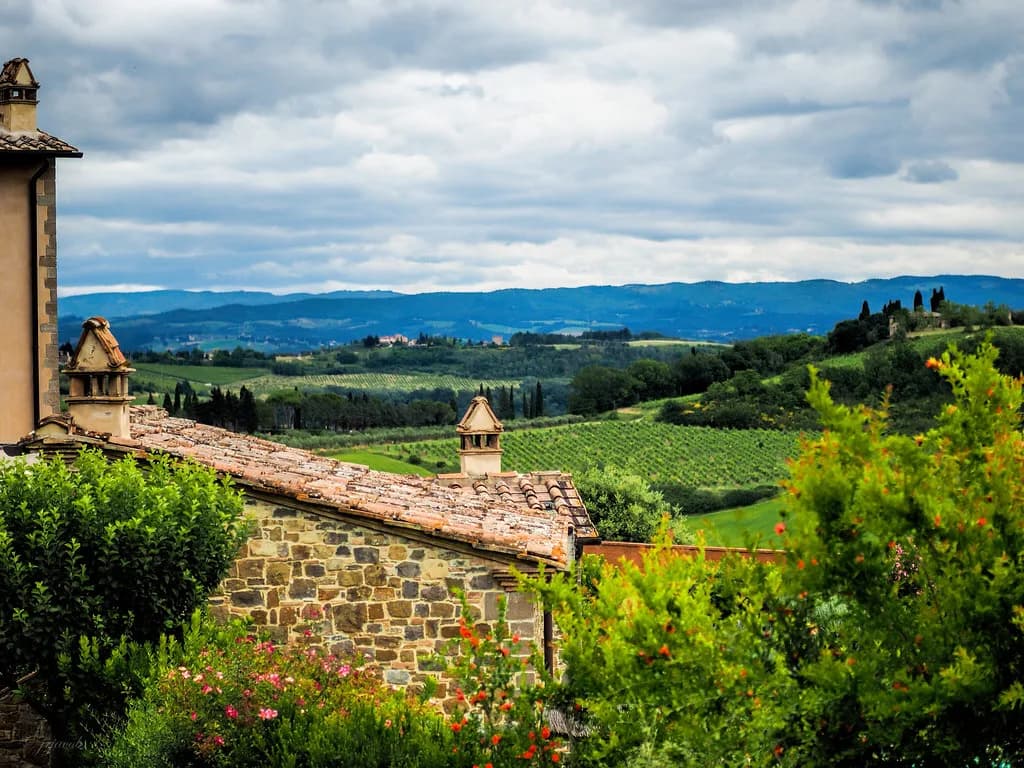
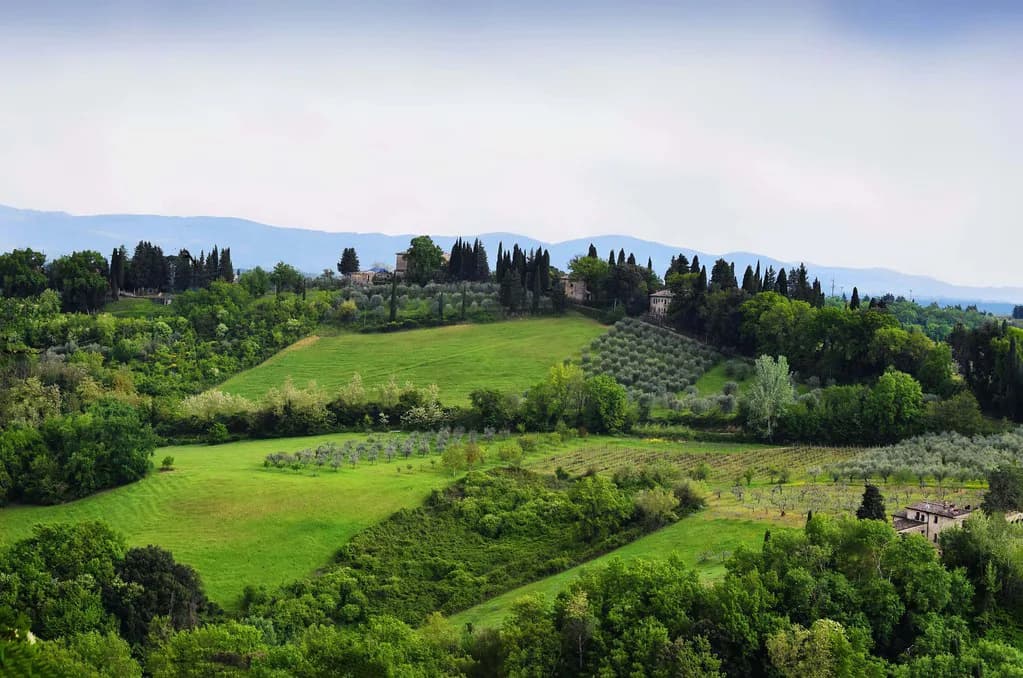
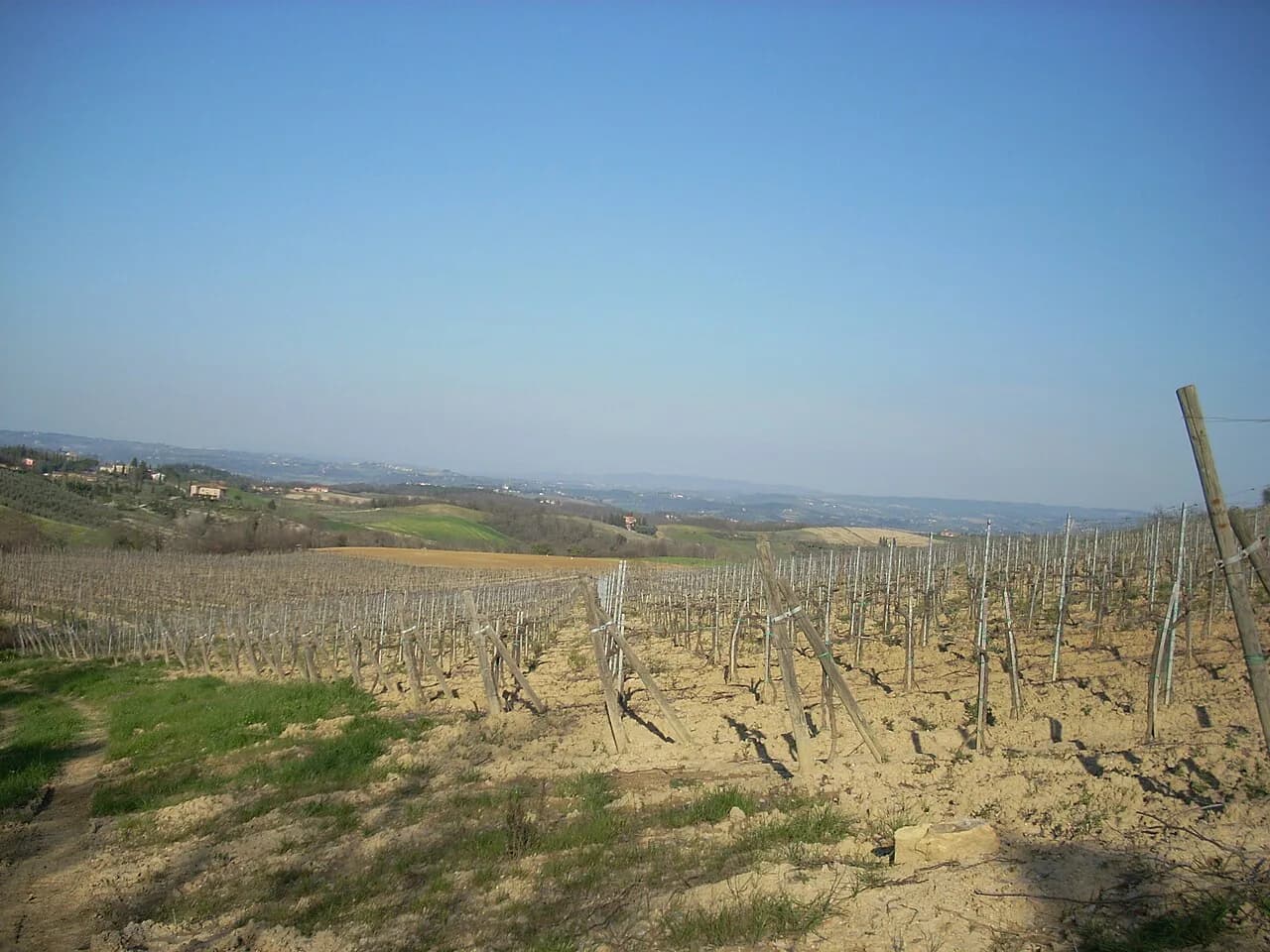
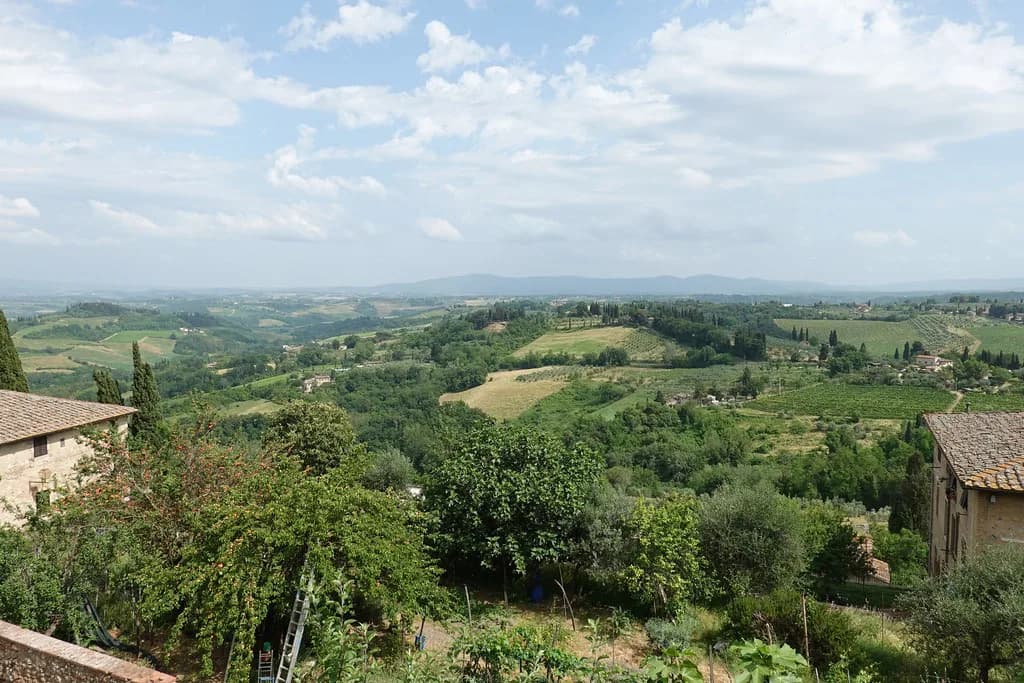
The San Gimignano holding is described as 8.8 hectares of mostly Vernaccia vines on the hills near the medieval town. The estate makes its Vernaccia and a Vernaccia Riserva from that land. The source material presents it as vineyard ground, so do not count on a separate tasting room there; build your visit around the Siena property unless the winery tells you otherwise.
Match the site to your base. Staying in Siena, the Strada della Befana estate is the obvious target. Staying in San Gimignano, the estate's Vernaccia story is the draw, but the visit itself sits south of town, which changes your transport plan.
The Wine Experience: What the Published Tour Covers
La Lastra sells a guided visit it calls the Wine Experience or Educational Wine Tour and Tasting, framed on its site as a journey from pruning to the rite of tasting. Published descriptions of the tour include a walk through the vineyards, a look at the wine cellar and a guided explanation of how the estate produces its wines, followed by the tasting itself. That structure suits travelers who want the farming side of the story, not just a glass at a counter.
Plan on half a day for the Siena estate rather than a quick stop, because vineyard walk, cellar and seated tasting come as one sequence. The estate does not publish a fixed duration, so give yourself slack before a train or a dinner reservation. If you are fitting in a second estate, keep it close rather than crossing the whole province.
Group size, language of the tour and whether children or non-drinkers can join are details to settle when you book. Small organic estates typically run visits for a limited number of people at a time, so a flexible slot on your side makes scheduling easier.
The Wines You Will Meet
Vernaccia di San Gimignano is the white at the heart of the estate's identity, made from the historic Tuscan grape of the same name. La Lastra bottles a Vernaccia and a Vernaccia Riserva, the riserva drawn from older vines on its San Gimignano land. Expect a white that carries the appellation name on the label, which makes it easy to spot in a shop after the trip.
On the red side, the estate produces Chianti Colli Senesi from Sangiovese grown in the hills around Siena. Its Personal Edition range widens well beyond that base, with a Super Tuscan blend called Rovaio, a varietal Canaiolo, and single-variety Merlot and Cabernet Franc, all made in tiny quantities. A Passito sweet wine rounds out the list.
That line-up makes the tasting useful for anyone trying to understand how Tuscany's white appellation and its Sangiovese-based reds differ in style. The estate's website organizes the range into white wines, red wines and the Personal Edition collection, so you can preview the bottles before choosing what to focus on.
Personal Edition Wines and Where They Are Sold
The Personal Edition bottlings are small-lot experiments, ranging from the Vernaccia Riserva through Chianti Colli Senesi to the Rovaio blend, Canaiolo, Merlot, Cabernet Franc and Passito. Their quantities are limited enough that they were once sold only at the estate, and the estate later opened an online shop so buyers could order them from home. Shipping reaches Europe and the US, with costs depending on bottle count and destination.
For travelers, this is a practical advantage: you can taste at the winery and arrange delivery instead of carrying bottles through trains and flights. Ask during your visit which Personal Edition wines are currently in stock, since vintages vary. The shop is also a way to reorder a bottle you liked once you are home.
How to Book Your Visit
The estate publishes a phone number, +39 0577 274868, and an email contact on its official site, which are the starting points for any visit request. Its site also lists a dedicated wine tasting and wine experience page alongside an agriturismo section for stays. Use those published channels rather than third-party forms that may not reach the winery directly.
In your message, name your preferred date and time window, the number of people, and whether you want the full vineyard-and-cellar tour or only a tasting. Ask which languages the visit runs in and whether the agriturismo has rooms for your nights. If you are coming by public transport or taxi, say so, because a small estate may suggest a slot that fits your return ride.
Treat booking as an appointment culture rather than a walk-in transaction. Small organic estates schedule staff around visits, and a confirmed slot protects your day. For anyone weighing an overnight stay near the vines, the wider choice of San Gimignano vineyard stays shows how agriturismo lodgings work in this corner of Tuscany.
Prices and Opening Times: What to Ask When Booking
The estate does not publish tasting prices, tour durations or seasonal opening days in the material travelers can review. Rather than quote a number that may be out of date, ask directly for the current per-person rate for the Wine Experience, whether it changes by group size, and whether the fee is deducted from a wine purchase. Ask also which days the cellar receives visitors and whether the estate closes during harvest or the winter holidays.
Harvest is the one seasonal factor worth planning around, since late summer and early autumn are busy in the vineyard and on the roads around Siena. The estate describes a small team doing both farming and winemaking, so visit capacity can tighten in that window. Booking a few weeks ahead is a reasonable habit for spring through autumn.
If you want a backup plan, line up a second visit in the same town so a changed slot does not waste the day. A Cesani winery visit is another San Gimignano area option worth reading up on before you commit your dates.
Getting to the Siena-Area Estate Without a Car
The Siena estate sits roughly 2 km from the city center, a distance that opens up several non-driving options. A taxi from central Siena is short enough to be inexpensive and is the simplest choice for a timed appointment. Cycling works for confident riders on Tuscan hill roads, and a walk is feasible for those who do not mind a countryside stretch at the start of the day.
Siena is well served by rail and bus from Florence and beyond, so you can base yourself in the city and reach the estate without renting a car. Confirm your return taxi or bike plan before the tasting starts, since rural roads have little passing traffic in the evening. Whoever is driving should not taste; use the spittoons, or pick a designated driver, a taxi or a tour instead.
Travelers who would rather hand over the logistics can look at San Gimignano wine tours, which bundle transport with cellar visits. The trade-off is fixed itineraries and timings against the flexibility of arriving on your own schedule.
Getting to the San Gimignano Vineyards
For the San Gimignano side, the usual car-free pattern is the train to Poggibonsi followed by a local bus into San Gimignano. From the town, you still need a way to reach the estate's vineyard land in the surrounding hills, which usually means a taxi or a pre-arranged transfer. Build in extra time, because buses in rural Tuscany run less often than city services.
If you plan to combine La Lastra with other Vernaccia producers, staying in San Gimignano itself removes the daily commute and lets you spread tastings across two or three days. The full San Gimignano wine tasting picture covers how the town's cellars and countryside estates fit together.
Independent Visit Versus Guided Tour
Going independently gives you control over timing, lets you linger over the vineyard walk and costs less than a packaged tour, since you pay only the tasting fee and your transport. The work falls on you: booking the appointment, arranging a taxi or bike, and managing the return leg after wine. On a short trip, that planning time is real.
A guided tour removes the transport problem and often pairs estates in a single day, which is efficient if you have no car and limited time. The trade-off is a fixed schedule and less freedom to stay longer at a property you enjoy. Couples or small groups often find that the convenience offsets the premium.
Either way, the format works best when you pick one region per day. Splitting a day between Siena and San Gimignano looks efficient on a map but eats the hours you would rather spend in a cellar.
Where La Lastra Fits in a Siena and San Gimignano Wine Day
With Siena as your base, La Lastra makes a natural half-day paired with the city itself, since the estate is close enough to leave the afternoon free for the Piazza del Campo and the duomo. Keep the wine visit for the earlier part of the day and save the walking for after lunch. That rhythm also keeps a driver's tasting to a minimum.
With San Gimignano as your base, La Lastra is best treated as one stop on a Vernaccia-focused day that includes the town's own enoteche and a second countryside estate. The broader San Gimignano wineries guide helps you group producers by distance so the driving or taxi time stays sensible.
Practical Notes for the Day
Ask when you book whether the visit includes a walk through the vines, since outdoor sections depend on weather and ground conditions. Sturdy shoes, a light layer and water are sensible on Tuscan hill terrain. If rain is forecast, confirm whether the tour shifts indoors or reschedules.
The estate's agriturismo, Marciano, offers an alternative to a late drive back to Siena, and staying on the property makes an early tasting easy. Mention any allergies or dietary needs when you reserve, especially if food is part of your tasting. Finally, budget for shipping if you plan to send Personal Edition bottles home, since rates vary by country and bottle count.
Plan Your Visit
La Lastra rewards a little planning: pick the Siena estate for the full vineyard, cellar and tasting visit, use the San Gimignano story to understand the Vernaccia in your glass, and book by phone or email with your dates, party size and transport in hand. Ask about current rates, opening days and tour language when you confirm. Travelers sticking to town can also scan the wider San Gimignano wine tasting scene before committing.
Frequently Asked Questions
Where is La Lastra winery located?
The estate farms two sites. Its legal headquarters and working winery with cellar and tasting room are at Strada della Befana 5/A in Siena, roughly 2 km from the city center. It also holds about 8.8 hectares of mostly Vernaccia vines on the hills near San Gimignano. Plan your tasting visit around the Siena property unless the winery says otherwise.
Does La Lastra accept walk-in tastings or only appointments?
Treat a La Lastra visit as an appointment. The estate is small and organic, and it publishes phone and email contacts for arranging the Wine Experience rather than advertising drop-in hours. Contact the winery with your date, time window and party size before you travel, and confirm the slot in writing.
What wines does La Lastra produce?
La Lastra makes Vernaccia di San Gimignano and a Vernaccia Riserva from its San Gimignano vineyards, plus Chianti Colli Senesi from Sangiovese near Siena. Its Personal Edition range includes a Super Tuscan blend called Rovaio, a varietal Canaiolo, Merlot and Cabernet Franc, and a Passito sweet wine. Quantities of the Personal Edition bottles are limited.
How do you get to La Lastra from Siena or San Gimignano without a car?
From Siena, the estate is about 2 km from the center, so a taxi, bike or walk covers the distance; arrange your return before the tasting. From San Gimignano, the usual pattern is a train to Poggibonsi, then a local bus into town, followed by a taxi to the vineyard land. A guided tour is the simpler option if you would rather not manage connections.
Is a La Lastra visit worth pairing with other San Gimignano wineries?
Yes, if you build the day around one area. Pair La Lastra with the town's own enoteche and one nearby countryside estate rather than crisscrossing the province. Keep the driving or taxi time short, book timed slots, and leave the driver free of tastings by using spittoons or hiring transport.
Sources
Notes for your next wine trip
Optional updates to our winery and wine-town guides.
You might also like
Continue reading
More guides you'll find useful