Panizzi Winery Visit: Vernaccia Tasting in San Gimignano
Panizzi sits at Larniano outside San Gimignano and hosts booked tastings of Vernaccia and Pinot Nero. Here is how a visit works and how to reach it.
On this page
Panizzi is one of the estates that shaped modern Vernaccia di San Gimignano, and it is also one of the easier wineries to plan around a day in the walled town. Its tasting room sits at Larniano, a small medieval hamlet near the Via Francigena route rather than in San Gimignano itself. This guide covers what the estate pours, how the visit is structured, how to book and how to reach Larniano by taxi, bike or organised tour.
Because Panizzi is a single named estate with published contact channels, it rewards a bit of planning rather than a spontaneous drop-in. The winery presents tastings and guided tours as bookable experiences, so the decision is less about whether to reserve and more about which format and time slot fit your day.
Why Panizzi Matters in San Gimignano
Giovanni Panizzi bought Podere Santa Margherita just outside the medieval walls of San Gimignano in 1979, starting with two hectares of vineyard. The estate released its first Vernaccia di San Gimignano in 1989 after a decade of experimentation, and it has since become one of the reference names for the appellation. The winery is now run by the Nicolai family with winemaker Valter Sovran.
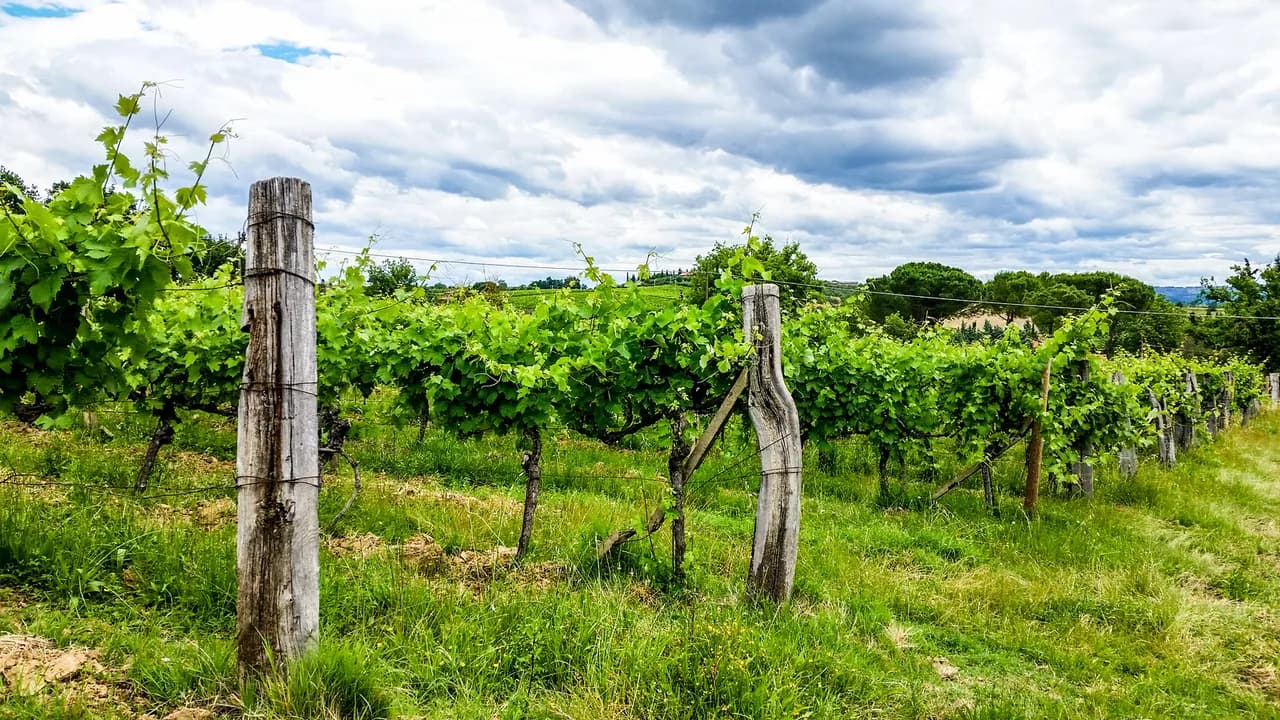
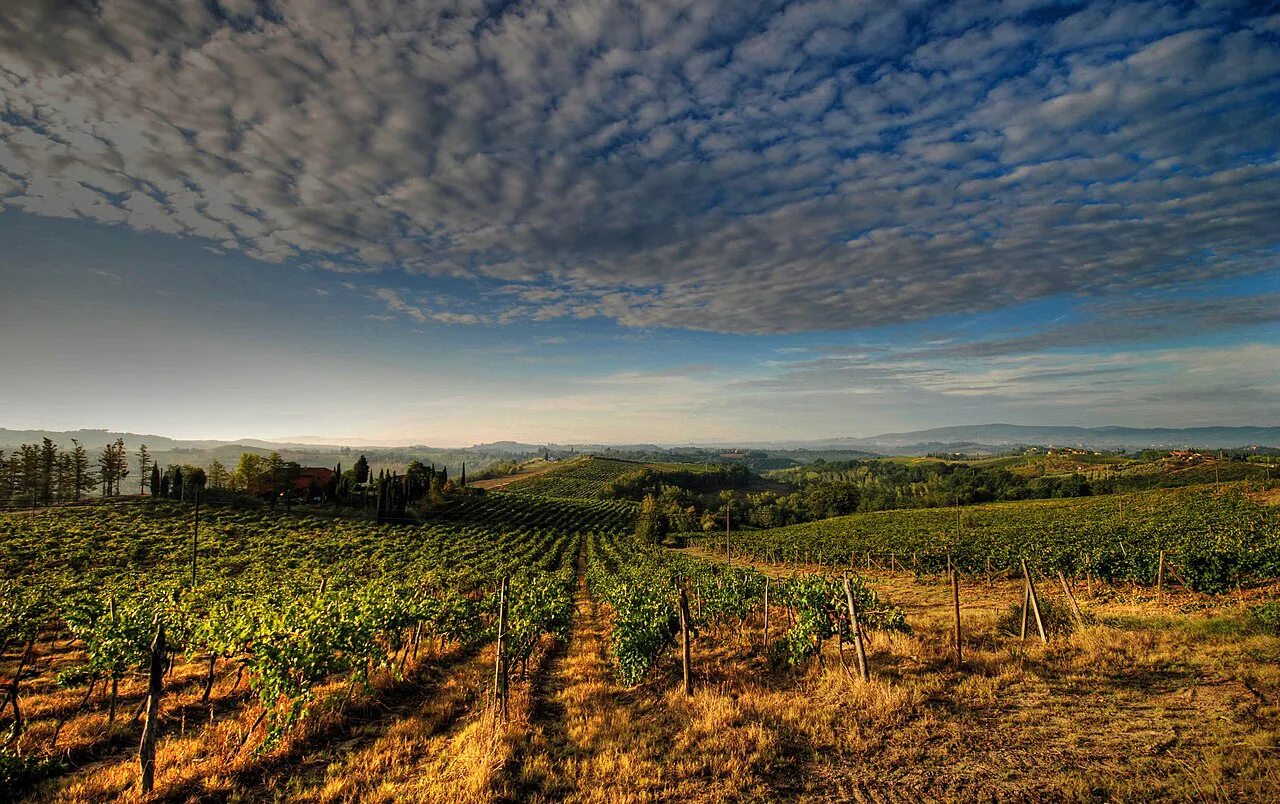
The estate farms organically across four vineyards in the San Gimignano production zone, Santa Margherita, Larniano, Montagnana and Lazzaretto, plus one holding on the slopes of Mount Amiata. That range of sites is the reason a visit here is more than a single-glass stop. It also explains why the estate experiments with long macerations alongside its standard Vernaccia, and why it planted Pinot Nero as an outlier in a white-wine territory.
For travelers building a wine day, Panizzi is a useful anchor because it pairs a well-known appellation with a clear visitor offer. If you want to compare it against other estates in the zone, the broader guide to San Gimignano wineries shows what else accepts visitors.
Where Panizzi Is: Larniano and the Via Francigena
The winery addresses its hospitality at Loc. Larniano 1, San Gimignano (Siena). Larniano is a small village of medieval origin dating to the eleventh and twelfth centuries, and it sits near the route of the Via Francigena, the historic pilgrim road that runs through this part of Tuscany. That location outside the walls matters when you plan transport, because you will not be walking out of your hotel and into the tasting room.
Treat San Gimignano as your base and Larniano as a short trip beyond it. The distance is manageable by taxi or bike, but the estate is not on a town-center street, so build the transfer into your schedule rather than counting on a stroll. If you are weighing where to stay, an agriturismo in the countryside can shorten the trip.
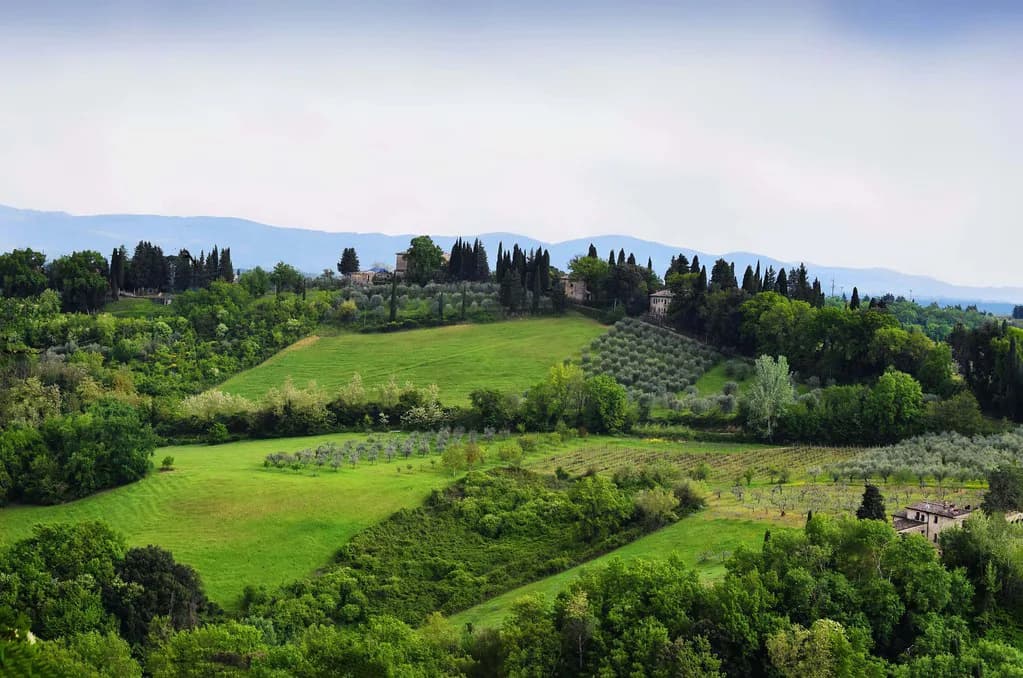
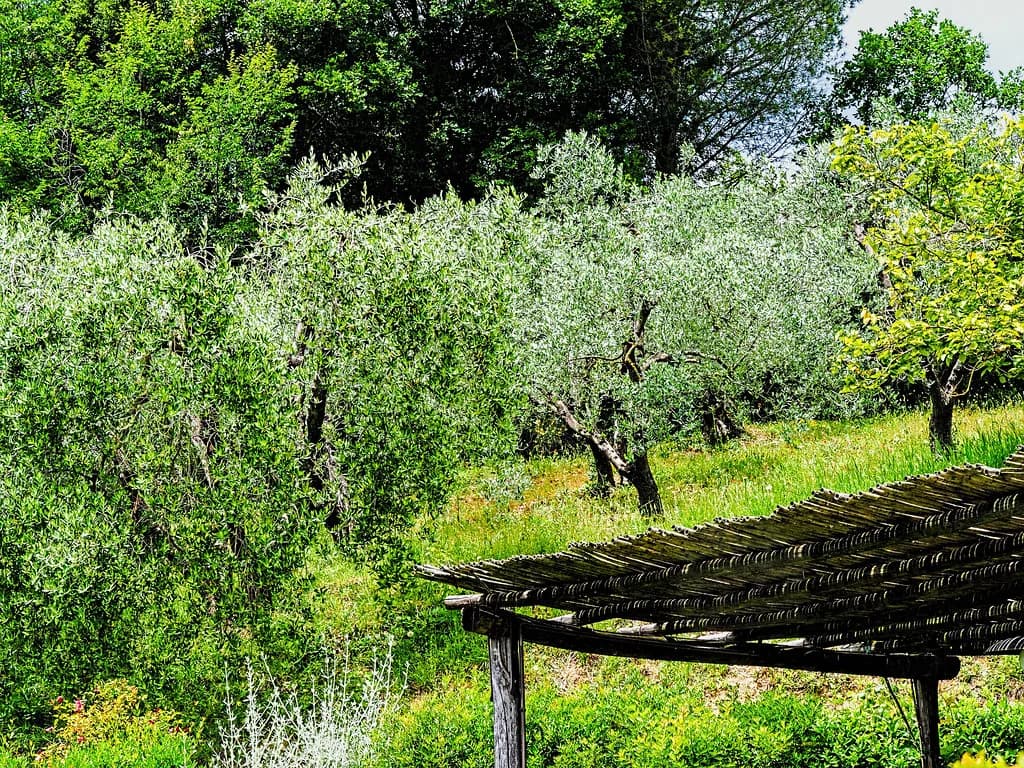
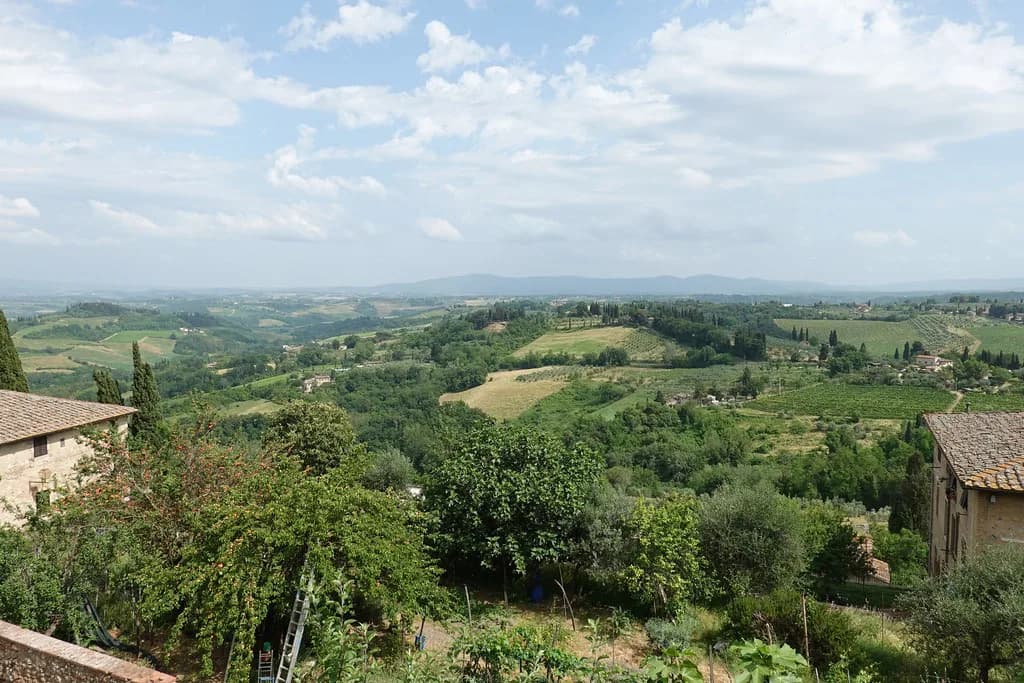
The hamlet is also a reminder that this is working farmland with olive groves and forest around it, not a theme-park tasting bar. Ask about the setting when you book, because the visit includes the Larniano farm as well as the wines.
What You Taste: Vernaccia, Macerated Styles and Pinot Nero
Vernaccia di San Gimignano DOCG is the core of any visit. It is a white wine from the local Vernaccia grape, grown on hilly soils rich in clay and limestone, and the estate uses it to explore both freshness and longer maceration. Ask which styles will be open when you book, since the experimental and reserve bottlings may not appear in every tasting.
Pinot Nero is the estate's outlier, planted as a challenge in a territory better known for white wine. If you are curious about that side of the range, say so in your booking message so the team can plan the flight around it. The winery's own site describes the wines and the experimental work in more detail.
Vernaccia is the wine San Gimignano is famous for, and tasting it here gives you a baseline for the rest of the appellation. To see how other producers interpret the grape, read around the region before you go, then decide which estates deserve a second stop. If you want to weigh a different Tuscan white-wine town, wine tasting in Lucca covers the same decision of which estate and tour to choose.
The Visit Format: Panoramic Hall and Guided Tours
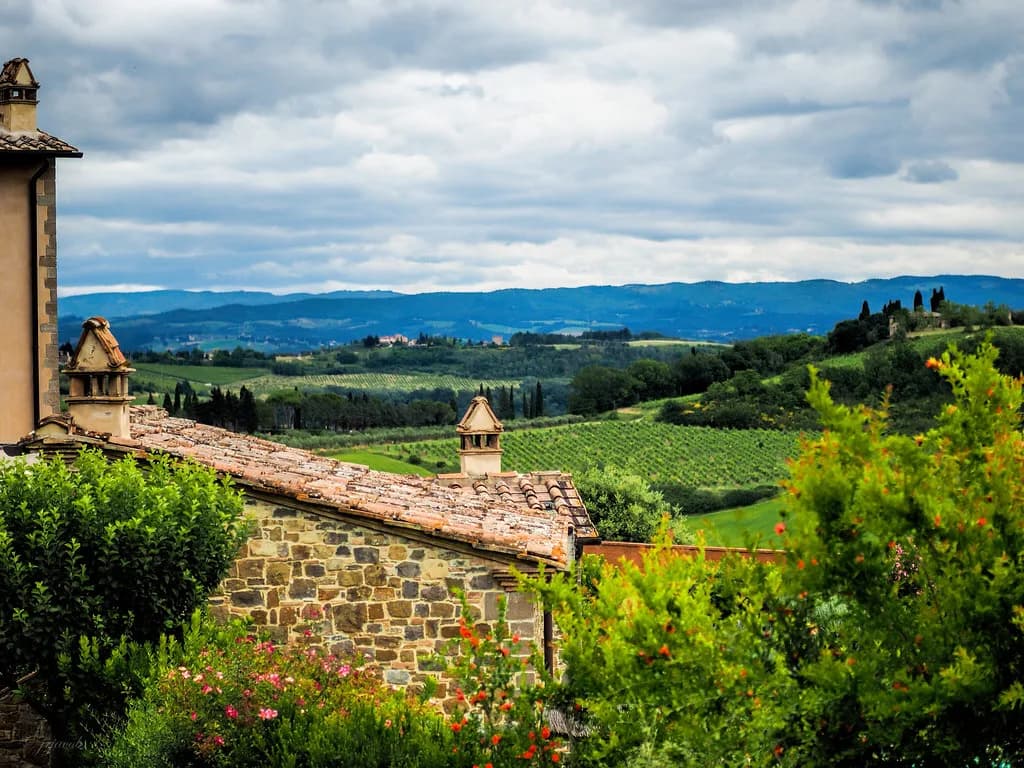
Tastings take place in a hall made from one of the old farmhouses, with a panoramic view over the vineyards, olive groves and forest. The winery also offers guided tours of the Larniano farm, so you can combine a walk through the property with the seated tasting rather than choosing one or the other.
The estate publishes a small set of tasting formats and asks guests to choose the one that suits them when booking. Because the site does not publish durations or the number of wines per format, ask directly what each option includes and whether a cellar or vineyard walk is part of it. That question is especially worth asking if you are traveling with someone who prefers a shorter stop.
If you plan to combine Panizzi with other stops, keep the visit to one estate plus the town rather than stacking three tastings into an afternoon. The countryside setting and the guided-tour option reward a slower pace.
Booking: Phone, Email and Why to Reserve
The winery publishes phone numbers for tastings and bookings, +39 0577 946032 and +39 392 4285740, and an email address for both enquiries and reservations. Use those channels to confirm the format, the time and any group minimum before you travel, since the visitor offer is built around booked experiences rather than walk-in drop-ins.
Write your request with the date, the number of people and the wines you hope to try, including the macerated Vernaccia or Pinot Nero if those matter to you. If you are arriving by taxi or bike, mention your transport so the team can advise on timing. A booking request sent well ahead is more useful than one sent the morning of the visit.
Reservations also matter because the estate's hospitality is concentrated at Larniano, not in a town-center shop you can wander into. Treat a confirmed time as the anchor of your day and plan the rest of the itinerary around it.
Current details can change with the season and the harvest, so confirm the essentials with the winery when you book. The same applies to any published prices, which are best requested directly rather than assumed from older listings.
Getting There Without Driving
A taxi from San Gimignano is the simplest way to reach Larniano if you do not have a car. Agree on a pickup time for the return leg when you arrive, because the hamlet is small and you do not want to be stranded after a tasting. A bike is another option for confident riders, but the roads are rural and the route should be planned in daylight.
Organised wine tours are the low-friction alternative, and several cover the San Gimignano countryside with a driver built in. Compare the itinerary before you book, because a tour that includes Larniano and a guided walk is a different day from one that only stops in town.
Public transport in this part of Tuscany is thin, so check connections to San Gimignano first and treat the final leg to Larniano as a taxi or tour transfer. That two-step plan is more realistic than expecting a bus to drop you at the winery gate.
Independent Visit vs Guided Tour
Booking directly with Panizzi gives you the most control over timing and the wines you taste, and it is usually the better choice if you want to linger in the panoramic hall. The trade-off is that you arrange the transfer yourself and handle the return trip after tasting.
A guided tour removes the transport problem and often adds context on the Via Francigena and the countryside between estates. You give up some flexibility, since the group schedule decides when you arrive and leave. Neither option is wrong; pick based on whether your priority is the wines or the logistics.
If you want to add a second estate to the day, a tour that already includes a pickup is the easier way to do it. Otherwise, keep the day to Panizzi and the walled town and enjoy both without rushing.
Pairing Panizzi With the Walled Town and Other Vernaccia Estates
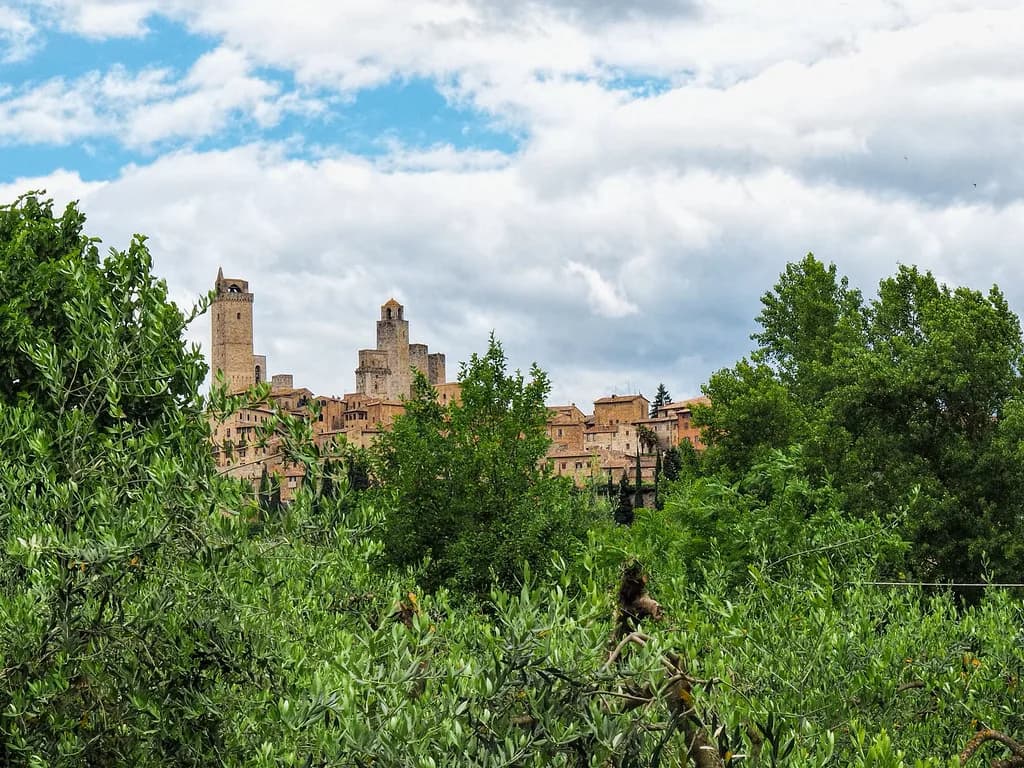
San Gimignano's towers and medieval streets are a short drive from Larniano, which makes a natural pairing of a morning visit and an afternoon in town. Book the tasting first, then build the town walk around it. If you want a second producer with a family story, Fattoria San Donato is another Vernaccia name to look at.
Other estates in the zone welcome visitors, and the guide to San Gimignano wineries is a practical way to compare formats before you commit. Keep the number of tastings modest so each visit gets proper attention.
Vernaccia rewards comparison, so tasting at two estates in a day is reasonable if you spit and pace yourself. If you plan a third, move it to another day rather than crowding the afternoon.
Practical Notes: Harvest, Appointments and Responsible Tasting
Harvest in this zone generally falls in September, when the estate is at its busiest and visitor slots can be tighter. If you travel in that window, book earlier and expect the team to be focused on the cellar. Outside harvest, the pace is calmer and a guided tour is easier to arrange.
Appointment culture is the norm at Italian estates, and Panizzi's tasting and tour offer is built around reservations. A short email with your dates and party size is usually enough to start the conversation.
If you are driving, do not taste: use the spittoons, appoint a designated driver, or take a taxi or tour instead. That single decision keeps the day safe and lets everyone else enjoy the flight.
Plan Your Panizzi Visit
Panizzi is a focused, bookable estate at Larniano, close enough to San Gimignano for a half-day visit and distinct enough to justify the trip beyond the walls. Reserve a tasting through the published phone or email channels, ask which Vernaccia styles and Pinot Nero will be open, and sort out your transfer in advance.
Pair the visit with the town and, if time allows, one more Vernaccia estate. Keep the day realistic, confirm the final details when you book, and let the wines rather than the schedule set the pace.
Frequently Asked Questions
What wine is San Gimignano famous for?
San Gimignano is known for Vernaccia di San Gimignano DOCG, a white wine made from the local Vernaccia grape on hilly ground around the town. Panizzi also makes Pinot Nero, an unusual choice for a territory built on white wine, so ask whether it features in the tasting you book.
Do you need to book a tasting at Panizzi?
The estate presents its tastings and guided tours as experiences you reserve rather than walk into, and hospitality is concentrated at Larniano outside the town. Contact the winery through its published phone numbers or email with your date, party size and the wines you hope to try, and treat the confirmed slot as the anchor of your day.
How do you get to Panizzi winery without a car?
The usual approach is a taxi from San Gimignano to Larniano, with a return pickup agreed in advance, or an organised tour that includes the estate and a driver. Buses in this part of Tuscany are thin, so plan the final leg as a taxi or tour transfer rather than expecting a stop at the gate. A bike suits confident riders on rural roads in daylight.
Is Panizzi a Vernaccia di San Gimignano producer?
Yes. The estate released its first Vernaccia di San Gimignano in 1989 and farms organically across several vineyards in the production zone, including Santa Margherita, Larniano, Montagnana and Lazzaretto. Its range explores both fresh and long-macerated styles, and a visit is a practical way to understand the appellation.
When is harvest around San Gimignano?
Picking in this zone generally falls in September, which is when the cellar team is busiest and visitor slots can be tighter. Book earlier for that window, and ask whether a guided tour of the Larniano farm fits your dates. Outside harvest the pace is calmer and scheduling is easier.
Sources
Notes for your next wine trip
Optional updates to our winery and wine-town guides.
You might also like
Continue reading
More guides you'll find useful