Ronda Wine Tours: Planning a Tasting Day in Andalusia
Plan a Ronda wine tour with practical detail on guided options from Ronda, Málaga and Marbella, what tastings include, and tasting without driving.
On this page
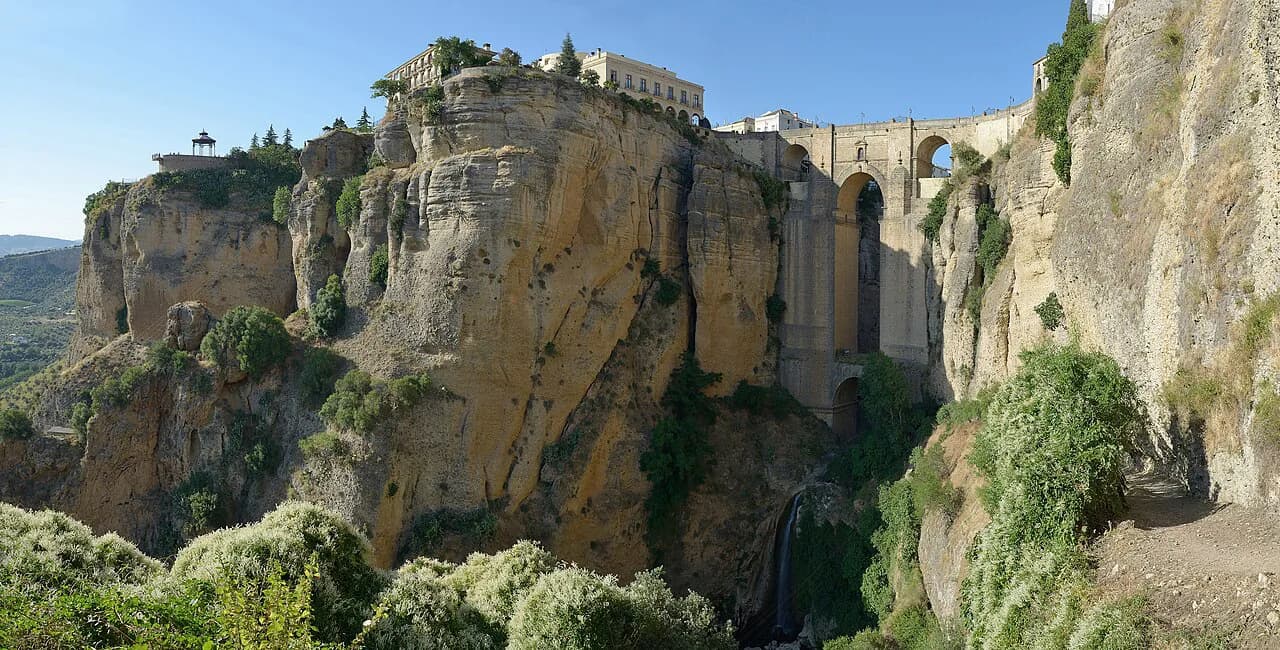
Ronda rewards travelers who expect a wine day built around a single estate and a mountain road, not a tasting strip you can stroll between. The white town and its gorge make a spectacular base, but the vineyards that supply Ronda's bodegas lie out in the surrounding Serranía, so the practical question is which tour or transfer fits your day. This guide compares the formats on offer, explains the wines in plain terms, and sets out what a booking actually covers.
Prices, durations and inclusions vary by operator, and several Ronda tours are sold as day trips from the coast rather than as local tastings. The clearest published example below is a six-hour winery visit with four wines and lunch, which shows what a full-day format looks like and where the cost stops. Use it as a benchmark, not as a Ronda-wide rate card, and treat every figure as something to reconfirm when you book.
Quick Answer: What a Ronda Wine Tour Really Is
A Ronda wine tour is usually a guided half or full day into the Serranía de Ronda wine country around the town, with transport, a winery visit and a tasting bundled together. The old town itself is for eating, sherry-style aperitifs and shopping rather than for moving between winery gates on foot, because the producers are spread across the hills and approach roads. Book the day around one or two estates rather than trying to collect many.
That layout shapes your choice: a tour solves the driving and the navigation, while an independent visit means arranging a taxi or staying overnight and tasting close to where you sleep. The rest of this article concentrates on tour logistics, what each style of day delivers, and how the estates group by direction from town. If you are weighing this estate-led model against a city-based alternative, wine tasting in Marseille shows how a different region handles the same tour-versus-independent decision.
Where the Wineries Sit Relative to Ronda
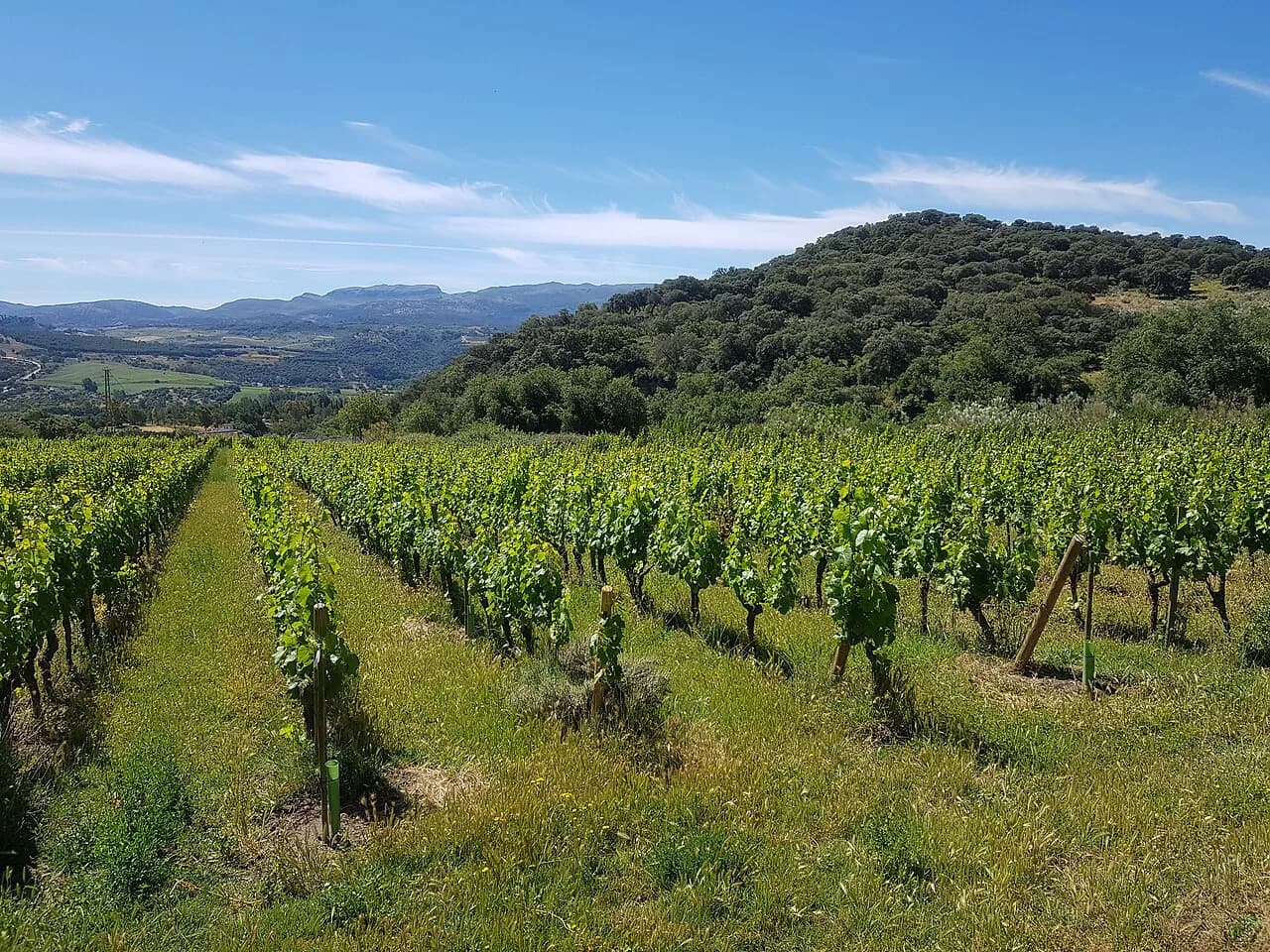
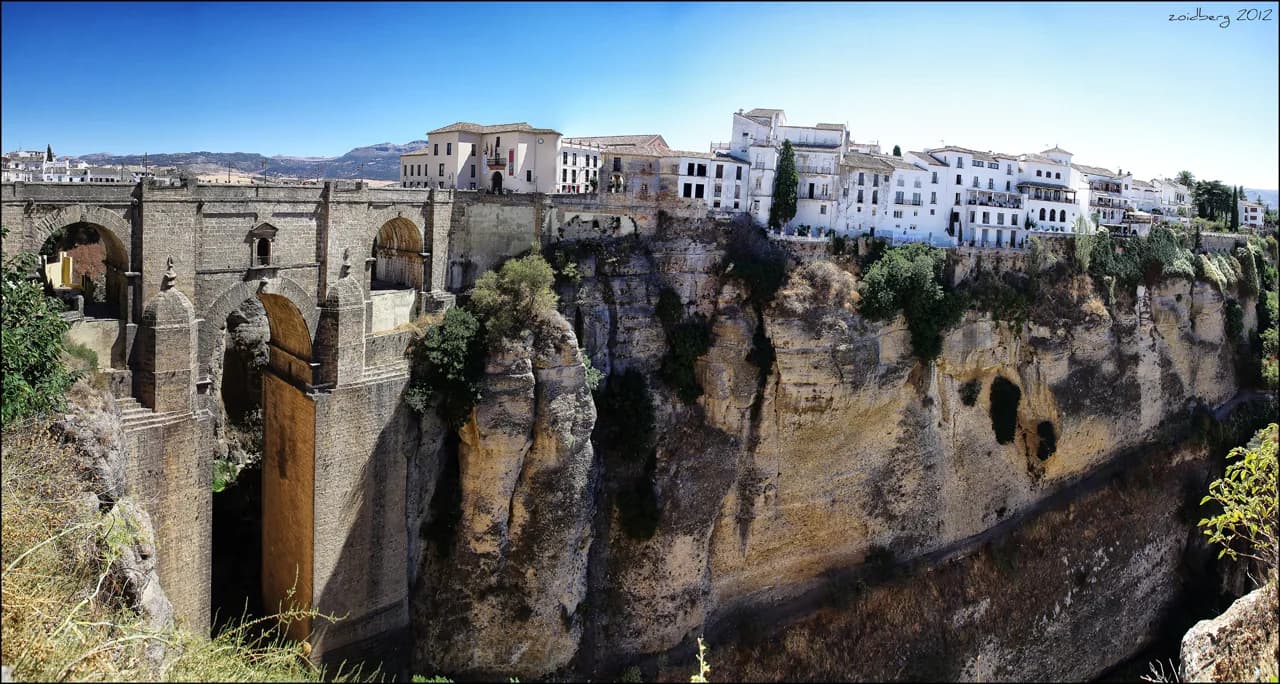
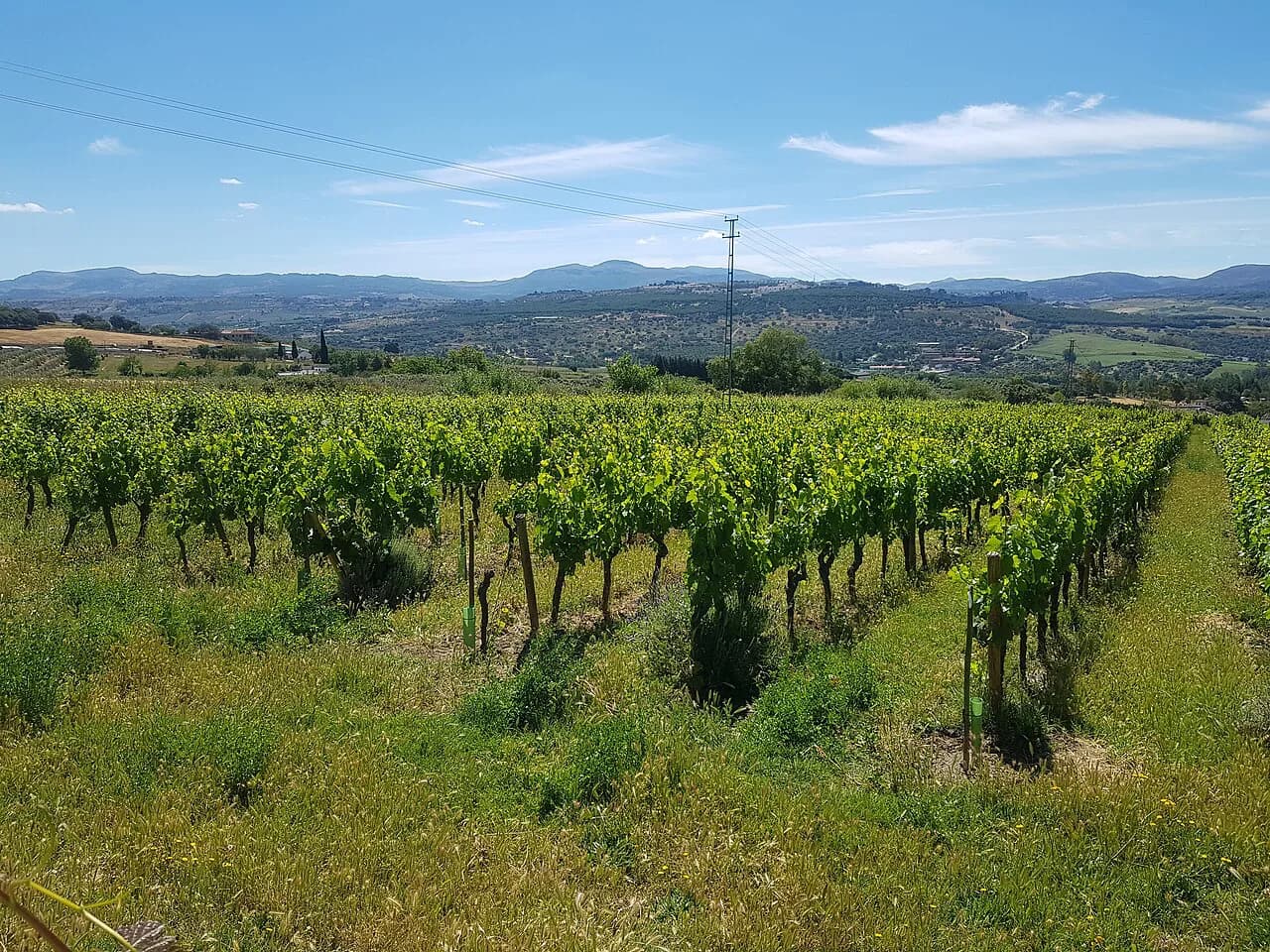
Ronda sits on its plateau above the Guadalevín gorge, and the wine country begins as you leave the town and climb into the surrounding sierras. Estates are scattered across the hillsides and valleys rather than lined up along a single road, so a day that includes two producers already involves real driving time. Group your choices by direction from town and let the winery suggest a sensible order.
The Ronda wineries page maps the estates that welcome visitors so you can cluster them by village and approach road before you commit to a date. If a producer publishes tour times, those times are the fixed points in your day, and the drive between estates should be planned around them. Ask about road access when you book, since some estate tracks are steep and slow in wet weather.
The Wines to Know: Sierras de Málaga and Ronda Reds
Ronda falls within the Sierras de Málaga appellation, and its reds are typically built on Tempranillo, Cabernet Sauvignon, Merlot, Syrah and Garnacha, with some estates working with native and experimental varieties. Whites from the wider zone lean on Chardonnay, Sauvignon Blanc, Macabeo and Pedro Ximénez, often in fresh, dry styles. Knowing this helps you choose a tour by the wines you want to drink rather than by bus comfort alone.
Many small estates label their wines under the broader Andalusian regional designations, so the grape list on the back label is often more useful than the appellation name. If you prefer structured reds, look for estates describing barrel ageing; if you want a lighter midday tasting, ask whether the lineup includes whites and rosés. Put the question to the winery when you enquire and you will get a straight answer about the wines actually poured.
Guided Tour Formats Compared
The main formats are a full-day winery tour with vineyard walk, tasting and lunch; a shorter winery-focused tasting; a wine-and-tapas tour by electric bike or minivan; and a private, winemaker-led immersion day. The full-day version suits travelers who want one deep visit and a meal, while the shorter formats leave room for Ronda's gorge, bullring and old-town walks. Private days cost more but let you set the pace and the wine style.
A VIP Ronda wine tour marketed through Marriott Activities is framed as a full-day immersion led by a qualified wine guide, focused on the wines and the people behind them. The listing is worth reading for how the private format is presented, but its inclusions and price are set by that operator and should be confirmed at booking. Electric-bike and tapas tours appear among the top-selling Ronda options on Tripadvisor, an efficient way to compare formats side by side before you choose.
Weigh time as carefully as money: a full-day tour with lunch consumes most of a day, and a coast departure adds the drive in each direction. If Ronda is one stop on a longer Andalusian trip, a shorter tasting plus a walk through the old town may serve you better than a six-hour itinerary. Decide first whether the point of the day is the wine or the town, then pick the format that matches.
What a Full-Day Winery Experience Includes
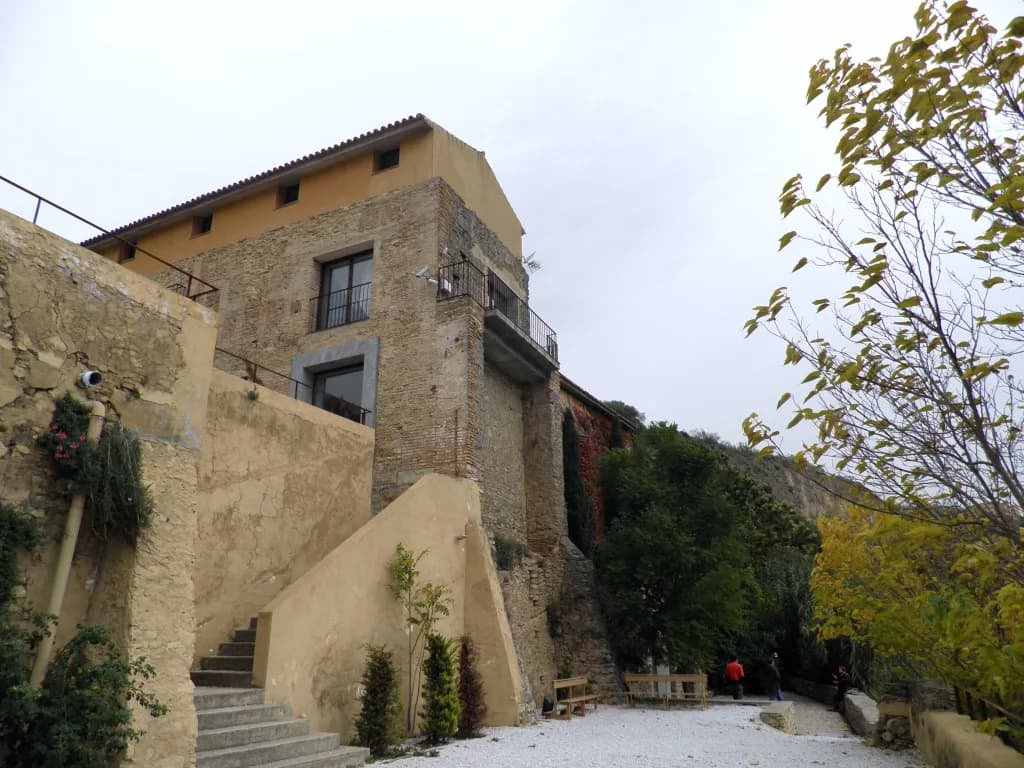
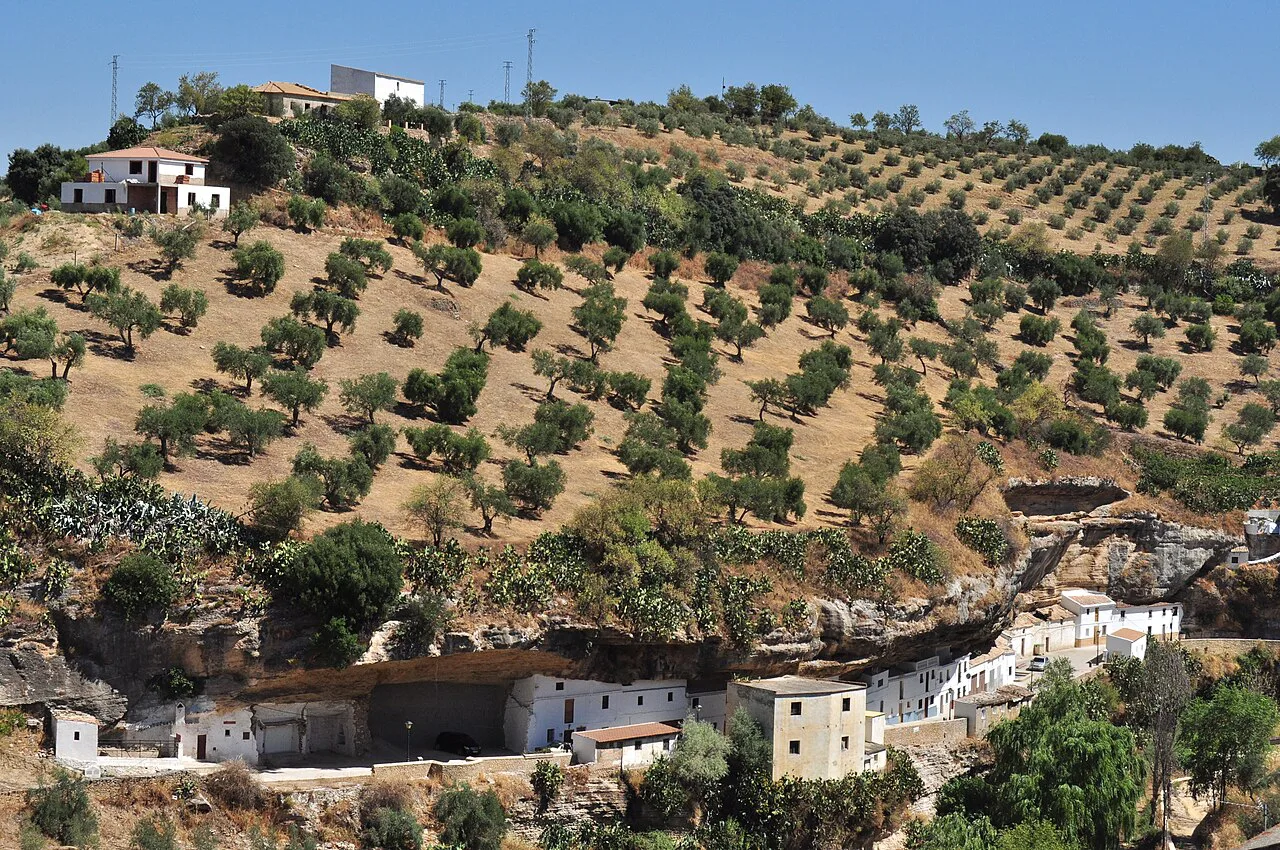
One Ronda-area operator publishes a concrete example of the full-day format: a guided walk through the vineyards and winery, an explanation of the winemaking from vine to bottle, a tasting of four estate wines with local artisanal appetizers, and a gourmet lunch with a selection of the estate's wines. The listing puts the experience at six hours and a starting price of 76 euros per adult, with a stated minimum party of two required to book and a party range of 15 to 30. Transportation is listed as not included, and the meeting point is sent after booking. These figures describe this specific Farm Experiences & Tours listing rather than Ronda tours in general, so use them to calibrate your budget and then compare other listings against them.
Tour Logistics from Málaga and Marbella
The same Ronda listing places the winery about an hour from Málaga on the Costa del Sol side, and its quick details pair the Ronda location with Málaga as the trip's base rather than with Ronda itself. That matters if you are staying in Málaga or Marbella: the day includes a transfer you must arrange or pay for, since transportation is excluded from the tour price. Budget for a private transfer or a rental car, or look for an operator that sells the day with pickup included from your resort.
From Marbella, a VIP winemaker-led day is sold as a full immersion with your own wine guide, which typically means a longer day and a higher total cost than a shared group departure. Read the inclusions line by line, because pickup, lunch and the number of wines poured are the three items that most often separate a cheap listing from a complete one. If a price looks low for a coast-to-Ronda day, transport is usually the reason.
Going Without a Car
Public transport can get you to Ronda, but it will not deliver you to estate gates scattered across the sierras, so the car-free plan is either a guided tour with transport or a taxi arranged by the winery for a confirmed visit. A driver should not taste at all: use the spittoons, appoint a designated driver, or book a tour so nobody at the table has to stay dry by accident. This is the single most useful decision you can make before the day begins.
Staying overnight in Ronda is the compromise that buys independence: taste at a town enoteca in the evening, take a taxi to one estate by day, and walk back to your hotel. The trade-off is the extra hotel night against the cost of a return transfer from the coast, and for two people the sums often come out close. Compare the two before assuming a day trip is cheaper.
Independent Tasting in Ronda Town
Ronda's old town has wine shops and enotecas where you can taste local bottles by the glass without leaving town, which suits a traveler who wants an introduction rather than a vineyard visit. These are retail and bar experiences, not winery tours, so expect a curated list and staff recommendations rather than a walk through fermentation tanks. They pair naturally with an evening in town after a day of sightseeing.
For a real estate visit, book directly with a producer that publishes visitor information; the Ronda wineries guide points you to the names to approach. The estate profiles there explain which producers describe tours, tastings and appointment policies, so you can match a visit to your interest in a particular grape or ageing style. Independent visits usually need a prior arrangement and a confirmed time, so do not simply turn up at a gate.
When to Go
Late summer and early autumn are harvest season in the Serranía, when estates are busiest and visits may be constrained by cellar work, so book earlier for those weeks. Spring and early summer give green hills and comfortable walking, while winter is quiet and some small estates receive visitors only by arrangement. Weekdays are generally easier to book than weekends, especially for private tours and lunch-inclusive days.
Avoid pinning your trip to an exact picking date: harvest shifts with the weather each year, and no published calendar will guarantee you see fruit coming in. Instead, ask the winery what stage the season is likely to be at during your dates and whether the visit includes the vineyard or only the cellar. That answer tells you more than any month-by-month chart.
Booking Practicalities: What to Ask
Ask four questions before you pay: what is the pickup point and is transfer included, how many wines are poured and whether the tasting includes a cellar or vineyard walk, what the minimum and maximum group size is, and whether dietary needs can be handled at lunch. The published Ronda example answers several of these, including a two-person minimum required to book, a 15-to-30 party size and a lunch that forms part of the experience. If an operator cannot answer clearly, that is your signal to book elsewhere.
Book as far ahead as your plans allow for private and winemaker-led days, and at least a few days ahead for shared group tours in high season. Confirm the meeting point in writing, since the Ronda-area listing sends location details only after booking. Keep a copy of the confirmation on your phone for the driver.
Plan Your Tasting Day
Choose Ronda for the mountain setting and the estate-driven wine culture, then choose a format that matches how much of the day you want to give to wine. A full-day tour with vineyard walk, tasting and lunch is the most complete introduction; a shorter tasting leaves time for the gorge and the old town. Either way, arrange transport ahead of time, because the wineries are not on the town's doorstep.
Set your budget around the total day, not the headline tour price, and reconfirm the inclusions, pickup point and dietary arrangements with the tour company when you book. One call or email resolves the details that listings leave out, and it is far easier than solving them on the morning of the tour.
Frequently Asked Questions
What wine is Ronda known for?
Ronda sits in the Sierras de Málaga appellation, and its reputation rests mainly on reds blended from Tempranillo, Cabernet Sauvignon, Merlot, Syrah and Garnacha, sometimes with native varieties. Whites from the wider zone are usually built on Chardonnay, Sauvignon Blanc, Macabeo and Pedro Ximénez and are often dry and fresh. Because many small estates label under broader Andalusian designations, the grape list on the label tells you more than the appellation name. Ask which wines a given tasting pours.
Can you do Ronda as a day trip from Málaga or Marbella?
Yes, and several operators sell it that way. A published Ronda-area winery experience places the estate about an hour from Málaga and runs six hours in total, which makes a coast-to-Ronda day long but workable. The catch is that this listing excludes transportation, so you need to add a transfer, a rental car or a pickup-inclusive tour. Check the total day, including the drive in each direction, before committing.
How much does a Ronda wine tour cost?
There is no single Ronda rate. Published listings differ in duration, group size, what is poured and whether lunch or transport is part of the package, so the booking page is the only reliable price source. Read the inclusions line before comparing two quotes, since a lower figure often reflects a shorter tasting or a meeting point you must reach yourself. Check the current figure when you book.
Do Ronda wine tours include transportation?
Often not. The published Ronda-area winery listing states plainly that transportation is excluded, and the meeting point is only sent after booking. Tours sold from Málaga or Marbella sometimes bundle pickup, but that varies by operator and is never safe to assume. Read the inclusions line before you pay and budget separately for a transfer or rental car if transport is not part of the package.
How many wines do you taste on a Ronda winery tour?
It depends on the format. The full-day example described here pours four estate wines with local appetizers before a lunch accompanied by a selection from the same estate. Shorter winery-focused tastings and town enoteca flights usually pour fewer, while private immersion days may pour more. Ask how many wines are poured and whether whites, rosés and reds are all represented.
Do you need a car for Ronda wine tasting?
Not necessarily, but you do need a plan. Estates are scattered across the sierras outside town, so public transport will not reach most gates; the car-free options are a guided tour with transport or a taxi arranged around a confirmed winery visit. Staying overnight in Ronda makes taxis and town enotecas easier to combine. Whoever drives should not taste, so use spittoons, a designated driver or a tour.
Sources
Notes for your next wine trip
Optional updates to our winery and wine-town guides.
You might also like
Continue reading
More guides you'll find useful