Wine Tasting in Marseille: Compare Cassis & Bandol Tours
Plan wine tasting from Marseille with a clear look at Cassis and Bandol, tour options from the city, and how to taste without driving the coast road.
On this page
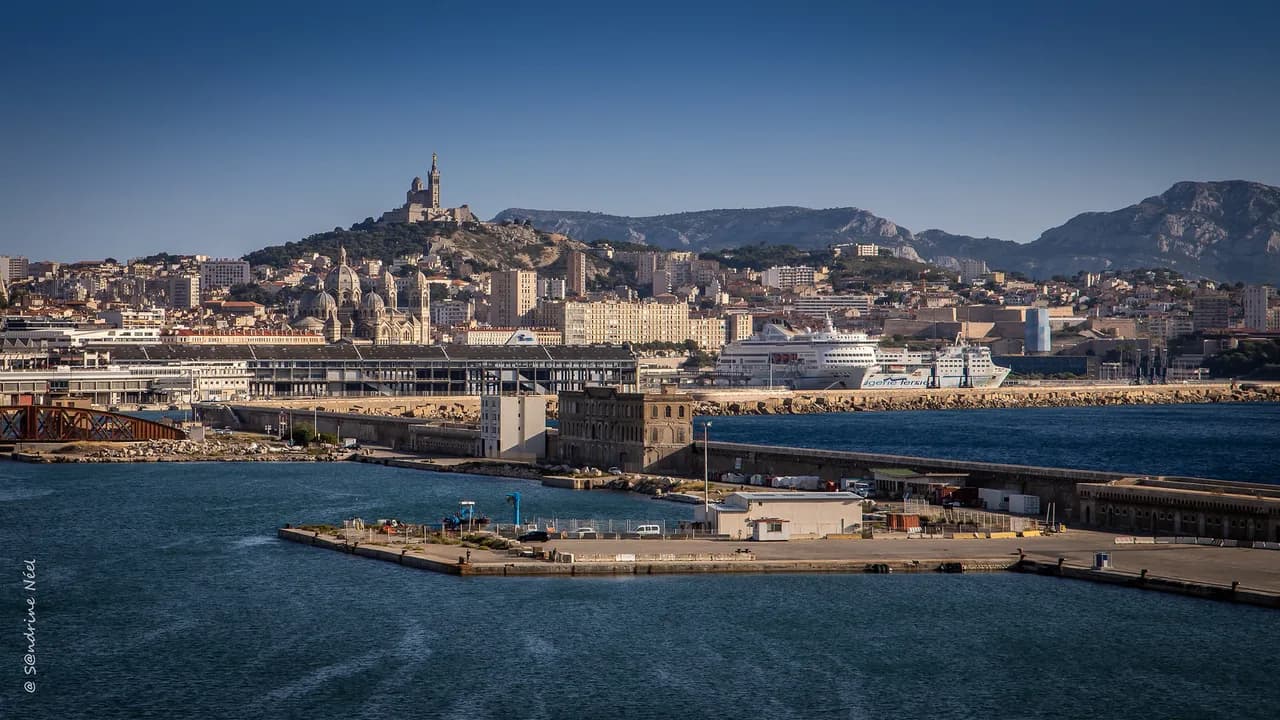
Marseille functions as a gateway rather than a wine district. The city has no appellation of its own; the vineyards start east along the coast toward Cassis, west toward Bandol, and inland around Aix-en-Provence and Mount Sainte-Victoire. That geography shapes everything about a tasting day here, from how long you need to which wines you will actually drink.
The practical consequence is that a car or an organised tour does most of the work. Estates sit in villages and along coast roads that public transport serves only partially, and few are within walking distance of each other. This guide sets out the appellations by style, the transport trade-offs, and the booking habits that decide whether a day goes smoothly.
Why Marseille Works as a Wine Base
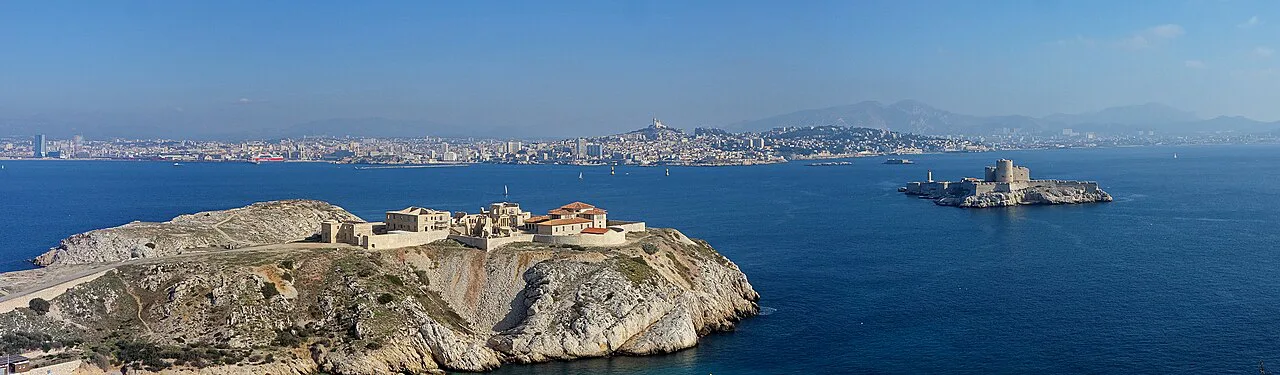
Treat Marseille as a launch point, not a destination for vineyard walks. The old port is the hub, and the two classic coastal routes both start from the city: the Calanques road east to Cassis, and the coastal autoroute west toward Bandol and Le Castellet. Both are short enough to reach in under an hour outside rush hour, which makes a full day out realistic even on a short trip.
The wider Provence wine country opens up quickly too. The limestone ridges around Mount Sainte-Victoire, the Coteaux d'Aix-en-Provence zone, and the inland Coteaux Varois en Provence all sit within a comfortable driving radius, so a single base can cover several appellations across two or three days. Plan by wine style first and distance second.
The Local Wine Map: What Grows Where
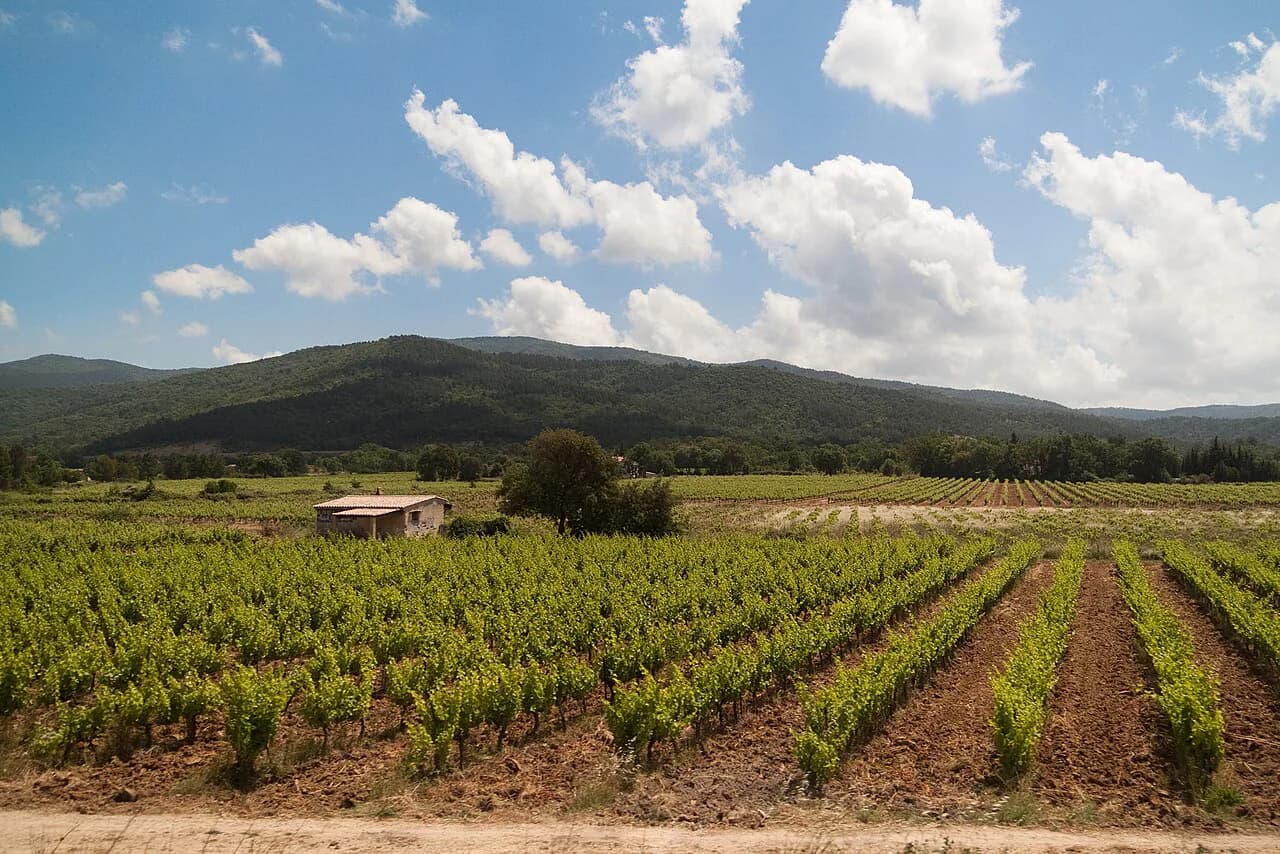
Cassis, the closest coastal appellation, is best known for white wines made largely from Marsanne, Clairette and Ugni Blanc, grown on terraced limestone amphitheatres above the sea. Bandol, further west, builds its reputation on Mourvèdre: structured reds that age well and a rosé with more depth than most. Between them lies the broader Côtes de Provence zone, which produces the pale, dry rosé most visitors picture.
Inland, Coteaux d'Aix-en-Provence and Côtes de Provence Sainte-Victoire mix reds, whites and rosé from Grenache, Syrah, Cinsault and Rolle, with cooler limestone sites favouring fresher styles. If you prefer structured reds, head for Bandol; for elegant whites, Cassis; for a rounded introduction to Provençal rosé and red, the Sainte-Victoire and Aix zones are the easiest entry point.
Cassis: The Closest Coastal Appellation
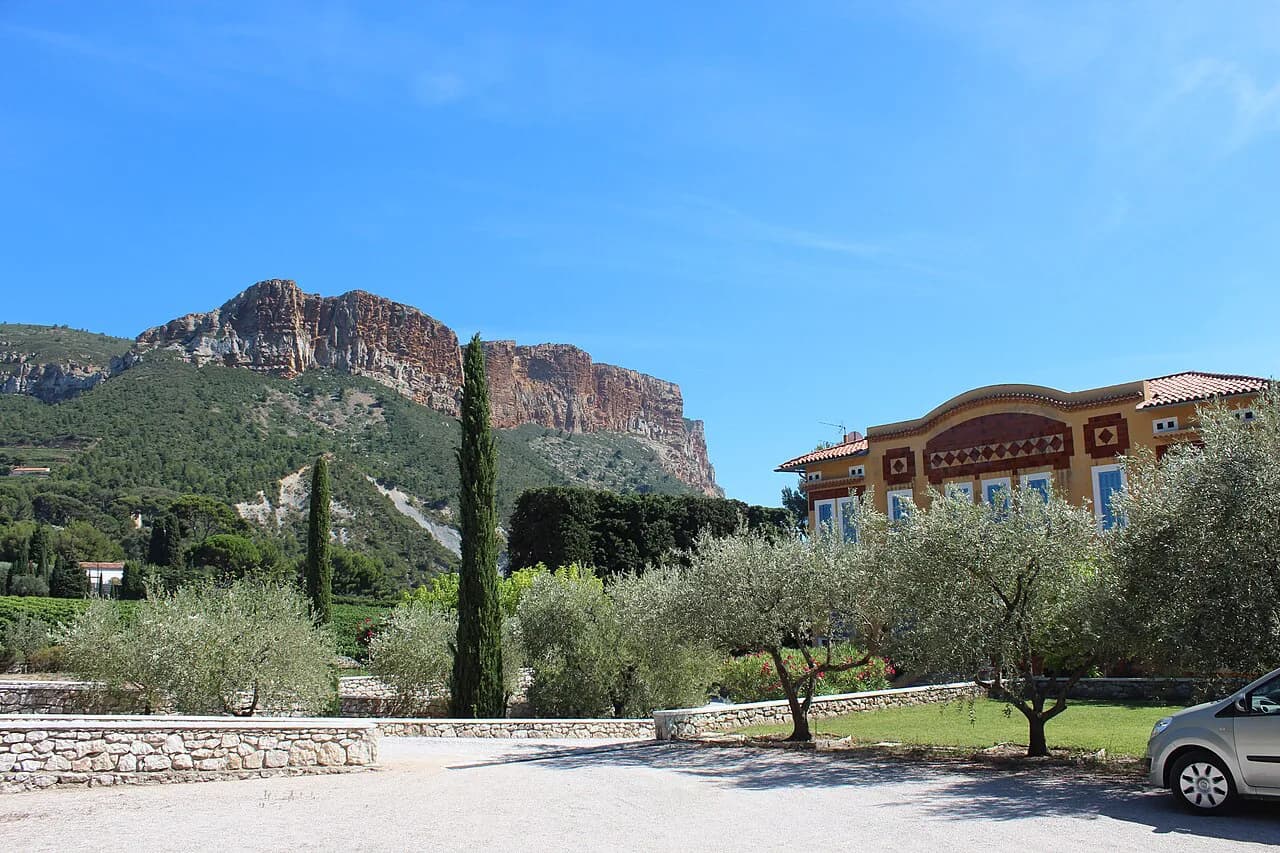
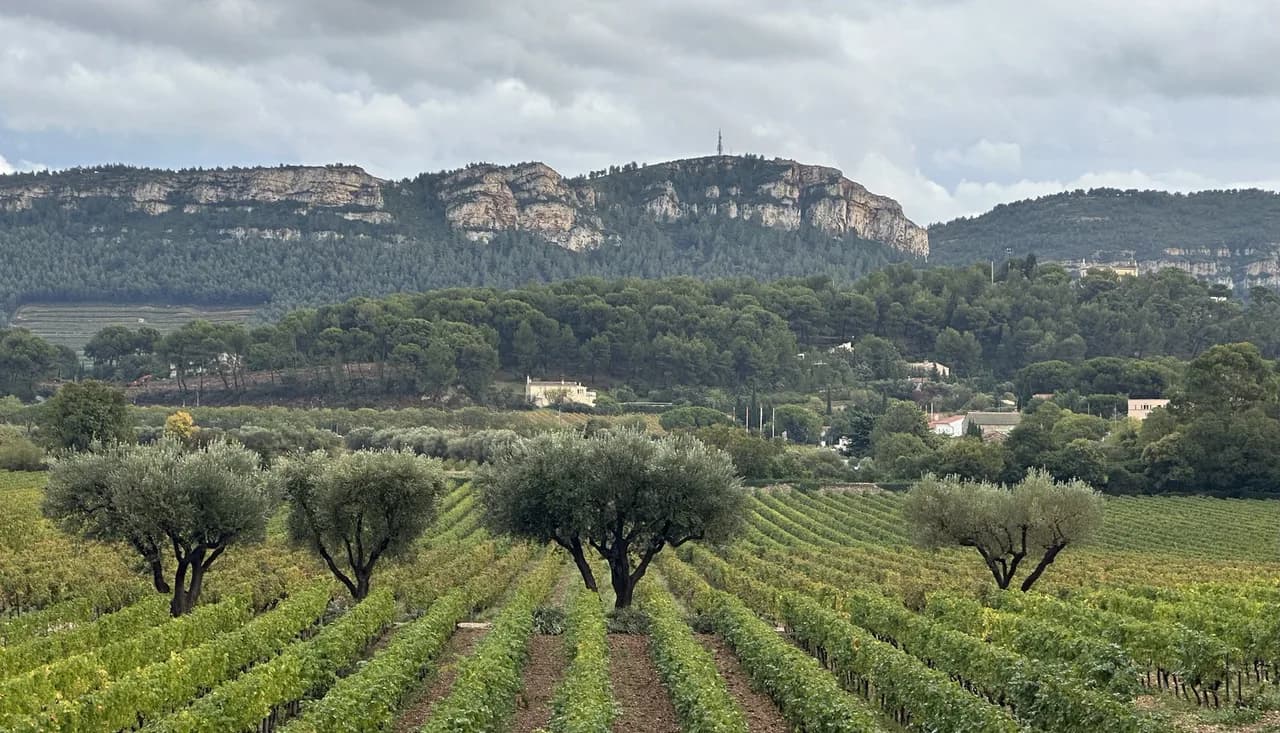
Cassis vineyards sit on steep terraces within sight of the sea and the fjord-like inlets of the Calanques National Park, which makes the town a natural half-day target from Marseille. Visits to the small estates are generally arranged in advance rather than on impulse; the houses are family-scale and a tasting room is rarely staffed for drop-ins. Email or phone ahead, state your party size, and ask what the visit covers.
A typical Cassis visit pairs a short cellar walk-through with a tasting that includes both whites and the local rosé, though the mix varies by estate. Ask when booking whether the appointment includes a vineyard walk, how many wines are poured, and whether a fee is charged or waived against purchase. The answers differ enough between houses that an unannounced arrival is a gamble.
Bandol: Mourvèdre Country and a Full-Day Plan
Bandol lies further west, past La Ciotat and Saint-Cyr-sur-Mer, and the extra distance pushes it into full-day territory if you also want a cellar visit and lunch. The appellation is defined by Mourvèdre, which needs the heat and coastal exposure here to ripen, and the resulting reds are among the most serious in Provence. Rosé from Bandol carries similar weight and is worth tasting alongside the reds.
Grouping works well: pair a Bandol estate with the hill village of Le Castellet, and you have a coherent loop with time to sit down for lunch. Book cellar visits directly with each estate, and confirm whether a tasting fee applies and whether the visit includes the ageing cellars, since those details determine how long to allow at each stop.
Tour Versus Independent Travel
A small-group tour takes the driving and the booking off your hands, and the best versions include a knowledgeable guide who explains appellations and viticulture between stops. The trade-off is fixed scheduling and a set roster of estates rather than the one house you had specifically wanted. For a first visit or a short trip, a tour is usually the more efficient choice; for return visits with a target list, independent travel wins.
If you go independently, you need a car and a non-drinking driver, or a taxi hired for the day. Estimates from local operators put a half-day at roughly two estates and a full day at three with lunch, which is a sensible frame for planning. Compare what each tour includes in terms of tastings, cellar tours and food before choosing on price alone.
Published Tour Pricing as a Planning Anchor
Provence Wine Tours, an operator registered with Atout France and the French transport ministry, publishes indicative starting prices on its site: small-group departures from Aix-en-Provence from 89 euros, from Marseille from 105 euros, and shore excursions from 135 euros, with private tours quoted on request. Those figures are useful for setting a budget band, and they signal the gap between group and private formats.
The same operator describes itineraries built around Coteaux d'Aix-en-Provence, Côtes de Provence Sainte-Victoire, Baux de Provence and the wider Côtes de Provence, which shows how a tour day is typically assembled by appellation rather than by single estate. Read the inclusions line closely: pickup points, number of estates and whether tasting fees are covered vary between products and change with the season.
Getting to the Vineyards Without Driving
Trains run from Marseille to Cassis and onward toward Toulon and Bandol, which makes the towns reachable, but stations sit below the vineyard terraces and no useful bus links the estates to one another. You can take the train and then a taxi from the station, but you will need to arrange the return, so book the taxi or agree a pickup time before you start tasting.
Bicycles work for confident riders on the quieter lanes around Cassis and the Bandol hinterland, though the coast road is busy and the gradients are real. A guided tour remains the only option that removes the driving question entirely while covering several estates in a day. Whichever you choose, the person at the wheel should not taste: use the spittoons that tasting rooms provide, or book a tour or a designated driver.
Booking Practicalities: Appointments, Party Size and Harvest
Provençal estates work largely on appointments, and small houses may set a minimum party size or a fixed slot for English-language visits. When you write, give the date, the number of people, whether anyone is driving, and whether you want a cellar tour or just a tasting; those four details usually settle the arrangement in one exchange. Confirm the meeting point and parking, since rural addresses are often signed only at the entrance.
Harvest in Provence generally falls in late August and September for rosé and whites, with red varieties following into early autumn. That period is atmospheric but busy, and some estates close their doors to visitors while the cellar is in full operation. Outside harvest, winter months bring quieter roads and more flexible scheduling, though fewer daily slots are offered.
Building a One-Day Itinerary from Marseille
For a half day, choose Cassis: leave Marseille in the morning, take one estate visit with a cellar tour, taste the whites and rosé, and return by early afternoon. That leaves time to see the calanques or eat by the harbour. Trying to add Bandol to the same half day means a rushed visit and a lot of time in the car.
For a full day, run west to Bandol in the morning for a Mourvèdre-focused visit, stop in Le Castellet or a coastal village for lunch, and take a second estate in the afternoon on the way back. Build in twenty minutes of slack between appointments; rural roads and unmarked turnings eat time. If you are relying on trains, pick one appellation and one town and treat the rest as a reason to return.
Tasting Etiquette in Provençal Cellars
Tastings in Provence tend to be unhurried and conversational, often poured by the winemaker or a family member rather than a dedicated hospitality team. Arriving on time matters more than dress, and asking about soils, yields and ageing shows genuine interest. Spitting is normal and expected, especially if you plan to taste more than one estate in a day.
Expect to be offered the range from white through rosé to red regardless of what you came for, and to be asked what you think rather than lectured at. If you decide to buy, ask whether the estate ships, since carrying bottles across a train journey is impractical. A small purchase is the customary thank-you for a hosted visit.
Where to Taste Provençal Wine Back in Marseille
Back in the city, wine bars and cavistes around the Vieux-Port and Le Panier pour by the glass and stock the coastal appellations, which makes a useful comparison after a day in the vineyards. Look for Cassis blanc and Bandol rouge on the list, and ask the staff which estates they buy from; the answer often points you toward a small producer you would not find on a tour.
Plan Your Visit
Start with the wine you want to drink and let the map follow: whites and coastal scenery mean Cassis, structured Mourvèdre means Bandol, and rosé with an easy day out means the Sainte-Victoire and Aix country. Book estate visits directly and early, and decide on a tour versus a car based on how many houses you want in a single day.
A quick cross-check against the neighbouring regions helps if you are extending the trip: wine tasting in Aix-en-Provence uses the same limestone hills, while wine tasting in Avignon opens the Rhône Valley to the north. Wherever you go, verify current prices, opening arrangements and availability directly with the operator or estate before you travel, as these change with the season.
More wine guides from Marseille
Frequently Asked Questions
What is a famous wine from Marseille?
Marseille has no appellation of its own, so the wines associated with the city come from nearby zones: Cassis whites from the coast to the east, Mourvèdre-based Bandol reds and rosé to the west, and Côtes de Provence rosé from the wider region. When you order in a Marseille wine bar, ask which of these the list is pouring.
What are the best vineyards near Marseille?
Cassis is the closest coastal appellation and suits a half day; Bandol, further west, rewards a full day with cellar visits and lunch. Inland, the limestone country around Mount Sainte-Victoire and Coteaux d'Aix-en-Provence offers a broad mix of reds, whites and rosé. Choose by the style you want to drink, then check travel time.
Is Cassis wine tasting worth it from Marseille?
Yes, if you want white wine and coastal scenery in a compact trip. The terraced vineyards sit above the town and the Calanques, and a single estate visit fits comfortably into a morning. Visits are usually by appointment, so arrange yours before you set out rather than turning up at the gate.
Do you need a car for wine tasting around Marseille?
Not necessarily, but public transport will not link the estates. Trains reach Cassis, Toulon and Bandol, and taxis can cover the last stretch, but you must pre-arrange the return. A small-group tour removes the driving entirely, which is the simplest option for a first visit.
How much does a Provence wine tour from Marseille cost?
Provence Wine Tours lists indicative starting prices on its site, with small-group departures from Aix-en-Provence priced below those from Marseille, and shore excursions higher again; private tours are quoted on request. Compare what each product includes, since pickup, estate count and tasting fees differ.
When is harvest season in Provence?
Harvest generally runs from late August through September, with whites and rosé picked first and red varieties following into early autumn. Some estates limit visitor access during picking and pressing, so ask about cellar availability when you book. Outside harvest, winter offers quieter roads and fewer daily slots.
Sources
Notes for your next wine trip
Optional updates to our winery and wine-town guides.
You might also like

Continue reading
More guides you'll find useful