Château de Fontcreuse Tasting Guide: Marseille Day Trip
Plan a visit to Château de Fontcreuse in Cassis from Marseille: how the tasting and sales desk works, the Marsanne-led white, and car or train options.
On this page
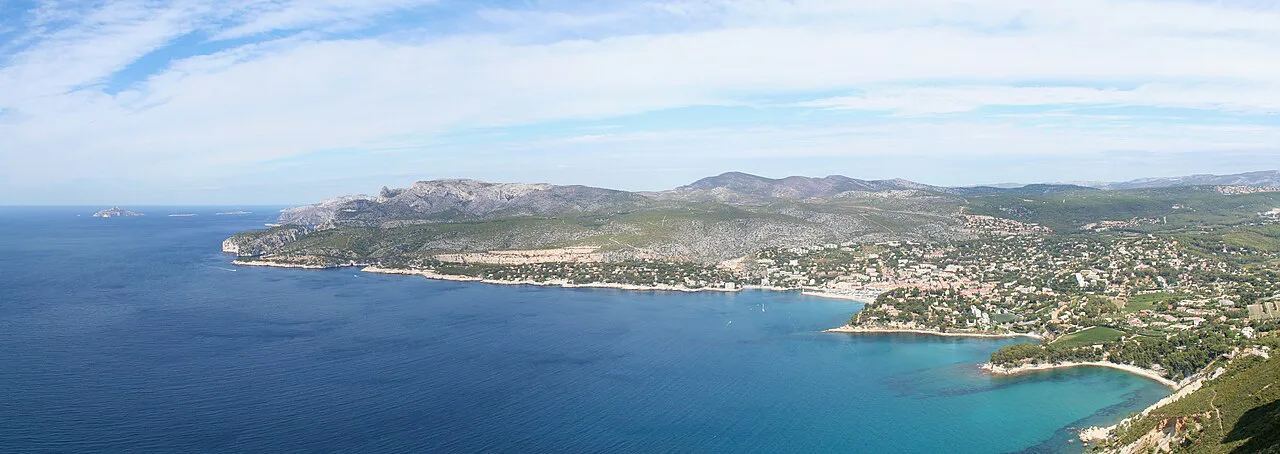
Cassis is a small fishing town east of Marseille with a wine appellation of its own, and Château de Fontcreuse is one of the estates that built its reputation. The château sits at 13 Route Pierre Imbert, close to the town's landing stage, so it works as a wine stop even on a short coastal day. This guide covers what the property offers visitors, what the wines are made from, and how to reach it from Marseille without turning the trip into a driving day.
A 28-Hectare Estate at the Foot of the Couronne de Charlemagne
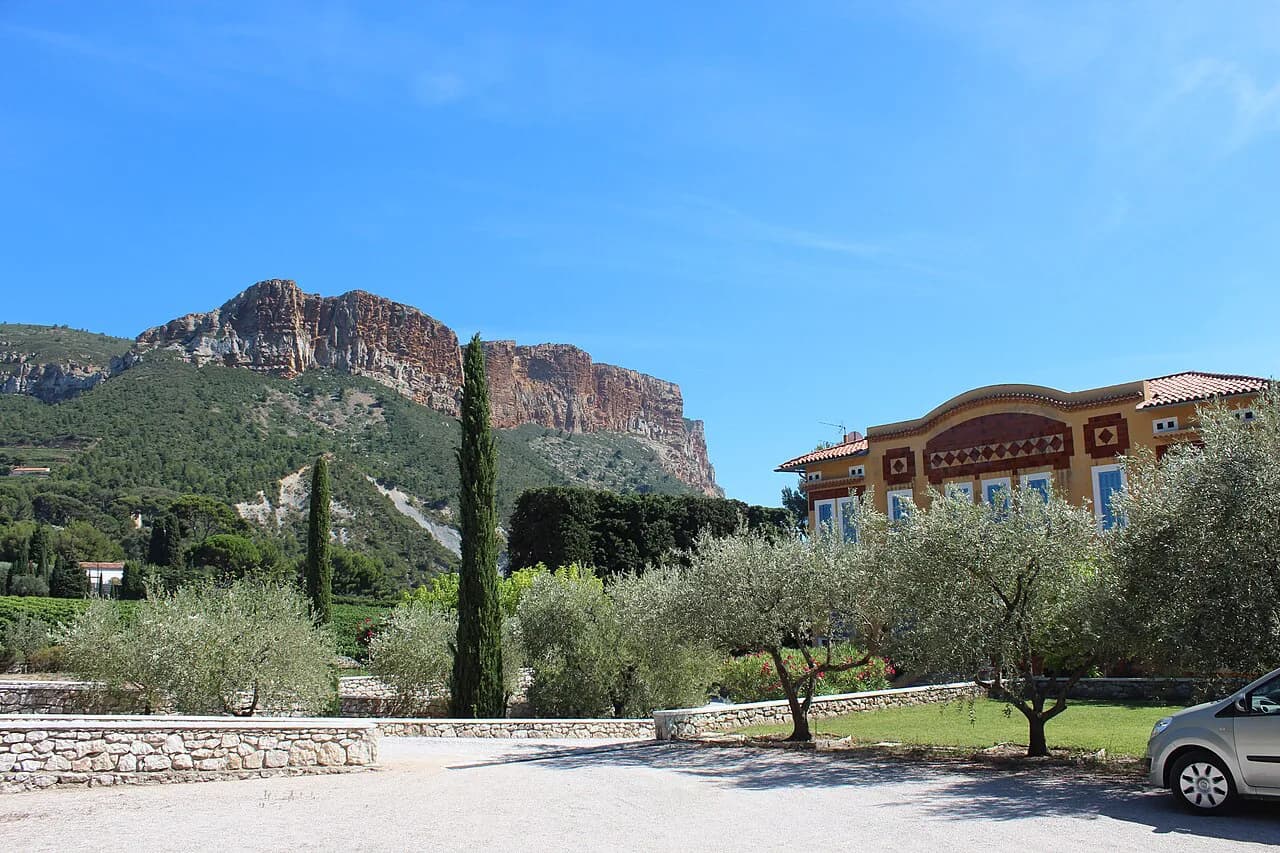
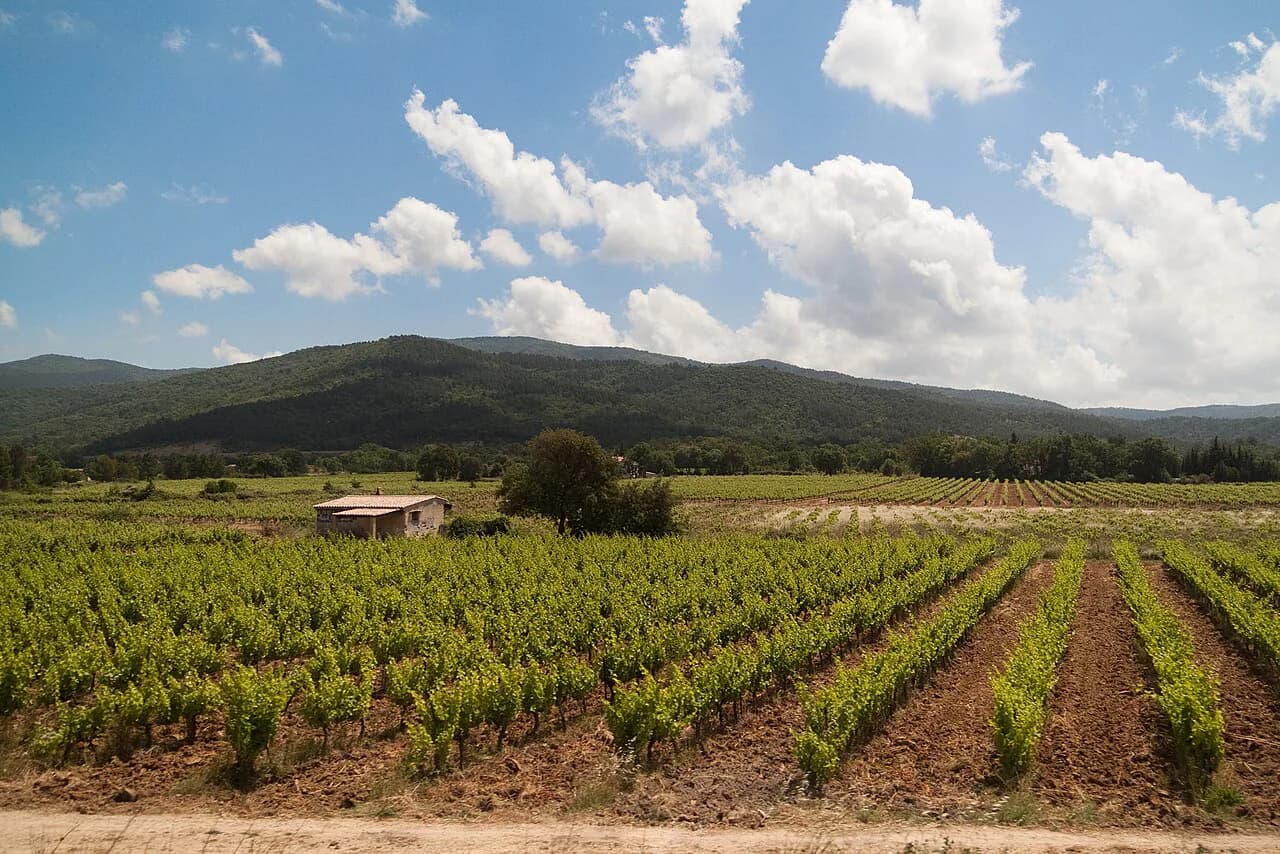
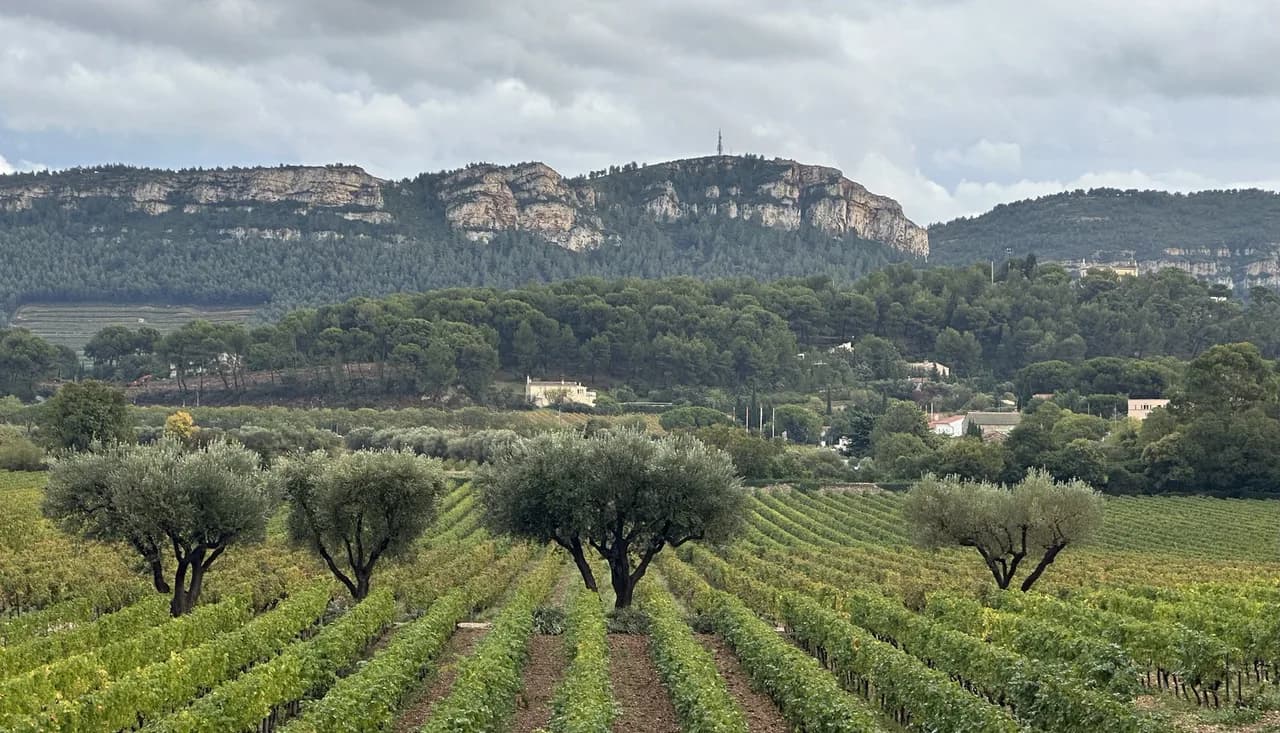
Fontcreuse farms 28 hectares below the Couronne de Charlemagne massif, on clay-limestone soils over cretaceous rock with a north-east to north-west exposure. That cool orientation is unusual in Provence and is the estate's stated reason for making small volumes of fresh white wine rather than chasing ripeness. Yields are kept low, with the property citing whites at rarely more than 40 hectolitres per hectare and reds limited to 30.
The château itself was completed in 1700 and only shifted to viticulture in 1922, when a British colonel bought the property and set out to make a great white wine. Marsanne is the grape that defines the house style, supported by Clairette and Ugni Blanc, with Grenache and Cinsault for rosé and Syrah and Caladoc for red. If you are comparing estates around Marseille, this is the place to understand how a north-facing site changes the local white, and our guide to wine tasting in marseille maps the other appellations worth your time.
Where Fontcreuse Sits in Cassis
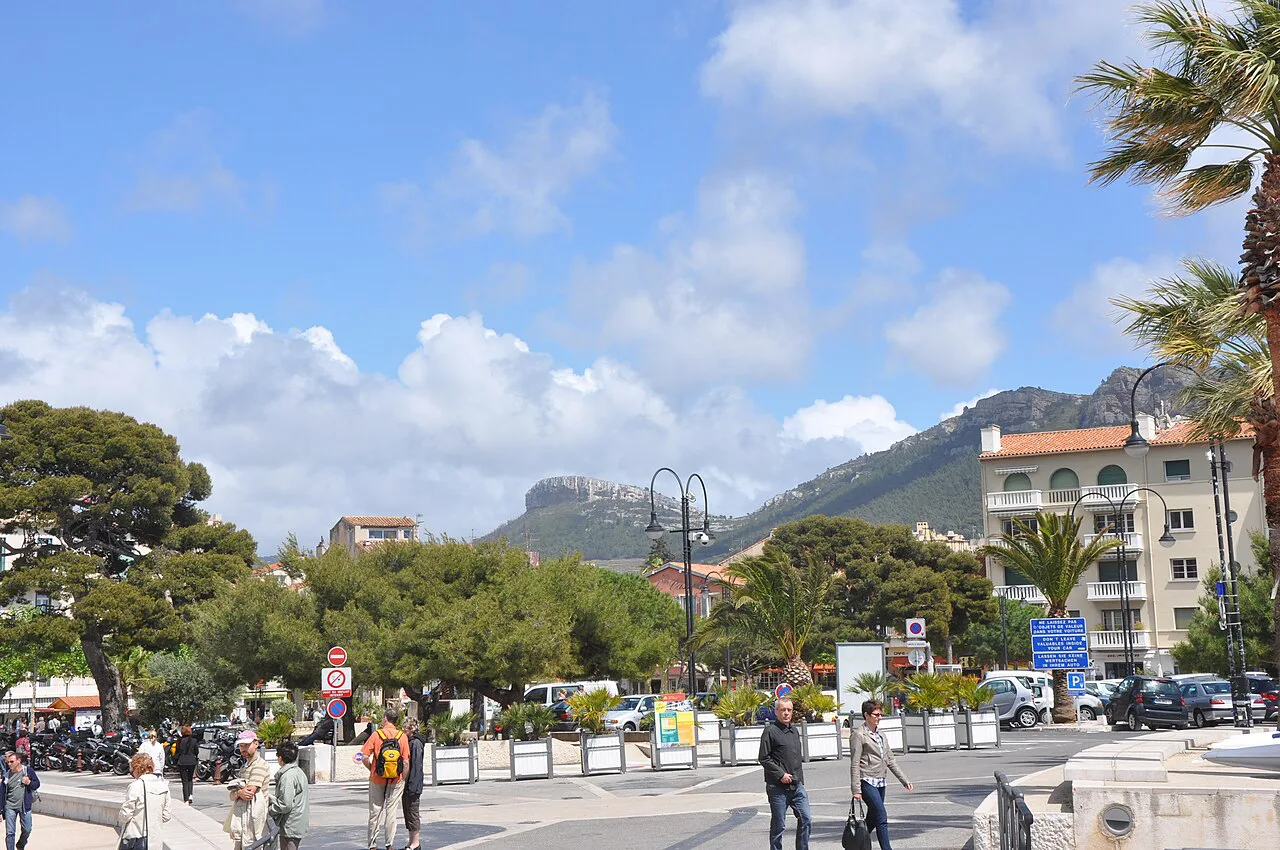
The address is 13 Route Pierre Imbert, 13260 Cassis, and the regional tourism listing places the property in the station district, close to a motorway access and under 500 metres from a landing stage. That last detail matters if you arrive by boat or shuttle rather than by road. The listing also notes a car park, which is useful if you drive over from Marseille.
Cassis is compact enough to combine the estate with the port, the beach and a boat trip into the Calanques National Park, the limestone inlets that define this stretch of coast. A sensible shape for the day is a morning tasting, lunch in town and an afternoon on the water or on the coastal paths. If you want more wineries in the same outing, our marseille wineries page sets out what else receives visitors within reach of the city.
The Wines: Marsanne-Led White, Grenache Rosé, Syrah Red
The white is the reason to come. Fontcreuse builds it on roughly 60 percent Marsanne, 15 percent Clairette and 25 percent Ugni Blanc, producing about 110,000 bottles a year, and the estate describes the Marsanne as giving roundness and length while Clairette brings freshness and Ugni Blanc a fine edge of acidity. For a Provence white, that is a fuller, more structured style than the pale Clairette-led blends you meet further west.
The rosé is a Grenache and Cinsault blend, the classic Provençal pairing, and the red combines Syrah with Caladoc, a crossing that softens the tannic frame. Volumes are modest, at around 40,000 bottles of rosé and 25,000 of red each year, so availability by vintage varies. Whites and rosés are picked by hand from the end of August, with reds also hand-harvested, which is the point in late summer when the estate is at its busiest in the vines.
What the Visit Actually Involves
The property offers presentation, tasting and sale of its vintages, and the regional tourism board lists entry as free. That is the confirmed shape of a stop: you turn up at the sales desk, taste through what is open and buy bottles if you like them. The listing does not publish tasting durations, the number of wines poured or any food pairing, so treat those as things to settle when you make contact rather than expectations to plan around.
The tourism listing also shows parking, pets welcome and access for disabled visitors, plus an organic certification for the vineyard, which is handy if you are traveling with a dog or need step-free access. What it does not give is a reliable set of opening hours, flagging the times as unsecured, so a quick call ahead is the practical move before you commit a morning to the trip. The estate's own site and the tourist office listing both carry contact details.
Appointment or Walk-In, and What to Ask
Small Provençal estates commonly receive casual tasters at the sales desk but ask larger parties to book, and Fontcreuse publishes no fixed rule either way. When you call or email, ask three things: whether the desk is open on your date, how many wines are typically open, and whether a group of your size needs a set time. Mention if you want to see the cellar or the vines, since those requests are handled case by case rather than as a standard tour.
If you are a group of six or more, or you want an English-language walkthrough of the Marsanne and Clairette blend, book rather than gamble on a walk-in. The estate's site is the place to send that request, and it pays to write in advance during September, when picking is under way and staff are stretched between the vines and the desk.
Prices, Bottle Costs and Budgeting
Entry is free, which covers the tasting itself, but there is no published cellar-door price list for the bottles in the tourism listing. For budgeting, a UK importer currently lists Fontcreuse wines in a retail range that starts just under thirty pounds a bottle, which gives you a rough sense of what the wines are worth before import and shipping are added. Expect cellar-door prices to sit below that benchmark, and confirm the current rate at the desk.
Payment at the property is listed as accepted by bank card, cheque and cash, so a card is fine for bottle purchases. If you are flying home from Marseille, remember that checked luggage is the realistic way to carry wine, and ask the estate to pack bottles for air travel. That small request saves a lot of grief at the airport.
Getting There from Marseille Without Driving
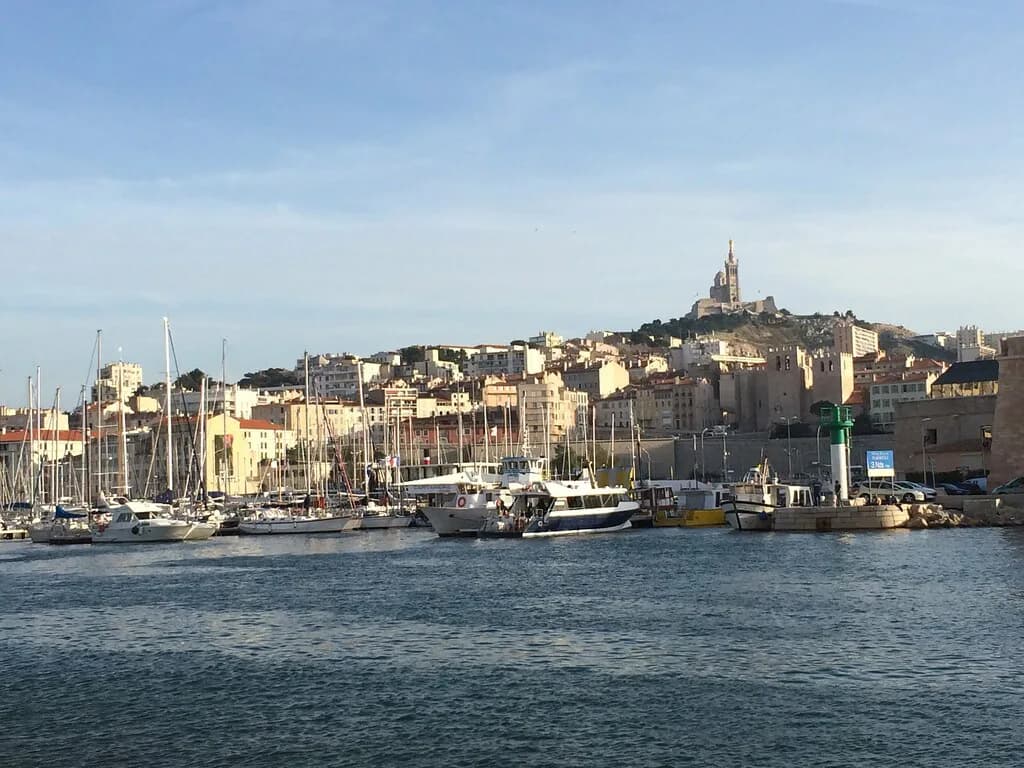
Cassis has its own rail line from Marseille, and the station district location of Fontcreuse means the estate is within reach of the train rather than stranded in open country. From the station, a short taxi ride or a walk into town gets you to Route Pierre Imbert. The regional tourism listing also flags a landing stage within 500 metres, so a boat or shuttle from Marseille's vieux port is a genuine alternative in season.
The trade-off is time and flexibility. Train plus taxi is the low-hassle option and lets everyone taste, while a half-day car hire gives you the coast road and the freedom to stop at other estates on the way back. If you would rather hand the logistics to someone else, marseille wine tours cover the region with a driver, which removes the designated-driver problem entirely.
Building a Full Day Around Cassis
Fontcreuse is a natural anchor for a Cassis day rather than a destination on its own. Pair the tasting with the port, a calanque boat trip and a seafood lunch, then head back to Marseille in the late afternoon. If you have a second wine day, the Côtes de Provence and Bandol appellations lie along the coast to the west and east respectively, each with estates that receive visitors, and wine tasting in Aix-en-Provence covers the inland estates if you would rather head north than along the coast.
Bandol is the other obvious extension for red-wine drinkers, with Mourvèdre-based wines that reward a cellar visit. Our bandol wineries guide covers which estates open their doors, and domaine tempier is the reference point in the appellation for many travelers planning a comparison. Allow a separate day for it rather than trying to bolt Bandol onto Cassis.
Harvest Timing and When to Go
Picking at Fontcreuse starts at the end of August for whites and rosés, when the grapes reach the ripeness the estate wants, and everything is brought in by hand in small crates. That makes late August and September a lively time to visit but also a distracted one, since the team is split between the vines and the tasting desk. Early summer and October are calmer, and spring gives you the vines in leaf without the crowds.
Judge the visit by what you want from it. If seeing harvest matters, aim for September and accept that the welcome may be brief; if you want unhurried conversation about the Marsanne blend, come outside the picking window. Either way, check the current hours before you set out, since the listing flags them as unsecured.
Sensible Tasting Logistics
Someone in your party should stay off the wine if you are driving. Use the spittoons at the desk, nominate a designated driver, or take the train and a taxi so nobody has to choose between the glass and the road. Public transport back to Marseille also makes a long lunch in the port entirely reasonable.
Plan Your Visit
Fontcreuse rewards travelers who treat it as a wine stop within a Cassis day rather than a full-scale château tour. Free entry, a Marsanne-led white that stands apart from most Provençal whites, and a location close to both the station district and the landing stage make it an easy addition to a coastal itinerary from Marseille. Call ahead for hours, ask about group size if you are several, and budget for bottles rather than for the tasting.
Frequently Asked Questions
Can you taste wine at Château de Fontcreuse without an appointment?
The estate offers presentation, tasting and sale of its vintages, and the regional tourism board lists entry as free, which points to a sales-desk visit rather than a ticketed tour. No fixed walk-in rule is published for groups, so call or email before a large party turns up. Ask on that call whether the desk is open on your date and how many wines are typically open.
How much does a Fontcreuse tasting cost?
Entry to the property for presentation, tasting and sale of the wines is listed as free by the regional tourism board. Bottle prices at the cellar door are not published in that listing, so ask for the current list when you arrive. As a budgeting benchmark, a UK importer lists Fontcreuse wines in a retail range that starts just under thirty pounds a bottle, which includes import costs.
What grapes go into the Fontcreuse white?
The white is built on roughly 60 percent Marsanne, 15 percent Clairette and 25 percent Ugni Blanc, according to the estate. Marsanne gives roundness and length, Clairette freshness and persistence, and Ugni Blanc a fine edge of acidity that holds the blend together. The rosé is Grenache and Cinsault, and the red pairs Syrah with Caladoc.
How do you get to Cassis from Marseille without a car?
Cassis has its own rail line from Marseille, and the tourism listing places Fontcreuse in the station district, so a train followed by a short taxi ride or a walk into town works. In season, a boat or shuttle from Marseille's vieux port is another option, since a landing stage sits under 500 metres from the property. The train-and-taxi route leaves everyone free to taste.
When is harvest at Château de Fontcreuse?
The estate says manual picking begins at the end of August for the whites and rosés, once the grapes reach the ripeness it wants, with reds also hand-harvested. Treat that as the typical rhythm rather than a fixed date, since the start shifts with the year. Late August and September are lively but busy, so expect a shorter welcome if you visit mid-picking.
Sources
Notes for your next wine trip
Optional updates to our winery and wine-town guides.
You might also like
Continue reading
More guides you'll find useful