Marseille Wine Tours: Cassis, Bandol and Provence Day Trips
Compare Marseille wine tours by destination, group size and price, with Cassis and Bandol options and advice on going independently by train or bus.
On this page
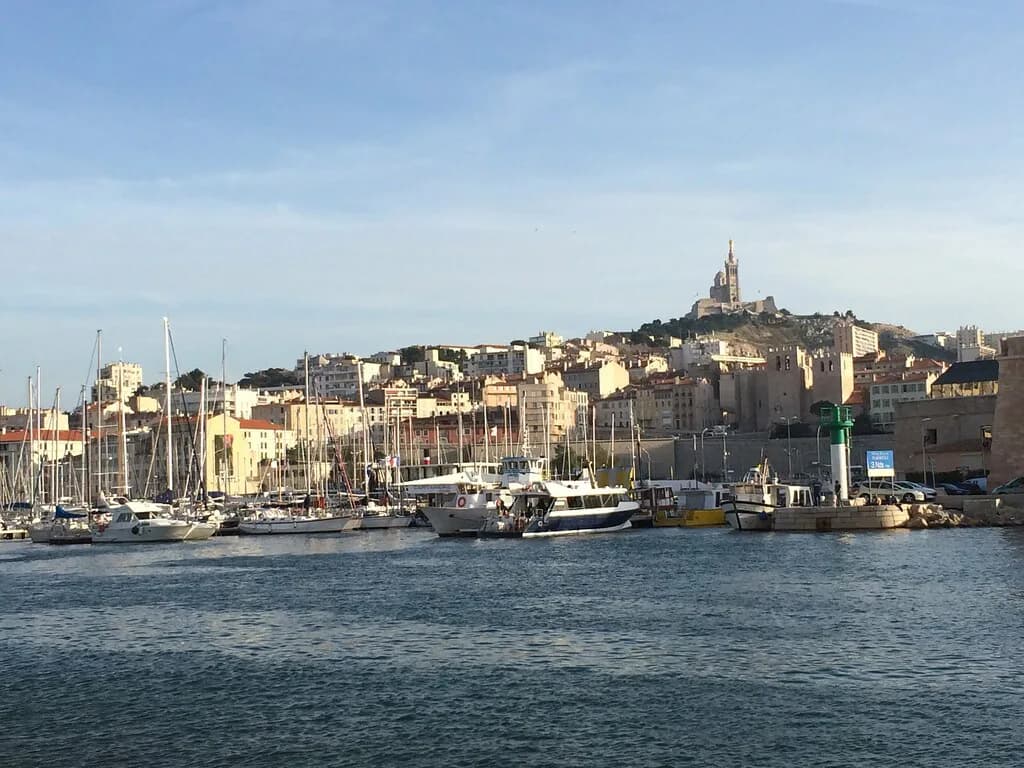
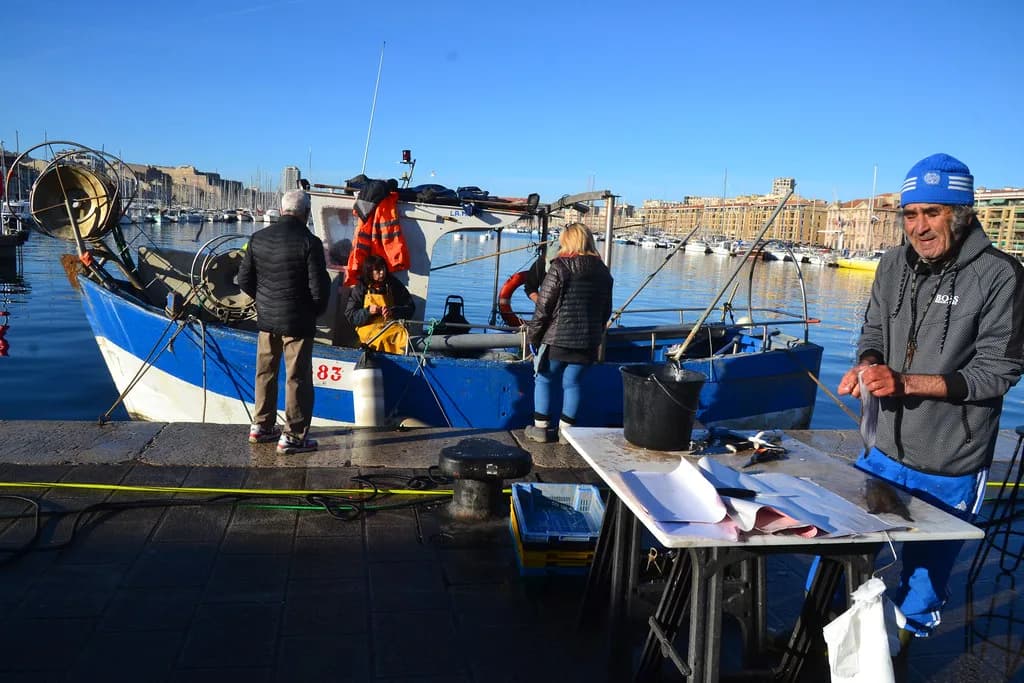
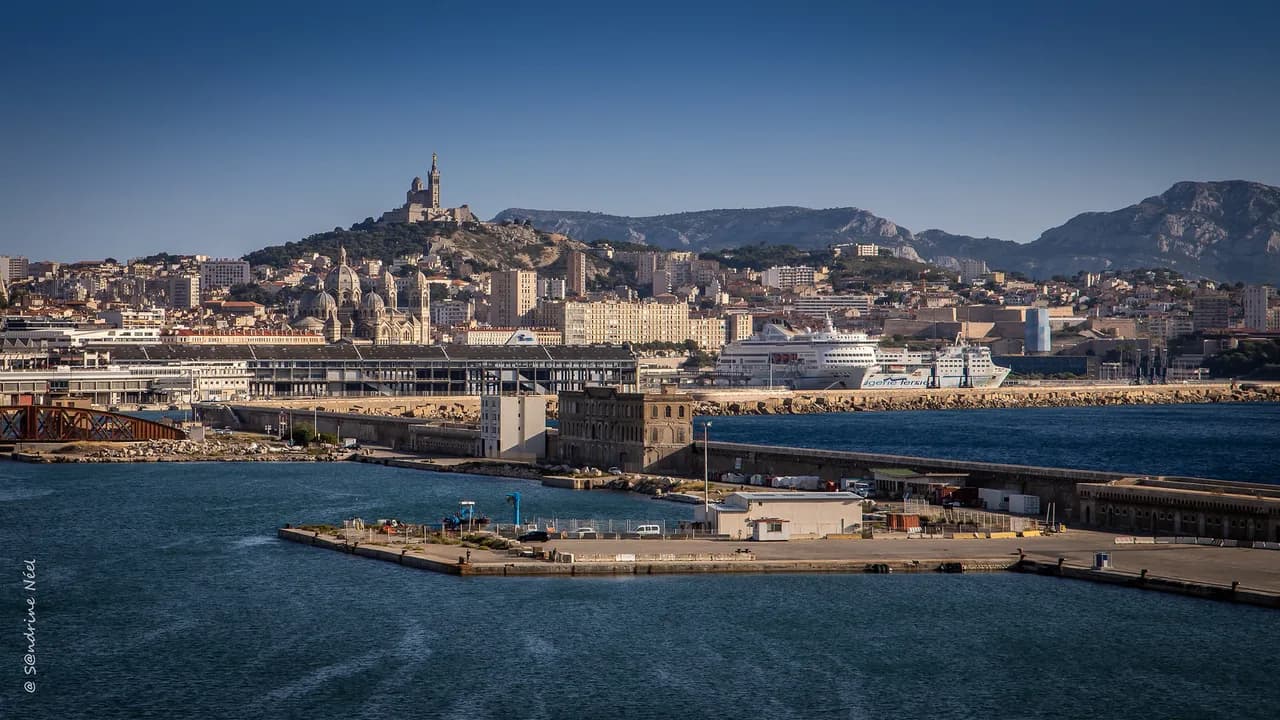
Marseille is a working port city with no appellation of its own, which is exactly why it works as a wine-tour base: Cassis, Bandol and the inland vineyards around Aix-en-Provence all sit within a day's reach. The choice that matters most is direction, because a coastal day among Cassis and Bandol estates tastes very different from an inland loop through Sainte-Victoire. Use this guide to pick the geography first, then compare operators, prices and meeting points.
Why Marseille Works as a Wine-Tour Base
The city itself has no vineyards to visit, so every wine day from Marseille involves a transfer of some kind — by road, rail or organized minibus. What the city does offer is a compact set of appellations within roughly an hour or two of the port: Cassis to the east, Bandol further along the coast, and the Coteaux d'Aix-en-Provence and Côtes de Provence Sainte-Victoire zones inland behind Aix. That geography shapes the tours more than any operator's marketing does.
Operator coverage reflects this: Provence Wine Tours runs small-group and private days from Aix-en-Provence, Marseille, Toulon, Avignon and Nice, and lists Coteaux d'Aix-en-Provence, Côtes de Provence Sainte Victoire, Côtes de Provence, Coteaux Varois en Provence and Baux de Provence among the appellations it covers. Booking platforms such as GetYourGuide and Tripadvisor aggregate many of the same Marseille and Provence departures, which makes them useful for comparing dates and group sizes side by side.
Coastal Versus Inland: The Two Main Directions
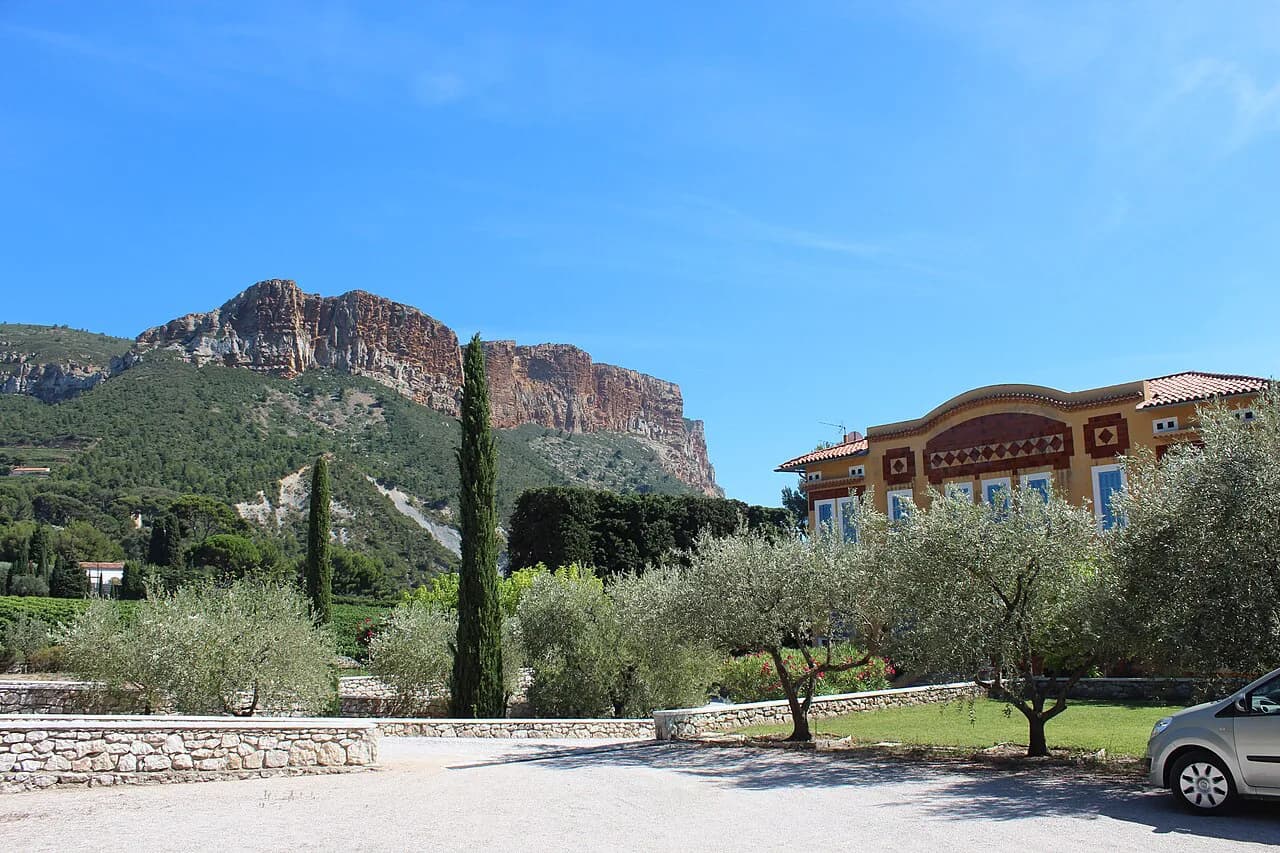
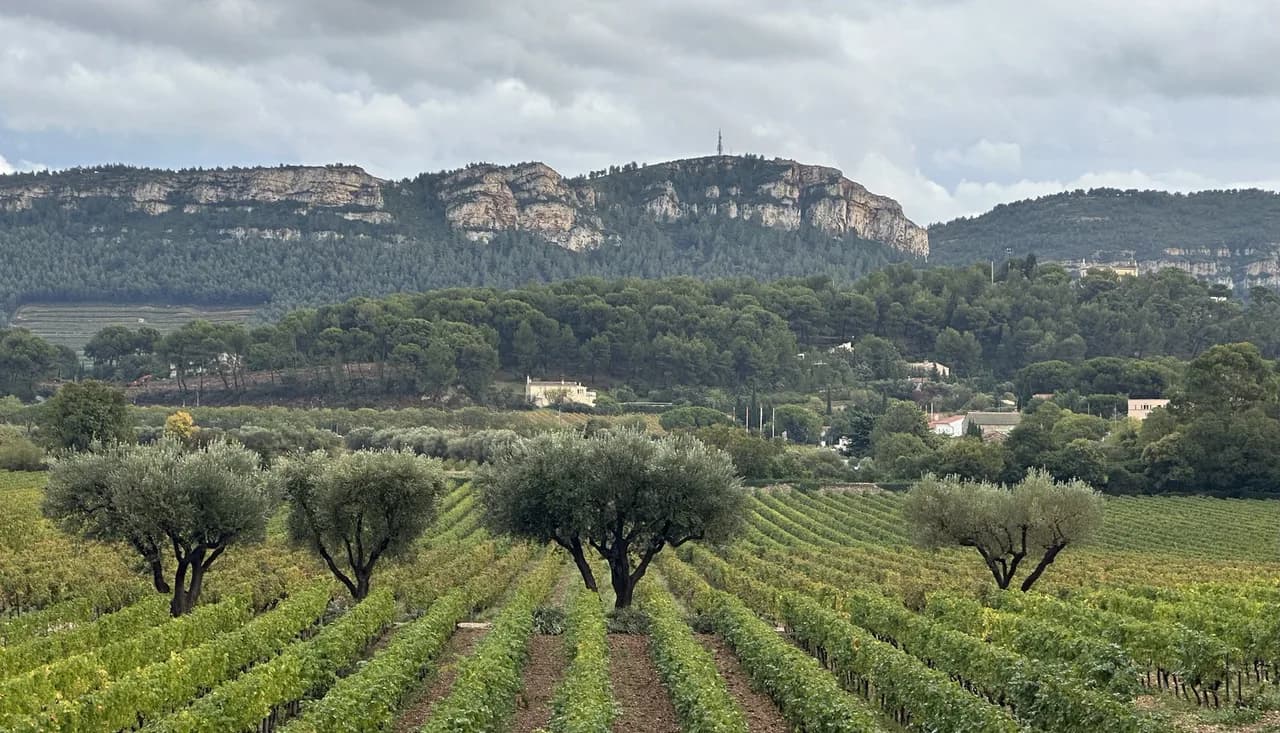
Coastal tours head east through the calanques toward Cassis and, on longer itineraries, on to Bandol and Le Castellet. The draw is scenery as much as wine: limestone cliffs dropping into the sea, a fishing port, and vineyards pressed against the coast. Inland tours run northeast to the Sainte-Victoire massif and the Coteaux d'Aix-en-Provence, where the landscape is vineyards, olive groves and the mountain that Cézanne painted.
The practical difference is travel time and how many stops fit into a day. A Cassis-focused tour keeps drives short and leaves room for the village; a combined Cassis-Bandol itinerary spends more of the day in the vehicle but covers two distinct appellations. Inland days from Marseille usually start with a longer run to the Aix area, which is why many operators meet clients in Aix-en-Provence rather than collecting them in Marseille.
What Cassis and Bandol Tours Typically Cover
A typical coastal day combines a cellar visit and commented tasting at one or more estates with a stop in a village for lunch or free time. Provence Wine Tours describes its format as small-group or private days with a wine-expert guide, cellar visits, discussion of grape varieties and terroirs, and tastings of white, rosé and red wines from selected estates. Treat the exact number of wineries as something to confirm on the specific listing, since itineraries vary by date and by operator.
Cassis is the smallest of the major Provence appellations and is best known for white wines from Clairette and Marsanne, with rosé and a little red alongside. Bandol, a short drive further west, built its reputation on Mourvèdre-based reds that reward bottle age, plus structured rosé. Knowing which of those two styles you actually want to drink is the fastest way to choose between a Cassis day and a Bandol day.
Inland Days: Sainte-Victoire and Coteaux d'Aix-en-Provence
Many Provence wine tours leave from Aix-en-Provence rather than Marseille, and that matters if you are staying in the city. You may need to reach Aix by regional train or bus before the tour starts, adding an early departure and a return leg to your day. When comparing listings, check the stated meeting point and start time before you look at the price, because a cheaper tour from Aix can cost more once you add the transfer.
The inland appellations reward travelers interested in terroir rather than sea views. Coteaux d'Aix-en-Provence and Côtes de Provence Sainte-Victoire both produce the region's familiar pale rosé, along with reds and whites; the limestone soils and elevation around the Sainte-Victoire massif are the usual talking points in tastings. If you want a day that is about vineyards and mountains rather than a coastal village, pick this direction.
Small-Group Versus Private Tours
Small-group tours keep costs down by sharing the vehicle and guide, and the group size is usually the main quality difference between operators. Private tours cost more but let you set the pace, choose the appellation, and combine wine with sightseeing such as the calanques or a specific village. Provence Wine Tours lists small-group departures from Aix-en-Provence and Marseille alongside private tours priced on request, so the private option is quoted rather than fixed.
For cruise passengers, the decisive factor is whether a tour offers port pickup and a shore-excursion format timed to the ship's schedule. Independent travelers arriving by ship have little margin for a missed return, so a tour designed around the port is usually the safer choice than assembling a day from scratch. Look for a listing that names the port of Marseille specifically, not just 'Marseille pickup'.
Prices and What Is Included
Provence Wine Tours publishes starting prices of €89 for small-group tours from Aix-en-Provence, €105 for small-group tours from Marseille and €135 for shore excursions, all described as 'from' figures that rise with the itinerary and season. Use those numbers as a benchmark for the market rather than a quote for your date. When a listing shows a lower headline price, check whether tasting fees, lunch and entry to estates are included or billed separately.
Tasting fees at individual estates are often folded into a tour price, which is one reason a guided day can compare well with driving yourself and paying cellar-door fees at each stop. Read each listing's 'what's included' section line by line: transport, guide, tastings, cellar visits and lunch are separate items across operators. Aggregator pages such as the Marseille wine-tasting category on GetYourGuide make those inclusions easier to compare across operators in one place.
Booking and Cancellation Basics
Late spring through September is the busiest window, and small-group seats on weekend dates sell out first; book several weeks ahead for summer and earlier still if your dates coincide with harvest, when estates are busy with picking and press capacity is limited. Private tours are more flexible but need notice so the company can confirm estates and a guide. Ask about the cancellation window and minimum party size at the time of booking, since these vary by company and by tour type.
Doing It Yourself: Trains, Buses and the Driver Problem
Cassis and Bandol are both reachable by regional rail from Marseille, and Aix-en-Provence has frequent train and bus connections, which makes a car-free independent day feasible in principle. The catch is the last stretch: estates sit outside the village centers, taxis are scarce in the countryside, and local bus service to individual vineyards is thin. Plan to walk from a station only if you have confirmed the distance to each estate.
Someone in your party has to stay sober if you are driving, so a driver should not taste — use the spittoons, nominate a designated driver, or take a tour or public transport instead. That single constraint is the strongest argument for a guided tour from Marseille, because it lets everyone in the group taste without negotiating who abstains. The independent option works best for a single-estate visit, a short taxi ride, or a village-based day where tastings are within walking distance.
Matching the Tour to Your Wine Preferences
Rosé lovers are well served by any direction, since pale Provence rosé is poured across Cassis, Bandol and the inland appellations. Red-wine drinkers should lean toward Bandol, where Mourvèdre gives the region's most serious reds, with estates such as Domaine Tempier in Bandol long associated with the style. White-wine drinkers get the most distinctive experience in Cassis, whose Clairette-based whites have no real equivalent elsewhere in Provence.
Scenery-focused travelers should weigh the coastal route against the Sainte-Victoire route on landscape alone, since both deliver strong views and good wine. Cruise passengers should prioritize port logistics over appellation, and travelers without a car should favor tours with a Marseille meeting point. Once you have matched direction to taste and logistics, the choice of company comes down to group size, price and pickup point.
Seasonal Timing: Harvest, Lavender and Heat
Late spring brings lavender and long daylight but also the first wave of summer visitors; September combines harvest activity with cooler tasting-room conditions and fewer crowds on the coast. Harvest timing shifts with the year, and estates are focused on picking rather than hosting during the busiest days, so a September tour may see working cellars rather than a quiet tasting room. Ask the tour company what harvest means for the specific estates on your date if that matters to you.
Final Decision Checklist
Decide the direction first — Cassis and Bandol for coast and Mourvèdre, Sainte-Victoire and Coteaux d'Aix for mountains and inland terroir — then check the meeting point against where you are sleeping or docking. Compare at least two operators on group size and inclusions, and use the published starting prices as a benchmark rather than a final figure. Check the current details of your chosen tour, such as meeting times and what the price includes, with the company before you pay.
Frequently Asked Questions
Are there wine tours from Marseille without a car?
Yes. Several operators run guided small-group and private wine days with departures from Marseille, and some also pick up at the cruise port. Others start from Aix-en-Provence, which you reach by regional train or bus before the tour begins. Check the meeting point on each listing before booking.
How far is Cassis from Marseille for a wine tasting?
Cassis lies east of Marseille along the coast and is reachable by regional train as well as by road. The village and its estates are close together, but most vineyards sit outside the center, so a taxi or a guided tour solves the last stretch better than walking. Check current train times before you plan the day.
Should I book a small-group or private Provence wine tour?
Choose small-group if you want a lower per-person cost and don't mind sharing the guide and vehicle. Choose private if you want to set the pace, pick the appellation, or combine wine with sightseeing, and accept a quoted price rather than a fixed one. Cruise passengers should favor whichever option includes port pickup and a schedule built around the ship.
What wines do you taste on a Bandol wine tour?
Bandol is known above all for reds built on Mourvèdre, which can age well, along with structured rosé and a smaller amount of white. Tastings usually cover the estate's range rather than a single wine. Which estates and how many wines you taste depends on the itinerary, so confirm the format on the specific listing.
What is a famous wine from the Marseille area?
Marseille has no appellation of its own, but the surrounding region is known for Cassis whites, Bandol Mourvèdre reds and the pale Provence rosé produced across the coastal and inland appellations. Each sits within day-trip range of the city, which is why tours split between coastal and inland directions.
When should I book a Marseille wine tour?
For summer and early autumn dates, book several weeks ahead, and earlier for weekends or if your visit coincides with harvest, when estates are busy. Private tours need notice so estates and a guide can be confirmed. Ask about the cancellation window and minimum party size when you reserve.
Do I need to rent a car for wine tasting around Marseille?
Not necessarily. Regional trains reach Cassis, Bandol and Aix-en-Provence, and guided tours handle transport entirely. If you do drive, a designated driver should not taste, so plan to use spittoons or book a tour instead. Taxis are limited in the countryside, so confirm a return ride before you set out.
Sources
Notes for your next wine trip
Optional updates to our winery and wine-town guides.
You might also like
Continue reading
More guides you'll find useful