Marseille Wineries: Where to Taste Wine Near the City
Marseille has no wineries in the city itself, but Cassis, Bandol and Palette are close. Here is where to taste and how to get there without driving.
On this page
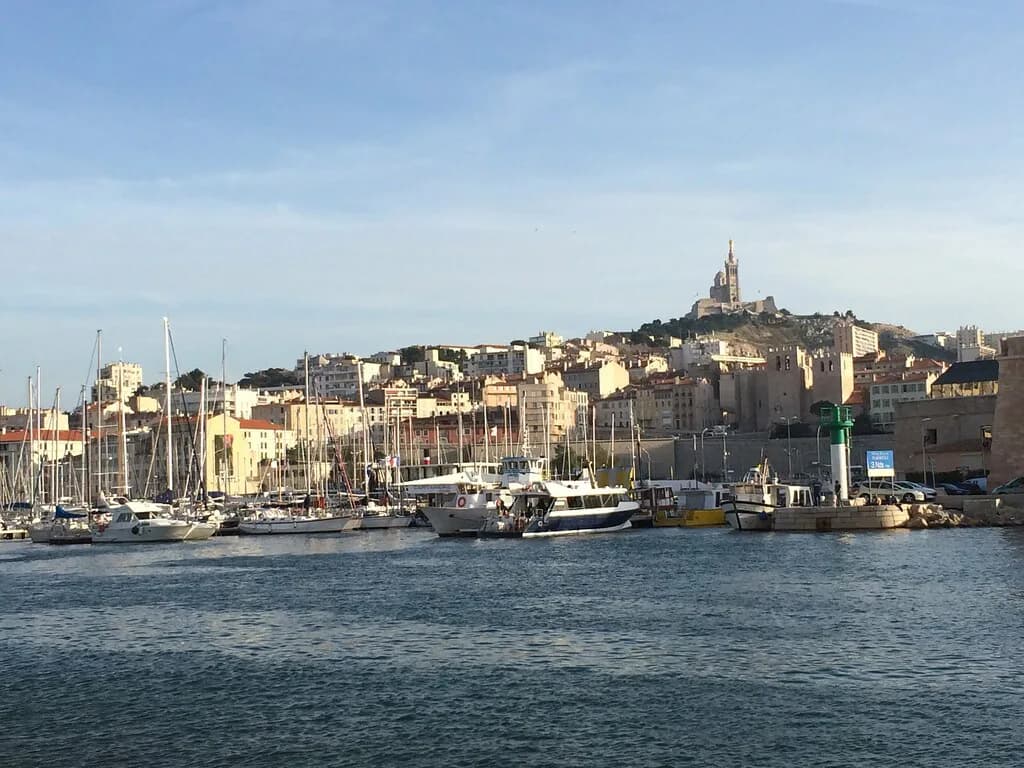
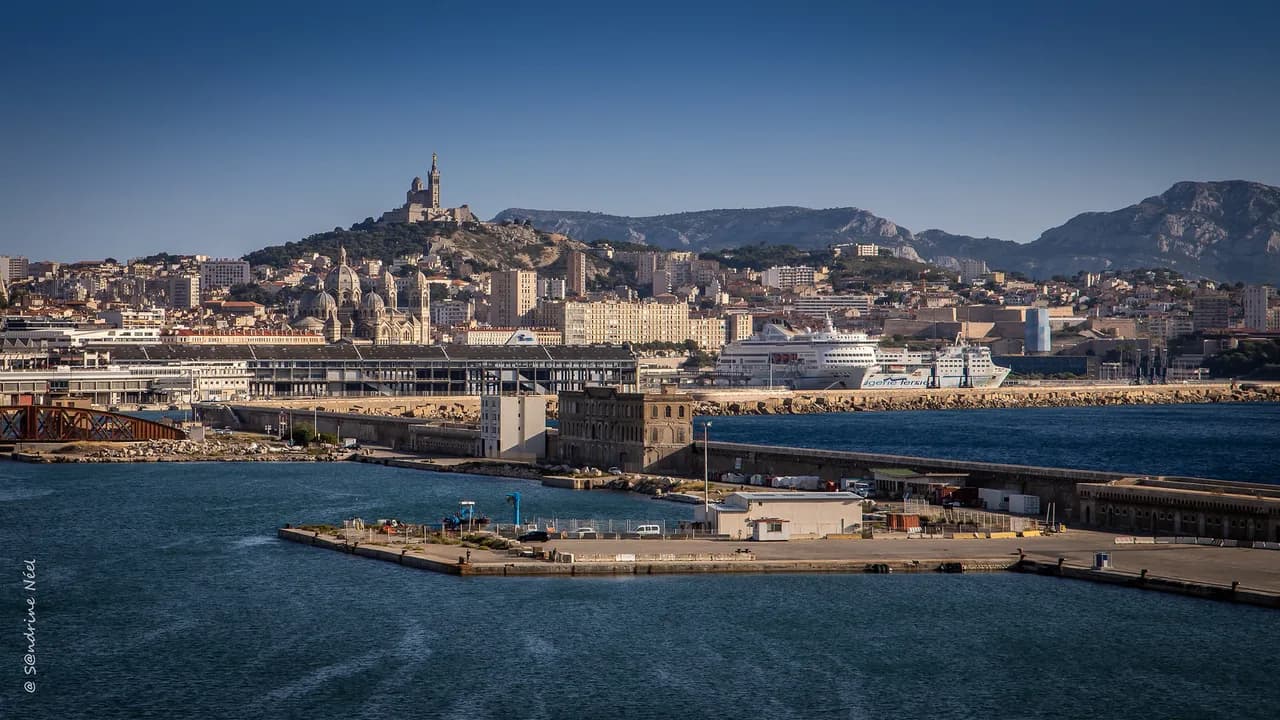
Searching for wineries in Marseille turns up a lot of tours and very few vineyards, and that is not a gap in the listings. The city is a port and a base, not a wine village: no appellation carries the Marseille name and there are no AOC vineyards inside the city limits worth planning a day around. Think of Marseille the way you would think of a large city anywhere in Europe, as the place you sleep, eat bouillabaisse and catch a train inland or along the coast.
The nearest wine district is Cassis, roughly 25 km east along the coast, followed by Bandol further southeast and the tiny Palette appellation just inland toward Aix. Each suits a different kind of day: Cassis for white wine and a short coastal hop, Bandol for structured reds and a longer trip, Palette for a quiet stop on the way to Aix. This guide sorts out which one fits your schedule, which estates actually receive visitors, and how to reach them without putting a driver behind the wheel after a tasting.
Quick Answer: Marseille Is a Base, Not a Vineyard Town
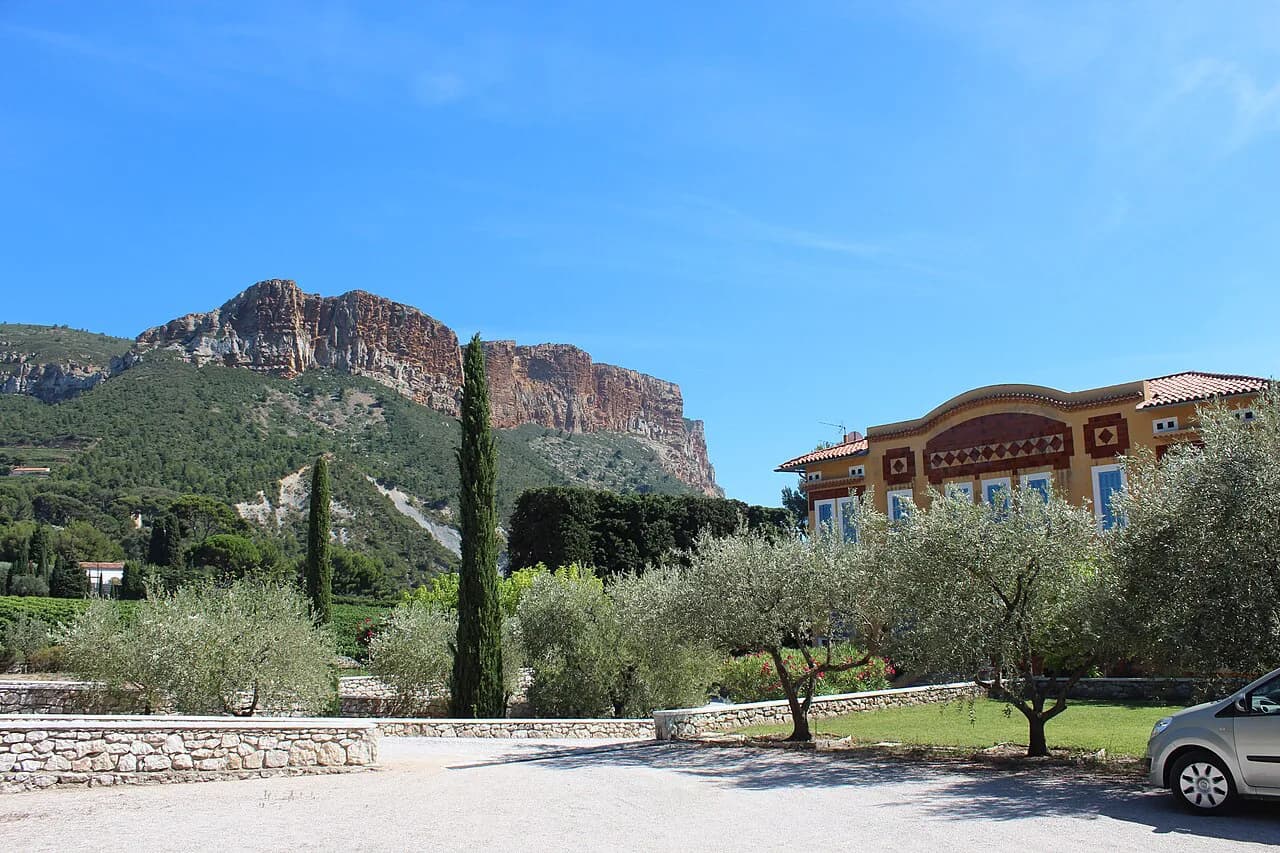
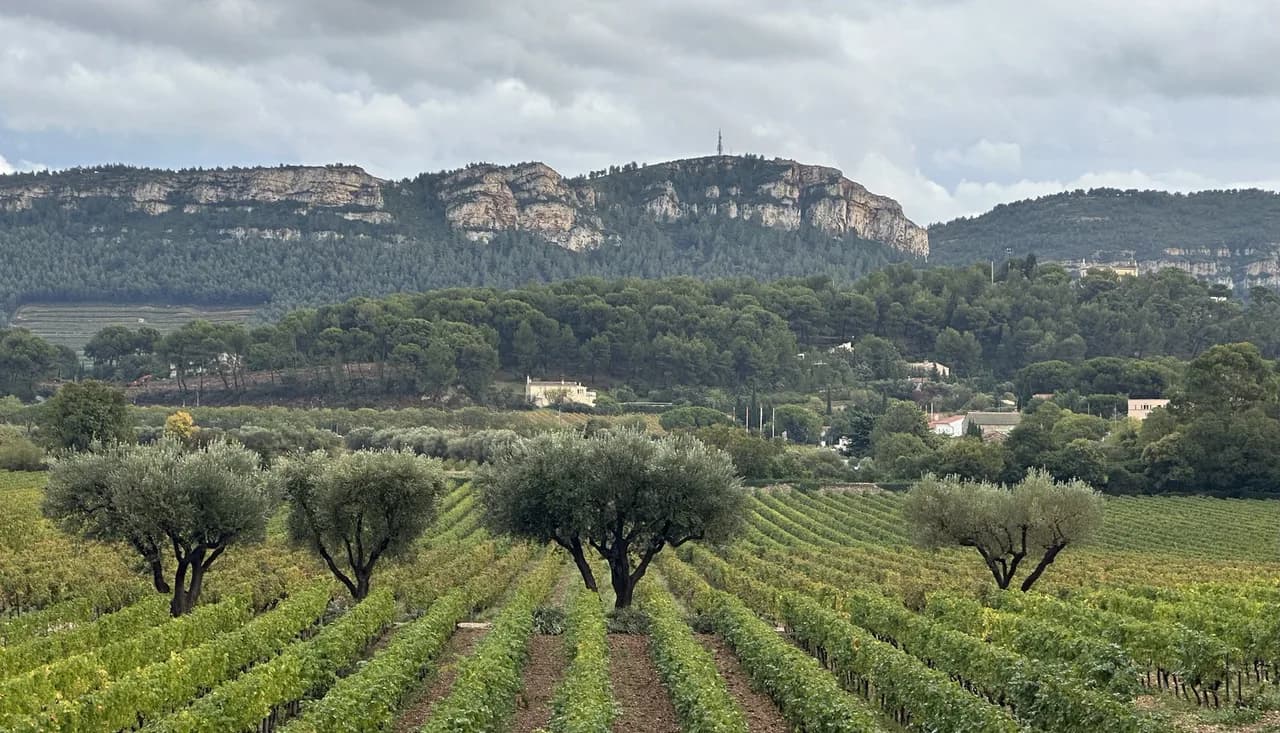
If you have one free day and want to taste where the grapes grow, go east to Cassis rather than hunting for something within the city. The appellation sits in a limestone amphitheatre that drops toward the Mediterranean, and the whole vineyard area lies within the Calanques National Park, which keeps it small and largely family-run. That intimacy is the draw, but it also means the district is not built for coachloads of walk-in visitors.
Bandol, further southeast past La Ciotat and Saint-Cyr-sur-Mer, is the alternative when you want Mourvèdre-based reds and don't mind a longer journey. Palette, a handful of hectares just east of Aix-en-Provence, is the smallest of the three and works best folded into an Aix day rather than a dedicated trip from Marseille. Group your choices by geography: Cassis and Bandol are both on the coastal rail line, while Palette belongs with the Aix itinerary.
How the Wine Map Works Around Marseille
Three appellations frame the city in a loose arc. Cassis lies to the east along the coast, Bandol to the southeast beyond the Calanques, and Palette inland to the northeast near Aix. Further out, the broad Côtes de Provence appellation covers a great deal of the hinterland and the Var, and it is where most of the rosé you will drink in Marseille comes from. If you want a compact geography lesson in one day, Cassis is the easiest single destination to get your head around.
The distances are modest by Provençal standards but not walkable between estates. Cassis is close enough for a half-day, Bandol is a full day once you add the train and the winery visits, and Palette almost always pairs with Aix. Because the estates are spread across slopes and valleys rather than lined up along one street, the practical unit of planning is the village plus its surrounding domaines, not a single address.
Why Cassis Rewards a Marseille Day Trip
Cassis is unusual in Provence because white wine, not rosé, is the local benchmark. Roughly two-thirds of the appellation's production is white, with rosé at about 30 percent and red a marginal 3 percent, a ratio that inverts the rest of the region. The white wines are built to go with the seafood you will eat on the port, and they age well enough that some growers keep bottles back for years. That combination of a small, distinctive appellation and a working fishing village makes it the most satisfying first wine day from Marseille.
Twelve wineries produce Cassis AOC wines, many still in the hands of the families who founded them, and the vineyards sit entirely inside the national park. That protected status limits expansion, so visits feel like a conversation with a grower rather than a tour through an industrial facility. Plan two estates at most for a relaxed day, or three if you start early and keep tastings short.
Château de Fontcreuse in Cassis: Free Entry, Published Hours
Château de Fontcreuse at 13 Route Pierre Imbert is the most visitor-ready estate in Cassis, listed by the regional tourism board for presentation, tasting and sale of its vintages. It works organically, has parking nearby and accepts pets, which makes it practical if you are coming by car or with a group. Entry is listed as free, so you pay for what you buy rather than for the visit itself.
The tourism listing marks its hours as unsecured, which means the published times are not guaranteed and can shift with the season. Treat Fontcreuse as a drop-in estate first and check the day you plan to go using the contact details on the listing before driving out from Marseille, since a closed gate on a vineyard lane costs you half a morning. The estate's own site is the other place to look for current visiting information.
Fontcreuse makes Marsanne a centrepiece of its whites alongside Clairette and Ugni Blanc, and its wines are Caladoc, Clairette, Marsanne, Syrah and Ugni Blanc depending on the cuvée. If you want to buy a bottle to take home, specialist importers in the UK list the estate at roughly £28.95 to £29.95, which gives you a sense of retail level but is not a tasting fee. Prices at the cellar door are set by the estate, so ask on the day.
What a Cassis Appointment Looks Like
Beyond Fontcreuse, most Cassis estates run on appointments, and the visit is often a short cellar walk followed by a seated tasting of the current range. Expect four to six wines in a typical lineup, white-led with one rosé and one red, lasting somewhere between forty-five minutes and an hour and a half. Smaller domaines may pour fewer wines and skip the cellar entirely, so the format matters as much as the price when you choose where to go.
Bodin, one of the historic Cassis families whose wines were among the first of the appellation sold in bottle, is the other name worth knowing, and its cellar work with Marsanne, Clairette and Ugni Blanc shows what the local white blend can do. Visits to family estates like this are usually arranged in advance by email or phone rather than through a booking platform. Ask whether the tasting is seated, whether the cellar is included, and whether anyone on the team speaks English before you commit to a time.
The Cassis Grape Mix in Brief
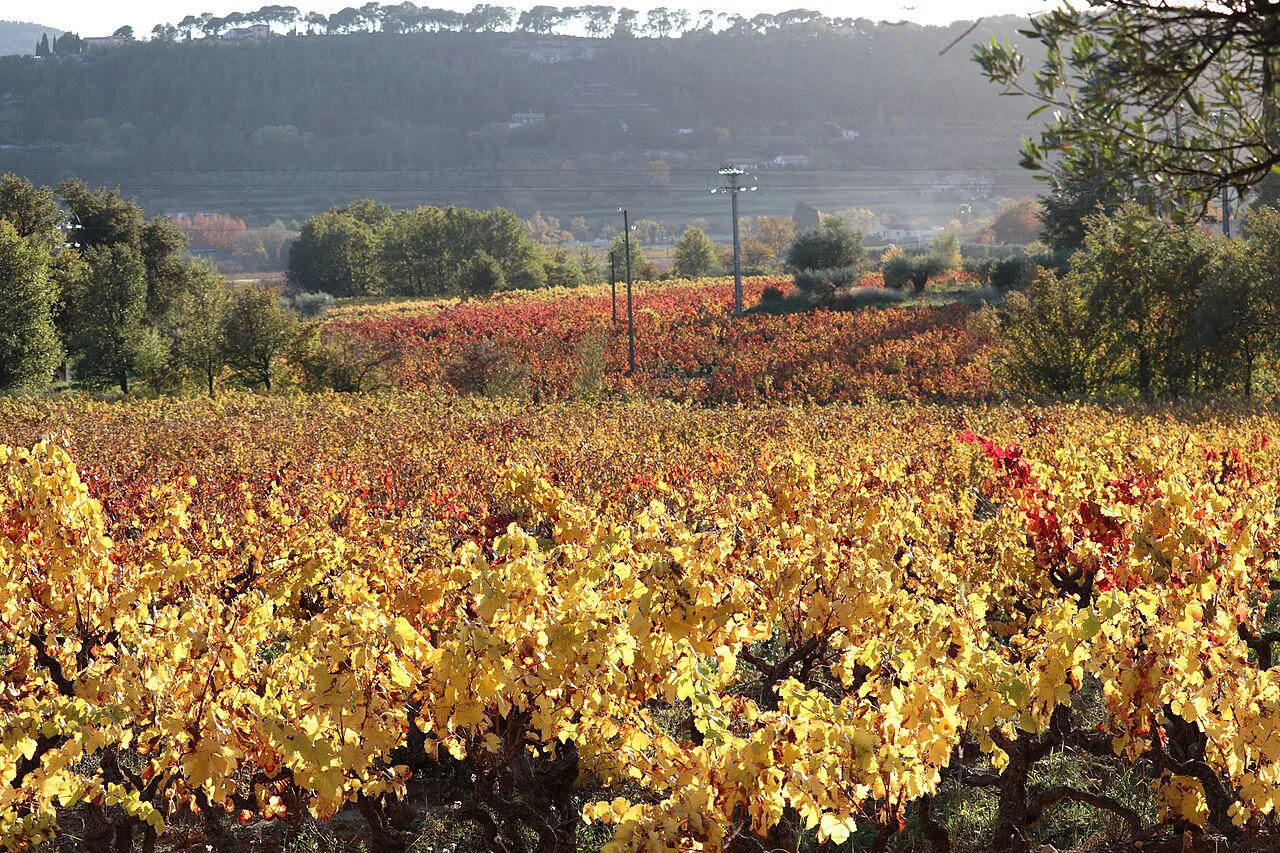
Cassis whites must be planted with at least 60 percent Marsanne and Clairette combined, and those two grapes give the appellation its character: Marsanne for texture and length, Clairette for freshness and a scent of white flowers and garrigue herbs. Ugni Blanc, once the main grape here, now plays a supporting role by supplying the acidity that lets these whites age. Bourboulenc, Sauvignon and Pascal Blanc round out the permitted secondary varieties.
For rosé and red, the local mix shifts to Grenache Noir, Cinsault and Mourvèdre. Cinsault brings finesse and floral lift to the rosés, Grenache adds body and fruit, and Mourvèdre, the signature grape of neighbouring Bandol, contributes tannin and spice to the reds. Knowing this helps you choose a visit: if you want whites, stay in Cassis; if structured red is the goal, look toward Bandol.
Getting to Cassis From Marseille Without a Car
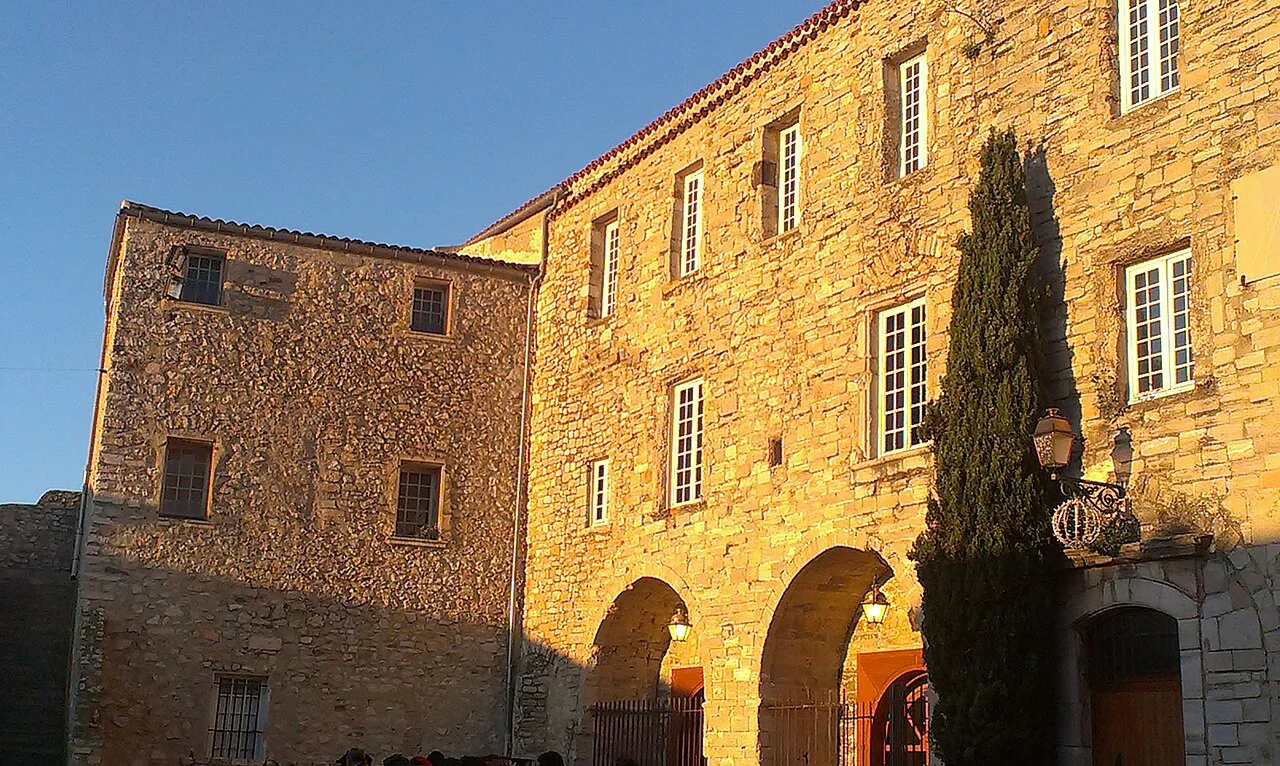
The regional train from Marseille to Cassis is the simplest option, running along the coast to a station that sits above the town rather than in it. From the station you continue downhill to the port and the vineyards, by local shuttle, bus or a walk of roughly half an hour. The tourism board notes that the nearest station to Fontcreuse is some distance away, so budget time for that last leg and wear shoes you can walk in.
Once in Cassis, the estates are spread across the slopes and the walk between them is not always pleasant in the heat. A local taxi or a pre-arranged lift for the winery stretch solves this, and many domaines will tell you which approach works for their location when you book. The train plus a short taxi is a realistic independent plan for a single-estate visit; trying to string three estates together on foot in July is not.
Independent Train Trip or Small-Group Tour?
Going independently is cheaper and more flexible: you choose the estate, the pace and the lunch stop, and you are not tied to a group's schedule. The trade-off is logistics, since the train drops you above the town and the vineyards are dispersed. Provence Wine Tours publishes small-group departures from Marseille starting at €105 per person, with options from Aix from €89 and shore excursions from the cruise port from €135, which covers transport, a guide and a multi-winery itinerary in one price.
A tour earns its price when you want several estates in one day, a knowledgeable guide explaining the appellations, and no one worrying about the road. It is less appealing if you prefer a long lunch in Cassis and one unhurried tasting. Whichever you choose, remember that a driver should not taste: use the spittoons, appoint a designated driver, or take the train or a booked tour so everyone can enjoy the glass.
Bandol and Palette: When to Go Further
Bandol is the choice for red wine drinkers. It sits further southeast along the coast, past La Ciotat and Saint-Cyr-sur-Mer, and its Mourvèdre-based reds are among the most serious in Provence, with domaine visits that reward a booked appointment. The train reaches the Bandol area, but the wineries are scattered inland and uphill from the coast, so a car or an organised tour makes far better use of the day. Domaines Bunan is one of the established names receiving visitors, and Le Castellet is a useful base for the surrounding estates.
Palette is a different proposition entirely: a tiny appellation just east of Aix-en-Provence with a handful of producers, best visited as part of an Aix day rather than a trip from Marseille. If your itinerary includes Aix, combine it with the Coteaux d'Aix-en-Provence vineyards around Mont Sainte-Victoire, which are closer to the city and easier to reach by bus or taxi, and see our guide to wineries around Aix-en-Provence for which estates welcome visitors. For a first trip, though, Cassis remains the most efficient use of a Marseille day.
Booking Script: What to Ask Before You Commit
Four questions cover most of what you need to know before booking a Provençal estate. First, whether the tasting is by appointment only or accepts walk-ins on the day you plan to come. Second, how many wines are poured, whether they include a cellar tour, and how long the visit lasts. Third, whether anyone speaks English, since smaller family domaines often conduct tastings in French. Fourth, whether there is a minimum party size or a group rate, and how you pay.
Add two practical checks if you are relying on public transport: the nearest stop or taxi rank, and whether the estate can be reached on foot from the village. If you are buying wine to take home on a flight, ask about shipping or whether the domaine can package bottles for a checked bag. Send your questions by email rather than phone if your French is limited, and give the date and time you want so the reply is specific.
Harvest Timing and Season
Provence harvests early by French standards, generally from late August into September, and Cassis picks its whites on the early side to keep the acidity that makes them age. That is the busiest period on the estates: growers are in the vineyard and the cellar, and visits may be limited or shifted to fit around picking. Late spring and early summer are calmer for tasting, and autumn, after the harvest, is a good time to taste the new vintage with the winemakers on site.
The tourism listing for Fontcreuse marks its opening hours as unsecured, a reminder that Provençal estates adjust times with the season and the harvest. Build flexibility into your day rather than treating any online timetable as fixed, and if a visit is the centrepiece of your trip, arrange it before you book your train. Winter is quiet and some small domaines close to visitors, so a phone call or email to Fontcreuse ahead is worth the effort.
Buying Cassis and Bandol in Marseille
If the day out does not happen, Marseille still drinks well. Specialist wine shops around the Vieux-Port and the Cours Julien carry Cassis and Bandol alongside the broader Provence range, and the city's restaurants pour local whites with seafood as a matter of course. Buying a bottle from a Cassis producer in town lets you taste the appellation even if the vineyard visit falls through.
For a wider choice, ask a caviste for the small appellations rather than the big names: Cassis whites, Bandol reds and the occasional Palette bottle are what you will not easily find at home. If you are flying out of Marseille, pack bottles in checked luggage with proper protection, or ask the shop about shipping. A short conversation with a knowledgeable caviste often substitutes for a rushed vineyard tour.
Plan Your Marseille Wine Day
Treat Marseille as the base and build your wine day around Cassis, where the train, the port and a free-entry estate like Fontcreuse make an independent visit genuinely workable. If you want several wineries without worrying about the road, a small-group tour from the city solves the transport problem for a published per-person price. Bandol and Palette are better saved for a second trip or combined with an Aix itinerary.
Whichever route you choose, book the estate before you book the train, keep the day to two or three stops, and plan a proper lunch on the Cassis port between tastings. A driver should not taste, so use the train, a designated driver or a tour, and take advantage of the spittoons at every estate. That way everyone gets to enjoy the whites of Cassis and the reds of Bandol without compromise.
Frequently Asked Questions
Are there wineries in Marseille itself?
No. The city has no AOC vineyards and no appellation named for Marseille, so there is nothing to visit inside the city limits. The nearest wine district is Cassis, about 25 km east along the coast, which is easily reached by regional train and a short onward taxi or shuttle.
What is the closest wine region to Marseille?
Cassis is the closest appellation, roughly 25 km east of the city along the coast. Bandol is further southeast past La Ciotat, and Palette sits just inland near Aix-en-Provence. For a first day trip from Marseille, Cassis is the most efficient choice.
Can you visit Cassis wineries without a car from Marseille?
Yes, with a little planning. A regional train runs from Marseille to Cassis, and from the station you continue downhill to the port and vineyards by local shuttle, bus or on foot. A short taxi ride takes you to the estates themselves, which are spread across the slopes rather than clustered in the village.
Is Château de Fontcreuse free to visit?
The regional tourism board lists entry to Château de Fontcreuse as free, with presentation, tasting and sale of the estate's wines on site. Its opening hours are marked as unsecured, so confirm the day you plan to visit through the contact details on the listing or the estate's own site before setting out.
How far is Bandol from Marseille?
Bandol lies southeast of Marseille along the coast, past La Ciotat and Saint-Cyr-sur-Mer, and is a longer journey than Cassis. The train reaches the area, but the wineries are scattered inland and uphill, so a car or an organised tour makes better use of a Bandol day.
Is a Marseille wine tour worth it compared with taking the train?
It depends on how many estates you want to see. Provence Wine Tours publishes small-group departures from Marseille with transport, a guide and a multi-winery itinerary included in the price. Taking the train is cheaper and more flexible, but you will need a taxi or shuttle to move between dispersed estates.
What wine is Cassis known for?
Cassis is known for white wine, which makes up roughly two-thirds of its production, with rosé around 30 percent and red only a small share. Marsanne and Clairette are the backbone of the whites, with Ugni Blanc adding acidity. Grenache, Cinsault and Mourvèdre are used for the rosés and reds.
Sources
Notes for your next wine trip
Optional updates to our winery and wine-town guides.
You might also like
Continue reading
More guides you'll find useful