Aix-en-Provence Wineries: Which to Visit & How to Get There
Plan wine tasting around Aix-en-Provence: which estates welcome visitors near Sainte-Victoire and Coteaux d'Aix, booking culture and how to get there.
On this page
Aix-en-Provence is a working university and market town with vineyards at its doorstep, which makes it one of the easiest places in France to combine city life with a serious tasting. The daily produce market on Place Richelme, the plane trees of Cours Mirabeau and the Cézanne sites are all within a short walk of each other. Most wine travel here happens in the countryside just beyond the ring road, in the Coteaux d'Aix-en-Provence district to the north and the Sainte-Victoire appellation to the east. If you are weighing up where to base a short tasting trip, the beaune wineries offer a comparable cellar-visit culture in Burgundy.
This guide concentrates on estates whose own published information confirms they take visitors, and on the practical decisions that shape a wine day: which district to pick, how far apart things really are, what to say in a booking message, and when a taxi or organized tour beats independence. Prices and tour slots change from season to season, so the useful information here is structure and booking culture rather than a tariff.
Why Aix Works as a Wine Base
Two appellations sit within practical range of the centre. Coteaux d'Aix-en-Provence covers the rolling country north and west of the city, and Côtes de Provence Sainte-Victoire hugs the limestone slopes below the mountain to the east. A third, the Les Baux-de-Provence appellation in the Alpilles, is reachable as a longer day to the west, but for a short trip most visitors do better to choose one of the two near districts rather than chase three.
The wines are Provençal in style but not identical. Provence is rightly famous for pale rosé, yet the region also produces saline white wines around Cassis, structured Mourvèdre-based reds and rosés in Bandol, and biodynamic wines in the Alpilles, so the contrast between districts repays a little planning. Around Aix, expect rosé as the volume wine, fresh whites and reds blended from Grenache and Syrah, and a growing number of organically certified estates. That range is the reason a single base town can fill a short wine trip without long transfers.
How the District Is Laid Out
Think of Aix as the hub of a wheel. To the north, the village of Puyricard and the Trévaresse hills hold estates a short drive from the city edge; to the east, the land rises toward Montagne Sainte-Victoire and the villages at its foot. Each direction is a compact half-day of driving, which is why grouping tastings by direction matters more than grouping them by reputation.
Driving times deceive people here. The map suggests Aix to Avignon should take about forty minutes, but in summer, with village parking, narrow lanes and a tractor ahead, expect longer, and plan generously when a tasting appointment is on the line. The same caution applies on a smaller scale: a ten-kilometre hop between two Sainte-Victoire estates can take twice as long as the distance implies once you leave the main road.
Château du Seuil in Puyricard
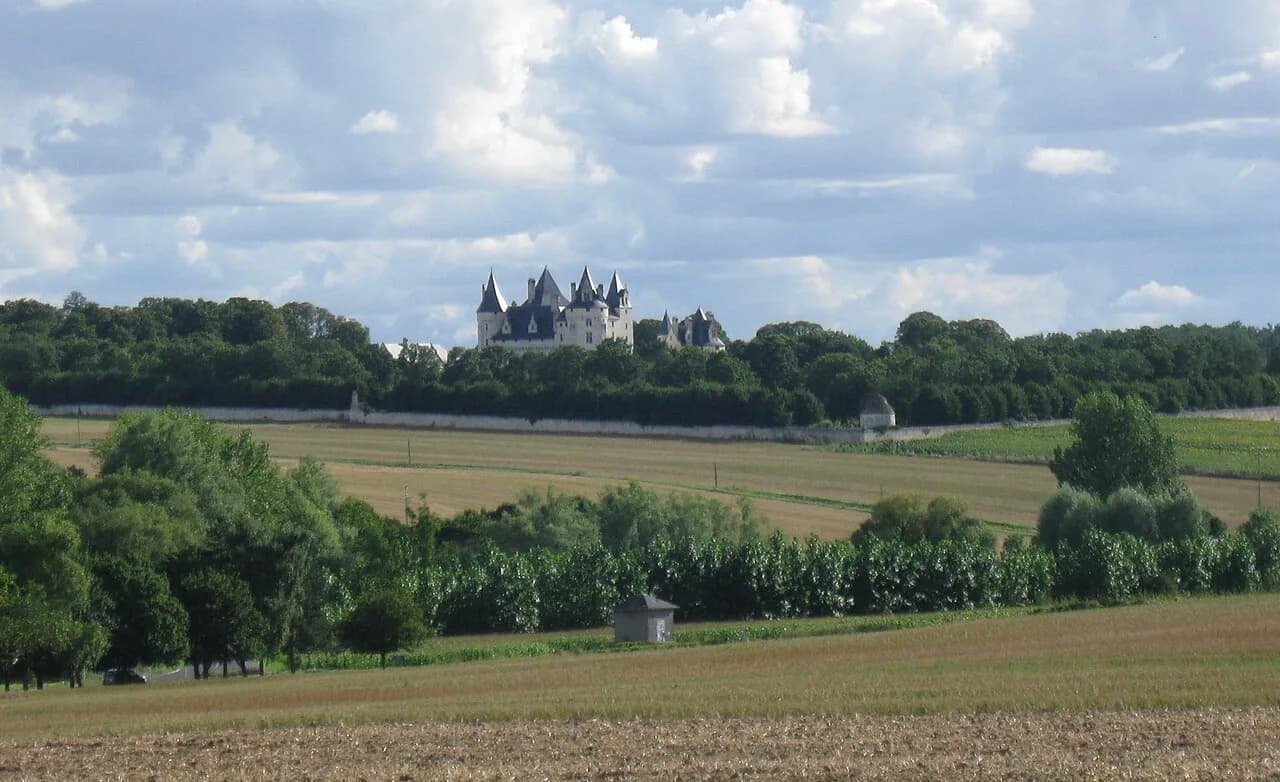
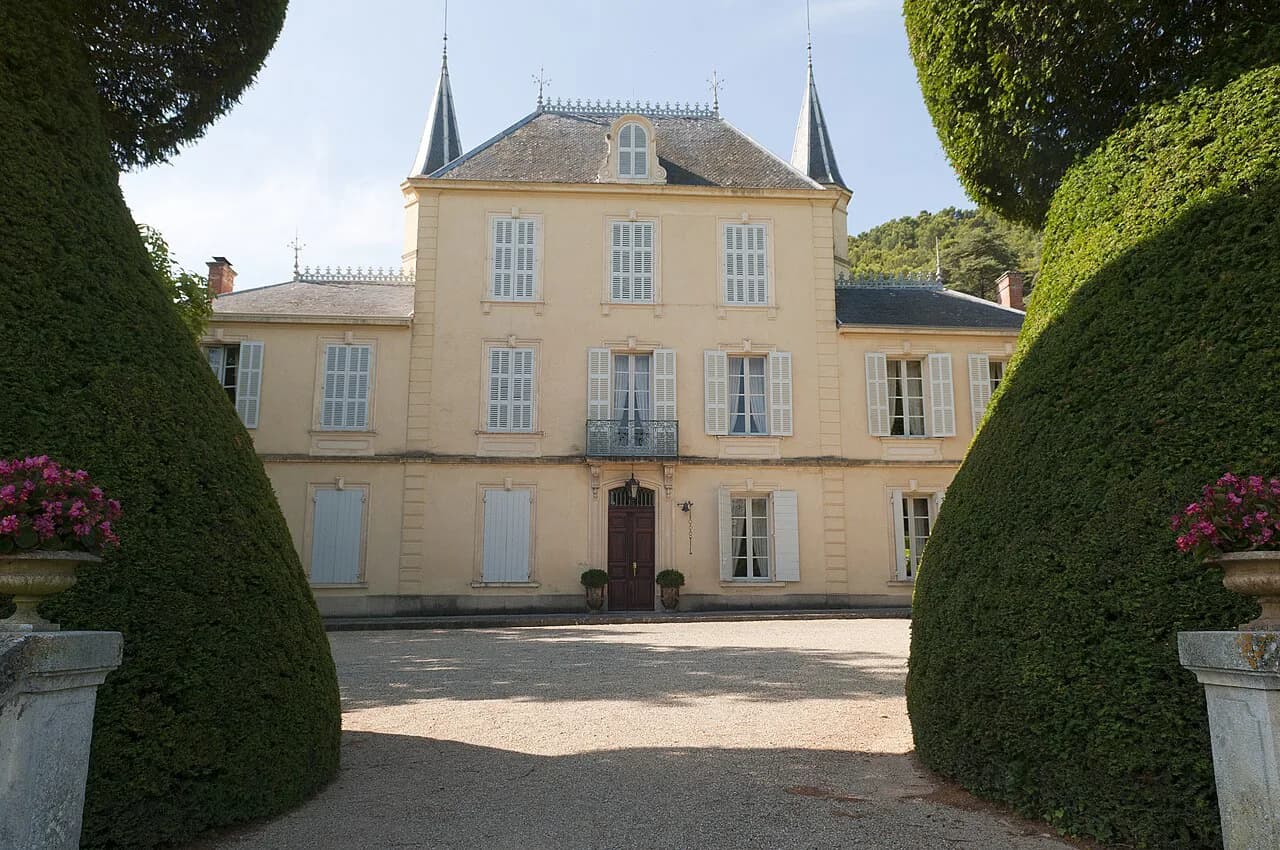
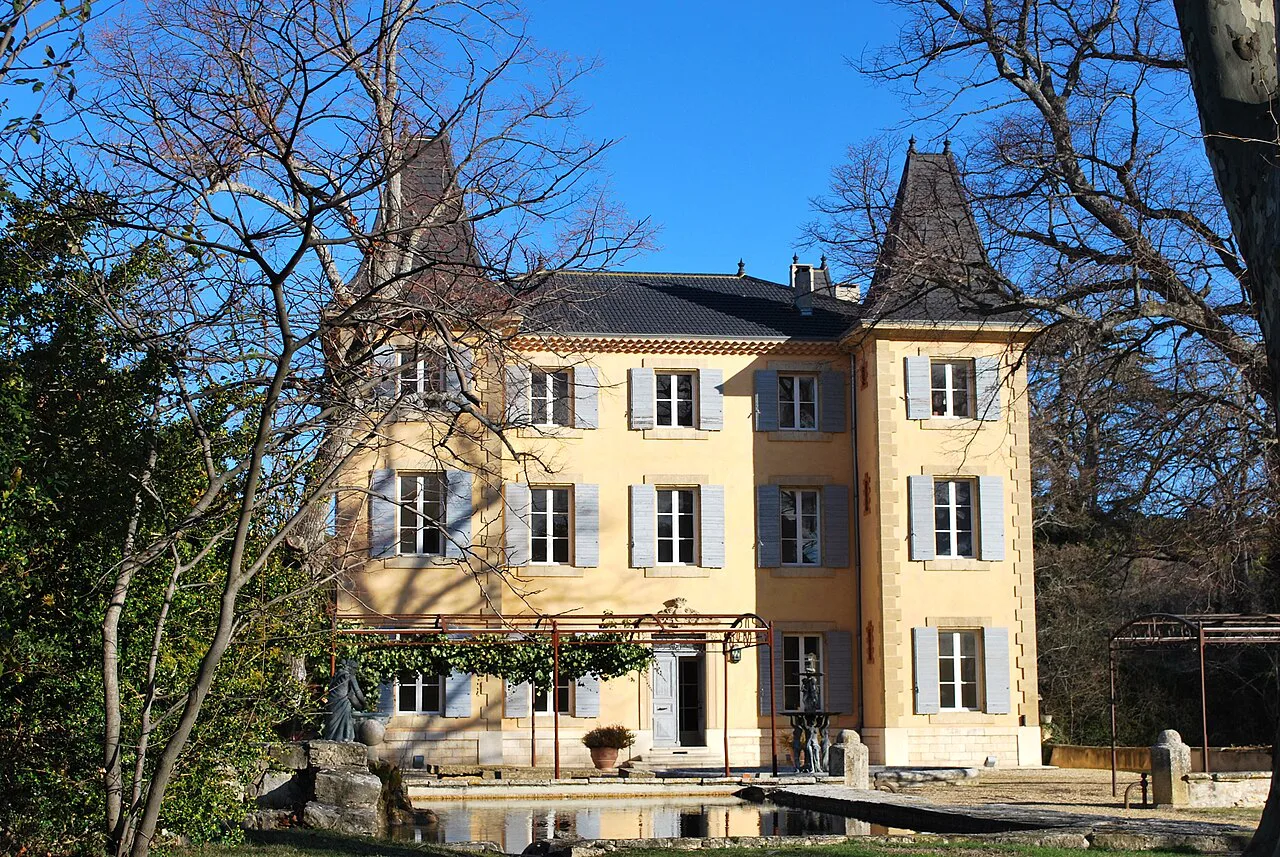
Château du Seuil sits at 4690 route du Seuil in Puyricard, on the northern edge of Aix-en-Provence, on a family-owned estate with organic agriculture certification and a history running back through the 15th to 18th centuries. It makes white, red and rosé under the Provence appellation, farms olive trees alongside the vines, and keeps an on-site shop. The estate publishes a contact telephone number and email address for bookings on its site, which is the reliable route for confirming a slot.
Visits here are guided tours with tasting, available year-round by reservation rather than on a walk-in basis, and the estate reports welcoming more than five thousand visitors a year. That volume tells you two things: the tour operation is well established, and in high season you should not assume you can turn up and join the next group. Book through the estate's own reservation channel and state your party size and preferred language.
Château La Coste at Le Puy-Sainte-Réparade
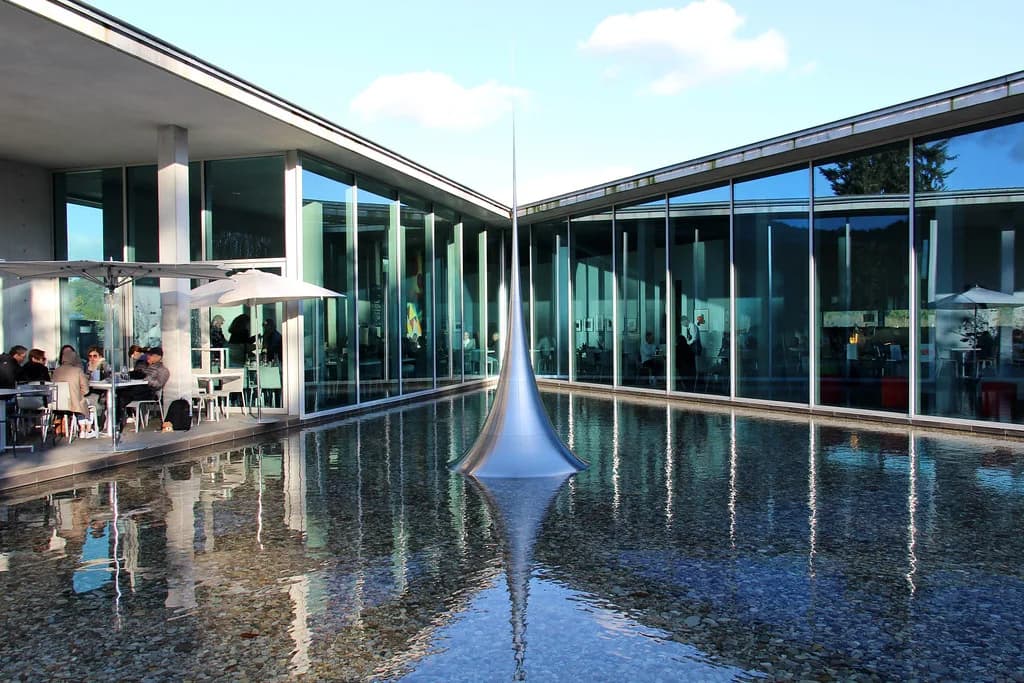
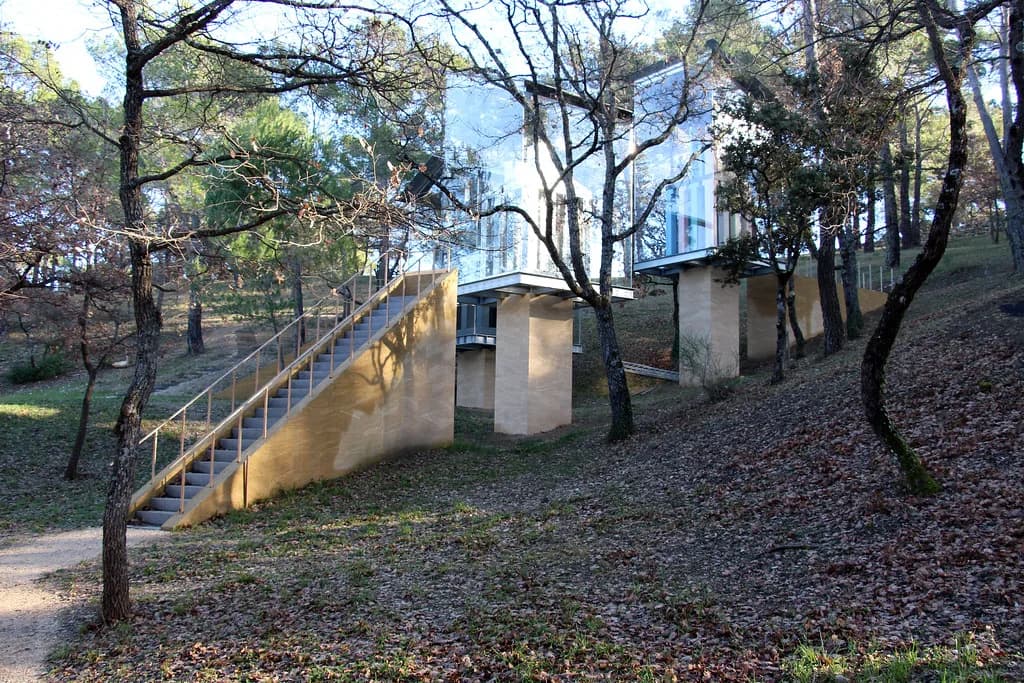
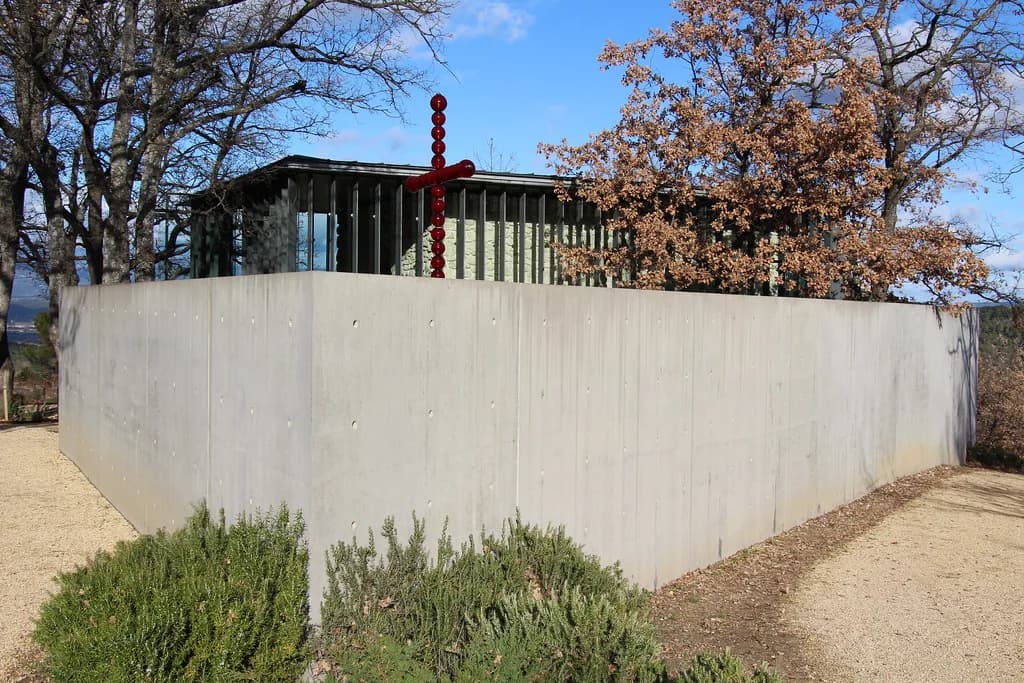
Château La Coste lies about twenty minutes north of Aix in Le Puy-Sainte-Réparade, a 200-hectare biodynamic estate that doubles as one of Europe's more ambitious contemporary art and architecture parks. The art and architecture walk takes roughly two hours and passes works by Louise Bourgeois, Andy Goldsworthy, Tracey Emin and Frank Gehry, with a meditation chapel by Tadao Ando at the high point of the vineyard and a winery designed by Jean Nouvel.
Treat this as a half day, not a quick tasting stop. The sensible shape is a morning on the art walk, lunch at one of the estate restaurants, then a tasting of the organic wines to finish, so the visit earns its place as the day's main wine experience. If the art programme is not the point for you, the smaller estates covered below give you a more concentrated wine visit.

Smaller Estates and Sainte-Victoire Alternatives
When you want wine rather than a sculpture park, two names in the Aix area are worth building a day around. Château de la Gaude is a biodynamic estate of about 13.5 hectares and a more intimate proposition than La Coste. Château Gassier works the slopes at the foot of Sainte-Victoire, making it a natural anchor if your interest is the Sainte-Victoire appellation specifically. Both reward a direct approach by email or phone rather than a drop-in.
Provence-wide directories are useful for widening the list once you have picked a direction, especially for estates that do not appear in the big guidebooks. Use them to shortlist, then confirm on the estate's own site that visitors are received and whether the visit is booked or scheduled.
Grouping a Day: One Tasting, One Anchor
The most common mistake in Provence wine travel is stacking three or more estates into a single day, which turns a good trip into a tired one. One serious tasting plus one cultural or scenic anchor is the rhythm that works: a morning appointment followed by a long village lunch, or a market visit before an afternoon tasting. Two tastings in a day is the realistic ceiling, particularly if either includes a cellar tour.
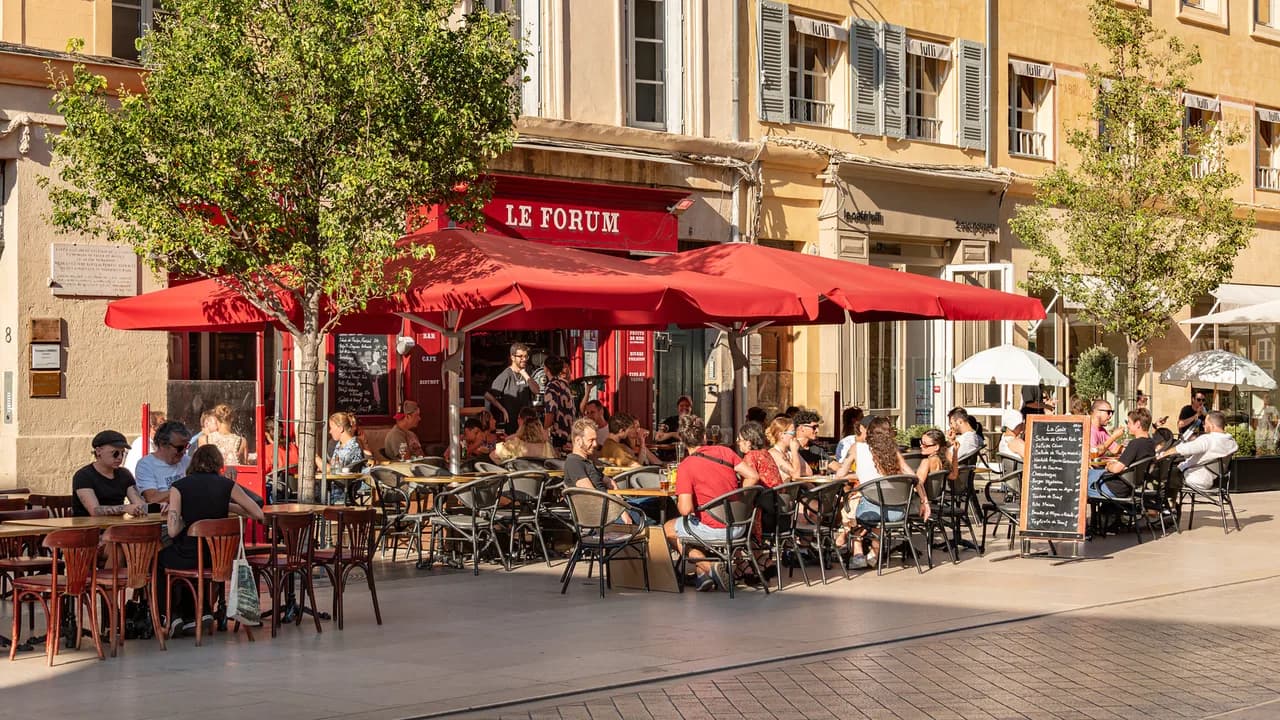
Aix gives you the anchors for free. The daily produce market at Place Richelme opens the morning, larger markets fill Place des Prêcheurs and Place de Verdun on Tuesday, Thursday and Saturday, and the Atelier Cézanne or a drive past the slopes of Montagne Sainte-Victoire fills the rest. Pairing one of these with a single tasting gives a day that feels like a holiday rather than a schedule.
Appointment Culture: What to Put in Your Booking
Reservations are the norm rather than the exception for private tastings, cellar tours and winery lunches, and the higher-profile estates book up weeks ahead in high season. Small-group visits with the owner or winemaker present need earlier arrangement still. The days of dropping in unannounced at a serious domaine are largely over, particularly in famous appellations.
Write a short, specific message: party size, preferred date and a time window, the language you would like the tour in, whether you want a cellar tour, and whether you need food on site or will eat afterwards. Ask how many wines are poured and how long the visit lasts so the day can be planned around it. For a party of more than four or five, say so up front, because small estates cap group size.
A day around Aix rewards a little research before the email goes out. Deciding which district suits you, and whether you want a driver or a self-guided independent day, is better settled before you commit to a slot.
Getting There Without Driving
France's drink-driving limits are strict and rural Provençal roads are unforgiving, so if anyone in the party is drinking, the driver should not taste at all: use the spittoon, appoint a designated driver, or leave the car behind. The alternatives from Aix are a taxi for a fixed half-day loop, an organized tour that handles the routes and appointments, or a bike for the nearest estates. Taxis are not cheap and are scarce at short notice in summer, so book the return leg when you are dropped off.
The independent-versus-guided trade-off is really about access and attention. A good local guide opens doors that are otherwise closed, private appointments, off-list cuvées, and the chance to meet the people making the wine, and removes the driving question entirely. Going independently costs less and gives you flexibility, but you carry the appointment work and the sober-driver problem yourself. Organized days from Aix are a reasonable middle path for a first visit.
Timing the Visit
September and October are the strongest months for tasting in Provence, when harvest is under way and vineyards host events and tours, with May and June close behind for long light and softer crowds. July and August are beautiful but hot, busy and more expensive, and the heat reshapes a tasting day: go early, keep the afternoon for a shaded lunch, and leave the art walk or village for the cooler hours.
Harvest timing shifts with the year, so treat the season as guidance rather than a fixed calendar and ask the estate what stage the vines are at when you book. Lavender is a separate draw, with bloom from mid-June to early August and harvest around mid-July on the Valensole plateau, slightly later around Sault and the higher Luberon. If lavender is your reason for coming, build the trip around early July and accept that the wine programme shares the road with a lot of camera tripods.
Where to Base Yourself
Aix-en-Provence is the strongest single base for a first wine trip: easy arrival logistics, the best market culture in the region, a walkable centre and quick access to the Coteaux d'Aix estates and Château La Coste. Aix-en-Provence TGV station sits just outside the city and Marseille Provence airport is the regional gateway, so a car-free arrival followed by taxis or tours is genuinely workable.
For a longer week, a split stay adds variety without constant moving: four nights inland and three on the coast, or the Luberon and the Alpilles in combination. If Châteauneuf-du-Pape matters to you, remember it is southern Rhône rather than Provence, best reached as a day trip from Avignon, and eighteen kilometres north of that city. Plan it as a red-wine contrast, not an Aix day trip.
Plan Your Aix Wine Day
Start with one district. Coteaux d'Aix to the north, anchored on a Puyricard appointment at Château du Seuil, is the easiest day from the city and the least dependent on a car if you use a taxi or a tour. Sainte-Victoire to the east suits a slightly longer loop with Château Gassier or the art-and-wine half day at Château La Coste.
Then settle the logistics before you commit: who is driving or whether you are booking a tour, which market or Cézanne site fills the non-wine half of the day, and which estate gets the one serious booking. Confirm current opening days and tour slots directly with the estate before you travel, since published calendars and seasonal patterns shift.
Frequently Asked Questions
Which wineries near Aix-en-Provence welcome visitors?
Château du Seuil in Puyricard runs guided tours and tastings year-round by reservation, and Château La Coste at Le Puy-Sainte-Réparade takes visitors for its art and architecture walk plus estate wines. Château de la Gaude and Château Gassier are smaller Aix-area estates worth approaching directly. Always confirm on the estate's own site that visits are currently offered before building a day around one.
Do you need to book tastings at Aix-en-Provence wineries in advance?
Yes, in practice. Private tastings, cellar tours and winery lunches are almost always by reservation, and the better-known estates fill weeks ahead in high season. Write with your party size, date, language and whether you want a cellar tour, and ask how long the visit lasts so you can plan the rest of the day.
Can you visit Aix-en-Provence wineries without a car?
It is workable but needs planning. Taxis from Aix can handle a half-day loop if you book the return leg when you are dropped off, organized tours from Aix solve both driving and appointments, and bikes suit the nearest estates only. Public transport does not reach most vineyard gates, so treat a car-free day as a taxi or tour day.
What is the difference between Coteaux d'Aix and Côtes de Provence Sainte-Victoire?
Both are Provençal appellations within range of Aix, but they sit in different directions. Coteaux d'Aix-en-Provence covers the hills north and west of the city, around Puyricard and the Trévaresse, while Côtes de Provence Sainte-Victoire follows the limestone slopes below Montagne Sainte-Victoire to the east. Expect rosé as the main wine in both, with fresh whites and Grenache and Syrah-based reds alongside.
How many wineries should you visit in a day around Aix?
One serious tasting plus one cultural or scenic anchor is the rhythm that works, and two tastings is the realistic ceiling if either includes a cellar tour. Three or more in a day is the most common mistake in Provence and the one that turns a good trip into a tired one.
What is the best month to visit Provence for wine tasting?
September and October are the strongest months, when harvest is under way and estates host events and tours, with May and June close behind for longer light and softer crowds. July and August are hot, busy and more expensive, so shift tastings to the morning and keep the afternoon for a shaded lunch.
Is Château La Coste worth visiting for the wine or the art?
Both, but budget it as a half day rather than a tasting stop. The art and architecture walk takes roughly two hours, and the estate pairs it with restaurants and a tasting of its biodynamic wines. If you want a concentrated wine visit instead, choose a smaller estate such as Château de la Gaude or Château Gassier.
Sources
Notes for your next wine trip
Optional updates to our winery and wine-town guides.
You might also like
Continue reading
More guides you'll find useful