Château Simone (Palette): Visiting from Aix-en-Provence
Château Simone anchors the tiny Palette appellation east of Aix-en-Provence. Learn its wines, the Meyreuil address and how to arrange a visit without a car.
On this page
Château Simone is the name most wine travelers attach to Palette, a tiny Provençal appellation tucked into the hills east of Aix-en-Provence. The estate publishes its address, phone and email, which makes it a realistic target for a half-day out of the city, but it is not a walk-in tasting room on a tourist circuit. Plan it as a scheduled appointment, not a stop you drop into between errands.
What follows separates the stable facts, such as appellation dates, grape varieties and soil, from the details that change season to season, including whether visits are open, what a tasting includes and what it costs. For the estate's own current terms, the published contact channel is the reliable starting point.
Why Château Simone Is the Entry Point to Palette
Palette is one of the smallest and least-touristed appellations in Provence, and Château Simone dominates the conversation around it. A US retailer describes the estate as holding a near-monopoly on Palette, a microclimate just south of Aix-en-Provence, which is the honest way to frame the region: you are not choosing among a dozen cellar doors, you are choosing one domaine.
That structure changes your tasting strategy. In a place like Châteauneuf-du-Pape you can string three or four visits into a day; around Palette the sensible plan is one serious estate visit plus a stop elsewhere in the Coteaux d'Aix-en-Provence zone. Our guide to Aix en Provence wine tasting maps the wider district so you can build that half-day properly, and if you would rather base a day around a bigger city, wine tasting in Marseille covers the Cassis and Bandol options to the south.
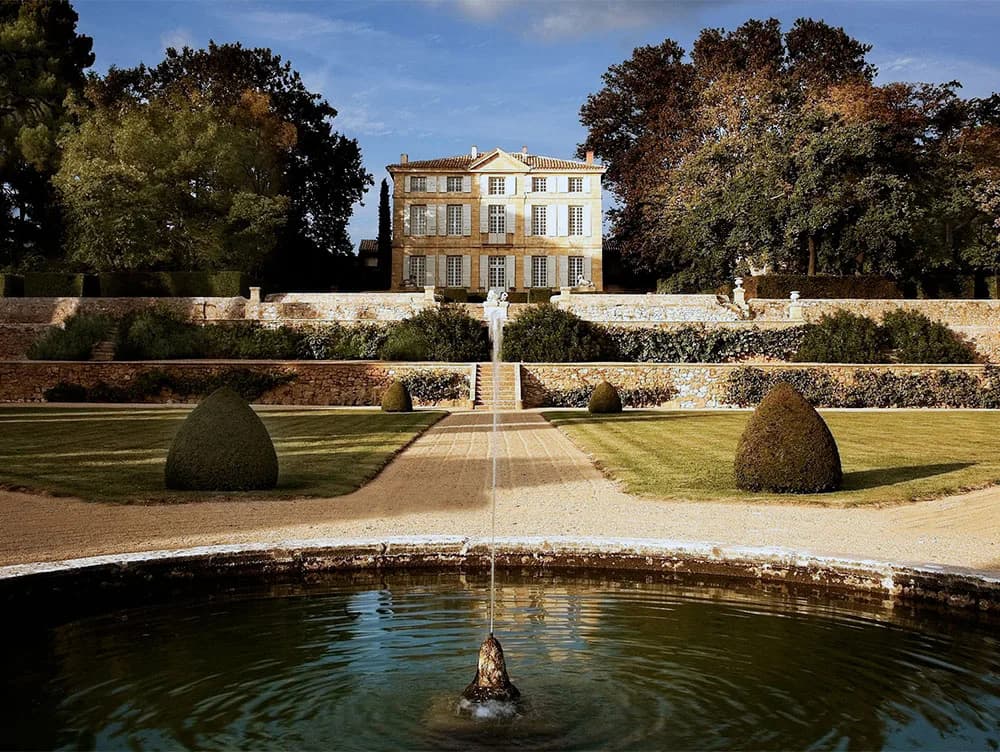
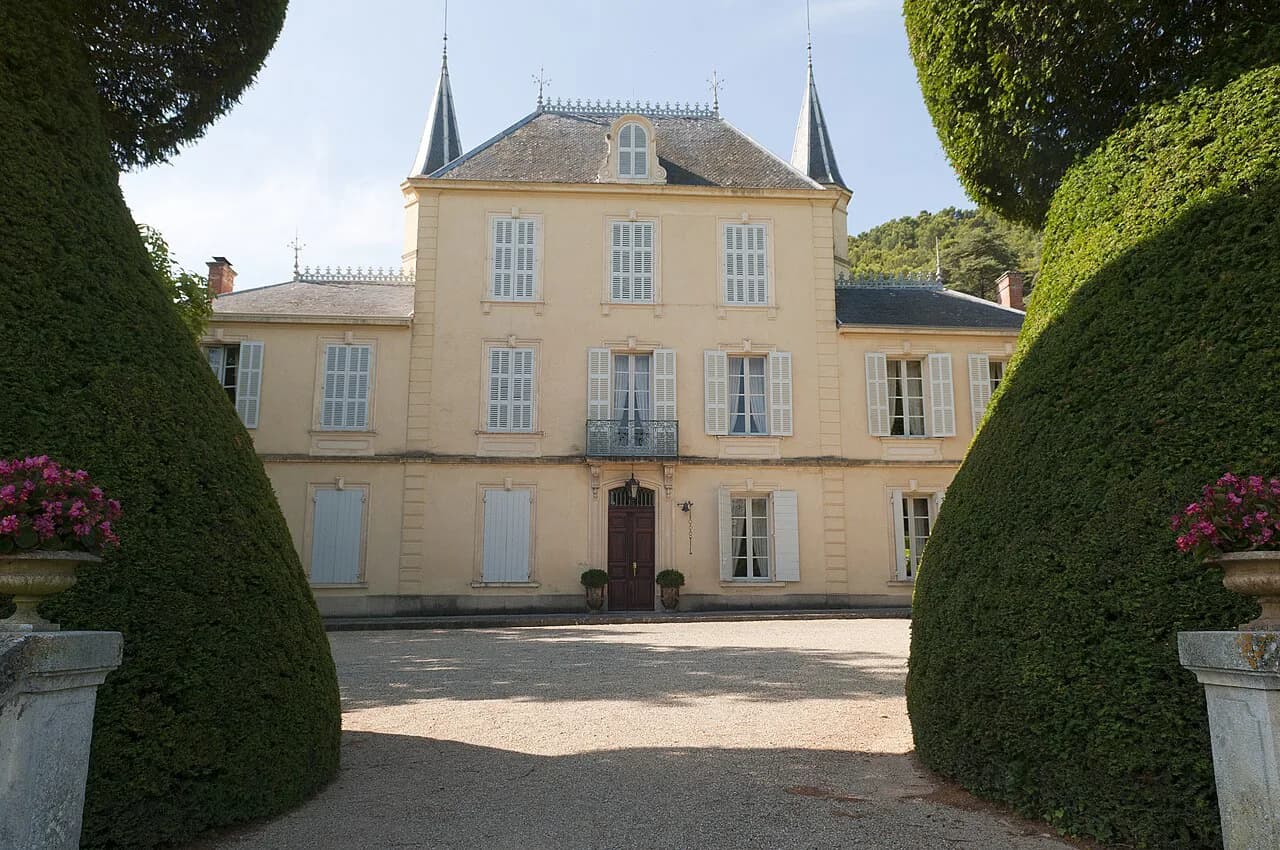
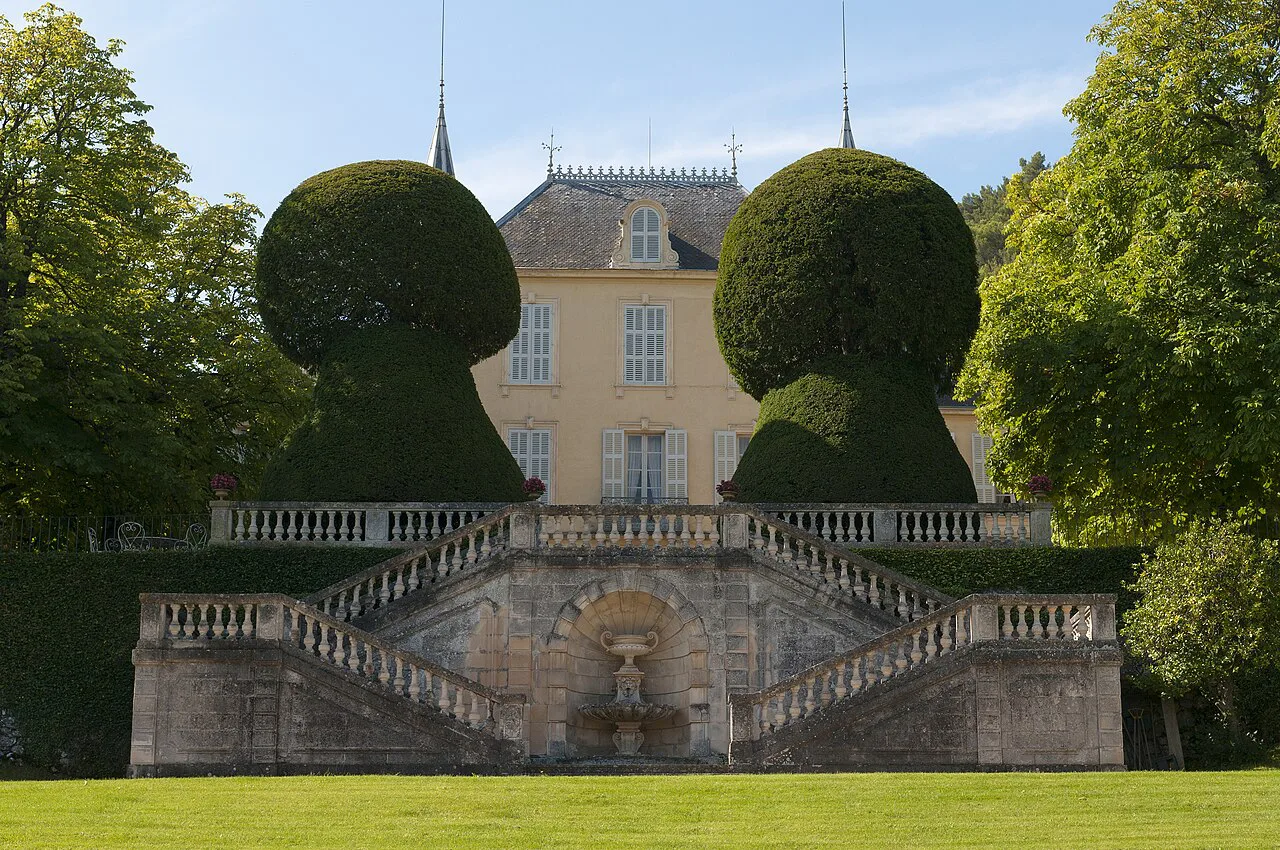
The Rougier family has farmed here for generations, and the estate's own site presents the property as a family domaine with a single, delimited vineyard. Expect a working agricultural address rather than a visitor center, and set your expectations around a hosted appointment in a wine estate.
Where Château Simone Sits: Meyreuil and Mont Sainte-Victoire
The estate publishes its address as Chemin de la Simone, 13590 Meyreuil, with the phone number 04 42 66 92 58 and the email chateau-simone@orange.fr. Meyreuil sits east of Aix-en-Provence, in the country between the city and the Mont Sainte-Victoire massif, so the last stretch of any journey is on small roads rather than a main avenue.
The appellation itself is described by the estate as sitting a few kilometers east of Aix-en-Provence, with vines on hillsides facing Mont Sainte-Victoire. That geography matters when you plan transport: you are heading into the countryside, not to an industrial estate with a bus shelter outside.
Treat the address as the booking reference rather than a navigational afterthought. When you email, give the exact address back to the estate and ask for arrival instructions and parking guidance, because rural Provençal domaines often have an unmarked gate and a courtyard where cars are not meant to linger.
Palette Explained: Fifty Hectares on Langesse Limestone
The Palette vineyard covers roughly fifty delimited hectares on soils of Langesse limestone, with the appellation producing white, red and rosé wines. White Palette draws mainly on Clairette, white Grenache and Bourboulenc; reds and rosés lean on Grenache, Mourvèdre and Cinsault. These are the grapes to know before you taste, because they explain the shape of the wines far better than any label copy.
Château Simone's rosé illustrates how far Provençal rosé can travel from the pale, quick-drinking model. The estate describes it as ruby-red with amber lights, vigorous, and known for body and the delicacy of its fruit, blended from Grenache, Mourvèdre, Cinsaut and about twenty percent secondary varieties including Syrah, Castet, Manosquin, Carignan and muscatel types.
The same source notes vines averaging more than fifty years old, hand harvesting with sorting at the vine and in the cellar, and élevage in small oak casks on fine lees. The estate also states that it farms traditionally with soil maintenance and no weedkiller, which is a description of practice rather than a certification claim.
If you want the wider regional picture before you commit to a day out, a survey of Provence wineries helps you place Palette alongside Bandol, Cassis and the Côtes de Provence. It also makes clear how unusual a single-estate appellation is in this part of France.
AOC Context: 1946 for Simone, 1948 for Palette
The appellation history is unusually personal. The estate records that Château Simone obtained its own AOC recognition from the French body INAO on 21 July 1946, and that recognition of Palette as an AOC on 28 April 1948 extended that status to the delimited area. Few European appellations can be traced so directly to one family's paperwork.
This is useful context for a visit rather than trivia. It explains why the estate speaks about its wines as the reference point for a place, and why a tasting here is a lesson in one terroir rather than a tour of a region. Ask about the difference between the estate's own bottlings and the wider appellation rules if you want the conversation to go deeper.
The Wines to Know Before You Go
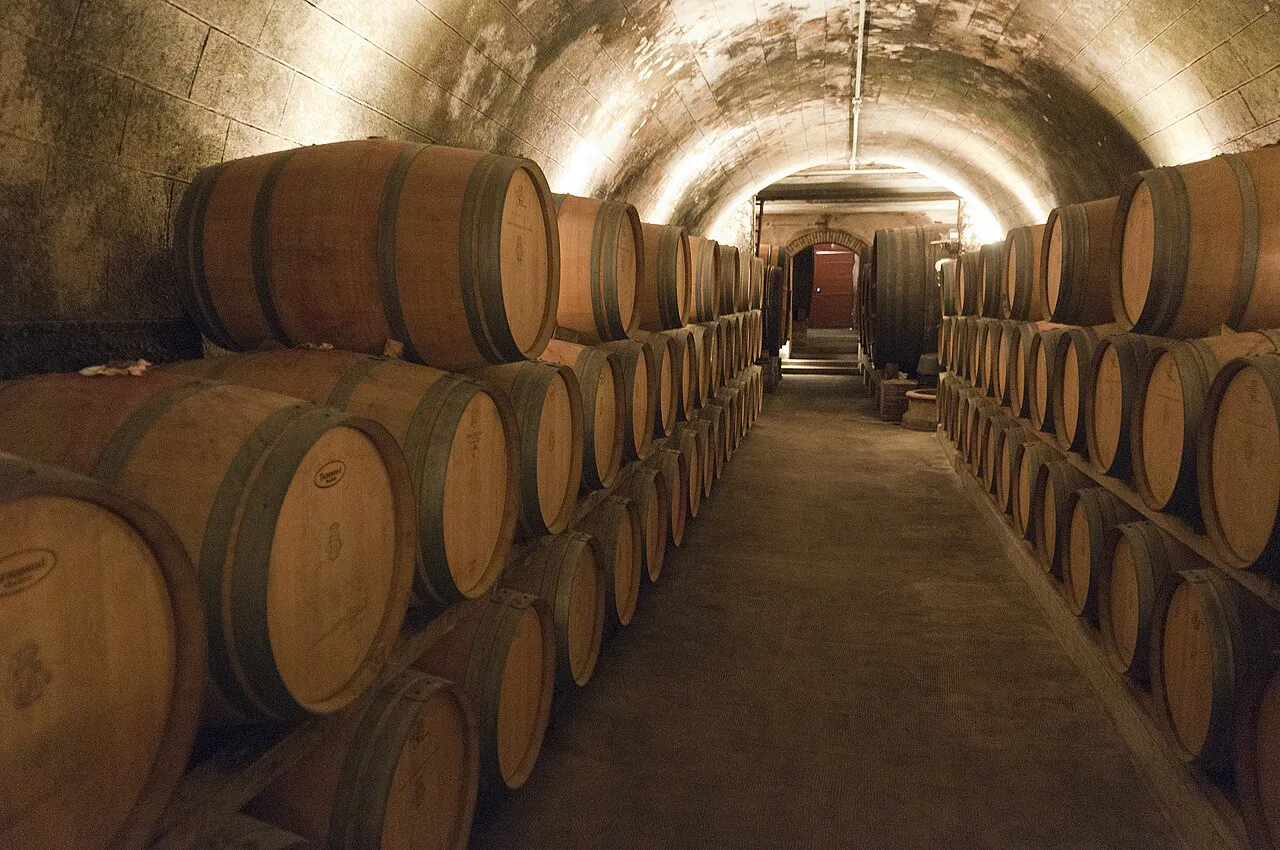
The estate's core range is straightforward: a red, a rosé and a white under the Château Simone name, plus a Grands Carmes range of red, rosé and white. Knowing this in advance helps you ask precise questions when booking, such as which wines are typically open for a visit and whether the Grands Carmes bottlings are included.
The red is a blend built mainly on Grenache, Mourvèdre and Cinsault, with old-vine pockets of Syrah, Manosquin, Castet, Carignan, Cabernet Sauvignon and Muscat Noir adding complexity according to the importer cited by a US retailer. The same source notes the influence of Mont Sainte-Victoire and its pine-forested slopes on the red's character.
The rosé's technical sheet gives the fullest published picture of how the wines are made: north-facing slopes, limestone scree, vines over fifty years old, partial destemming, pressing with a vertical hydraulic press, and blending with a proportion of bleeding juice. Those details are the sort of thing worth asking about in person, since they shape why the wines taste as they do.
Avoid treating any single vintage note as a buying decision. Styles shift with the year, and the estate's own descriptions are more stable than a retailer's tasting copy. If a particular cuvée matters to you, say so when you make contact and ask what is likely to be available around your dates.
How Visits and Tastings Are Arranged in Practice
The estate publishes a telephone number and an email address, and those are the channels to use. What it does not publish, in the material available here, is a visitor program: no stated tasting fee, no opening days, no tour length, no confirmation that walk-ins are welcome. Rather than guess, write and ask directly.
Provençal domaines of this scale typically receive visitors by prior arrangement, often during working hours and outside harvest, when the cellar team is not fully occupied. Harvest usually falls in early autumn, and that is the period when hospitality is most likely to be curtailed. Ask Château Simone about the estate's availability for your specific dates rather than counting on a fixed season.
A good enquiry is short and specific: your dates, party size, whether you plan to buy wine, whether you need the visit in English or French, and whether anyone in the group will not be drinking. Mentioning that you are traveling without a car also helps, because it tells the estate you may need clearer arrival instructions.
If the estate cannot receive you, that is useful information rather than a dead end. Shift the day toward other Aix en Provence wineries that do publish visitor terms, and keep Château Simone for a restaurant list or a wine shop instead. Our overview of Wineries Around Aix-en-Provence sets out which estates are geared up for visitors.
Booking Logistics: Language, Party Size and Payments
Write in French if you can, or in simple English with a clear subject line naming your dates. The estate's site runs in both French and English, so English enquiries are reasonable, but a short French greeting costs nothing and often speeds up a reply from a small office.
Ask about minimum and maximum party sizes, since small domaines often host couples and small groups but struggle with larger parties during the working week. Ask too whether payment for any tasting or wine purchase is by card or cash, and whether there is a minimum purchase expectation.
None of these terms are published in the sources here, so the answers come from the estate itself. Keep the reply with your travel notes, and reconfirm the day before if you are traveling a long way. A single confirmation message avoids a wasted morning on a rural road.
Getting There from Aix-En-Provence Without Driving
Meyreuil lies east of Aix-en-Provence, and the estate's address is a small chemin rather than a through road. Public transport in this corner of Provence is thin and oriented toward residents and commuters, so don't count on a bus stopping at the gate. Check current local bus routes with the Aix tourist office or the regional transport authority before you build a plan around them.
A taxi from central Aix is the simplest solution, but the return leg is the part people forget. Book a driver for both directions, or ask the estate whether a local taxi is used to collecting visitors, and agree a pickup time and place in advance. Ride-hailing coverage in rural Provence is inconsistent, so a pre-booked car is safer than an app at the end of a tasting.
Cycling is feasible for fit riders who are comfortable on hilly roads, but you should not combine a tasting with a ride unless someone in the group stays sober. The same rule applies to driving: whoever is behind the wheel spits rather than swallows. A designated driver, a hired car with a driver, or one of the Aix En Provence Wine Tours that handles transport removes the problem entirely.
If you prefer a tour, ask the tour company directly whether Château Simone is a scheduled stop or a request-only one. Small-group operators often build itineraries around estates that reliably receive visitors, and a domaine without published visitor terms may not be on the standard route. Getting that answer before booking saves disappointment, and it is worth checking current prices and dates with the company you choose.
Pairing the Visit with Other Stops
Because Palette is compact, build the rest of the day around the Sainte-Victoire side of Aix rather than trying to cross the whole region. Grouping a Meyreuil appointment with one other stop keeps driving or taxi time sensible and leaves room for a proper lunch in the countryside.
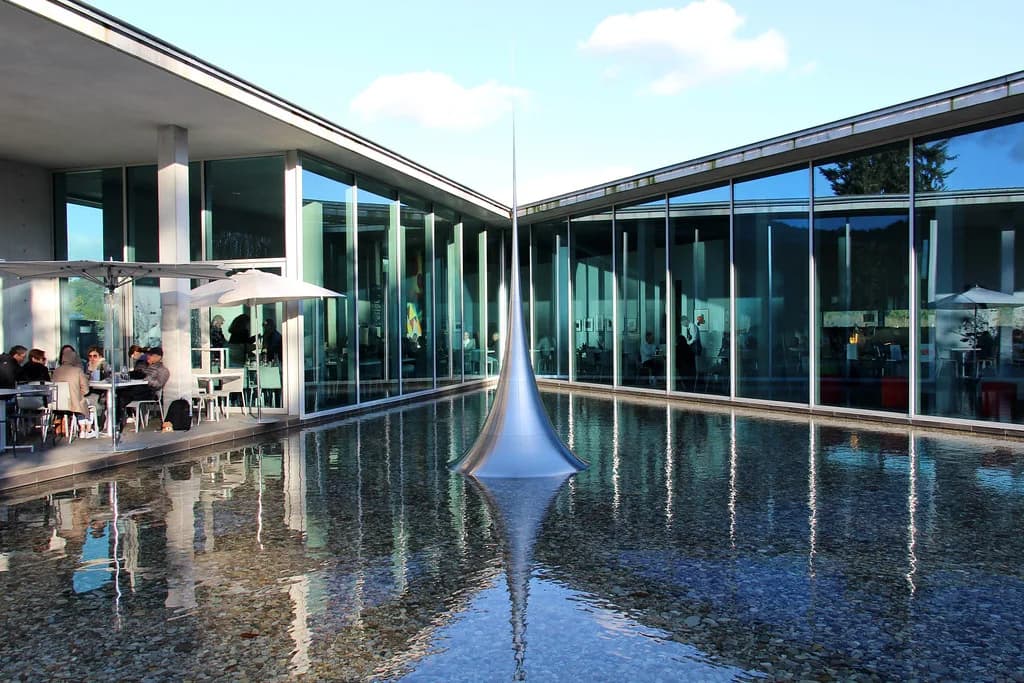
Château La Coste, north of Aix toward Le Puy-Sainte-Réparade, is the obvious contrast: a large, visitor-oriented estate with art and architecture on site. It is the kind of place that publishes its opening arrangements, which makes it easier to slot into a day around a private appointment at Simone.
A practical shape is a morning appointment at Château Simone, lunch nearby, and an afternoon at a second estate or a walk below Mont Sainte-Victoire. Keep the driving between stops short, and leave slack in the schedule for a long conversation in a cellar that runs over time.
Tasting the Wines Before or After Your Trip
Château Simone appears on wine lists in top French restaurants and in specialist merchants abroad, though in small volumes. One US retailer notes that around 2,400 bottles of the red are available for the American market annually, which explains why you may see a single listing rather than a shelf of vintages.
If you want to taste before you travel, look for the wines in a serious restaurant in Aix or Marseille rather than relying on finding them in a supermarket. After the trip, a specialist importer or fine-wine merchant is the realistic route. This is a domaine to seek out deliberately, not one that finds you.
Estate Visit or Buying the Wines at Home
The trade-off is simple. An estate visit gives you the place, the conversation and the chance to compare the red, rosé and white side by side, assuming the estate confirms a tasting. Buying at home gives you bottles but costs more per unit and loses the context, and availability abroad is limited.
If your reason for going is curiosity about Palette as an appellation, the visit is worth the effort of arranging transport. If you mainly want the wine in your cellar, a good merchant is more efficient. Many travelers do both, buying a bottle or two at the estate and seeking the wines again at home.
Plan Your Visit
Start with an email or a call to the estate using the published contact details, give firm dates and party size, and ask plainly what a visit involves, when it is possible and what it costs. Everything beyond that, from opening days to whether a tasting is offered at all, comes from the domaine rather than from any published visitor program.
Arrange transport before you commit: a pre-booked taxi both ways, a driver who abstains, or a tour that includes the estate. With the appointment confirmed and the return leg sorted, the day works around a single, focused tasting in one of the smallest appellations in Provence.
Frequently Asked Questions
Can you visit Château Simone?
The estate publishes a phone number and email address at its Meyreuil address, and those are the channels to use. It does not publish tasting fees, opening days or tour details, so whether a visit is possible depends on the reply you receive. Write with your dates and party size and ask directly.
Where is Château Simone located?
The published address is Chemin de la Simone, 13590 Meyreuil, east of Aix-en-Provence in the countryside toward Mont Sainte-Victoire. It is a rural address on a small road, not a town-center location, so plan the final approach in advance.
What is the Palette appellation?
Palette is a small delimited appellation in eastern Provence covering roughly fifty hectares on Langesse limestone soils, producing white, red and rosé wines. It was recognized as an AOC in 1948, two years after Château Simone received its own recognition in 1946.
What wines does Château Simone make?
The estate makes a red, a rosé and a white under the Château Simone name, plus the Grands Carmes range. Reds and rosés are based on Grenache, Mourvèdre and Cinsault, while the whites rely mainly on Clairette, white Grenache and Bourboulenc.
How do you get to Château Simone from Aix-en-Provence without a car?
A pre-booked taxi in both directions is the most reliable option, since public transport in this rural corner is thin and the address sits on a small chemin. Cycling is possible for fit riders, but not if you intend to taste. Ask about ride-hailing coverage before relying on an app for the return.
Is Château Simone worth visiting?
It is worth the effort if you want to understand Palette as an appellation rather than simply taste a wine. The estate is effectively the reference producer for a very small zone, so a hosted visit concentrates a lot of context into one appointment. If no visit is possible, look for the wines on restaurant lists instead.
How much does a visit to Château Simone cost?
No tasting fee or visit price is published in the estate's own material, so there is no figure to quote in advance. Ask about any charge when you enquire, along with payment methods and whether a purchase is expected. Bottle prices vary by market and merchant.
Sources
Notes for your next wine trip
Optional updates to our winery and wine-town guides.
You might also like
Continue reading
More guides you'll find useful