Château La Coste: Wine, Art & Architecture Visit Guide from Aix
Plan a day at Château La Coste near Aix-en-Provence with art walks, cellar tours, wine tastings, published ticket prices and practical ways to get there.
On this page
Château La Coste is not a classic château tour. It is a working organic wine estate at Le Puy-Sainte-Réparade where more than forty contemporary artworks and buildings by architects such as Tadao Ando, Frank Gehry and Jean Nouvel are installed across the vineyards and hills, and where the wine experience is built around a modern winery rather than a historic cellar.
That combination makes it one of the most distinctive wine days within reach of an Aix-en-Provence base, but it also means you must decide what you are buying: the self-guided art walk, a guided art tour, the winery visit with tasting, or a package that folds the two together. This guide separates those options, gives the published prices and schedules, and explains the time and transport trade-offs behind each one.
What Château La Coste Actually Is
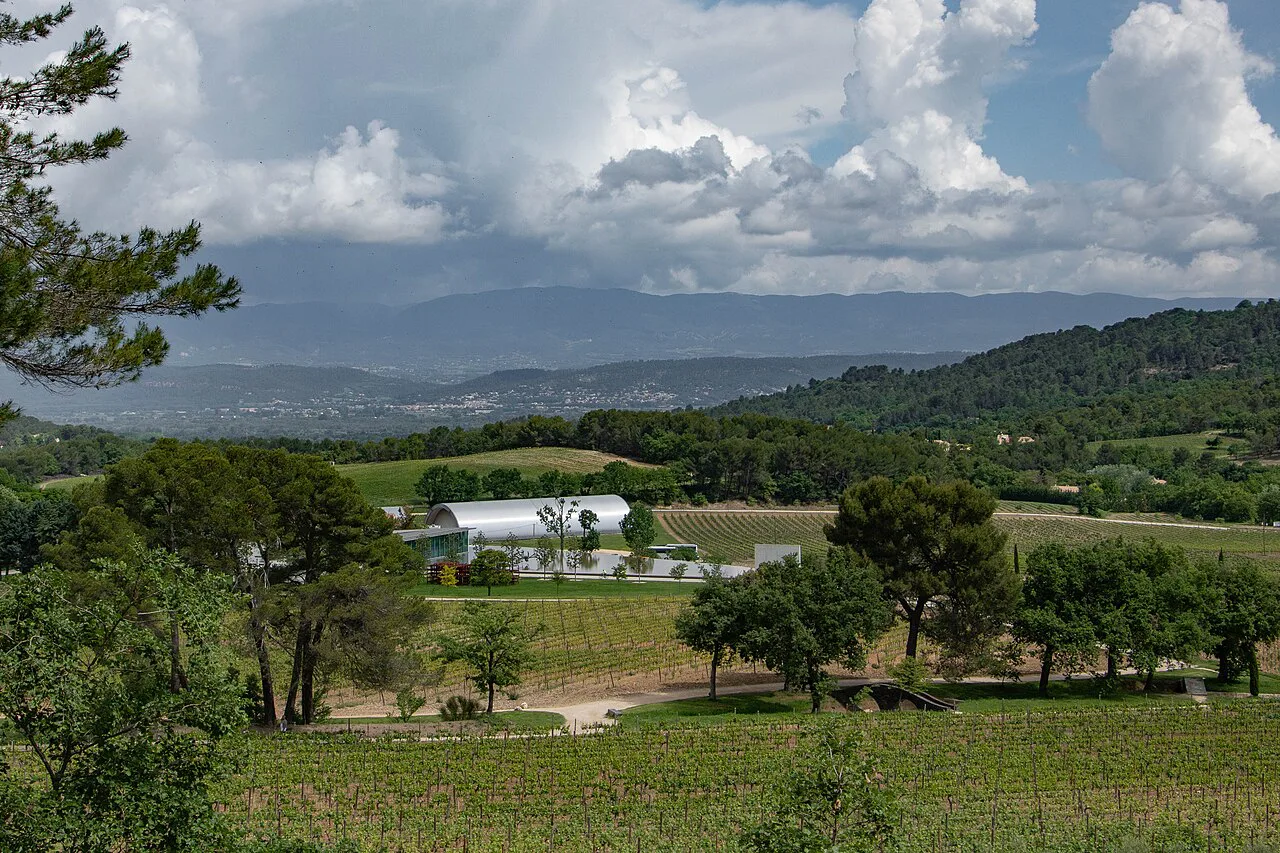
The estate spreads over roughly 500 acres between Aix-en-Provence and the Luberon National Park, with vineyards farmed organically and with biodynamic inspiration; the wines have carried organic certification since 2009. Since opening to the public in 2011, it has functioned as a permanent open-air collection, with artworks and architect-designed pavilions placed in the landscape rather than in galleries.
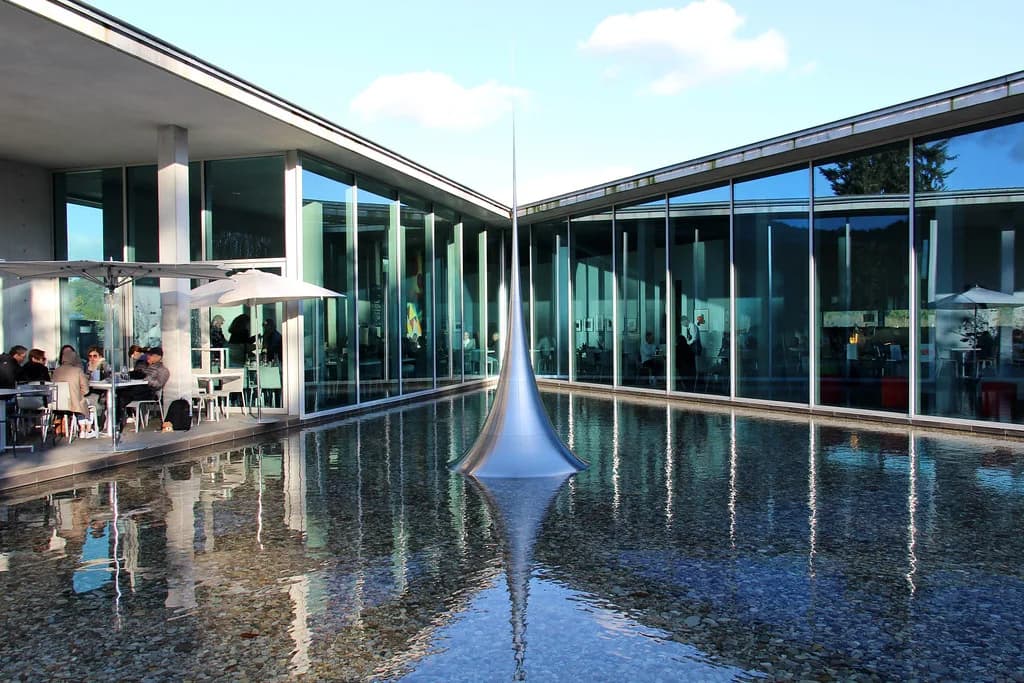
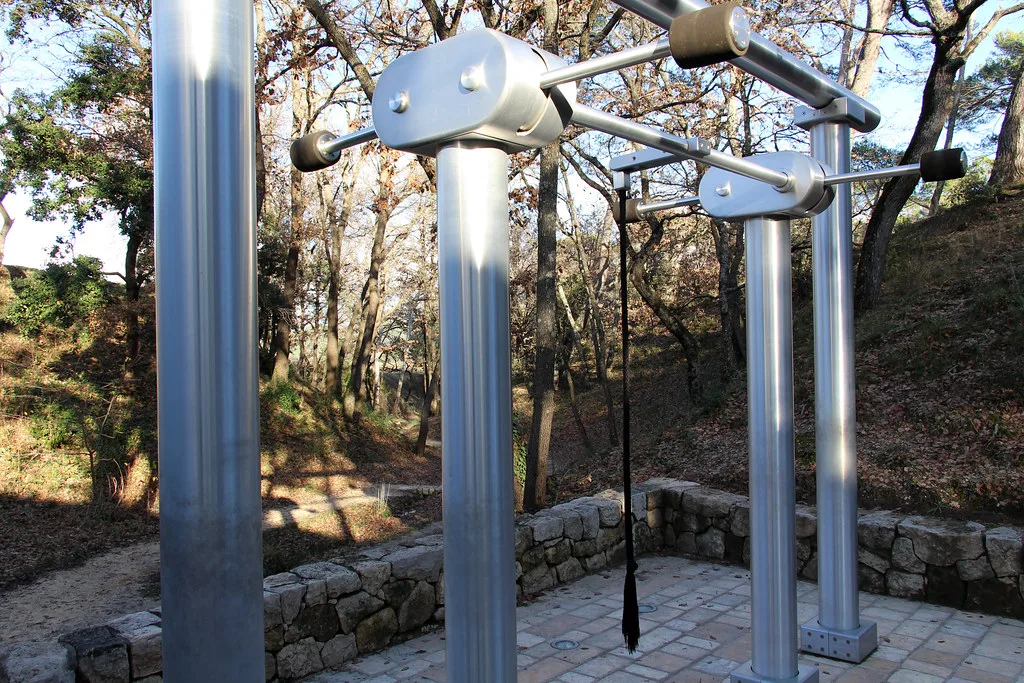
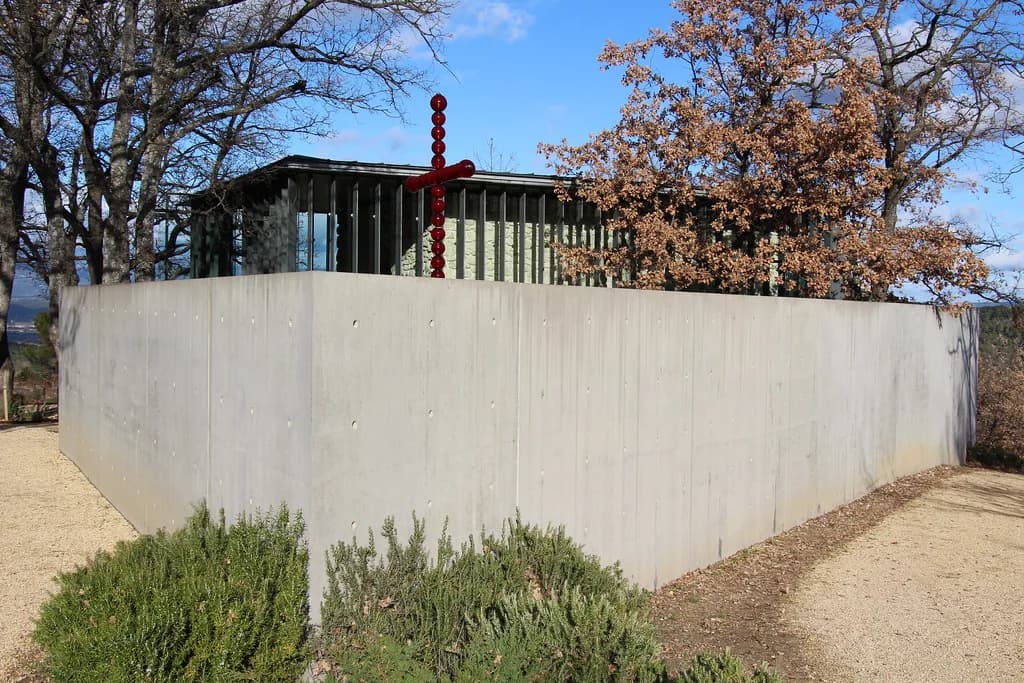
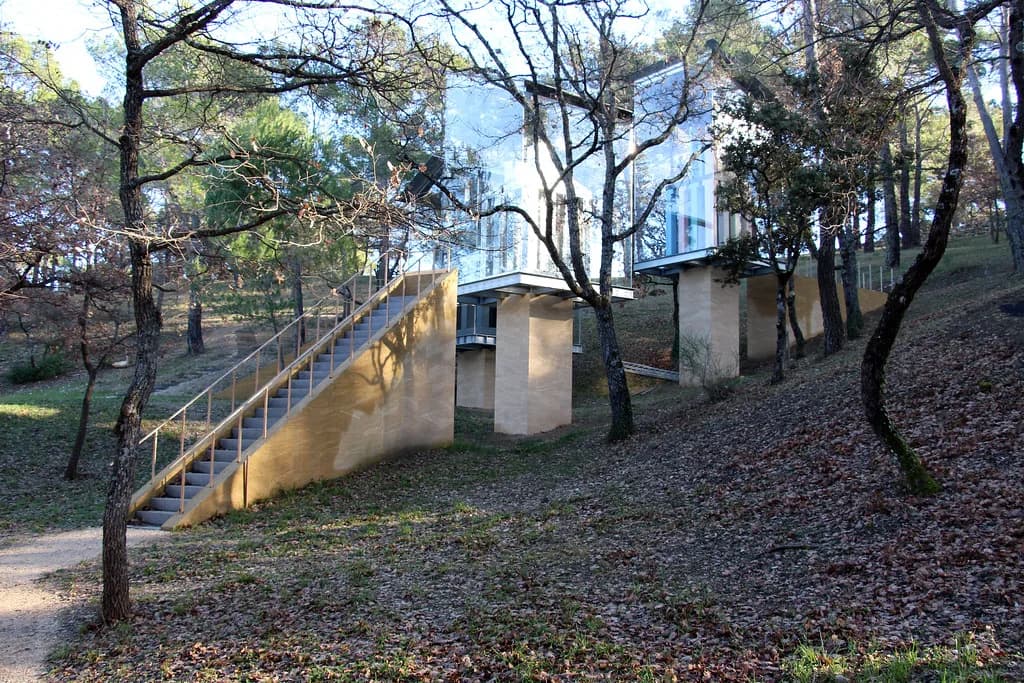
Do not arrive expecting a château building with a family history tour. The draw is the walk itself: Ando's concrete Art Centre, Renzo Piano's exhibition pavilion set into a hillside, Gehry's timber auditorium and Music Pavilion, Louise Bourgeois's spider over water and Andy Goldsworthy's subterranean Oak Room are encountered along paths through vines, olives and woodland. The winery, a Jean Nouvel design, sits within the same landscape.
The wine side is treated as a complement to the art rather than a separate attraction. A visit typically ends with a commented tasting, which is why the combined tickets make sense for anyone who wants both the landscape and the glass.
Where It Is and How Far from Aix
The address is 2750 Route de la Cride, 13610 Le Puy-Sainte-Réparade, a short drive from Aix-en-Provence on the edge of the Luberon. In practice it is a rural estate reached by road, not a village-centre monument you can stroll to from a station.
No train or bus line serving the estate is published in the visitor information, so plan on a taxi, a private transfer or an organized tour from Aix. If you are comparing options, our guide to wine tasting in aix-en-provence sets out how the wider district is organized and which bases work best for car-free days.
The honest trade-off is cost and flexibility: a taxi gives you a fixed departure time and an easy return, while a small-group tour absorbs the drive and often pairs La Coste with another estate. Either way, whoever is driving should not taste; the estate's spittoons and the region's tasting culture make it normal to taste lightly and pour the rest away.
How the Estate Is Laid Out
Think of the visit in three zones. The Art Centre and bookshop form the arrival point, the 4 km Art and Architecture route climbs through the hills and vineyards beyond it, and the winery, tasting spaces, shops and restaurants cluster lower down near the entrance.
A sensible sequence is to book the winery visit for your slot, walk the art route at your own pace before or after, and leave time for a meal or a glass at one of the on-site venues. Because the art route is outdoors and partially exposed, doing the walk earlier in the day is more comfortable in summer than saving it for the afternoon.
The estate recommends walking shoes, comfortable clothing, a cap and a bottle of water, since the route involves climbing and descending on shaded and sunlit paths. This is a genuine half-day of walking rather than a gallery stroll.
The Art & Architecture Walk: Time, Distance and Price
The self-guided route runs about 4 km and takes roughly two to three hours at an unhurried pace. The official page describes it as a 4 km outdoor walk in the hills of the estate, and access continues until dusk.
Entry to the Art and Architecture route is 15 euros for adults and 12 euros for the reduced rate, according to the estate's published rates. A guided version with one of the estate's guides costs 25 euros and runs in French and English, with the published times listed daily at 10:00 and 14:30.
The guided tour is worth the extra money if you want context on the artists and architects, since the works are spread out and the labels alone explain little. If you mainly want the landscape and the tasting, the self-guided ticket leaves more control over timing.
The Art Centre and bookshop are open 10:00 to 19:00, while exhibitions run 12:00 to 18:00. Note that these are the published hours and the estate adjusts its programme seasonally, so confirm your date when booking.
Wine Visits: The Jean Nouvel Winery and Tasting
The wine visit is a guided tour of Jean Nouvel's winery followed by a commented tasting. The published rate is 25 euros, with a reduced rate of 20 euros, and the tour is offered daily in French at 11:00 and in English at 14:00 according to the tourist board listing.
Because this is a modern working winery rather than a historic cellar, expect to learn about how the estate farms and vinifies rather than to walk through old vaults. The tasting follows the tour and draws on the estate's own wines; the estate has not published which wines are poured on a given day, so ask when you reserve if a particular cuvée matters to you.
Combined packages are the efficient choice if you want both experiences. A winery visit with tasting plus the Art and Architecture walk is published at 32 euros, while the winery visit with tasting plus a guided art tour is 40 euros.
Group and private formats exist, including private art walks arranged by email, and the winery visit can be booked through the estate's own reservation system. If you are a couple or a small party, the standard scheduled slots are the simplest route.
Tickets and Prices at a Glance
To buy the right ticket, separate three things: the art route, the guided art tour and the wine visit. The art walk is the cheapest entry and excludes wine; the guided art tour adds interpretation; the winery visit adds the tour and tasting; and the combined packages include both.
Taken together, the published rates make the self-guided art walk the cheapest way in and the winery visit with a guided art tour the most complete, with reduced rates on the art walk and the winery visit and the two combined packages in between. Treat the figures above as the ones to budget from and confirm the current price when you book.
Bottle prices, wine-shop purchases and restaurant bills are separate and not published in the visitor information; check the estate's shop and restaurant pages for current menus before you go.
Opening Hours and Seasons
The estate's hours shift with the season. From 1 March to 1 November it is published as open daily 10:00 to 19:00; from 2 November to 28 February it opens daily 10:00 to 17:00, staying open until 19:00 on Saturdays and Sundays.
In practice, the shorter winter day limits how late you can start the art walk, because the route is accessible until dusk and dusk comes early in Provence from November onward. A winter visit works best with a morning arrival.
Summer visits allow a later start and a meal afterward, which is why many travelers pair a late-afternoon art walk with dinner on site. Check the day you plan to travel, since public holidays and private events can alter access.
The Wines: What Provence Does Here
Château La Coste farms its vineyards organically with biodynamic principles and makes the three classic Provençal styles: fresh whites, pale rosés and structured reds. Rosé is the region's signature and the natural starting point for a first visit, with the whites and reds showing what the estate does beyond it.
The estate sits within the Coteaux d'Aix-en-Provence appellation zone, one of Provence's larger AOC areas, where reds and rosés dominate and the landscape is a mix of limestone hills and vineyard. If you want to compare La Coste with neighbors, our guide to aix en provence wineries covers the surrounding estates and how they differ in style and access.
For a broader sense of the region's range, from Bandol and Cassis to the Côtes de Provence heartland, the site's provence wineries overview is a useful planning companion; it helps you decide whether La Coste is your whole wine day or one stop among several.
Restaurants on Site
Food is part of the logistics here, since the estate sits away from village restaurants. The published lineup includes La Terrasse wine bar, a café, the Tadao Ando restaurant, an Argentinian restaurant by Francis Mallmann, an Italian trattoria, and dining at Villa La Coste.
For a wine-focused day, the wine bar and café are the low-commitment options; the gastronomic restaurants need a reservation and a longer time slot. Booking a table in advance is sensible at weekends and in high season, when the estate is busy.
Independent Visit vs Guided Tour
Going independently from Aix means arranging your own taxi or transfer, buying the art walk or winery ticket separately, and setting your own pace. It is the more flexible option and works well for two or more people splitting a taxi, but it leaves you without transport if you want a second stop.
A guided tour bundles transport, often with another estate, and removes the driving question entirely. The trade-off is a fixed itinerary and less time on the art route, so check whether the tour includes the walk or only the winery before you book. Aix en provence wine tours is a good place to compare formats.
If you want one more château-style visit in the same trip, Château Vignelaure is a well-known estate in the same appellation area and makes a natural contrast. Travelers also weighing a city base against the countryside can compare this with wine tasting in Avignon, where urban tastings and nearby appellations offer a different rhythm.
How to Book
The estate sells art and winery tickets through its own reservation system and lists a phone number, +33 4 42 61 89 98, and an email, accueil@chateau-la-coste.com, for questions and private visits. Booking ahead is the practical route for the scheduled winery slots, which are limited to specific times of day.
When you reserve, ask three things: which language slot you are booking, whether the tasting includes the art walk or requires a separate ticket, and what time the route closes on your date. These details decide whether your day runs smoothly or ends with a rushed walk.
Pairing La Coste with the Rest of an Aix Wine Day
La Coste works best as the anchor of a day rather than the whole itinerary. A morning winery visit and walk, a late lunch on site, and a second estate or a return to Aix for dinner is a realistic rhythm, and it avoids trying to squeeze in too much driving.
If you are building a multi-day wine trip, use the Aix-en-Provence wine tasting guide as the base and add La Coste as the art-and-architecture day among more traditional cellar visits.
Who This Suits
La Coste suits travelers who want more than a tasting counter: art lovers, architecture enthusiasts, couples looking for a full day out, and anyone traveling with a non-drinking companion, since the art route stands on its own. It also works well for a family day, provided children can handle a 4 km walk with climbs.
Skip it if you want a traditional cellar tour in a village setting, if mobility makes a hilly 4 km walk difficult, or if your only goal is a quick tasting. In those cases, the smaller estates around Aix are a better fit and easier to combine with a village lunch.
Plan Your Visit
Book the winery slot and decide on the art route before you arrange transport, because those two choices set the shape of the day. If you are traveling without a car, line up a taxi or a tour in advance, since there is no published rail or bus connection to the estate.
Budget from the published rates, check the seasonal hours for your dates, and reserve a table if you want one of the sit-down restaurants. With those pieces in place, La Coste delivers a Provence wine day that is as much about the landscape and the architecture as the glass.
Frequently Asked Questions
How much does it cost to visit Château La Coste?
The estate publishes separate rates for the self-guided art and architecture walk, the guided art tour, the winery visit with commented tasting, and combined packages that include both the art route and the wine visit. The full price list appears on the official Château La Coste site and on the local tourist board listing; budget from those figures.
Is wine tasting included in the art walk ticket?
No. The art and architecture walk ticket covers the outdoor route only. To taste, choose the winery visit with commented tasting or one of the combined packages that includes both the art route and the wine visit.
How long does the Art & Architecture walk take?
The route is about 4 km and generally takes two to three hours at an easy pace. It climbs and descends through vineyards and hills, so wear walking shoes and carry water, especially in warm weather.
Do you need to book Château La Coste in advance?
The estate sells tickets through its own reservation system, and the winery visits run at fixed times of day, so booking ahead is the practical choice. Private art walks can be arranged by email. Confirm language slots and what each ticket includes when you reserve.
How do you get to Château La Coste from Aix-en-Provence without a car?
No train or bus line to the estate is published in the visitor information, so plan on a taxi, a private transfer or an organized tour from Aix. Tours often combine La Coste with another estate and remove the driving question entirely.
What wines does Château La Coste make?
The estate farms organically and makes Provence's classic styles: fresh whites, pale rosés and structured reds, within the Coteaux d'Aix-en-Provence appellation zone. The wines have carried organic certification since 2009. Which wines are poured on a given visit is not published, so ask when booking.
Is Château La Coste open year-round?
Yes. From 1 March to 1 November it is published as open daily 10:00 to 19:00, and from 2 November to 28 February daily 10:00 to 17:00, until 19:00 on Saturdays and Sundays. The art route is accessible until dusk.
Can you eat at Château La Coste?
Yes. The estate lists a wine bar, a café, the Tadao Ando restaurant, an Argentinian restaurant by Francis Mallmann, an Italian trattoria and dining at Villa La Coste. Reserve a table for the gastronomic restaurants, especially at weekends and in high season.
Sources
Notes for your next wine trip
Optional updates to our winery and wine-town guides.
You might also like
Continue reading
More guides you'll find useful