Château Vignelaure: Tasting & Visiting from Aix-en-Provence
Plan a visit to Château Vignelaure in Rians, about 35 km from Aix-en-Provence. Learn its Cabernet Sauvignon story, its wines and how to arrange transport.
On this page
Most Provençal estates you can reach from Aix-en-Provence pour blends built on Grenache and Syrah. Château Vignelaure took a different route: its founders planted Cabernet Sauvignon and made red wines meant to age, which is the main reason the estate is worth the drive out to Rians.
The estate publishes a full set of visitor information on its own site, including a dedicated visiting section alongside the wines, cellars and history pages. Use that as your starting point for what is currently offered, then email or call to fix a time before you build a day around it.
Where Vignelaure Sits
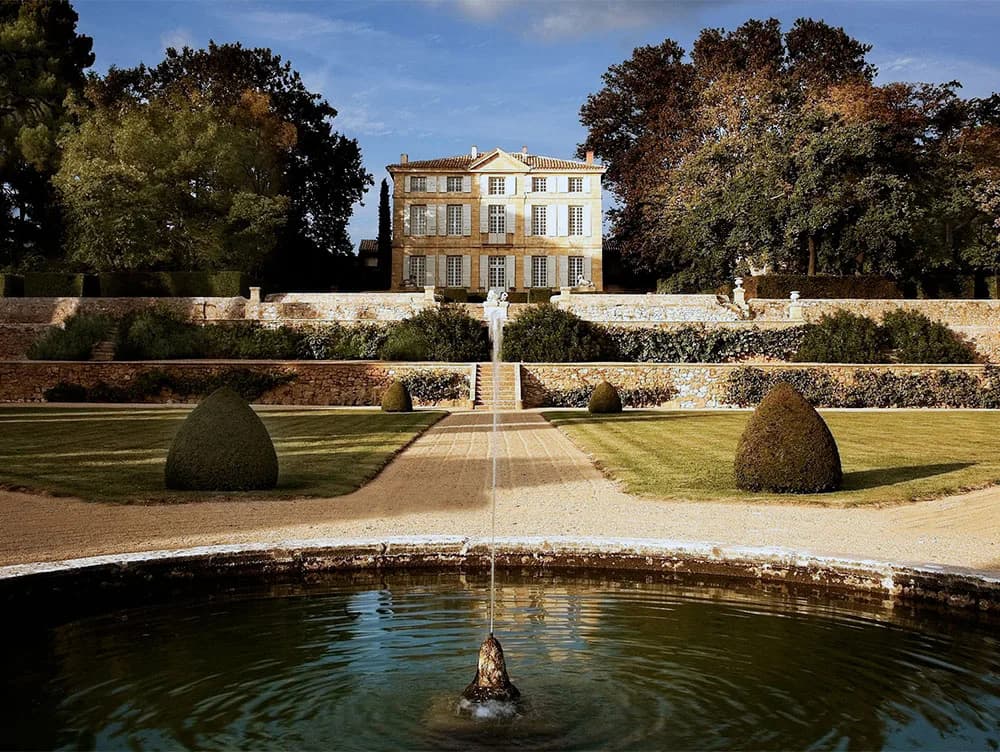
Château Vignelaure lies in the north-eastern part of the Var department, roughly 35 km northeast of Aix-en-Provence, in the Coteaux d'Aix-en-Provence appellation. The address published by the estate is 5210 Chemin de Vignelaure, 83560 Rians.
The vineyard sits high and enclosed by hills, which shapes both the ripening conditions and the sense of isolation. Sources give the altitude as roughly 350 to 400 metres.
This is not a village-centre winery you stumble across on a walk. Rians is a small inland town, the estate is out among the vines, and the last stretch is rural road, so plan the final approach and allow for the drive in rather than expecting a bus to stop at the gate.
The Estate Story in Brief
Vignelaure owes its existence to Georges Brunet, formerly of Bordeaux third growth Château La Lagune, who established the estate north of Aix-en-Provence in the 1960s. He planted Cabernet Sauvignon using cuttings taken from his Bordeaux property, an unusual choice for this part of Provence.
The region as a whole gained appellation contrôlée status in 1985 as Coteaux d'Aix-en-Provence, giving the estate a formal framework for the wines Brunet had already been making. Ownership later passed to a Swedish couple, Bengt and Mette Sundstrom, who took over the property.
Vignelaure has since converted to organic farming and now makes white and rosé alongside the reds. That conversion matters to visitors comparing the estate with conventional neighbors, because it applies across the whole range rather than to a single cuvée.
The vineyard runs to somewhere between 55 and 60 hectares depending on the source. The reputation, however, rests firmly on the red wines rather than on volume.
What Grows Here
Cabernet Sauvignon remains the signature grape, but the plantings have broadened over the decades. Syrah, Grenache, Cinsault and Carignan now sit alongside the Cabernet, giving the estate both a Bordeaux-inspired backbone and a more typically southern Mediterranean register.
White varieties came later: Roussanne, Rolle, which is Vermentino under its local name, and Sémillon were planted in a higher part of the vineyard after it became clear the red varieties were less at home there. This is why a visit can include whites and rosé even though the estate is known for reds.
For orientation on the wider appellation picture, it helps to know that Coteaux d'Aix-en-Provence covers a large sweep of country around Aix, and Cabernet-led wines like these are a minority style within it. Tasting one estate in this zone gives you a specific rather than a representative view, which is part of the interest.
How the Reds Are Made and Released
The reds ferment in stainless steel, then mature for 12 to 24 months in oak of which about a third is new, in underground cellars. Bottle aging follows, with a minimum of 18 months before release, so wines routinely spend around four years in the cellars.
That long élevage is a deliberate choice: the estate aims to release wines when they are ready rather than to make a softer style for early drinking. For a visitor, it means the current release reds are likely to be several vintages behind the newest harvest, which is worth knowing if you intend to buy and drink rather than cellar.
The underground cellars are also part of the physical visit rather than only the production story, since the estate advertises cellar tours. Ask at booking whether the cellar is included in a visit on your date, as tour content can vary by season and group.
What a Visit Can Include
The winery advertises wine tastings, cellar tours and an art gallery on site, so a visit can combine the vineyards, the working cellars and an exhibition in one stop. The gallery is a distinctive feature for a rural Provençal estate and a reason to allow more time than a straightforward tasting would take.
Reviews posted by past visitors describe friendly, welcoming tastings in a setting among the vines and hills. Read those for the general atmosphere, not for a fixed format, since the specifics of any given visit depend on what the estate arranges on the day.
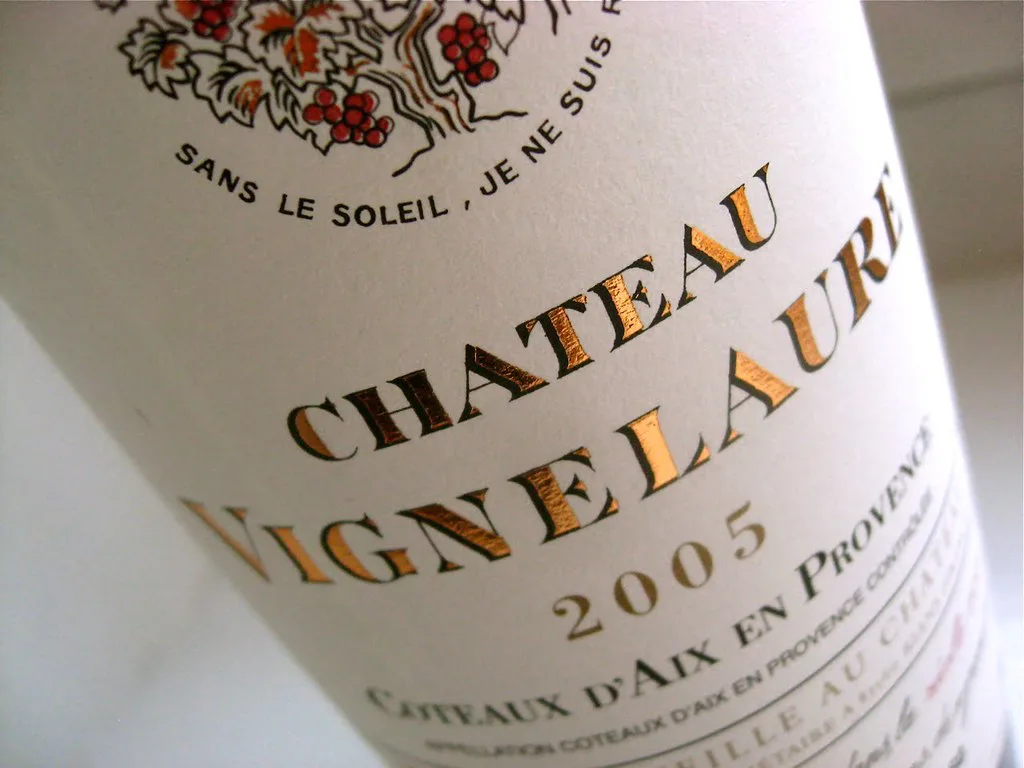
The portfolio separates into three named ranges: Château Vignelaure, La Source de Vignelaure and Le Page de Vignelaure, plus a marc de Provence spirit. Expect the tasting to move from the more approachable ranges toward the flagship reds, and say so in advance if you specifically want to compare them side by side.
Ask directly about tasting fees, number of wines poured, tour length and seasonal closing, and treat any figure you find elsewhere as unverified until the estate confirms it.

Booking Your Visit
Treat this as an appointment estate rather than a walk-in tasting room. The site publishes an email address, info@vignelaure.com, and a telephone number, +33 (0)494 37 21 10, which are the two channels to use for a request.
In your message, state your preferred date and a backup, the size of your party, whether you need an English-language visit, and whether you want the cellar tour and gallery as well as the tasting. Mentioning that you are coming from Aix-en-Provence without your own car helps the estate advise on timing.
Groups and weekend visits deserve earlier contact than a pair on a weekday, because rural estates schedule staff around confirmed bookings rather than keeping a tasting room open all afternoon. If you are a larger party, ask about any minimum size for a guided tour and about splitting a group across two time slots.
Getting There Without Driving
Public transport to Rians is thin, and no source confirms a bus or train that drops you at the estate gate. The realistic options are a private transfer or taxi from Aix-en-Provence for the round trip, or a guided wine tour that includes transport and a scheduled tasting.
Book the return leg in advance rather than expecting to summon a car from the vineyard. A rural estate outside a small Var town has limited passing taxis, and a fixed pickup time also keeps your tasting from running into someone else's schedule.
A guided tour makes most sense if you want to taste seriously and also see more than one property in a day, since a driver removes the spittoon discipline problem entirely. The trade-off is less flexibility: tours run to a fixed sequence and may not include the cellar or gallery time you would choose yourself.
Independent Drive vs. Guided Tour
Driving yourself gives you control over arrival time, lets you linger in the gallery and buy wine without carrying it far, and keeps you on your own schedule. The constraint is that the person driving cannot taste, so a couple sharing a car effectively halves the tasting.
A tour or private transfer costs more up front but converts the day into a genuine tasting for everyone in the group, and it solves the parking and rural-road questions at once. For a single estate visit, the calculus often favors driving with a designated non-tasting driver; for two or three stops, the transfer usually wins.
Either way, spittoons are standard at tastings and using them is normal rather than rude. Whoever is driving should spit and stay on water, and the rest of the party should plan the day so the driver is not waiting alone in a car park for two hours.
Building a Full Day in the Coteaux d'Aix
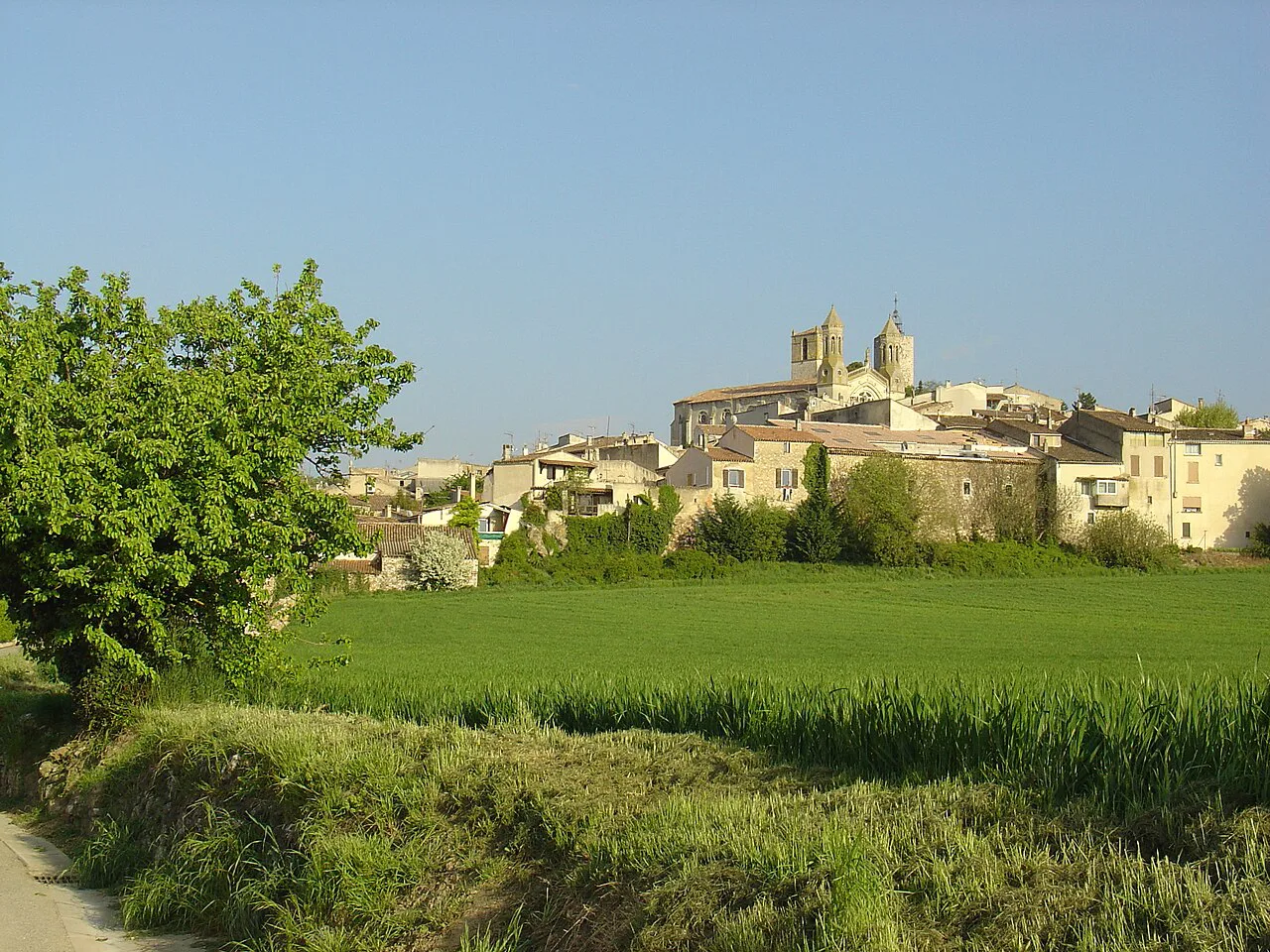
Vignelaure is far enough northeast of Aix that it works best as the anchor of a day rather than one stop among many. Pair it with estates closer to the city or in the direction of the Luberon, and keep the total to two or three visits so each tasting gets real attention.
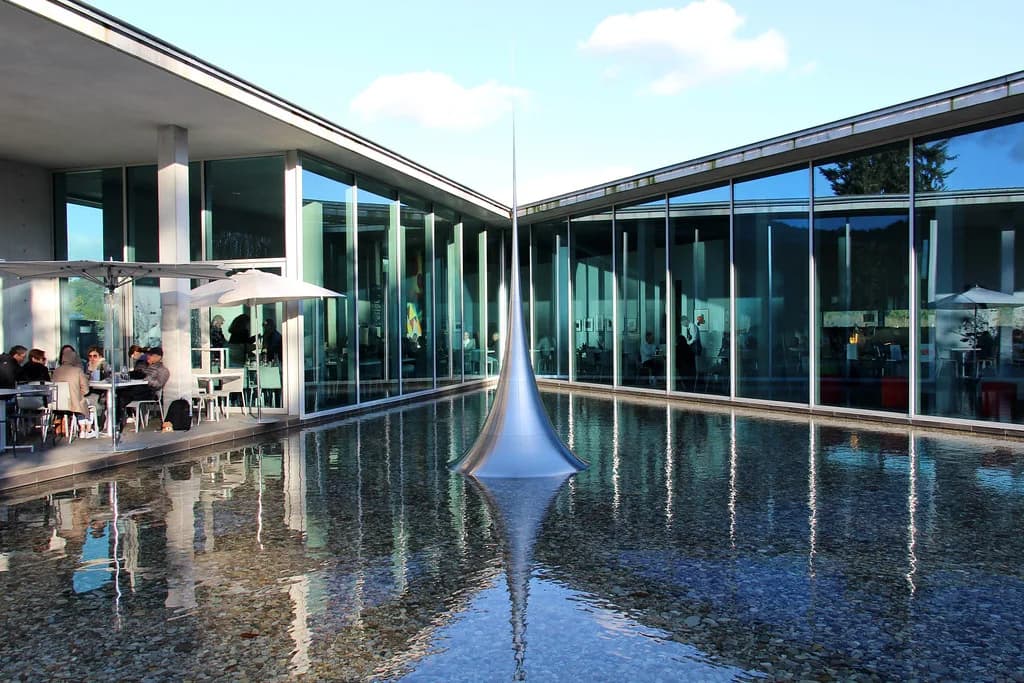
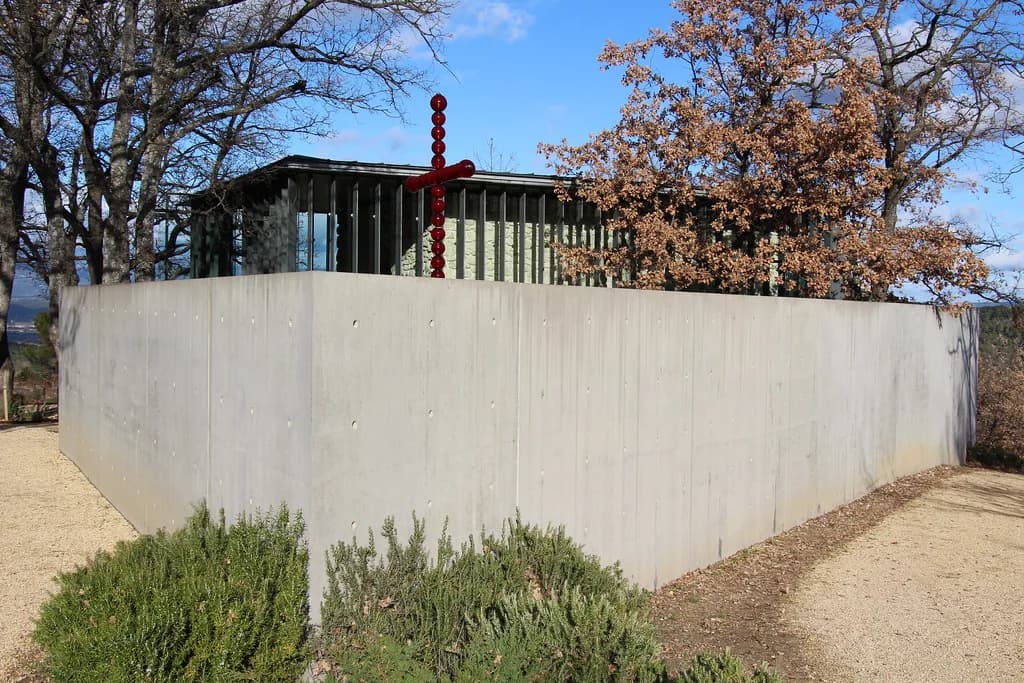
Château La Coste, near Le Puy-Sainte-Réparade, is a well-known art-and-wine estate on the Aix side of the region and combines naturally with a Vignelaure day if you want two contrasting models of wine and culture in one outing.
If your interest is Provence more broadly rather than this appellation alone, it is worth seeing how the rosé-focused Côtes de Provence heartland differs from the Cabernet-influenced reds here before you commit a whole day to one zone. For a port-city alternative built on Cassis and Bandol, compare this with wine tasting in Marseille.
For a wider list of estates within range of the city, sort candidates by drive time from Aix first and by appointment policy second, because a property that only receives booked groups will not fit a spontaneous day.
Buying the Wines
At the cellar door, ask which cuvées are currently available, whether the flagship red is sold in older vintages, and how the estate recommends drinking each one. Because the reds are released after extended aging, the bottle you buy is often not from the most recent harvest.
For readers in the United States, Vignelaure is imported and distributed there, and the wines appear in the US market through Monsieur Touton Selection. Availability and pricing move constantly, so ask a specialist retailer whether a specific bottling is in stock.
Ask at the estate about carrying wine home by air and about any export paperwork for a larger order. For a bottle or two, checked luggage is usually simpler than shipping; for a case, compare the estate's shipping terms with what a US retailer would charge for the same wine.
Timing Your Visit
Harvest in this part of Provence generally falls in the late summer and early autumn, and the weeks around picking are the busiest on any estate. If you visit then, expect the working team to be stretched and book your slot well ahead rather than hoping the tasting room is free. Check current dates with Château Vignelaure before you travel.
Weekdays outside harvest are the calmest time for a rural property, and spring and late autumn give cooler driving conditions on the country roads. Weekends and the summer school holidays bring more visitors to the region as a whole, so earlier booking matters more then.
Build your date around a confirmed appointment rather than around a published timetable. One email settles both the day and the time.
Plan Your Visit
Vignelaure is a specific kind of Provence visit: a hilltop estate with organic farming, Cabernet-led reds released after long aging, and an art gallery alongside the cellars. It rewards travelers who book ahead and treat the drive to Rians as part of the day rather than an inconvenience.
Send your request to the estate with dates, party size and language needs, arrange a transfer or a non-tasting driver, and ask directly about tasting content and price since the visitor pages do not publish them. With those pieces fixed, the rest of the day is straightforward.
Frequently Asked Questions
How far is Château Vignelaure from Aix-en-Provence?
The estate gives the distance as about 35 km, in the north-eastern Var near the town of Rians. By road that is a short drive on country routes, but the last stretch is rural, so allow extra time rather than relying on a precise minute count.
Can you visit Château Vignelaure without booking?
The estate advertises tastings, cellar tours and an art gallery, and treats visits as appointments. Email or call with your preferred dates, party size and any language needs before you set out, especially if you are travelling from Aix without your own car.
What wines does Château Vignelaure produce?
Reds dominate, built on Cabernet Sauvignon with Syrah, Grenache, Cinsault and Carignan, alongside whites from Roussanne, Rolle and Sémillon and a rosé. The wines are sold under three names: Château Vignelaure, La Source de Vignelaure and Le Page de Vignelaure.
Is there public transport from Aix-en-Provence to Rians?
No published service puts you at the estate gate, so the practical options are a taxi or private transfer for the round trip, or a guided wine tour with transport included. Fix your return time in advance, since passing taxis are scarce in the countryside.
Where can you buy Château Vignelaure wine?
The wines are imported into the United States and sold through specialist retailers, and you can also buy at the estate. Availability and pricing change often, so check with a retailer or the winery directly.
Who is driving, and can they taste?
Whoever is driving should not taste. Use the spittoons, appoint a designated driver, or book a tour or transfer so the whole group can drink. Water and bread are normal at tastings, and spitting is expected rather than awkward.
Sources
Notes for your next wine trip
Optional updates to our winery and wine-town guides.
You might also like
Continue reading
More guides you'll find useful