Wine Tasting in Aix-en-Provence: Which Wineries to Choose
Plan wine tasting from Aix-en-Provence: Coteaux d'Aix and Sainte-Victoire vineyards, Provence rosé styles, booking culture, and tour versus DIY options.
On this page
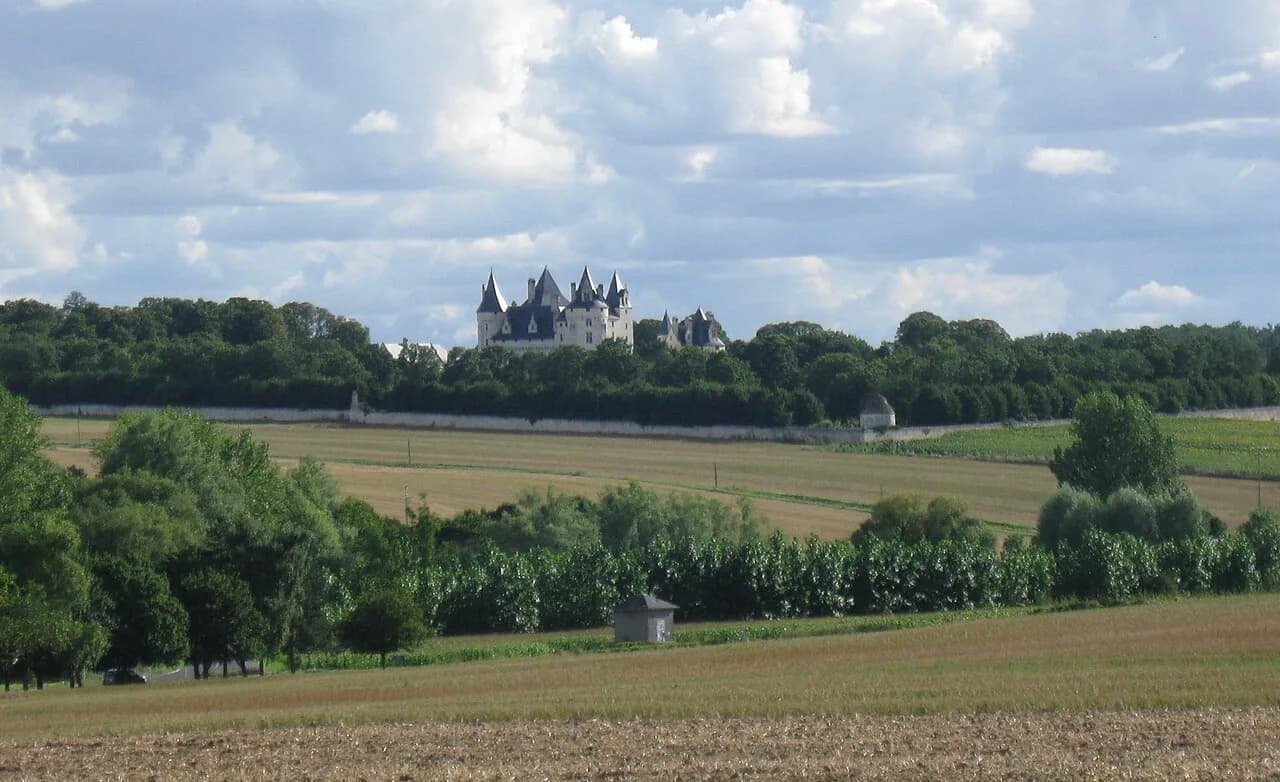
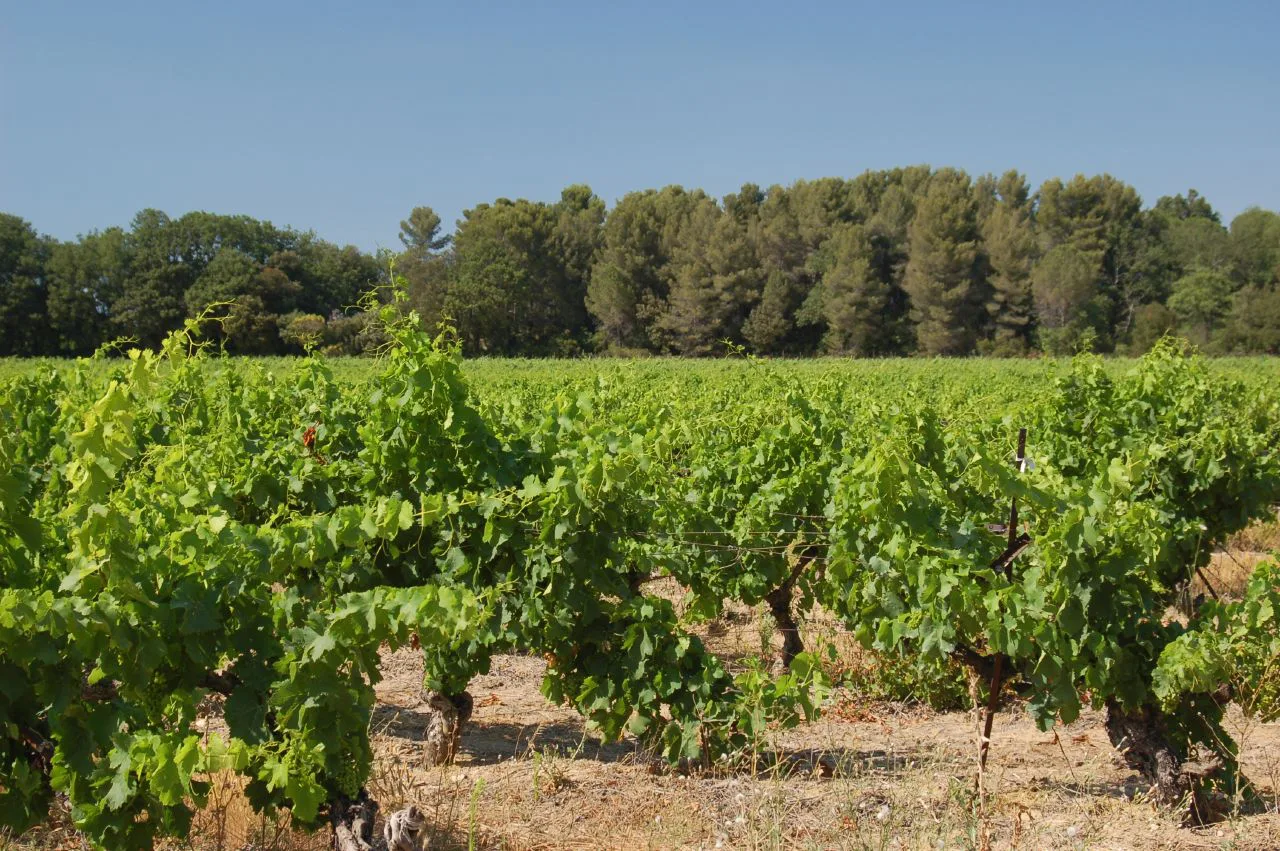
Aix-en-Provence is one of the few European wine towns where the vineyard ring starts at the city edge: the Coteaux d'Aix-en-Provence appellation surrounds the town, and the Montagne Sainte-Victoire rises to the east with its own Côtes de Provence designation. That geography makes Aix work as a base for a single wine day or a longer stay, with the coastal Cassis vineyards reachable as a separate outing toward the Mediterranean.
The catch is that Provence estates rarely run open-door tasting rooms the way some New World wineries do. Visits are usually arranged in advance, and the quality of your day depends on how clearly you state what you want when you write or call. This guide groups tasting options by district, explains the grapes and appellations behind the labels, and sets out the real trade-off between booking a tour and assembling your own day.
Why Aix Works as a Wine Base
The town sits within the Coteaux d'Aix-en-Provence zone, and booking platforms list it as part of both the Provence and Coteaux d'Aix-en-Provence wine regions. In practice that means you can be among vines within a short drive of the center, while the Sainte-Victoire foothills and the Cassis coast give you two distinctly different second and third days. Grouping by district rather than chasing individual estates across the map is what keeps a wine day coherent.
Aix also functions as a gateway for tours that start in Marseille, since several published experiences pick up from either city. If you are staying in Aix without a car, that overlap widens your options: a tour operator may collect you in Aix and run the loop through the countryside on your behalf. The trade-off is fixed itineraries and set departure times rather than the freedom to linger at one estate.
The Wines to Know Before You Book
Provence rosé is the region's signature, and it dominates what most visitors taste: pale, dry wines built mostly from Grenache and Cinsault, with Syrah and Mourvèdre adding structure and color in some blends. The same grapes make the region's reds, which are fuller and less famous abroad, while whites lean on Rolle (known elsewhere as Vermentino), Clairette and Ugni Blanc. Knowing this helps you choose between a rosé-focused tour and one built around appellation character.
The appellations matter more than individual labels when you are planning. Coteaux d'Aix-en-Provence covers the hills around town; Côtes de Provence Sainte-Victoire applies to vineyards in the mountain's shadow; and Cassis, a small coastal appellation west of Toulon, produces whites that are among the most distinctive in Provence. If you want to compare styles in one day, choose a district with several estates rather than trying to cross all three.
The Geography of a Tasting Day
Think of three rings around Aix. The immediate ring is the Coteaux d'Aix-en-Provence countryside, the easiest to pair with a half day. The second is the Sainte-Victoire foothills to the east, where the mountain scenery is part of the appeal. The third is the coast toward Cassis, a longer run that pairs vineyards with calanques and village time and works better as a full day.
A coastal day combining Cassis village with two wineries appears among the published tours from Aix, quoted at eight hours. That duration tells you something useful about the logistics: the coast is not a quick add-on to a morning in the Aix vineyards. If you only have one day, pick either the Sainte-Victoire loop or the Cassis run, not both. If Cassis and Bandol are the wines you most want to compare, wine tasting in Marseille makes the coastal estates a base of their own.
Appointment Culture: How Provence Estates Take Visitors
Most Provence estates sell visits by reservation, so treat a drop-in as the exception rather than the plan. When you write, state the date, the number in your party, the language you prefer, and whether you want a cellar visit or a tasting only; those four details are what an estate needs to slot you in. Ask about the number of wines poured, the length of the visit and any fee at the same time, since small domaines often keep a simple offer.
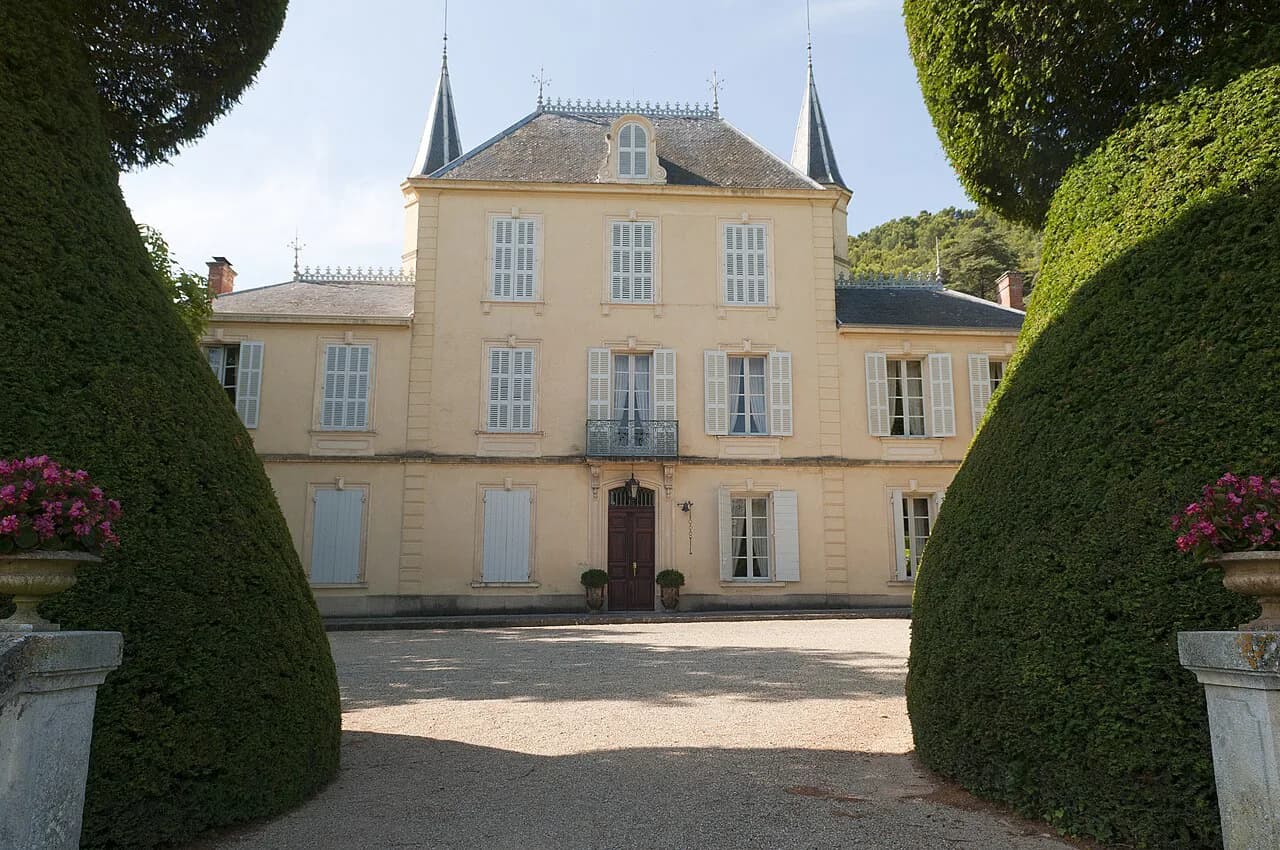
Timing matters. Small estates in the Aix countryside and Sainte-Victoire foothills often run on family schedules, and harvest is the worst moment to expect a leisurely tasting because the cellar team is in the vines. For a spring or early-summer visit, write a few weeks ahead; for September and October, write earlier and accept a narrower window. Published tour listings name estates that currently receive visitors, including Château l'Évêque, and are a reasonable starting point for building a shortlist.
Visiting Independently Without a Car
This is the hardest part of a DIY wine day in Aix, and it is worth being honest about it. Vineyards sit outside town, rural bus coverage toward the Sainte-Victoire villages is thin, and taxis are better suited to a single pre-booked estate than a multi-stop loop. A common compromise is to use a taxi or a bike for one nearby estate in the Coteaux d'Aix ring and save the wider touring for a guided day.
Cycling works for confident riders on the quieter lanes close to town, but heat and distance make it a poor fit for a full Sainte-Victoire or Cassis day. If you are relying on public transport, ask the estate directly which village stop is closest and how far the walk is from it; that single question saves more time than any timetable app. A driver in your group should not taste at all, so plan on spittoons, a designated driver, a tour or public transport.
Guided Tours from Aix: What the Published Options Look Like
Booking platforms list a wide spread of formats from Aix, from a two-hour wine and apéro walk in town to nine-hour multi-estate days. Published examples include a two-hour Provencal food and wine tour with a minimum of two and a maximum of eight guests, and a four-hour gourmet wine and food tour with a minimum of two and a maximum of nine. Full-day appellation tours to Côtes de Provence and Châteauneuf-du-Pape are quoted at eight hours with minimums of four people.
Group size is the variable people overlook. The small-format tours cap at six to nine guests, while some full-day coaches take up to sixteen, which changes the feel of the day as much as the price does. When you compare listings, read the minimum and maximum before the itinerary: a tour that needs four people to run may cancel if your party is two.
Operator-run options fill the same niche. A la Française publishes a Côtes de Provence afternoon tour, listed at the time of writing as running from 2:00 pm to 5:00 pm with tastings at two estates of the appellation. Treat those times as the operator's published schedule rather than a permanent fixture, and confirm the departure point when you book.
Named Estates and Stops in Current Listings
Only a few names appear in current published material, and they are worth treating as starting points rather than a definitive list. Château l'Évêque is the estate highlighted by one booking platform as its top visit near Aix, while Château La Coste and La Gaude appear in an eight-hour tour offered from Marseille that can also be joined from Aix. What each visit includes at these estates is not published in the listings, so ask the estate or operator directly about the format before you commit.
Beyond those names, the practical approach is to shortlist by district and appellation rather than by fame. Traveler discussion on Aix wine tours tends to emphasize rosé and the pleasure of tasting several styles in one outing, which is a fair summary of what the region does best. Use a winery directory to identify estates that accept visitors in your chosen district, then confirm the visit format with each one.
Sample Itineraries: Half Day, Full Day, Coastal Day
For a half day, stay in the Coteaux d'Aix ring: one estate with a cellar visit and a tasting, plus a second stop if the first is short. Book an afternoon slot so the morning stays free, and use the town's wine shops or wine bars as a fallback if a visit falls through. This is the plan that survives a late arrival or a change of weather.
For a full day in Sainte-Victoire, aim for two estates in the foothills with a lunch stop between them, and keep the driving short by choosing estates in the same village cluster. A guided full-day tour does this work for you; driving yourself means one person abstains, which is the main argument for booking a tour when your group is small. Check whether your chosen tour actually enters the Sainte-Victoire zone, since some full-day itineraries head to Côtes de Provence or Châteauneuf-du-Pape instead, so compare itineraries the same way you would for wine tasting in Avignon, where the Rhône Valley estates sit in distinct clusters.
For the coast, combine a Cassis winery visit with village time and the calanques, and accept that this is a long day. The published Cassis tour from Aix runs eight hours and visits two wineries, which sets a realistic expectation for how much of the day is spent in the car. A coastal provence wine tour also gives you the region's white wines alongside the rosé you will have tasted inland.
When to Go: Harvest and Shoulder Season
Late summer and early autumn are harvest time in Provence, which is atmospheric but not always convenient: estate teams are busy, and the tasting room may be closed or running reduced hours. Spring is the most comfortable window for a wine day, with mild weather and vines in leaf, while high summer heat argues for morning tastings and a shaded lunch. Winter visits are possible but quieter, and some small estates receive by arrangement only.
Whatever the season, ask about the state of the cellar and the vineyard when you book. A visit during bottling or harvest can mean a shorter tour, and knowing that in advance lets you plan a second stop instead of feeling short-changed. Shoulder-season bookings also give you more choice of appointment times.
Budgeting: Tour Prices Versus a DIY Day
Published starting prices on one booking platform run from roughly €25 for the shortest experiences to over €1,000 for the most elaborate private days, with an average around €263 for a tasting with a winery visit. Concrete mid-range examples include a two-hour food and wine tour from €70 per person, a four-hour gourmet tour from €200, and full-day appellation tours from around €280 to €315. These are published starting prices at the time of listing, not fixed rates.
A DIY day trades the tour fee for a taxi, and taxis in rural Provence are priced per trip rather than per hour, so a multi-estate loop quickly becomes expensive and hard to sequence. The genuine savings from going independently come from visiting one estate close to town and combining it with time in Aix. For two or more estates in the countryside, a shared small-group tour usually wins on both cost and logistics.
Practical Booking Checklist
Before you commit, assemble four facts: the district you want, the number of estates, your party size, and whether anyone needs a non-tasting option. Then write to each estate or compare tour listings with those facts in hand, and ask specifically about the number of wines poured, the length of the visit, the language of the guide and whether food is included. Any published price should be read as a starting figure.
Confirm current details once you have your shortlist, since schedules and closures change through the year and listings lag behind reality. If a tour shows a minimum party size larger than your group, ask whether it will run before you build your day around it.
Tasting in Town Without Leaving Aix
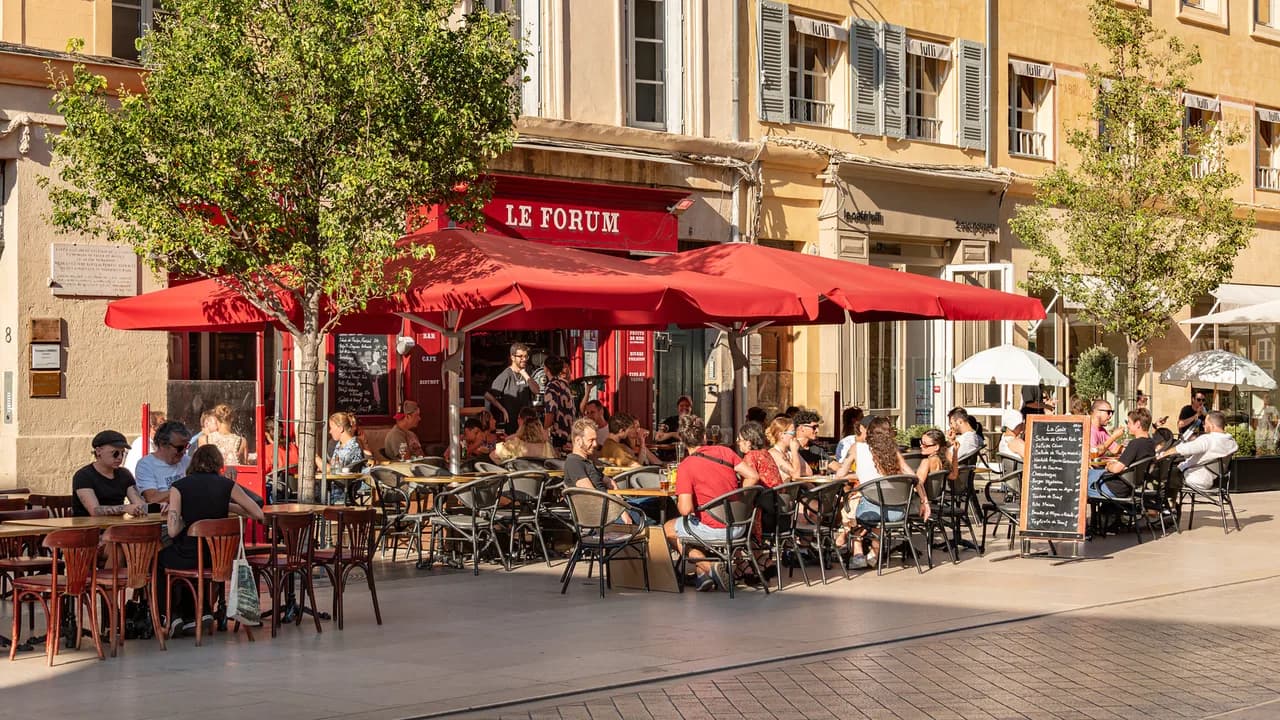
If your schedule collapses or the weather turns, Aix itself offers a fallback: wine shops and wine bars pour local appellations without any transport at all. A two-hour wine and apéro experience with a local guide, listed with a minimum of two and a maximum of six guests, is one formal option. The town-based format works well for a first evening, giving you context before a vineyard day.
The same listing includes a seven-hour exploration of the old town, street markets and wines of Provence, which suits travelers who want gastronomy and wine in one walk rather than a drive into the countryside. Neither option replaces a vineyard visit, but both are sensible for a short stay or a rainy day.
Quick Decision Summary
Choose a guided half-day tour if you have one free day and no car; choose a self-booked estate in the Coteaux d'Aix ring if you want a slow afternoon close to town. Book a full day for Sainte-Victoire or Cassis, and treat the two as separate outings rather than combining them. If rosé is your focus, any district delivers it; if you want to compare appellations, plan one district per day.
Whatever you choose, a driver in the group should not taste, and the simplest way to guarantee that is a tour or public transport. Confirm the current details of your chosen estate or tour once you have a shortlist, then leave room for Provençal pace: a long lunch and an unhurried second stop make a better wine day than three rushed ones.
More wine guides from Aix-en-Provence
Frequently Asked Questions
Do you need a reservation to taste wine near Aix-en-Provence?
In most cases yes. Provence estates typically arrange visits in advance rather than keeping open tasting-room hours, so a drop-in is the exception. When you write, give the date, your party size, your preferred language and whether you want a cellar tour or a tasting only, and ask how long the visit lasts and how many wines are poured.
How much does a wine tasting with a winery visit from Aix-en-Provence cost?
Published starting prices on booking platforms range from short experiences in the low tens of euros to private full days above a thousand, with an average around a few hundred euros for a tasting plus winery visit. Mid-range small-group options sit between those extremes. Treat every figure as a starting price at the time of listing and confirm the current rate when you book.
Which wineries can you visit near Aix-en-Provence?
Current booking listings name Château l'Évêque as a highlighted estate near Aix, while Château La Coste and La Gaude appear in a full-day tour that can be joined from Aix or Marseille. The listings do not publish what each visit includes, so ask the estate or the operator about the format before committing. For a wider shortlist, pick a district first and then check which estates there accept visitors.
Can you visit Provence vineyards without a car from Aix?
It is possible but limited. Rural bus service toward the Sainte-Victoire villages is thin and taxis suit a single pre-booked estate better than a multi-stop loop, so most car-free travelers book a small-group tour or use a taxi or bike for one nearby estate in the Coteaux d'Aix ring. Anyone driving should not taste, so plan on spittoons, a designated driver, a tour or public transport.
How far ahead should you book a wine visit near Aix-en-Provence?
A few weeks ahead works for spring and early summer, and earlier for September and October, when harvest keeps estate teams in the vines and appointment windows narrow. Small family domaines run on their own schedules, so a flexible date range in your first email improves your chances. Confirm the final details once your shortlist is set, since schedules shift through the year.
Which districts should you group into one tasting day from Aix?
Pick one of three rings per day: the Coteaux d'Aix-en-Provence countryside close to town for a half day, the Sainte-Victoire foothills to the east for a full day, or the coastal Cassis vineyards for a longer outing that combines wineries with village time. Crossing two of these in a single day means most of it is spent in the car. A guided full day handles the driving for you.
Sources
Notes for your next wine trip
Optional updates to our winery and wine-town guides.
You might also like
Continue reading
More guides you'll find useful