Wine Tasting in Amalfi: Coast Vineyards and How to Visit
Plan wine tasting from Amalfi: the coast's vineyard villages, what a winery visit includes, tour costs and booking norms, and how to reach vineyards without driving.
On this page
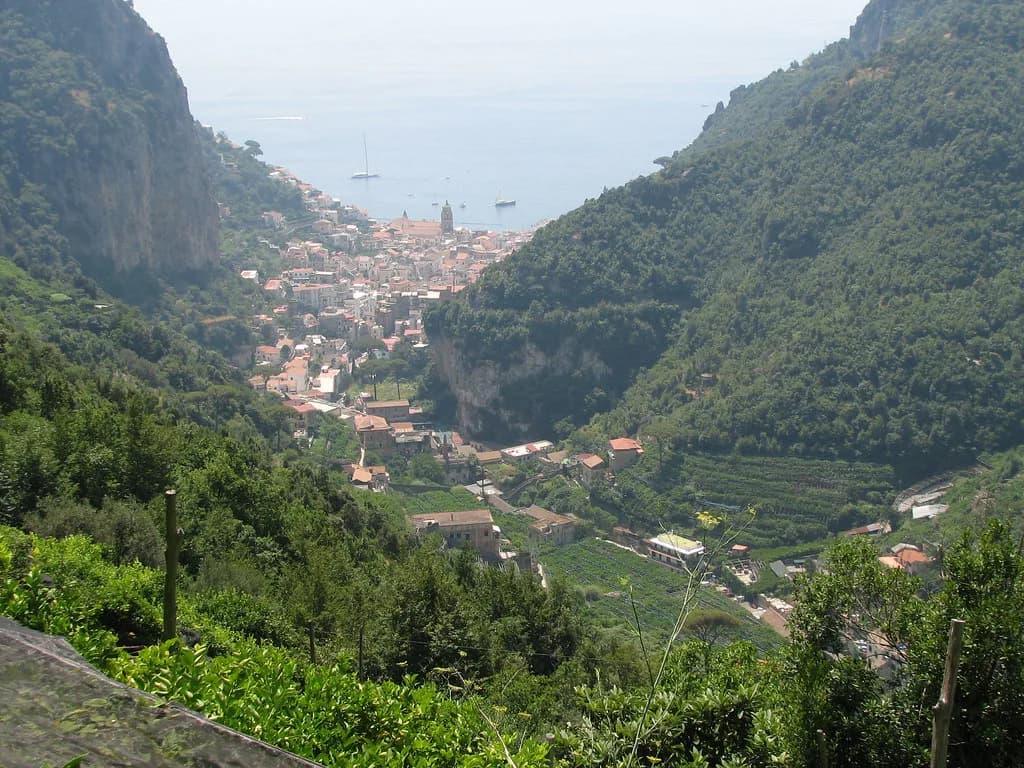
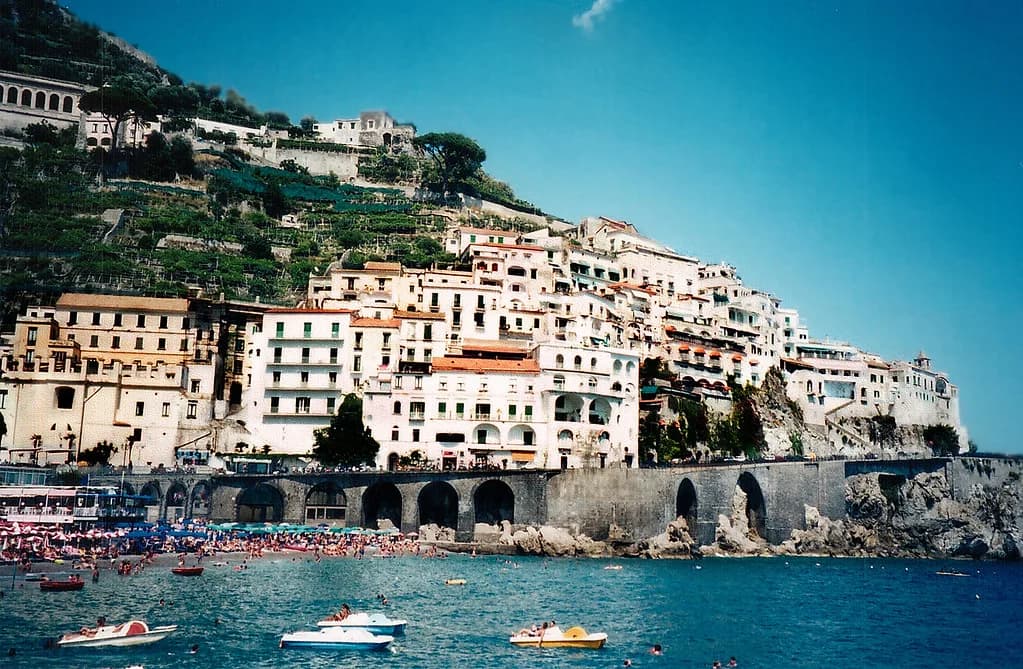
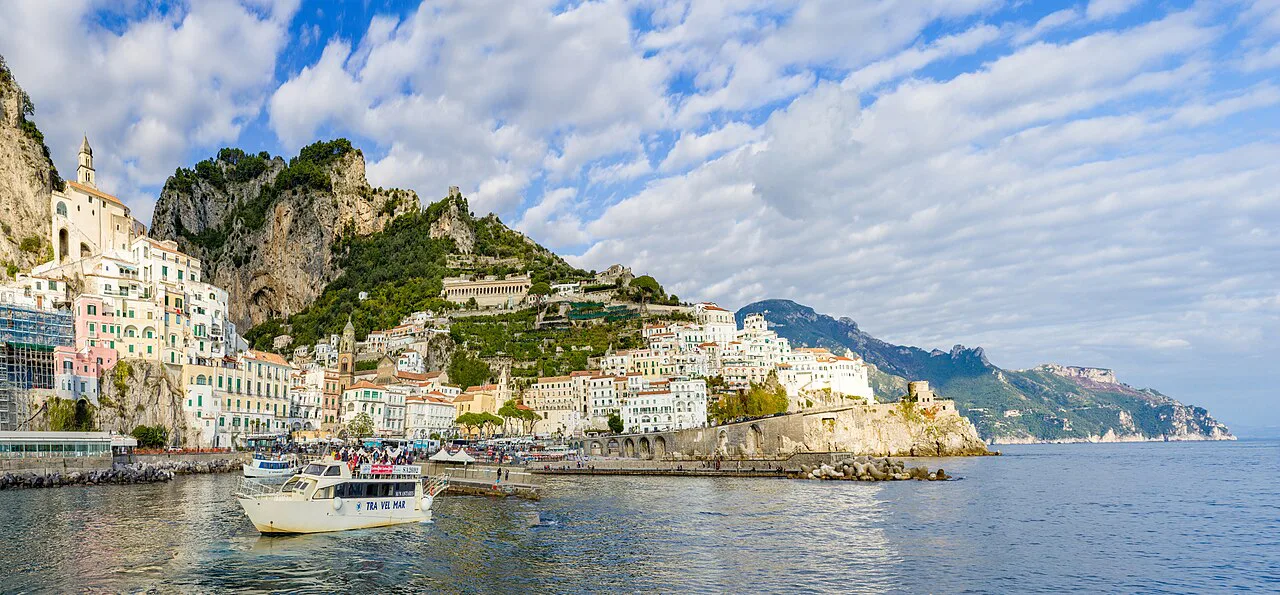
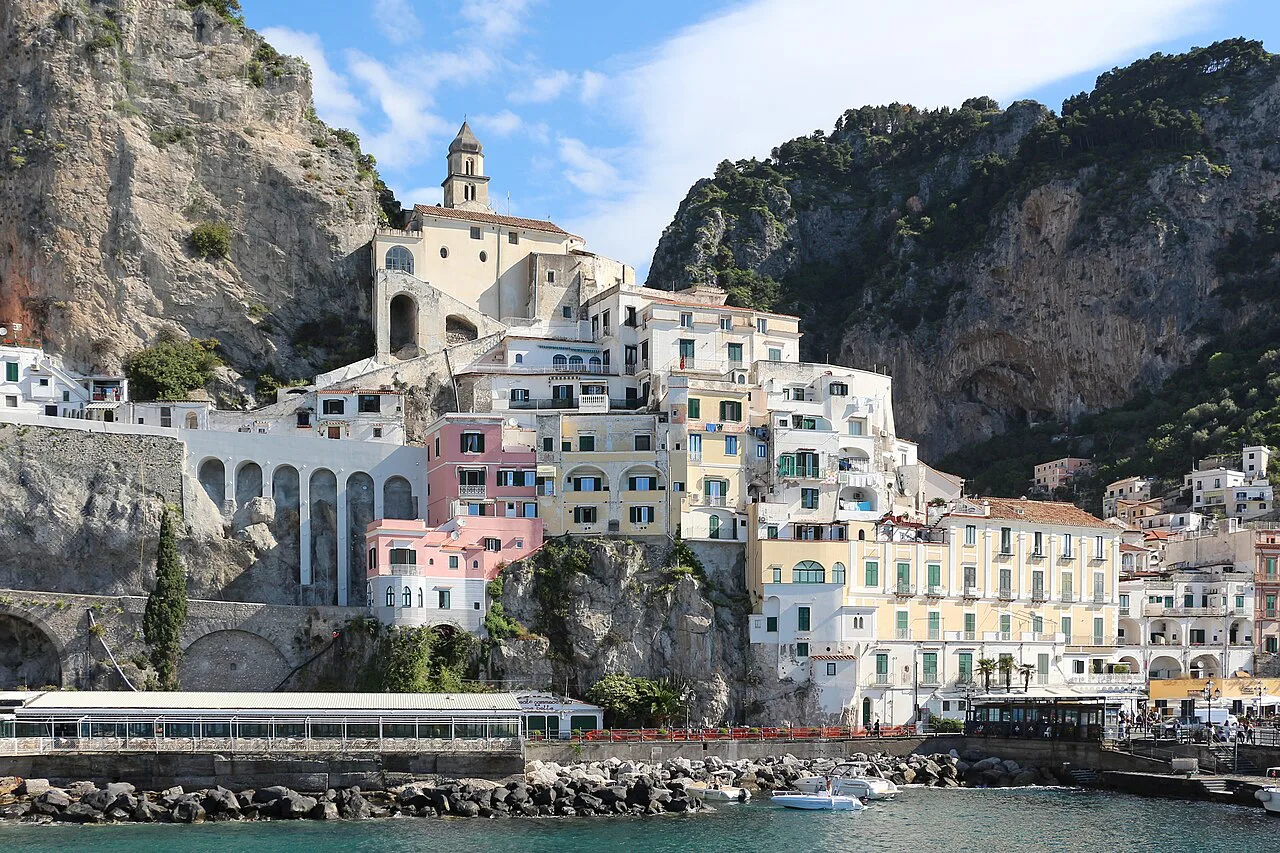
Amalfi is a superb base for a wine day, but the honest geography matters: the seafront itself is a resort and ferry hub, not a wine district. The vineyards that make the coast's wine sit in the hills above the towns, in villages such as Tramonti, Furore and Ravello, so a tasting means planning a short climb inland rather than strolling to a cellar.
This guide groups the coast into vineyard zones, explains what the local Costa d'Amalfi wines are, sets out what a winery visit and a guided tour actually include, and weighs the independent day against a booked tour. It also covers how to reach hill villages without a car, because the coast road is slow and parking in the resort towns is scarce.
Why Amalfi Works as a Base for Wine Country
Treat Amalfi as your bed, your ferry terminus and your evening meal, and treat the hills as the wine destination. From town, the SS163 coast road runs west toward Positano and east toward Salerno, with vineyard villages hanging above it; the practical task is choosing one hillside cluster for a day instead of zig-zagging the coast road.
That approach pays off because the distances look short on a map but take real time in traffic, especially in high season. Grouping one zone per day, with a long lunch or a terrace tasting as the anchor, leaves room for the towns and avoids spending the afternoon in a shuttle.
The Vineyard Zones to Know: Tramonti, Furore and Ravello
Tramonti is the coast's best-known wine village, set in a green valley in the mountains above Amalfi and reachable only by climbing away from the sea. It is where you find the terrace tastings and vineyard walks described in guided itineraries, and it suits a half-day or full-day outing when paired with the towns along the way.
The western zone runs from Furore toward Praiano and Positano, with vineyards on steep terraces above the water; Furore is associated with well-known coastal producers whose visits are handled directly rather than through booking portals. The pages on amalfi coast wineries set out which estates in these villages receive guests and how each one structures a visit.
Ravello sits higher still, above Amalfi on the ridge, and is a natural pairing for a tasting because the drive up already delivers the classic coast views. Schedule Ravello and Tramonti on separate outings rather than the same morning, and you will spend less time in the vehicle and more time at the table.
What You Are Tasting: Costa d'Amalfi and Campanian Grapes
The coastal appellation is Costa d'Amalfi DOC, which covers red, white and rosato wines from terraced vineyards on this stretch of coast. Many estates also bottle the broader Campanian classics, so a tasting list may move from a coastal white into Greco di Tufo or Fiano from inland Campania, then into the region's structured reds such as Taurasi made from Aglianico.
Campania is the home of Taurasi alongside whites such as Greco di Tufo and Fiano, and pioneering producer Feudi di Gregorio appears among the member wineries working to preserve the region's ancient grape varieties. Use that as a reading of the region's range rather than a fixed pour list, since what appears in your glass depends on the estate and the season.
When you book, ask two questions that shape the visit: how many wines are poured, and whether a red from inland Campania is included alongside the coastal bottles. Those answers tell you quickly whether you are booking a coastal-terroir session or a broad regional survey.
What a Tramonti Winery Visit Looks Like in Practice
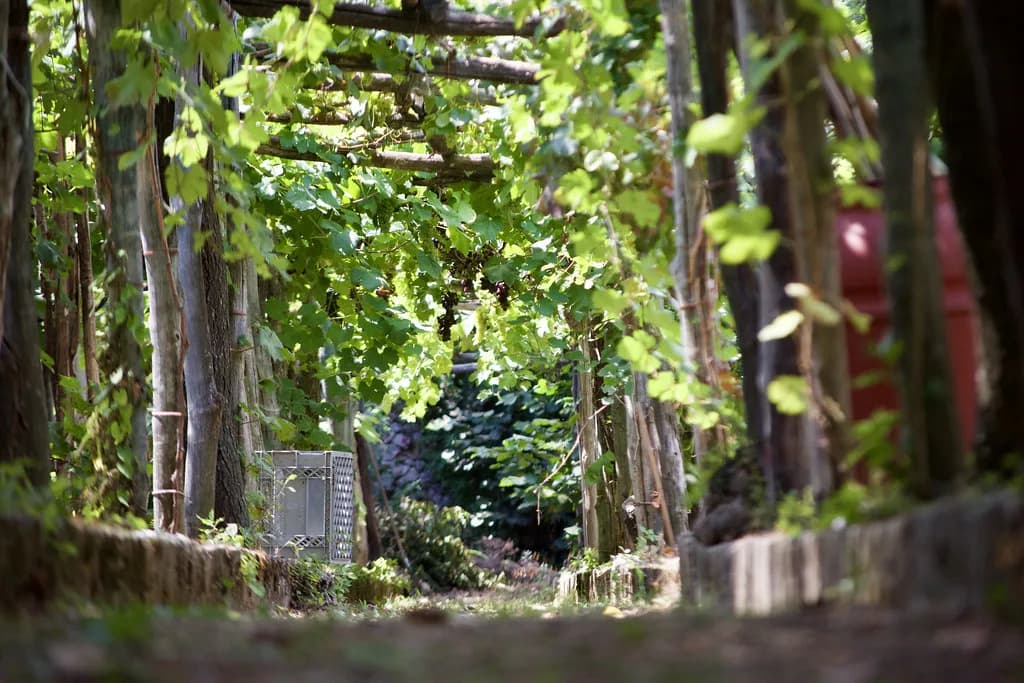
The typical structure in Tramonti is a walk through terraced vineyards, an explanation of the grapes behind the coastal appellation, and a seated tasting on a terrace overlooking the valley. Food is usually part of the package rather than an add-on: the guided itinerary sold from Positano pairs a four-course lunch with four wines, one white, one rosato, one red and one riserva.
Small family estates work on a similar rhythm with less infrastructure. La Vigna degli Dei, a family farmhouse on the coast, describes organic wines aged in its cellar and hospitality hosted by Pasquale and Rosanna; its site is the right place to confirm whether visits are offered and what a tasting includes.
For a specific estate in Furore, the marisa cuomo winery page explains how its terraced vineyards and cellars are organized and what visitor arrangements look like, which helps you decide whether to build a day around it.
What a Guided Coast Tour Bundles In, and What It Costs
A booked day tour on this coast typically combines transport, free time in the towns, a winery visit and a long lunch. One product departing Positano runs about seven hours, starts at 09:00, operates daily in English and Italian, takes parties of two to thirty, and requires booking at least three days ahead, with free cancellation up to four days before the start.
That same tour is priced at three hundred euros per person for adults, with a reduced child rate, and includes pickup from your accommodation, round-trip transport, the winery tour, a four-course lunch and water. It is a useful benchmark: against that figure you can weigh a private driver, a taxi-heavy independent day, or a simpler estate tasting with lunch.
Booked through an operator rather than the estate, the experience comes with set timings and a fixed menu, which is the trade-off for not having to solve transport. Wine Tours on the Amalfi Coast outlines the alternatives, including smaller-format outings and estate-led visits, so you can match the format to your group.
Independent Day or Booked Tour: How to Choose
Choose a tour when your group lacks a driver, when you want lunch and several wines without negotiating each stop, or when your time on the coast is short. Choose an independent estate visit when you want a quieter tasting, a single producer in depth, or the freedom to combine the winery with a specific village on your own schedule.
The real constraint on this coast is driving and parking, not distance. Anyone driving should not taste: use spittoons, nominate a designated driver who sticks to water, or leave the car behind and take a tour, taxi or public transport instead.
For the tour side of that decision, this wine tour amalfi comparison sets out formats and what each one includes, which is easier than assembling the same information from operator pages one at a time.
Reaching the Vineyards Without Driving
Buses run between Amalfi and the villages along the coast road and up toward Ravello, but hill services are infrequent and fill in summer, so build slack into the day. Taxis are available in Amalfi and Ravello and can be hired by the hour for a winery round trip; agree the waiting time and the return fare before you set off.
A driver-for-the-day splits neatly across a group of four to six and removes the parking problem entirely, while a booked tour folds transport and lunch into one price. Ferries connect the coastal towns but do not serve the hill vineyards, so they work for the town-hopping part of the day rather than the tasting itself.
Where the coast road heads east toward Salerno, the villages around Vietri sul Mare hold terraced vineyards and small estates such as le vigne di raito, which gives you a second cluster to consider if you are staying longer or based nearer Salerno.
Booking on the Coast: Reservation Culture and Lead Times
Assume you need a reservation. Coast estates are small, terrace space is limited, and tastings are usually arranged around a visit time rather than offered on demand, so email or phone ahead with your date, party size and whether you want food. Ask directly about minimum party sizes, since some formats only run for two or more guests.
Booking channels have shifted: reservations through The Grand Wine Tour's own portal are temporarily suspended while member wineries manage visits, tastings and reservations directly through their official channels. That is about how bookings are processed, not a sign that estates have closed, so go straight to the producer when a portal shows no availability.
Group size drives the plan more than anything else. Small parties can fit into a family estate's weekly schedule, while larger groups usually need a tour or a pre-arranged set menu; confirm both the headcount cap and the cancellation terms in writing when you book.
Pairing a Tasting With Amalfi, Ravello and Positano
The most satisfying days keep the wine visit to one anchor and let the towns fill the rest. A morning bus or driver up to Ravello, a terrace lunch and tasting in Tramonti on the way back, and an evening in Amalfi gives you the coast's scenery and its wine without a rushed itinerary.
If you are based in Positano or on the western end, the same logic works in reverse: a west-coast estate near Furore, then the seafront towns in the late afternoon. Staying two nights in Amalfi rather than day-tripping from Naples also makes a vineyard morning genuinely relaxed.
When to Go and What Harvest Means for Visitors
Late summer and early autumn are the liveliest time in the hill villages, when terraced vineyards are being picked and cellars are busy; it is also the busiest stretch on the coast road, so book tastings well ahead and allow extra time between stops. Spring and late autumn bring quieter roads and easier restaurant tables, though some small estates are absorbed in cellar work.
Visiting hours, harvest dates and seasonal closures vary by estate and are not standardized across the coast. Rather than rely on a generic calendar, ask the producer you plan to visit which days and months they receive guests, and treat any published opening information as a starting point.
Practical Answers: Cost, Dress, Children and Groups
Cost tracks format: a simple estate tasting with bread and local cheeses sits well below a full-day tour with transport and a multi-course lunch, which is the more expensive option in the comparison above. Dress for terraces and uneven stone paths rather than for a city restaurant, and carry water in summer.
Children are generally accommodated on the tour-style formats, with reduced rates for younger guests on the Positano departure, and family estates often welcome them at the table. For groups, ask about flat rates and per-head discounts before you commit, and confirm whether transport, lunch and gratuities are included in the quoted figure.
If you want another benchmark for how European wine regions organize tastings, wine tasting in Catania shows how a different volcanic district handles visits around Mount Etna, while wine tasting in Lucca covers the Colline Lucchesi DOC in Tuscany, both useful for comparing booking norms.
Plan Your Wine Day from Amalfi
Build the day around one hill village: Tramonti for terrace tastings and a valley lunch, Furore and the western terraces for coastal producers, Ravello for the ridge and the views. Book the estate first, then arrange transport around its time slot rather than the other way around.
Decide early whether you are driving, hiring a driver or joining a tour, because that choice sets your budget and your pace. Confirm the final details, including the visit time, what is poured and whether food is included, directly with the producer or operator before you travel.
More wine guides from Amalfi
Frequently Asked Questions
Where can you do wine tasting near Amalfi?
The vineyards are in the hills above the coast rather than in Amalfi town itself. The main clusters are Tramonti, the valley village best known for terrace tastings; Furore and the western terraces toward Positano; and Ravello on the ridge above Amalfi. Pick one zone per day and arrange a visit with the estate in advance.
Is there wine tasting in Amalfi town itself?
Amalfi is a resort and ferry hub, and its bars and restaurants pour local wine, but the producing vineyards and cellars are in the surrounding hill villages. Plan your tasting in Tramonti, Furore or Ravello and keep Amalfi as the base for the rest of the day.
How much does a wine tasting tour on the Amalfi Coast cost?
Costs vary by format. A full-day tour from Positano, including pickup, transport, a winery visit, a four-course lunch and four wines, is priced per person with a reduced child rate. Independent estate tastings and shorter tours cost less. Compare quoted prices directly with the operator or estate.
Do you need to book Amalfi Coast winery visits in advance?
Yes, plan on reserving. Coast estates are small and appointments are arranged around set visit times. Contact the producer with your date, party size and whether you want food, and ask about minimum party sizes. Some booking portals have suspended reservations, in which case member wineries take bookings directly.
Can you visit Amalfi Coast vineyards without a car?
Yes, but it takes planning. Buses connect Amalfi with the coastal villages and up toward Ravello, taxis can be hired by the hour, and drivers-for-the-day split well across a small group. Ferries serve the coastal towns but not the hill vineyards. Anyone driving should not taste, so use spittoons or choose a driver or tour.
What wine is produced on the Amalfi Coast?
The coastal appellation is Costa d'Amalfi DOC, covering red, white and rosato wines from terraced vineyards. Estates also pour broader Campanian wines, including whites such as Greco di Tufo and Fiano and structured reds such as Taurasi made from Aglianico. Ask when booking how many wines are poured and which grapes are included.
Is wine tasting in Ravello different from Tramonti?
Yes, mainly in setting and logistics. Ravello is a ridge town above Amalfi with sweeping views, while Tramonti is an inland valley village known for terraced vineyards and terrace lunches. Pairing Ravello with a Tramonti tasting on the same day means more driving, so schedule them on separate outings if time allows.
Sources
Notes for your next wine trip
Optional updates to our winery and wine-town guides.
You might also like
Continue reading
More guides you'll find useful