Amalfi Coast Wine Guide: Tramonti, Furore and Ravello
A practical guide to Amalfi Coast wine: the Tramonti, Furore and Ravello districts, the local grapes, and how to reach cellar tastings without driving.
On this page
Most travelers meet Amalfi Coast wine at a restaurant table in Positano or Amalfi, after a day of ferries and stairs. Tasting it at the source is a separate trip: a climb into the terraced hills, a scheduled appointment, and a plan for who is not drinking. This guide treats Tramonti, Furore and Ravello as three distinct decisions rather than one vague wine stop, and the same choice between a coastal base and a hill town shapes wine tasting in Sorrento.
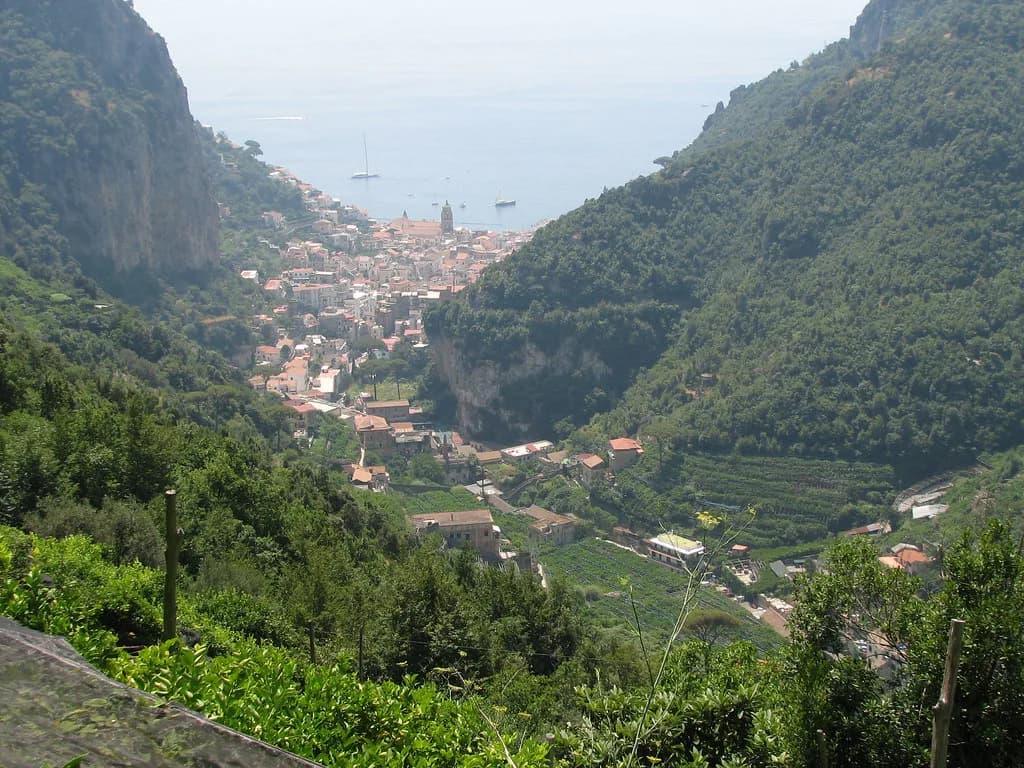
The coast's vineyards sit on steep terraces above the sea, which is why the districts feel so different from one another. Tramonti is inland and green, Furore clings to the cliffs, and Ravello sits high above the water. Campania as a whole is a serious wine region, with white grapes such as Greco and Falanghina alongside the coast's red varieties, as regional coverage notes.
Use this as a planning document: which district to pick, what grapes to expect, how tours and direct bookings differ, and how seasonality changes the logistics. For the wider picture of tasting rooms and routes, the wine tasting in amalfi hub collects the coast's options in one place.
Why the Amalfi Coast Makes Wine at All
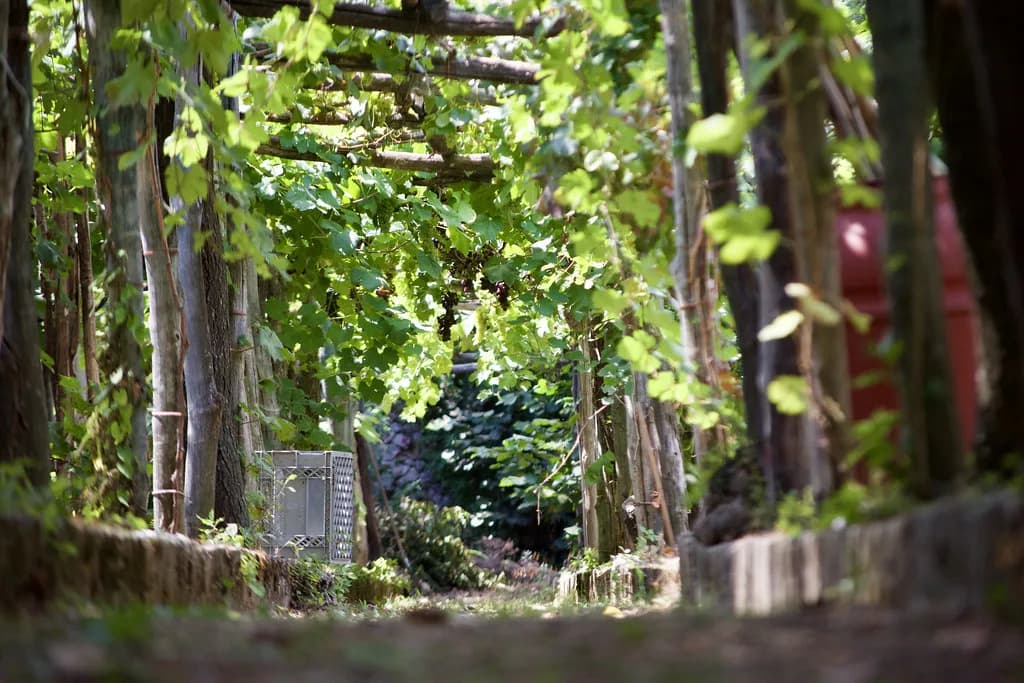
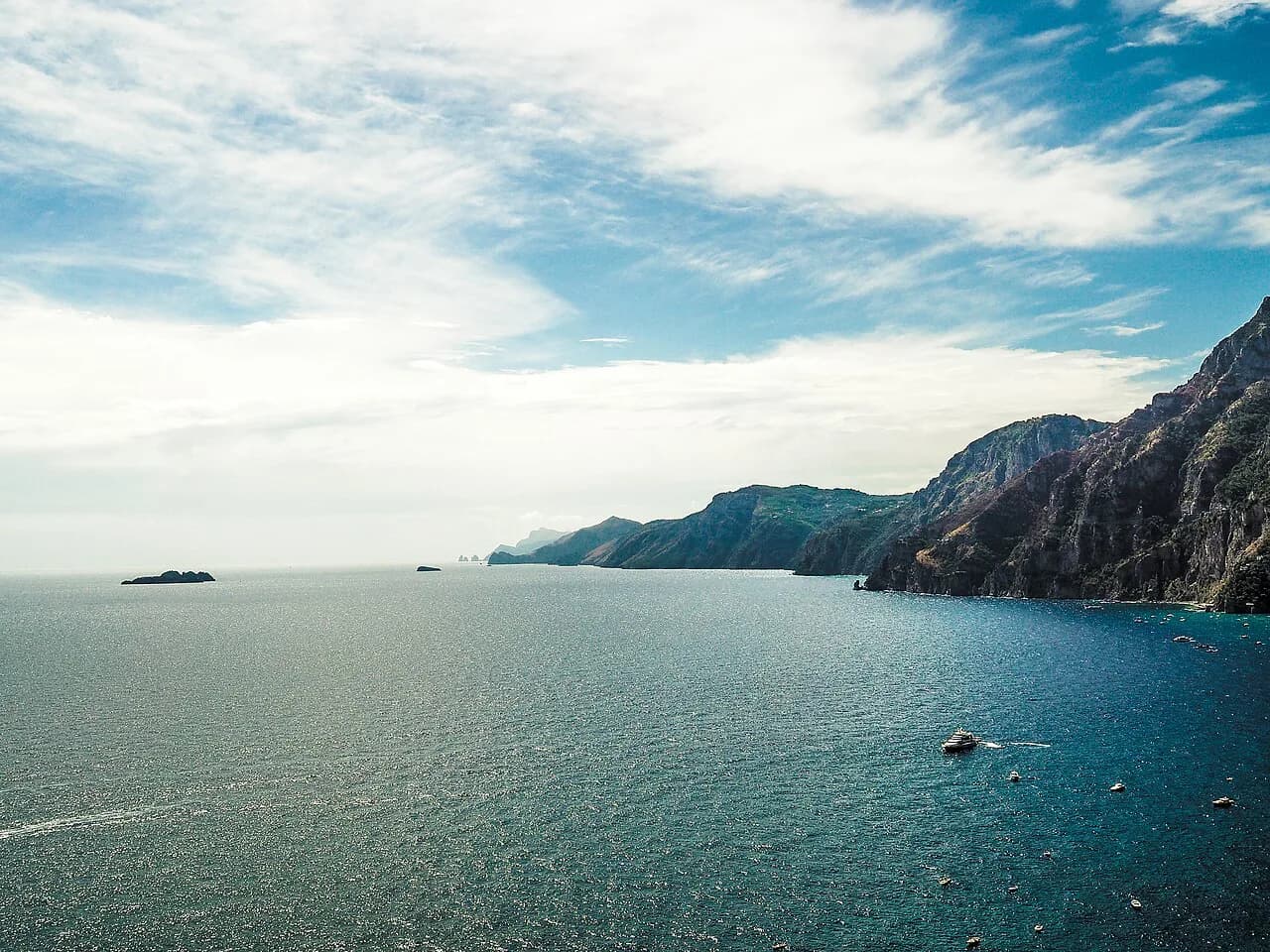
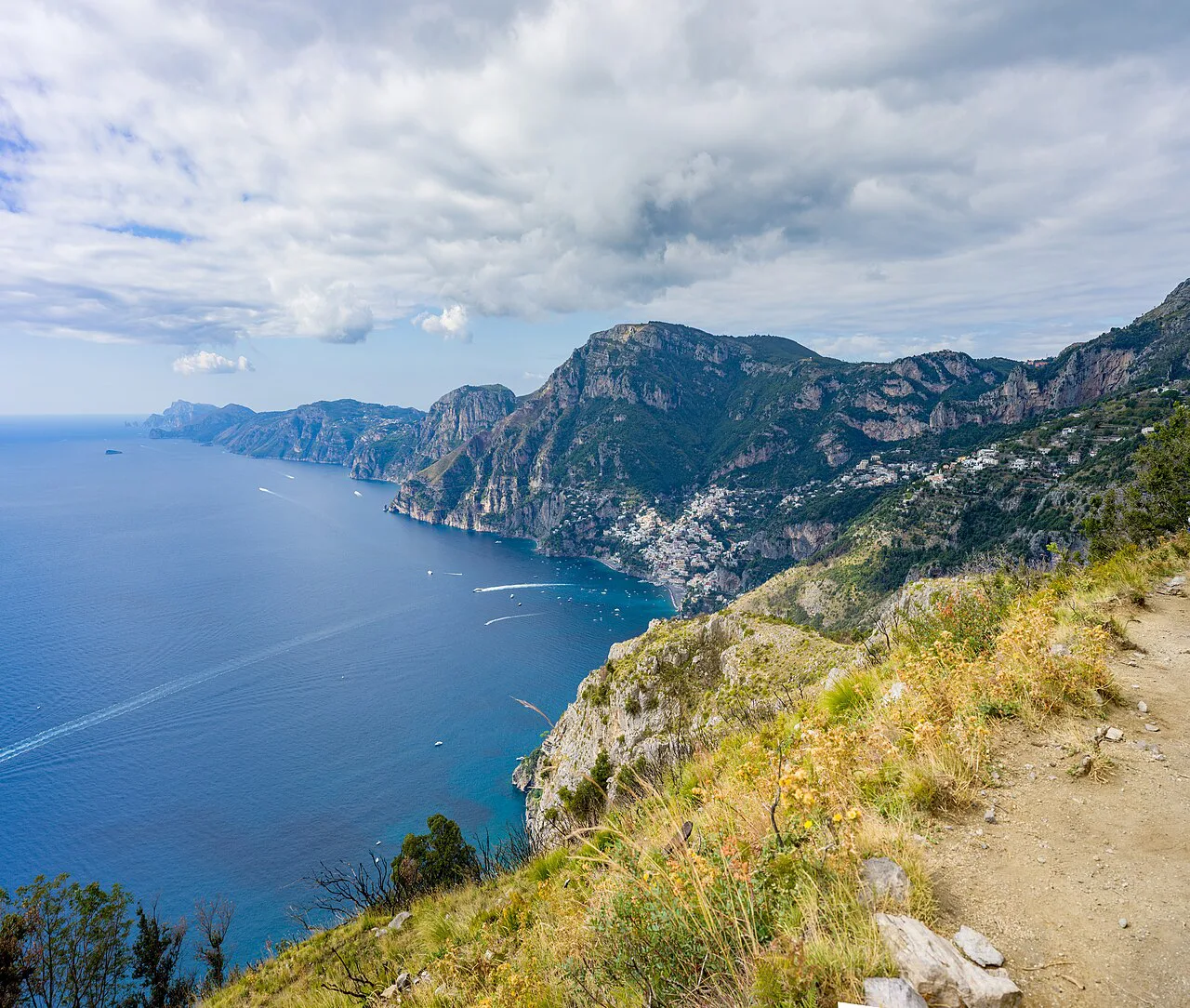
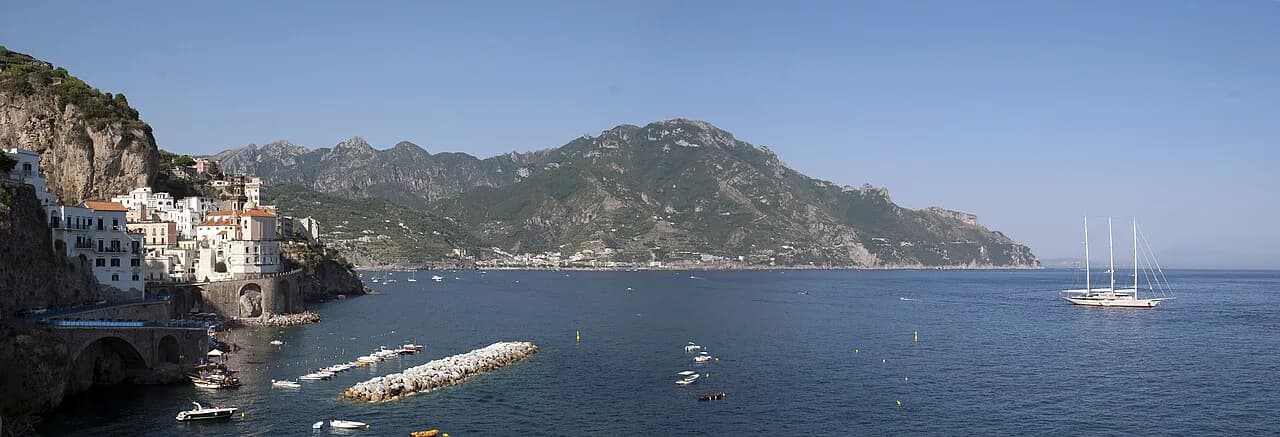
This is not flat vineyard country. The Amalfi Coast's growing areas climb steep terraces above the sea, with lemon groves sharing the slopes, and the coastline holds UNESCO World Heritage status for its landscape. Small plots and handwork are the norm, which keeps volumes low and makes a cellar visit feel like a look at a garden rather than an estate.
For a traveler, the practical consequence is that the wine districts are scattered along the coast and into the hills rather than arranged in a single walkable trail. Grouping tastings by village is the single most useful planning move. The three names worth knowing are Tramonti, Furore and Ravello, and operators point visitors to all three, plus the stretch between Positano and Vietri.
The Grapes to Know Before You Book
Local reds lean on Aglianico, Piedirosso and Sciascinoso, the last also called Olivella, with Fenile and Ginestra also grown in the area. Aglianico is the structured, tannic grape most travelers will recognize from Campania and Basilicata, while Piedirosso brings a lighter, juicier profile. Seeing either on a tasting list tells you the cellar works with the coast's traditional varieties.
Whites deserve equal attention in Campania. Greco makes Greco di Tufo and Falanghina appears widely, both producing fresh, textured whites that suit the coast's seafood cooking. If a tasting list offers only reds, ask whether a white flight is possible, since the region's whites are one of the main reasons to drink here.
Tramonti: The Working Wine Village
Tramonti sits inland from the coast in the hills above Maiori and Minori, and it is the district that behaves most like a wine village rather than a resort. A cluster of producers and cantine in and around the valley makes it the easiest place to group two visits in a day without long transfers. Because it is away from the water, the drive up also removes you from beach traffic.
The catch is access. Tramonti is reached by road, and local buses connect it to the coastal towns, but services are geared to residents and can be infrequent. A taxi or a car service is the realistic option for a timed appointment, so build the transfer cost into your budget before you commit to a midday tasting. Anyone driving should skip the glass entirely and use a spittoon at the tasting.
This is where direct booking pays off. With a cluster of small cellars, you can lock in a late-morning visit plus an afternoon one and still return to the coast for dinner. The amalfi coast wineries directory is the place to shortlist producers by village before you email anyone.
Furore and Ravello: Small Terraced Districts
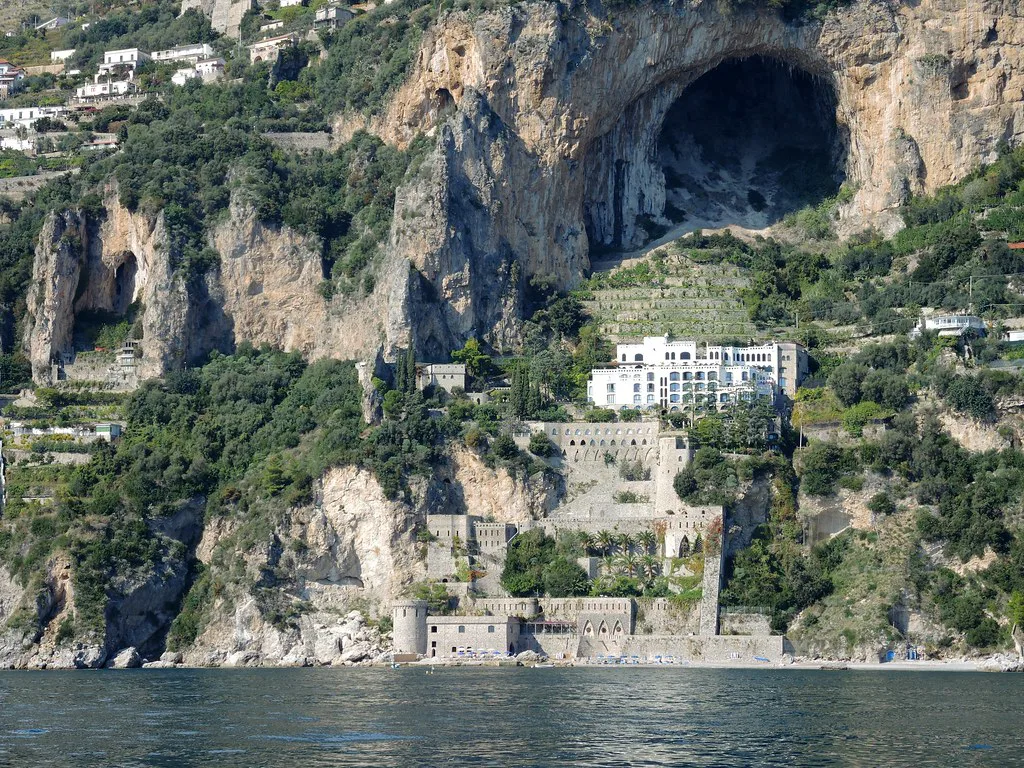
Furore is the coast's dramatic district, with plots wedged into the cliffside and a reputation built on small-production wines. Visits here tend to be short and focused rather than sprawling, and group sizes are limited by the terrain itself. Furore is best paired with a coastal day, since the village sits between Amalfi and Praiano on the coastal road.
Ravello adds altitude and a town visit to the wine stop. The terraces around Ravello have long been part of the coast's wine story, and pairing a tasting with the town's gardens and views makes for a full day. These are small districts, so two cellar visits in one day is a sensible ceiling rather than three.
Because Furore and Ravello are compact, appointment culture matters more than volume. Ask about visit length, how many wines are poured and whether the cellar tour is included when you write. A winery offering a walk through the vines on foot needs to know your timing, and a firm arrival slot keeps you out of the heat of the afternoon.
Tasting Formats and Prices
Published pricing on the coast is mostly attached to tours rather than individual winery visits. One listing shows a full-day private sightseeing and wine tasting tour from about €72, combining a stop in Ravello with the tasting rather than a cellar-only experience. Treat that as a tour benchmark, not a winery price, and ask each producer directly for its own tasting fee.
Organized formats range widely. Full-day and half-day options exist that combine food, wine and sightseeing, and specialist operators build private itineraries with transport included. The advantage is logistics and a driver; the trade-off is a fixed schedule and less say over which producers you visit. A wine tour amalfi search through our own pages shows how these fit together with direct visits.
Direct winery visits are usually cheaper per tasting and more personal, but they carry transport costs and more email back-and-forth. Ask three things when you write: how many wines are poured, whether food is served alongside, and how long the visit runs. A short tasting of three wines is a different proposition from a two-hour tour with a vineyard walk.
Getting There Without a Car
The coast is served by boats, buses and a single winding road. In season, ferries and hydrofoils link the main towns and are the calmest way to move, though they stop operating in the low winter months, which shifts everything back onto buses and taxis. Naples Capodichino is the closest airport, sitting about 6 km from the city center, and the train to Sorrento or Salerno is the common land connection.
For Furore and Ravello, buses run the coastal road and climb to Ravello from Amalfi, but they are slow in high season and packed at peak hours. A taxi is faster but expensive, and worth sharing between two couples. Tramonti is the outlier: plan on a car service or a guided transfer rather than stringing together local buses.
Tours solve the transport problem outright by including pickup and a driver, which lets everyone in the party taste. Independent travelers should consider a taxi for the hilly districts and keep the coast's boats for the flat, town-to-town legs. Our wine tasting pages for the area cover which districts work best without a car.
Independent Visit or Organized Tour?
Choose the tour if you have two or three days on the coast, want a wine day plus sightseeing, and would rather not negotiate transfers. Full-day private options combine a town visit with a tasting, which suits travelers staying in Amalfi or Positano who want one well-planned day out. It also works for groups where nobody wants to drive.
Choose independent bookings if you care which producers you visit, prefer a long lunch at a cellar table, or are staying a week or more and can spread visits across days. The appointment route gives you the most time at the winery and the lowest per-tasting cost, at the price of your own transport planning. A luxury operator can also build the same itinerary privately, at a different price point.
Either way, a driver should not taste, whether that means a spittoon at the cellar, a designated driver in the group, or a hired car. On this coast, the road is the real reason to be careful, not the pours.
Seasonality and When to Go
The best months for wine and vineyard visits on the coast are April to May and September to October, when temperatures are milder, crowds thinner and vineyard tours easier to enjoy. Spring and autumn also align with the growing season: budbreak and early growth in spring, harvest in early autumn.
Winter is a genuine constraint. From November through March, ferry and hydrofoil services stop and many hotels and restaurants close, with options concentrated in Naples and Sorrento. The coast reopens after Easter, so a winter wine trip is best planned around Naples or as a day trip rather than a base on the coast itself.
A three- to five-day stay is the realistic window. Three days covers Amalfi, Ravello and Positano plus one wine district; five days lets you add Tramonti and a second region. Trying to fit all three wine districts into two days means long transfers and short tastings.
How to Book: Appointments, Party Size and Questions
Small cellars on the coast work by appointment, and the good ones fill in season, so write ahead with your dates and party size. Email beats a phone call for non-Italian speakers, and a named winery's own site is the most reliable source for visit details. Confirm whether a tasting fee applies, whether it is refunded against purchases, and whether children or non-drinkers can join.
Group visits matter for the smallest estates. Ask whether a minimum party applies, whether the visit includes a walk through the terraces, and how many wines are open on the day. If you are combining two districts, leave a realistic buffer for the coastal road, which slows badly in summer traffic.
If you want a named cellar starting point, the Marisa Cuomo winery in Furore is on our separate visit page, and those pages list the practical visit details for each estate.
Where to Base Yourself for Tastings
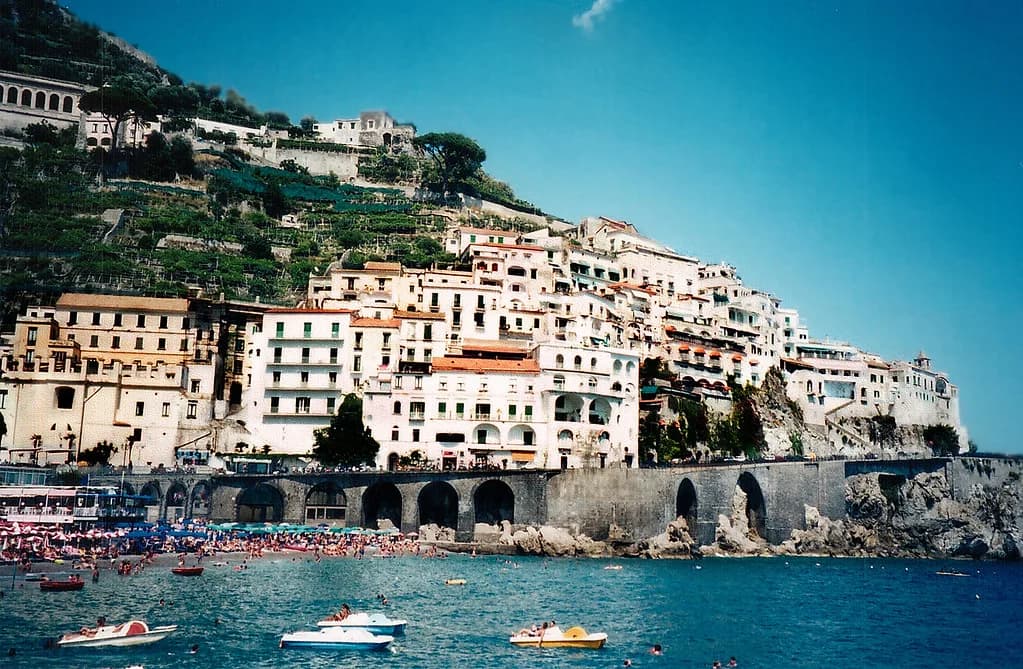
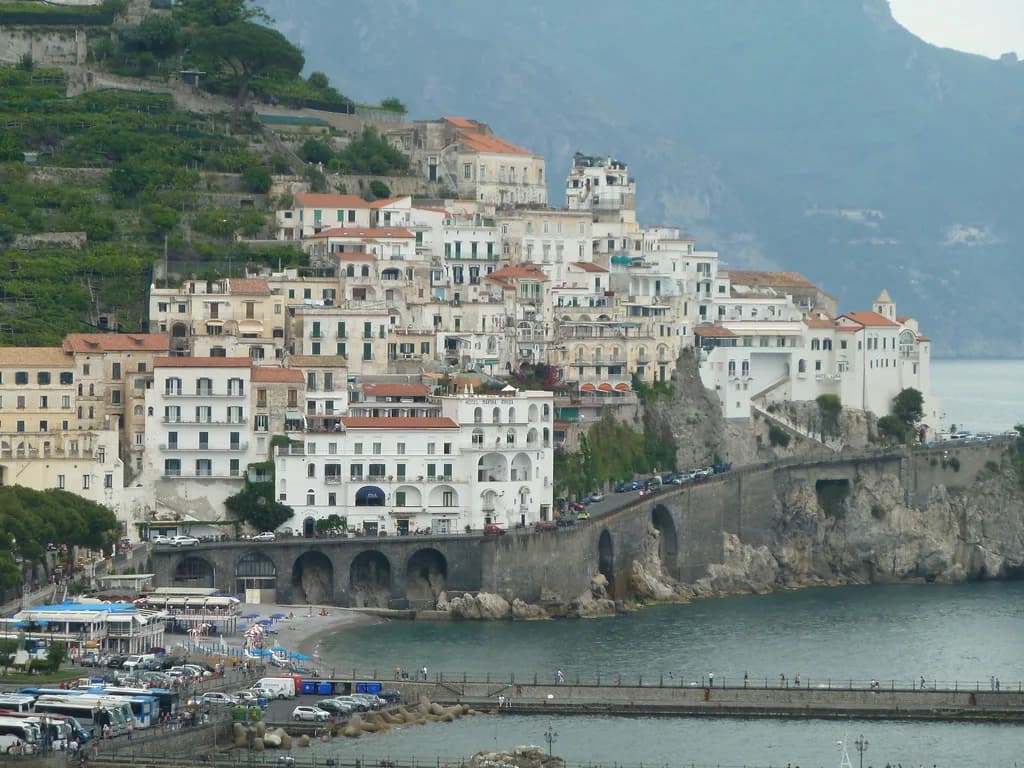
Amalfi sits central on the coastal road and is the most practical base for reaching both Furore and Ravello, with buses and boats from the same waterfront. Positano is prettier but the road out is slower, adding time to every wine excursion. Ravello suits travelers who want the town itself as the main event.
Vietri sul Mare, at the eastern end near Salerno, is often overlooked but puts you close to the Salerno rail connections and the Amalfi Coast's eastern vineyards. It is a better base if you arrive by train and plan to mix wine days with day trips to Paestum or Naples.
Plan Your Visit
Build the wine day around one district, book the cellar in advance, and arrange transport before you commit. Tramonti rewards a dedicated morning, Furore suits a cliffside stop between Amalfi and Praiano, and Ravello pairs a tasting with the town itself.
Travel between April and October if ferries and full restaurant choice matter, and write to producers with the exact questions that decide your booking: wines poured, food included, duration and party minimum. The amalfi coast wineries list is the shortlist; the wine tasting hub is the planning layer around it.
Frequently Asked Questions
What wine is the Amalfi Coast known for?
The coast's reds rely on Aglianico, Piedirosso and Sciascinoso, with Fenile and Ginestra also grown locally. Campania as a whole is known for whites such as Greco di Tufo and Falanghina, and those appear widely on coast restaurant lists alongside local reds.
Can you visit wineries on the Amalfi Coast without a car?
Yes, but plan around the district. Furore and Ravello are reachable by bus or boat plus a short taxi, while Tramonti is best served by a taxi or a guided transfer. Off-season ferry cuts make buses and taxis the only options from November through March.
How much does an Amalfi Coast wine tour cost?
Tour prices vary by operator and format, and individual winery tastings are priced separately from transport. Ask each operator what the fee includes, especially transport and food, and ask wineries directly for their tasting fee before booking.
When is the best time for wine tasting on the Amalfi Coast?
April to May and September to October bring milder weather, fewer crowds and easier vineyard visits. November through March shuts down ferries and many hotels and restaurants, so a winter wine trip is best based in Naples or Sorrento.
Is Tramonti worth visiting for wine?
Yes, if you want the working-village side of coast wine rather than a resort visit. Its cluster of small cellars makes it the easiest district for grouping two visits in a day, though you should plan transport in advance.
Do Amalfi Coast wineries require appointments?
The small terraced estates generally work by appointment, especially in season. Write ahead with your dates and party size, ask whether a minimum group applies, and confirm the number of wines poured and whether food is included.
Sources
Notes for your next wine trip
Optional updates to our winery and wine-town guides.
You might also like
Continue reading
More guides you'll find useful